Hello
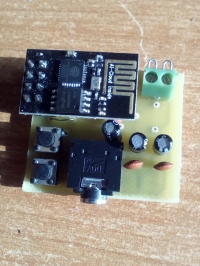
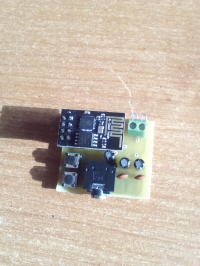
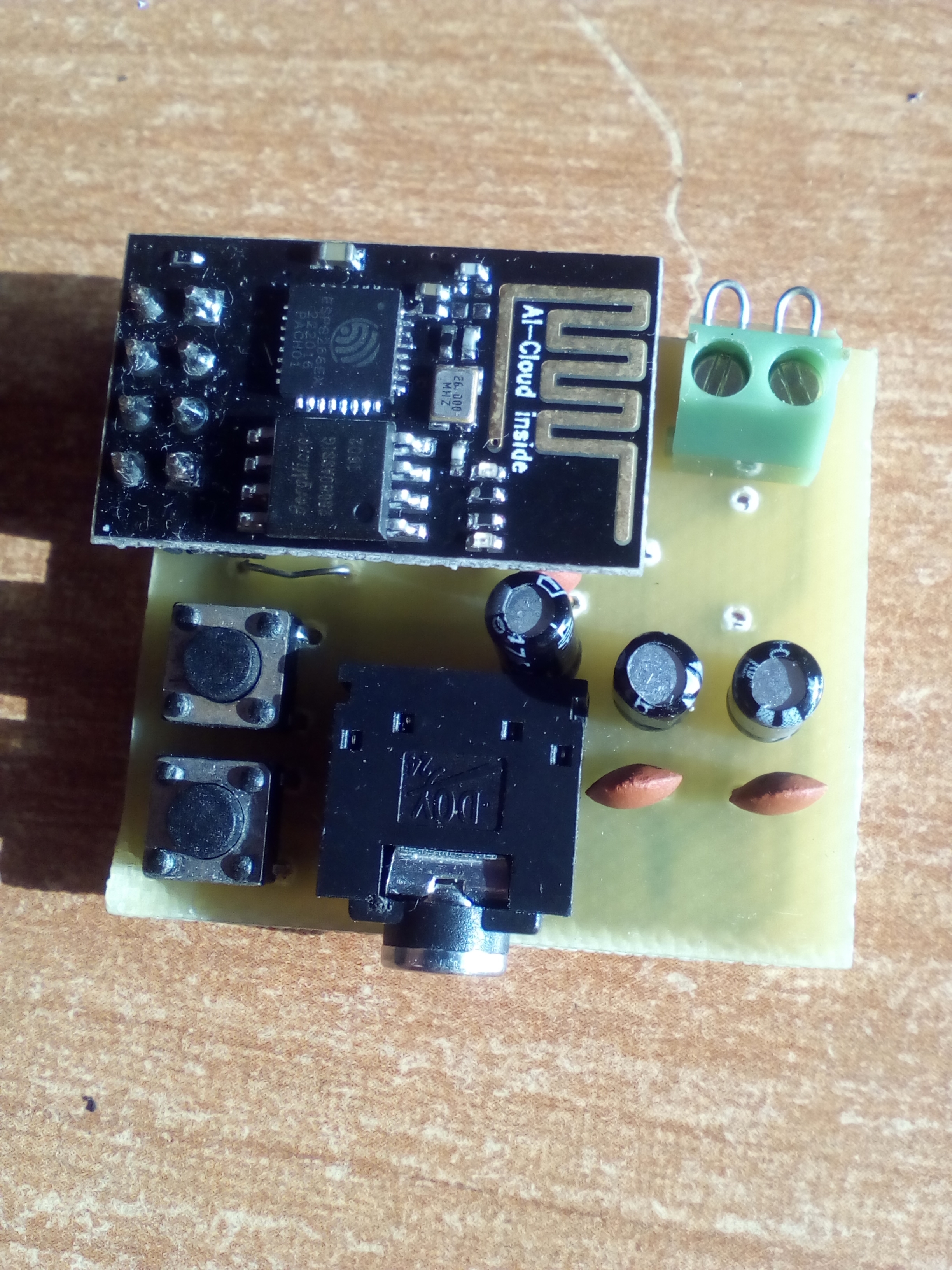
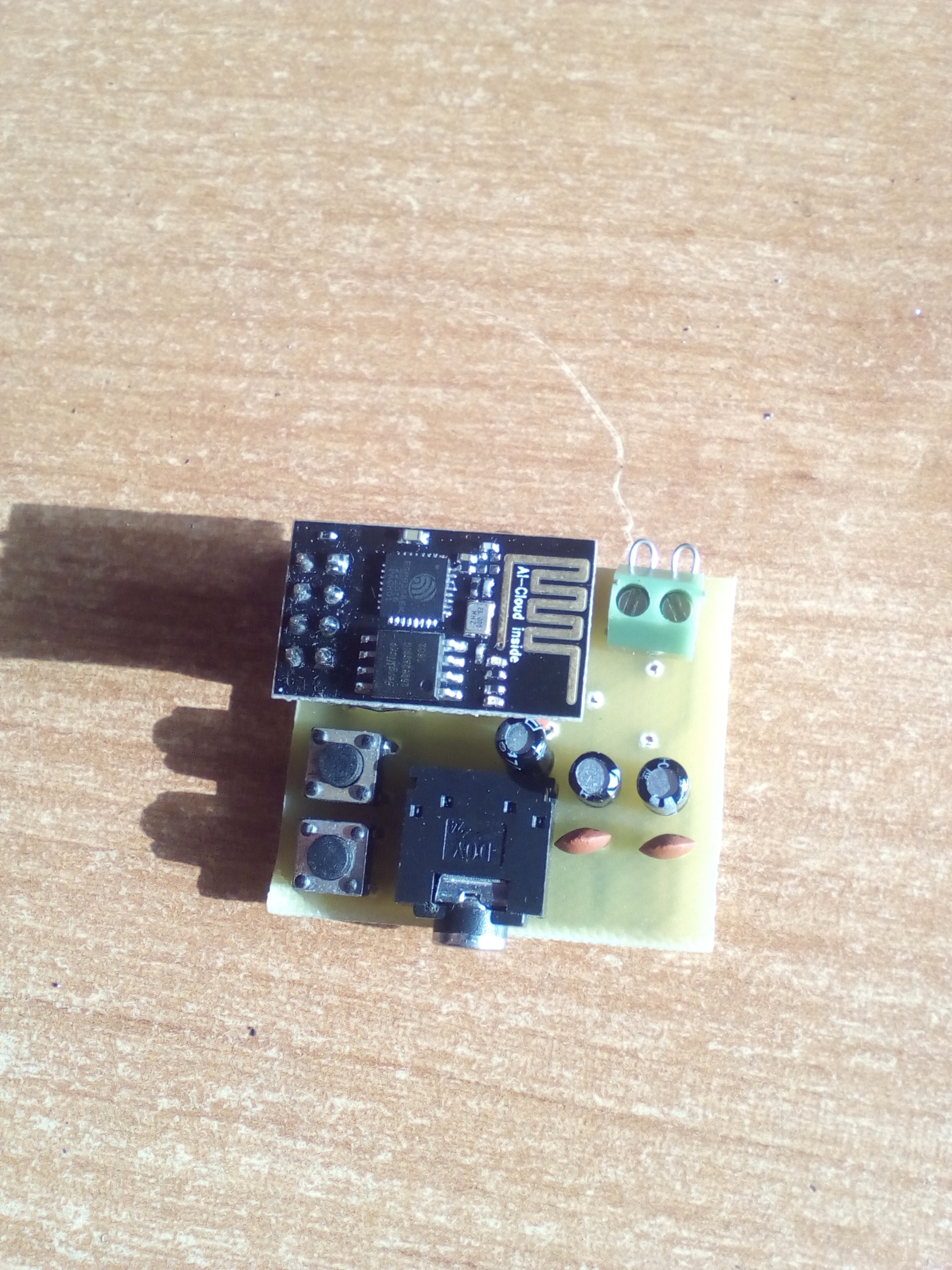
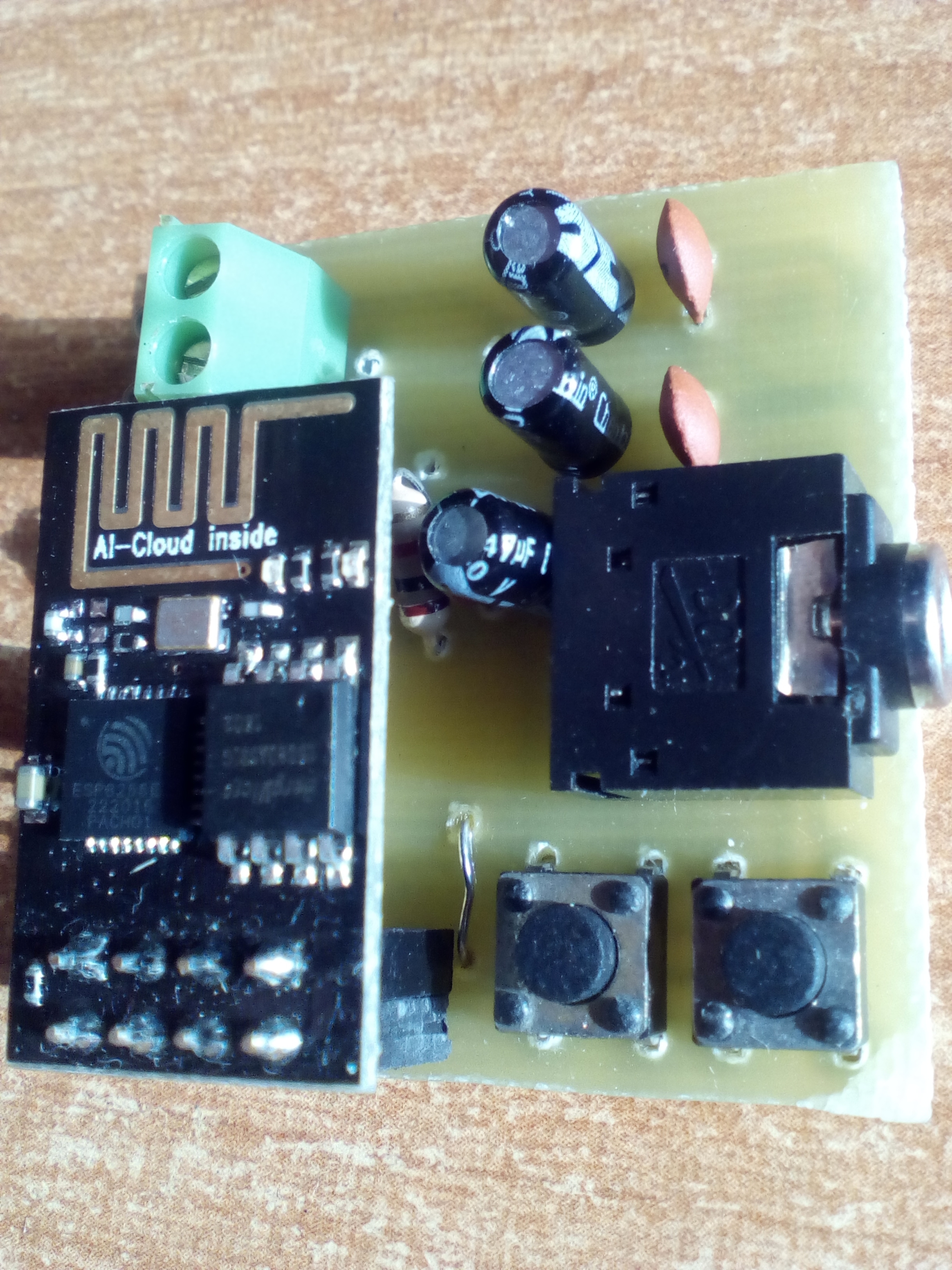
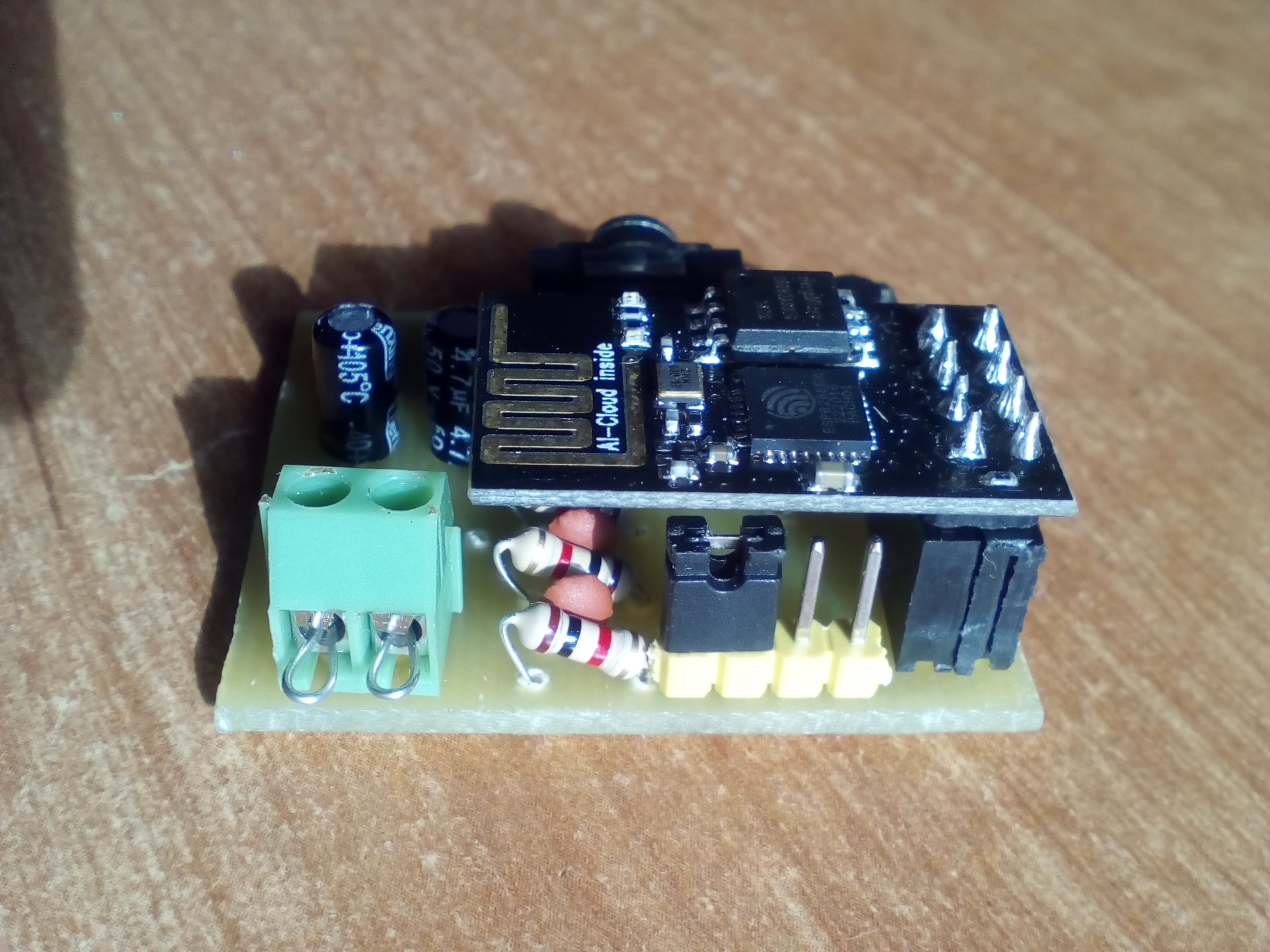
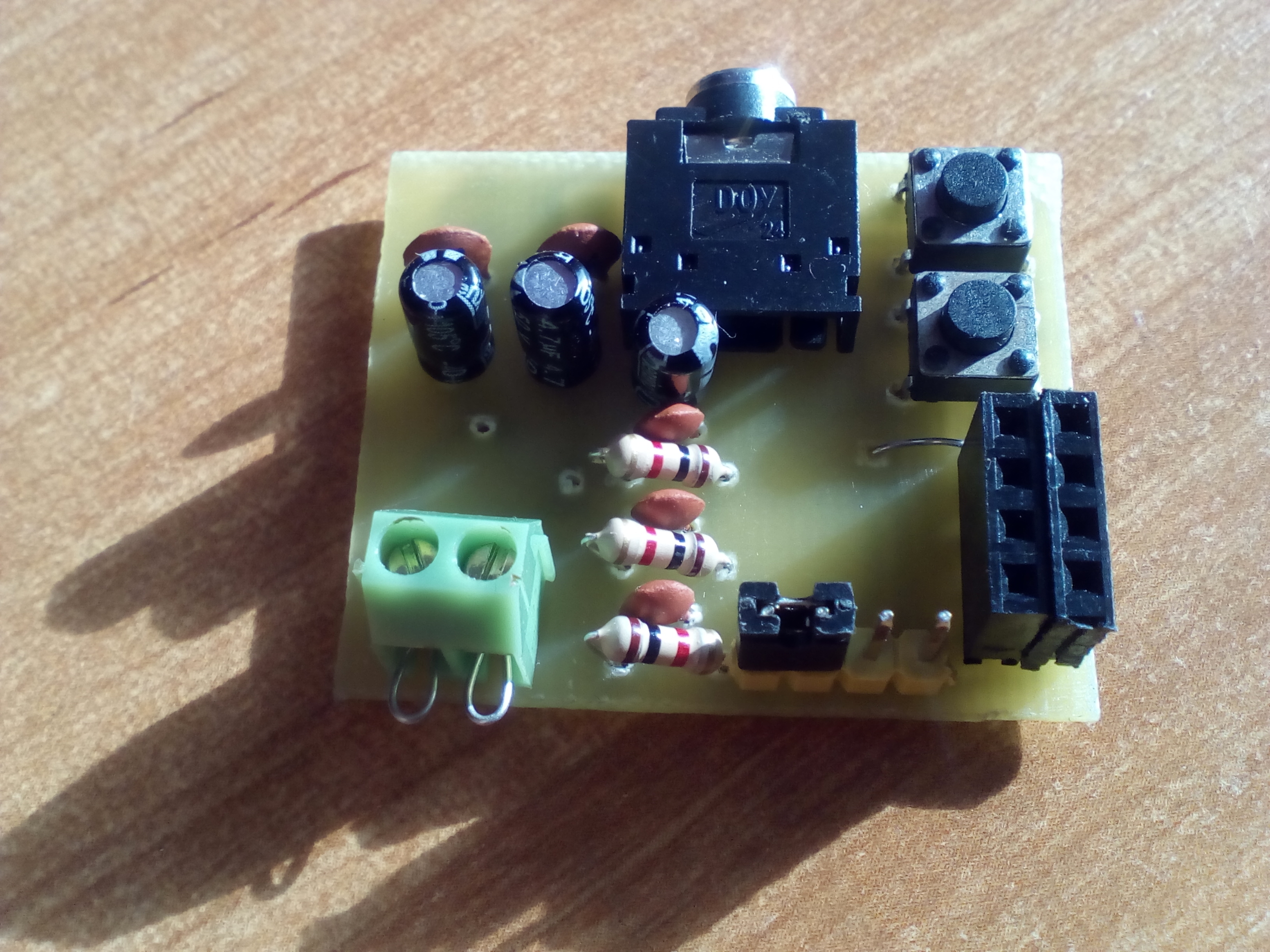
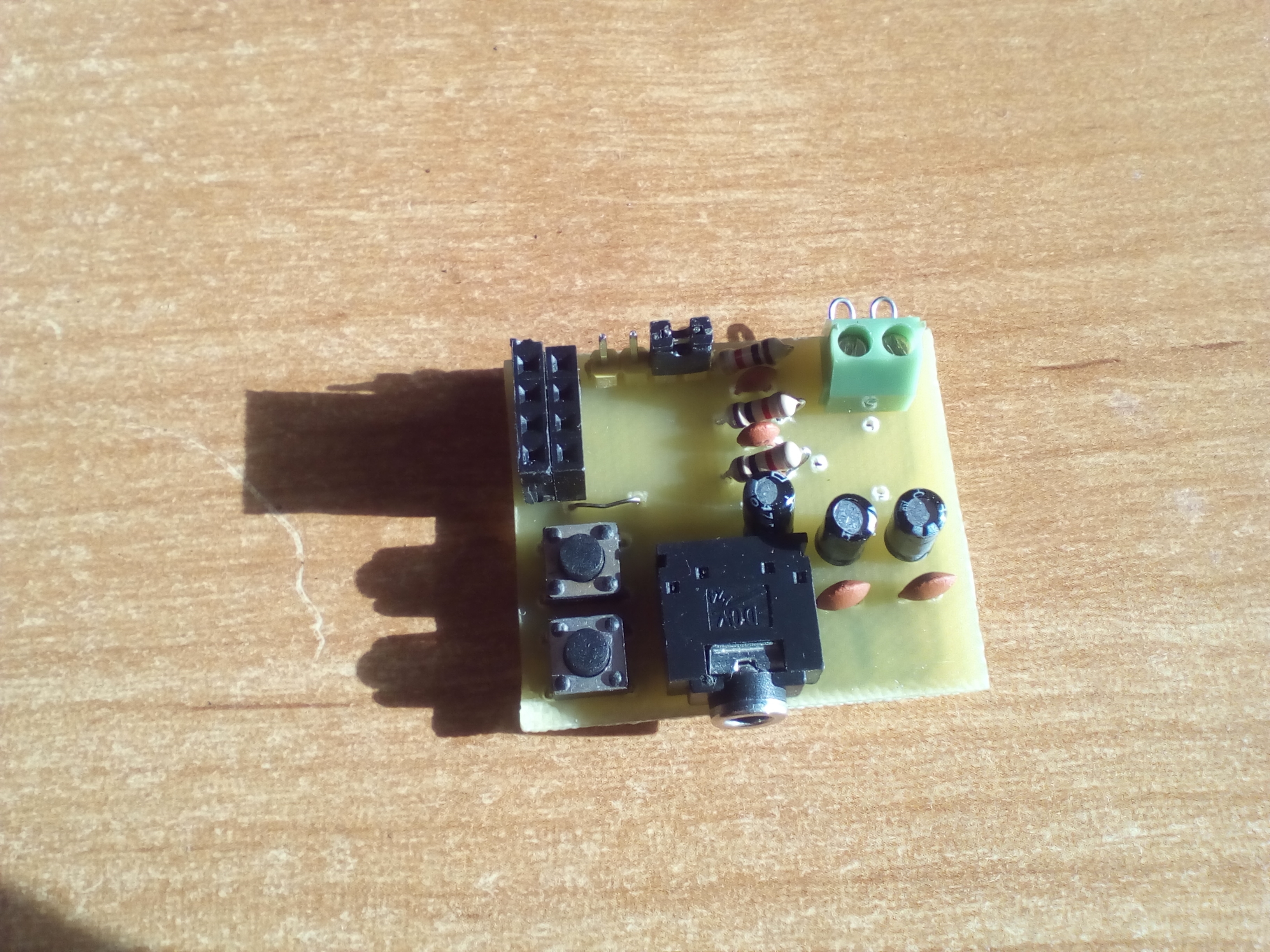
I wanted to present a modification of the design of the Internet radio player built only using the ESP-01 module, RC filter and a few external components.
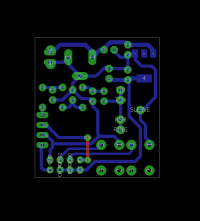
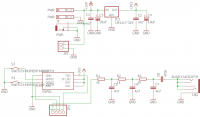
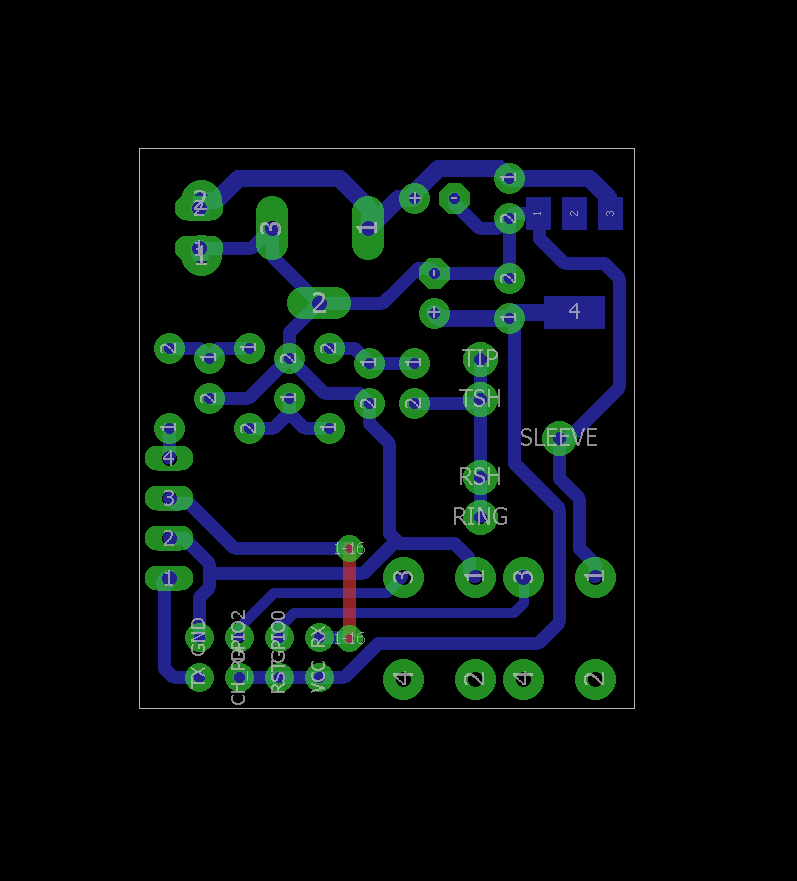
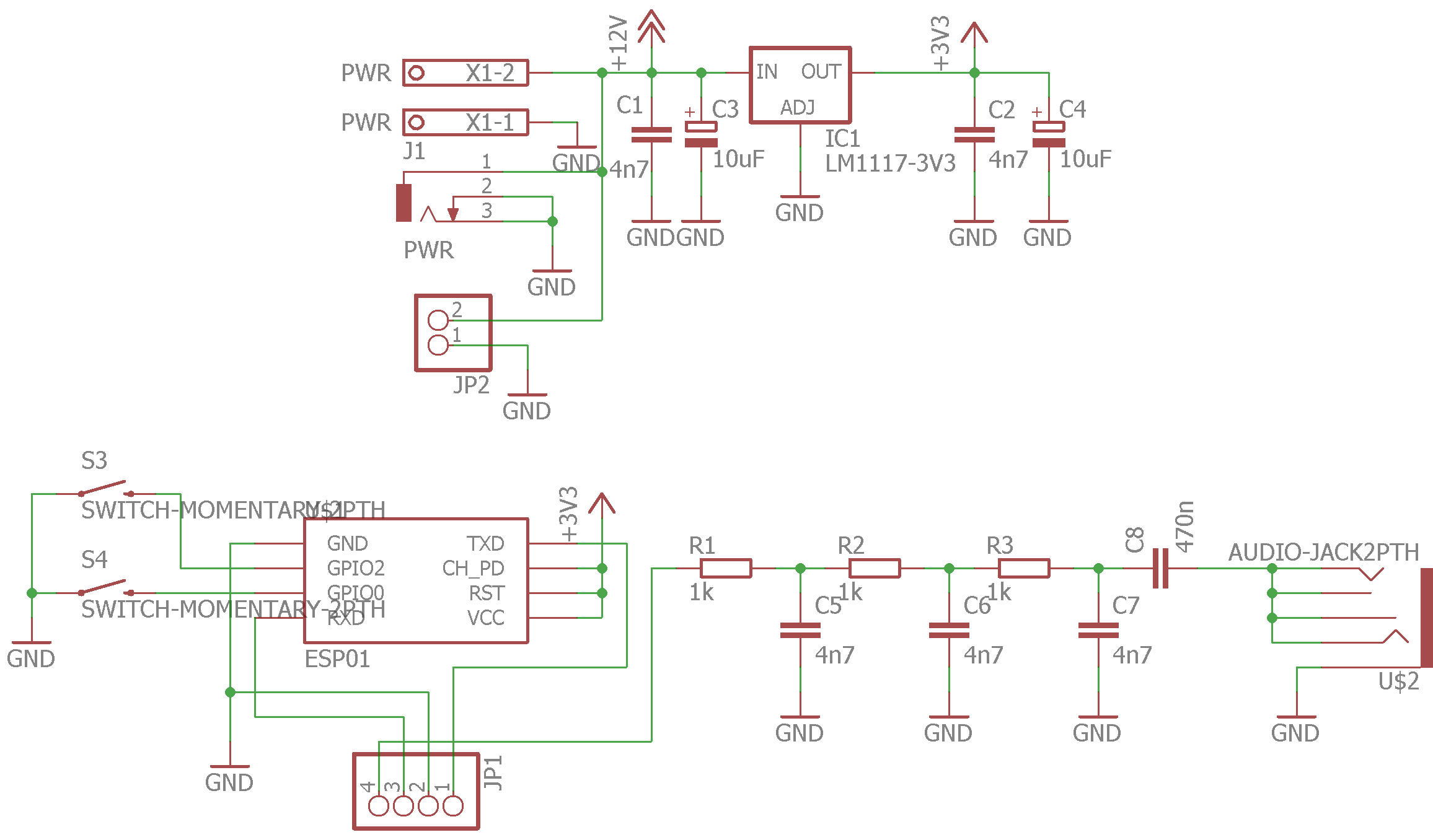
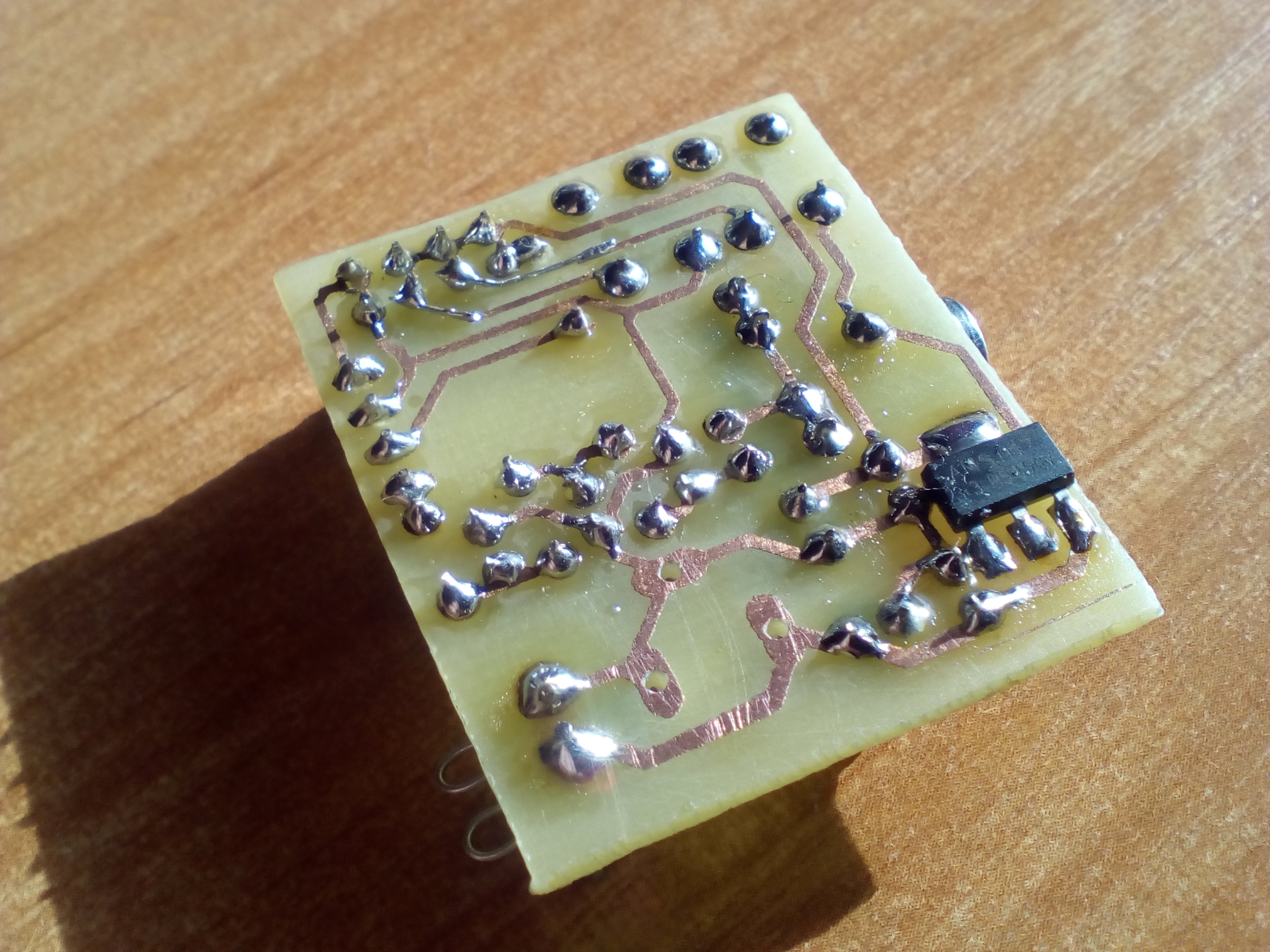
Hardware: The schematic and pcb were prepared in the Eagle program version 7.7.0.
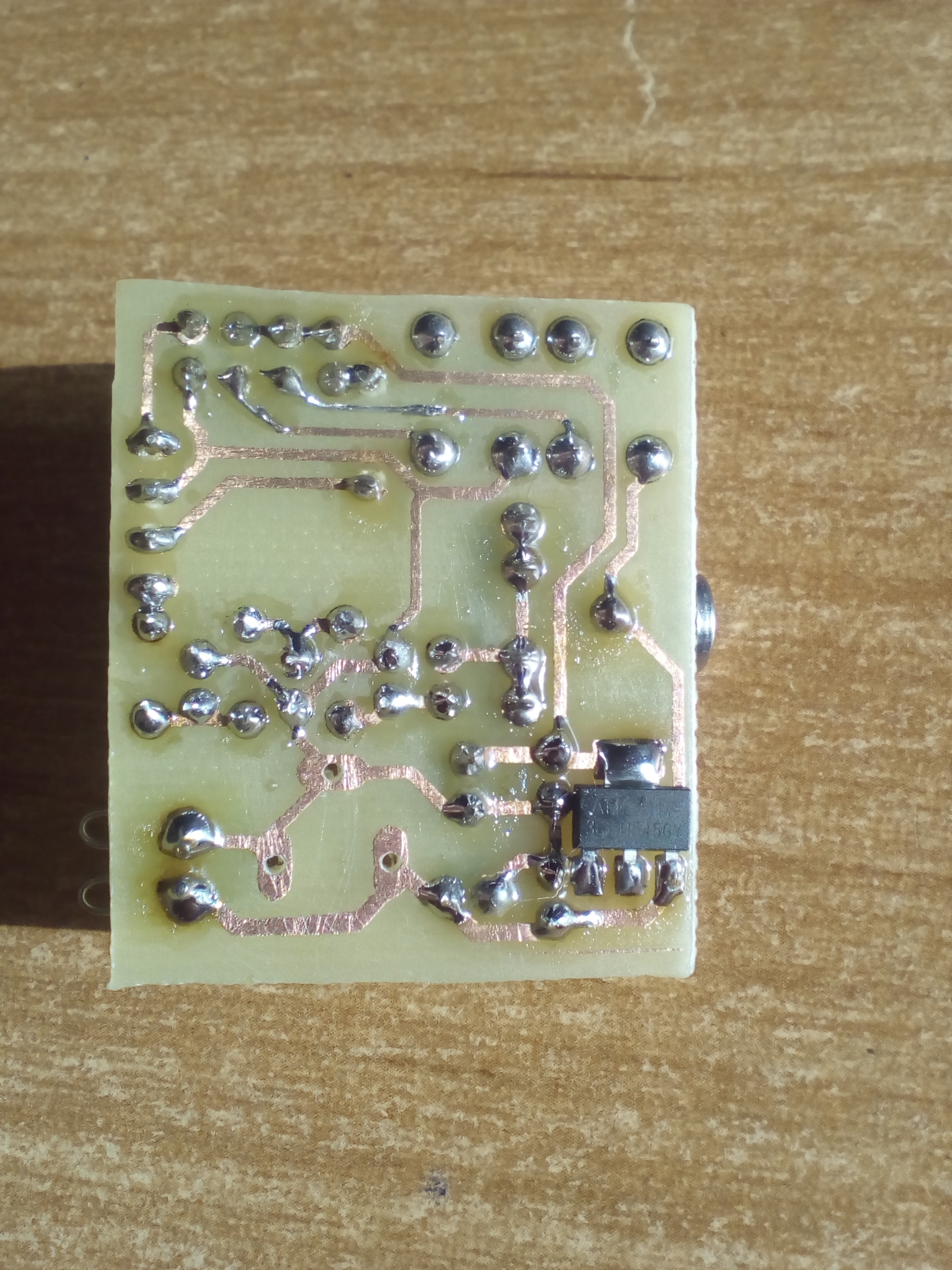
The mp3 stream decoding is handled by the ESP8266 microcontroller overclocked to 160MHz. As the output generates a PWM signal, where the PWM itself has a resolution of only 4 bits, it was necessary to add a low-pass filter. I used the solution proposed by the @tmf user in one thread in the microcontrollers section. This is a 3-stage RC filter which should give a decrease of 18dB per octave, whose cut-off frequency I can't remember anymore. As a power outlet I gave the opportunity to use a DC connector, ark connector or ordinary goldpin. Voltage stabilization is handled by ams1117 or similar with the same pin configuration.
 Software
 The software is a modified code that was available at this address:
https://github.com/pvvx/mp3_decode I have added the ability to change radio stations using the keys. However, it is not entirely correct and has 2 bugs that I could not cope with:
- when changing stations, before we connect to the next one, the sound will be suspended and the loudspeaker will be heard.
- when you hold the switch button for a long time, the system will reset.
The rest seems to work as it should. Files with modified program code are placed in the attachment.
Comments: - The player can decode only mp3 streams,
- I used wireshark + foobar to get addresses of types, addresses and bitrates of streams
- Theoretically, the maximum bitrate is 256kbps
- The program is compiled with the help of Eclipse + RTOS SDK, wanting to add radio stations and configure the network connection options, I recommend reading
this theme.
- Addresses and number of stations are defined in the file
radiostation.c - The name and password for the network are defined in the file
playerconfig.c - In the attachment I also put a compiled program with the name of the TPLINK network and the password 1234abcd, where I added stations
RMF FM
Duth radio(?)
Maxima FM
Radio Złote Przeboje
VOX FM
Radio ZET
Polskie Radio PR1
- To upload the program, it's best to configure eclipse and do it from its level, but you can do it 100% using another tool, e.g. ESP Flash Tool. Addresses to upload files you have to look for yourself, because I uploaded only with eclipse.
- During programming, we connect the usb uart converter to the goldpin pulled out from the side of the board. After programming the system, put a jumper between the RXD and the output. I had to use such a solution because the loaded line caused the lack of programming possibilities. To switch the system to flash mode, hold the corner button and then connect the power supply.
- The system consumes 110mA during operation
- The sound quality is quite poor and is not suitable for listening on headphones. I obtained tolerable quality at home when connecting to the Sony FH-411R tower and adjusting the equalizer settings accordingly.
- A version with DAC and external RAM is also available
this address, but after a few hours of fighting I could not compile. If anyone can deal with it, please give me a description.
- If anyone has any idea how to convert AAC to mp3 on the fly, please let me know how to do it.
- All necessary files attached
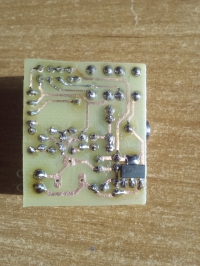
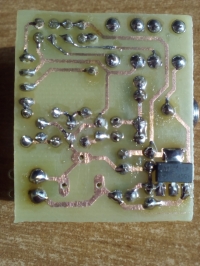
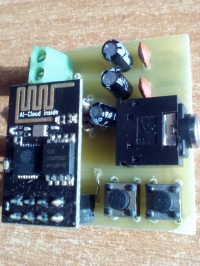
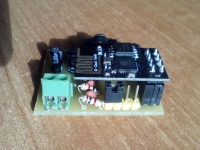
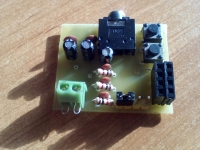
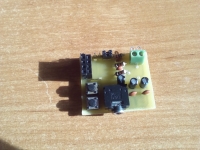
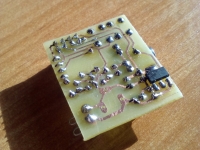
Yes it's a game
[Film: a8ca227b01]
https://filmy.elektroda.pl/52_1505470652.mp4 [/ film: a8ca227b01]
[Film: a8ca227b01]
https://filmy.elektroda.pl/4_1505470694.mp4 [/ film: a8ca227b01]
best regards
Paul









Comments
Hello Thanks for pointing out my project :) So fast: does your WiFi module close the existing connection to the radio server before connecting to a new server? Maybe this is the reason for this... [Read more]
Thank you for your comment :D Yes, I'm closing the connection. My guess is that the buzz is due to the DMA based pwm and still running mp3 decoding thread in the background. At the time of disconnection,... [Read more]
Cool and simple design. ESP is generally quite an interesting microcontroller. The module in the ESP-12 or ESP-06 version will certainly look more aesthetically pleasing. [Read more]
I don't know what RTOS you used, but maybe there is something or similar like TaskSuspend and TaskResume? Besides, it may be worth trying to simply turn off PWM on the ESP module pin in the appropriate... [Read more]
I wonder if it would be easy to get stereo sound. [Read more]
As I remember correctly, esp8266 has i2s so you can connect a DAC [Read more]
I note that I do not know this software, but I suppose that as you called it - the crashing of the sound may be due to the fact that in the output buffer (probably ring-buffer) the samples have recently... [Read more]
A great project! you can be tempted by ESP-12 and add LCD2x16 after I2C :) [Read more]
Lcd2x16 after i2c would waste a lot of money ;) probably better some graphic OLED. [Read more]
OLED also goes after i2c so I think that without a difference, there is a big difference in the price of such displays. [Read more]
No PLN 10 oled on Ali. I2c goes, but it's nice to take over DMA. [Read more]
What is its size? I don't think it's the size of a 2x16 screen :D [Read more]
It's 2.4 TFT whole, it is smaller but more text fits on it, 4 lines on 128x32 - 0.91 'or 8 on 0.96 128x64. Yes, you can read such a text calmly. The display on i2c 2x16 takes up a terrible processor.... [Read more]
Maybe there is something or similar like TaskSuspend and TaskResume? In addition, it may be worth trying to simply disable the PWM feeding on the ESP module pin in the appropriate thread (tape) when there... [Read more]
Great project, could use something like this. Would any of you be willing to sell such a gem? PW [Read more]