Hello.
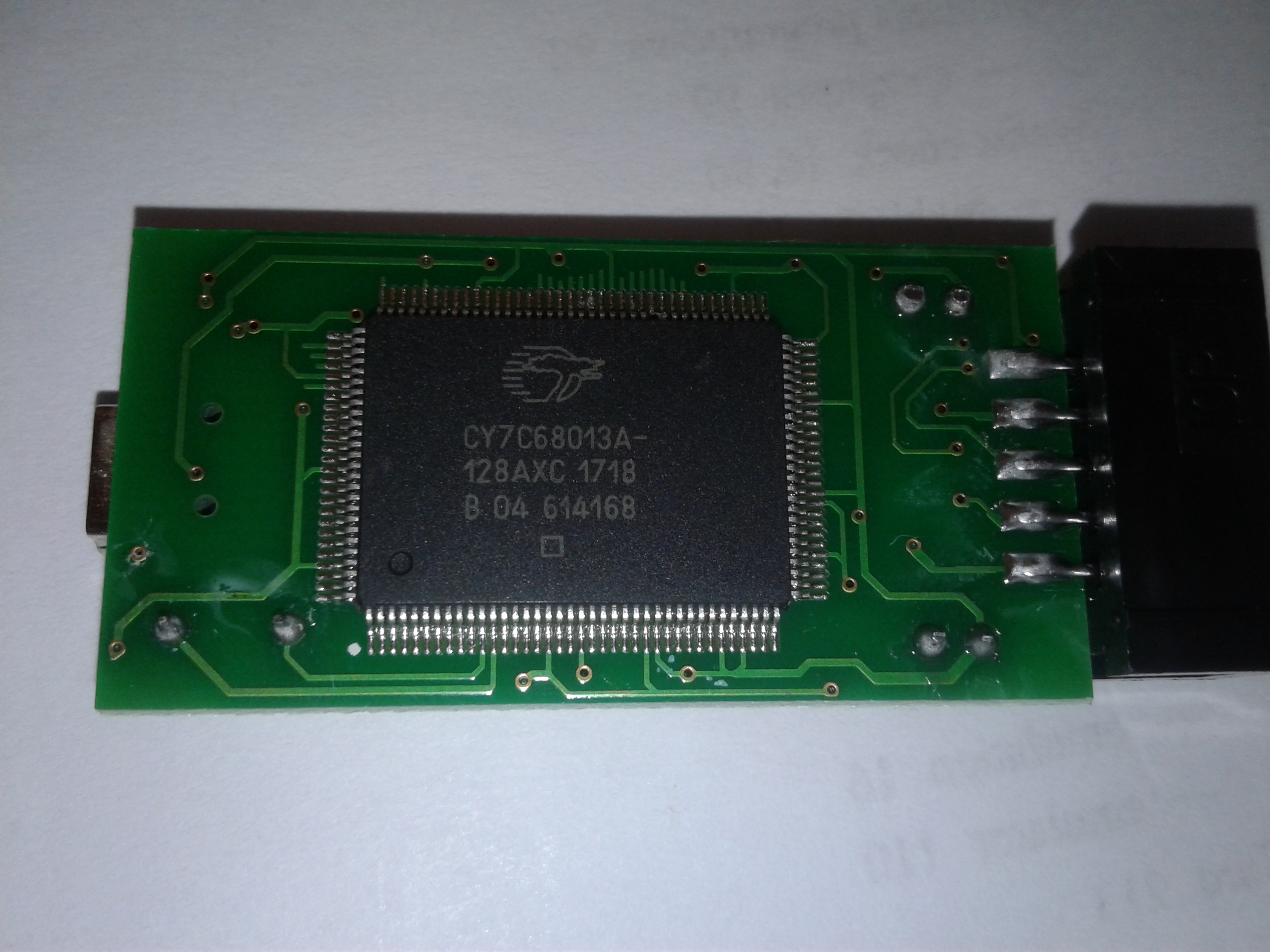
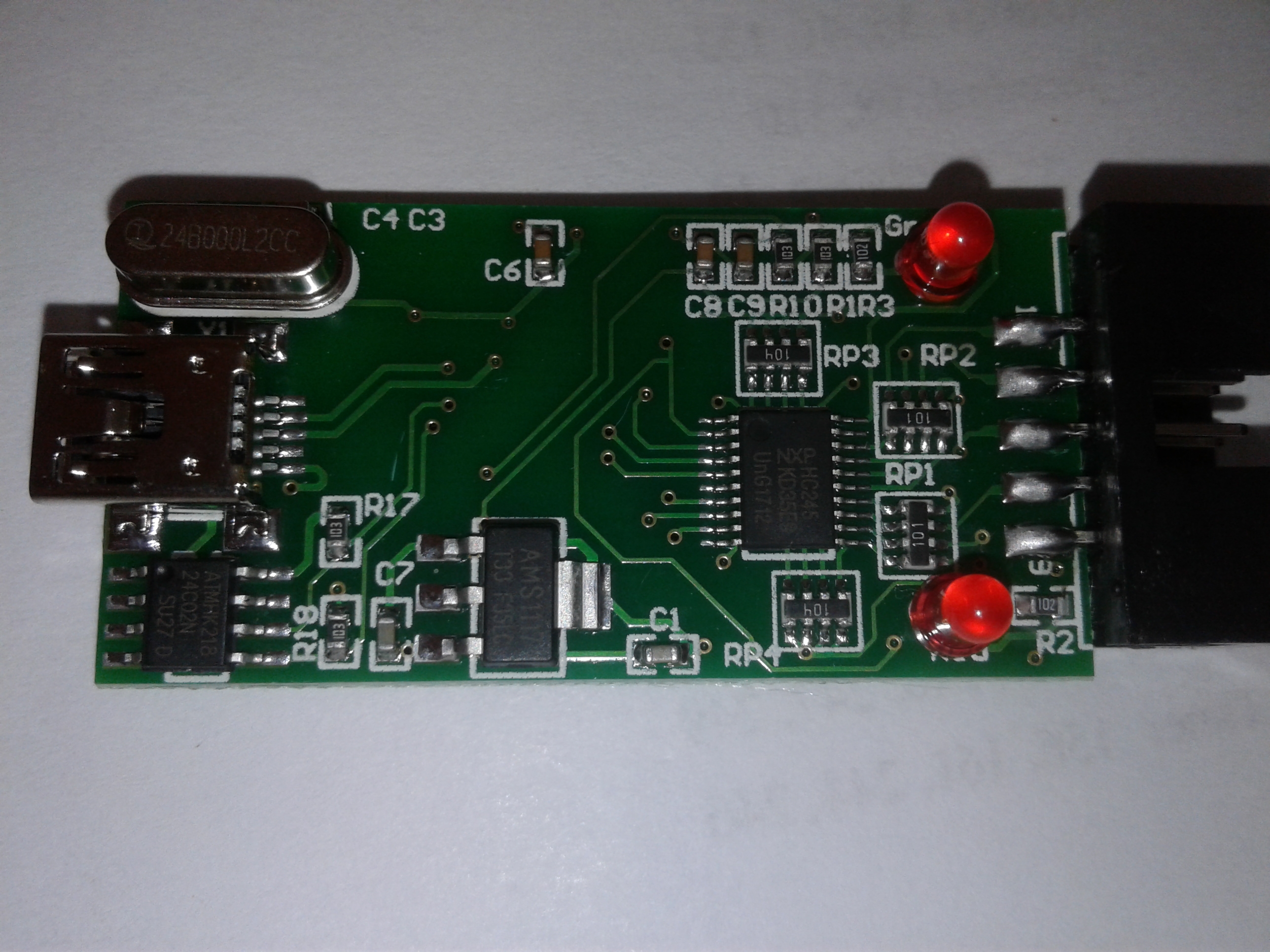
I would like to present you a short description of a cheap 8-channel logic analyzer based on the CY7C68013A microcontroller from Cypress.
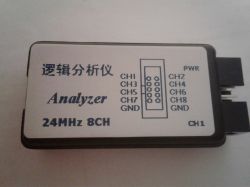
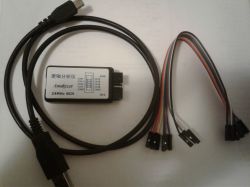
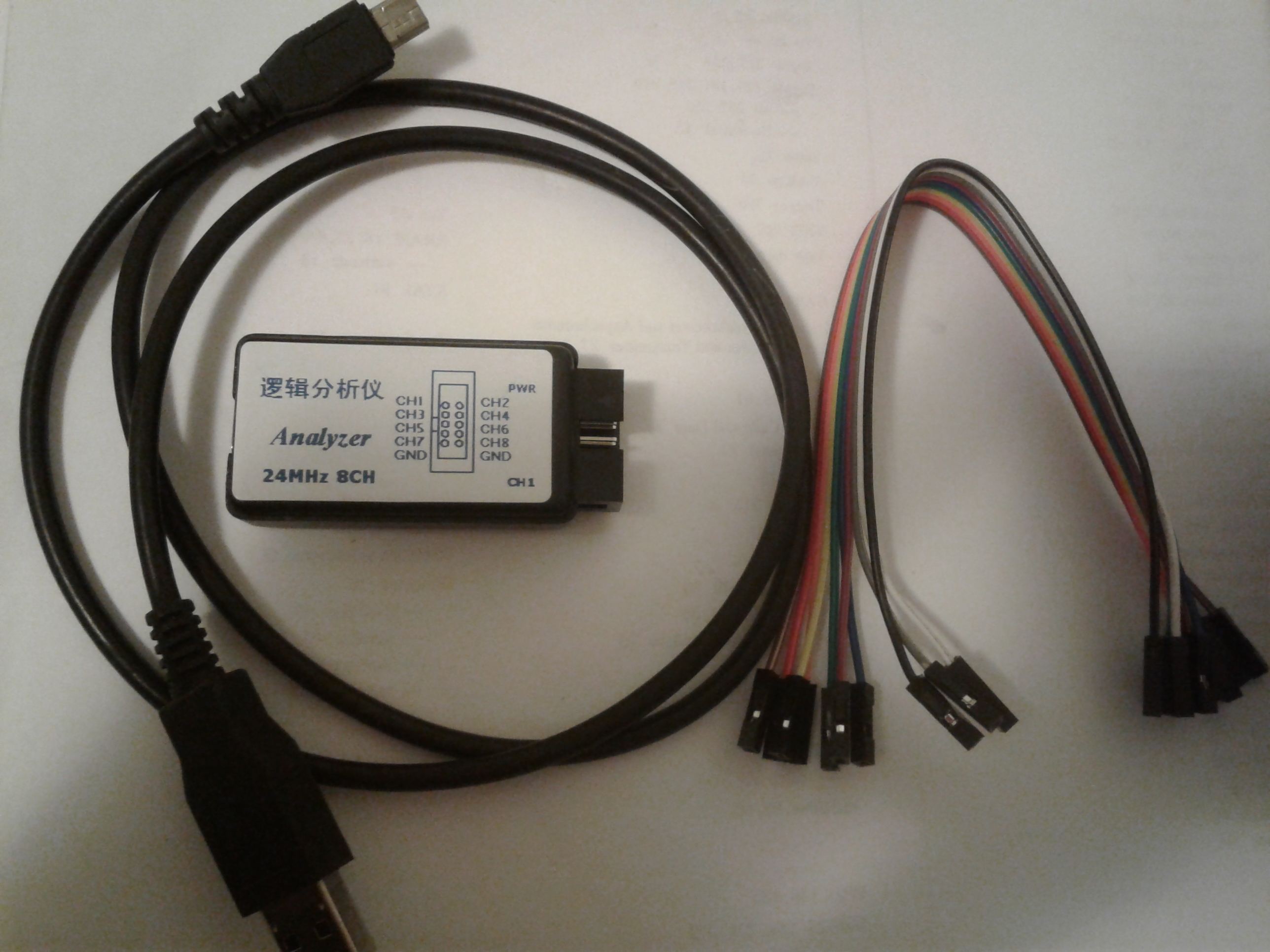
This device can be purchased from Chinese auction portals for about $ 7 with shipment or, for example, from a domestic auction site for about PLN 40 with shipment. At this price, we get an analyzer, USB cable and a colored 10-wire ribbon cable with BLS01 type connectors on both sides.
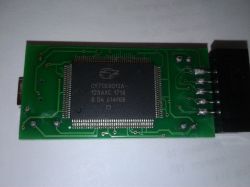
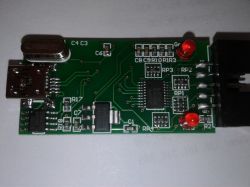
With the help of this analyzer, we can view digital signals up to 5V.
This device communicates with a computer via a USB port and Saleae Logic software. Here is a description of one of the forum members, what to change to use the USBee software:
https://www.elektroda.pl/rtvforum/topic2644607.html Saleae software has the ability to analyze such protocols as: UART, I2C, SPI, 1-Wire, CAN, HD44780, JTAG, LIN, Manchester, Modbus and many others.
Below I present the effects of viewing several protocols:
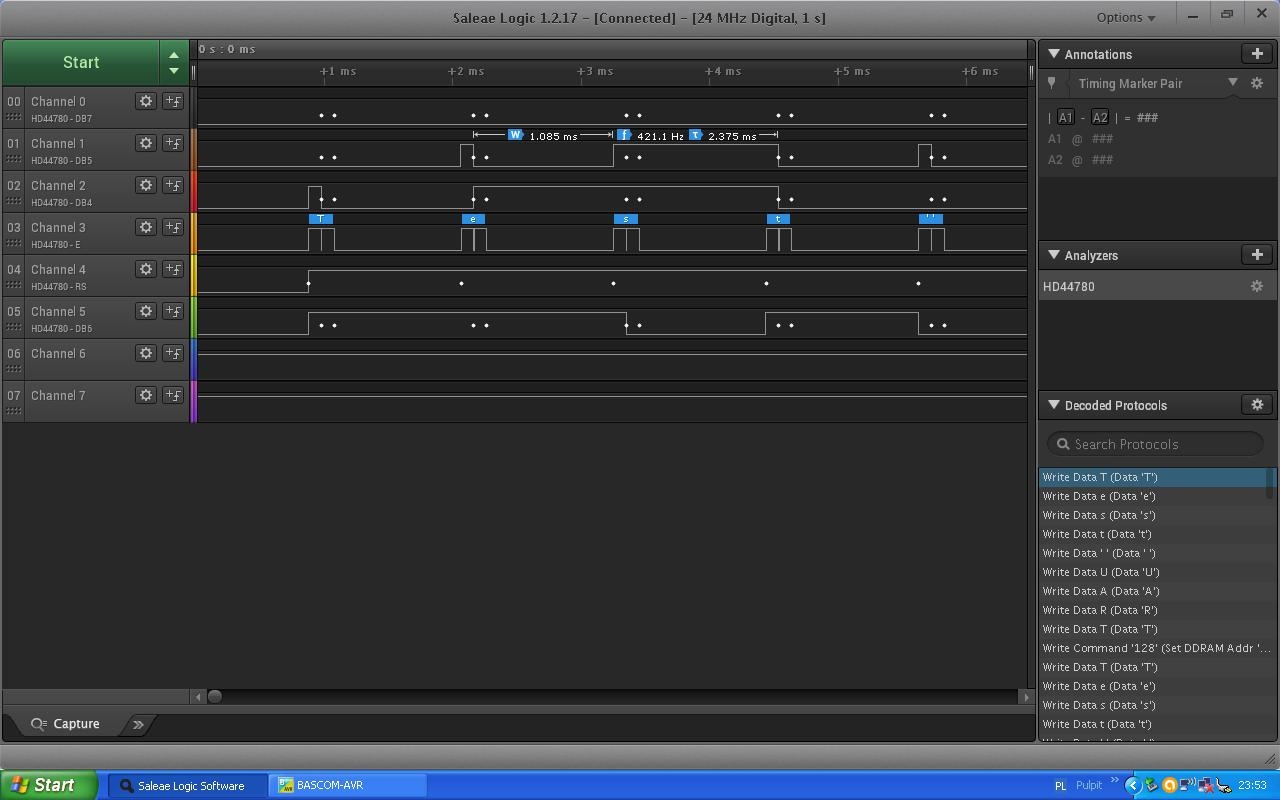
- HD44780
Continuous display of the text "Test UART" shown here:
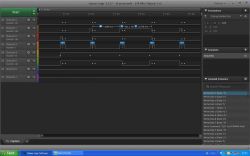
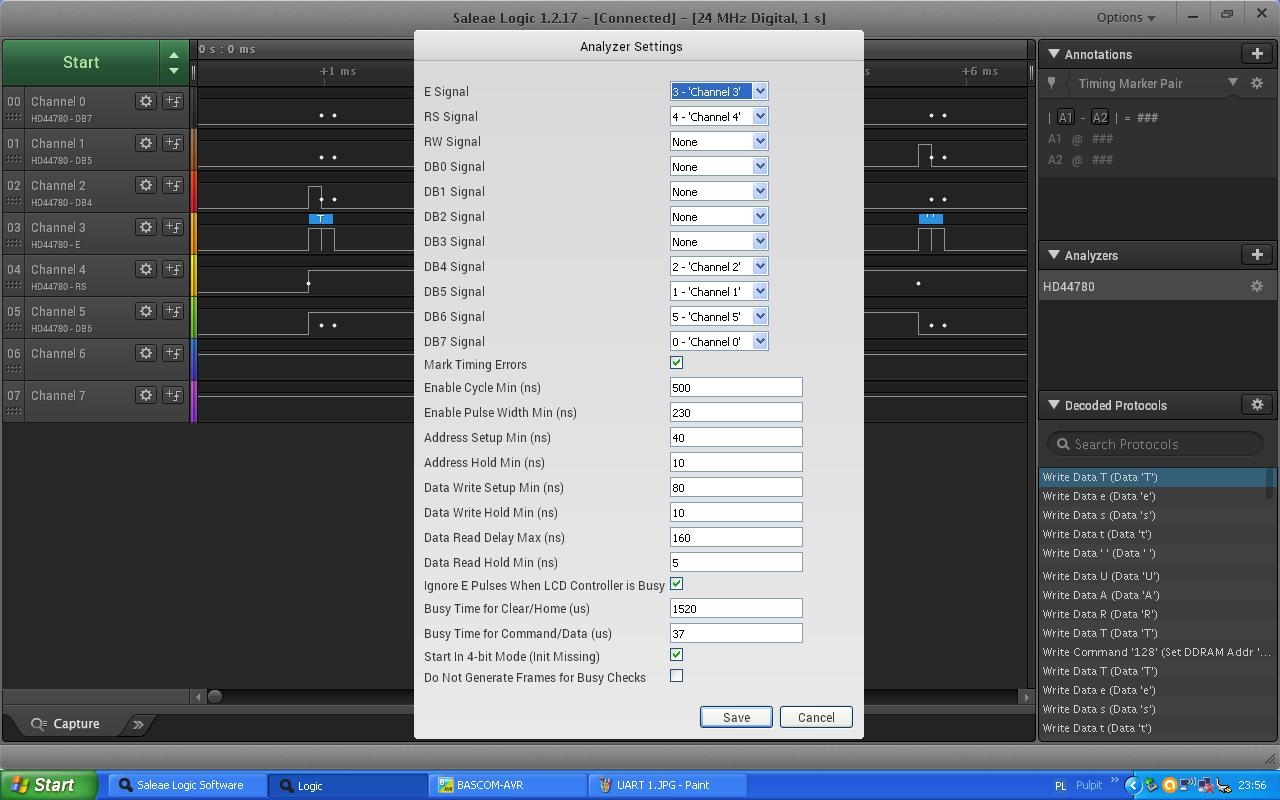
Analyzer settings for the tested protocol:
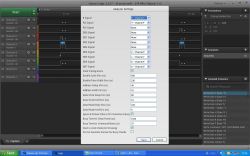
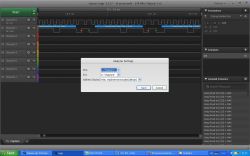
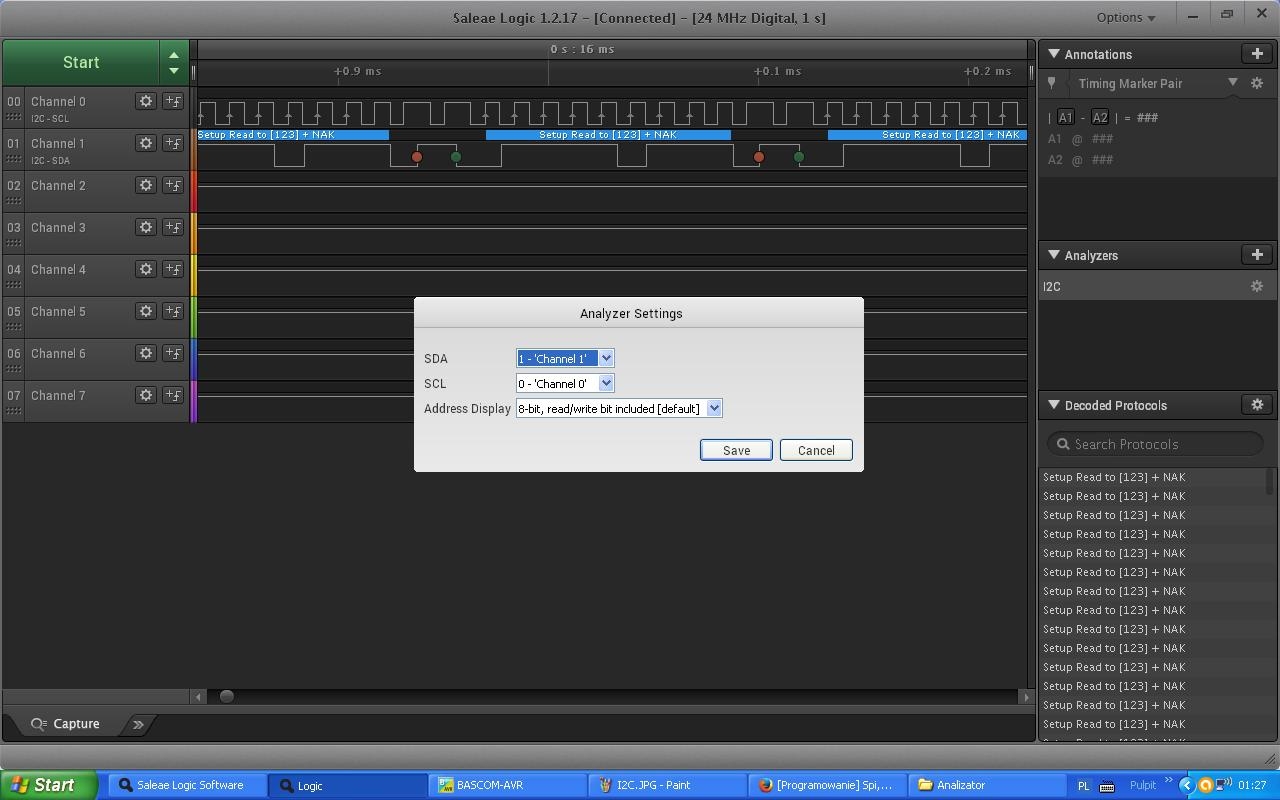
- I2C
Here we have the number "123" still being sent and a preview of the settings for this protocol.
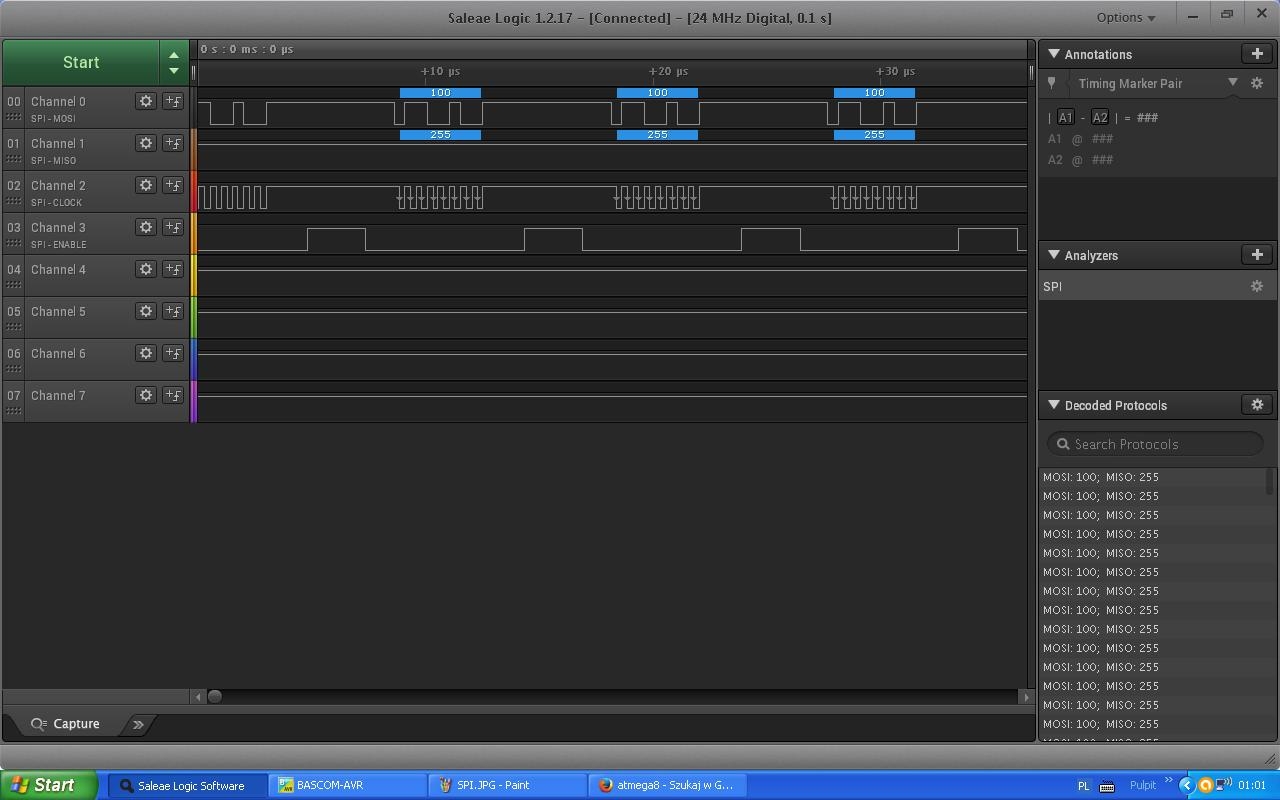
- SLEEPS
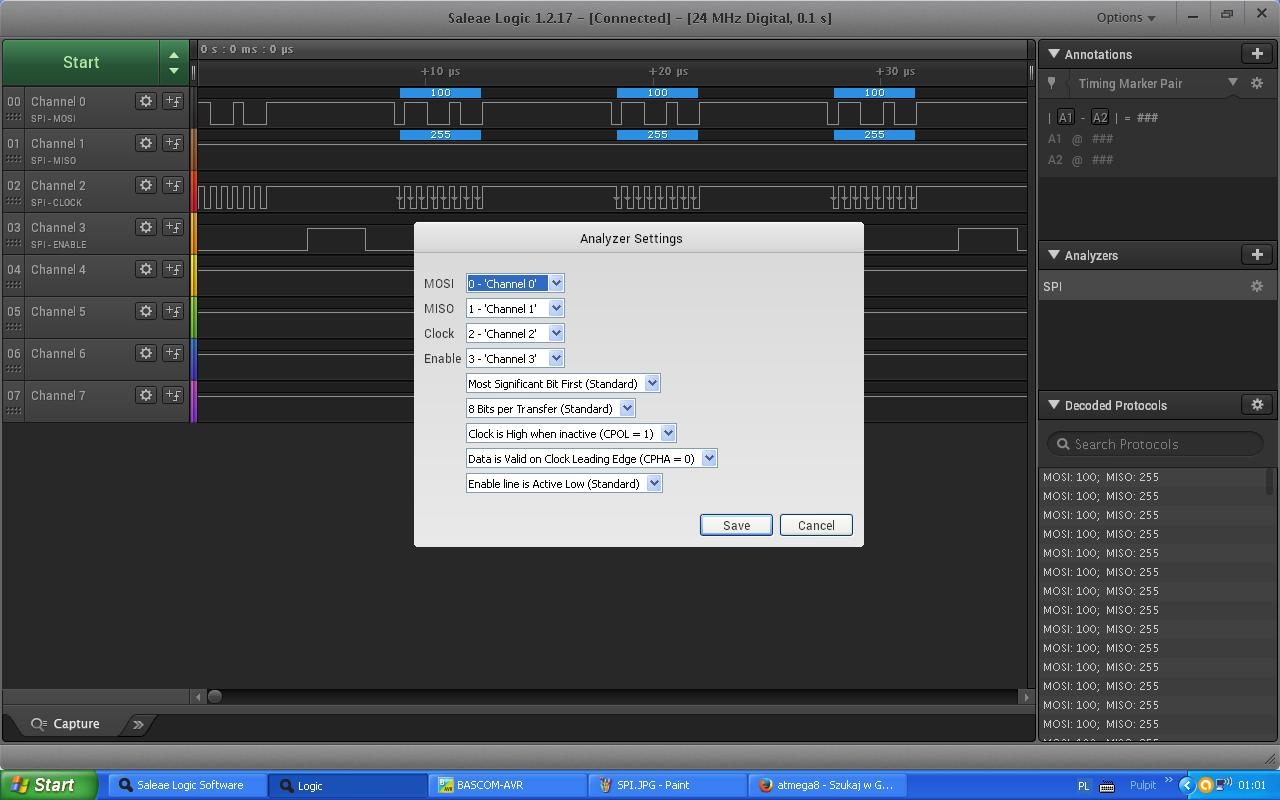
In this case, the number "100" was still sent.
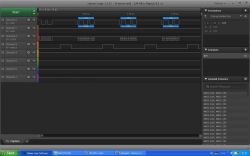
Below are the settings for this protocol.
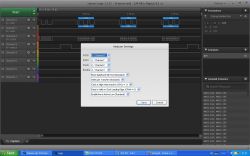
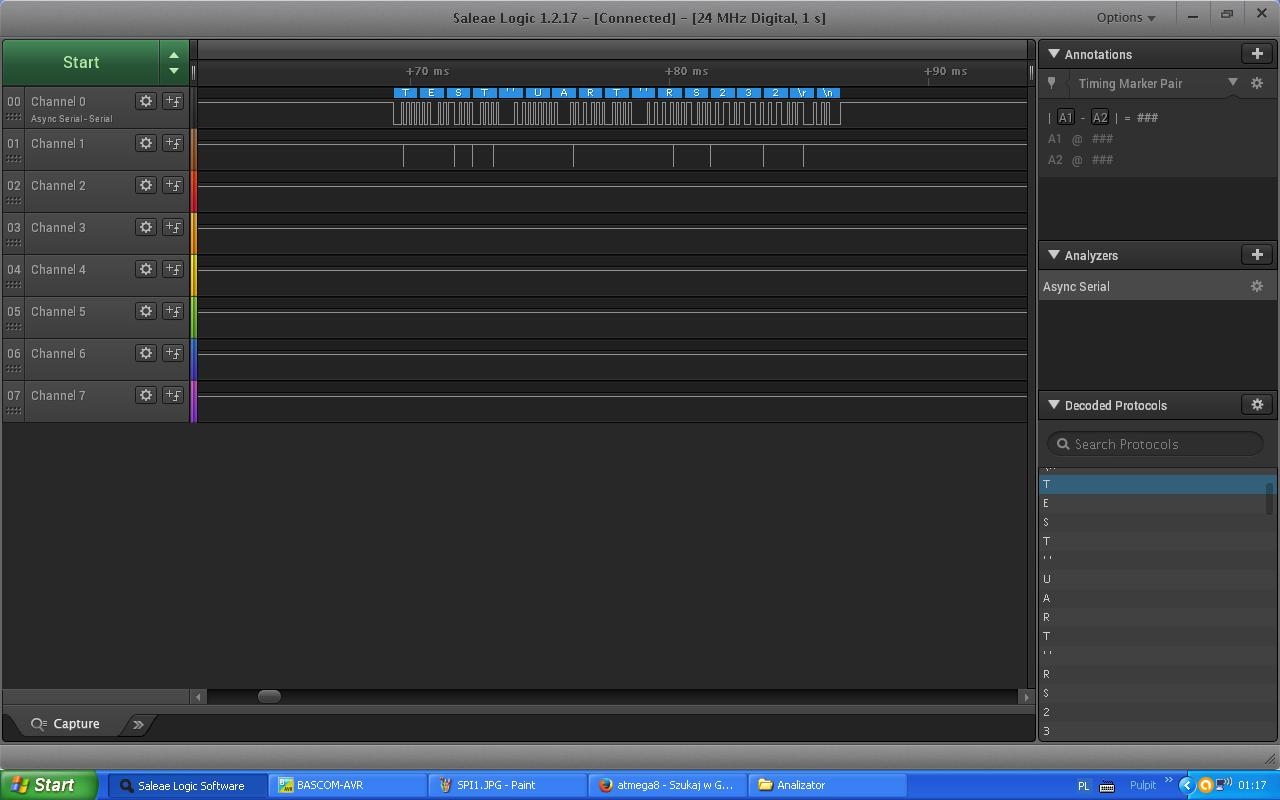
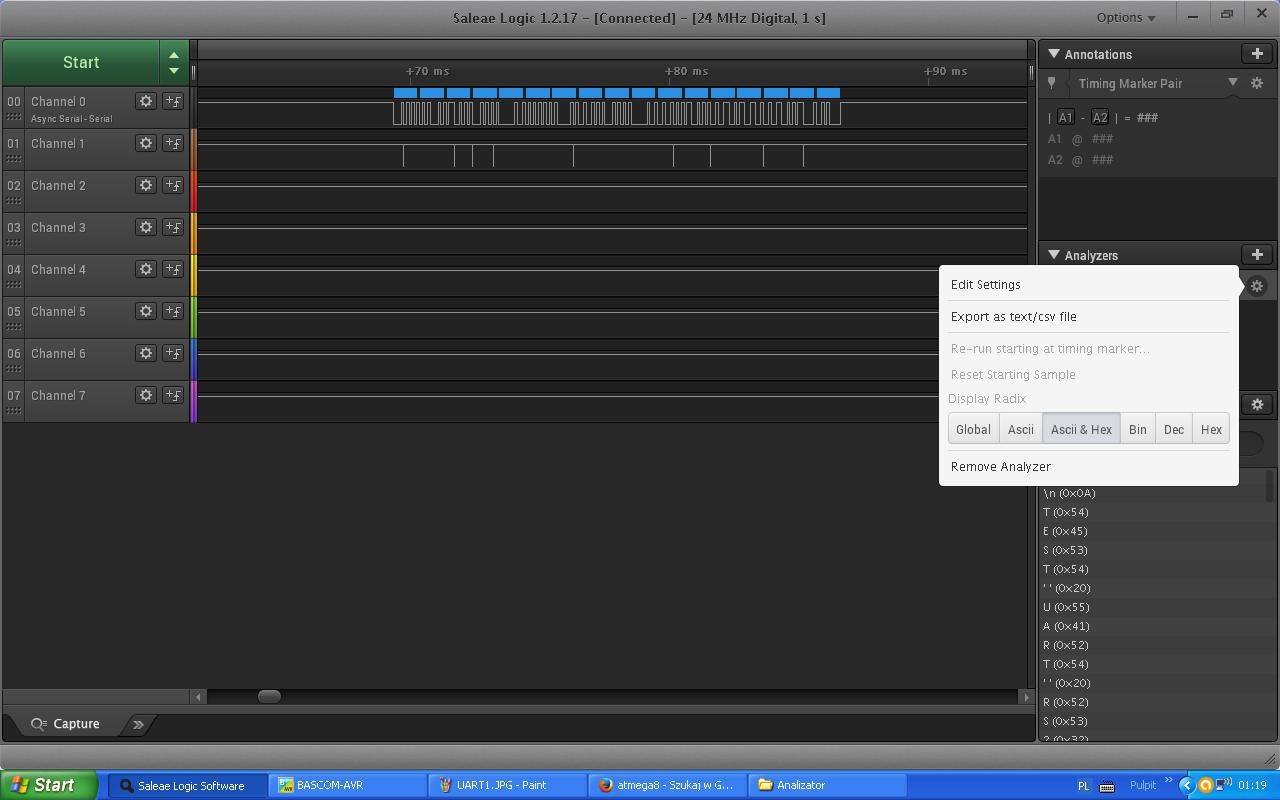
- UART
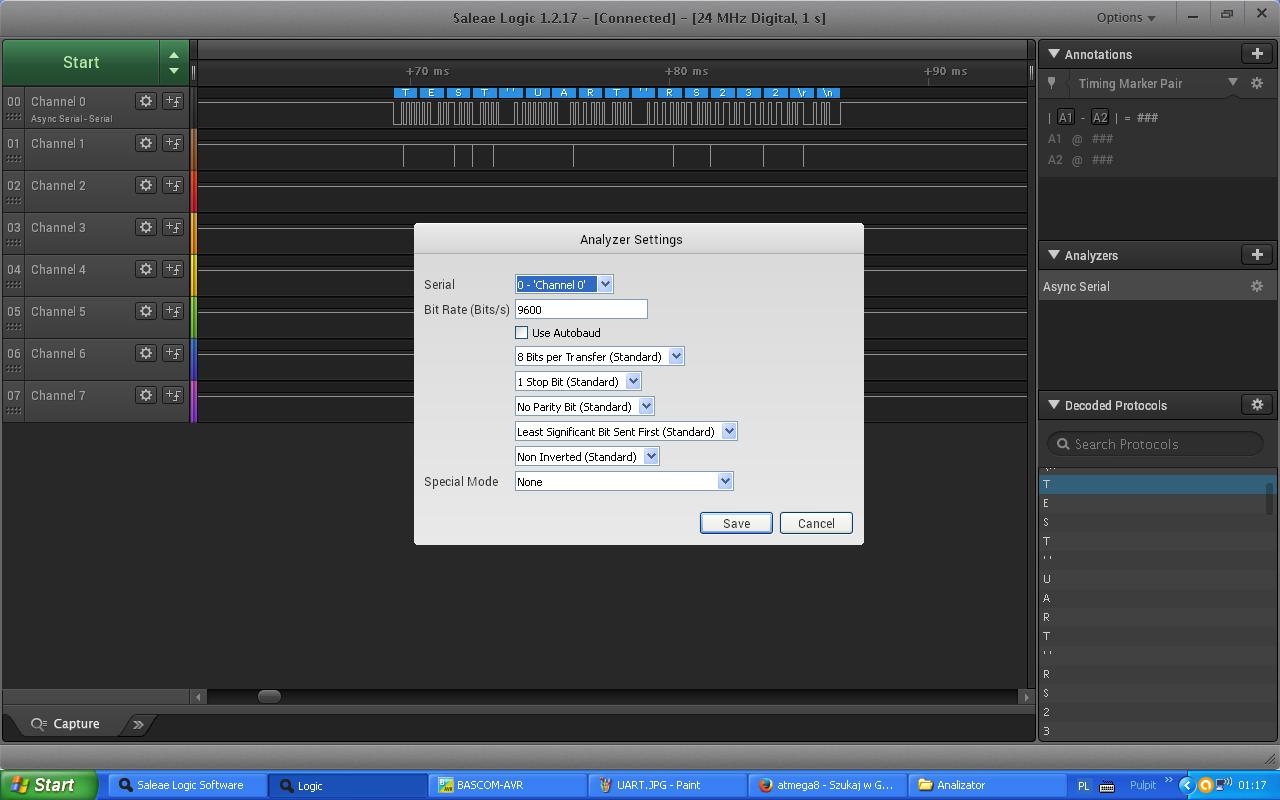
In turn, the text "TEST UART RS232" is sent here.
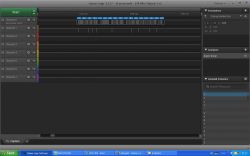
Below are the settings for this protocol.
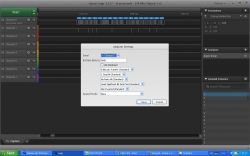
Here we can choose in what form the characters decoded by the analyzer should be displayed - whether they should be ASCII, HEX, BIN or decimal characters.
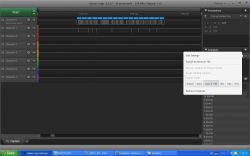
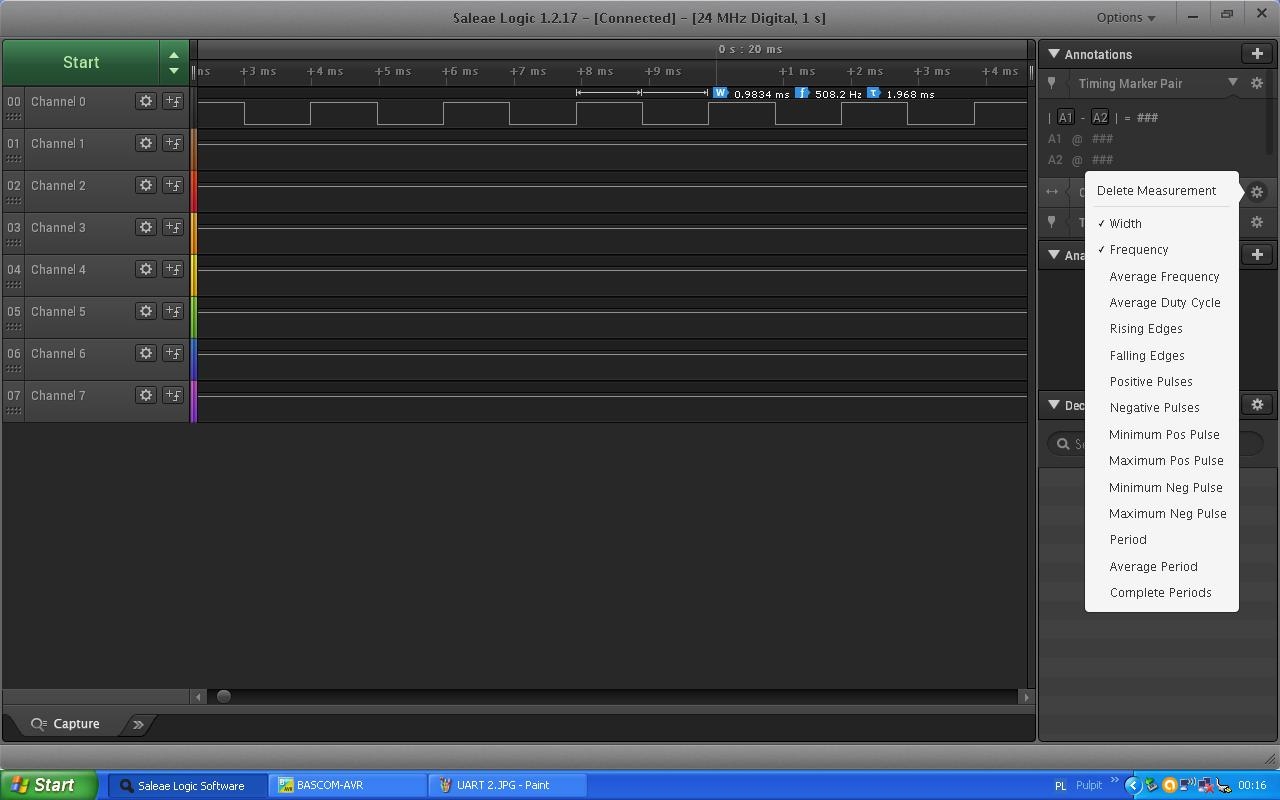
Below is an example where the state of the processor port is changed every 1ms, fed to the first channel of the tested analyzer.
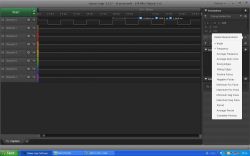
As you can see - the program shows us the duration of the high state (described here as width - W), frequency - f and period - T. As you can see - you can choose what the program should show.
Here you can export what we have decoded to e.g. Excel or a text file.
The maximum length of the tested samples is 1024 seconds, assuming that we are sampling at a frequency of 1MHz - the larger the sampling, the shorter the recording time of the tested sample.
The captured sample can be both moved forward / backward and "zoomed in and out".
After saving the tested sample, we have the option to enter the character into the "search engine" to check whether the character we are looking for exists in the sample we have read.
You can start the sample recording by pressing the "START" button or by changing the options, eg to the possibility of automatic start after detecting, for example, a rising edge or a high state.
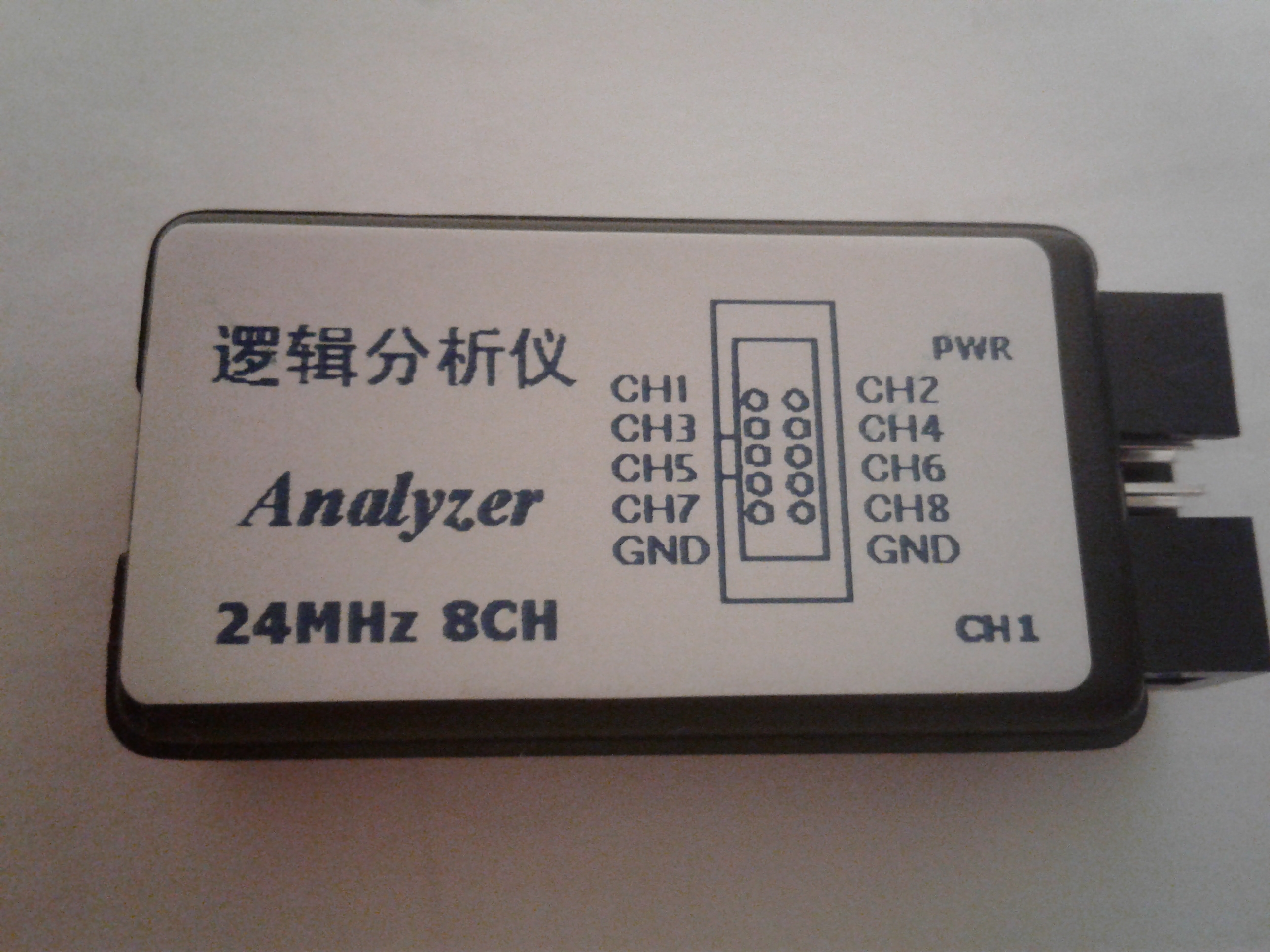
Belongstake into account that the analyzer housing has incorrectly described channels in relation to Saleae Logic software, i.e. on the sticker we have counted channels from 1 to 8 and in the program they are counted from 0 to 7. It should be assumed that channel 1, according to the description from the housing, is a channel 0 in the program, 2 from the description on the housing is 1 in the program, etc.
Unfortunately, during the test of this analyzer, I did not have access to an oscilloscope to be able to better test it, but I hope that this description will convince people who are considering purchasing this analyzer.






Comments
In fact, you showed more of Saleae Logic than the analyzer itself. You could see how it handles faster waveforms with 24MHz sampling. [Read more]
https://www.saleae.com/counterfeit It is unethical to use the Saleae software with this or any other clone, and even now it seems impossible. You can use Sigrok with PulseView overlay. [Read more]
That's right, they did a great job making software that is very pleasant to use and has everything you need. Only that most of the devices used with it are clones from Ali ... p [Read more]
Let them block as effectively as possible, just as people have a clone and their software, thanks to the lack of a blockade, the original producer has a chance that if these Chinese are not enough for... [Read more]
And the oscilloscope will analyze as many protocols as SaleAE? [Read more]
I think a specialist from the VAG group It should not promote an illegal version of the analyzer. The subject should go to the trash. Maybe we'll start asking for "clones" of full paid programs,... [Read more]
It doesn't. The topic is a description of the logic analyzer - it showed that it works. Other PC software can be used. Maybe the author also has the original Saleae device and therefore presented this... [Read more]
SaleAE 10 maybe 5 years ago, great. Now? Soon it will be on "Arduino". I do not deny that it is great equipment, but on Elektroda I expected new products in this section, not "antiques". [Read more]
Their newer products (Logic Pro) haven't been copied yet, and they're really cool and well-functioning devices. [Read more]
I confirm, even the second version of saleae has nothing to do with this arrangement in Cyprus. I had both, there are problems with faster runs on the clone, missing i2c frames. Generally for fun or a... [Read more]
But it is not prosecuted which is definitely a deliberate policy. Overall, they wouldn't have any problem shutting down the software. Someone will get used to their software and buy their products.... [Read more]
I doubt it. Old versions of SaleAE load the program via USB. The only protection for VID and PID in external eeprom and these are easy to copy. [Read more]
They can add more sophisticated methods. But they don't want to. [Read more]
What? Procek has a bootloader, the program memory is RAM. I do not remember if the procks used there can load the program from an external eeprom (there was a version of CYPRES) if even, as I remember,... [Read more]
I am writing about newer solutions. [Read more]
Hello I am paying attention to the measurements with this analyzer for circuits with a voltage level of 5V, the input of the system is the HC245 buffer whose outputs are connected to the uC and the input... [Read more]
Has anyone seen an adapter for this, thanks to which you can connect + 24V signals? If it is ready, I will gladly buy it, if you don't have to do it yourself ;) [Read more]
level converter? [Read more]
Often this type of recorders accept voltages up to + 50V. Naturally, the low level for them is 30% 3.3V. [Read more]