FAQ 
TL;DR: For people flashing a 3Stone 100W-equivalent RGBCW bulb, this guide shows that 3.3V serial power was enough and that “extreme caution” is required when raising BP5758D current. It solves two common problems after OpenBK7231T flashing: safe board access without desoldering and restoring brightness close to the original Tuya firmware. [#20780854]
Why it matters: This thread gives a device-specific path for opening, wiring, configuring, and tuning a BK7231T/WB2L bulb without guessing.
| Flashing approach |
Main benefit |
Main drawback |
Thread-specific note |
| Exposed pads from the back |
Faster, no module desoldering |
Access depends on pad exposure |
Worked on this bulb; 3.3V from serial was enough |
| Desolder WB2L module |
More controlled physical access |
More work and heat |
Preferred by the responder despite this bulb's accessible pads |
Key insight: The biggest practical fix was not the flash itself, but post-flash tuning: invert warm/cool LED pins if needed, then raise BP5758D_Current carefully to recover brightness near stock behavior. [#20778353]
Quick Facts
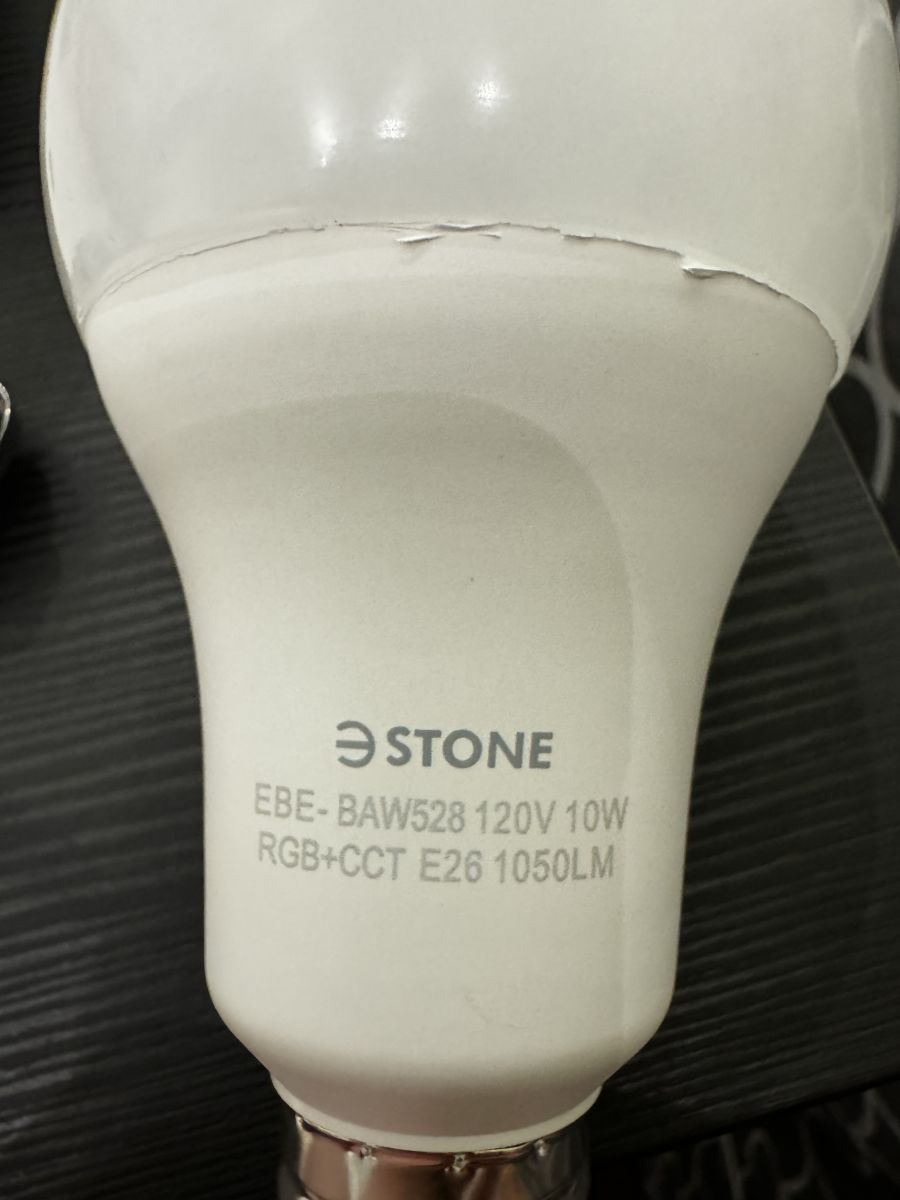
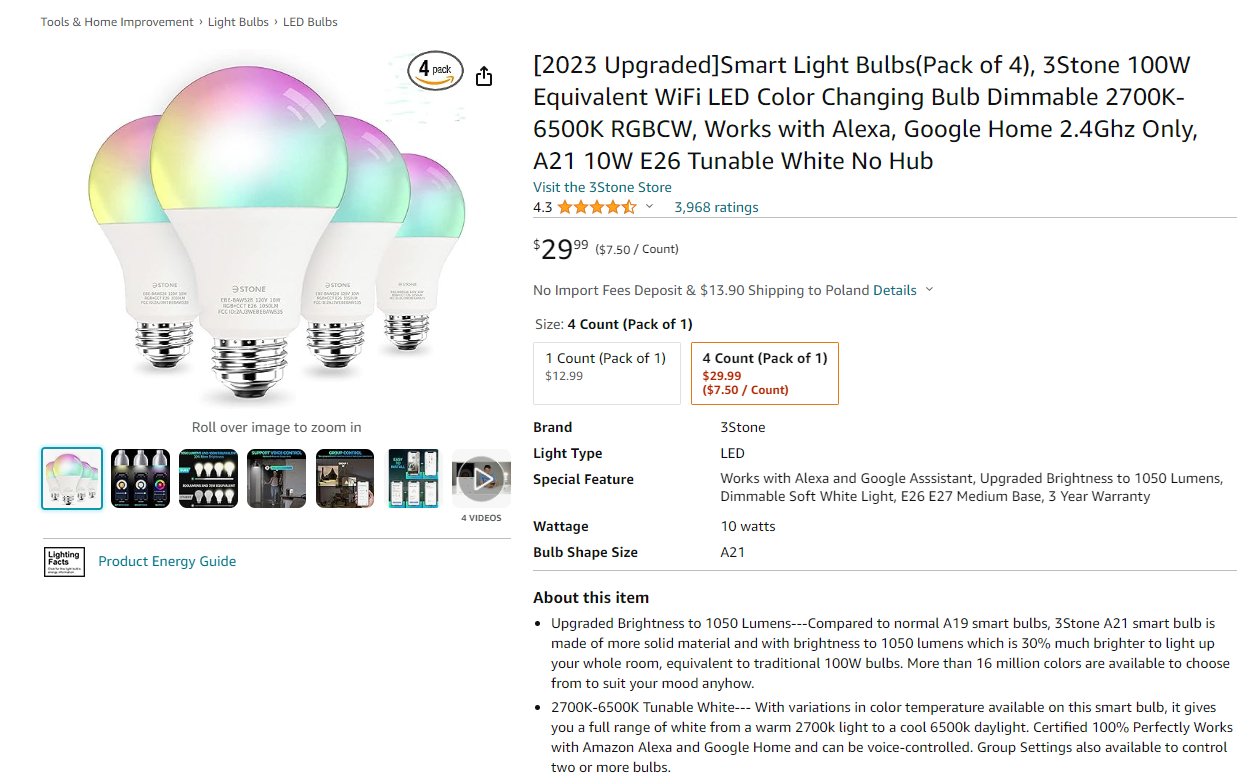
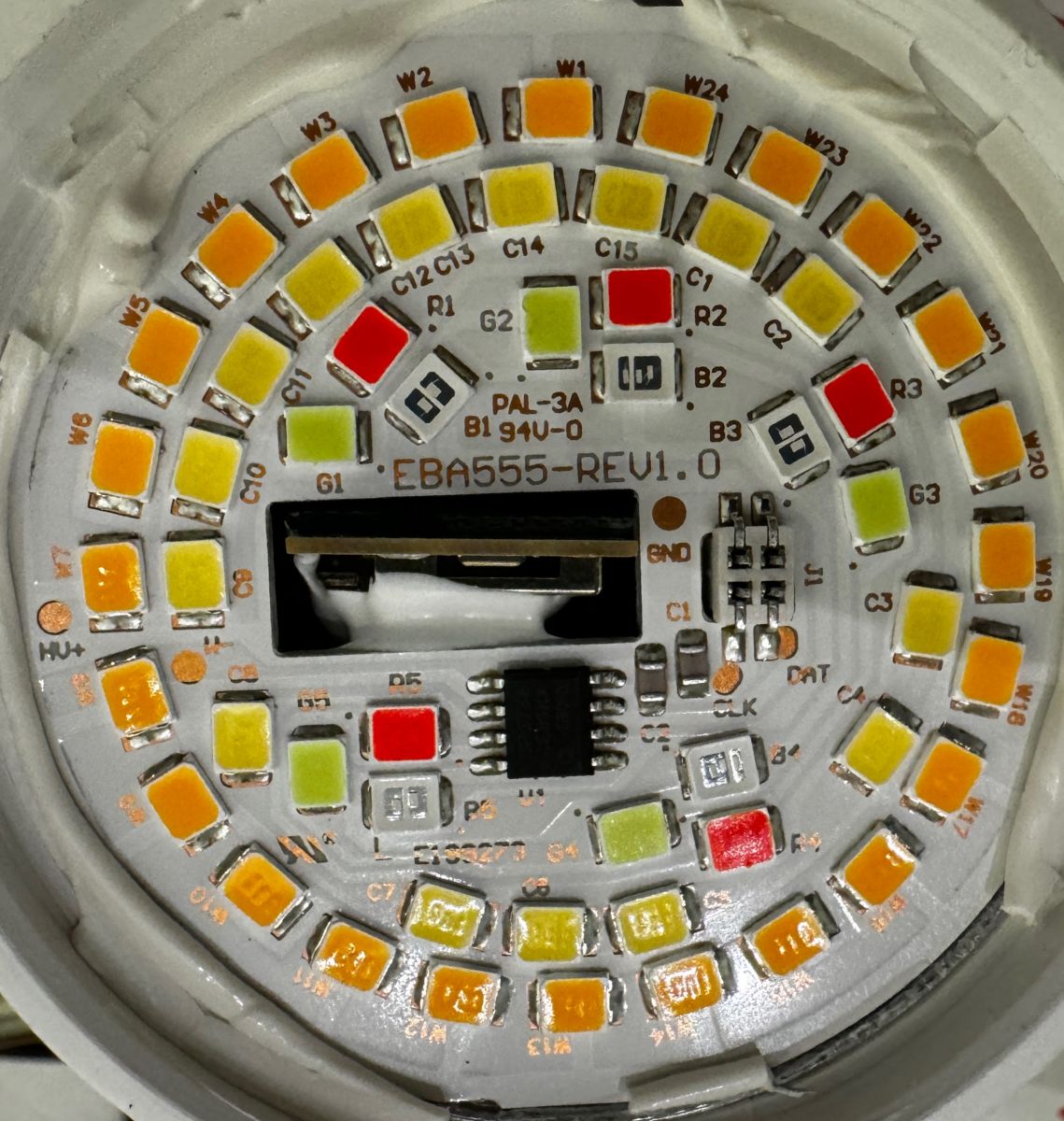
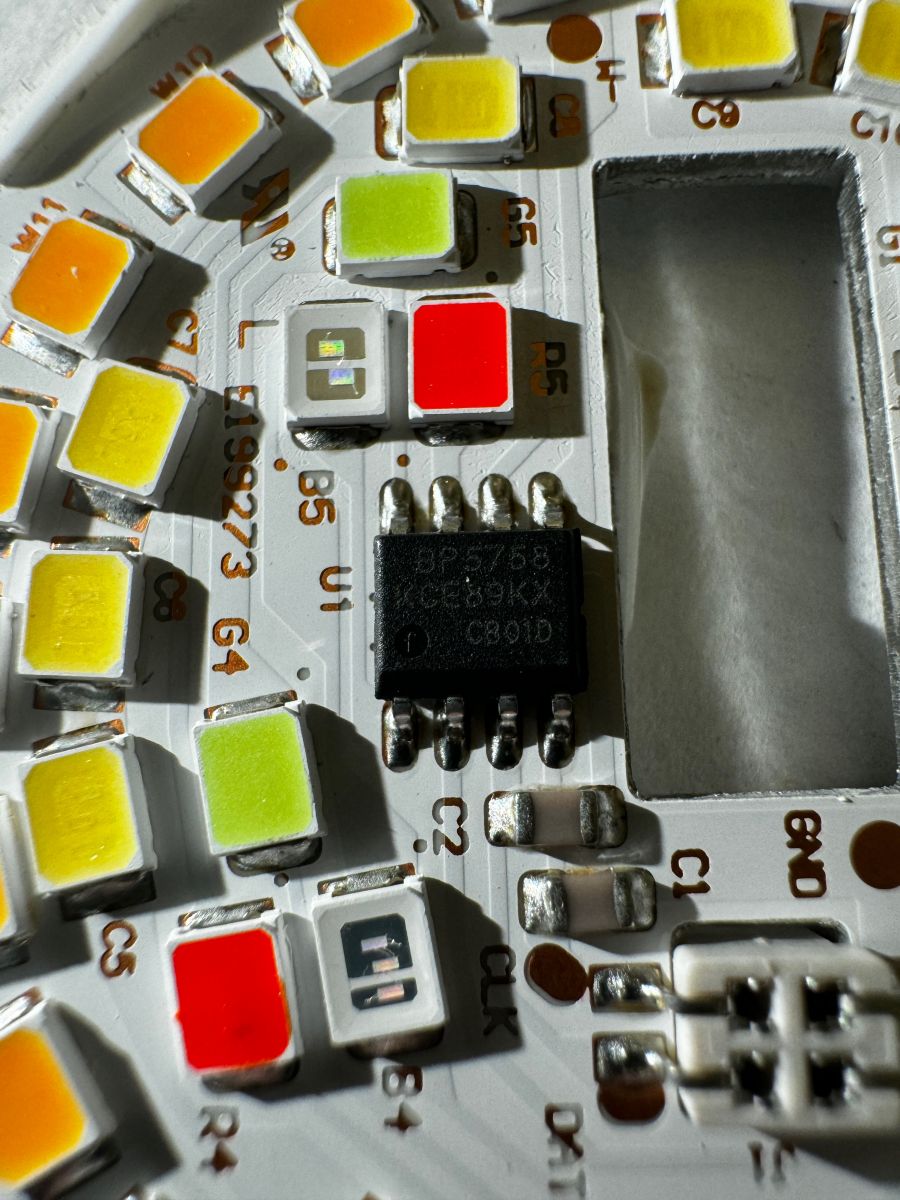
- 3Stone A21 bulb details in the posted config include BK7231T, WB2L, BP5758D, E26, 10W, and 2700K-6500K white range, with product ASIN B07HR8GT12. [#20778353]
- The successful flash used 3.3V from the serial adapter only; the poster did not need a separate bench supply for this bulb. [#20778353]
- The posted pin map assigns GPIO7 = BP5758D_DAT and GPIO8 = BP5758D_CLK for this board. [#20778353]
- OpenBK7231T defaults both RGB and CW BP5758D channel current to 14mA, then lets you increase output with
BP5758D_Current. [#20781981]
- A user-reported setting of
BP5758D_Current 40 40 gave brightness roughly comparable to the original Tuya firmware, while PowerSave 1 was recommended to slightly reduce Wi-Fi heat and power draw. [#20785008]
How do I flash a 3Stone 100W equivalent RGBCW smart bulb with a BK7231T chip and WB2L board using OpenBK7231T?
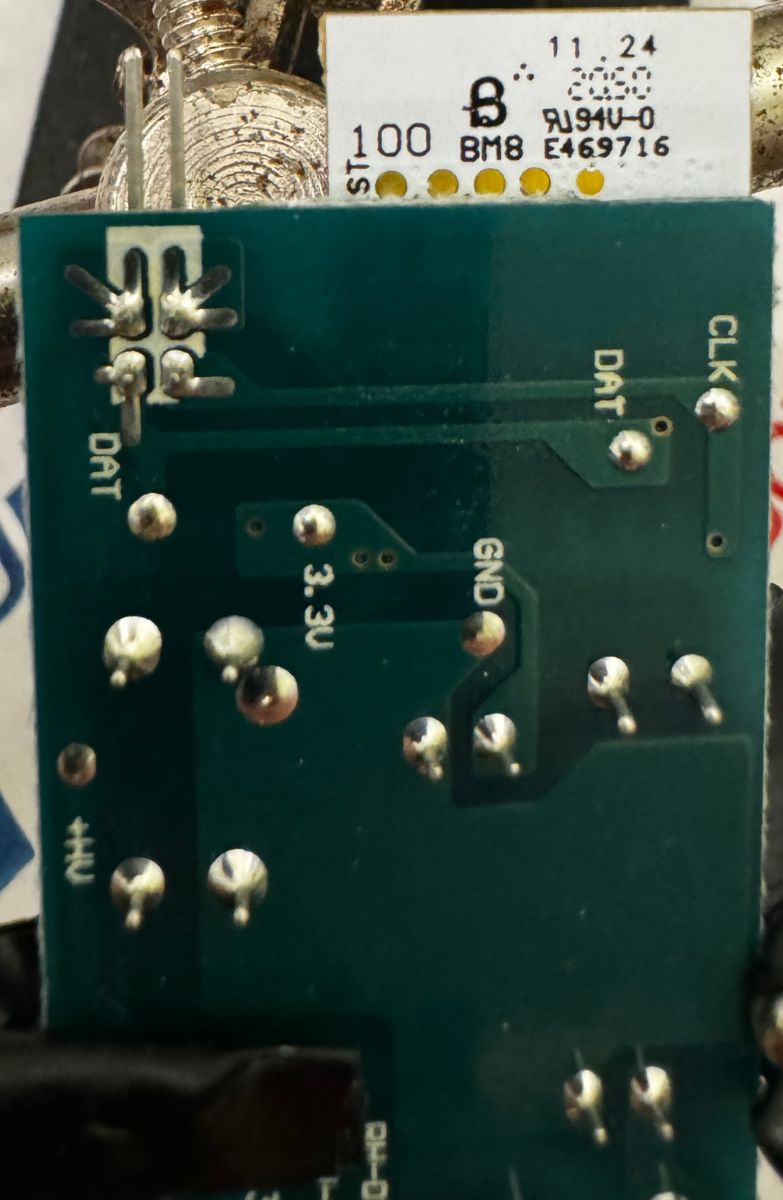
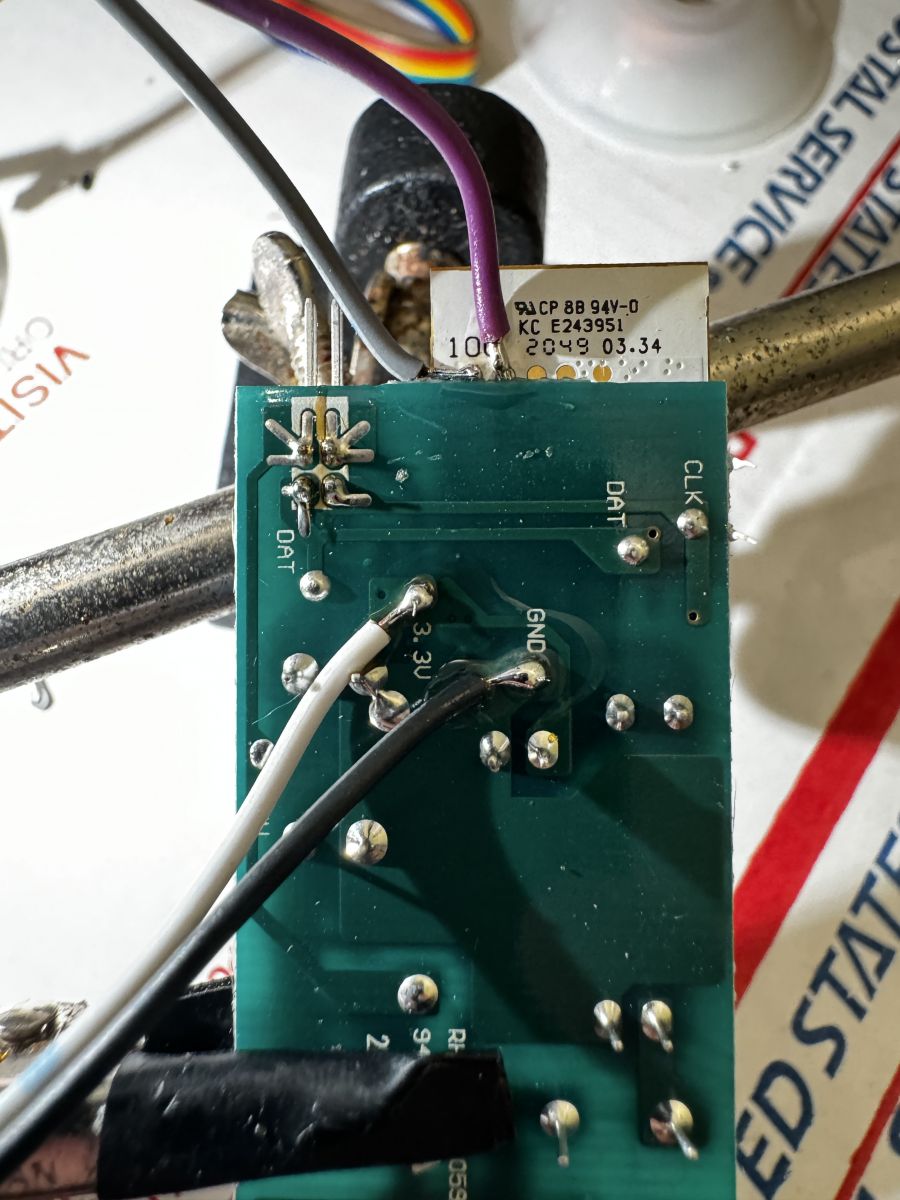
You can flash it by opening the bulb, reaching the WB2L pads from the back, and powering the board from
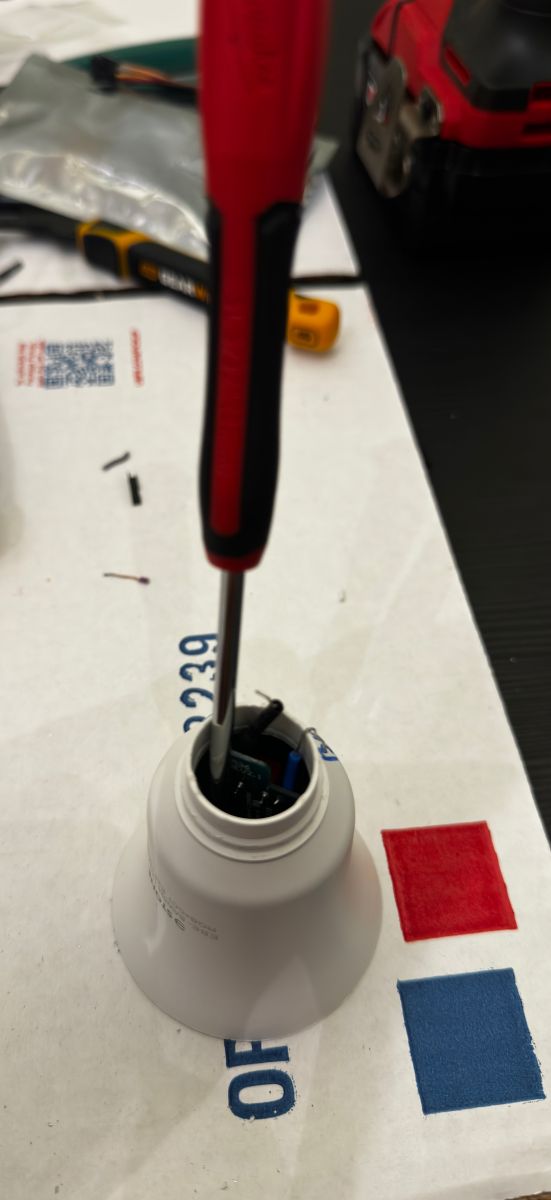
3.3V serial. 1. Push the LED board out from the small end with a long screwdriver. 2. Connect to the accessible programming pads without desoldering the module. 3. After flashing, use the posted map with
GPIO7 = BP5758D_DAT and
GPIO8 = BP5758D_CLK, then invert warm/cool pins if required.
[#20778353]
What's the safest way to open the 3Stone A21 WiFi bulb and remove the LED board without breaking the plastic?
Push the LED board down from the small end of the bulb with a long screwdriver. Do not pry from the top, because the poster said that approach “will just break the plastic.” This method removed the board on the
A21 10W E26 bulb without needing to attack the top housing first.
[#20778353]
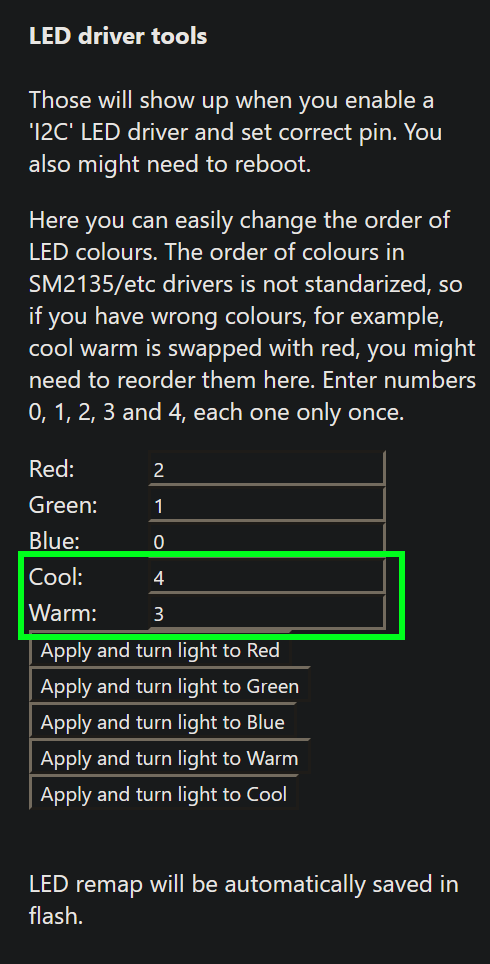
Why do some 3Stone smart bulbs need the warm and cool LED pins inverted after flashing custom firmware?
Some bulbs need the warm and cool outputs swapped because the physical LED channel order does not match the first post-flash configuration. In this specific 3Stone bulb, the installer reported that they “had to invert the Warm/Cool LED pins” to make white channels behave correctly after flashing OpenBK7231T.
[#20778353]
What pin configuration should I use for a 3Stone bulb with BP5758D on GPIO7 and GPIO8?
Use
GPIO7 for BP5758D_DAT;0 and
GPIO8 for BP5758D_CLK;0. That mapping appears in the posted JSON configuration for the 3Stone
100W equivalent,
10W,
A21,
E26 RGBCW bulb with a
BK7231T chip and
WB2L board.
[#20778353]
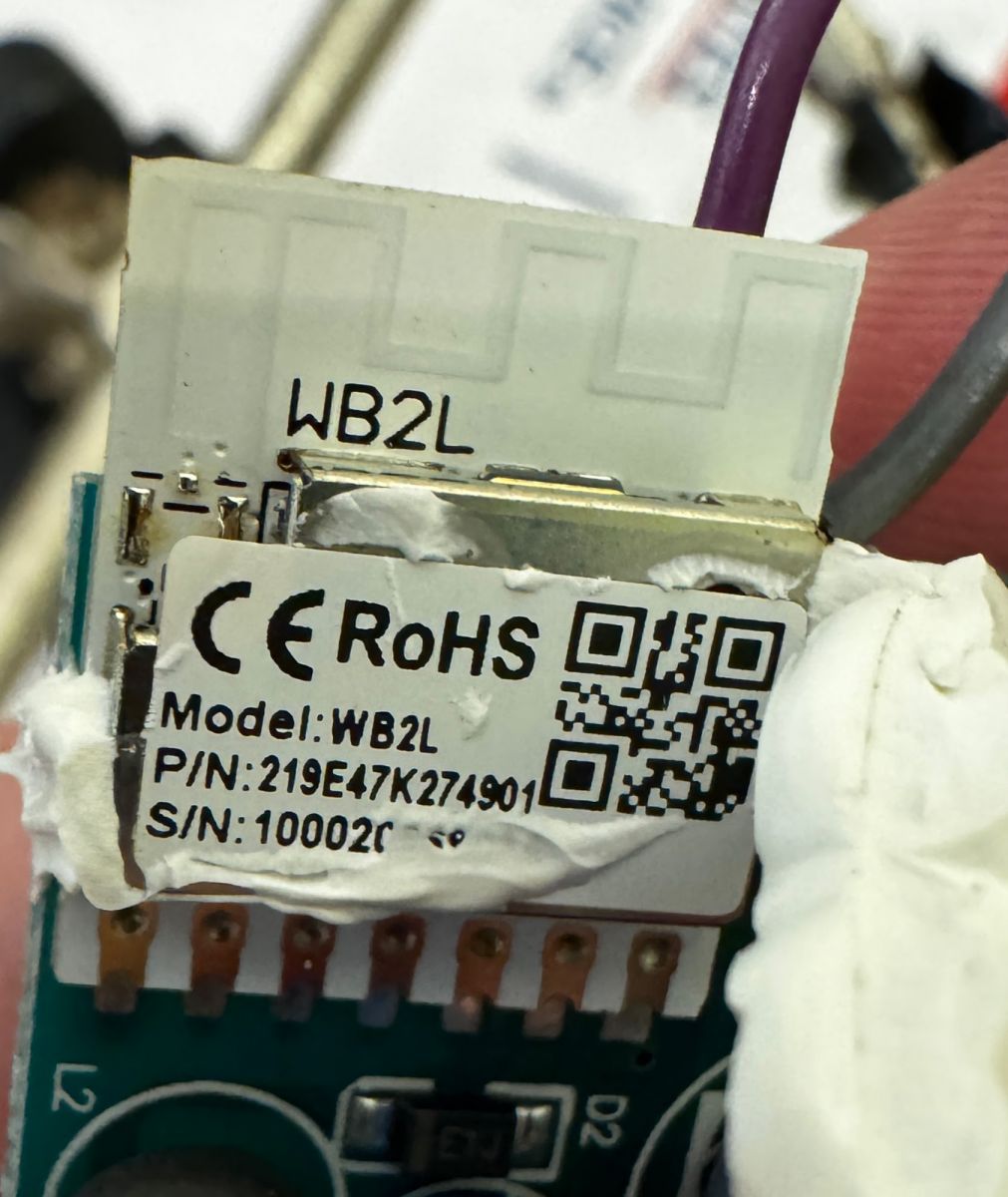
How can I access the WB2L programming pads from the back of the board without desoldering the module?
You can access them because a fraction of the board leaves the programming pads reachable from the back side. The responder explicitly noted that this bulb was “very lucky” in that respect, and the original poster confirmed they could flash it without desoldering the
WB2L module.
[#20778694]
Which approach is better for flashing this bulb: desoldering the WB2L module or using the exposed programming pads from the back?
Using the exposed back pads is better for this exact bulb if they are reachable. It avoided desoldering and still worked with
3.3V serial power alone. The responder still said they personally liked desoldering the
WB2L as shown in the linked video, so back-pad access is easier here, while desoldering remains a preferred controlled method for some users.
[#20778694]
Why does a flashed 3Stone BP5758D bulb sometimes look dimmer than it did on the original Tuya firmware?
It can look dimmer because OpenBK7231T may start with a lower BP5758D current setting than the original Tuya firmware used. The thread later identified the default OpenBK7231T current as
14mA for both RGB and CW, and the user reported the bulb looked brighter on stock firmware before tuning.
[#20781981]
How do I use the BP5758D_Current command to make an OpenBeken-flashed 3Stone bulb brighter?
Use the console command
BP5758D_Current to raise the BP5758D current limit. Start with small increases, test brightness, and stop if the bulb runs hotter than expected. The responder warned to use this command with “extreme caution” because overcurrent can damage LEDs or shorten their lifespan significantly.
[#20780854]
What is the default BP5758D current value in OpenBK7231T for RGB and CW channels?
The default is
14mA for RGB and
14mA for CW. The source code excerpt posted in the thread shows
g_chosenCurrent_rgb = BP5758D_14MA; and
g_chosenCurrent_cw = BP5758D_14MA;, so both channel groups start from the same default current.
[#20781981]
How do the BP5758D current values like 14mA, 40, 65mA, and 90mA map to the driver's internal settings?
The driver maps these values through named constants and a conversion rule.
BP5758D_14MA equals
0x0E;
BP5758D_65MA equals
0x63;
BP5758D_90MA equals
0x7C. For user input, the thread shows
CONVERT_CURRENT_BP5758D(curVal) (curVal>63) ? (curVal+34) : curVal;, so values above
63 get offset internally by
34.
[#20781981]
What brightness setting gives a 3Stone 100W Alexa-compatible bulb roughly the same output as the original firmware?
BP5758D_Current 40 40 gave roughly the same brightness as the original firmware in this bulb. That result came from direct user testing on the flashed
3Stone 100W equivalent Alexa-compatible lamp after comparing OpenBeken output with the original Tuya behavior.
[#20785008]
What risks should I watch for when increasing BP5758D current on an RGBCW LED bulb?
The main risk is LED overcurrent. That can damage the LEDs immediately or shorten lifespan over time. This is the clear failure case in the thread, and it matters more once you move past the
14mA defaults toward higher values such as
40,
65mA, or
90mA-class settings.
[#20780854]
How does the PowerSave 1 command help on BK7231T smart bulbs, and what trade-offs should I expect?
PowerSave 1 can slightly reduce Wi-Fi module heating and power consumption. The thread does not quantify the drop, so the safe takeaway is modest efficiency improvement rather than a dramatic brightness or network change. Use it as a low-risk optimization after you restore the bulb’s brightness setting.
[#20785584]
What is the BP5758D LED driver, and what role does it play in a 3Stone RGBCW smart bulb?
The BP5758D controls the bulb’s LED channel current and therefore its brightness behavior.
“BP5758D is an LED driver that sets output current for RGB and cold/warm white channels, using programmable internal current values rather than fixed passive-only control.” In this bulb, it is driven through
GPIO7 data and
GPIO8 clock assignments.
[#20781981]
What is the WB2L module in Tuya-style smart bulbs, and how does it relate to the BK7231T chip?
The WB2L is the bulb’s wireless control module, and this thread identifies it as the board carrying the
BK7231T chip used for flashing and custom firmware.
“WB2L is a Tuya-style Wi-Fi module that hosts the main control chip, exposes programming pads, and connects firmware logic to drivers such as the BP5758D.” [#20778353]
AI summary based on the discussion. May contain errors.






Comments
You were very lucky that the programming pads were accessible just by a fraction of the board. It really makes the job easier, but I still really like desoldering WB2L just like on the video you linked. Now... [Read more]
Do you know if it's possible to make the bulbs brighter? I think that the bulbs were much brighter when they had the original Tuya firmware. [Read more]
Yes, it is possible to make this kind of bulb brighter, you need to adjust the current limit of BP5758D. This can be done via console command, namely BP5758D_Current https://obrazki.elektroda.pl/7430665800_1697989752_thumb.jpg... [Read more]
Thanks, I'll check it out. Added after 13 [minutes]: Sorry to bother again, but is there a command to get the default current value? Just trying to see where it starts out at. [Read more]
Hello @andy212332 , if you look at our driver source code, here: https://github.com/openshwprojects/OpenBK7231T_App/blob/main/src/driver/drv_bp5758d.c You can see that default values are: static... [Read more]
Thanks, "BP5758D_Current 40 40" seems to be around the same brightness as what it originally had. [Read more]
Very well. You can now use that setting to regain full brightness. On a side note, I would also recommend looking into the PowerSave 1 command, which may slightly reduce the heating and the power consumption... [Read more]
ok I'll enable that too [Read more]
https://github.com/OpenBekenIOT/webapp/pull/158/commits/8950a6ff2217ee6776cbecabc64aa914f99c422f [Read more]