FAQ 
TL;DR: This FAQ explains why a 4-gang Manhot wall switch sold as Zigbee was identified as WiFi, with one expert calling it "very strange" after finding a CB3S / BK7231N module inside. It helps buyers, flashers, and OpenBK users confirm the real radio, wire the correct pins, and restore LED behavior after flashing. [#20842494]
Why it matters: If a listing promises Zigbee but ships WiFi hardware, it changes pairing, flashing, local-control options, and whether you should request a refund.
| Aspect |
Listed product |
Hardware found in teardown |
| Wireless type |
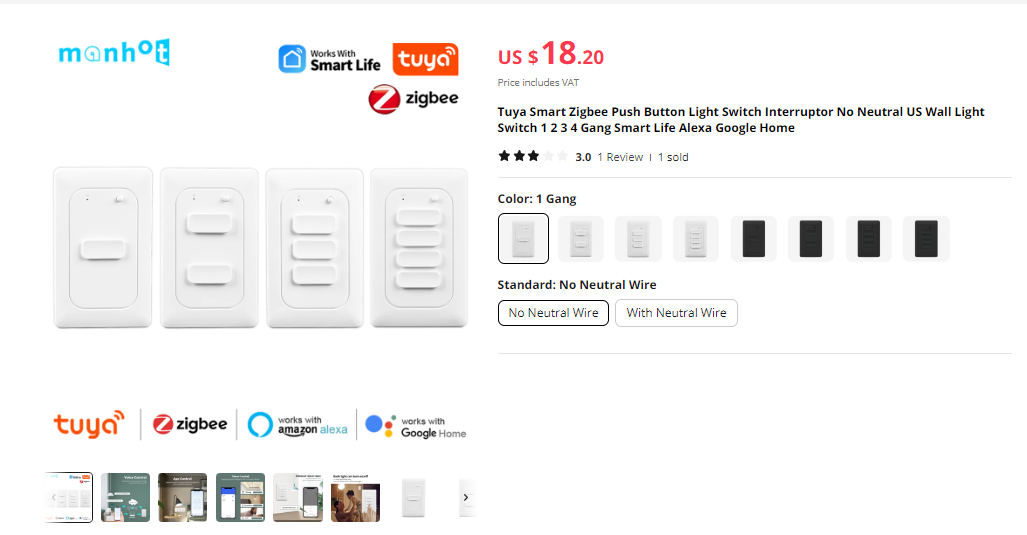
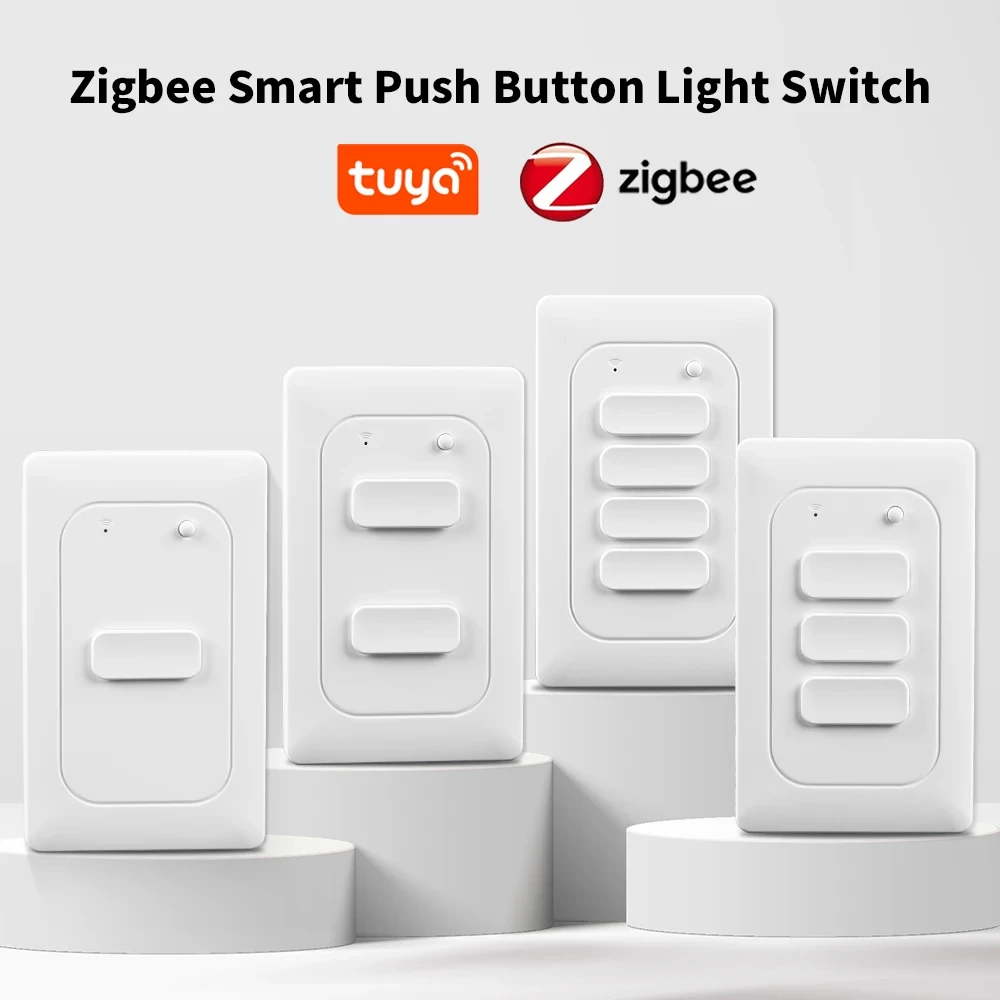
Zigbee smart switch |
WiFi smart switch |
| Main module |
Not confirmed in listing |
CB3S |
| Platform |
Expected Zigbee stack |
BK7231N-based Tuya module |
| Channels |
4-gang |
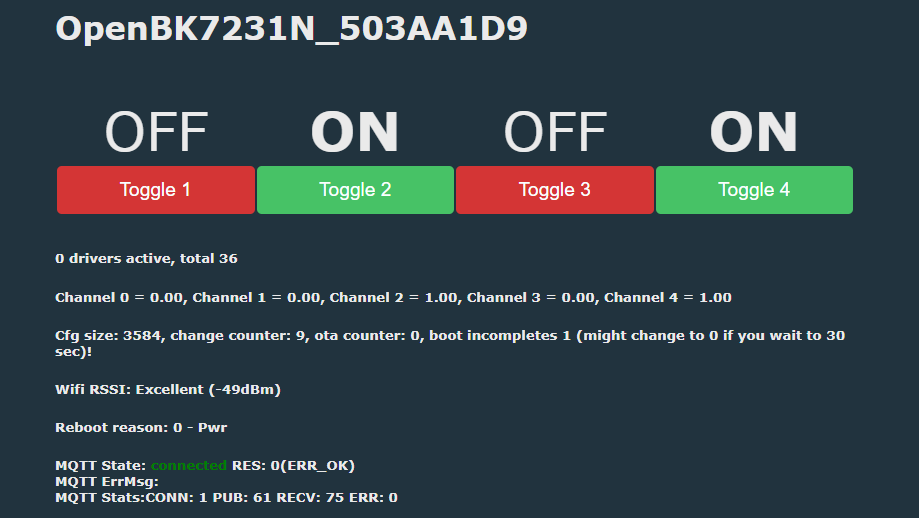
4 relays + 4 buttons mapped in OpenBK |
Key insight: The most valuable finding is that GPIO11 controls the blue backlight LEDs. Without configuring P11, OpenBK can switch all 4 relays, but the blue LED behavior looks broken or incomplete. [#20843825]
Quick Facts
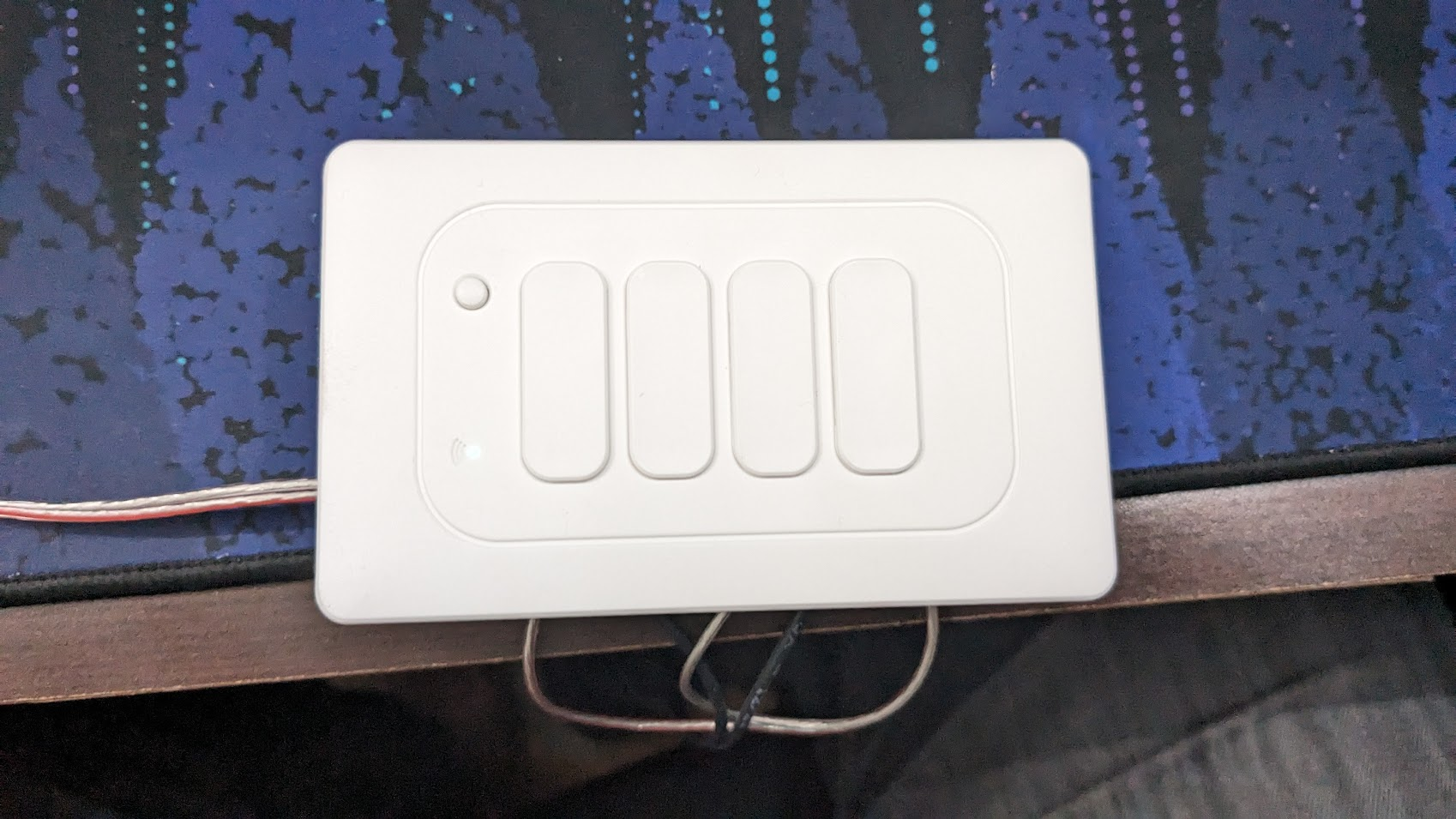
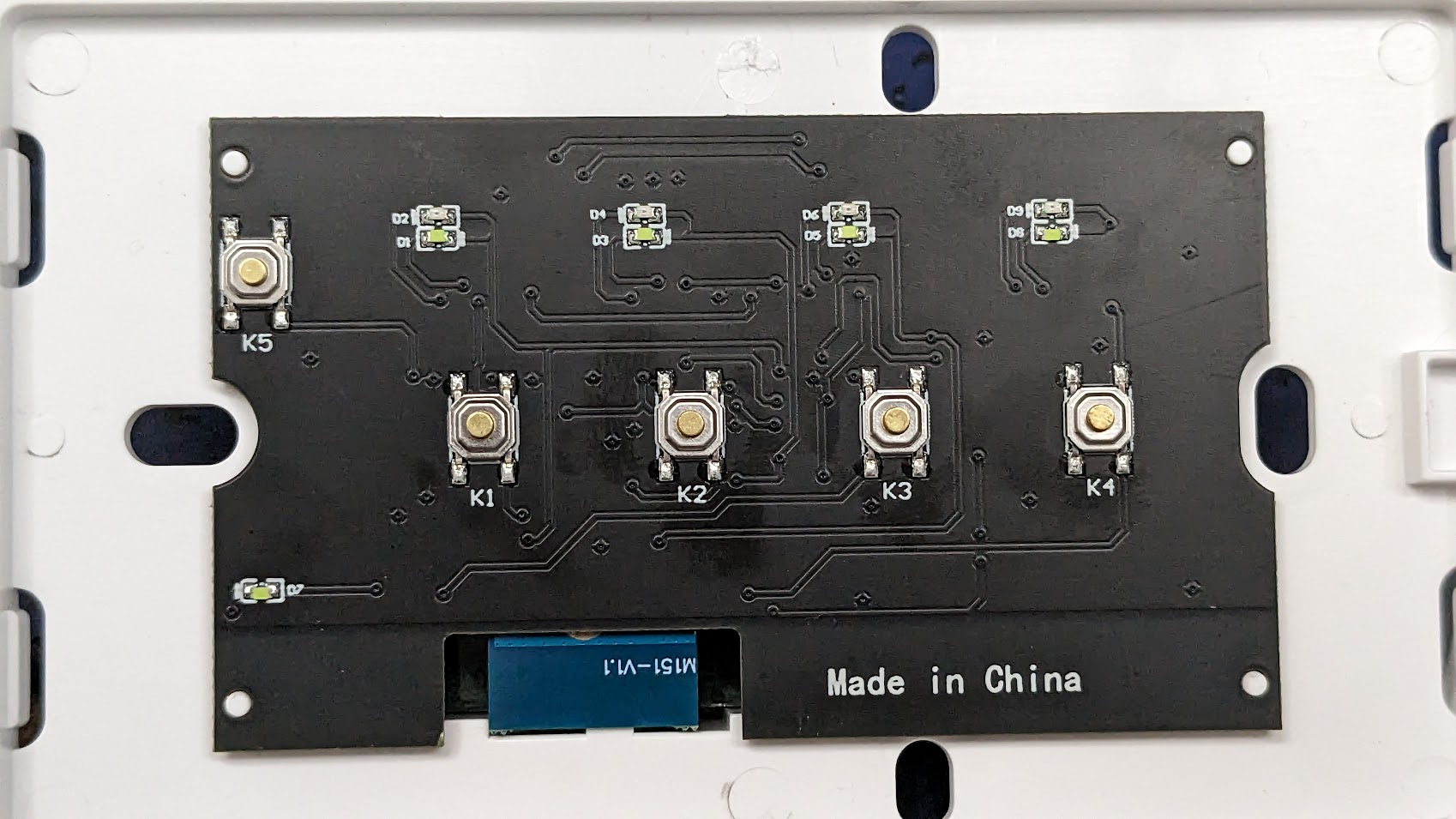
- The switch is a 4-gang wall model with 4 clicky buttons, and each button directly triggers its matching relay. Orange indicates relay ON, while blue indicates relay OFF in the stock behavior. [#20842321]
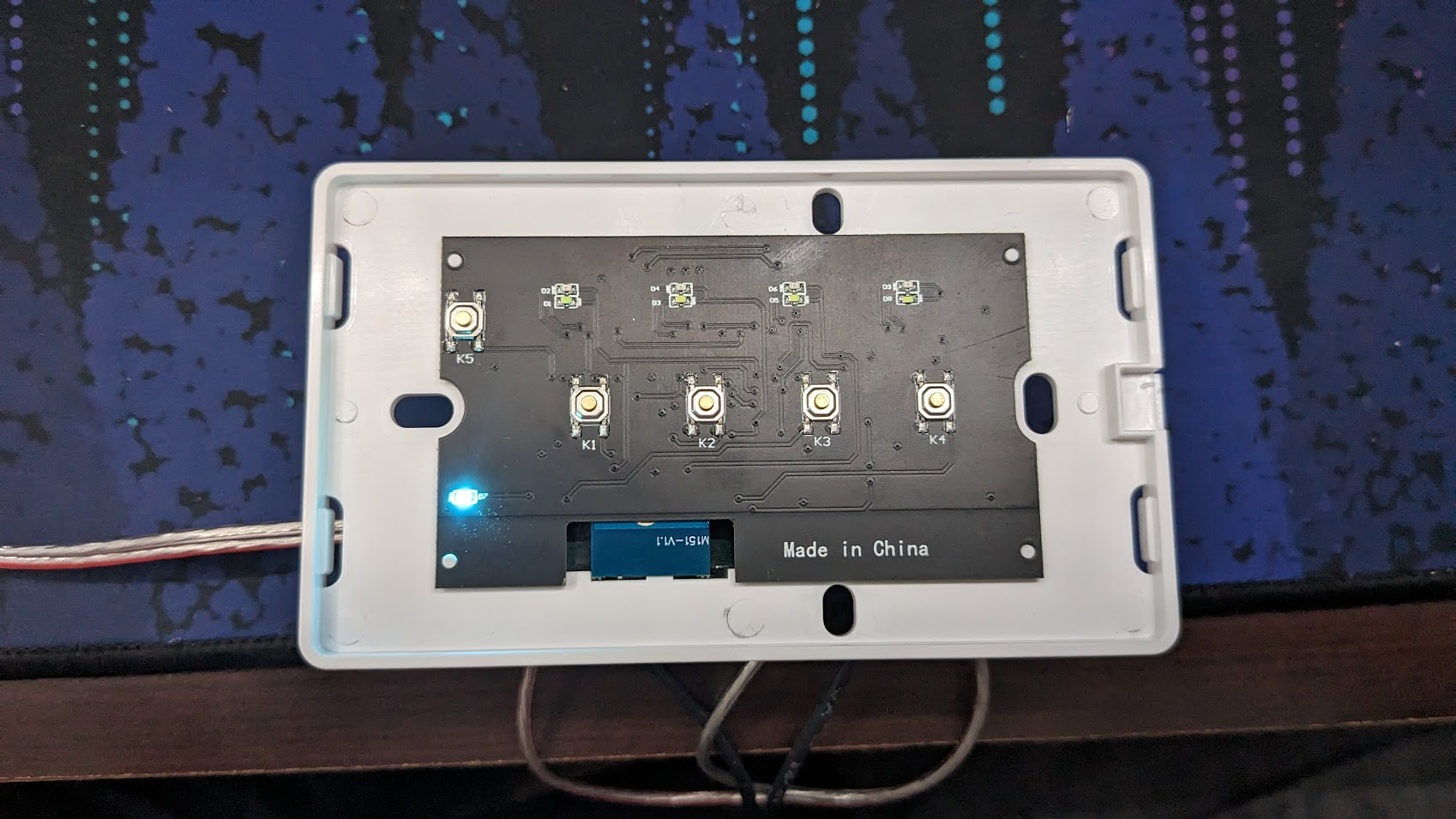
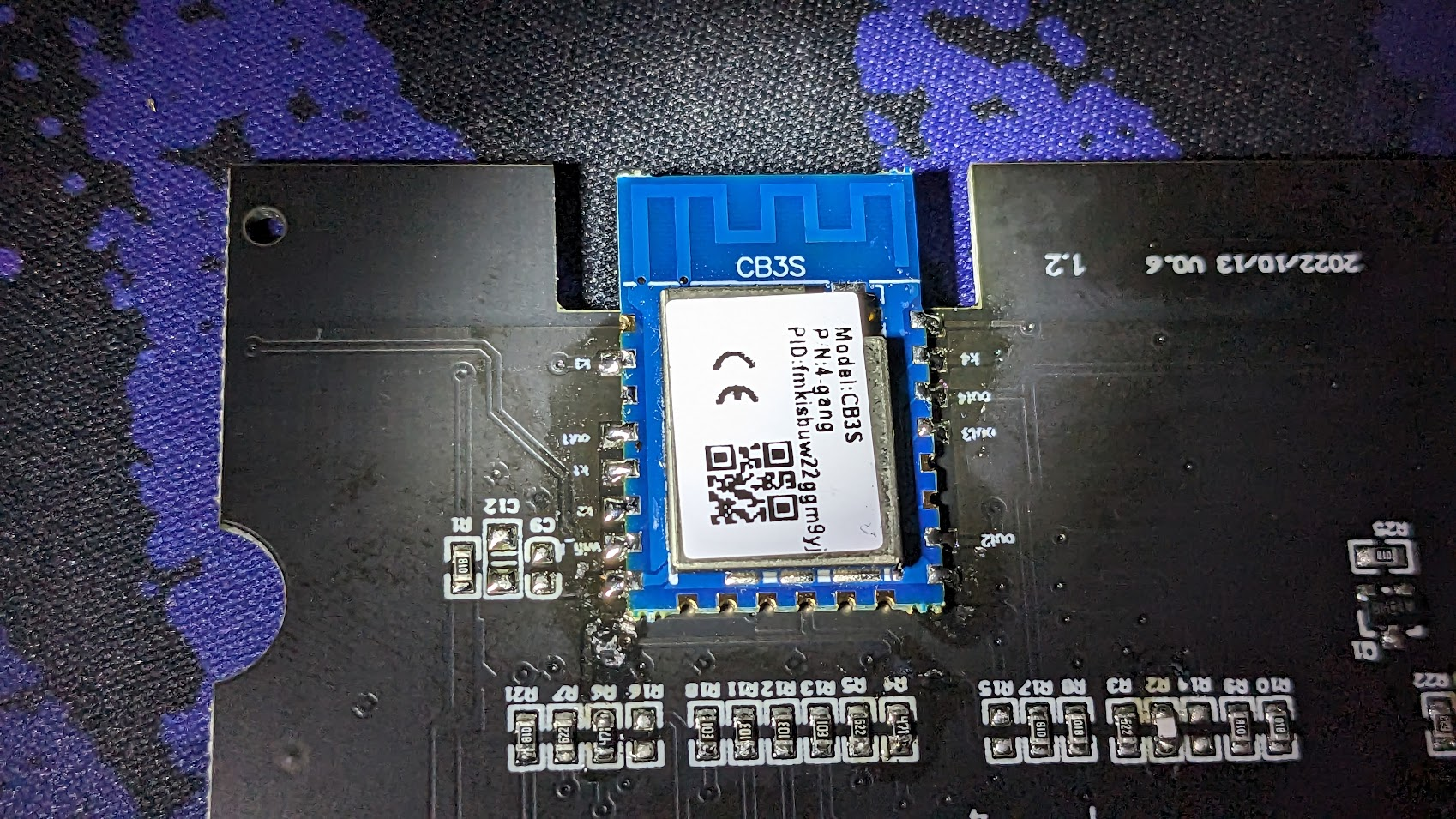
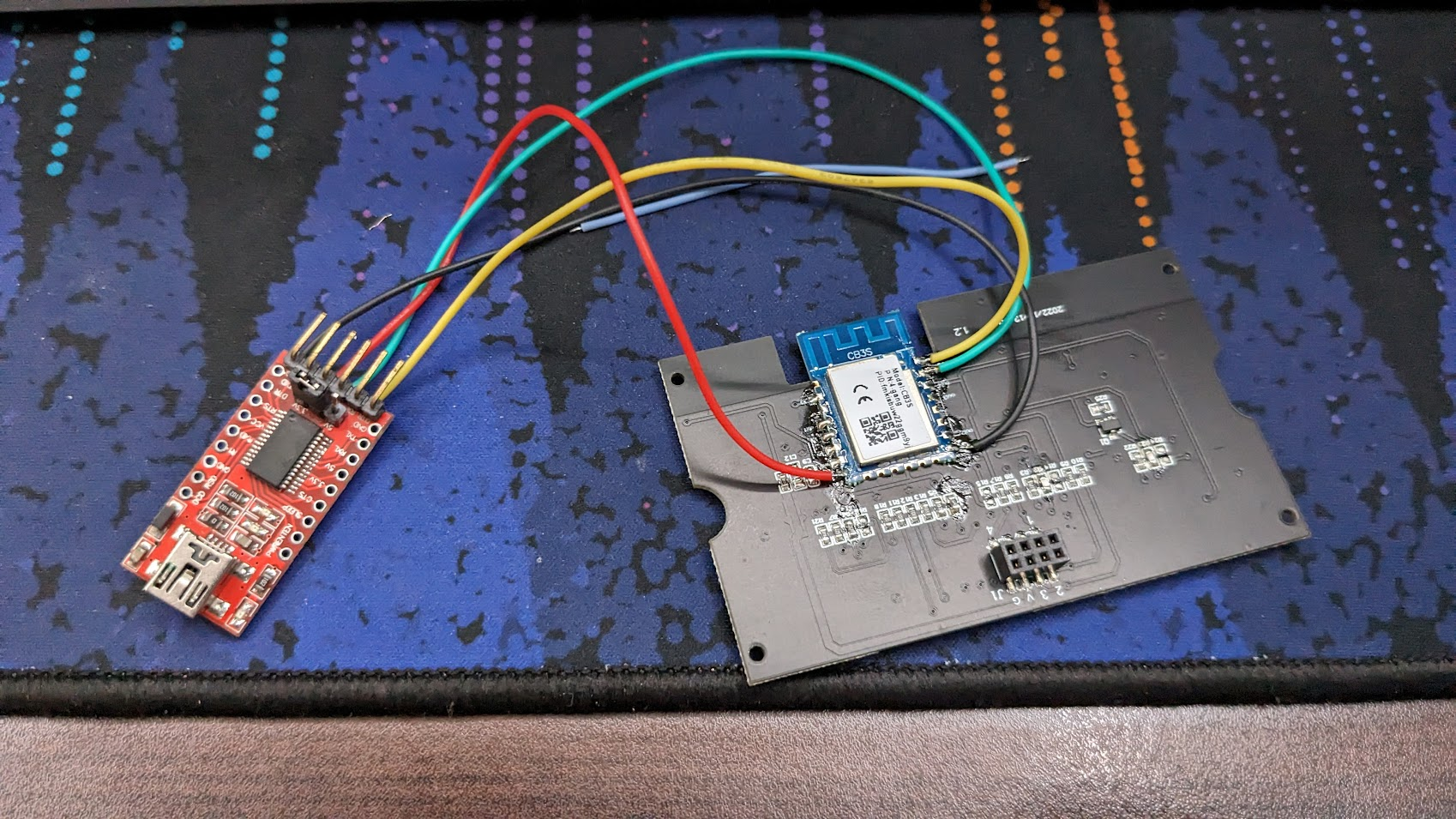
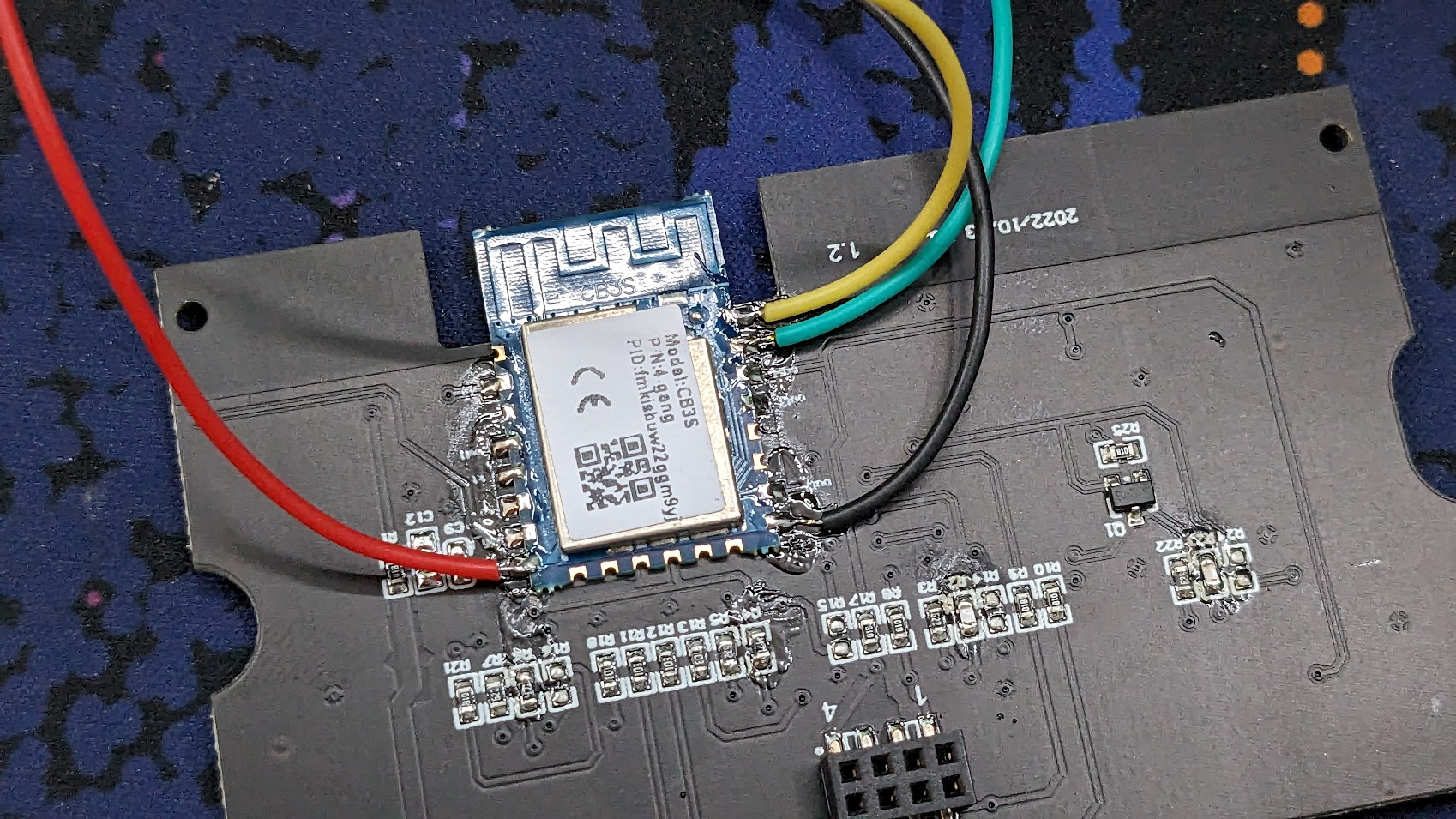
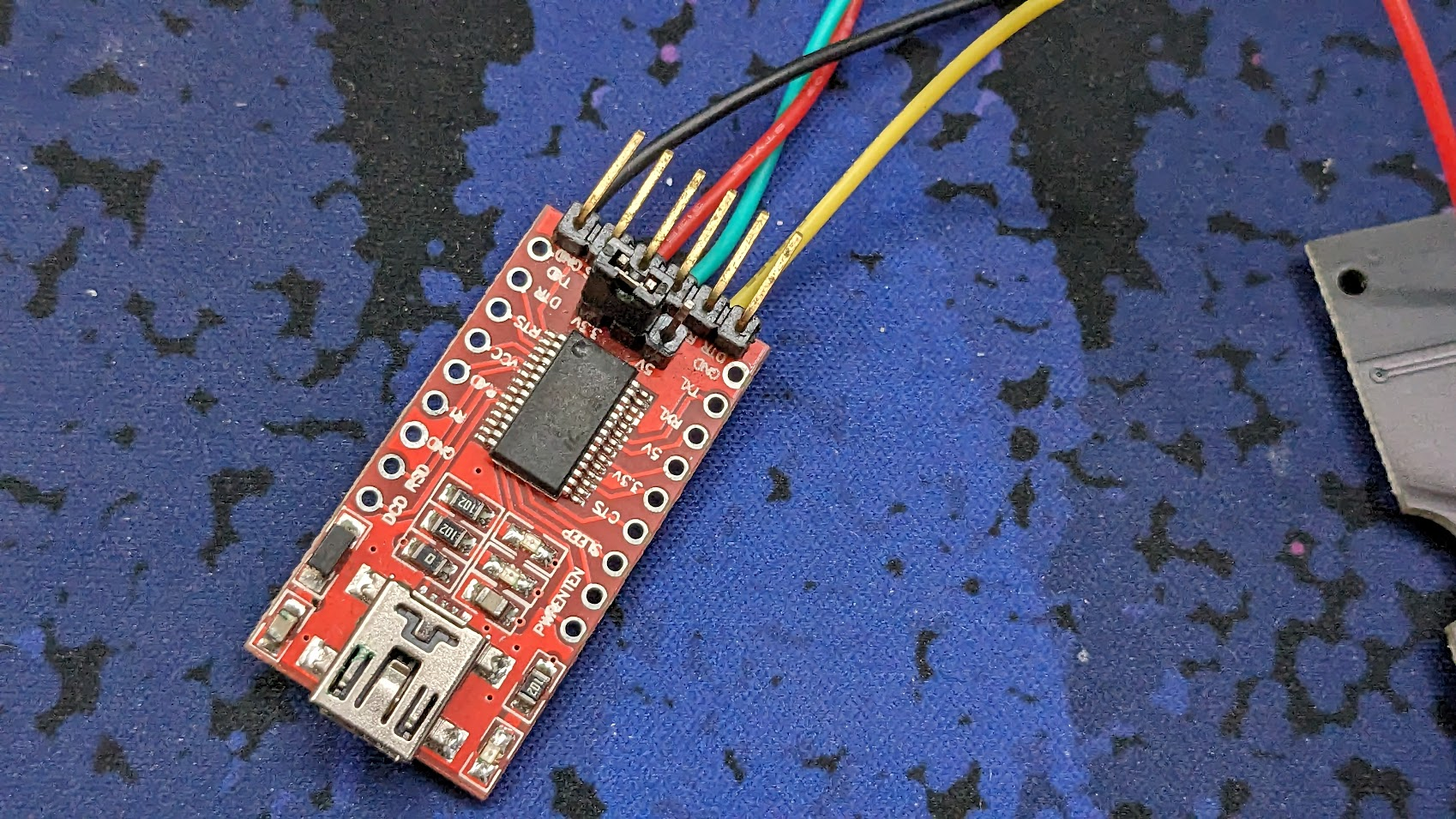
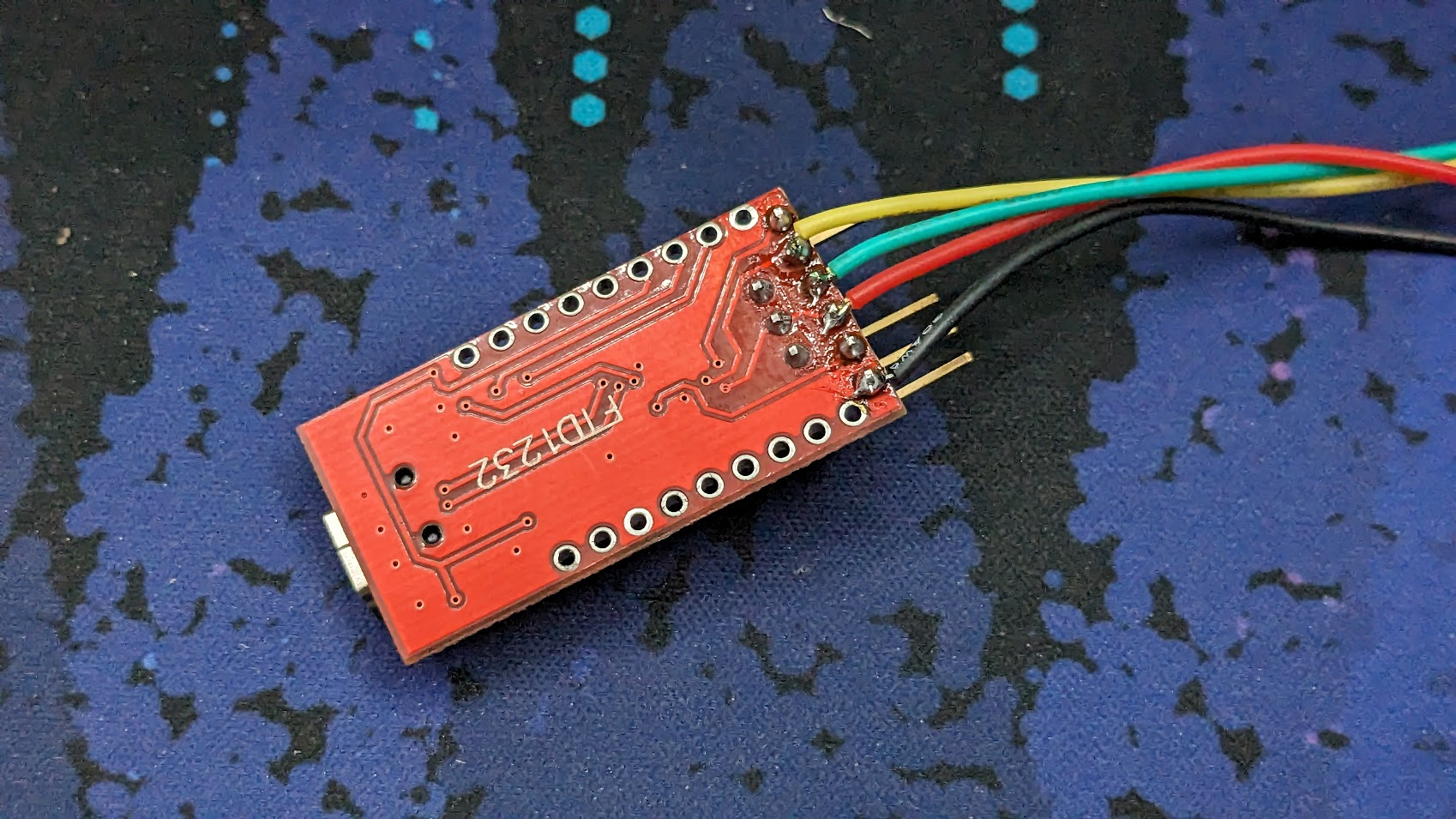
- The confirmed flashing pads on the CB3S module are CEN pin 3, VCC pin 8, GND pin 9, RX1 pin 15, and TX1 pin 16. [#20842321]
- One successful flash used BK7231GuiFlashTool on Windows with firmware OpenBK7231N_QIO_1.17.308.bin; the same user reported no luck under Linux Ubuntu. [#20842321]
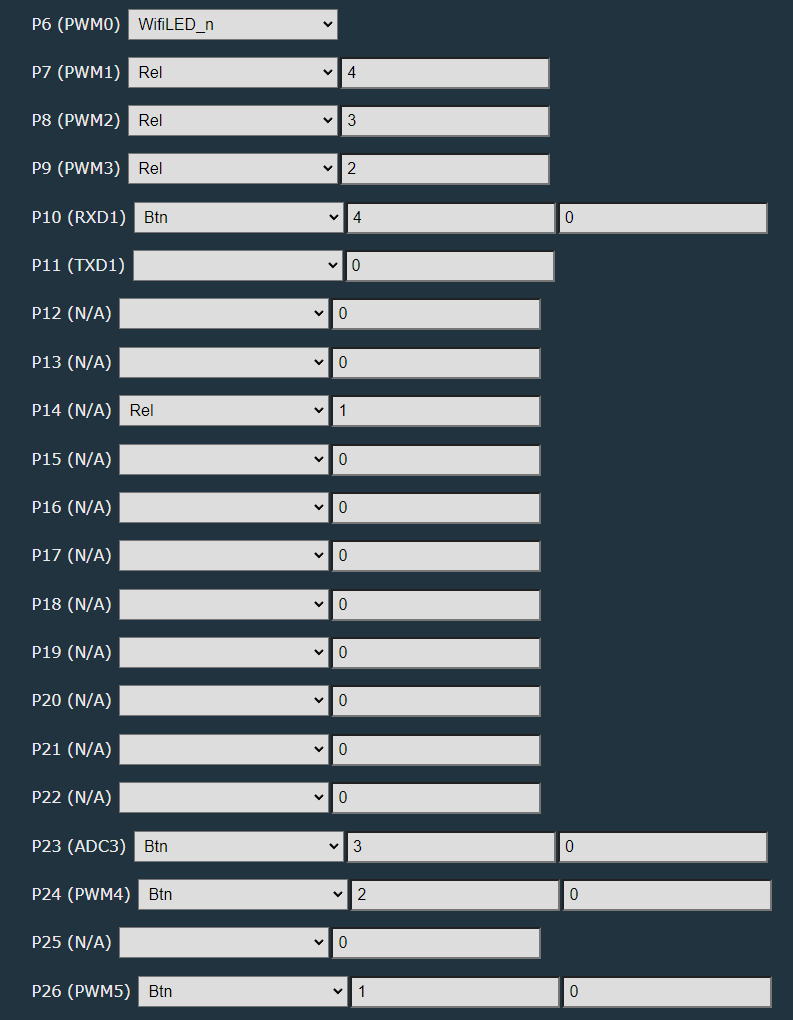
- The initial OpenBK map exposed 4 relays on P7, P8, P9, P14 and 4 buttons on P10, P23, P24, P26, which was later extended by finding the blue LED function on P11. [#20843825]
- Support for Tuya's backlit_io_pin was discussed later, and a participant noted the feature existed in code but not in the June 5th build, explaining why some extra LED GPIOs could stay hidden. [#21310982]
1. Why is the Manhot Store 4 gang switch sold as Zigbee actually showing up as a WiFi device with a CB3S module inside?
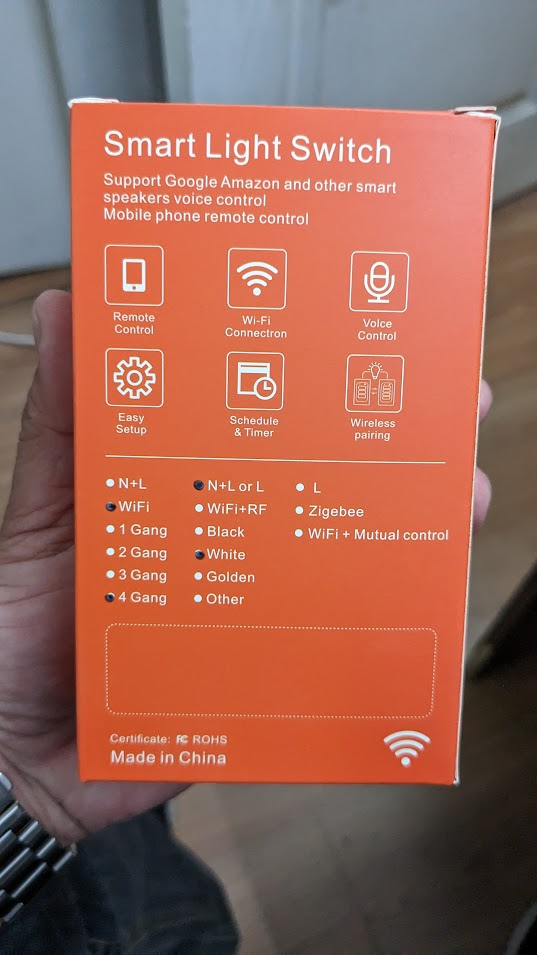
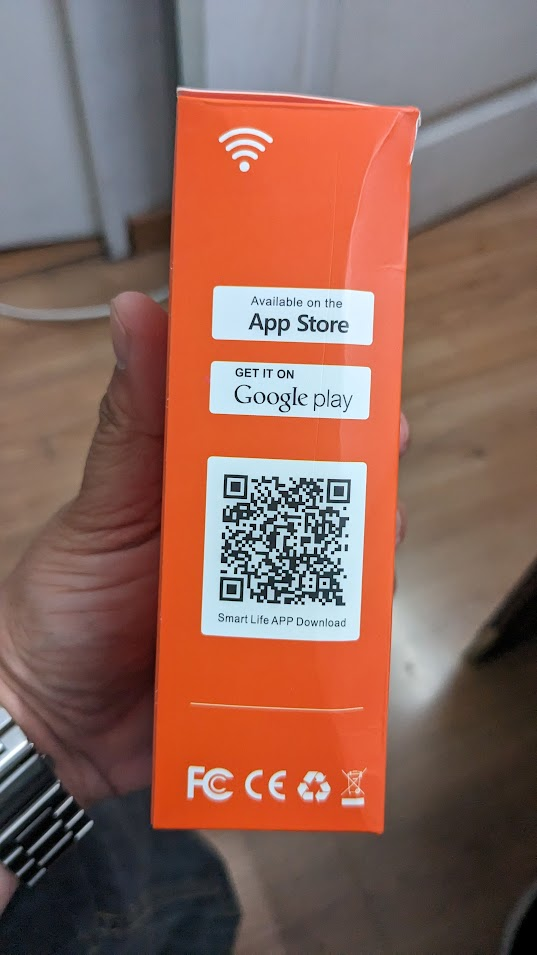
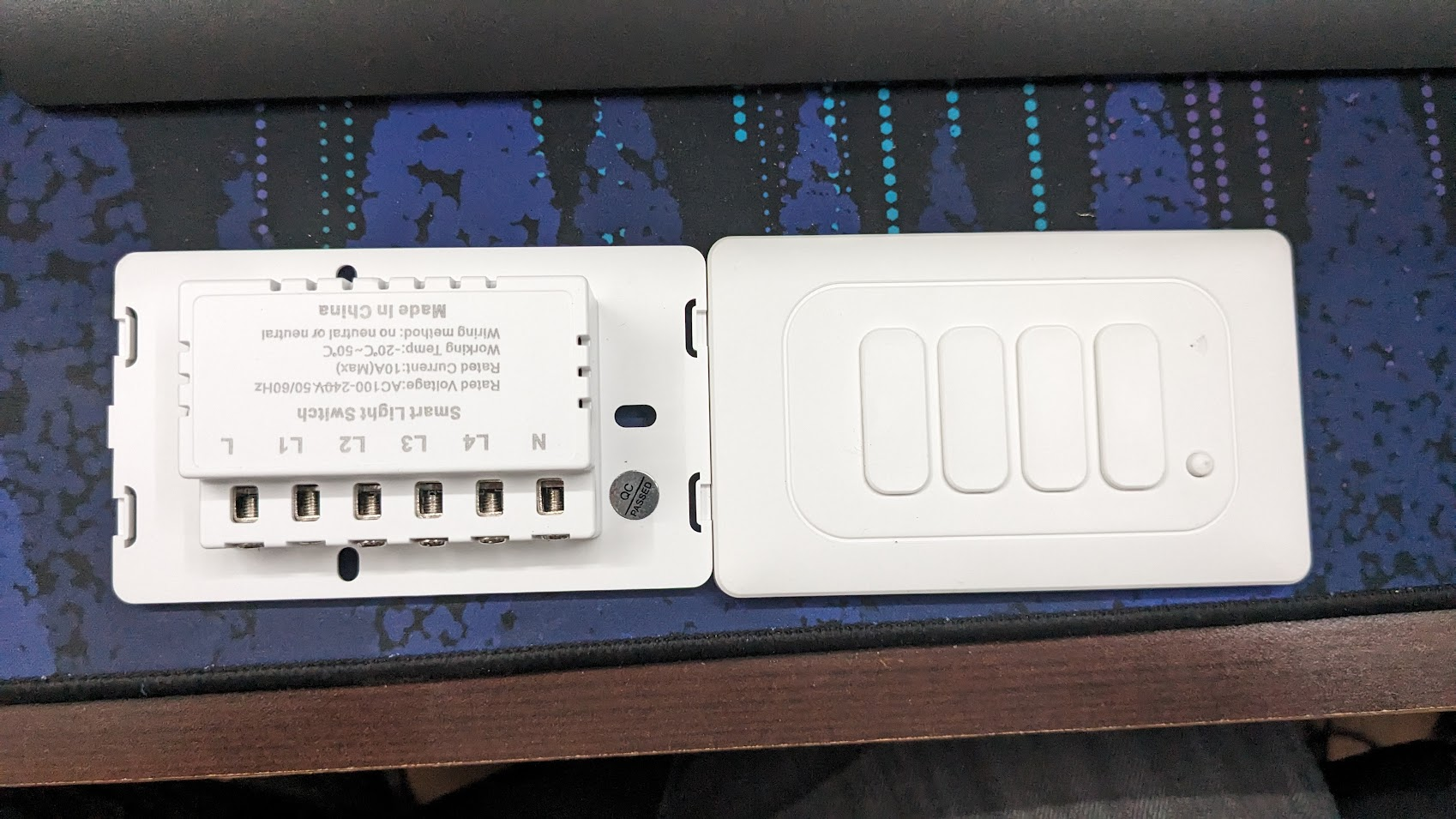
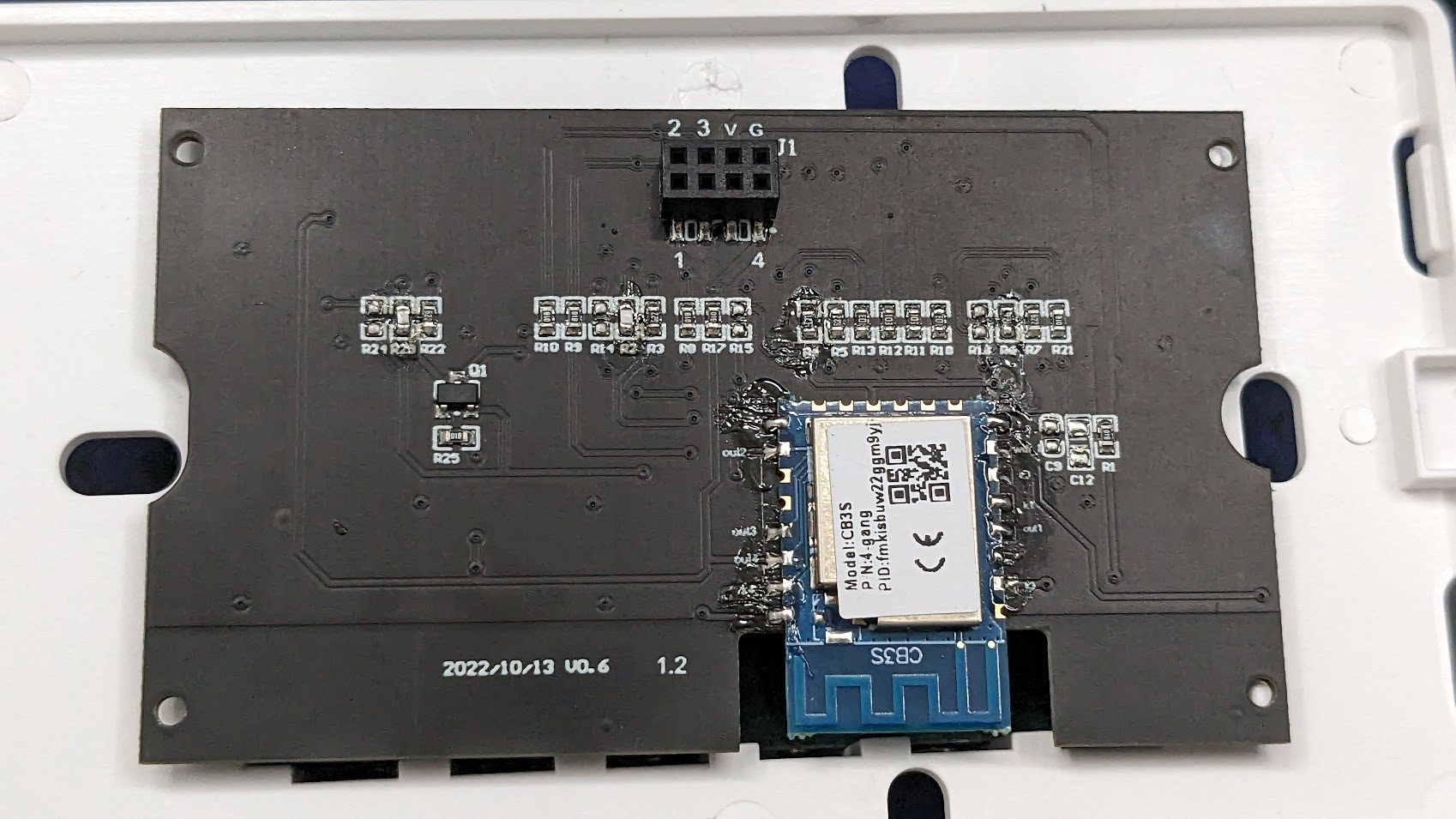
Because the teardown showed a CB3S module on the board, and CB3S is the WiFi-based hardware used in this unit, not a Zigbee radio. The buyer explicitly reported that the AliExpress listing called it a Zigbee smart switch, but the opened device contained a CB3S chip and behaved as a WiFi switch instead.
[#20842321]
2. How do I flash OpenBK on a Tuya CB3S / BK7231N smart wall switch using BK7231GuiFlashTool?
You flash it by wiring the CB3S serial pins and forcing bootloader mode with CEN. 1. Solder wires to CEN, VCC, GND, RX1, and TX1. 2. Pull CEN as needed to enter bootloader mode, then connect the UART flasher. 3. Use BK7231GuiFlashTool and write OpenBK7231N_QIO_1.17.308.bin; this worked on Windows in the thread.
[#20842321]
3. What pins on the CB3S module do I need for flashing, including CEN, VCC, GND, RX1, and TX1?
You need five pins for the flashing setup shown in the thread:
CEN pin 3,
VCC pin 8,
GND pin 9,
RX1 pin 15, and
TX1 pin 16. Those are the exact CB3S pad numbers the user identified from the datasheet and then used for flashing.
[#20842321]
4. What is the CEN pin on a CB3S module, and how does it help put the BK7231N into bootloader mode?
CEN is the control pin the user wired to force bootloader entry for flashing.
"CEN" is a module control pin that enables or resets the chip for startup, and in this case the user soldered a wire to it specifically to place the BK7231N-based CB3S into bootloader mode. [#20842321]
5. What is a CB3S chip in Tuya devices, and how is it related to the BK7231N platform?
CB3S is the Tuya module board used in this switch, and it is built on the BK7231N platform.
"CB3S" is a Tuya WiFi module that provides the radio and MCU section for smart devices, and in this thread it is explicitly identified as the board carrying the BK7231N chip. [#20842494]
6. Why does the blue backlight LED not work after flashing OpenBK on this Tuya 4 gang switch until GPIO11 is configured?
Because the first OpenBK mapping did not include the GPIO that drives the blue backlight. The user initially flashed a working relay and button setup, but later discovered that
P11 controls the blue LEDs, so blue light behavior stayed missing until GPIO11 was assigned.
[#20843825]
7. How should I configure the OpenBK pin mapping for the Manhot / Tuya 4 gang BK7231N switch with relays on P7, P8, P9, and P14 and buttons on P10, P23, P24, and P26?
Use the mapping published in the thread:
P6 WifiLED_n,
P7 Relay 4,
P8 Relay 3,
P9 Relay 2,
P10 Button 4,
P14 Relay 1,
P23 Button 3,
P24 Button 2, and
P26 Button 1. A later revision also added
P11 = LED_n;52 for the blue backlight line.
[#20843825]
8. Which GPIO controls the blue LEDs or backlight on this Tuya 4 gang switch, and how do LED vs LED_n settings change the behavior?
GPIO
P11 controls the blue LEDs on this switch. The user found that setting
P11 as LED turned the blue LEDs on when the relay was off, while setting
P11 as LED_n kept the blue LEDs off all the time and left only the orange LEDs active when the relay turned on.
[#20843825]
9. What is backlit_io_pin in a Tuya device configuration, and why can missing support for it hide an extra LED or button GPIO?
backlit_io_pin is a Tuya configuration key for a separate backlight control line that may not appear in a simple relay/button template.
"backlit_io_pin" is a Tuya device-configuration field that identifies a dedicated backlight GPIO, separate from the main relay or button pins, and missing parser support can leave that extra LED-related pin undiscovered. [#21310683]
10. How can I keep the blue LEDs permanently off on this BK7231N switch using AlwaysHigh or AlwaysAll in OpenBK?
You can keep the blue LEDs permanently off by changing the P11 role from LED_n to a fixed-state output such as
AlwaysHigh or
AlwaysAll. That tip was given directly in the thread as the way to make the setting persistent instead of relying on the default LED behavior.
[#20843872]
11. Is there a way to invert the LED behavior so the blue light is on when the relay is on and the orange light is on when it is off?
The thread does not provide a confirmed working method to invert the colors that way on this switch. The user asked for blue-on when the relay is on and orange-on when it is off, but no later post in the thread gave a tested OpenBK mapping or command that achieved that result.
[#20844726]
12. What is the pin number for the small reset or top button on this Tuya CB3S 4 gang switch?
The later follow-up says the small top or reset button is
GPIO13. That value appeared after the missing extra pin was discussed, so the thread's final stated answer for that button is
GPI013 / GPIO13.
[#21136946]
13. Why might BK7231GuiFlashTool work under Windows for this CB3S switch but fail under Linux Ubuntu?
The thread only confirms the outcome, not the exact root cause: Windows succeeded, while Linux Ubuntu failed in that user's setup. This is a real edge case for this device, because the same user reported a successful Windows flash with
OpenBK7231N_QIO_1.17.308.bin but
no luck using the Linux flasher.
[#20842321]
14. How do I convert a Tuya JSON device template into an OpenBK template with the OpenBeken web app template importer?
Use the OpenBeken web app's
templateImporter to convert the extracted Tuya JSON into OBK format. In the thread, the converted output produced an OpenBK template naming the device as a Tuya 4-gang WiFi switch, with
BK7231N,
CB3S, and the detected GPIO pin map already filled in.
[#20842494]
15. WiFi smart switch vs Zigbee smart switch for wall controls like this Tuya 4 gang model — what are the practical differences for flashing, local control, and refunds when the listing is wrong?
For this device, the practical difference is simple: WiFi hardware let the owner flash OpenBK on a CB3S/BK7231N board, while the Zigbee listing was wrong enough that a refund was recommended. One reply even said,
"you should get a refund!" That makes radio type a buying, flashing, and dispute issue, not just a naming issue.
[#20842494]
AI summary based on the discussion. May contain errors.






Comments
Thanks for the review. That's very strange, you got a WiFi version instead of Zigbee, you should get a refund! Regarding the template, can you also add GPIO in a form of OBK template from the Web App? EDIT:... [Read more]
Hi! Playing a bit with the GPIO finder i've dicovered that PIN 11 controls the BLUE LEDS. Selecting "LED" for pin 11 turns on the blue LEDs when the relay is off. when the relay is on, le blue leds... [Read more]
That's interesting and very useful. By the way, If you want a permanent setting, you can change LED_n to AlwaysHigh or AlwaysAll. [Read more]
Thanks for the tip!! I'm trying to find the way to get the opposite behaviour of the leds. blue when the relay is on and orange when is off. my other light switches work that way and is more intuitive,... [Read more]
What about the reset button at the top, what is the pin number? [Read more]
Whoa, very good question! It seems that we've missed one pin: https://obrazki.elektroda.pl/1440584900_1719312080_thumb.jpg It seems I need to add backlit_io_pin to our flasher soon. [Read more]
Any progress on finding that missing pin? [Read more]
As I said, have you tried P11? [Read more]
GPI013 [Read more]
I can't see this particular GPIO in the JSON. Can you try getting Tuya binary (Web App -> Flash tab) and attach it here so I can investigate if it was correctly extracted? [Read more]
yes. I have a Tuya device with 3 LEDs and this in the keys. "backlit_io_pin": 23 Device configuration, as extracted from Tuya: - Button (channel 1) on P20 - LED (channel 1) on P26 - WiFi... [Read more]
Isn't it already added? https://github.com/search?q=repo%3Aopenshwprojects%2FBK7231GUIFlashTool%20backlit_io_pin&type=code Or maybe I need to add a build... [Read more]
ah yes. a few commits not in June 5th build it seems [Read more]
https://obrazki.elektroda.pl/7361657300_1732440883_thumb.jpg https://obrazki.elektroda.pl/5401697800_1732440934_thumb.jpg cool I've rather presumptuously given it a version of 1.3.4 [Read more]