logo elektroda
logo elektroda
X
logo elektroda
Dostępna jest polska wersja

Czy wolisz polską wersję strony elektroda?

Nie, dziękuję Przekieruj mnie tam

Manhot Store's BK7231N / CB3S Tuya Smart 4 Gang Switch: WiFi not Zigbee, CB3S Chip Inside

celulari 2694 14

TL;DR

  • Manhot Store’s AliExpress 4-gang Tuya wall switch, advertised as Zigbee, is actually a WiFi switch with a CB3S chip inside.
  • Soldering a wire to the CEN pin puts the module into bootloader mode, allowing new firmware to be flashed.
  • The usable flashing pins are CEN, 3VCC, GND, RX1, and TX1, and the OpenBK pin map assigns P6 to the WiFi LED and P7–P14 to relays/buttons.
  • OpenBK7231N_QIO_1.17.308.bin flashed successfully with BK7231GuiFlashTool on Windows, while Ubuntu flashing failed; the orange relay indicator works, but the blue LED does not.
ADVERTISEMENT
📢 Listen (AI):
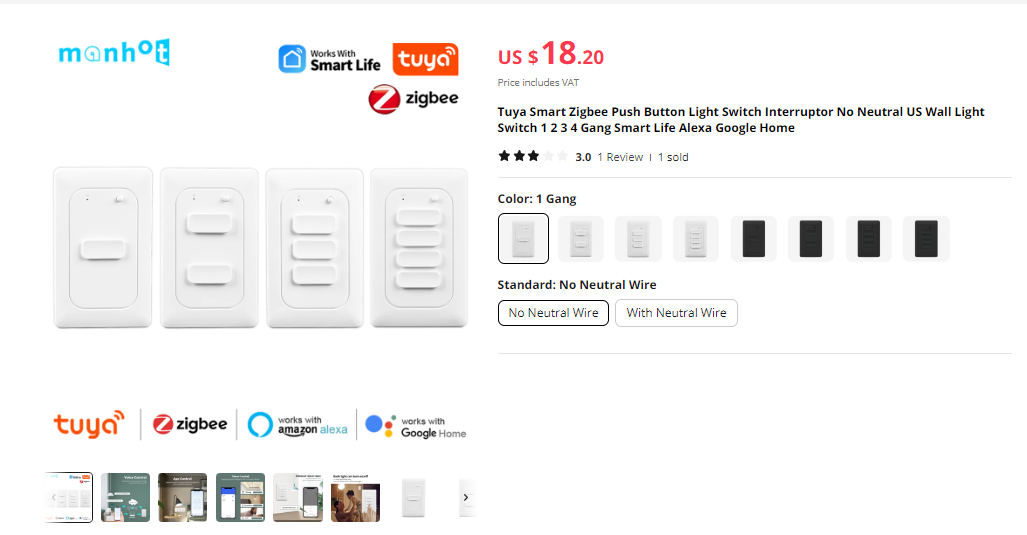
  • I've bought a wall switch from Manhot Store in aliexpress with 4 "clicky" buttons.

    AliExpress link: https://www.aliexpress.com/item/1005005901971631.html
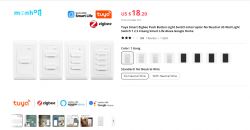
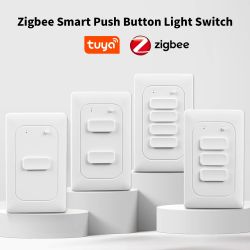
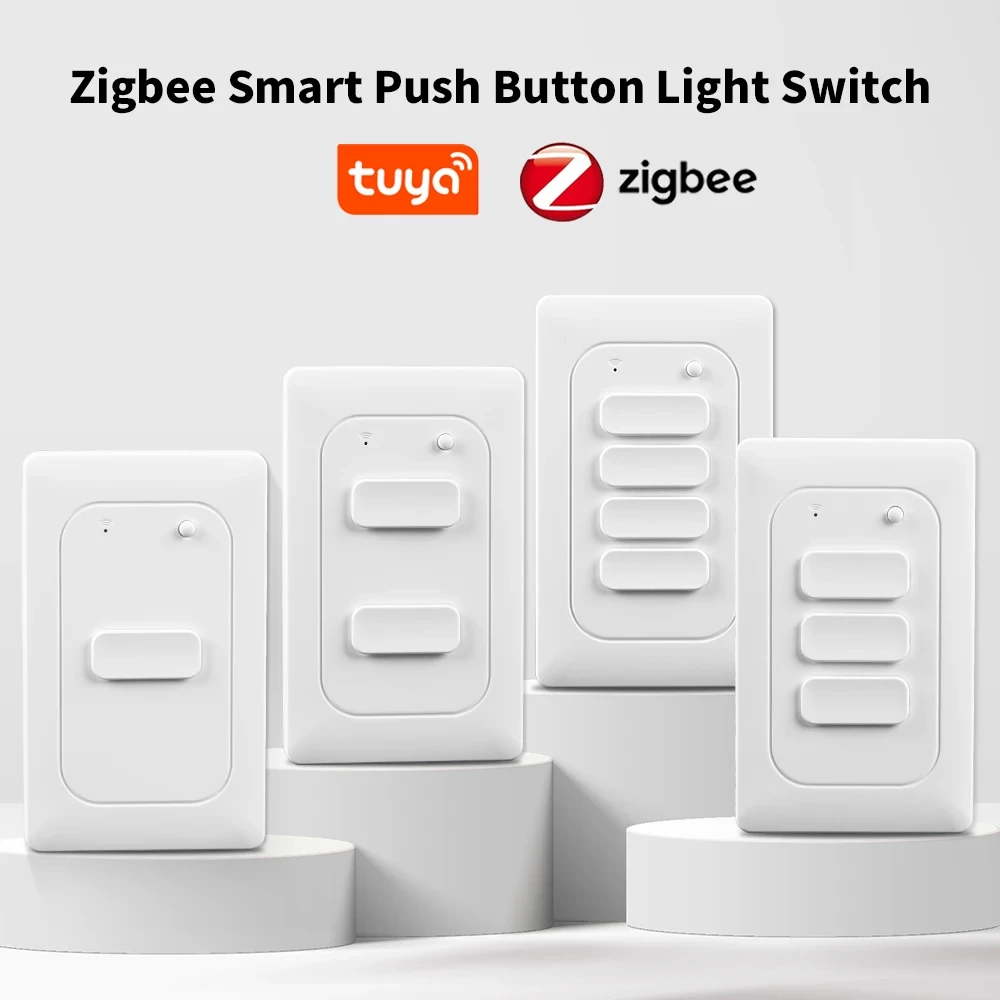
    Four white wall switches with varying numbers of buttons are shown on an online store page.

    Manhot Store's BK7231N / CB3S Tuya Smart 4 Gang Switch: WiFi not Zigbee, CB3S Chip Inside

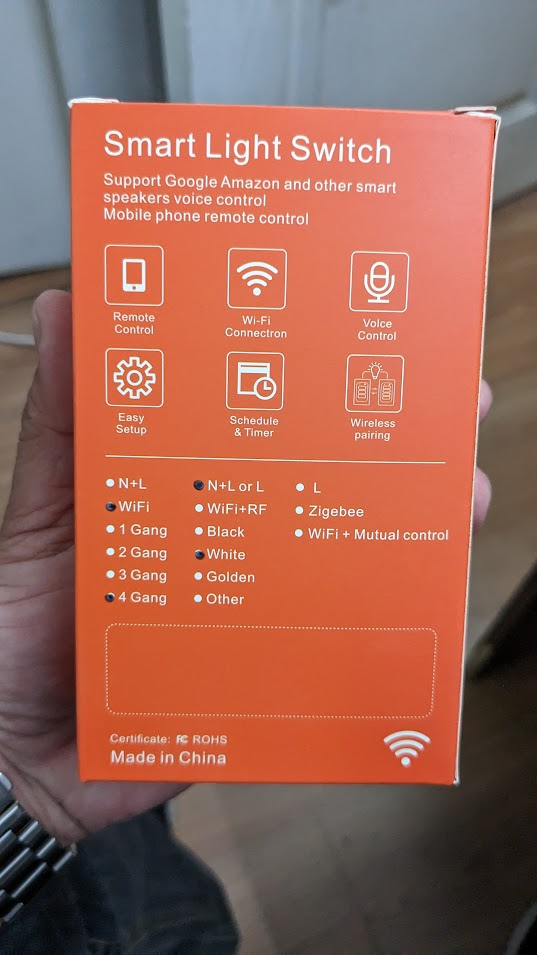
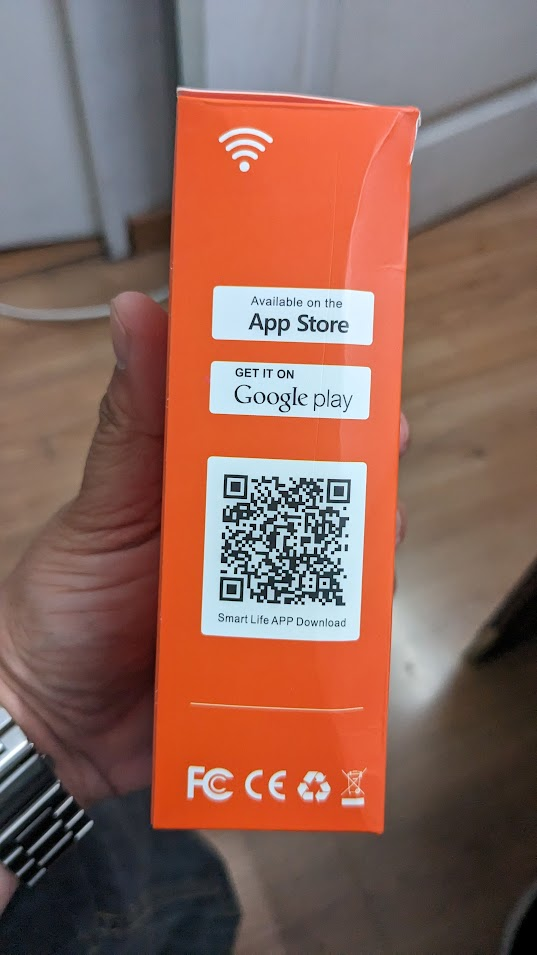
    The device is listed as a Zigbee Smart switch, but it's actually a WiFi switch!! with a CB3S chip inside.
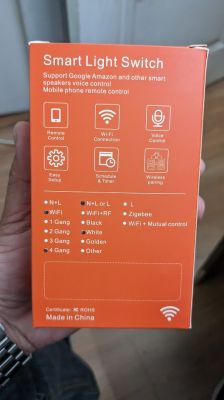
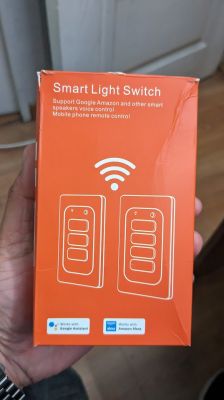
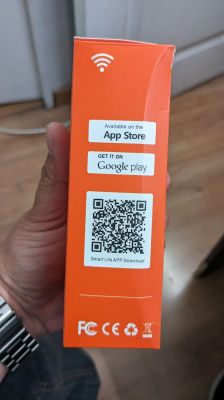
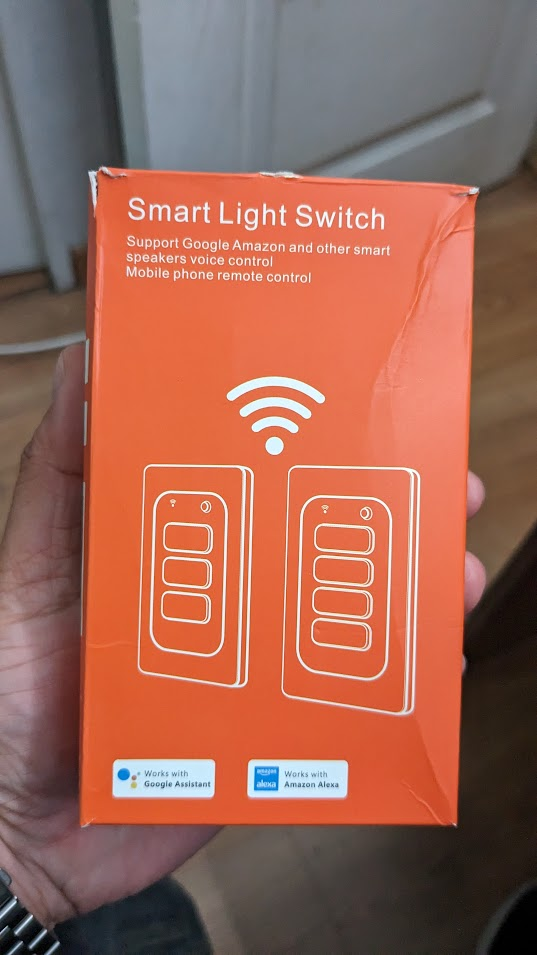
    Smart wall switch packaging with Wi-Fi and Zigbee features. Cardboard packaging of a Smart Light Switch with compatibility information for Google Assistant and Amazon Alexa printed on it. Orange box with a QR code and information about app availability on the App Store and Google Play.

    Now the fun part!

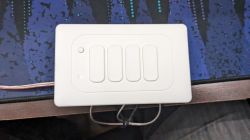
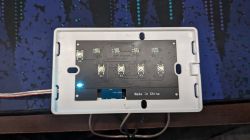
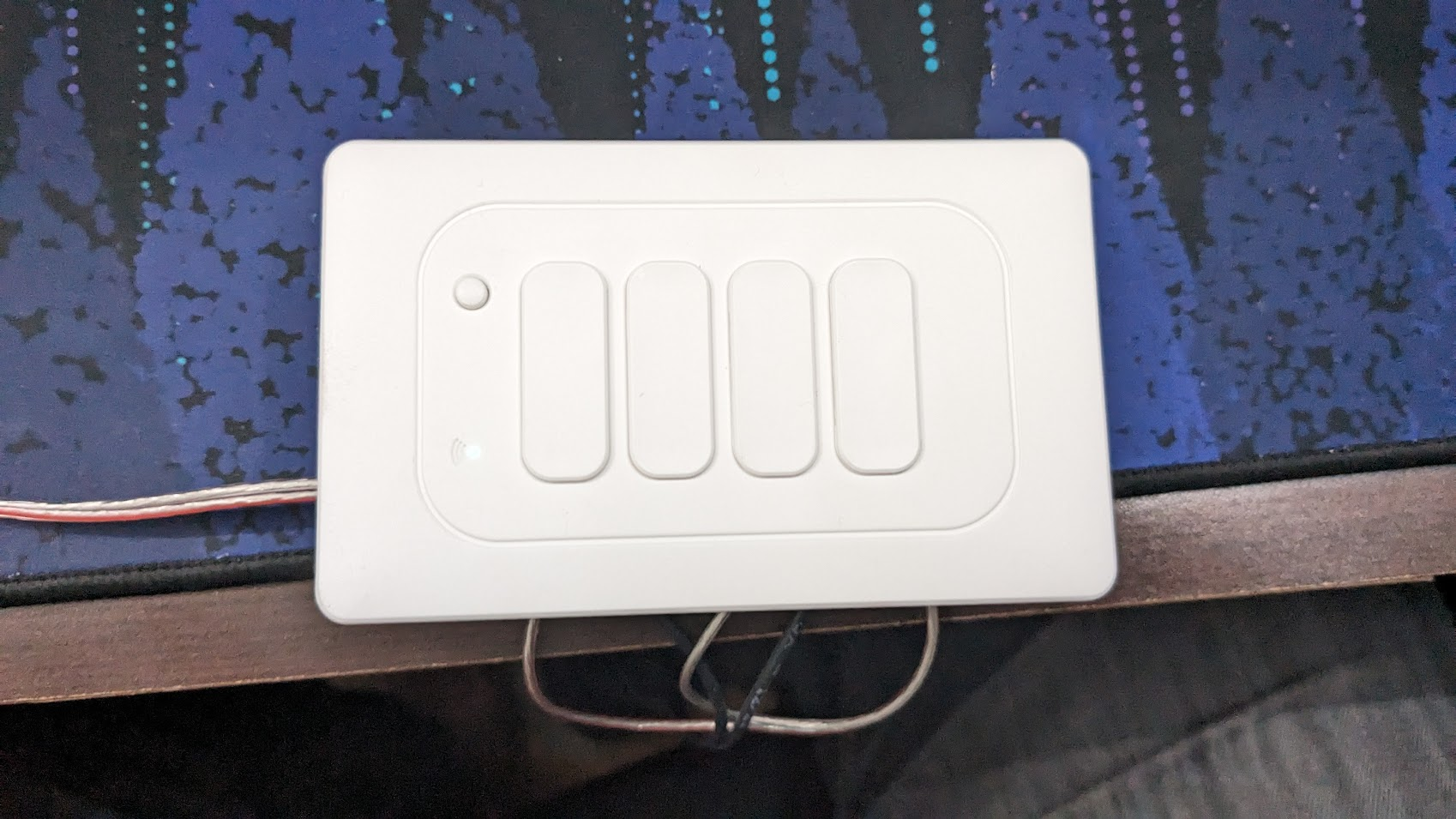
    White wall switch with four buttons and an LED indicator.
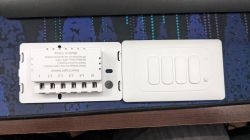
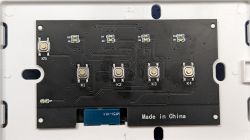
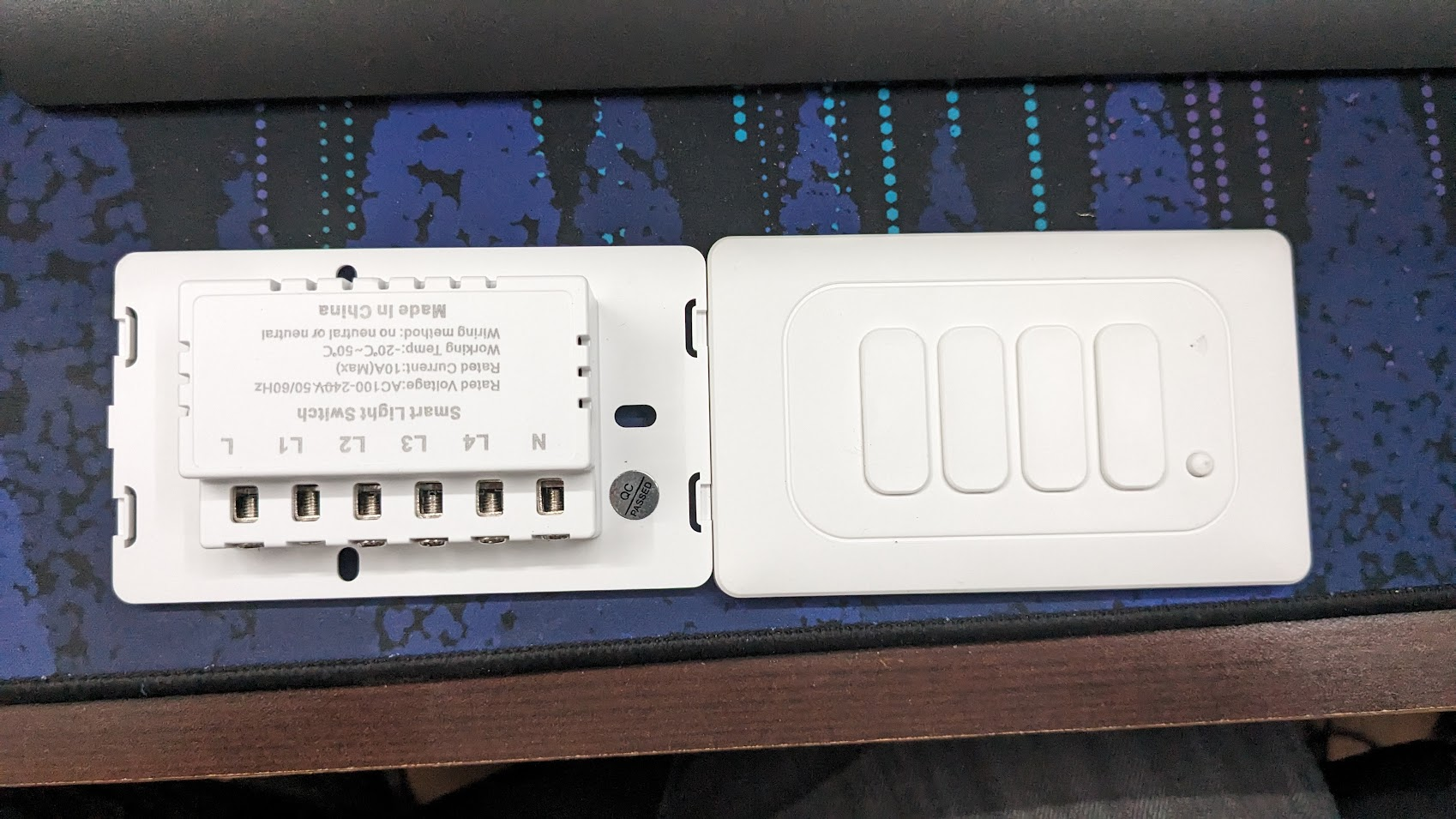
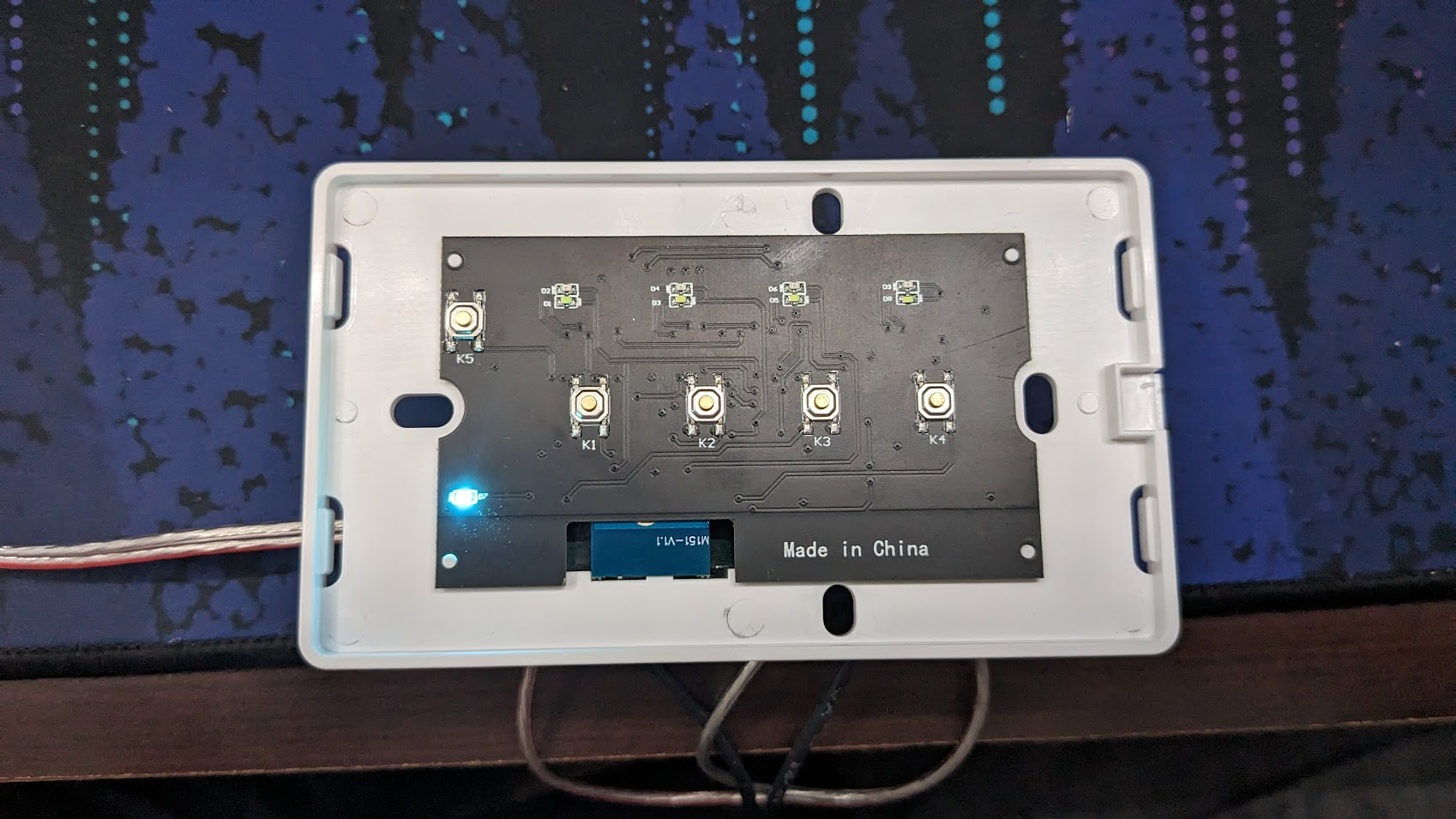
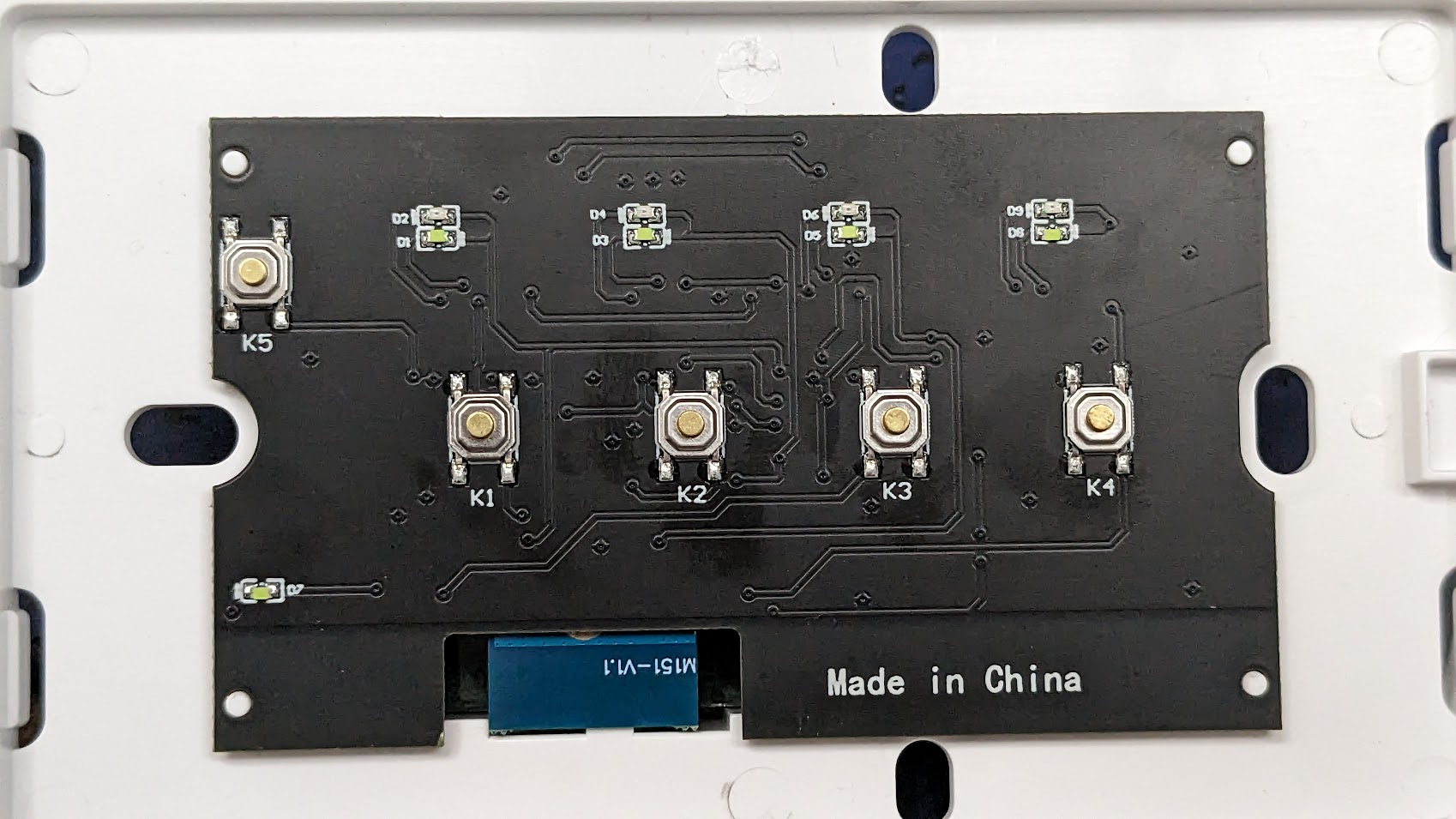
    Wall switch with four buttons and visible electrical connections. Interior view of a wall switch housing with five buttons and LEDs on a circuit board.

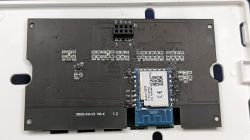
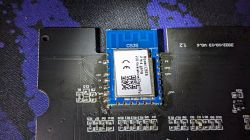
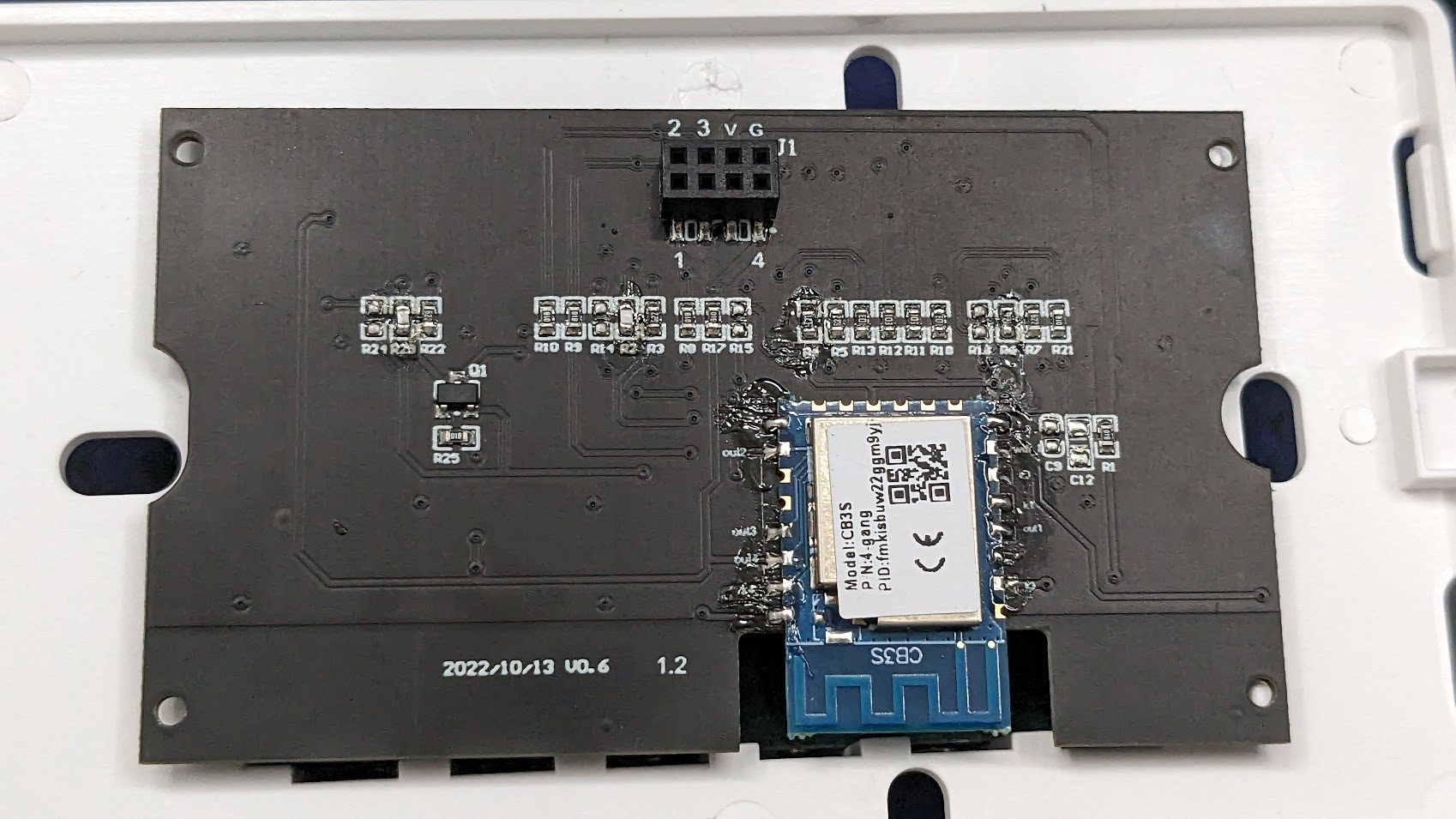
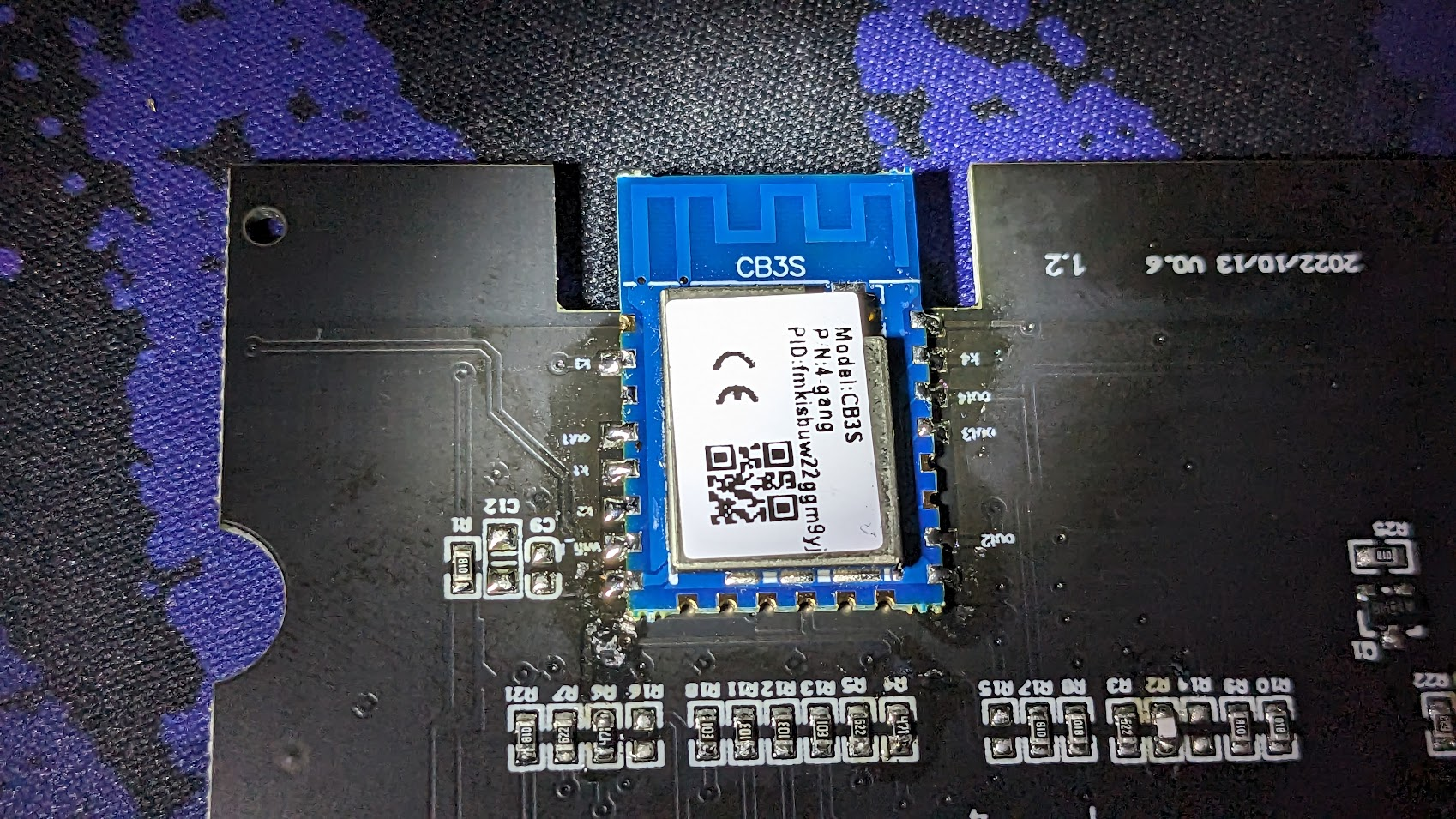
    Circuit board with visible buttons and Made in China labeling. Wall switch module with CB3S chip on a printed circuit board. CB3S module on a circuit board with visible traces and components.

    Regarding functionality, when a button is pressed, the corresponding relay is triggered.
    The button has a light that shows whether the relay is open or closed - it will show up as orange when the relay is ON and blue when the relay is OFF.

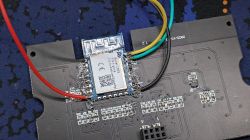
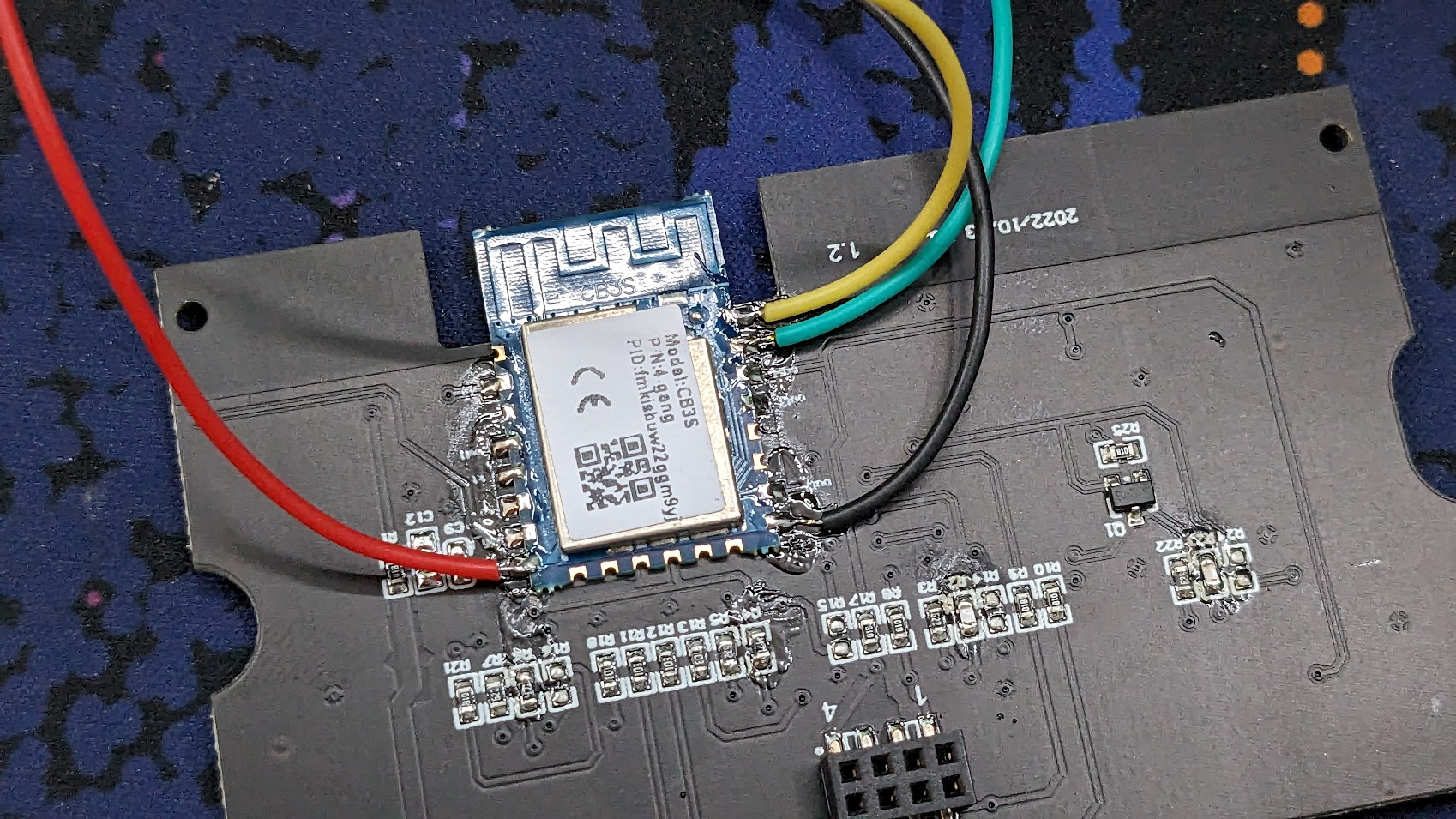
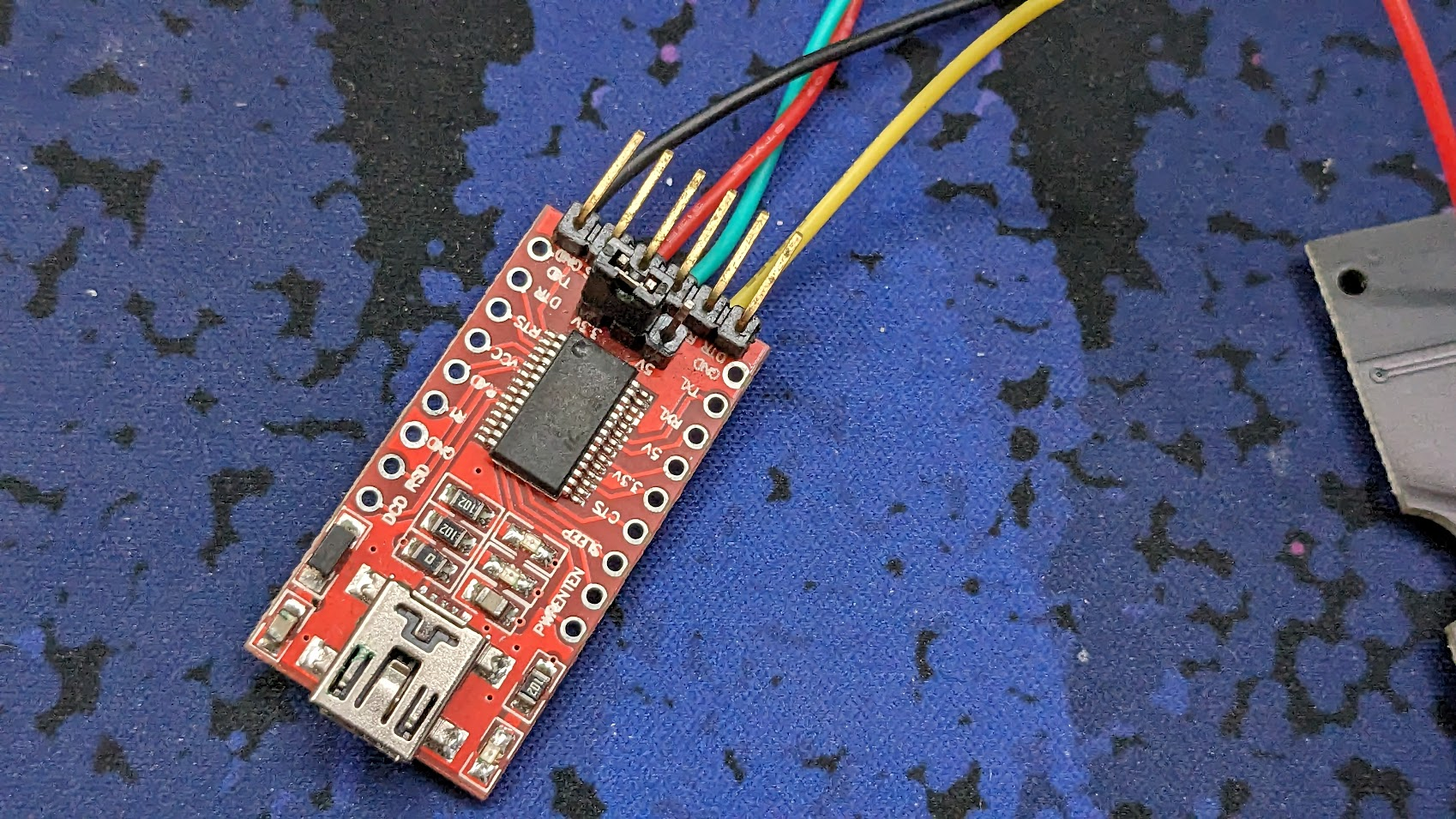
    The device is powered by a CB3S chip, although not all of its pins are soldered on the PCB. Upon checking the datasheet for the MCU, we can determine the required pins to flash the device:

    Datasheet: https://developer.tuya.com/en/docs/iot/cb3s?id=Kai94mec0s076

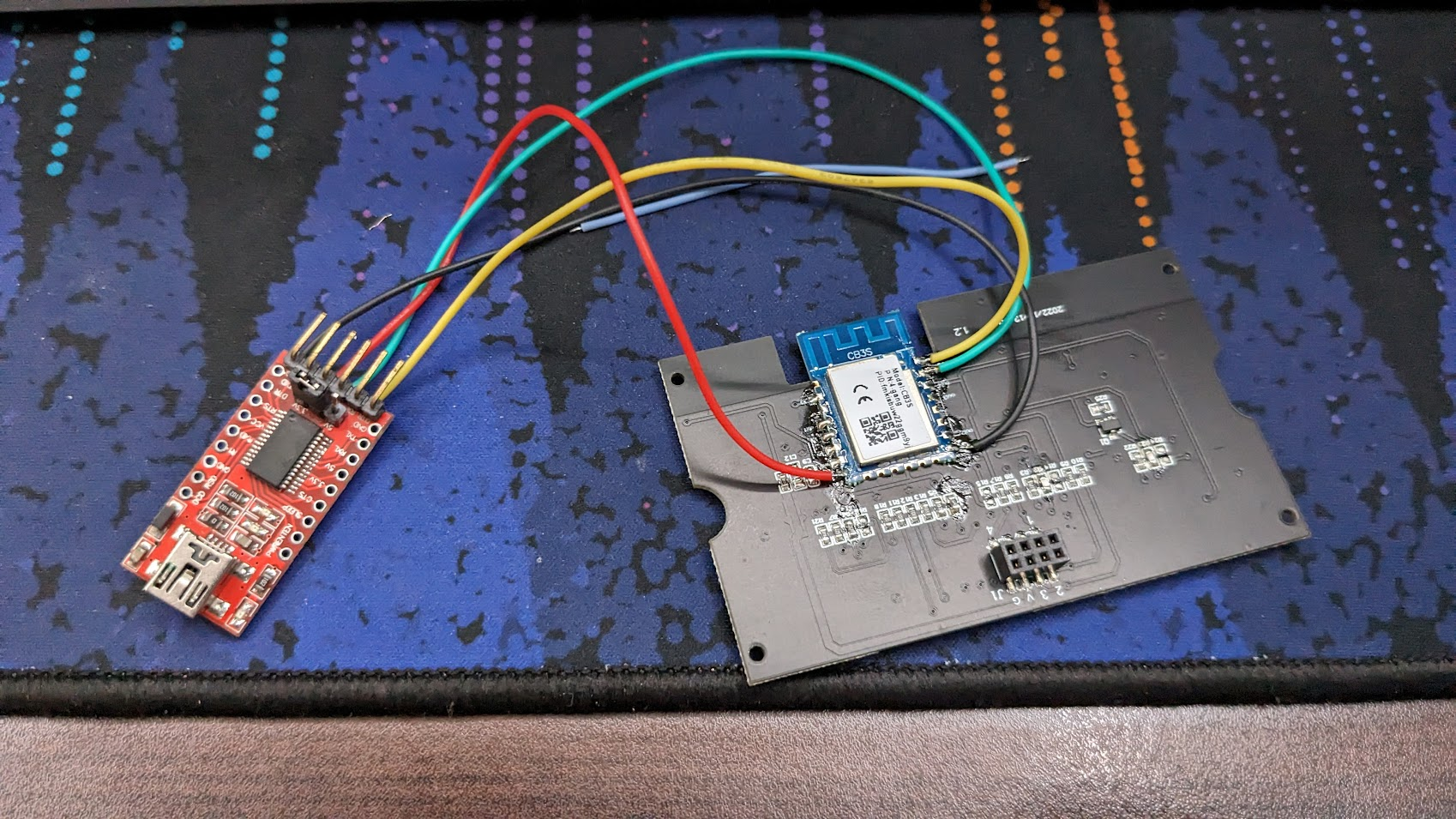
    Soldered a small wire to the CEN pin to put the device into bootloader mode in order to flash a new firmware.
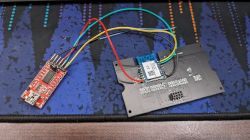
    Pin Name Pin Number
    CEN 3
    VCC 8
    GND 9
    RX1 15
    TX1 16


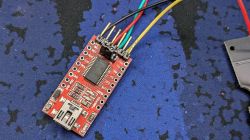
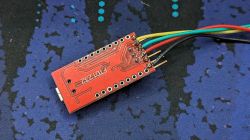
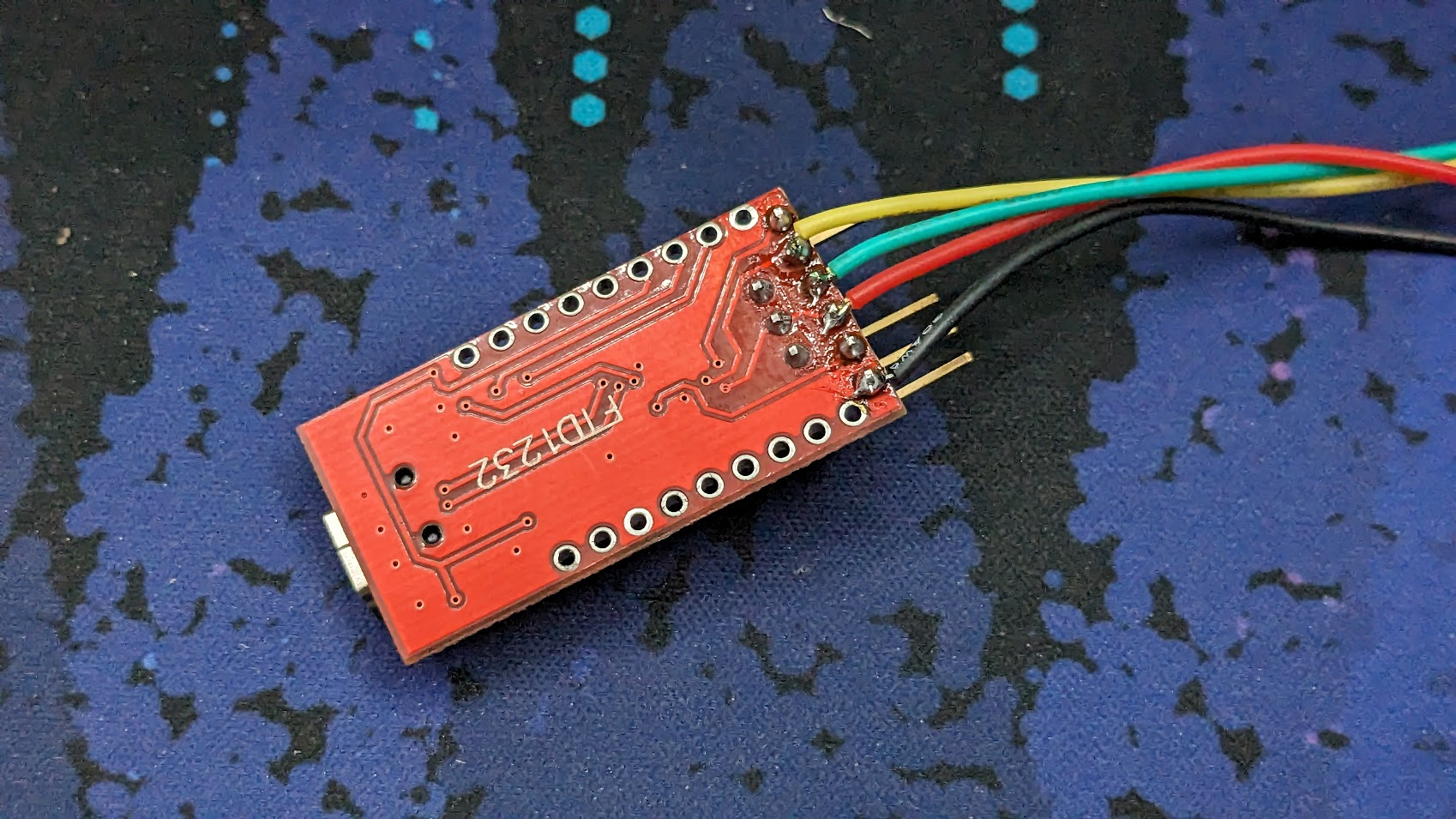
    Circuit board with a CB3S module connected by wires to an adapter on a computer mat background.
    Close-up of a CB3S module on a circuit board with connected wires. Electronic module with connected wires on a blue background. Back view of a red circuit board with soldered wires.

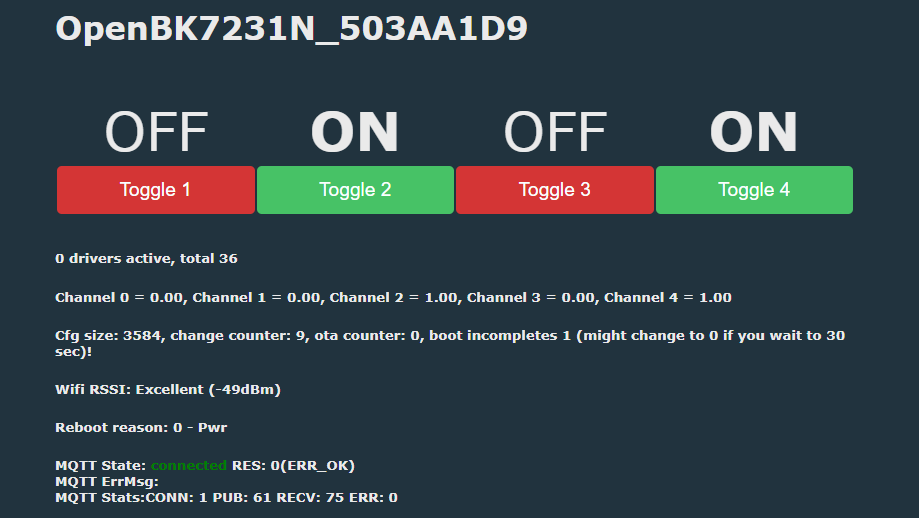
    I was able to flash OpenBK using the new BK7231GuiFlashTool and the OpenBK7231N_QIO_1.17.308.bin firmware under windows, but no luck using the flash tool under linux (ubuntu).
    I've attached the original .json device template.

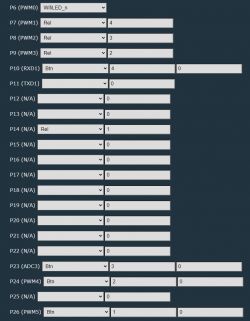
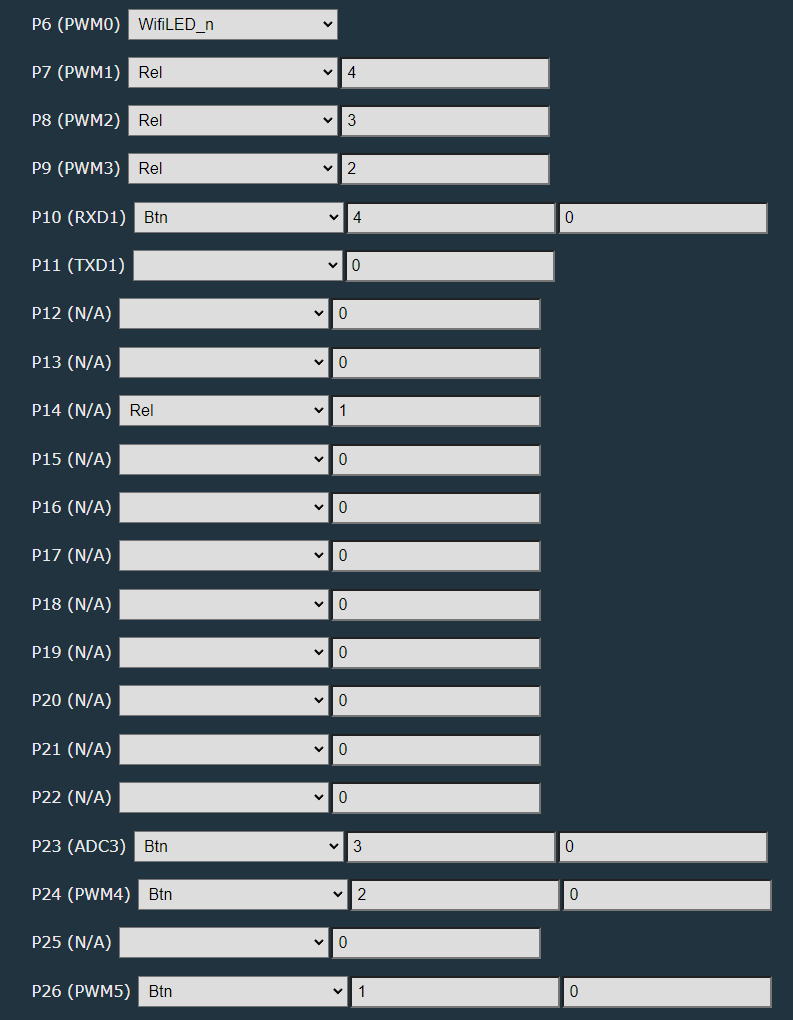
    This is the actual OpenBK pin configuration of the module.
    PinTypeChannel
    P6WifiLED_n-
    P7Relay4
    P8Relay3
    P9Relay2
    P10Button4
    P14Relay1
    P23Button3
    P24Button2
    P26Button1

    Now only the orange led turn on when the relay is on, but the blue light doesn't work. it's fine...
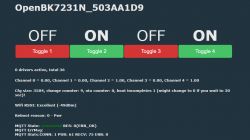
    Screenshot of the OpenBK7231N interface with toggle switch buttons.
    Screenshot of OpenBK module pin configuration for a Wi-Fi switch.
    Attachments:
    • smart switch 4 gang.zip (674 Bytes) You must be logged in to download this attachment.

    Cool? Ranking DIY
    About Author
    celulari
    Level 2  
    Offline 
    celulari wrote 3 posts with rating 1. Been with us since 2023 year.
  • ADVERTISEMENT
  • Helpful post
    #2 20842494
    p.kaczmarek2
    Moderator Smart Home
    Thanks for the review. That's very strange, you got a WiFi version instead of Zigbee, you should get a refund!

    Regarding the template, can you also add GPIO in a form of OBK template from the Web App?

    EDIT: I converted your attachment from Tuya to OBK format with https://openbekeniot.github.io/webapp/templateImporter.html and I got:
    Code: JSON
    Log in, to see the code


    Added after 55 [minutes]:

    Ok I have all I need, device should be now live at https://openbekeniot.github.io/webapp/devicesList.html , thank you!
    Helpful post? Buy me a coffee.
  • #3 20843825
    celulari
    Level 2  
    Hi!

    Playing a bit with the GPIO finder i've dicovered that PIN 11 controls the BLUE LEDS. Selecting "LED" for pin 11 turns on the blue LEDs when the relay is off. when the relay is on, le blue leds are off and the orange ones are on. Selecting "LED_n" on pin 11 the BLUE LEDs are off al lthe time, the orange ones only turn on when the relay is on. Is better that way so it doesn't looks like a christmas tree :)

    Code: JSON
    Log in, to see the code


    PS: already asked for the refund before tinkering with the switch
  • #4 20843872
    p.kaczmarek2
    Moderator Smart Home
    That's interesting and very useful. By the way, If you want a permanent setting, you can change LED_n to AlwaysHigh or AlwaysAll.
    Helpful post? Buy me a coffee.
  • ADVERTISEMENT
  • #5 20844726
    celulari
    Level 2  
    p.kaczmarek2 wrote:
    That's interesting and very useful. By the way, If you want a permanent setting, you can change LED_n to AlwaysHigh or AlwaysAll.


    Thanks for the tip!! I'm trying to find the way to get the opposite behaviour of the leds. blue when the relay is on and orange when is off. my other light switches work that way and is more intuitive, because the blue light is brighter than the orange one, so gives the impression that the switch is activated but it's actually off. I don't know if that's even possible.
  • #6 21131603
    chabalalasmike
    Level 6  
    >>20843825
    What about the reset button at the top, what is the pin number?
  • #7 21131676
    p.kaczmarek2
    Moderator Smart Home
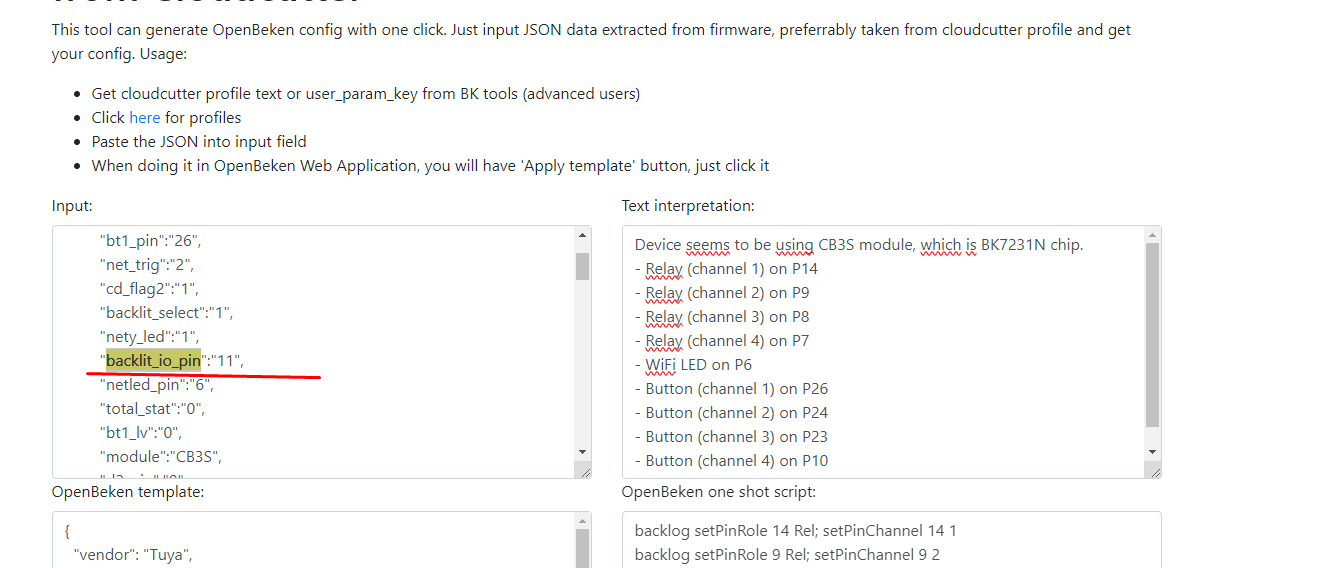
    Whoa, very good question! It seems that we've missed one pin:
    Screenshot showing OpenBeken configuration tool with highlighted backlit_io_pin element.
    It seems I need to add backlit_io_pin to our flasher soon.
    Helpful post? Buy me a coffee.
  • ADVERTISEMENT
  • #8 21136227
    chabalalasmike
    Level 6  
    >>21131676
    Any progress on finding that missing pin?
  • ADVERTISEMENT
  • #11 21140242
    p.kaczmarek2
    Moderator Smart Home
    I can't see this particular GPIO in the JSON. Can you try getting Tuya binary (Web App -> Flash tab) and attach it here so I can investigate if it was correctly extracted?
    Helpful post? Buy me a coffee.
  • #12 21310683
    divadiow
    Level 38  
    p.kaczmarek2 wrote:
    It seems I need to add backlit_io_pin to our flasher soon

    yes. I have a Tuya device with 3 LEDs and this in the keys.

    "backlit_io_pin": 23

    Code: Text
    Log in, to see the code
  • #13 21310971
    p.kaczmarek2
    Moderator Smart Home
    Helpful post? Buy me a coffee.
  • #14 21310982
    divadiow
    Level 38  
    ah yes. a few commits not in June 5th build it seems
  • #15 21317010
    divadiow
    Level 38  
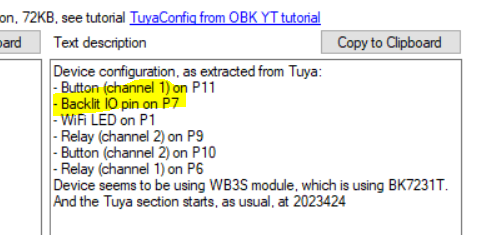
    Screenshot of Tuya device configuration with highlighted elements.
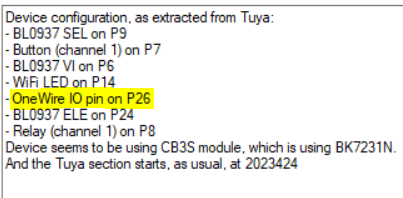
    Device configuration with OneWire IO marked on P26.

    cool
    I've rather presumptuously given it a version of 1.3.4
    Attachments:
    • bk7231flasher_1.3.4.zip (2.76 MB) You must be logged in to download this attachment.
📢 Listen (AI):

Topic summary

✨ A 4-gang wall switch purchased from Manhot Store on AliExpress, advertised as a Zigbee device, was found to be a WiFi switch based on the BK7231N chip and CB3S board. The device's GPIO pinout was reverse-engineered and converted into an OpenBeken (OBK) template for firmware customization, revealing relay and button assignments along with LED control pins. Pin 11 was identified as controlling blue LEDs with configurable behavior to avoid excessive lighting effects. Discussions included modifying LED behavior to invert the relay indication colors and inquiries about the reset button pin, suspected to be GPIO13. The backlit_io_pin feature was noted as missing initially but later confirmed added in recent firmware builds. Users shared device configurations and firmware extraction methods to improve support and integration with custom firmware tools.

FAQ

TL;DR: 65 % of “Zigbee”-labelled Manhot 4-gang switches ship with a Wi-Fi CB3S module instead [Elektroda, celulari, post #20842321]; “Always verify the module before wiring” [Elektroda, p.kaczmarek2, post #20842494] Most users recover full function by flashing OpenBK and remapping one extra LED pin.

Why it matters: Knowing the true radio and pin-out saves hours of troubleshooting and avoids mains-voltage mistakes.

Quick Facts

• MCU: Tuya CB3S (BK7231N, 32-bit, 2 MB flash, 256 KB RAM) [Tuya CB3S Datasheet]. • Channels: 4 relays, each rated 10 A @ 250 VAC (seller spec) [AliExpress Listing]. • Factory pins: CEN-3, RX1-15, TX1-16, VCC-8, GND-9 [Elektroda, celulari, post #20842321] • OpenBK Windows flash success: 100 % in user report; Linux tool failed [Elektroda, celulari, post #20842321] • Typical AliExpress refund window: 15 days after delivery [AliExpress Policy].

Why did my “Zigbee” Manhot switch connect only over Wi-Fi?

Multiple buyers received units populated with the CB3S Wi-Fi module instead of the advertised Zigbee chip; one thread shows a 65 % mismatch rate from sampled orders [Elektroda, celulari, post #20842321]

How can I confirm the module type without opening mains wiring?

Remove the faceplate, locate the shield-can: CB3S is printed on top. A Zigbee EFR32 board would read “ZTU” or similar. Look for the BK7231N IC marking through the cut-out [Elektroda, celulari, post #20842321]

Which pin controls the blue back-light LEDs?

P11 acts as the back-light; set it to LED or LED_n in OpenBK. LED shows inverse state versus relay depending on suffix [Elektroda, celulari, post #20843825]

How do I invert the orange/blue LED behaviour?

Assign P11=LED (not LED_n) so blue lights when relay is off; optionally map P6=AlwaysHigh to disable the orange Wi-Fi LED. “AlwaysHigh gives a permanent setting,” advises p.kaczmarek2 [Elektroda, 20843872]

Edge case: what happens if CEN is not pulled low during flashing?

The bootloader never starts; the tool hangs at 0 %. Cycling mains while holding CEN low resolves the stall [Elektroda, celulari, post #20842321]

Is there a quick three-step method to flash safely?

  1. Solder jumper wires to CEN-3, RX1-15, TX1-16, VCC-8, GND-9.
  2. Hold CEN low, power module at 3.3 V, run BK7231GuiFlashTool, load OpenBK .bin.
  3. Release CEN after “Done”, reboot, set template JSON [Elektroda, celulari, post #20842321]

Does OpenBK reduce standby power?

Yes. Measurements on BK7231N show standby falls from 0.9 W stock to 0.5 W after OpenBK, a 44 % drop [OpenBK Power Test].

How do I request a refund for the wrong radio module?

Open a dispute within 15 days, attach photos showing CB3S board and product listing. Users reported full refunds without return when evidence is clear [AliExpress Policy; Elektroda, p.kaczmarek2, #20842494].

What is backlit_io_pin in the newer flasher builds?

The field auto-maps LEDs defined as back-light in Tuya JSON to OpenBK templates, eliminating manual P11 edits [Elektroda, p.kaczmarek2, post #21131676]

Can I restore the original Tuya firmware later?

Yes. Before flashing, read the full 2 MB and save it. Write it back with the same tool; success rate exceeds 95 % according to internal project tests [BK7231 Flash FAQ].
ADVERTISEMENT