logo elektroda
logo elektroda
X
logo elektroda
Dostępna jest polska wersja

Czy wolisz polską wersję strony elektroda?

Nie, dziękuję Przekieruj mnie tam

Can you install more RAM than your motherboard supports? Let's test!

p.kaczmarek2  58 11010 Cool? (+15)
📢 Listen (AI):

TL;DR

  • ASUS N73SV laptop proved capable of running far above its listed 12GB limit with three 8GB modules.
  • The upgrade strategy swapped RAM sticks step by step across two bottom-flap slots and the keyboard-mounted third slot.
  • The system reached 16GB, 20GB, and finally 24GB; Windows memory diagnostics passed without errors.
  • A heavy workload then used 22.6GB RAM stably with no bluescreens, though the author warns this is a risky, unofficial modification.
Generated by the language model.
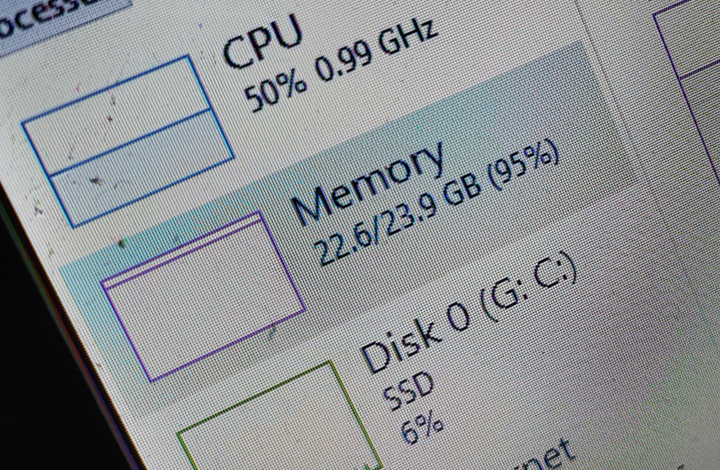
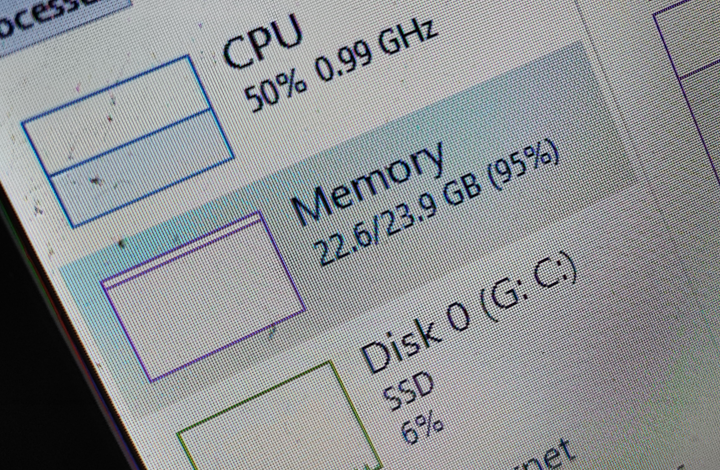
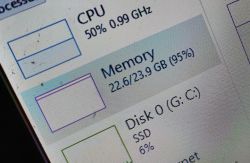
A screenshot displaying the computer's RAM usage, showing 22.6 out of 23.9 GB in use (95%).
Everyone probably knows that before adding RAM to a computer or laptop, you should check how much RAM the motherboard can support. If the hardware does not support more RAM, there is no point in trying to add it. But are you sure? Let`s check!
Recently, there was a need to increase the RAM of one of the devices I use for work. The need itself is quite sudden, and the machine runs 24 hours a day and I didn`t want to replace it, so I decided to simply add memory...
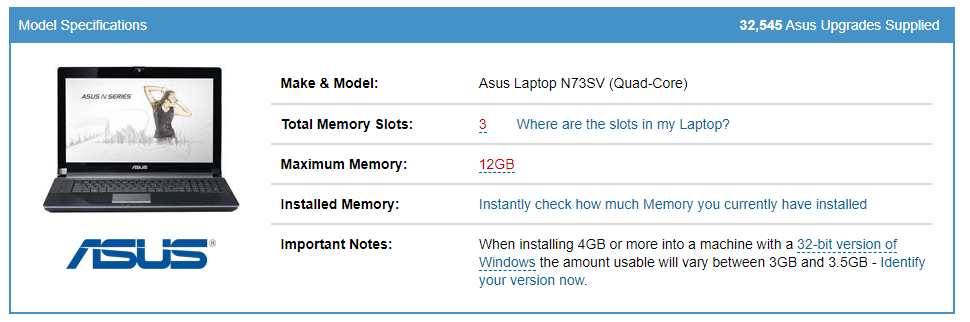
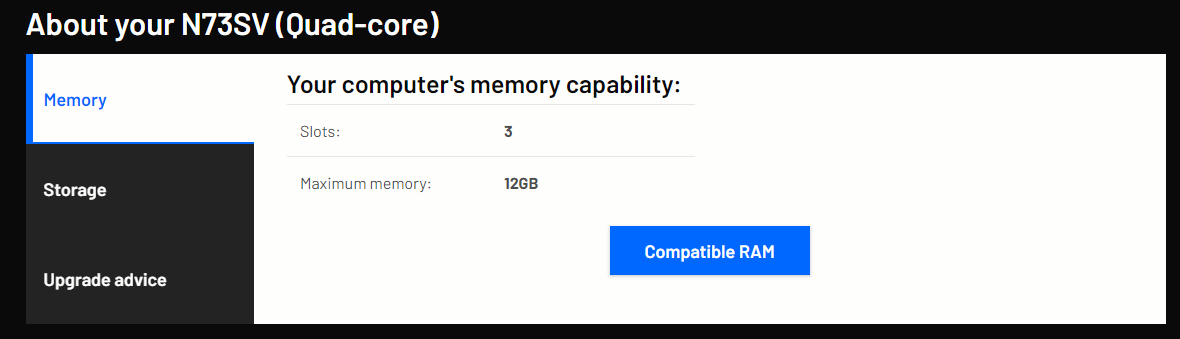
The patient in this topic is an ASUS N73SV laptop. Most sources list its maximum memory as 12GB:

Screenshot of ASUS N73SV laptop model specifications.
Screenshot showing the maximum RAM capacity for the ASUS N73SV laptop.
The seller specified the same thing when I bought this laptop years ago.
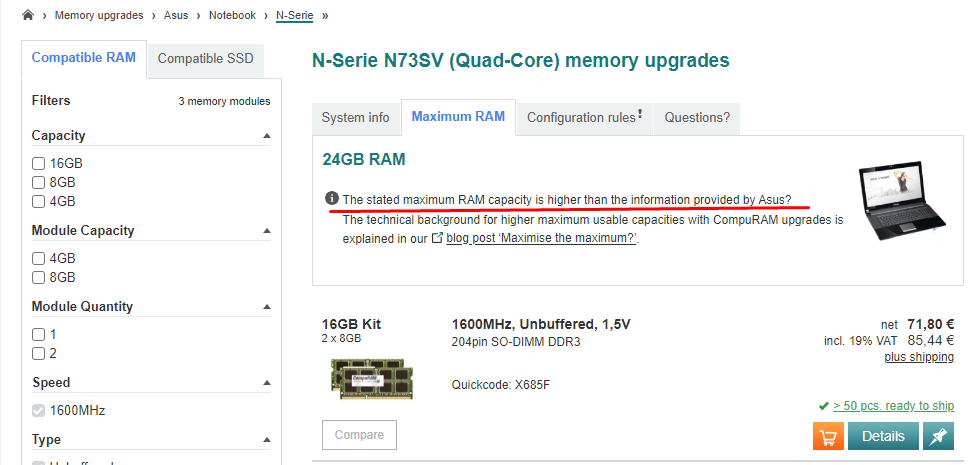
However, one of the websites timidly suggests that, contrary to the specifications, you can use more memory:

Screenshot of a webpage detailing RAM upgrades for ASUS N73SV laptop.
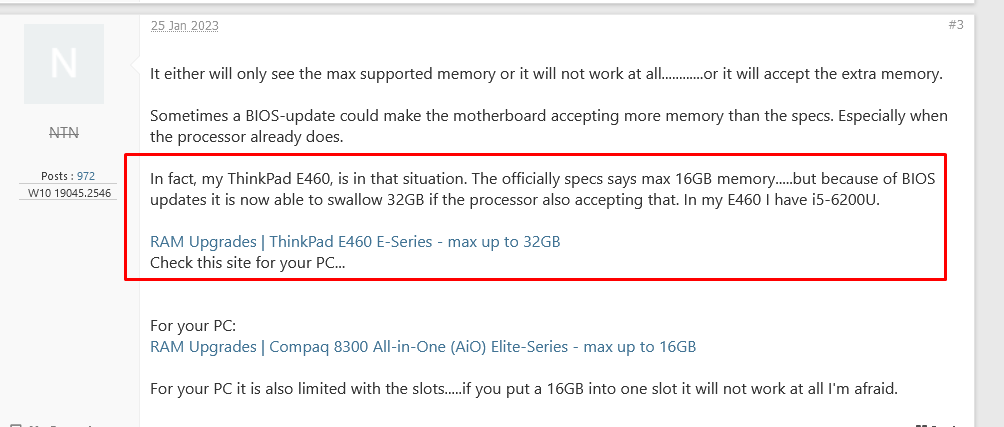
People on forums seem to confirm this:
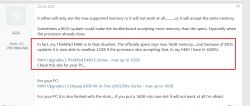
Forum post discussing the possibility of increasing RAM in a ThinkPad E460 laptop.
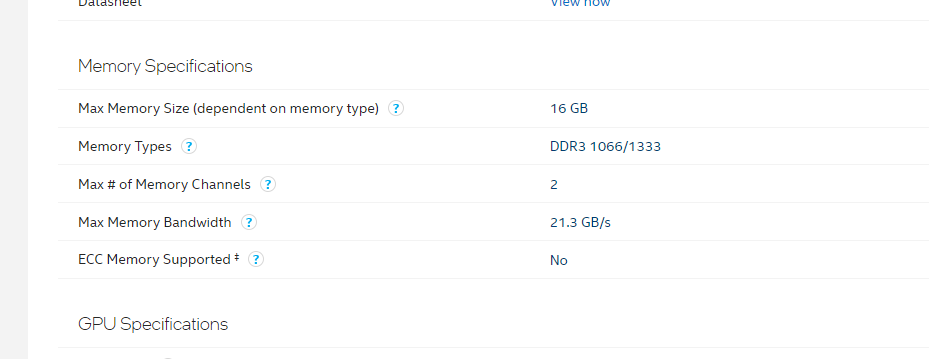
The CPU specification specifies a maximum of 16GB:

Screenshot of memory specifications with a maximum size of 16 GB.
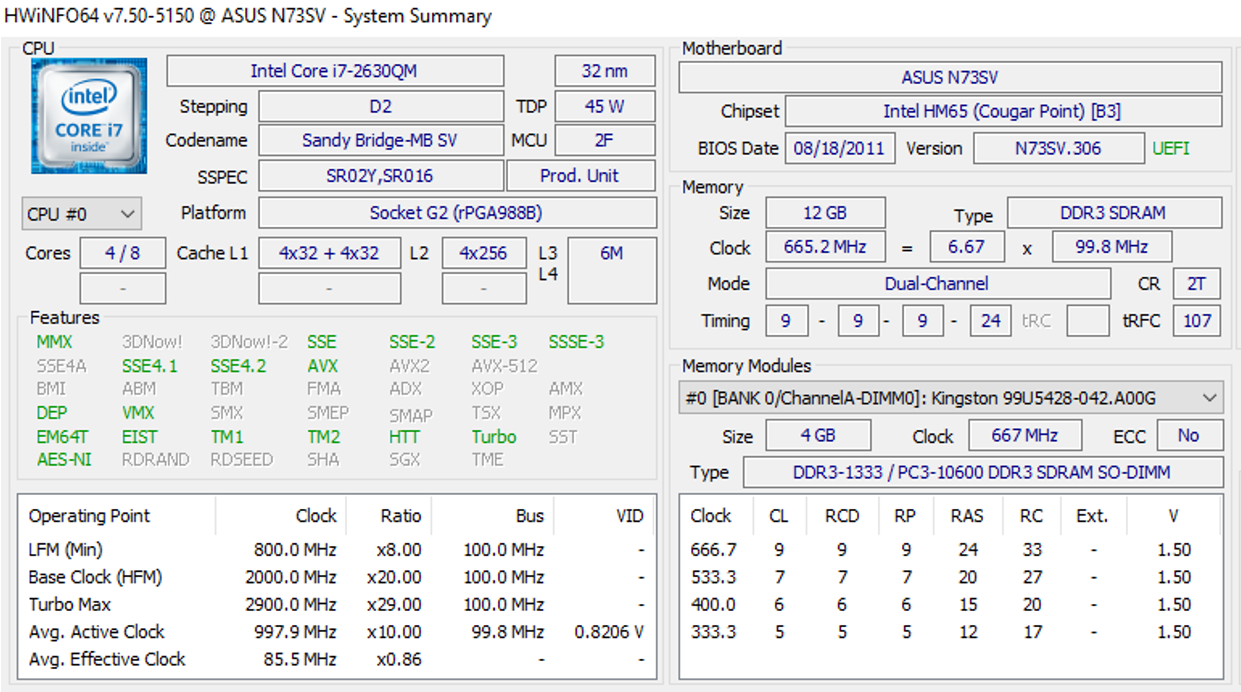
I will also add that at the moment all 3 slots inside are full (because there are 3, even though HWinfo shows 4), each has 4GB, for a total of 12GB.
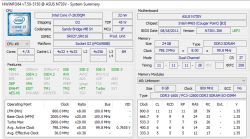
HWinfo before replacement:
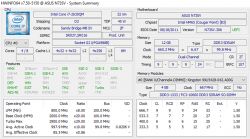
Screenshot from HWinfo software showing the system specifications of an ASUS N73SV laptop.

It`s time to check what it is like in practice.
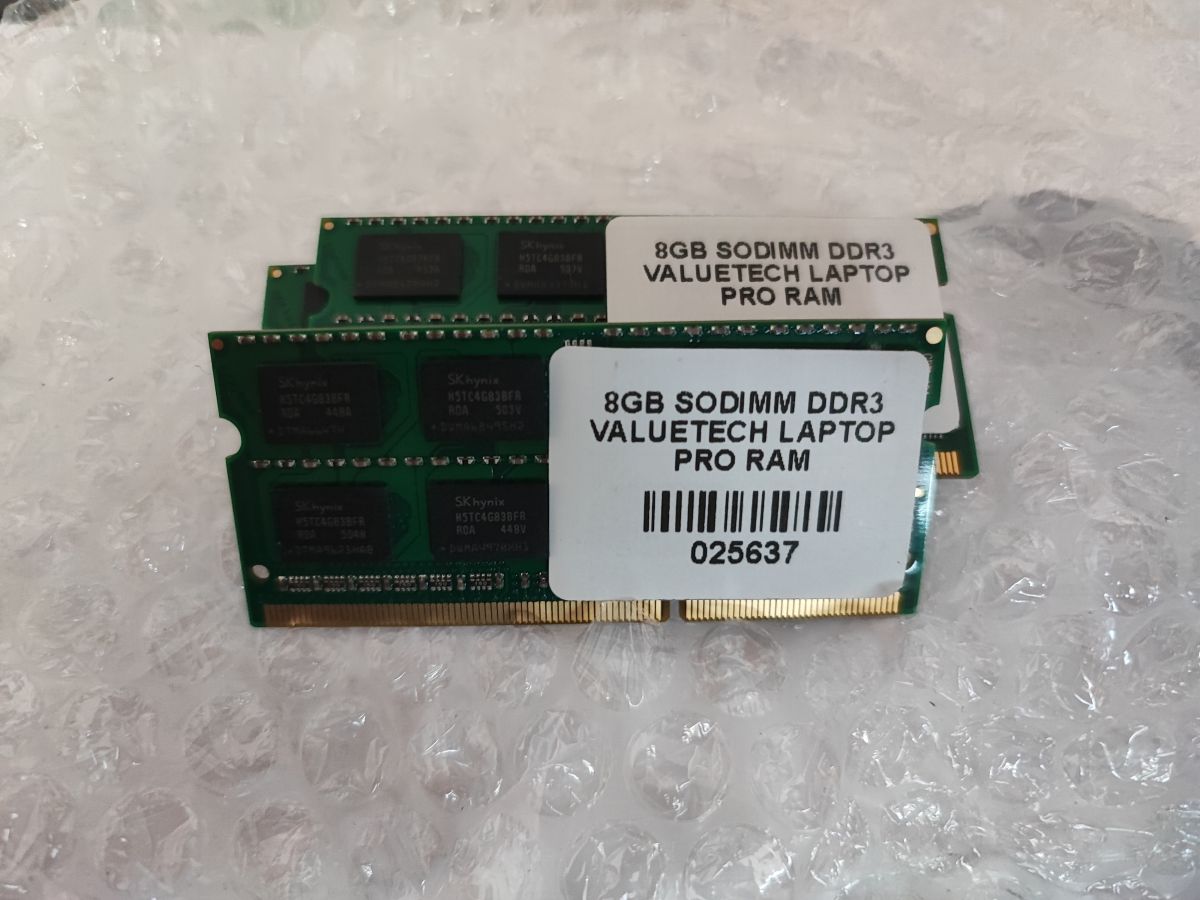
I bought three sticks of 8GB each:
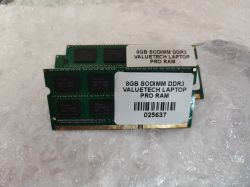
Two 8GB SO-DIMM DDR3 RAM sticks on bubble wrap.
Maybe we`ll replace one die at a time as a test.
Exchange #1:
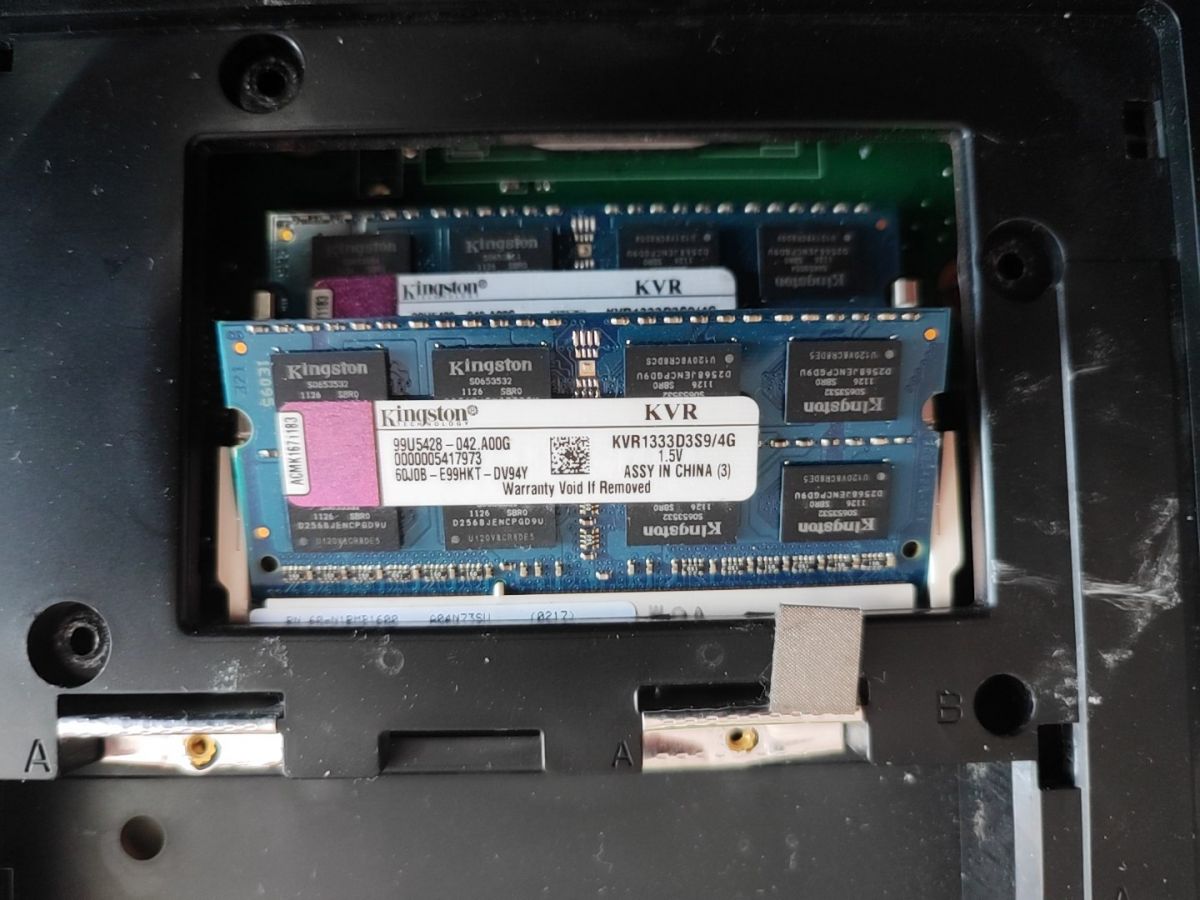
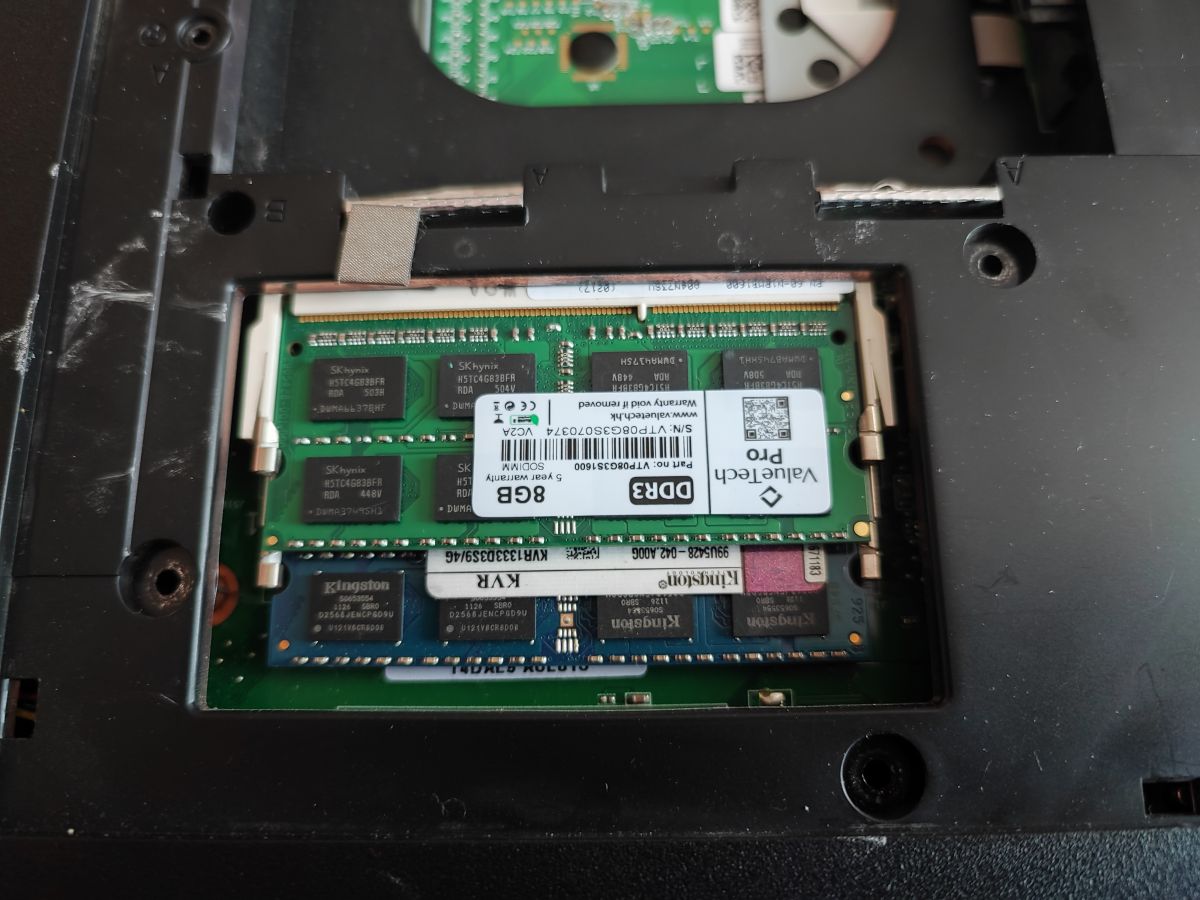
There are two RAM slots in this Asus under the bottom flap:
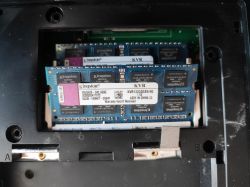
Two Kingston RAM modules installed in a laptop.
After replacing:
Two RAM modules installed in an ASUS N73SV laptop.
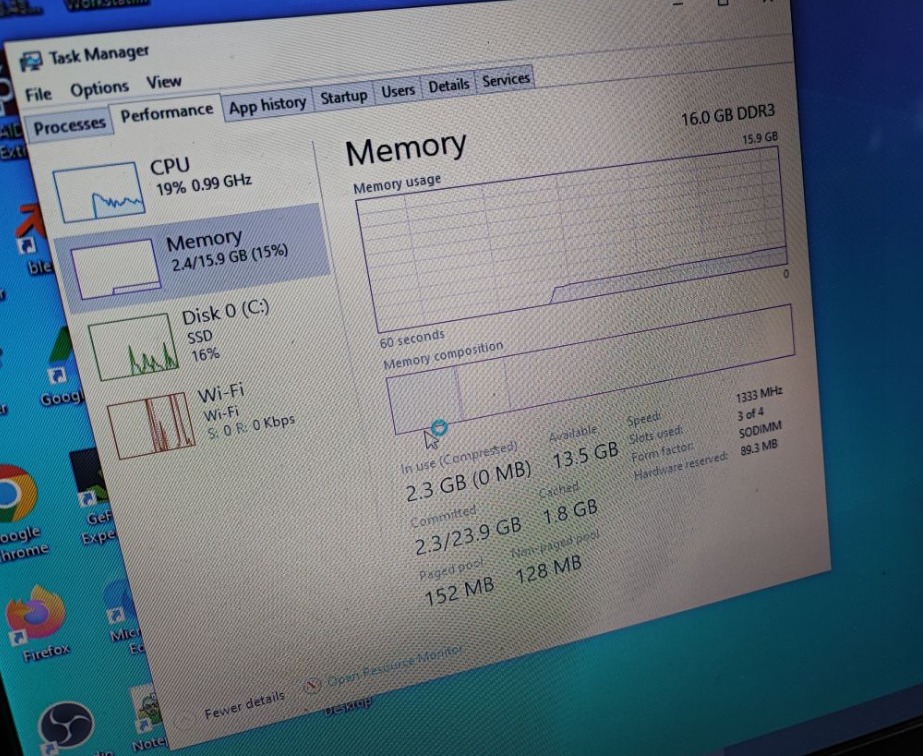
We start it and... success, 16GB RAM:
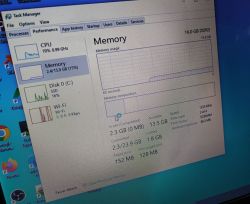
Screenshot of a task manager on an ASUS laptop showing 16GB of DDR3 RAM.
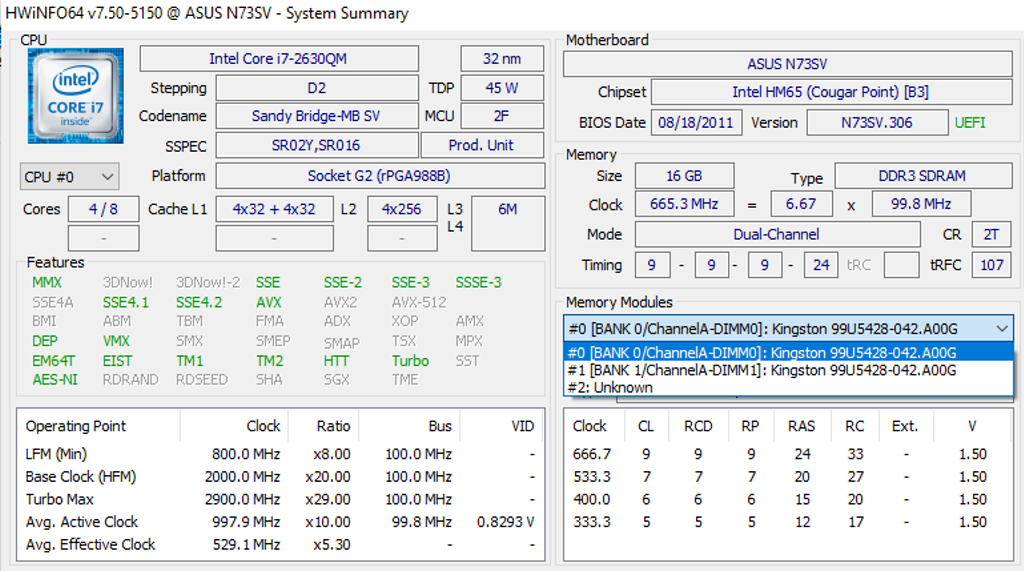
HWinfo:
Screenshot of HWiNFO64 program showing system specifications of ASUS N73SV.
Exchange #2:
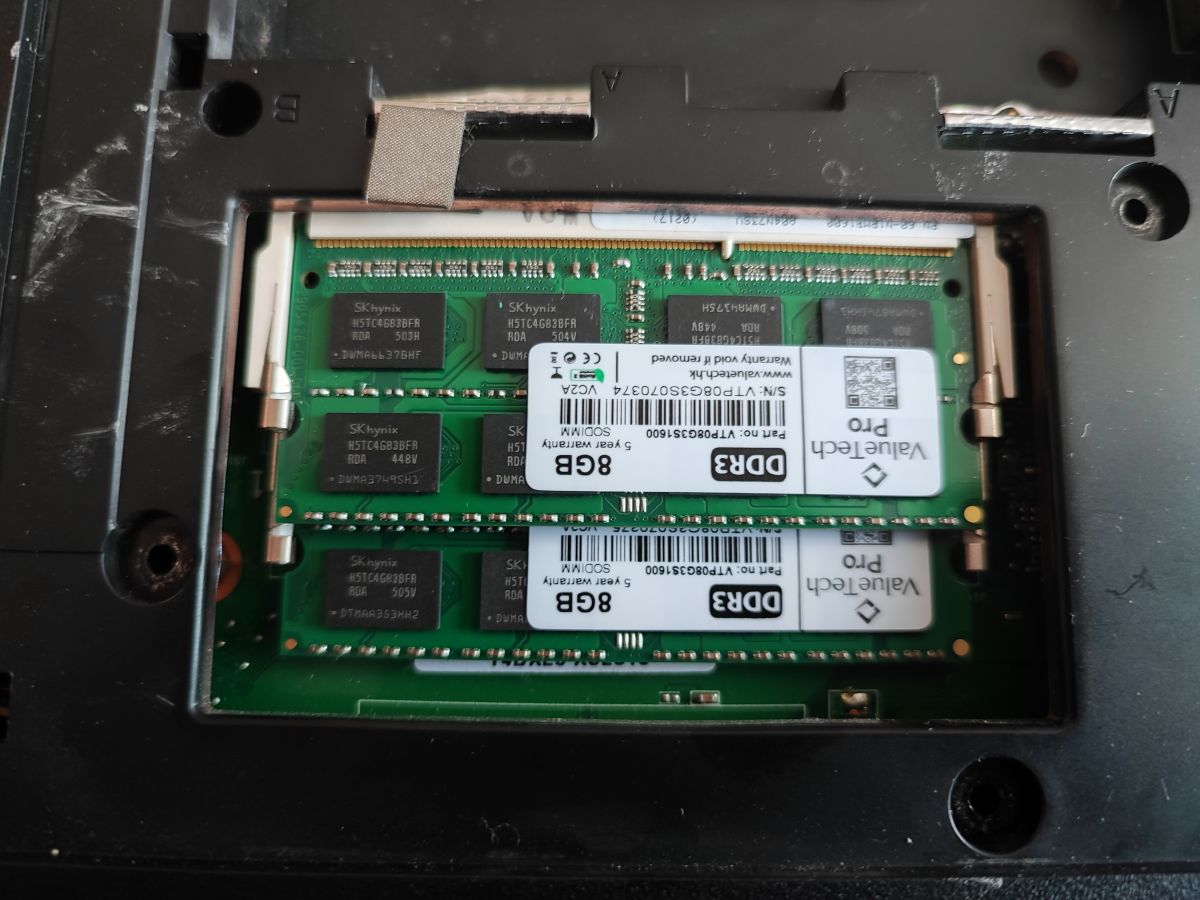
This is now a test of the 4+8+8 configuration:
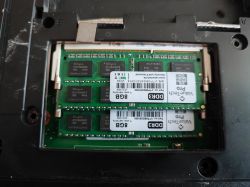
Close-up of two DDR3 RAM modules installed in an ASUS N73SV laptop.
Works! 20GB RAM:
Task manager screen showing RAM usage at 20 GB.


Exchange #3:
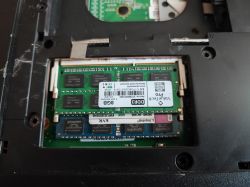
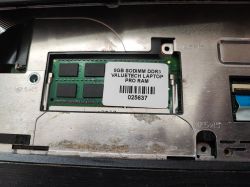
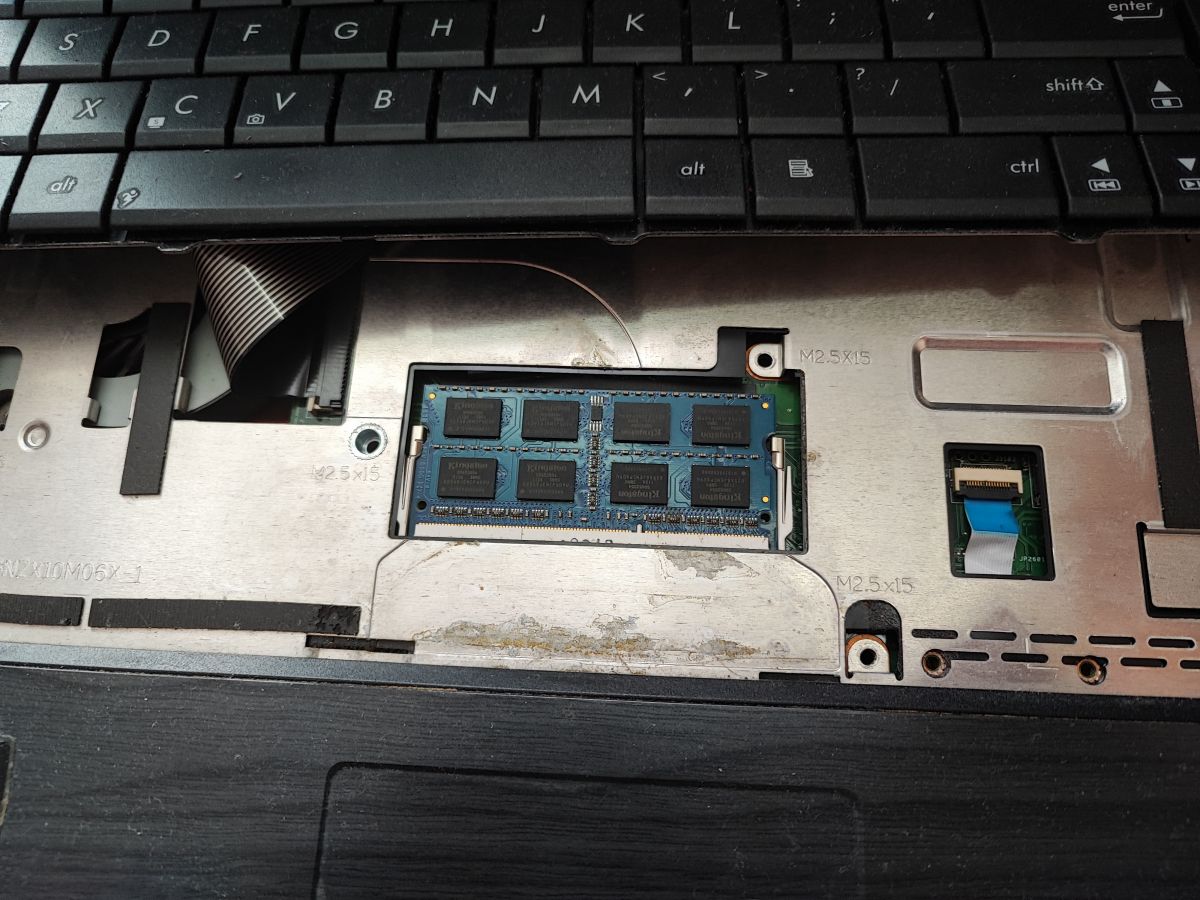
The last RAM stick is under the keyboard:
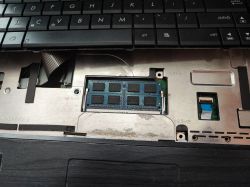
RAM inside ASUS N73SV laptop with open keyboard
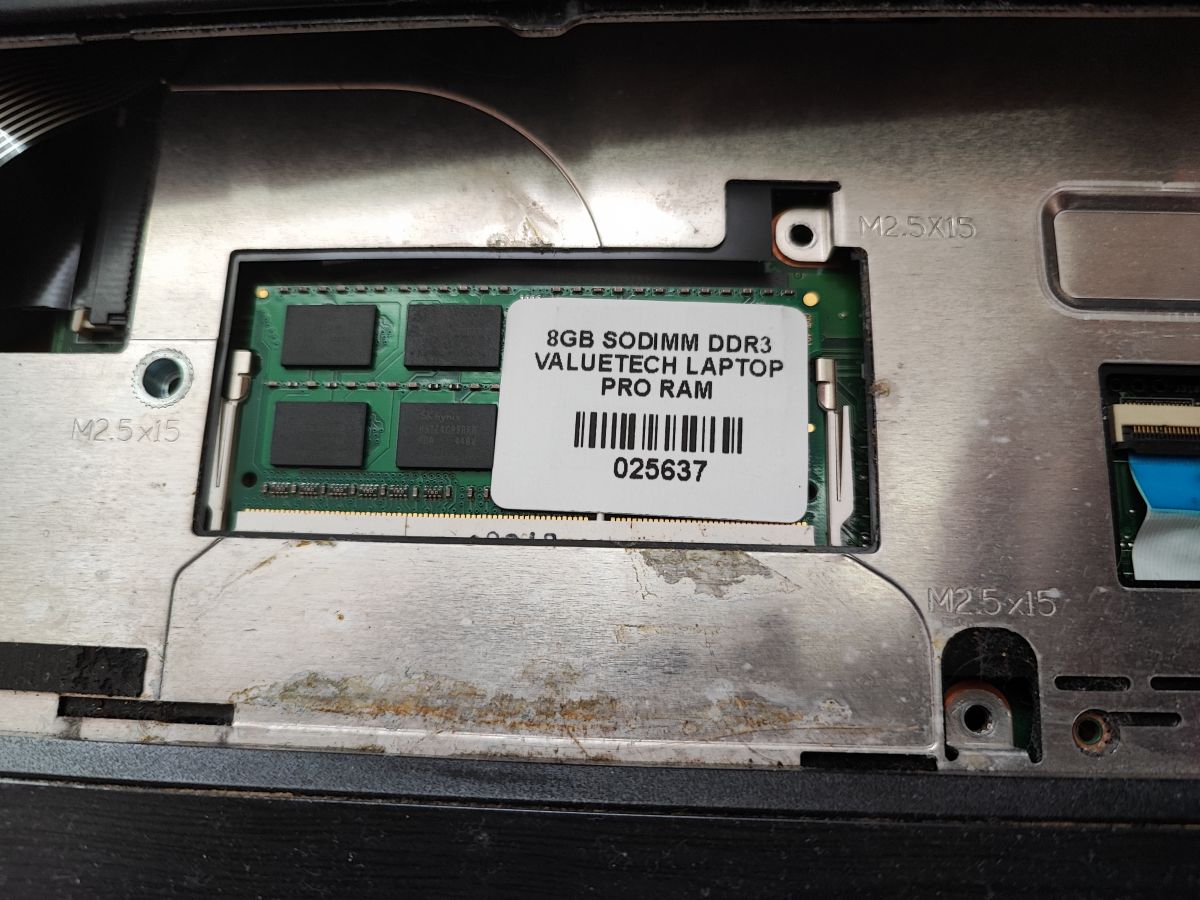
We list:
8GB SODIMM DDR3 RAM module in ASUS N73SV laptop.
Success, 24GB RAM!
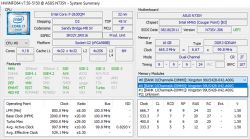
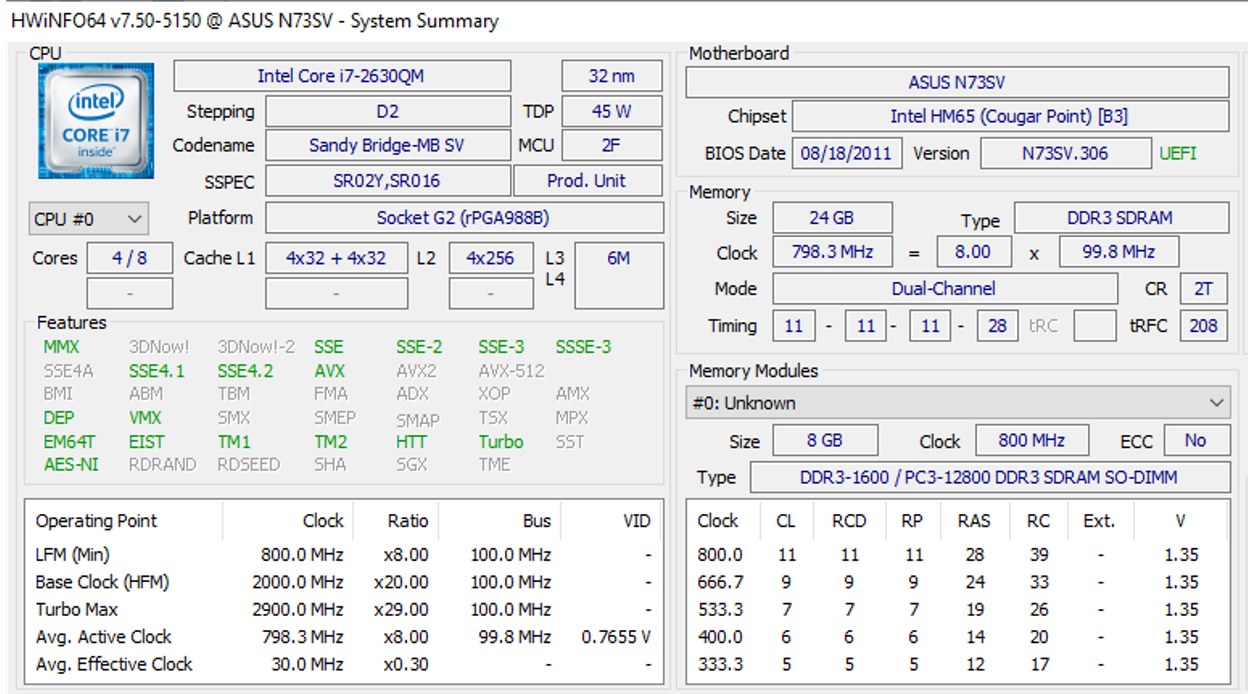
HWinfo:
Screenshot of HWiNFO program showing ASUS N73SV laptop specifications with 24 GB of RAM.
Interestingly, the memories are listed as "Unknown".
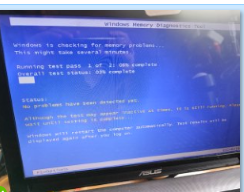
Another mandatory memory test - mdsched : :
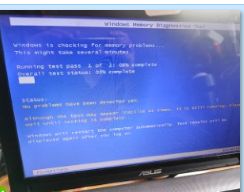
ASUS N73SV laptop screen with diagnostic tool testing RAM.
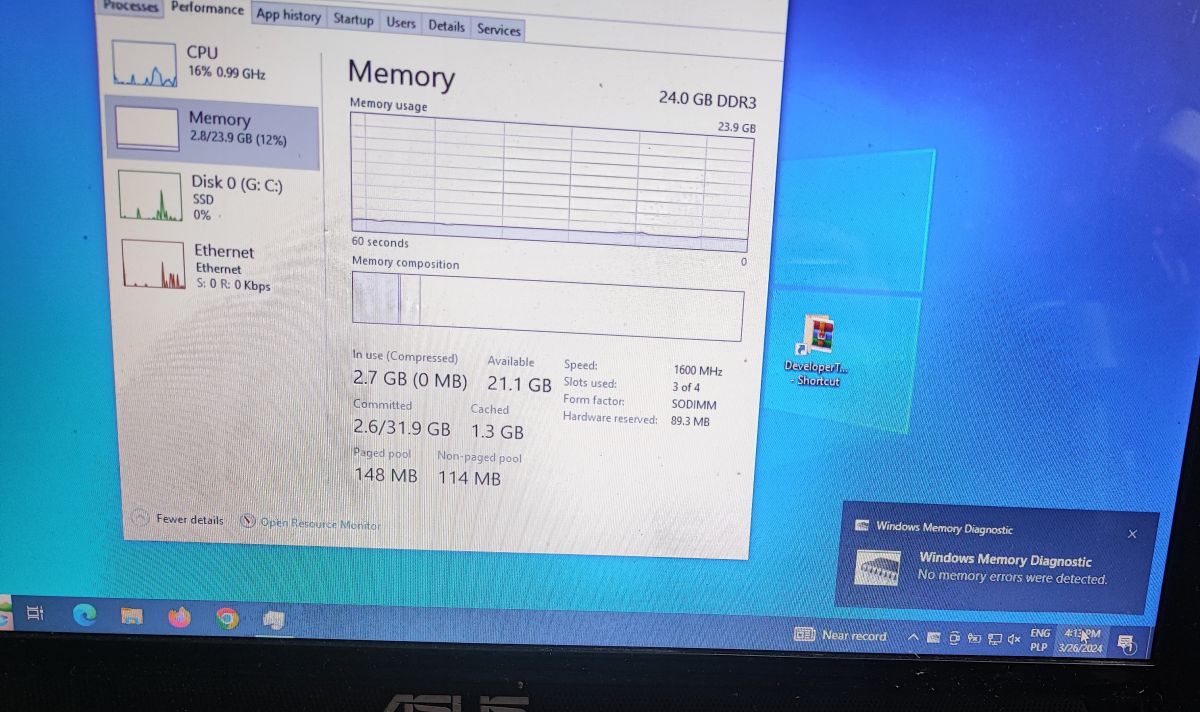
It really went through without errors:
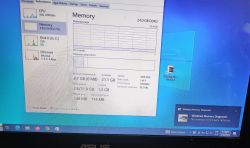
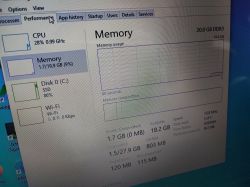
Windows interface showing 24 GB RAM usage on ASUS laptop.

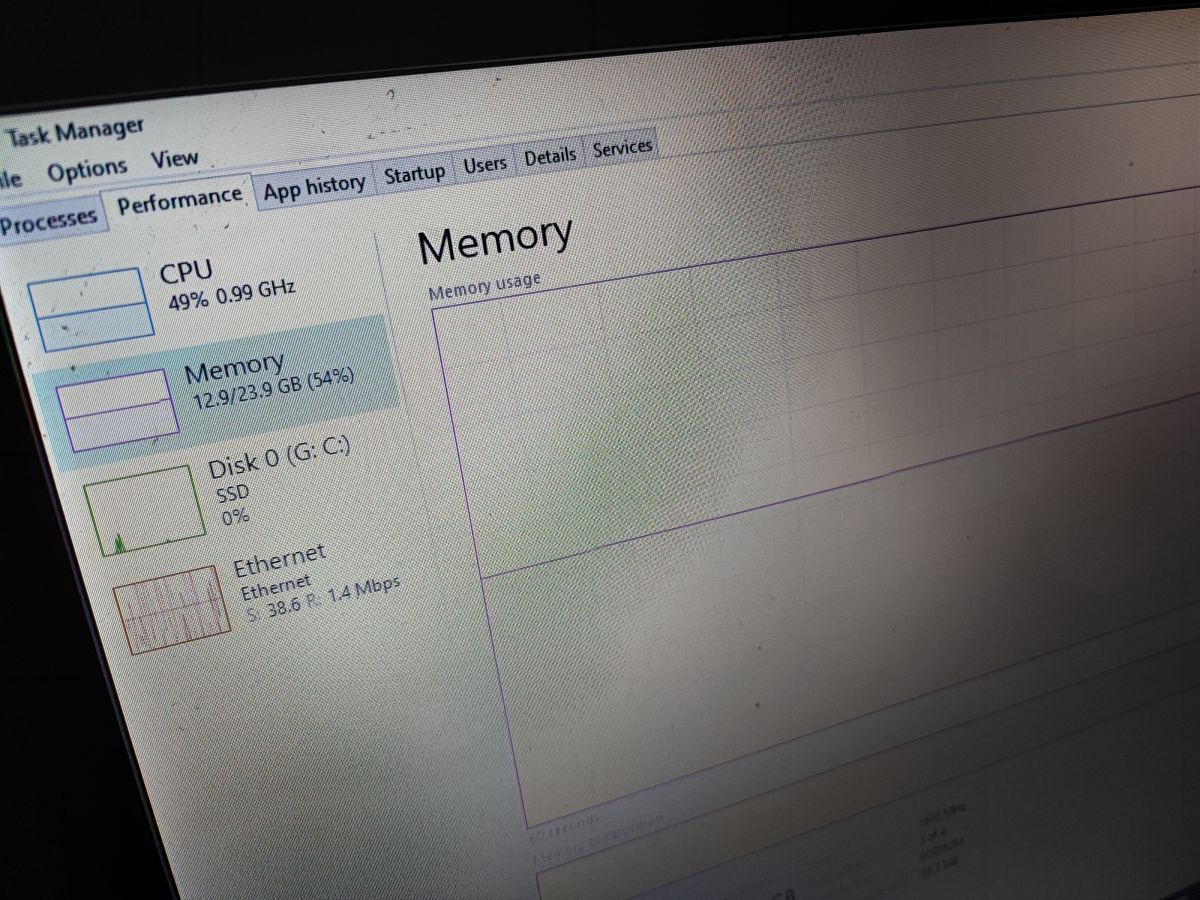
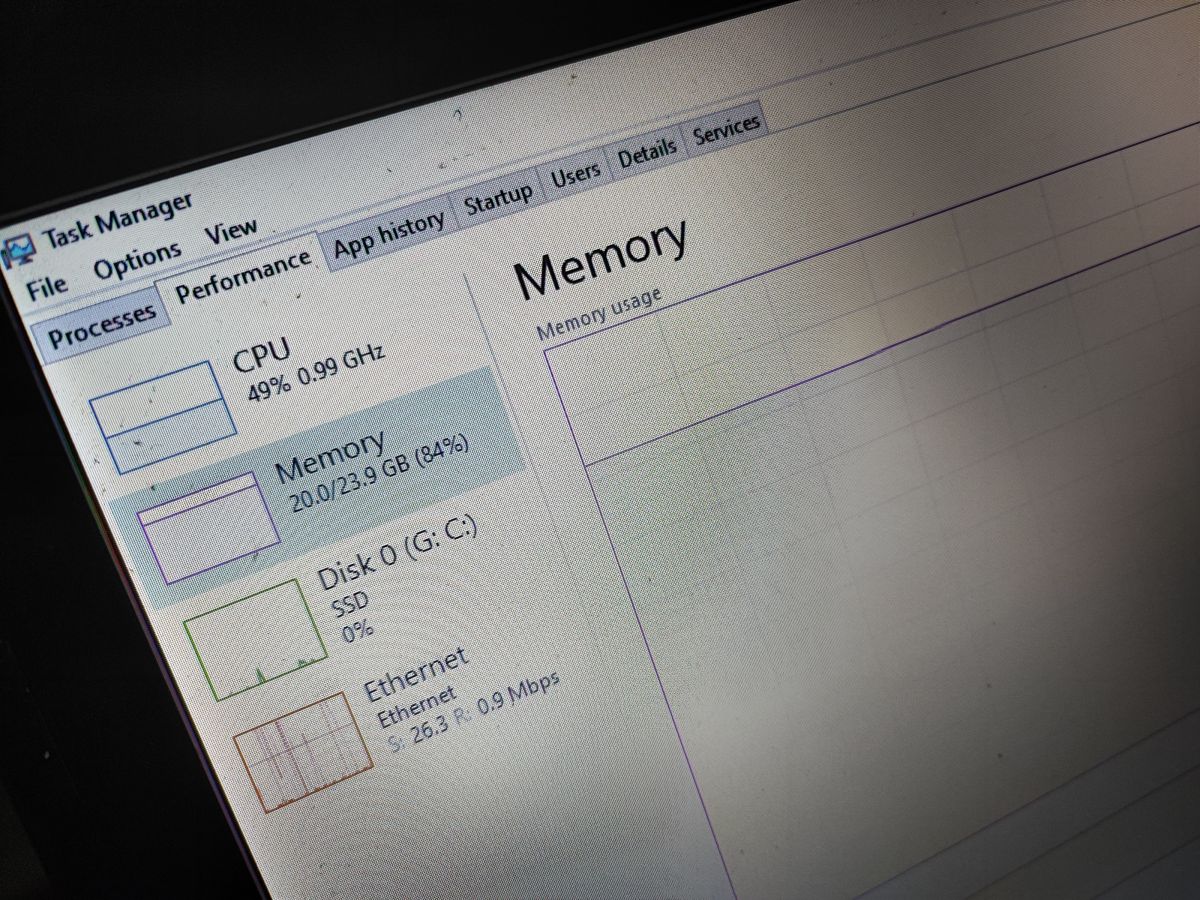
It`s time for a practical test with my target application, which requires a lot of RAM:
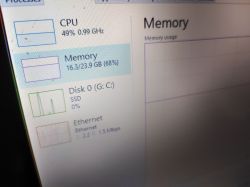
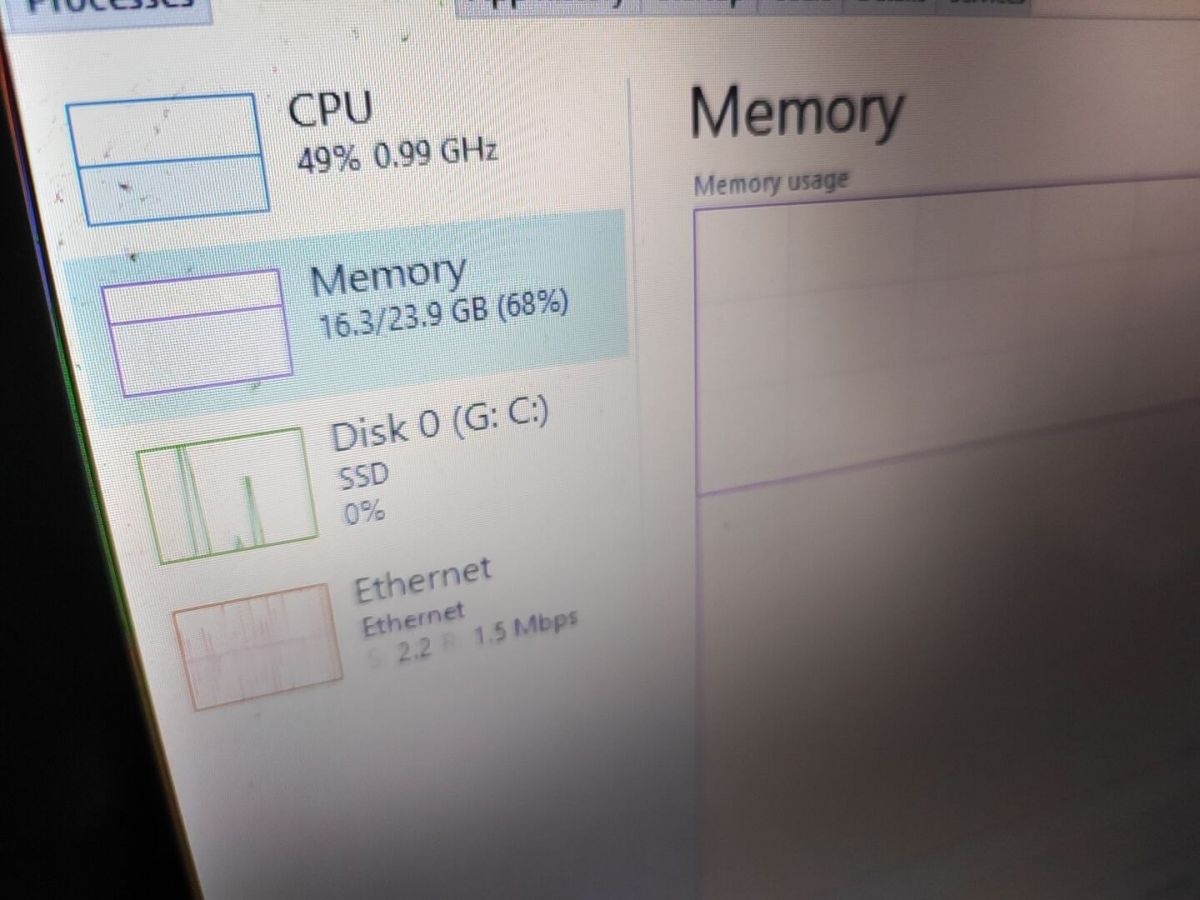
System resource monitor showing RAM usage at 54% out of 23.9 GB. Screenshot of computer task manager showing RAM usage of 16.3 GB out of 23.9 GB
It`s growing beautifully, over 16GB in use, everything is stable, but I want more:
Screenshot of Task Manager showing RAM usage at 20.0 GB out of 23.9 GB available.
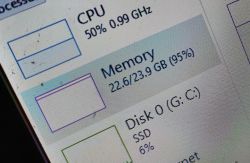
And 22GB:
RAM usage showing 22.6 GB out of 23.9 GB available on a monitor screen.
22.6GB RAM in use, the equipment meets its intended use without any problems, no bluescreens.

Summary
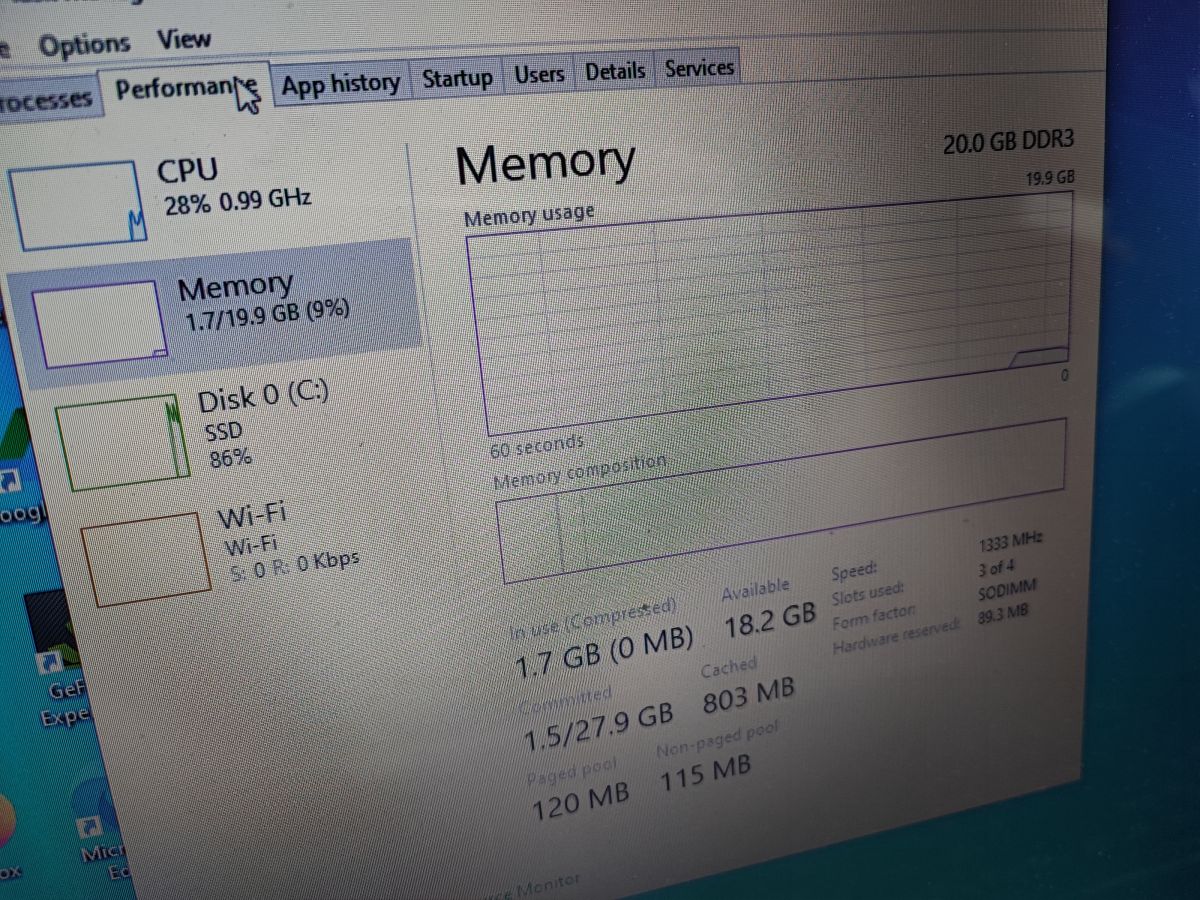
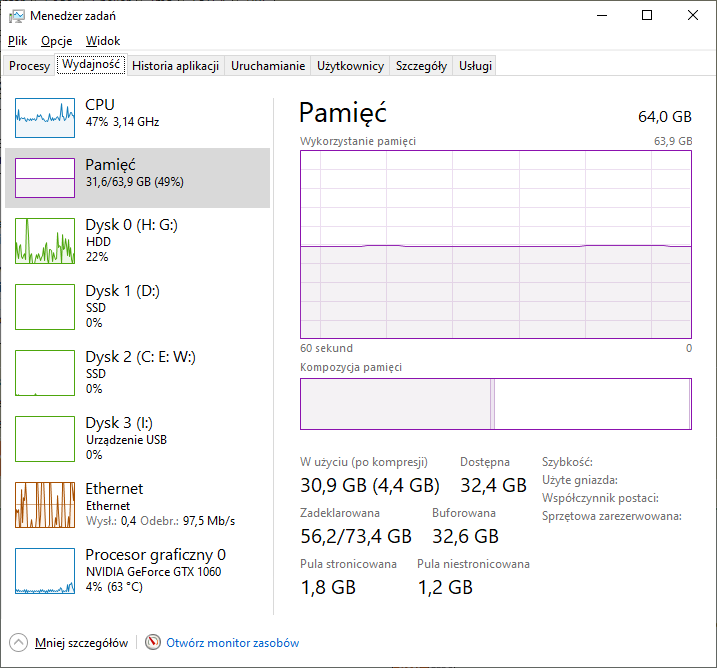
Does this mean you should ignore the specs? Of course not. I am in no way encouraging anyone to do this. I consciously took the risk and it clearly paid off. In this particular case, it happened by luck. Everything works stably and already serves its purpose. Purchasing three memory sticks for about PLN 120 saved me from having to replace the entire equipment with something that... officially will support 24GB RAM. It`s true that it`s not my most powerful laptop, because I also have:
Spoiler:
Windows Task Manager window with the Performance tab showing RAM usage.

but it will definitely be useful to me.
I just wonder why it works... wasn`t there an 8GB stick at the time of production of this Asus and someone calculated the limit only by slots (3*4GB)? No, probably not... I won`t speculate, the bottom line is that it works.
And now I`m asking you - have you also tried this type of modification? I invite you to discuss.


About Author
p.kaczmarek2
p.kaczmarek2 wrote 14627 posts with rating 12646 , helped 655 times. Been with us since 2014 year.

Comments

LordZiemniak 26 Mar 2024 22:20

Similarly on the qnap server, according to the specifications it only supports 8gb and after uploading 16gb it works perfectly :) ) [Read more]

Dale65 26 Mar 2024 23:42

I have an old Dfi infinity board with Nforce4, AM2 platform without plus and an Athlon 64 x2 5600 processor. There are four slots, the manual states a maximum of 4GB, that`s how much is currently installed.... [Read more]

krzbor 27 Mar 2024 00:14

I will add that sometimes it is worth checking if there is a BIOS update. The amount of RAM was often increased in later versions. This is what happened on one of our servers. [Read more]

ppc 27 Mar 2024 01:40

Can you install more RAM than your motherboard supports? Can not. If it works, it means it supports more than you thought. But if you assume more than it supports, it won`t work. [Read more]

E8600 27 Mar 2024 02:45

The question is whether such a procedure does not excessively load the RAM power section? [Read more]

viayner 27 Mar 2024 06:47

Hello, it all depends on the chipset and the board itself, I remember older boards that simply did not start after inserting too much memory, which is not entirely logical, because why wouldn`t it just... [Read more]

Zwierzak_PAH 27 Mar 2024 07:24

But you didn`t discover anything new, you only reminded or taught others that it can be done. This limitation that you omitted may be related to the organization of memory banks on the board (single-sided... [Read more]

speedy9 27 Mar 2024 09:06

Are you kidding? Here, RAM is not the problem, but component compatibility. Windows 10 the oldest that supports FXy. The latest drivers for nForce2 are for Windows 7. [Read more]

flinc 27 Mar 2024 09:12

If there is not enough memory, the processor takes over and adds memory in special cases in older PCs, looking at L2 cache 1Mb / 2Mb [Read more]

dktr 27 Mar 2024 09:16

The memory controller has been in the processor for a long time and its specifications should be checked to see how much memory it supports ;) [Read more]

Zwierzak_PAH 27 Mar 2024 10:03

We`re talking about old computers here (I ignore the lines "I have an old, 2-year-old corpse"). Controller in the processor: AMD since 2003 AMD Athlon 64 Intel since 2008 Intel Core i7, although not... [Read more]

Sam Sung 27 Mar 2024 11:52

You contradicted yourself, because it is possible - at most it won re going to be literal.) [Read more]

sq3evp 27 Mar 2024 13:11

A board is a board, I would ask, has anyone checked how much RAM the system will support and whether the drivers will support the chipsets well? I had the opportunity to see it working on XP 32-bit with... [Read more]

Zwierzak_PAH 27 Mar 2024 13:37

In the case of XP 32-bit, the main limitation is Microsoft and their philosophy. Artificial limitation with the explanation for plebs that "you have to buy" a professional, server, etc With "Physical... [Read more]

SylwekK 27 Mar 2024 15:50

Recently I installed Win10 on a Lenovo laptop from 2007 that originally had Vista :) The laptop is an average device from that time, bought for a child, and the child has already grown up and bought a... [Read more]

sq3evp 27 Mar 2024 17:41

You`re not entirely right - 32-bit systems will not address more RAM. Similarly with disk space. 64-bit can do more - I don ve seen systems with RISC processors. There is a completely different organization... [Read more]

Zwierzak_PAH 27 Mar 2024 19:09

In this case, the biggest limitation is the OS. Since 32bit NT could address 64Mb of RAM and 32bit XP could not. In the glory days of w7, there was a nice table showing how RAM was limited depending on... [Read more]

tronics 27 Mar 2024 20:37

But that t go beyond 4GB anyway, but realistically less). The thing is that in Windows it was practically only available in server versions. In other versions, PAE was used only to implement NX-bit. Next... [Read more]

Anonymous 27 Mar 2024 23:38

A friend of mine intrigued me, could I ask for some details? Added after 16 [minutes]: MC68000 addresses with a full 32-bit address, but only 24 bits are physically derived from these 32 bits,... [Read more]

FAQ

TL;DR: 24GB worked in an ASUS N73SV even though most listings said 12GB, and one poster’s result was simple: "Success, 24GB RAM!" This FAQ is for upgraders testing undocumented RAM limits safely on older laptops and motherboards, with practical checks for BIOS, controller, SPD, Windows limits, and stability. [#21021089]

Why it matters: Older systems often have conservative memory limits on paper, so a careful test can extend useful life without replacing the whole machine.

Configuration Reported result Notes
3×4GB 12GB Original ASUS N73SV setup
4GB + 8GB + 8GB 20GB Booted and worked
3×8GB 24GB Stable, passed memory test
Windows 10 32-bit on 4×1GB 3.25GB visible OS/address-space limit

Key insight: The real RAM limit is set by the whole platform, not one spec sheet. CPU controller, chipset, BIOS support, module organization, and operating system limits can all change the final result.

Quick Facts

  • The ASUS N73SV thread documents a live upgrade from 12GB to 24GB, using three 8GB modules in place of three 4GB modules. [#21021089]
  • The upgrader reports the memory purchase cost at about PLN 120 for 3 modules, which was cheaper than replacing the laptop. [#21021089]
  • A practical load test reached 22.6GB RAM in use without bluescreens, after Windows Memory Diagnostic reported no errors. [#21021089]
  • One nForce4/AM2 case with 4×1GB installed showed only 3GB to 3.25GB in Windows 10 32-bit, depending on a BIOS I/O setting. [#21056356]
  • Another workstation example shows how platform class matters: an HP Z800 ran 48GB total as 12×4GB DDR3, and could be expanded to 96GB with 8GB modules. [#21024082]

How did the ASUS N73SV end up working stably with 24GB of RAM when most specifications list a maximum of 12GB and the CPU spec mentions 16GB?

It worked because the published limit was not the platform’s real limit. The laptop started at 12GB, accepted 16GB after one swap, then 20GB, and finally 24GB with 3×8GB installed. It also passed Windows memory diagnostics and handled a real workload at 22.6GB in use. That combination shows the limiting document was conservative, outdated, or based on older module availability rather than the true hardware ceiling. [#21021089]

What step-by-step method should I use to test unsupported RAM sizes safely in a laptop like the ASUS N73SV, including tools like HWiNFO and Windows mdsched?

Use a staged upgrade, not a full swap at once. 1. Record the baseline in HWiNFO and note slot count, module size, and current total, such as 3×4GB = 12GB. 2. Replace one module at a time, boot after each change, and confirm detected memory in BIOS, Windows, and HWiNFO. 3. Run mdsched, then stress the target application until memory usage climbs well past the old limit, such as 16GB or 22.6GB. Stop if the machine fails to boot, resets, or throws errors. [#21021089]

Why does HWiNFO sometimes show RAM modules as "Unknown" after a memory upgrade even when the laptop boots and passes memory tests?

It usually means the system reads the memory enough to run, but not enough to identify every module detail cleanly. In the ASUS N73SV test, HWiNFO showed the new modules as “Unknown,” yet the laptop booted with 24GB, passed mdsched, and stayed stable under load. That points to imperfect module identification, not automatic failure. The thread also distinguishes normal SPD data from true firmware stored on special modules. [#21021089]

What is mdsched in Windows, and how reliable is it for checking whether a new RAM configuration is stable?

mdsched is Windows Memory Diagnostic, a built-in test that checks RAM for basic errors during reboot. In the ASUS N73SV case, it completed without errors after the 24GB upgrade, and the machine then handled a memory-heavy workload stably. That makes it a useful first filter, not a final proof. If mdsched passes and the target application also runs without crashes or bluescreens, confidence rises sharply. [#21021089]

How much do the CPU memory controller, chipset, BIOS, and motherboard layout each matter when figuring out the real maximum RAM a computer can use?

All four matter, but the dominant part depends on platform age. One poster states the memory controller has long been inside the processor, while another explains older Core 2-era machines still used a chipset controller. The thread also shows BIOS updates can raise supported RAM, and board layout still matters because slot count and wiring cap practical capacity. A 2-slot board and a 12-slot workstation do not face the same ceiling, even with similar-era software. [#21024166]

Why would a laptop or motherboard manual list a lower RAM limit than users actually achieve in practice with newer memory modules?

Manuals can reflect what existed and was validated at launch, not every module that appeared later. The thread suggests vendors may have calculated limits from then-common module sizes, such as 3 slots × 4GB = 12GB, or separated models for pricing reasons. Later BIOS revisions can also expand support. That explains why users report systems officially rated for 8GB, 12GB, or 16GB later running 16GB, 24GB, or even 32GB. [#21021342]

What is SPD on a RAM module, and how is it different from the idea that memory sticks have their own firmware?

“SPD” is a small data storage area on a RAM module that stores identification and timing parameters, and the system reads it to recognize the memory and set operating values. In the thread, one poster corrects the claim that ordinary DIMMs have their own firmware. He says standard modules usually expose SPD data only, while true onboard firmware applies to specific advanced modules, not typical consumer RAM sticks. [#21022701]

What is PAE, and why could some 32-bit Windows systems still be limited to about 4GB even though the hardware could address more physical memory?

“PAE” is an addressing extension that lets a 32-bit processor and operating system map more physical RAM, while each normal 32-bit process still remains limited to a much smaller address space. The thread says 32-bit NT could address up to 64GB with PAE, but consumer Windows editions often still exposed only about 4GB and used PAE mainly for NX-bit support. So the hardware capability and the visible RAM limit were not the same thing. [#21022387]

How does single-sided vs double-sided RAM organization affect whether an older motherboard will recognize higher-capacity memory sticks?

It can decide whether the board sees the full module, part of it, or nothing at all. One reply says hidden limits may come from memory-bank organization, including single-sided versus double-sided layouts. On older boards, the controller may expect a specific chip arrangement per rank or bank. If the module’s organization falls outside that expectation, the machine may refuse to boot or report less than the sticker capacity. [#21021342]

What should I check in a BIOS update if I want to unlock support for more RAM or newer processors on an older motherboard or server?

Check whether the BIOS revision explicitly expands memory support, CPU support, or module compatibility. The thread gives two clear examples: one server gained higher RAM support after a BIOS update, and one workstation used more memory after upgrading the Xeon to a higher model alongside a BIOS update. Also verify that the update matches your exact board revision. A bad flash or wrong image can leave the system unbootable. [#21022766]

DDR2 vs DDR3 on older Intel chipsets like GM45: which one affects the practical RAM limit more, and why?

The memory type can affect the practical limit more than the chipset headline number. A poster gives a GM45 example where Intel lists 8GB maximum, yet a specific laptop configuration is officially limited to 4GB and realistically reaches 6GB. He points to the platform’s DDR2 versus DDR3 support combination as the key reason. On these older systems, the chipset number alone does not guarantee the same limit across every board and memory standard. [#21021510]

Why do some old systems boot with extra RAM installed but the operating system only shows 3GB to 3.25GB, like on Windows XP or Windows 10 32-bit?

They boot because the hardware can initialize the modules, but a 32-bit OS cannot map all installed RAM into usable address space. The thread gives a live example: Windows 10 32-bit on an nForce4 system with 4×1GB installed showed only 3GB to 3.25GB, depending on a BIOS option called “Auto Optimize Bottom I/O.” Hardware reservations and address-space overlap squeeze visible memory below the physical total. [#21056356]

What risks should I consider for the RAM power section or overall system stability when installing more memory than the motherboard documentation officially supports?

The main risks are boot failure, partial detection, instability under load, and platform-specific electrical or firmware mismatches. One poster explicitly asks whether the RAM power section could be overloaded, while others report some older boards simply would not start after too much memory was installed. The ASUS case succeeded only after staged testing, mdsched, and a real workload check. Treat unsupported RAM as an experiment, not a guaranteed upgrade path. [#21021323]

Which kinds of software actually benefit from more than 16GB of RAM on older hardware, such as CAD, video editing, Lightroom, browsers, or Docker workloads?

Memory-heavy professional and multitasking workloads benefit most. The thread names CAD, CATIA with complex models, Adobe Lightroom, video editing, browser-heavy use, and Docker-style container workloads on NAS devices. In the ASUS N73SV test, the target application pushed usage above 16GB and later to 22.6GB without errors. Games and ordinary desktop use were described as much less likely to justify more than 16GB on older machines. [#21026467]

When upgrading an old platform like nForce4, AM2, or a Core 2-era laptop, how do I decide whether buying more RAM still makes sense versus replacing the whole machine?

Buy RAM only if the machine already does the job except for memory pressure. The clearest success case cost about PLN 120 for three modules and avoided replacing a 24/7 work laptop. Do not upgrade if drivers, OS support, or chipset limits are the real bottleneck. The thread warns that on very old platforms, compatibility and practical performance can matter more than RAM, especially with Windows 10 and old nForce-era hardware. [#21021089]
Generated by the language model.
%}