logo elektroda
logo elektroda
X
logo elektroda
Dostępna jest polska wersja

Czy wolisz polską wersję strony elektroda?

Nie, dziękuję Przekieruj mnie tam

Interior and Tasmot upload on elHome WS-03H1 (Sonoff TH10/16 Ver 2.1 clone)

p.kaczmarek2  4 1449 Cool? (+2)
📢 Listen (AI):
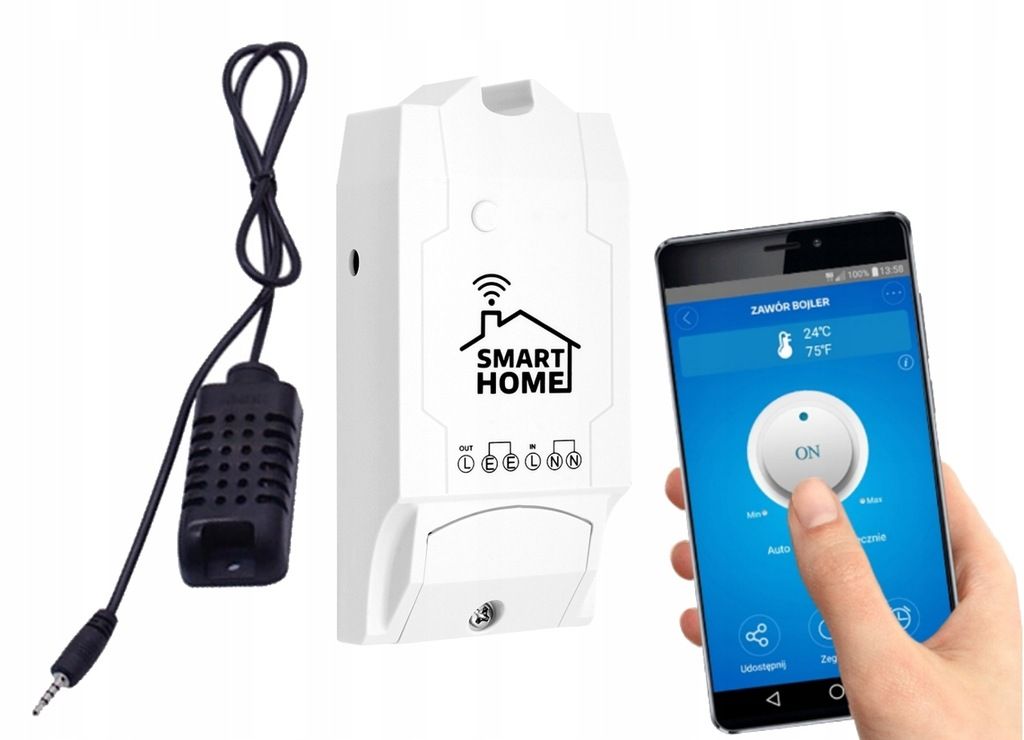
WS-03H1 module with temperature and humidity sensor and smartphone. .
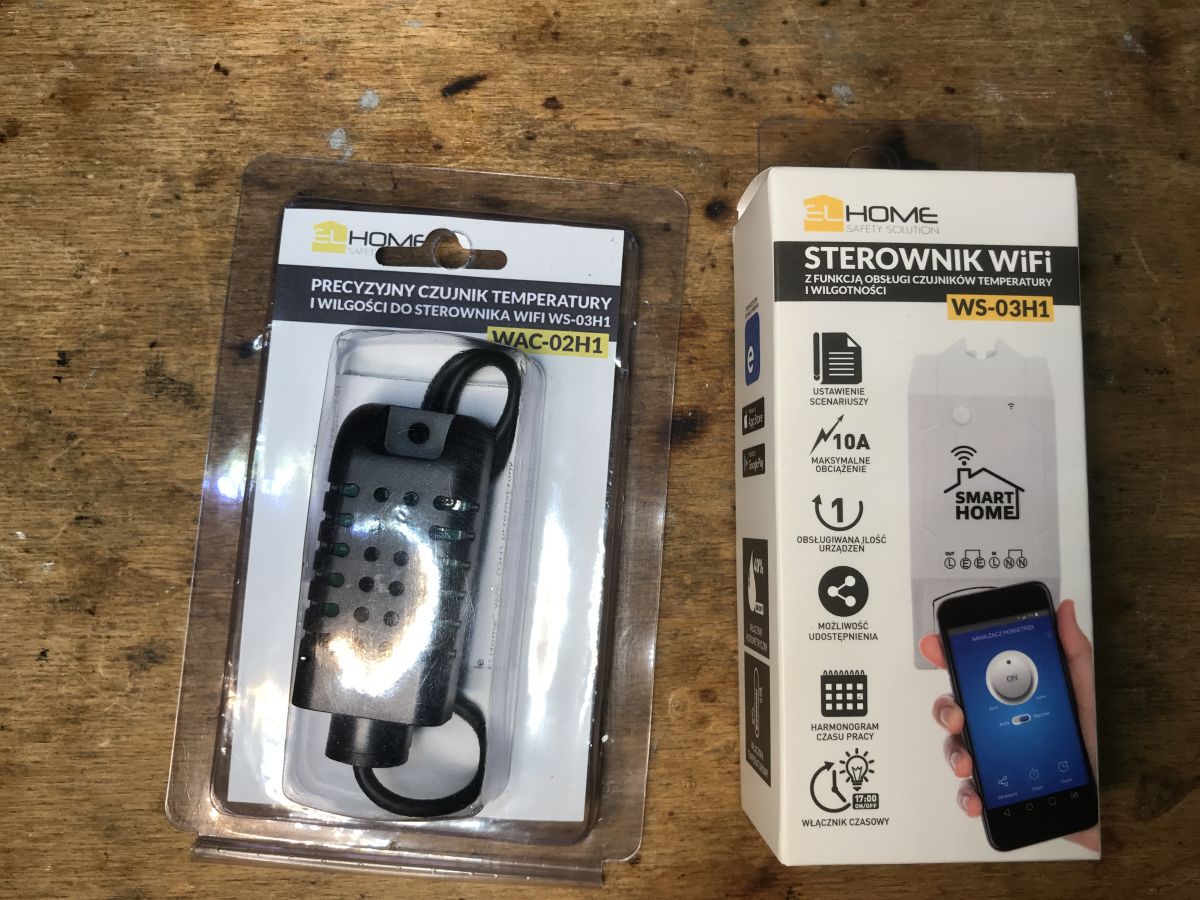
Here I present the WS-03H1 elHome module kit together with the WAC-02H1 temperature/humidity sensor, a repainted Sonoff TH10/16 kit with AM2301 sensor.
I will change its firmware so that it can be controlled locally.
The kit can be bought together for £100, or the base and sensor can be ordered separately. The configuration may vary depending on which sensor you have:
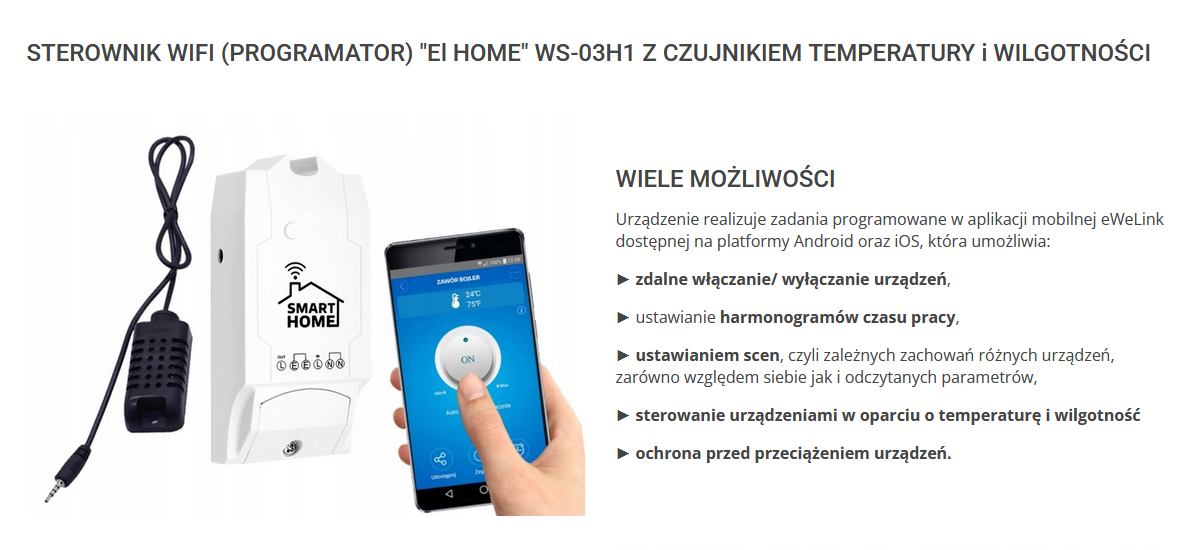
EI Home WS-03H1 WiFi controller with temperature and humidity sensor and app features. .
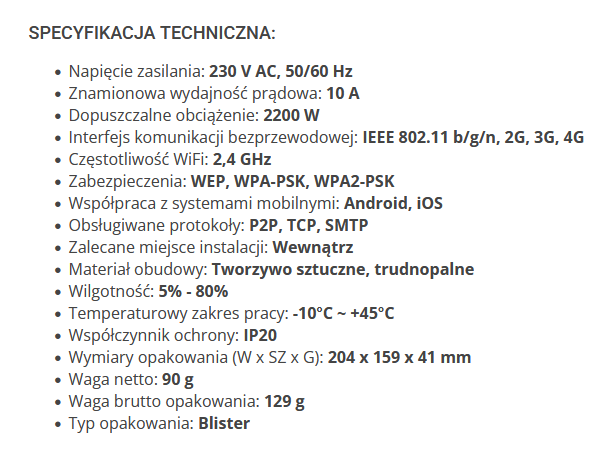
Technical specifications of WS-03H1 module with sensor .
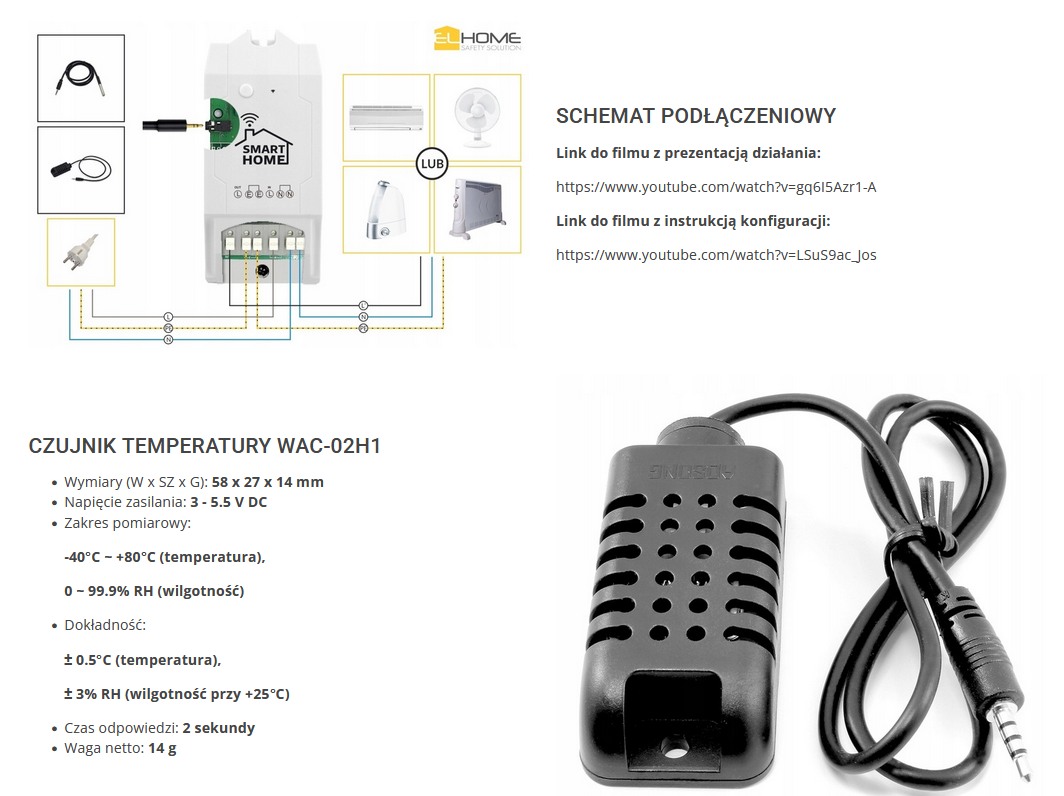
WS-03H1 elHome module with WAC-02H1 temperature and humidity sensor. .
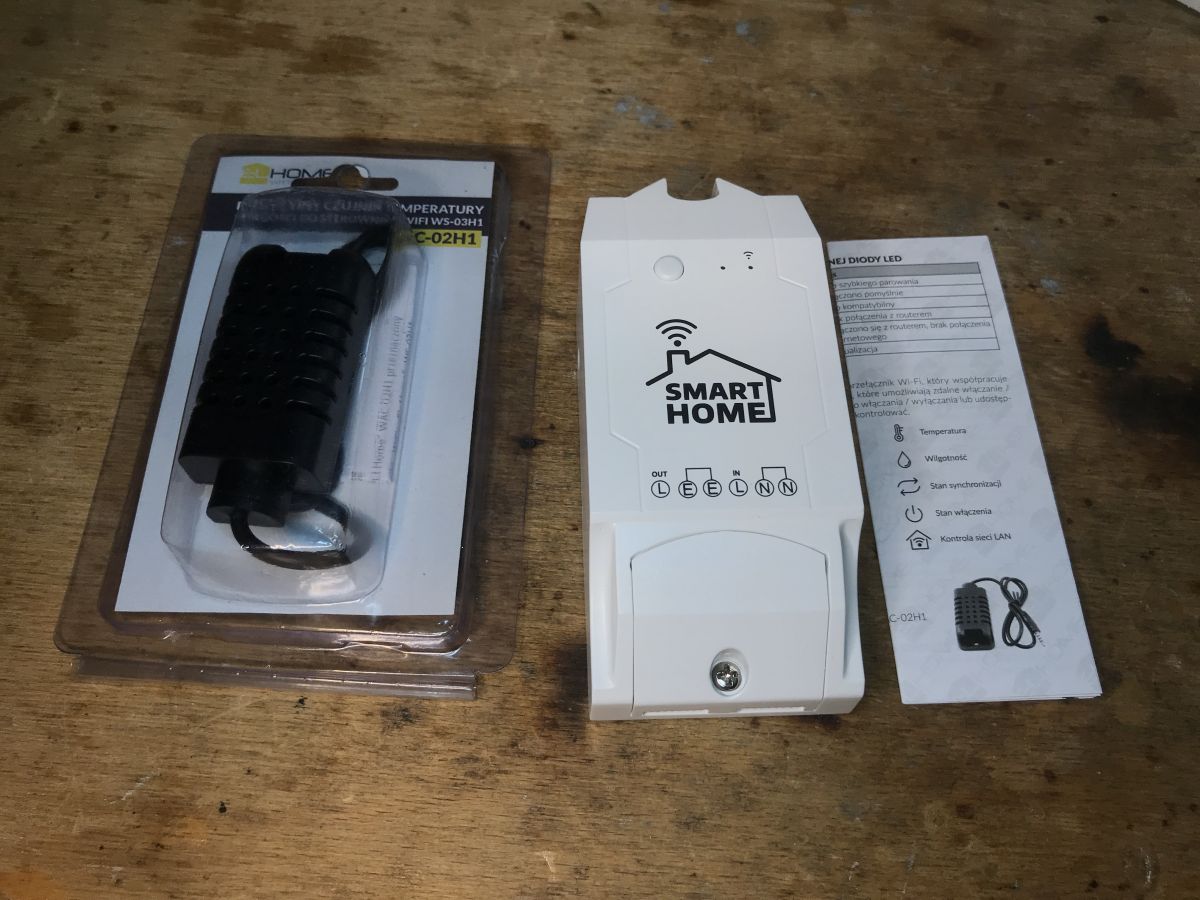
We get a set like this:
WS-03H1 elHome module set with WAC-02H1 temperature and humidity sensor. WS-03H1 elHome module set with WAC-02H1 sensor in packaging .
The module has a jack socket on the side for the sensor:
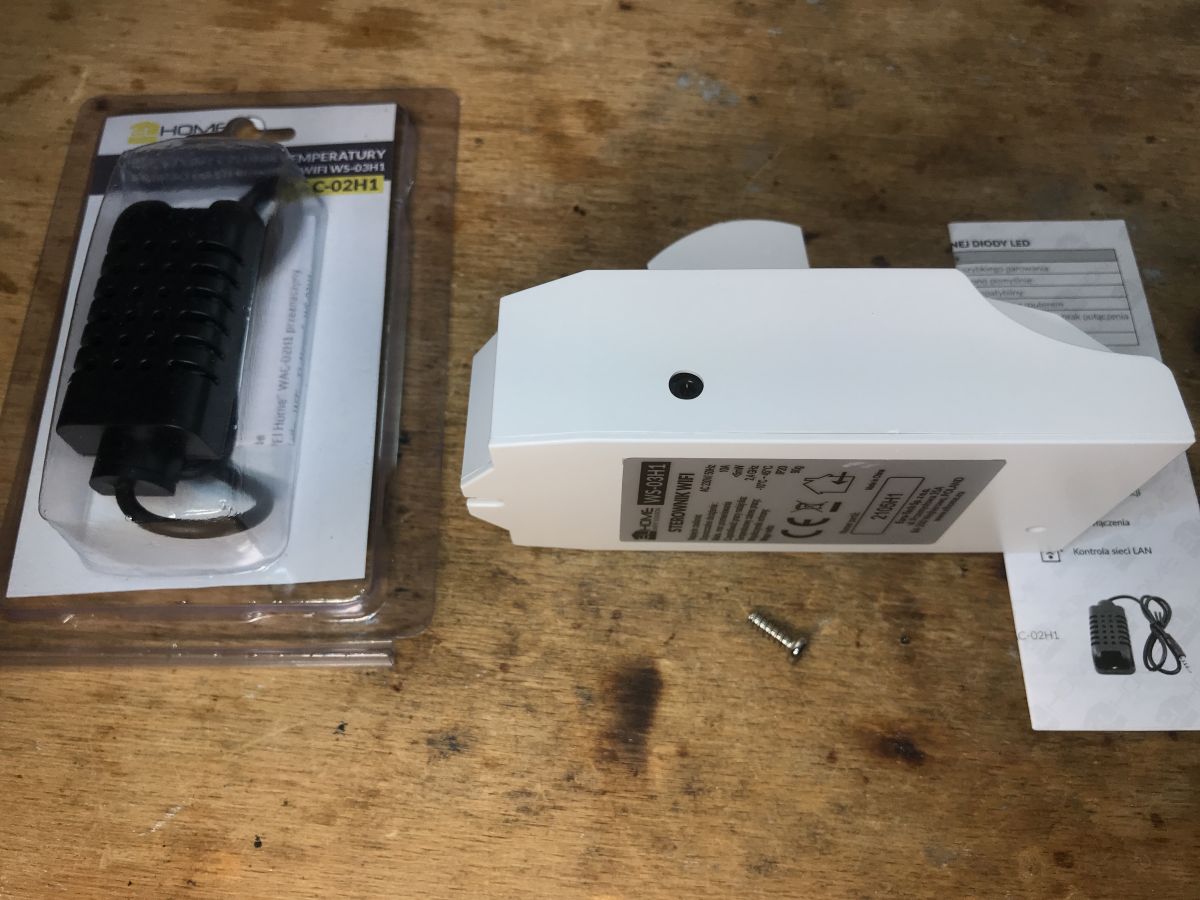
WS-03H1 elHome module and WAC-02H1 sensor on a wooden table .
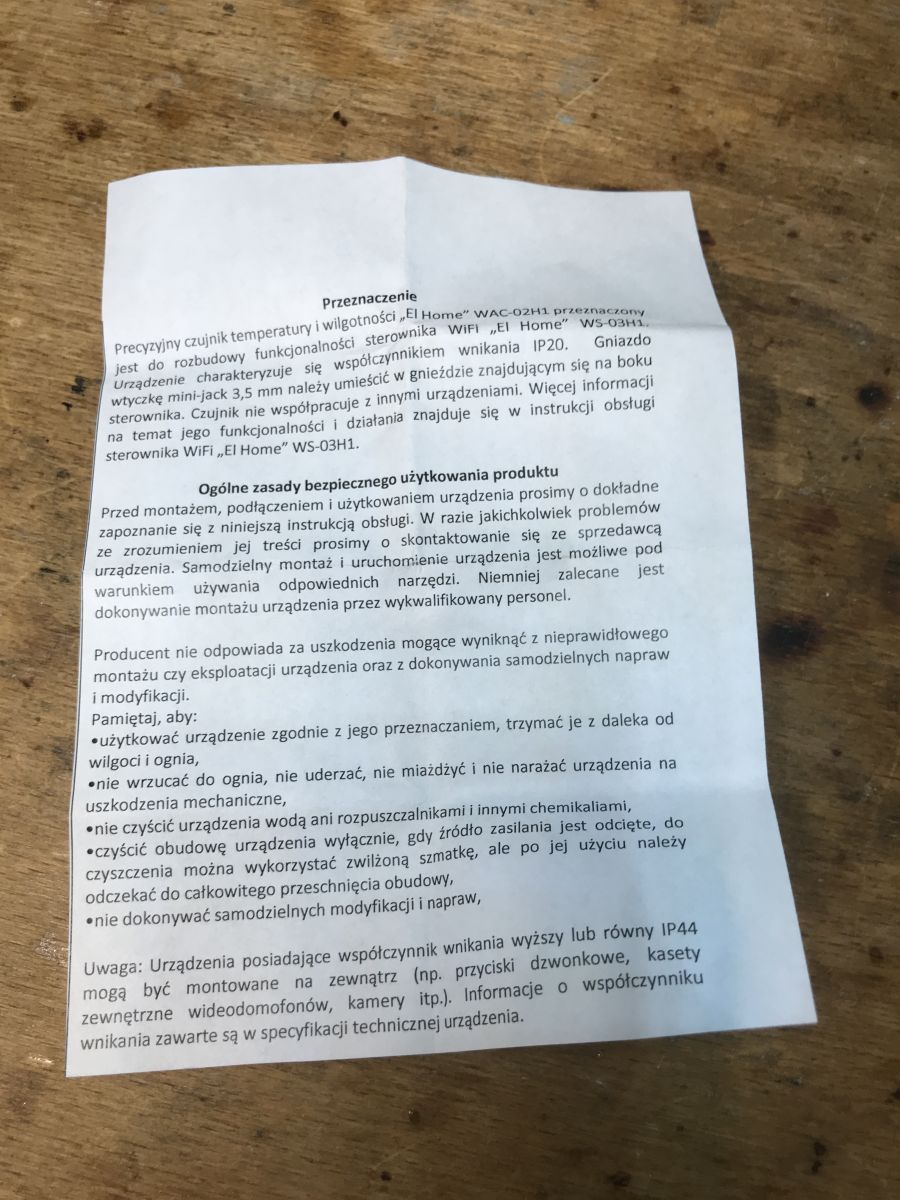
Leaflet:
Information leaflet for the elHome WAC-02H1 sensor .

Interior of WS-03H1 .
Before dismantling I already had my suspicions, but only after removing the housing does everything become clear:
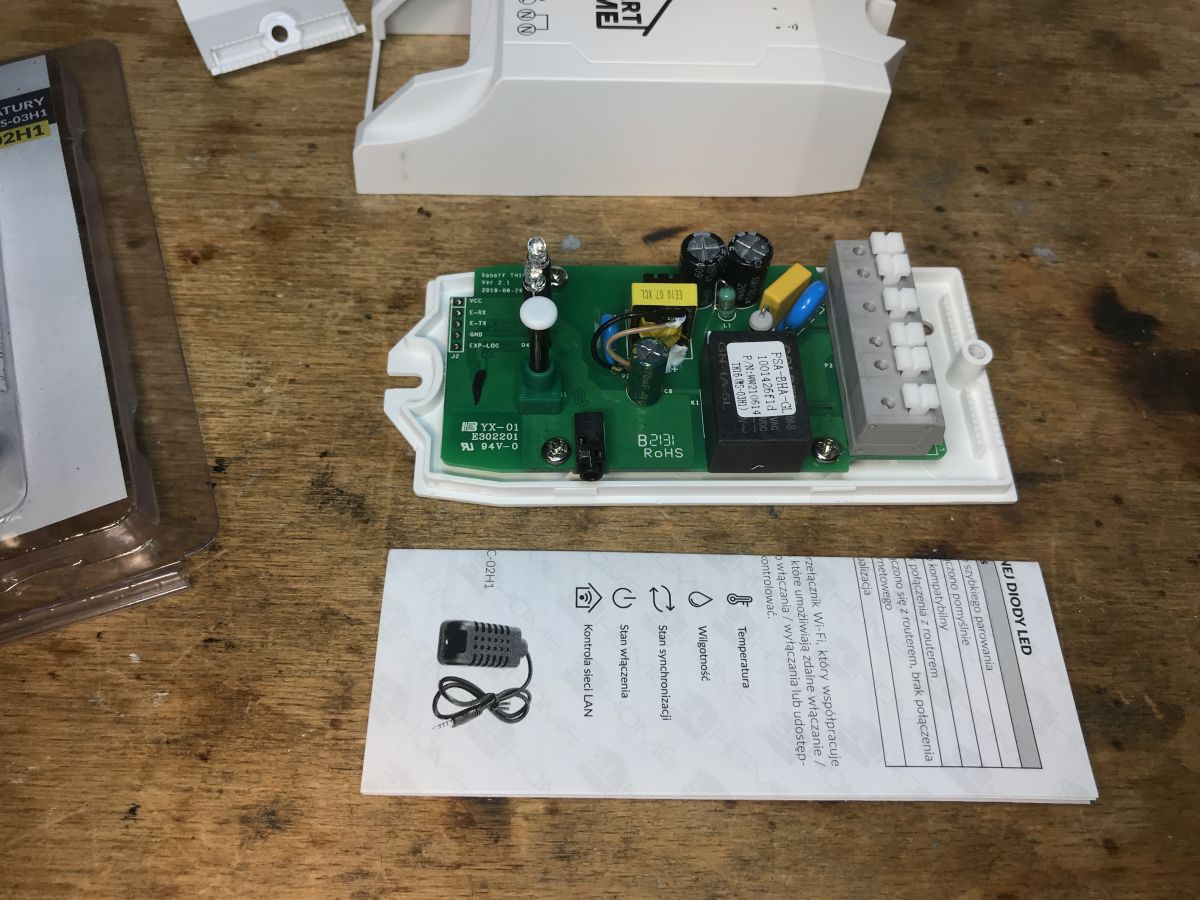
PCB of the WS-03H1 module with electronic components and a relay. .
This is simply a Sonoff TH10/16 repainted from the outside:
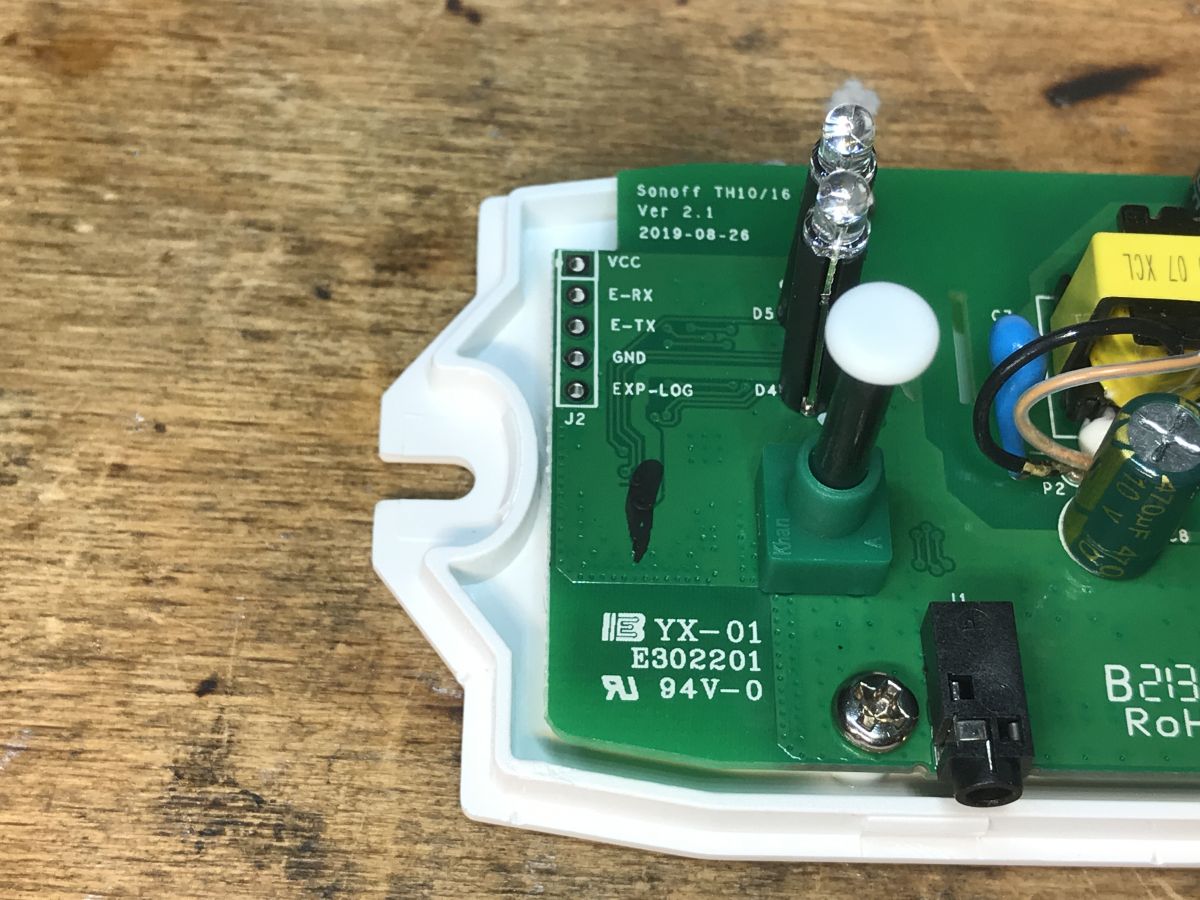
WS-03H1 module with visible internal components. .
Here is the connector for the sensor:
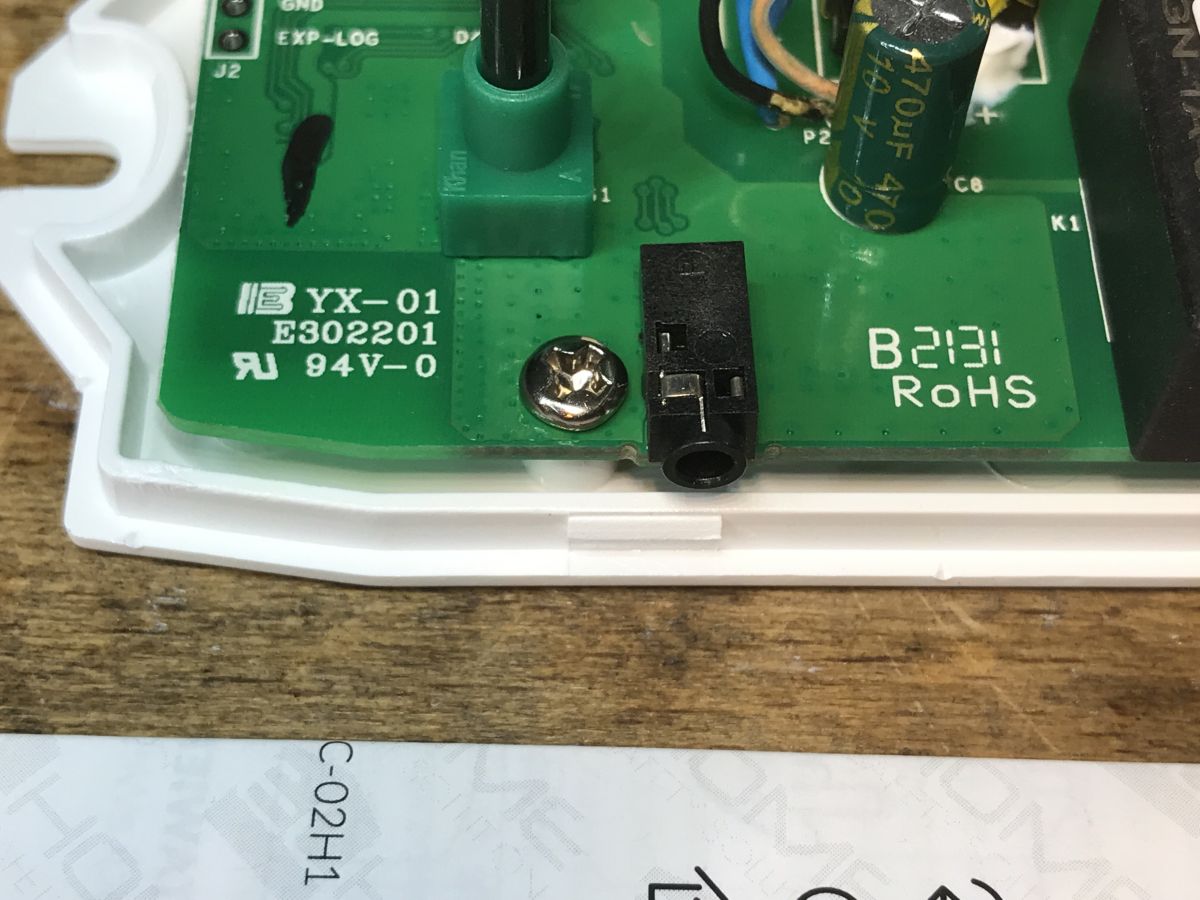
Close-up of the WS-03H1 module's PCB with a jack socket. .
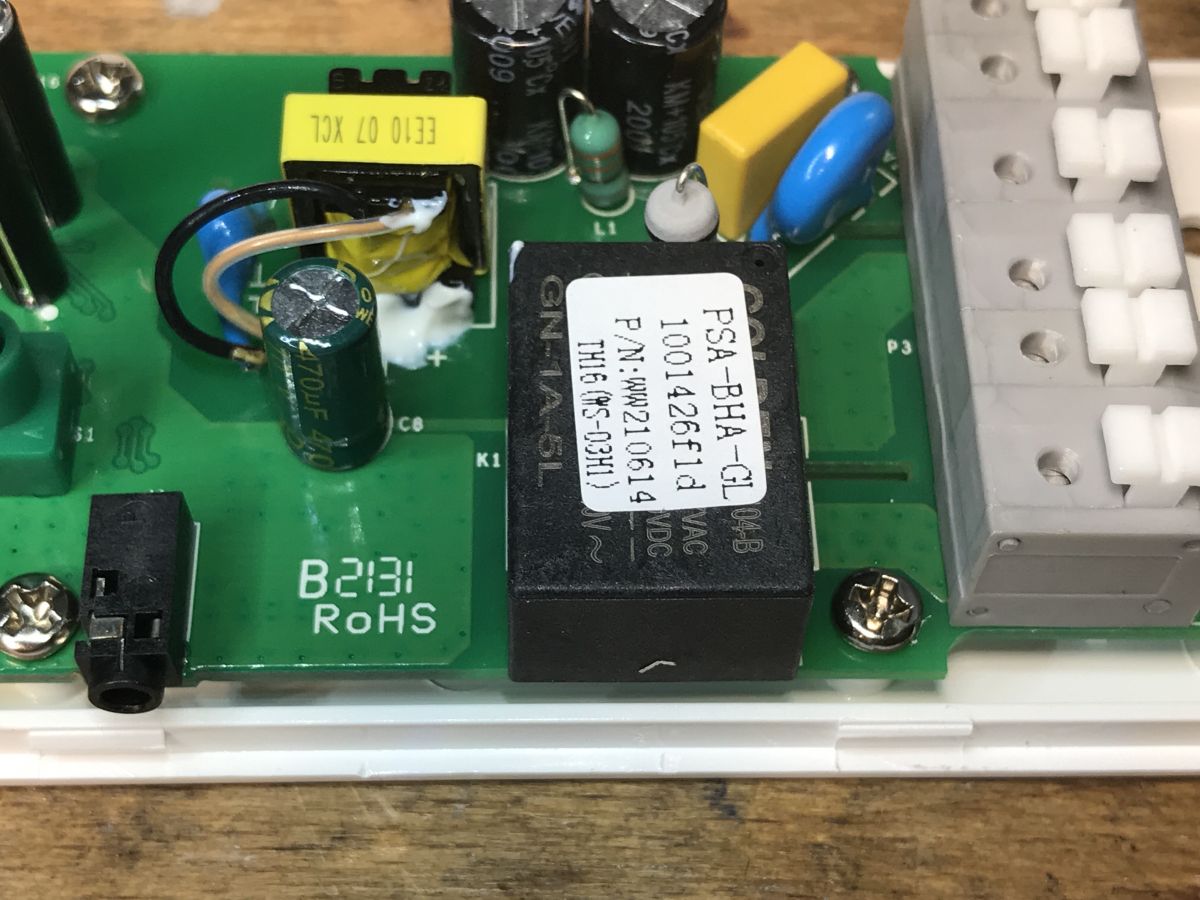
Relay and in the background the power supply, by the way it's been a long time since I've seen a capacitor and varistor in a smart device, the quality here is quite good:
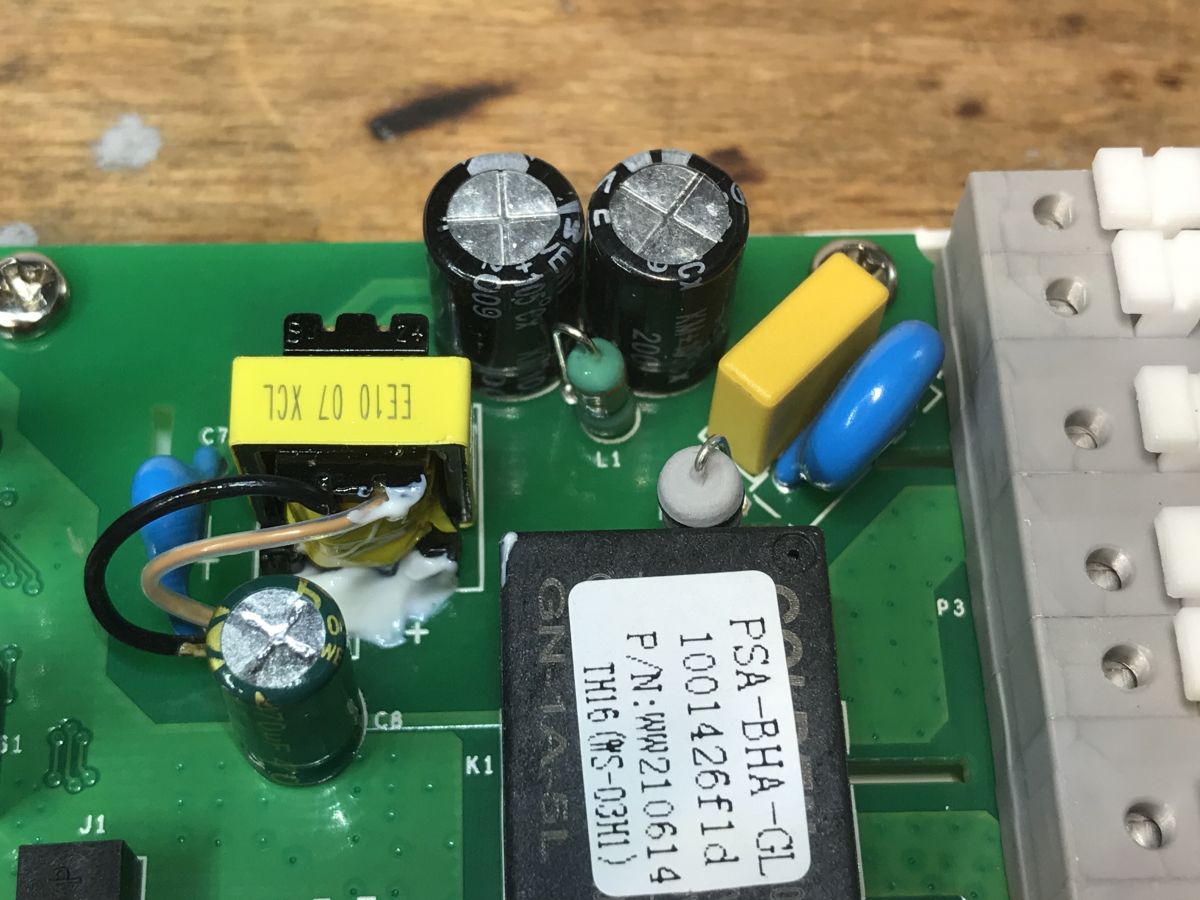
Close-up of the interior of WS-03H1 module with visible electronic components. Photo of the interior of the WS-03H1 module showing a relay and jack socket. .
There is also a programming connector - IO0 is missing, but IO0 is on the button.
Now the underside of the PCB:
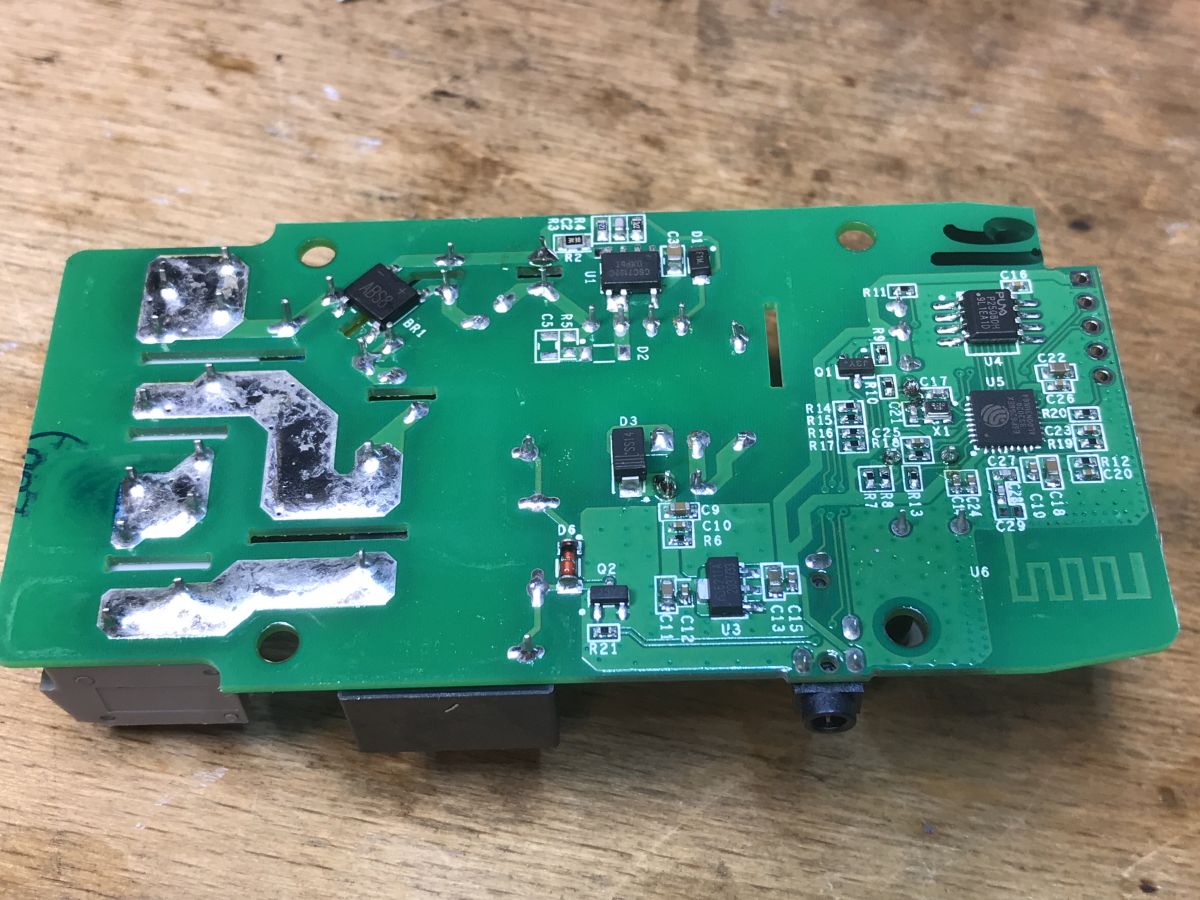
PCB board with electronic components of the WS-03H1 module. .
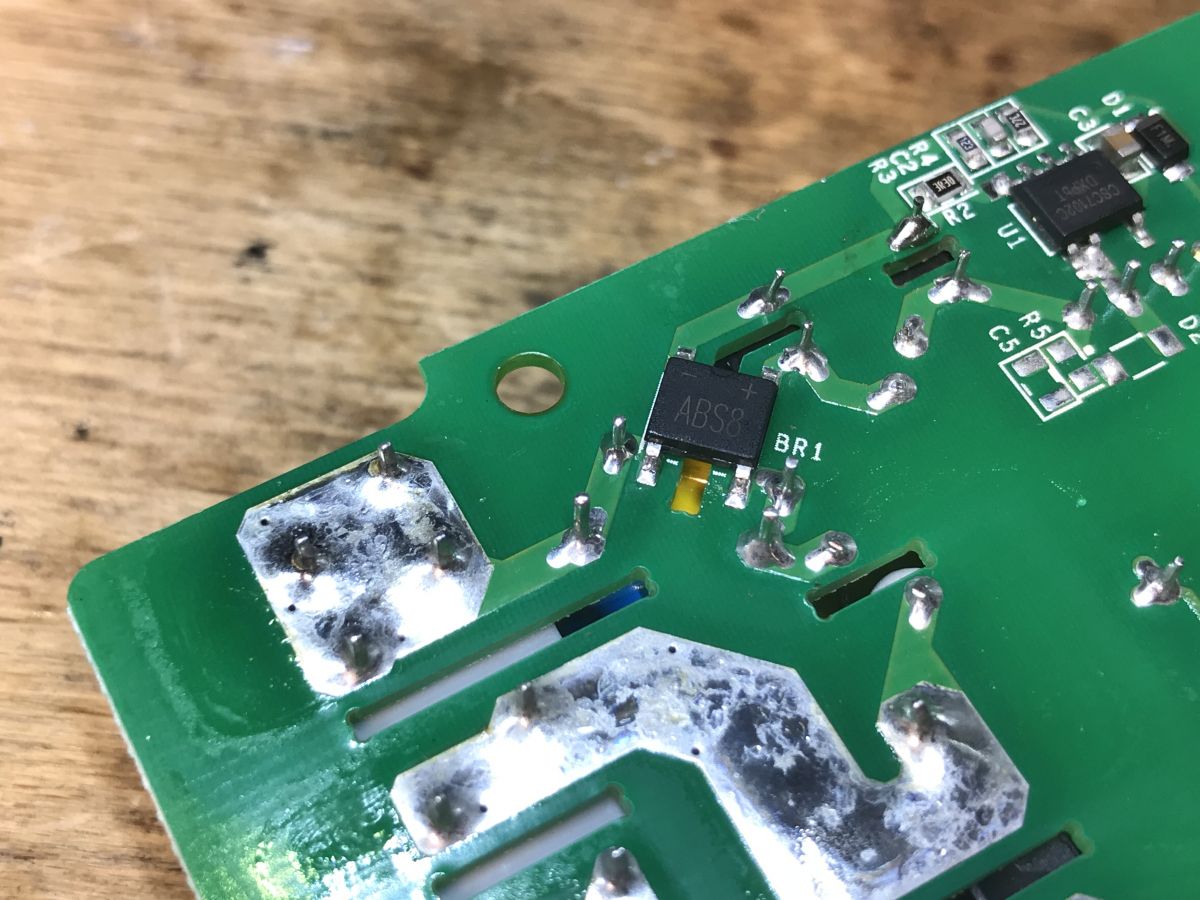
Rectifier bridge:
Close-up of internal components on the PCB of the WS-03H1 module. .
The flyback converter here is based on the CSC7102C:
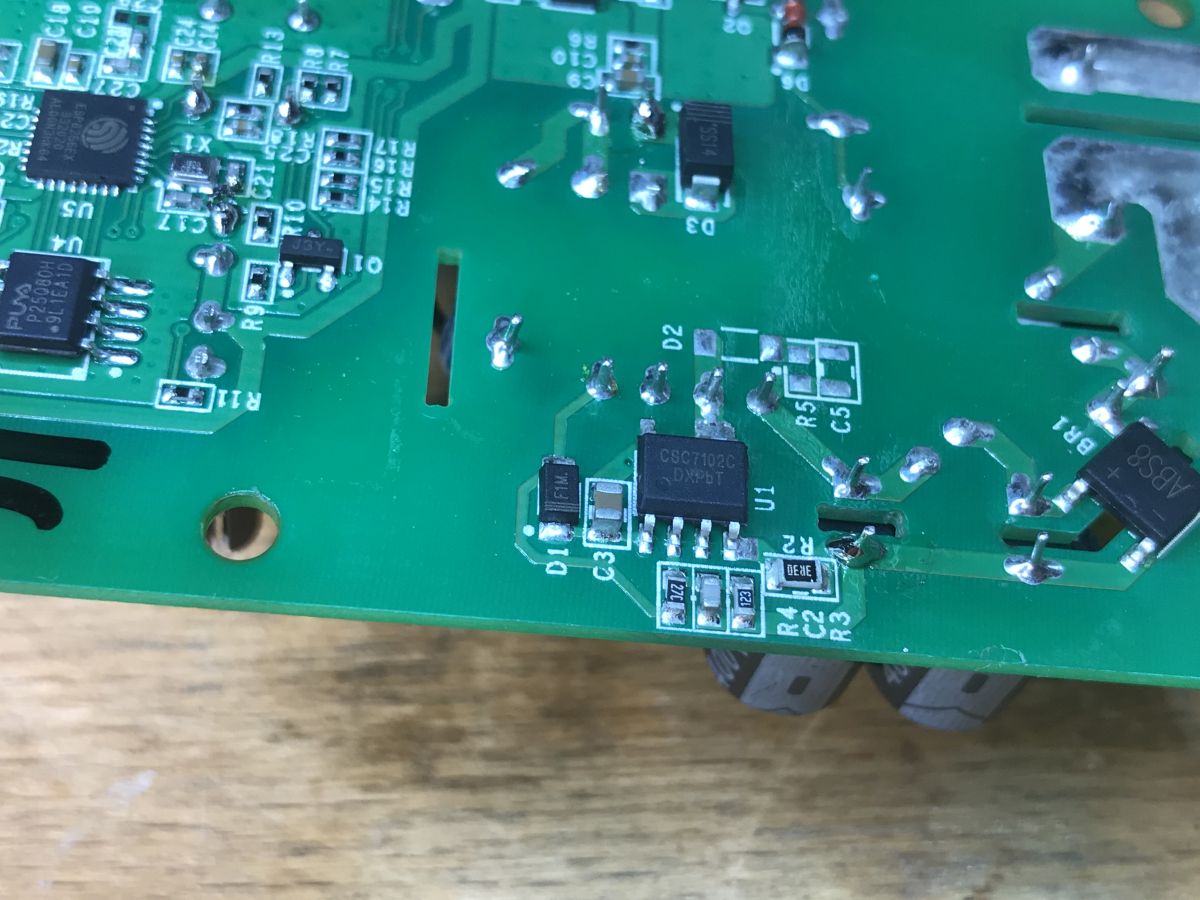
WS-03H1 module circuit board with visible integrated circuits and CSC7102C converter .
But it generates the voltage to power the relay. The ESP requires a slightly lower voltage, a stable 3.3V, wic there is also an extra LDO here:
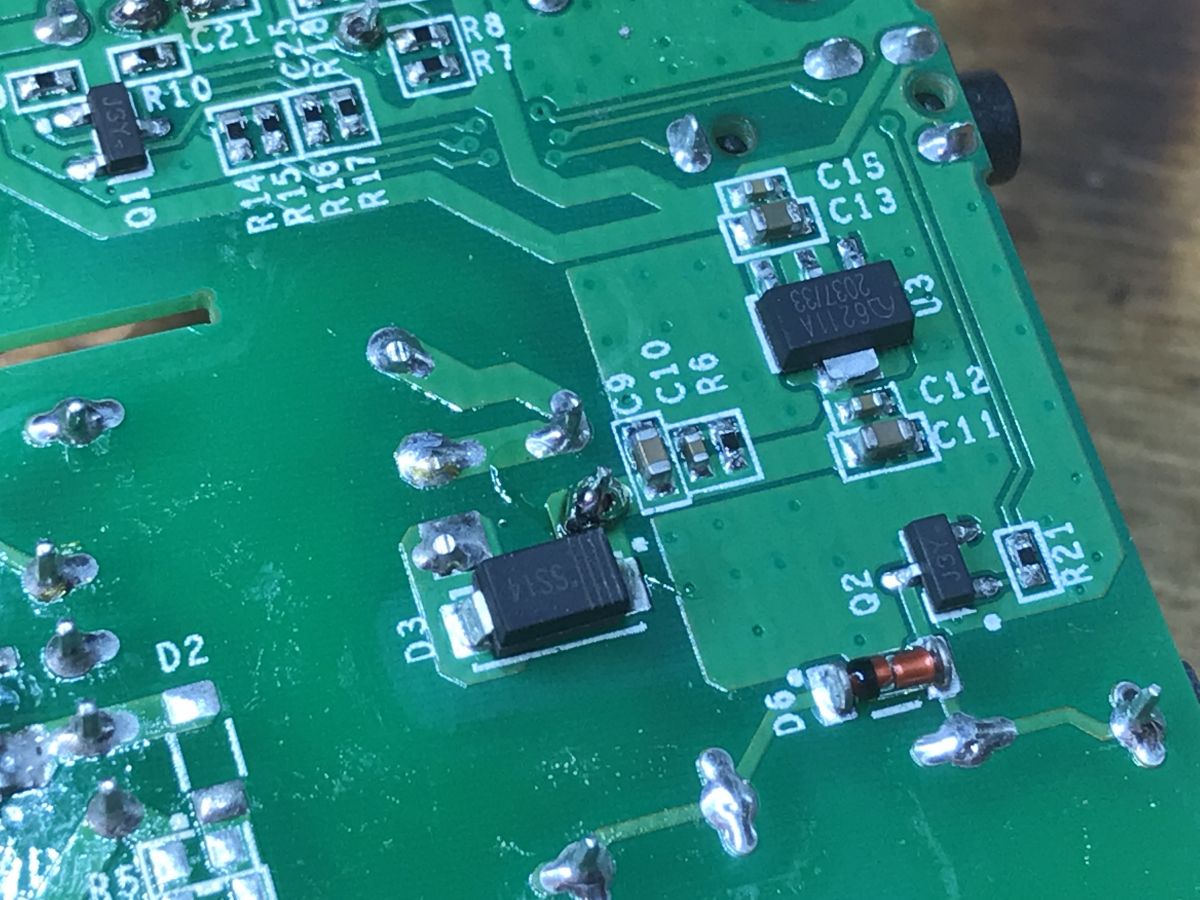
Close-up of the WS-03H1 module PCB with visible electronic components. .
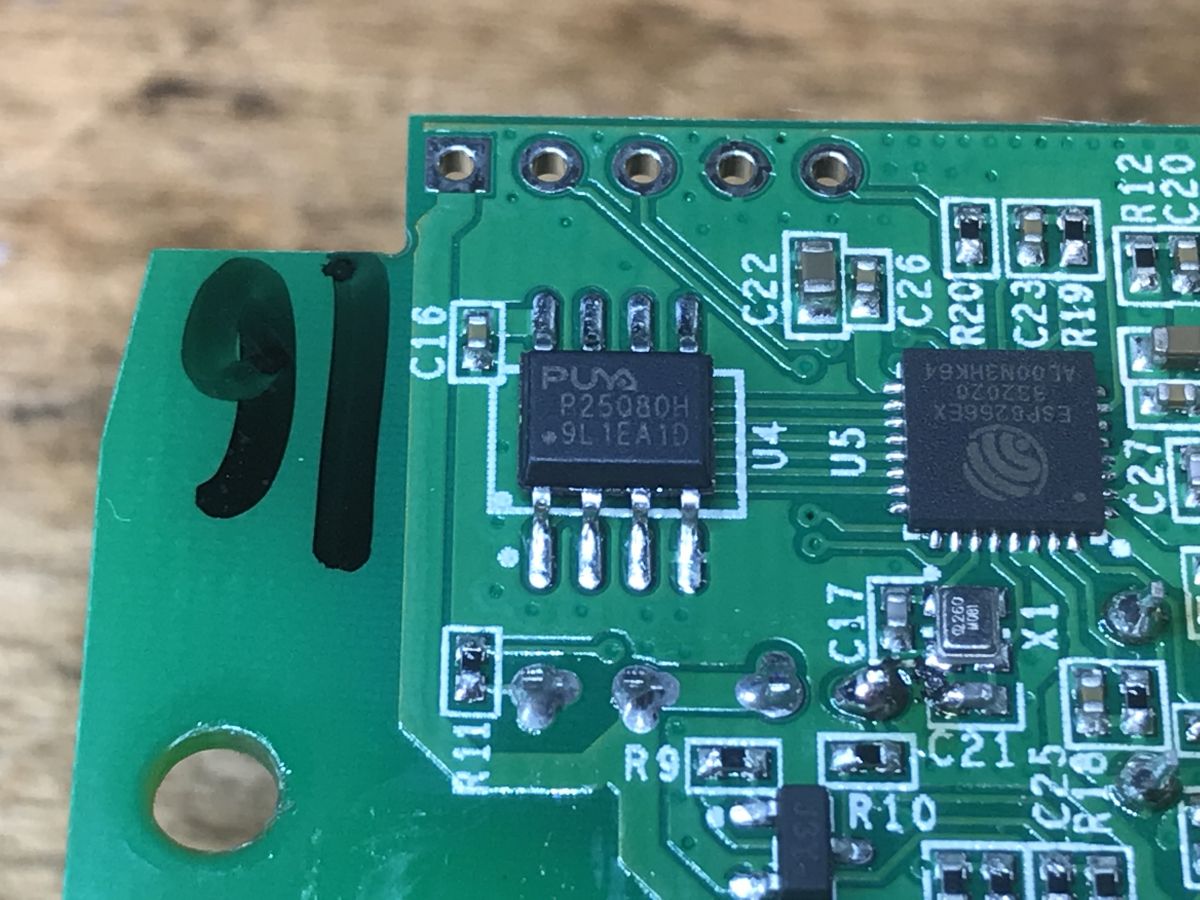
And then there's the ESP itself - along with the SPI memory bone of course, the Puya P25Q80H, just 1MB.
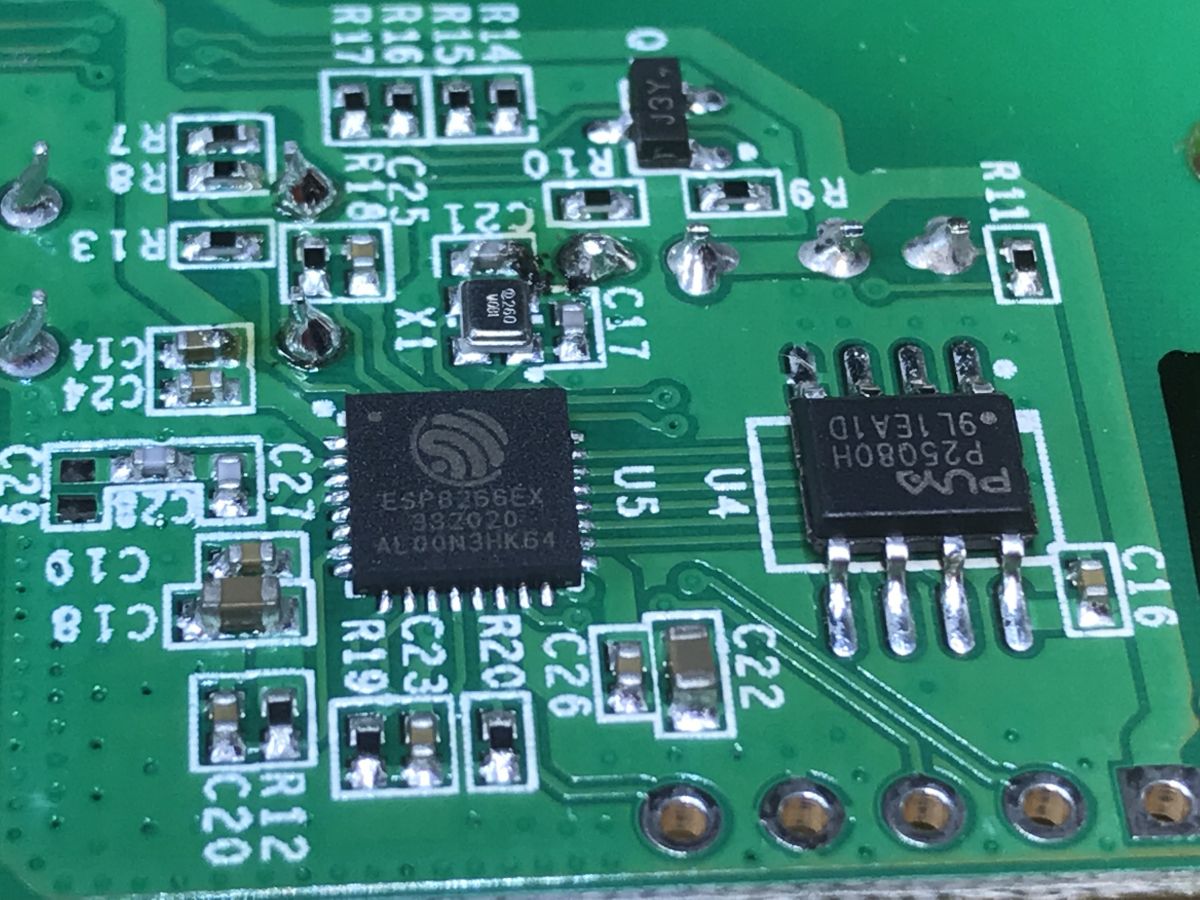
Close-up of a circuit board featuring the ESP8266EX chip and Puya P25Q80H SPI memory. Close-up of the WS-03H1 module PCB with visible components. .

Changing the WS-03H1 .
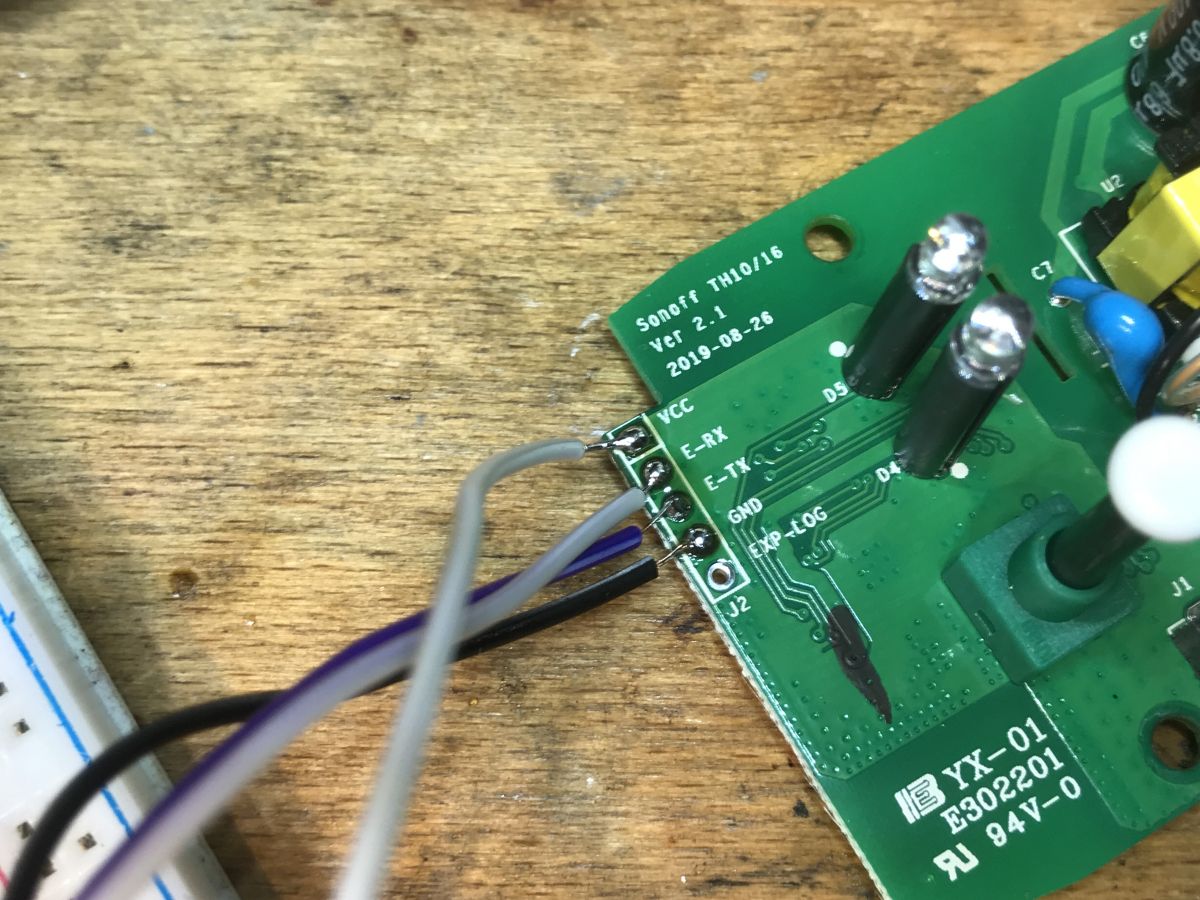
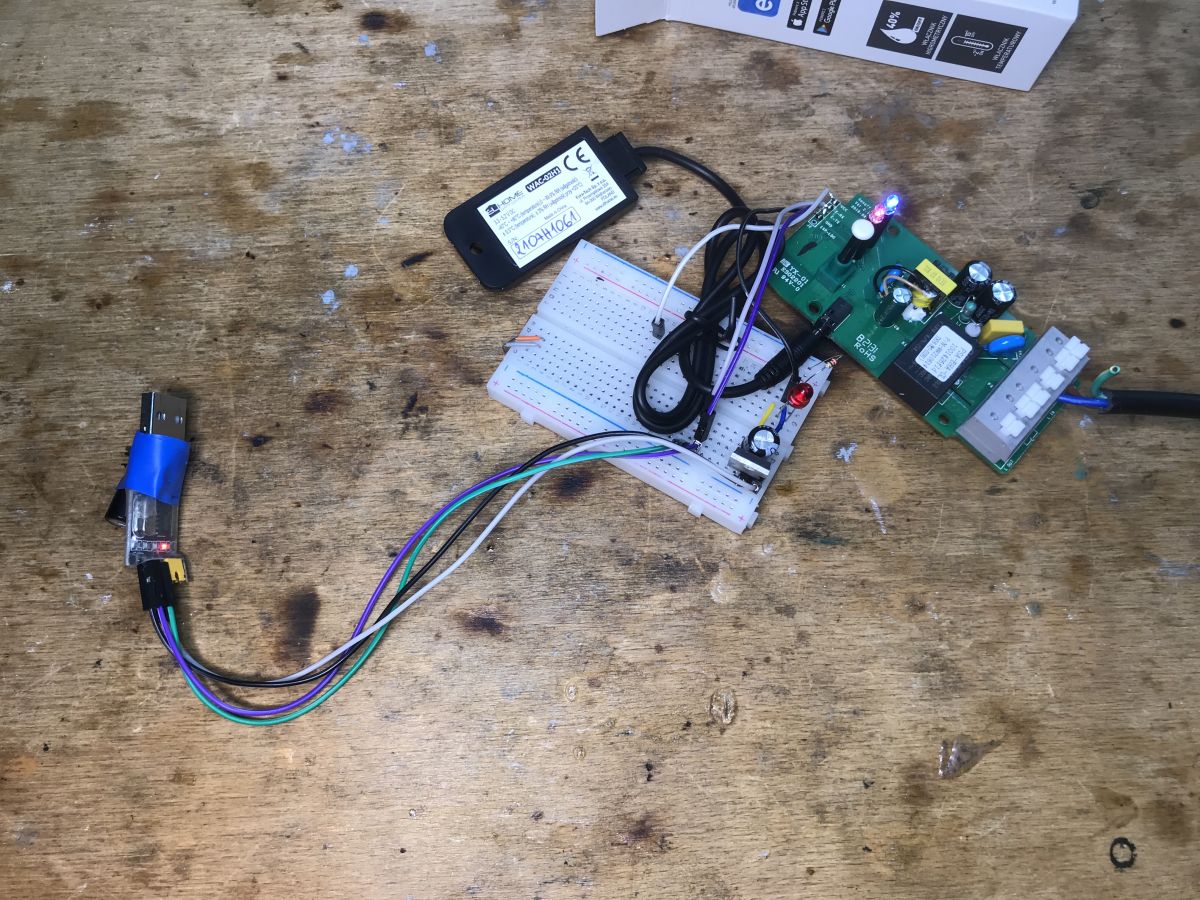
We solder the four cables. We don't solder IO0 because it's led to the button. We only need to hold this button at the time of reboot.
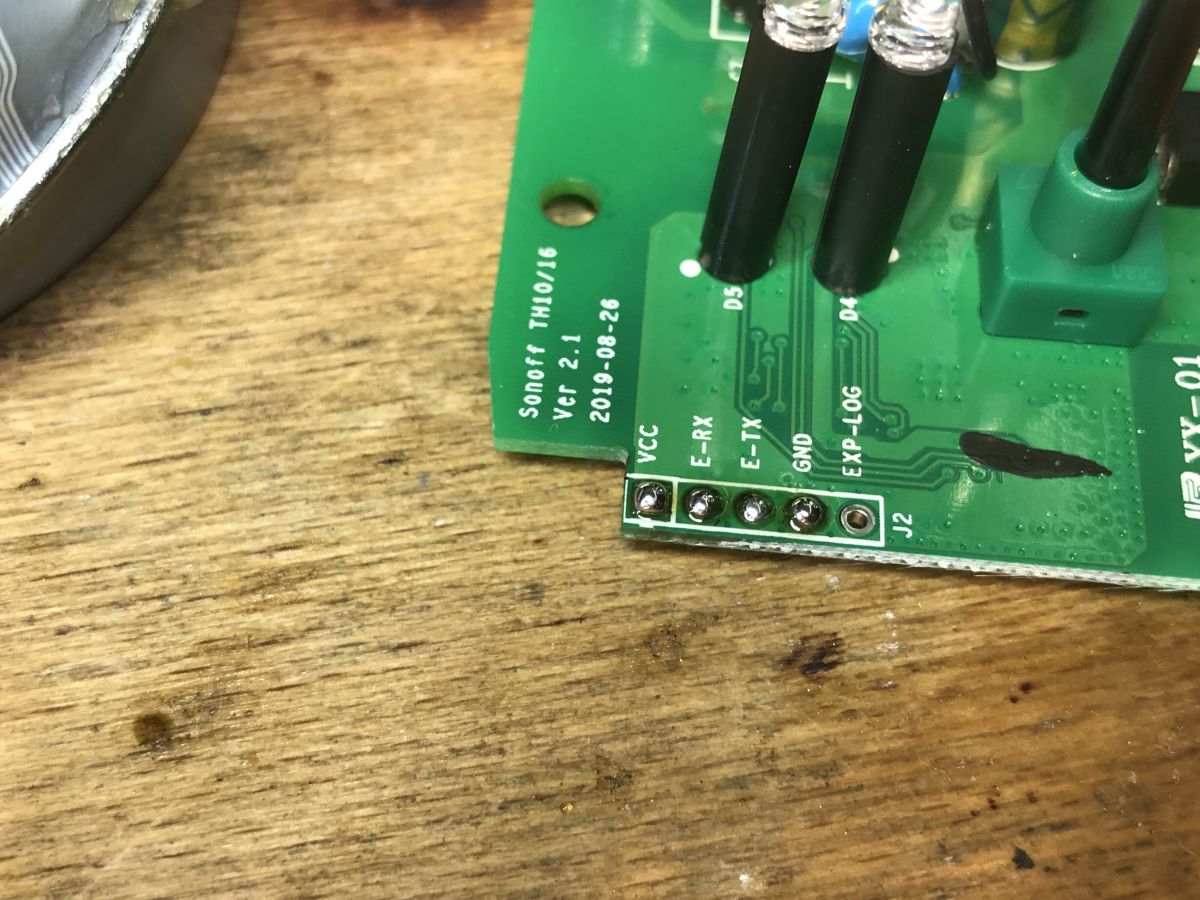
Close-up of Sonoff TH10/16 PCB board with connection ports. Close-up of Sonoff TH10/16 circuit board with visible connector labels and connected wires. The photo shows a disassembled electrical module with a breadboard and sensor connected by wires. .
Then we can use esptool.py or Tasmota's online installer:
How to install Tasmota easily - online installer tasmota.github.io/install via web browser .
What remains is to configure Tasmota.
Fortunately, we already know it's a Sonoff TH10/16 clone, so the Blakadder website comes to the rescue:
https://templates.blakadder.com/sonoff_TH.html
Basic template:

{"NAME":"Sonoff TH","GPIO":[17,255,0,255,255,0,0,0,21,56,255,0,0],"FLAG":0,"BASE":4}
.
There we also have a list of known sensors for this model:
Quote:

- Sonoff Si7021 Temperature & Humidity Sensor
- Sonoff AM2301 Temperature & Humidity Sensor
- Sonoff DS18B20 Temperature Sensor
- Sonoff AL560 5m Extension Cable
.
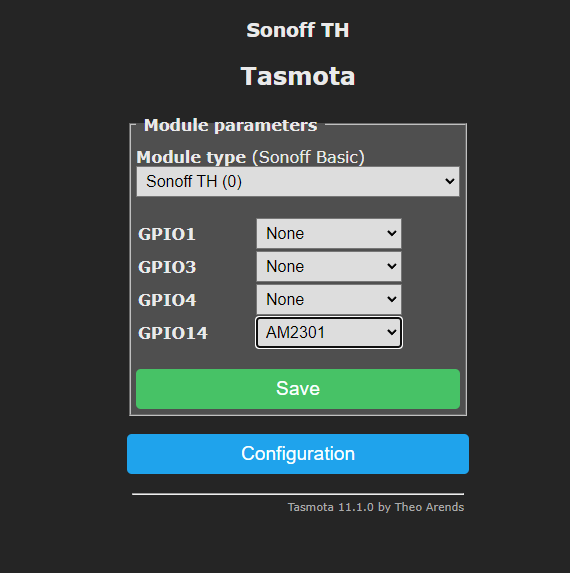
Our sensor is located at IO14 , so we select a role for it as in the example below:
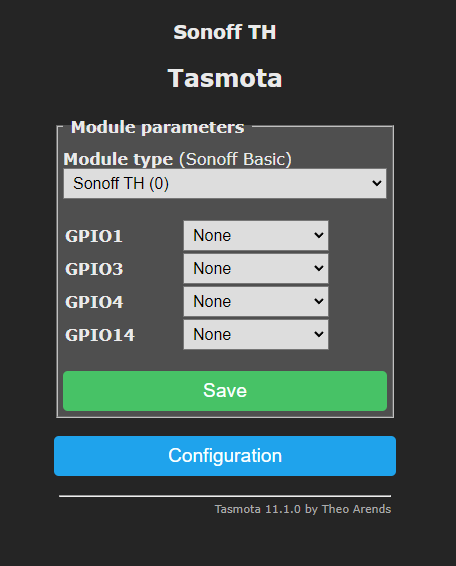
Tasmota software configuration interface for Sonoff TH module. .
Screenshot of the Tasmota interface showing the configuration for a Sonoff TH module. .
After saving the settings and restarting, we should already be receiving measurements.

Schemat WS-03H1 .
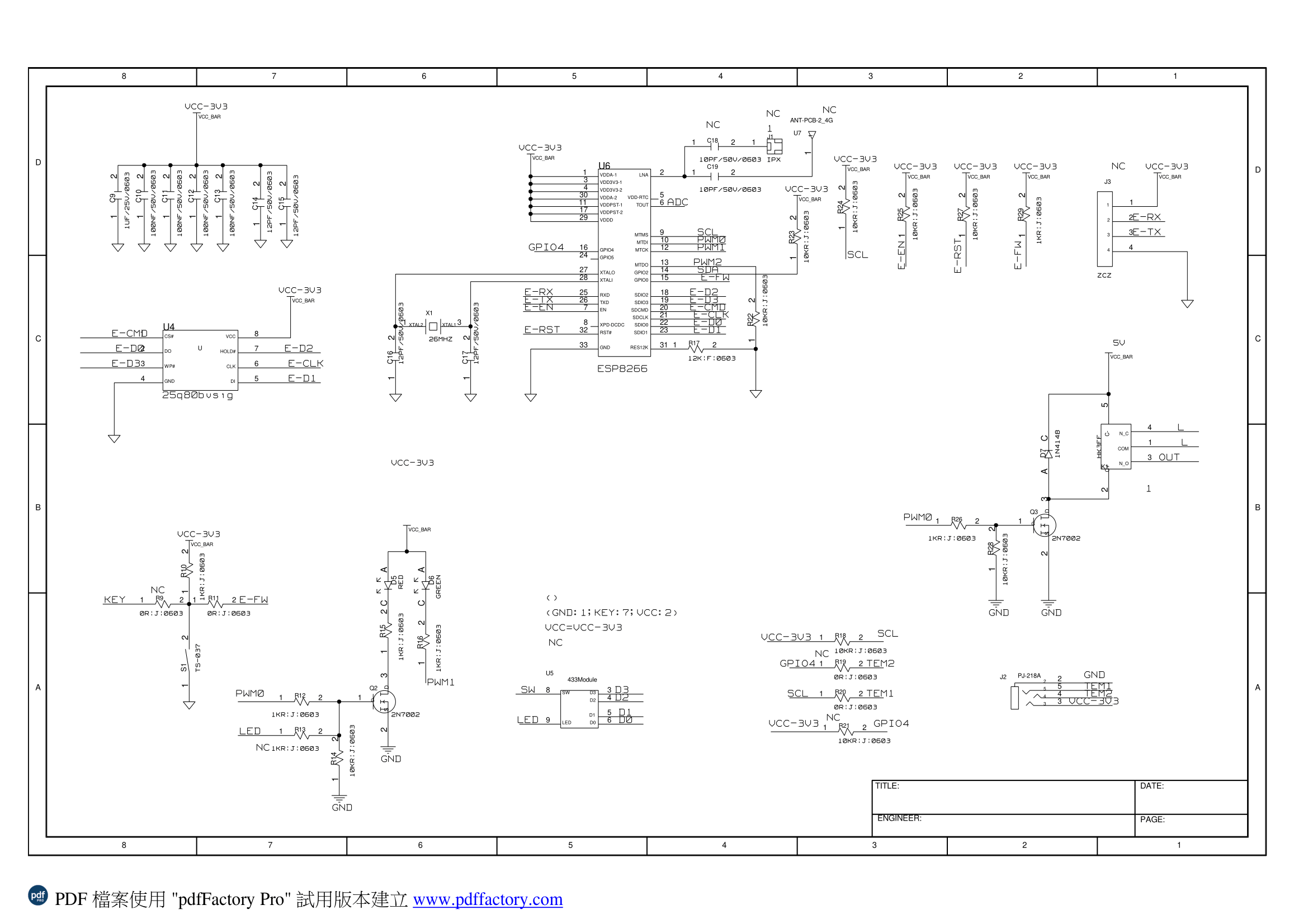
This time exceptionally the product in question has a diagram available online:
https://wiki.iteadstudio.com/Sonoff_TH_10/16
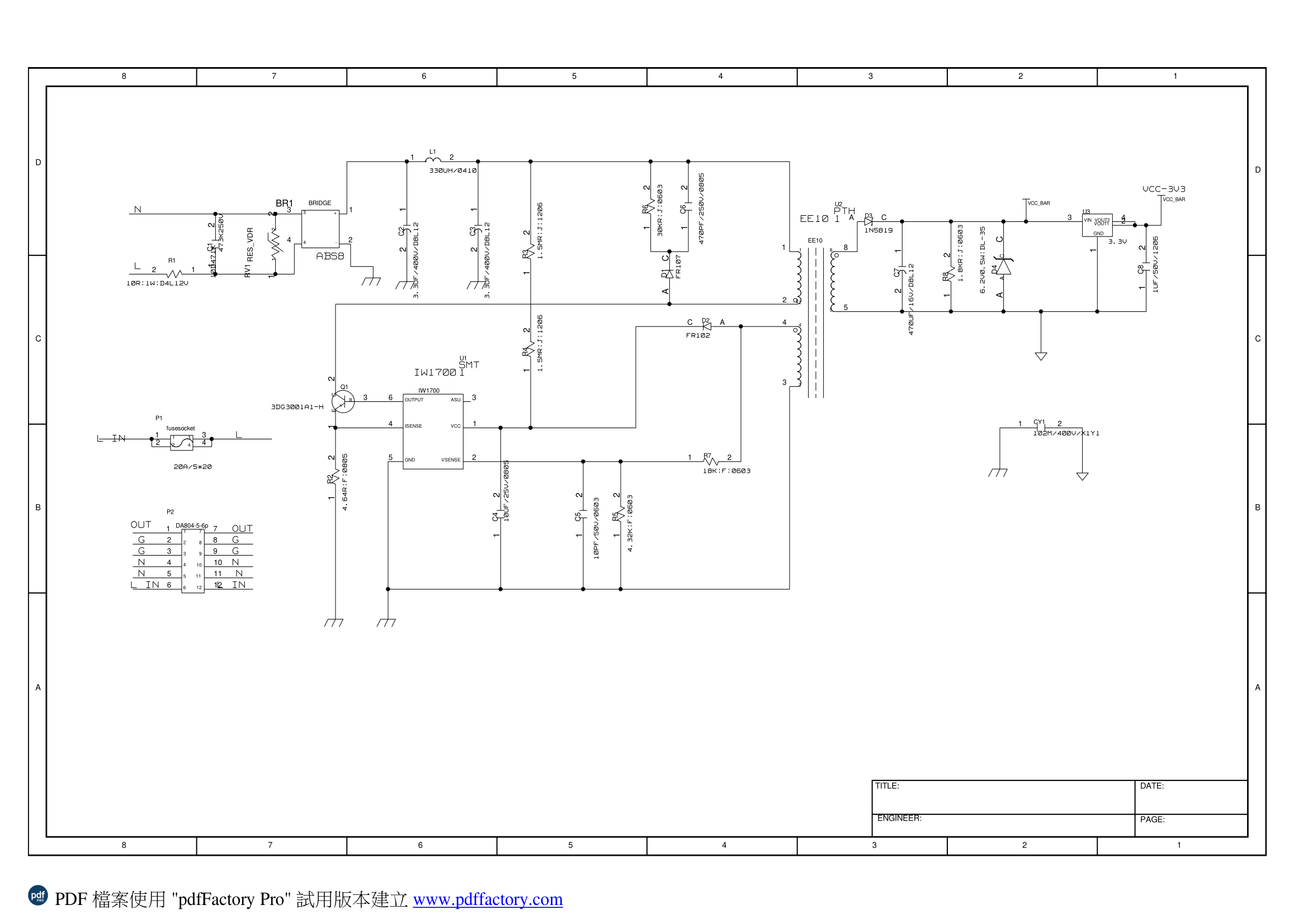
Electrical schematic of WS-03H1 elHome module Electrical schematic of the WS-03H1 elHome module with sensor. .
Only minor differences I can see here, e.g. the inverter in the schematic is an IW1700 and in mine it's a CSC7102C. Probably both circuits are very similar.

Interior of sensor .
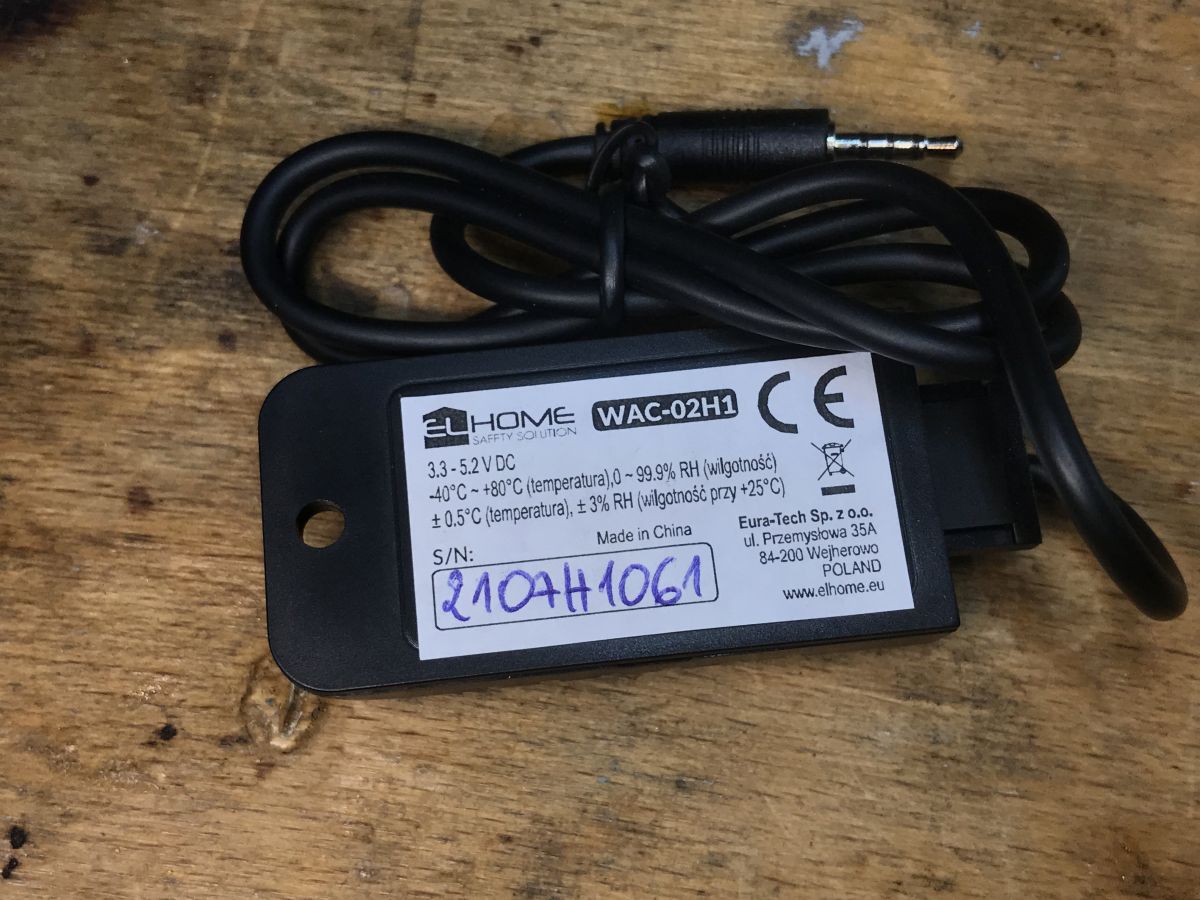
Then let's see the inside of the WAC-02H1 sensor:
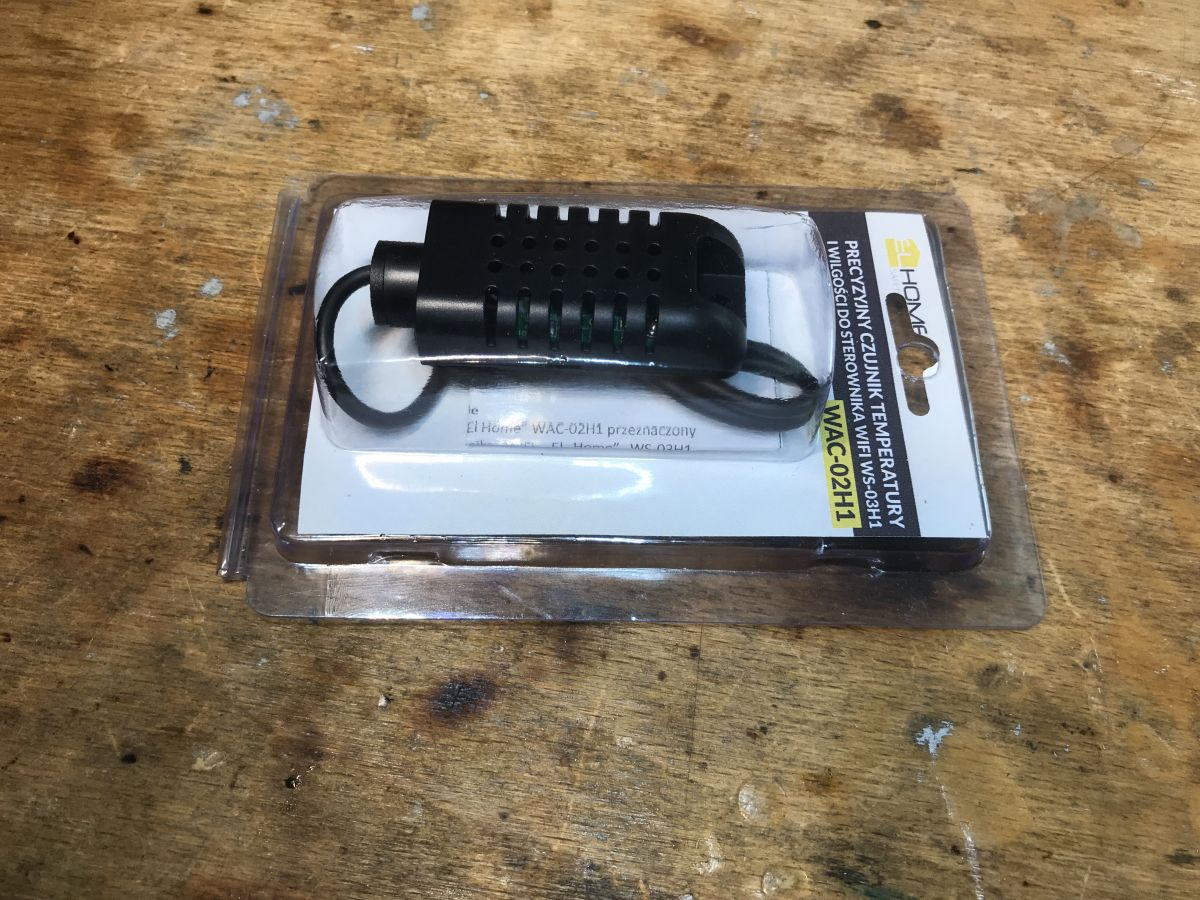
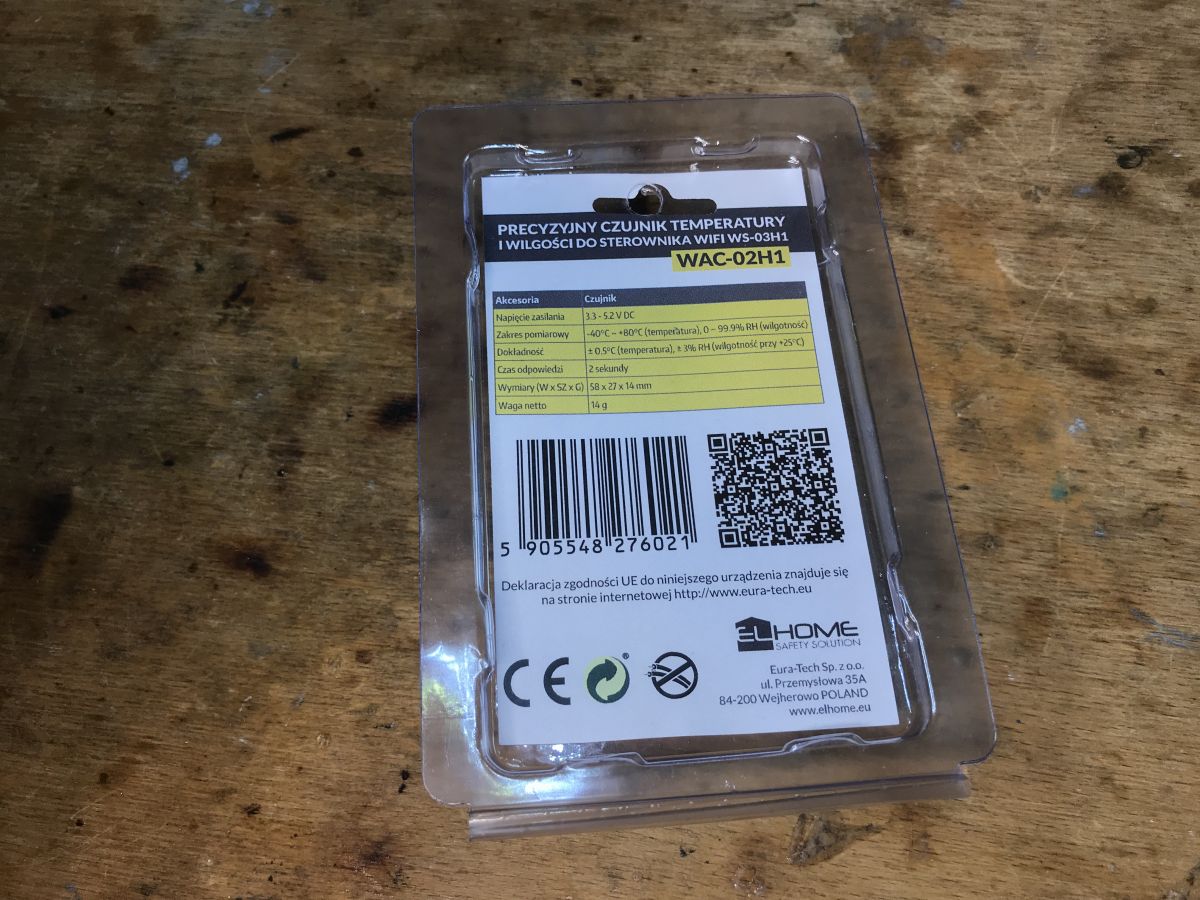
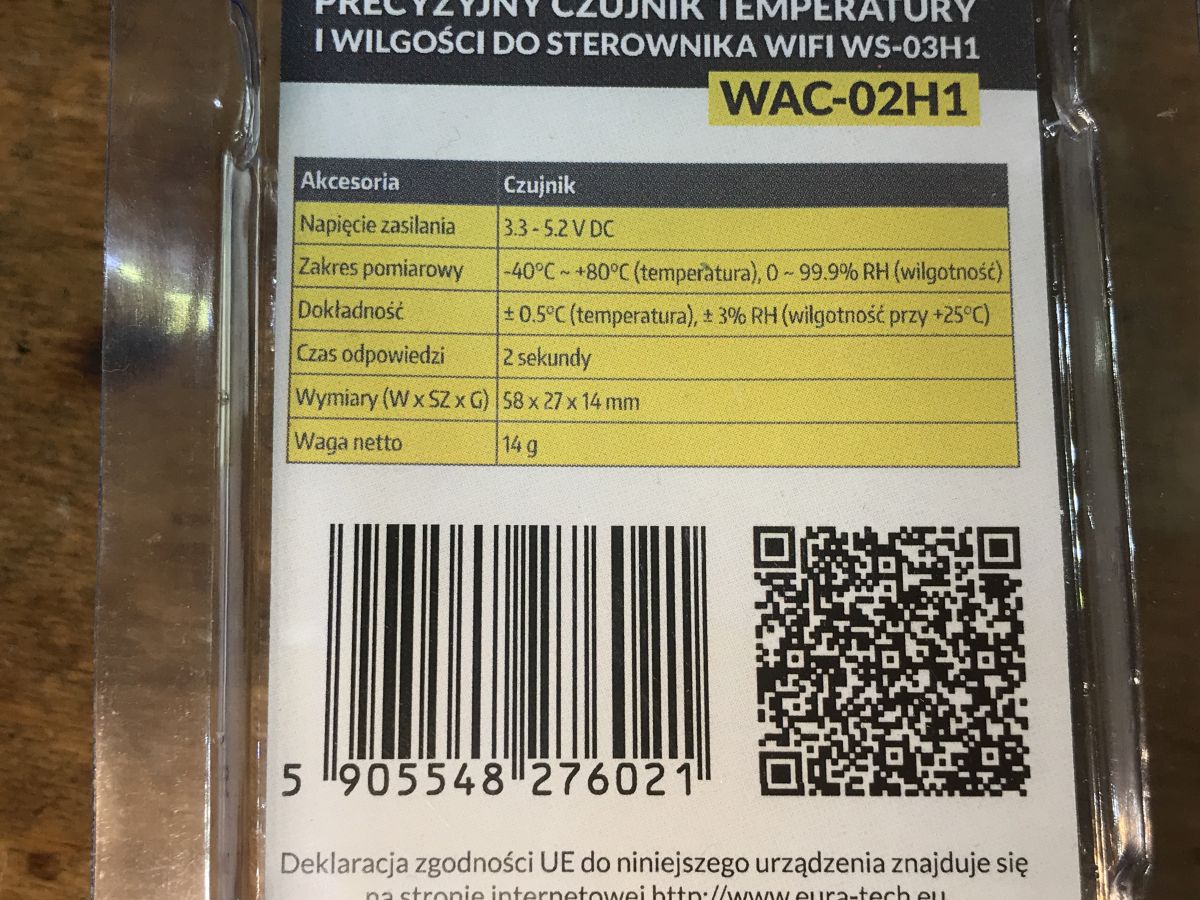
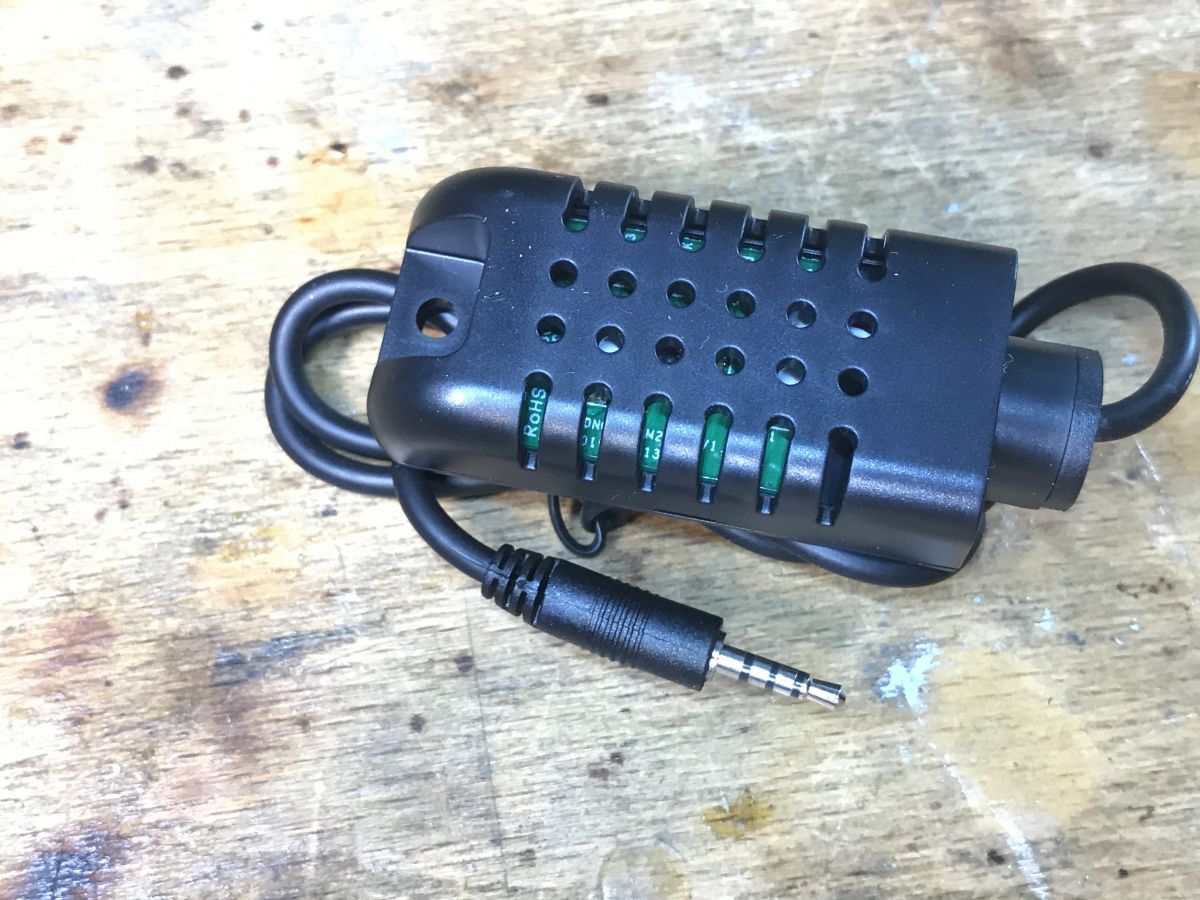
WAC-02H1 temperature and humidity sensor in ElHome packaging. Label describing the WAC-02H1 temperature and humidity sensor. Label of the WAC-02H1 temperature and humidity sensor with technical specifications. elHome WAC-02H1 temperature and humidity sensor with label on wooden surface Temperature and humidity sensor WAC-02H1 with jack plug .
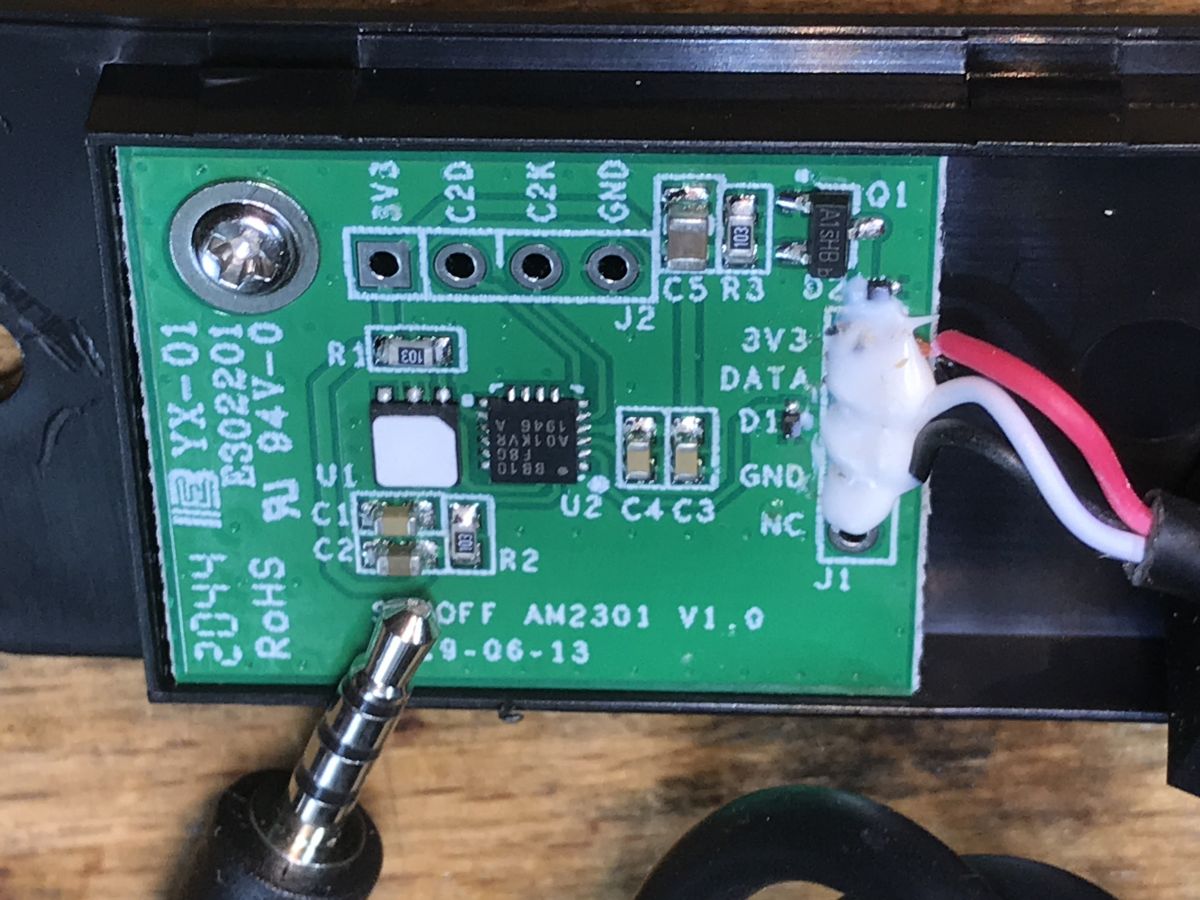
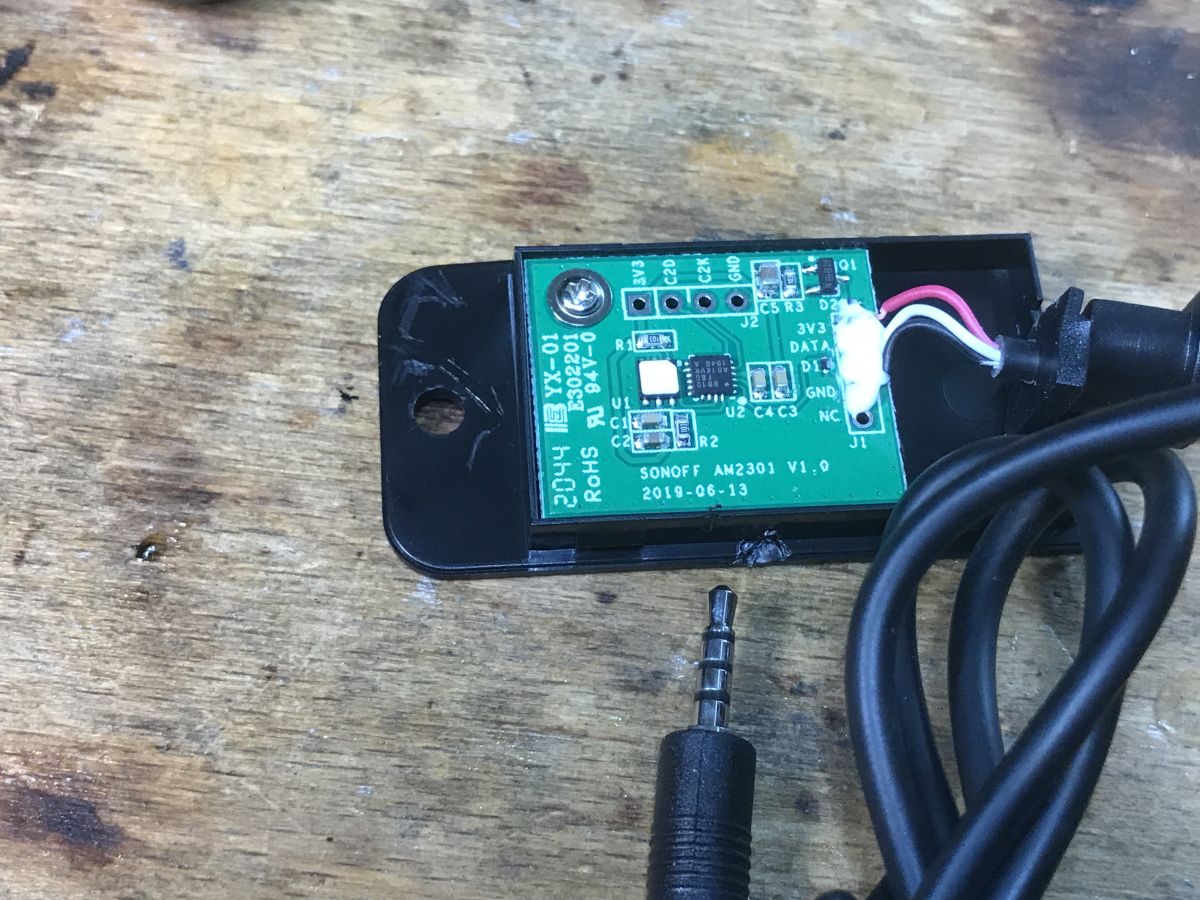
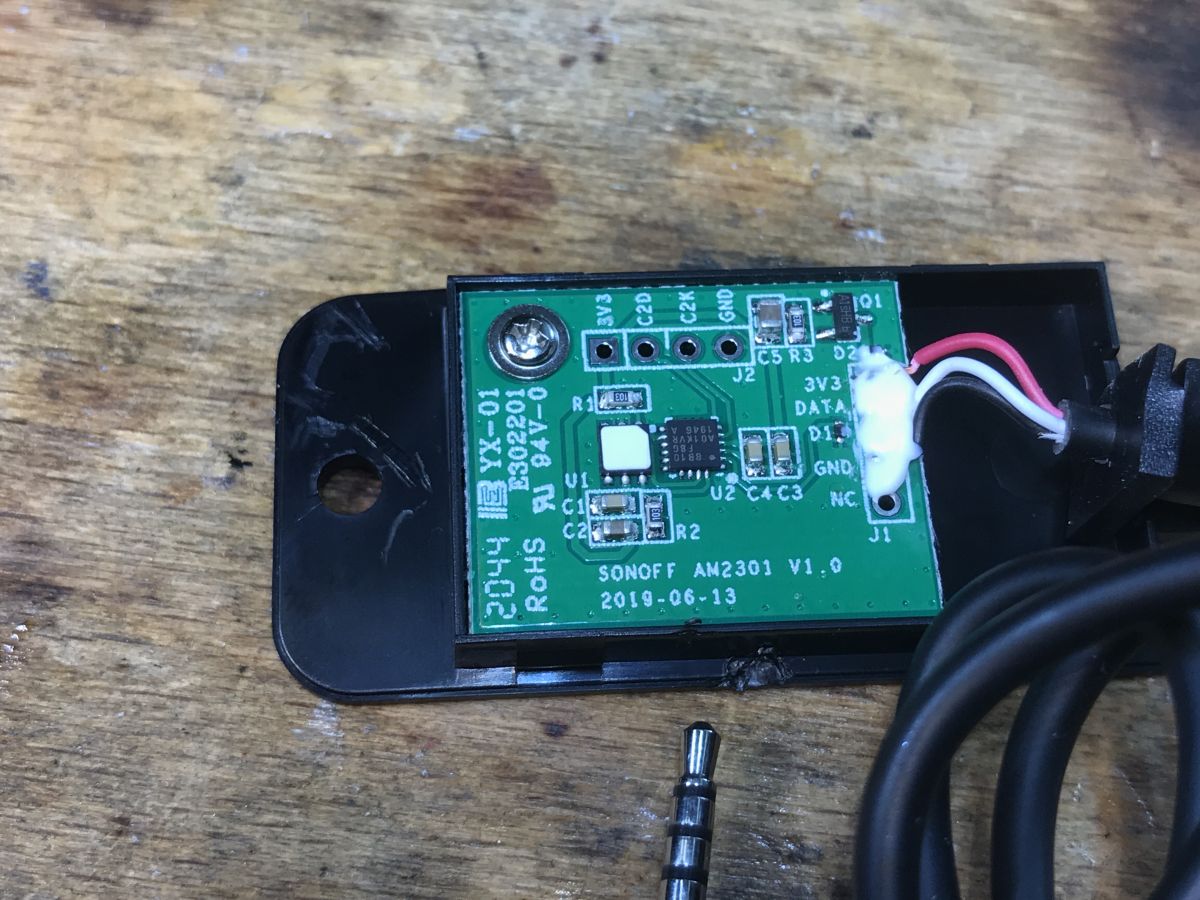
After removing the casing:
Close-up of the AM2301 temperature and humidity sensor PCB with a jack socket. Image of the interior of the AM2301 sensor on a wooden background. Interior of AM2301 temperature and humidity sensor showing the circuit board. .
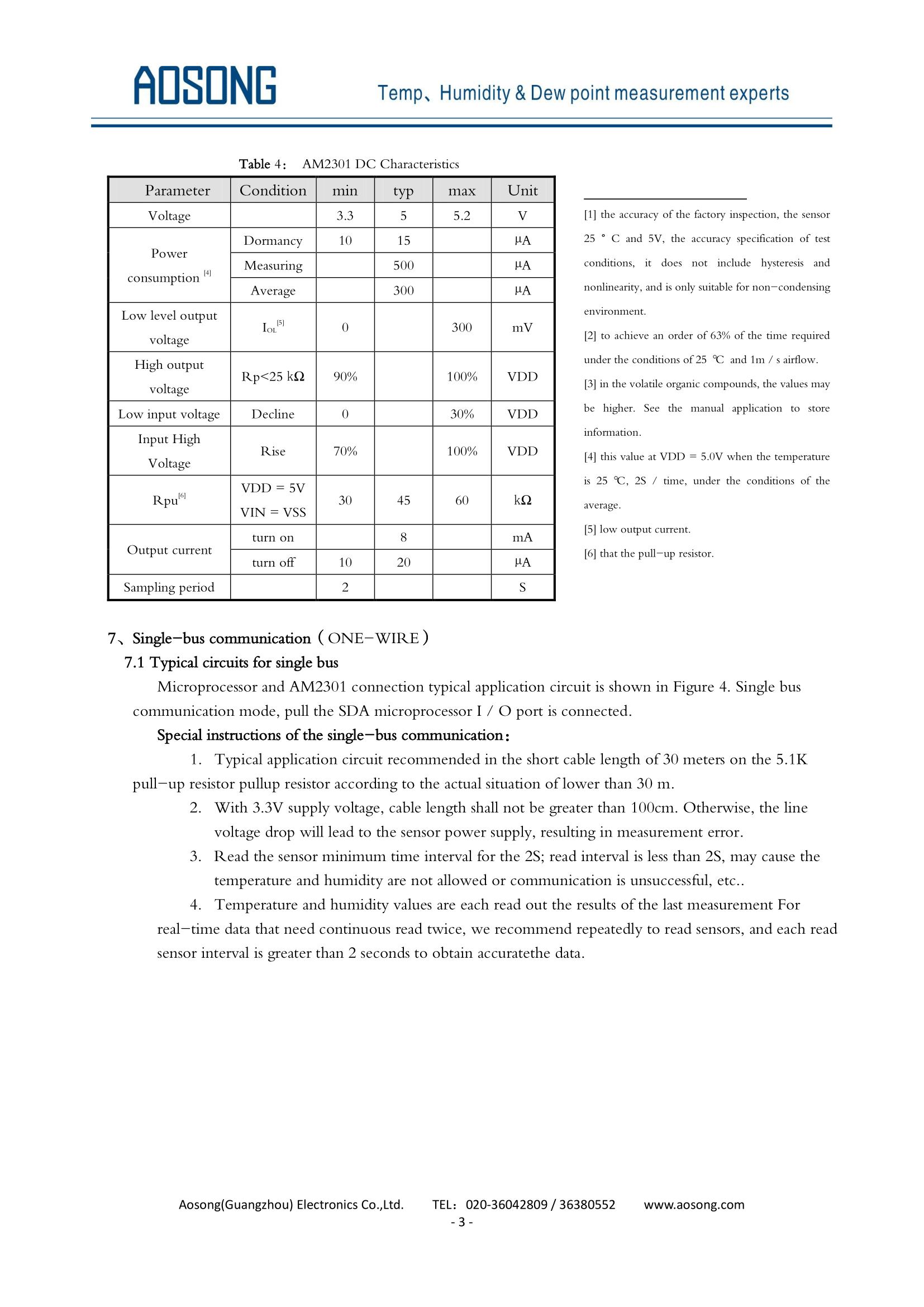
Well again - full documentation is available online:
https://wiki.iteadstudio.com/images/3/39/AM2301_Manual.pdf
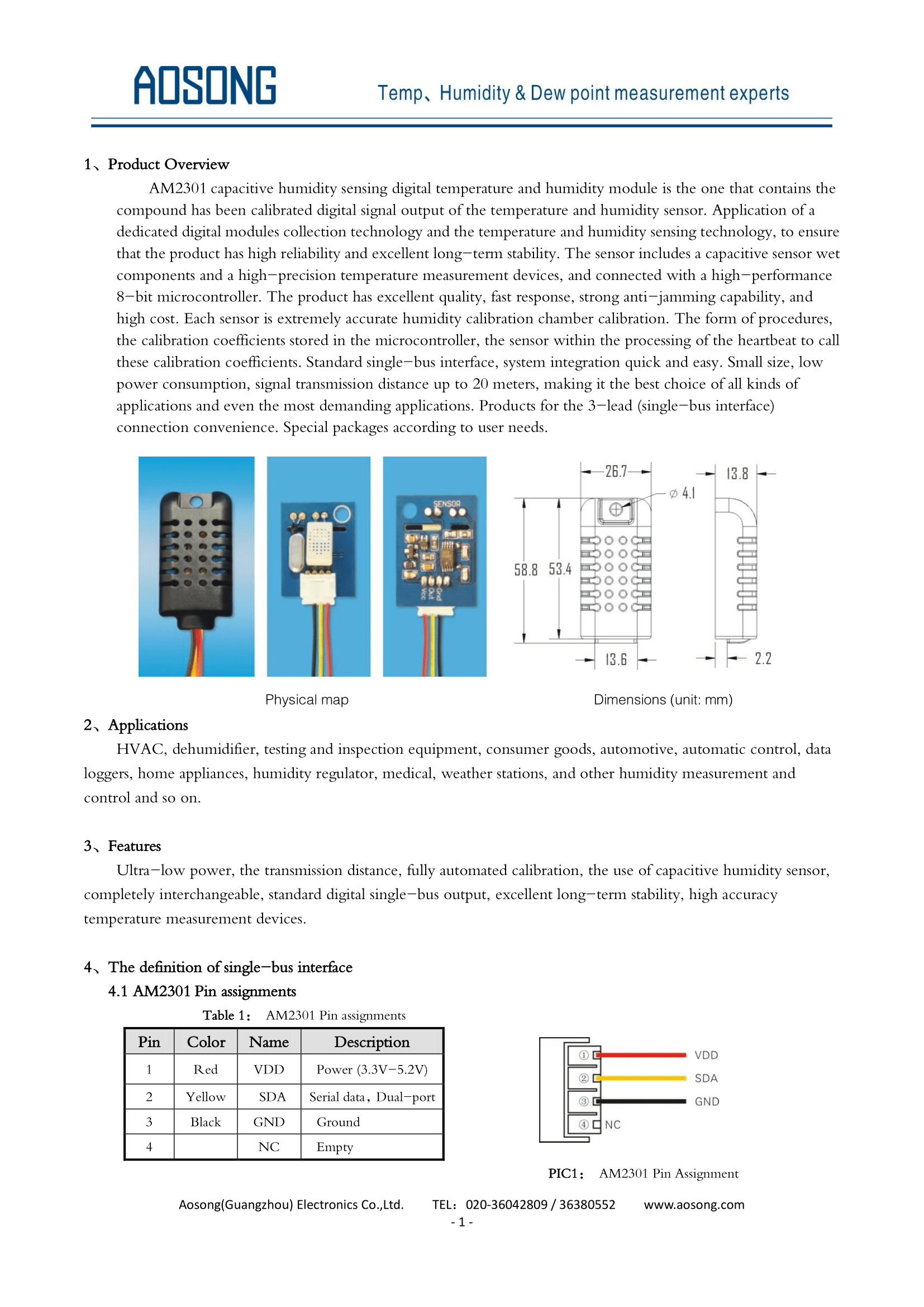
AM2301 temperature and humidity sensor specification Table with technical specifications of Aosong AM2301 sensor.

Summary .
At first I thought I was going to have to work out the hardware from 0, as with many of the entries on our list of interior IoT devices , but here, thankfully, everything was already documented. There was even a diagram! The equipment itself also looks pretty good, it's a shelf higher in quality than the Tuya. I think it can definitely be recommended. Plus you can get it with a variety of sensors, so there's something for everyone.
Does anyone reading use this type of sensor, and if so, on the original firmware or after flashing? Feel free to discuss. .
About Author
p.kaczmarek2
p.kaczmarek2 wrote 14232 posts with rating 12129 , helped 647 times. Been with us since 2014 year.

Comments

wosiekpl 12 Aug 2024 17:22

Welcome Nice that you posted this article about uploading firmware to this controller. I happen to have a problem with the original Sonoff, after the update it works but shows neither temperature nor... [Read more]

p.kaczmarek2 12 Aug 2024 17:56

Hello, do you want this to work with the original Sonoff firmware or do you want to upload Tasmota or Supla there? Tasmota from what I remember also supports Si7021 and I think I even encountered this... [Read more]

wosiekpl 12 Aug 2024 18:05

Hello I use the Sonoff to switch on the living room lamp (I have two other models, Basic, also for this purpose) when I am away from home for a longer period of time. It is supposed to simulate my presence.... [Read more]

p.kaczmarek2 12 Aug 2024 18:07

But if you upload Tasmota then the device will no longer work with eWeLink or Home. It will be accessible locally, by IP, possibly via Home Assistant. You can also upload Supla, they have their own... [Read more]

FAQ

TL;DR: The £100 WS-03H1 kit hides a 1 MB flash ESP8266 board; "it's simply a Sonoff TH10/16 repainted", notes p.kaczmarek2 [Elektroda, 21188493] Restore old firmware with esptool.py or flash Tasmota in under 5 minutes.

Why it matters: A quick flash frees the device from cloud lock-in while keeping full temperature/humidity telemetry.

Quick Facts

• Price for base+sensor: ~£100 [Elektroda, 21188493] • MCU/storage: ESP8266 + 1 MB Puya P25Q80H SPI flash [Elektroda, post #21188493] • Relay rating: 16 A @ 250 VAC (Sonoff TH16 spec, ITEAD) • Sensor port: 2.5 mm 4-pole audio jack, data on GPIO14 [Elektroda, 21188493] • Power: Fly-back CSC7102C + 3.3 V LDO, standby ≈0.5 W (ITEAD Wiki)

What hardware sits inside the elHome WS-03H1?

The board is a re-branded Sonoff TH10/16. It uses an ESP8266, a Puya P25Q80H 1 MB flash, a CSC7102C fly-back converter, an LDO for 3.3 V, and a Hongfa 16 A relay [Elektroda, 21188493]

Why did my TH10/16 stop showing temperature after an OTA update?

Several users report that the new stock firmware breaks sensor communication on GPIO14, leaving AM2301 or Si7021 readings blank [Elektroda, wosiekpl, post #21188794]

Can I revert to the original Sonoff firmware?

Yes. First dump your current 2 MB image with esptool.py. Then flash an archived BIN that matches your hardware. If it fails, restore the backup [Elektroda, 21188819]

Which sensors work after flashing Tasmota?

Tasmota supports AM2301, Si7021, DS18B20 and external AL560 cable on this model. All connect to GPIO14 via the jack [Blakadder Template].

Will Tasmota still integrate with eWeLink or Google Home?

No. After flashing, the device leaves the eWeLink ecosystem. Control shifts to its local web UI, MQTT or Home Assistant [Elektroda, 21188832]

How do I flash Tasmota in three steps?

  1. Solder 3 V3, RX, TX, GND; hold the button (GPIO0) during power-up.
  2. Run tasmota.github.io/install or esptool.py write_flash 0x0 tasmota.bin.
  3. Connect to the Wi-Fi AP, open 192.168.4.1, and enter your network credentials. Flashing time is <5 minutes.

What template should I paste into Tasmota?

Use the Sonoff TH template: {"NAME":"Sonoff TH","GPIO":[17,255,0,255,255,0,0,0,21,56,255,0,0],"FLAG":0,"BASE":4} [Elektroda, 21188493] Then set GPIO14 as AM2301 or the sensor you own.

Is the 1 MB flash large enough for updates?

Yes for standard Tasmota builds (<600 kB). Dual-bank updates need ≥1 MB free. If you install larger builds, compile minimal firmware first, then OTA the full build [Tasmota Docs].

What’s an edge-case that can brick the board?

Flashing a 2 MB image to a model that actually has 1 MB flash causes boot loops because the firmware crosses the flash boundary [Tasmota Docs].

How can I back up the factory image?

Run esptool.py read_flash 0 0x200000 backup.bin. The command saves the full 2 MB to your PC in ~90 seconds at 115200 baud [Elektroda, 21188819]

Does the WS-03H1 consume less power than a Tuya-based plug?

Typical standby draw is about 0.5 W versus 0.8 W on many BK7231N Tuya plugs, a 38 % saving (ITEAD Wiki).

What are the relay’s practical limits?

Although rated 16 A, keep continuous loads below 12 A for better thermal margins. The PCB trace width is the limiting factor [Sonoff TH16 datasheet].

Is any protection included on the mains side?

Yes. The board has an MOV surge suppressor and an X2 filter capacitor, uncommon in budget smart plugs [Elektroda, 21188493]

Can I use the device without soldering?

Yes. Use an external 4-pin programming jig that grips the header pads. Still, you must press the button to enter bootloader mode [Elektroda, 21188493]

What firmware alternatives exist besides Tasmota?

Supla offers cloud control; ESPHome provides YAML-based integration with Home Assistant. Both support AM2301 on GPIO14 [Supla Docs].

How accurate is the bundled AM2301 sensor?

Typical accuracy is ±0.3 °C and ±2 % RH in the 0–60 °C range (AM2301 Manual).
%}