






1. How big is the room in which the TV is to be located? - approx. 10 m2 (bedroom)
2. How far are we from the TV screen? - 2 - 3 m
3. How many people sit in front of the TV? - 2-4 (including 2 children)
4. Are we sitting in front of the screen or also sideways to the screen? Straight
5. Should the TV stand or should it hang? - hanging on the wall
6. How does the sun shine in the room? - a window opposite the TV, but I have blackout blinds so it shouldn't be a problem. Even with the sun exposed, the sun will never shine directly on the TV
7. What kind of TV do you currently have? - Some old Panasonic 28 "cathode ray tube. Not turned on recently, I prefer a laptop or a 22" monitor.
8. What do we want the TV to have? - smart TV or similar solution, wifi is not necessary, because the router is close, but it will be a nice addition
9. What signal will be connected to the TV? - mainly terrestrial TV + satellite, maybe one day cable TV.
10. What devices? - definitely a hard drive / flash drive, a laptop must be wireless
11. How many hours a day is the TV set to work? - little 1-2, sometimes in the evening some movie "to the pillow"
12. Does it happen that you watch only one program for several hours? - rather rarely
13. What kind of programs do you watch the most? - some movie, fairy tales for children, nature science, sometimes a cabaret
14. Are you going to surf the internet? - probably not, I did not do it on TV, rather only movies from the Internet
15. Are you going to play games - if so, how many% a day? - it is not my priority. I will definitely want to test eg Wiedzmin on something bigger than a 22 "monitor. If it doesn't work, I won't cry.
16. Brand Preference? - rather branded, because the wife is "allergic" to unbranded. I like experiences, but it's mainly my wife who watches TV. Besides, I don't. My colleagues from the room at work mainly have Samsung, I wonder where the fashion comes from. I also have 2 slightly older Samsung phones (A5 and J3 - my and my wife's previous one). When there will be Samsung TV, I will definitely test whether it can be used somehow.
17. Size preferences? - 32 "because I have a maximum width of 83-84 cm on the wall. I will buy something bigger for the guest room.
18. What annoys you in TV sets? - I don't know, slow channel switching (but it's a matter of the tuner)
19. Do you watch more in the evenings or during the day? - more in the evening
20. To what maximum amount do you plan to purchase? - 1000-1500. I can do more if the difference is adequate to the price
21. How often do you replace televisions at home? - Very rare, last one
the change was perhaps over 10 years ago
22. Do you use internet applications often? - definitely YouTube, Showmax, Netflix, CDA, sites with cartoons for children and the like
The TV is for the bedroom, to play a movie in the evening, sometimes a fairy tale for children. I will definitely connect a disk or USB flash drive to it. Certainly too
I want to be able to play movies from the Internet. I would like to be able to connect my laptop wirelessly (lenovo yoga 500). I have a router nearby
so I can pull the cable, but if there is Wifi, it will also be a nice addition (it seems that most of them already have)
I wonder if I absolutely need Full HD? It seems to me that under these conditions, the difference may be minimal.
I was wondering about:
Samsung UE32M5622
Samsung UE32M5602
Philips 32PFS5823 / 12
Toshiba 32L3733DG
I do not know how these Samsung differ.
I do not really understandwhy Samsung are about PLN 300-400 more expensive than Philips, although "on paper" weighs better.
If I give up full hd, maybe:
Sharp LC-32HI5432E
Sharp LC-32HG5242E
Panasonic TX-32ES400E
Philips 32PHS5301 / 12
2. How far are we from the TV screen? - 2 - 3 m
3. How many people sit in front of the TV? - 2-4 (including 2 children)
4. Are we sitting in front of the screen or also sideways to the screen? Straight
5. Should the TV stand or should it hang? - hanging on the wall
6. How does the sun shine in the room? - a window opposite the TV, but I have blackout blinds so it shouldn't be a problem. Even with the sun exposed, the sun will never shine directly on the TV
7. What kind of TV do you currently have? - Some old Panasonic 28 "cathode ray tube. Not turned on recently, I prefer a laptop or a 22" monitor.
8. What do we want the TV to have? - smart TV or similar solution, wifi is not necessary, because the router is close, but it will be a nice addition
9. What signal will be connected to the TV? - mainly terrestrial TV + satellite, maybe one day cable TV.
10. What devices? - definitely a hard drive / flash drive, a laptop must be wireless
11. How many hours a day is the TV set to work? - little 1-2, sometimes in the evening some movie "to the pillow"
12. Does it happen that you watch only one program for several hours? - rather rarely
13. What kind of programs do you watch the most? - some movie, fairy tales for children, nature science, sometimes a cabaret
14. Are you going to surf the internet? - probably not, I did not do it on TV, rather only movies from the Internet
15. Are you going to play games - if so, how many% a day? - it is not my priority. I will definitely want to test eg Wiedzmin on something bigger than a 22 "monitor. If it doesn't work, I won't cry.
16. Brand Preference? - rather branded, because the wife is "allergic" to unbranded. I like experiences, but it's mainly my wife who watches TV. Besides, I don't. My colleagues from the room at work mainly have Samsung, I wonder where the fashion comes from. I also have 2 slightly older Samsung phones (A5 and J3 - my and my wife's previous one). When there will be Samsung TV, I will definitely test whether it can be used somehow.
17. Size preferences? - 32 "because I have a maximum width of 83-84 cm on the wall. I will buy something bigger for the guest room.
18. What annoys you in TV sets? - I don't know, slow channel switching (but it's a matter of the tuner)
19. Do you watch more in the evenings or during the day? - more in the evening
20. To what maximum amount do you plan to purchase? - 1000-1500. I can do more if the difference is adequate to the price
21. How often do you replace televisions at home? - Very rare, last one
the change was perhaps over 10 years ago
22. Do you use internet applications often? - definitely YouTube, Showmax, Netflix, CDA, sites with cartoons for children and the like
The TV is for the bedroom, to play a movie in the evening, sometimes a fairy tale for children. I will definitely connect a disk or USB flash drive to it. Certainly too
I want to be able to play movies from the Internet. I would like to be able to connect my laptop wirelessly (lenovo yoga 500). I have a router nearby
so I can pull the cable, but if there is Wifi, it will also be a nice addition (it seems that most of them already have)
I wonder if I absolutely need Full HD? It seems to me that under these conditions, the difference may be minimal.
I was wondering about:
Samsung UE32M5622
Samsung UE32M5602
Philips 32PFS5823 / 12
Toshiba 32L3733DG
I do not know how these Samsung differ.
I do not really understandwhy Samsung are about PLN 300-400 more expensive than Philips, although "on paper" weighs better.
If I give up full hd, maybe:
Sharp LC-32HI5432E
Sharp LC-32HG5242E
Panasonic TX-32ES400E
Philips 32PHS5301 / 12
 )
)
 According to the above information, buying a TV with worse resolution should be better (?). On the other hand, buying 50 "with less than Full HD seems to me a bit ... strange? I have the impression that something is not fully understood.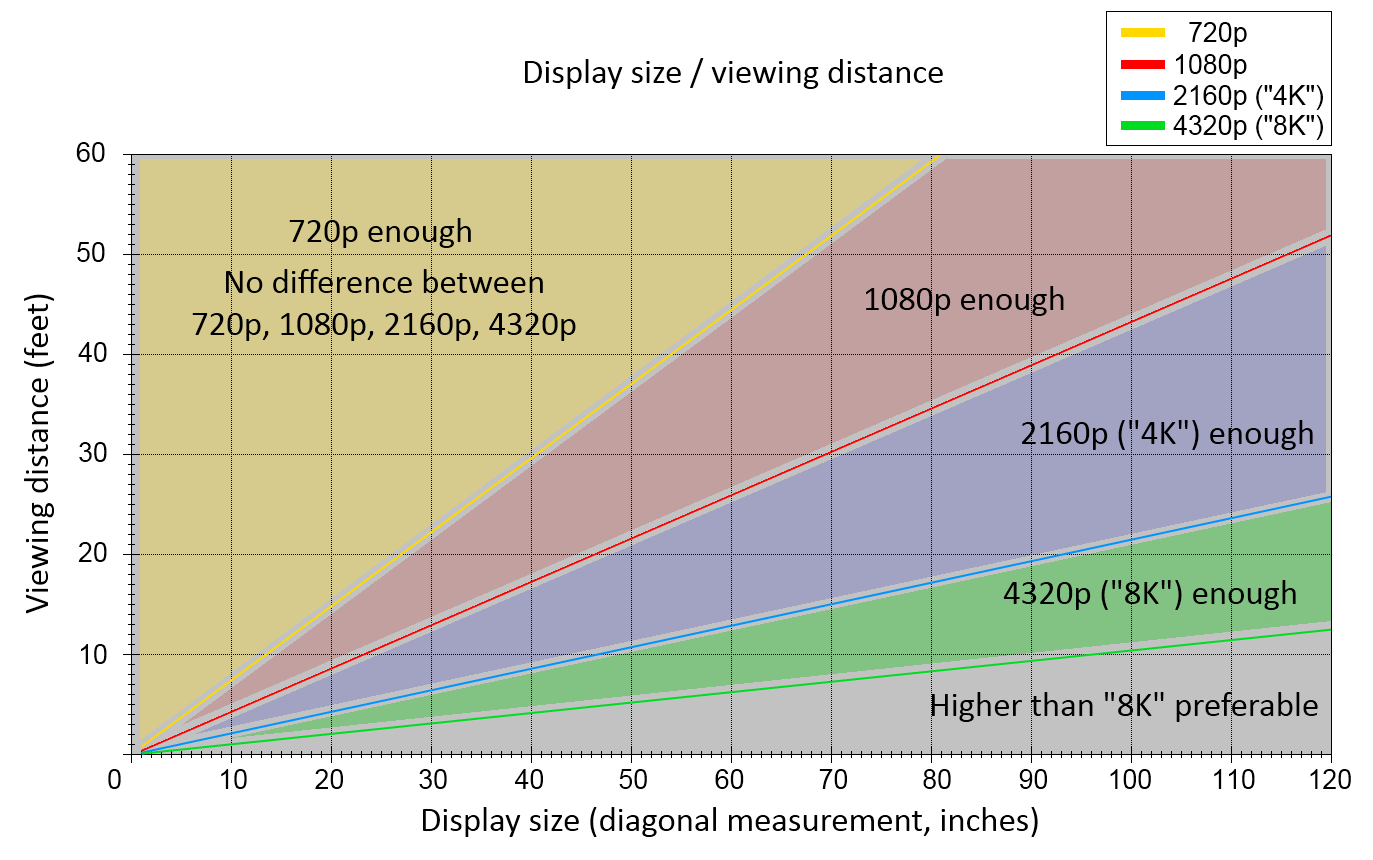

 Unfortunately, the change of the location of the TV did not pass. He leaves 32 ". I think he will decide on the Samsung UE32M5622. Now I have a question about wall mounting (VESA 100x100 mm, 32", 5.5 kg). What do you recommend, because there is so much that ... large, although for 32 "it probably does not need much. The TV should hang on the wall, as close as possible to the wall. this subject?
