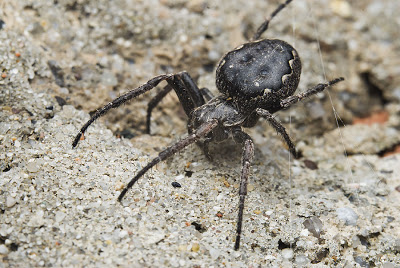
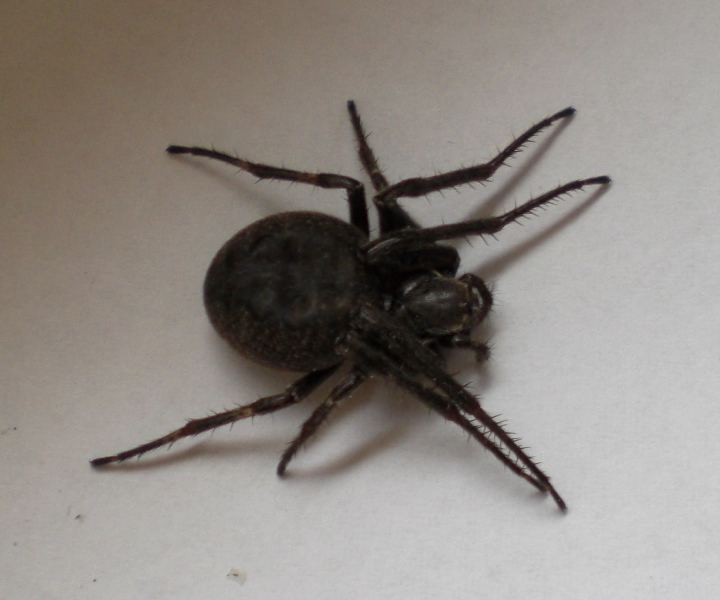
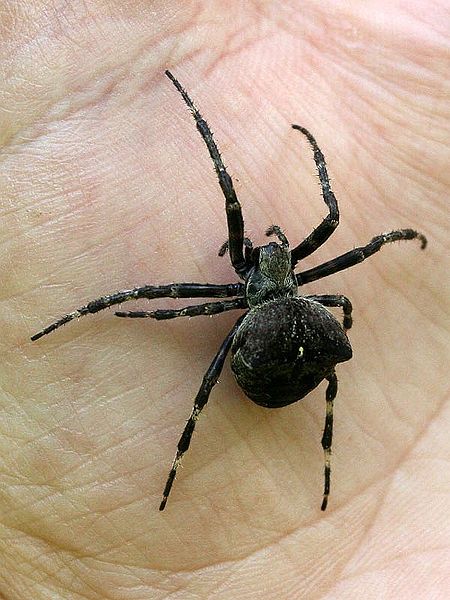
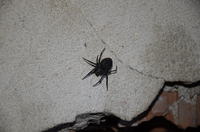
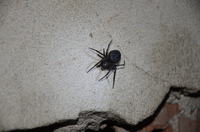
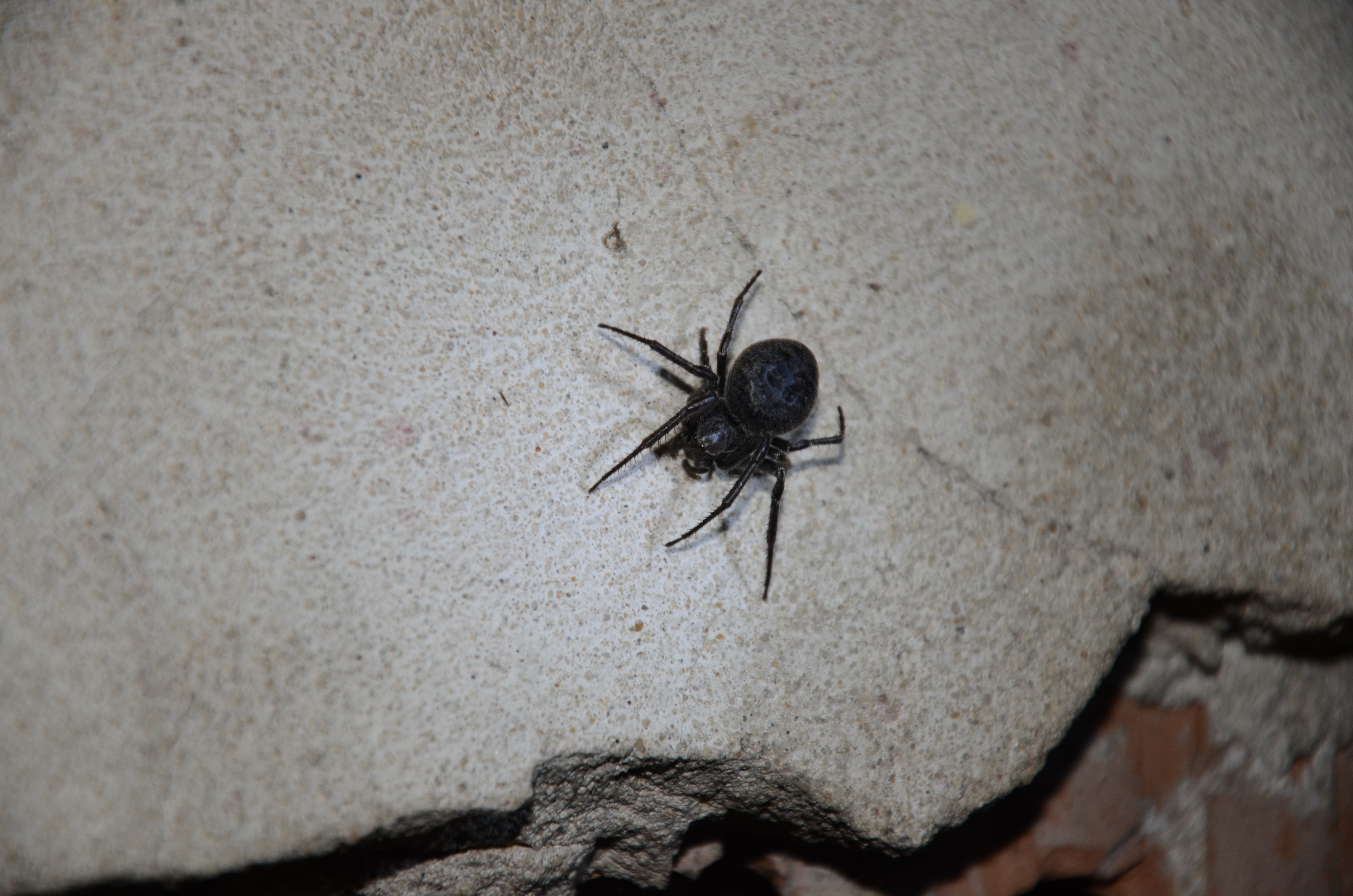
Such a spider lived on my garage wall - anyone know what model it is? :D




Czy wolisz polską wersję strony elektroda?
Nie, dziękuję Przekieruj mnie tamandk1eltd wrote:In natural conditions there are no tarantulas in Poland - but you never know what people keep under their beds

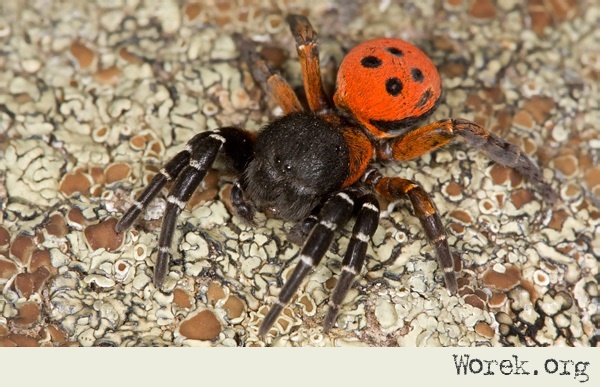
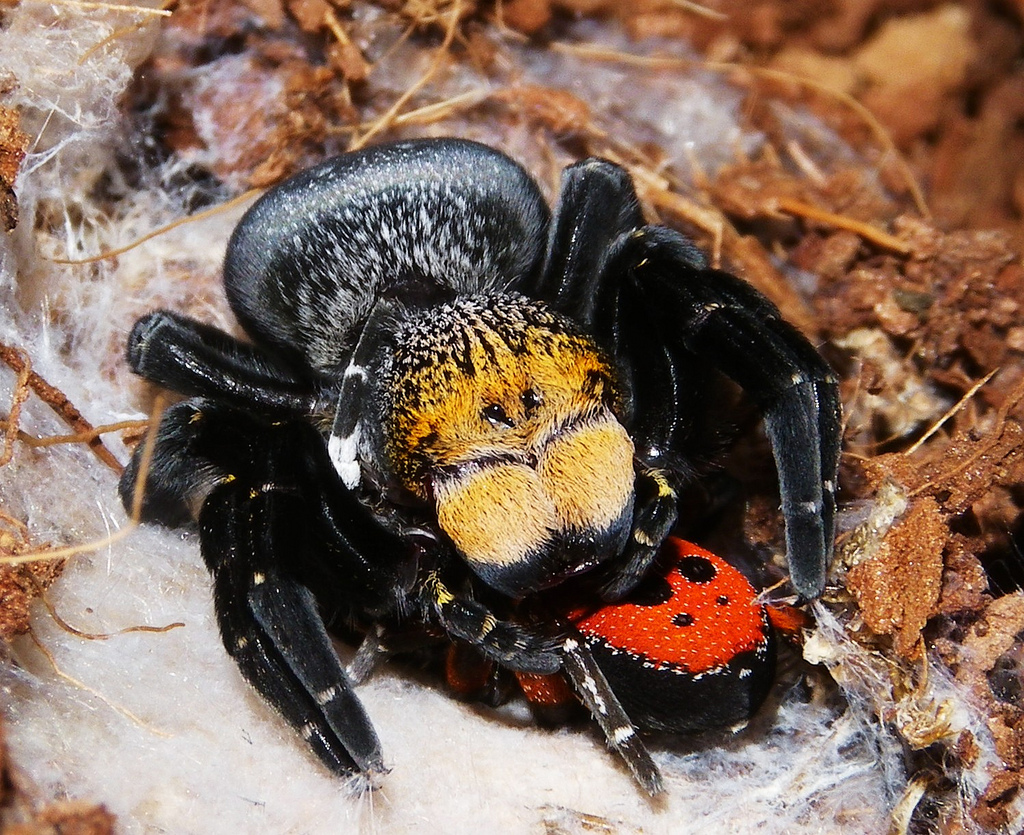
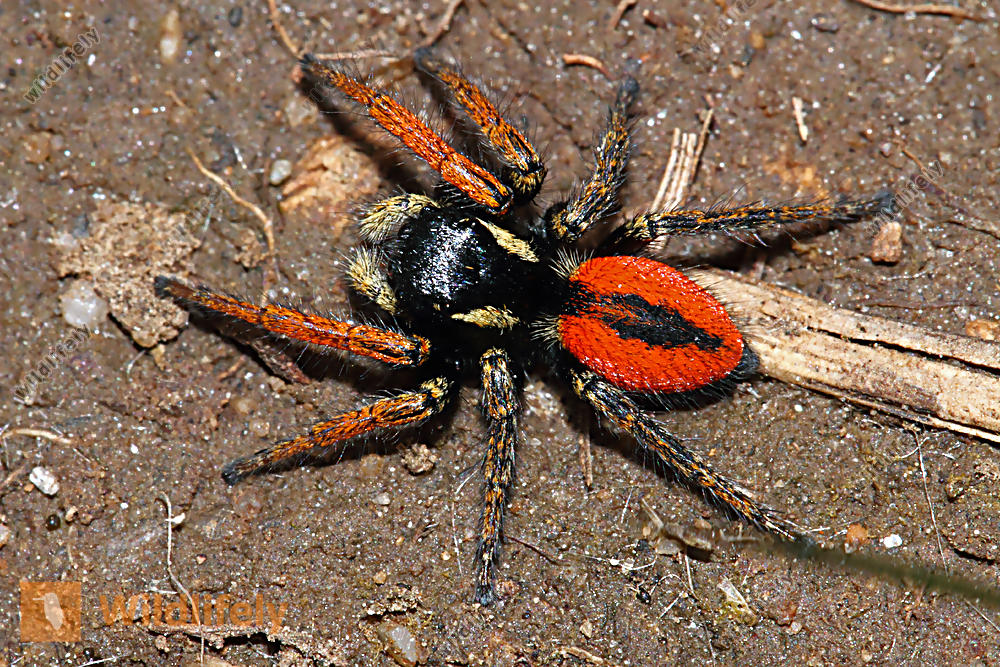
Madrik wrote:andk1eltd wrote:In natural conditions there are no tarantulas in Poland - but you never know what people keep under their beds
Are.
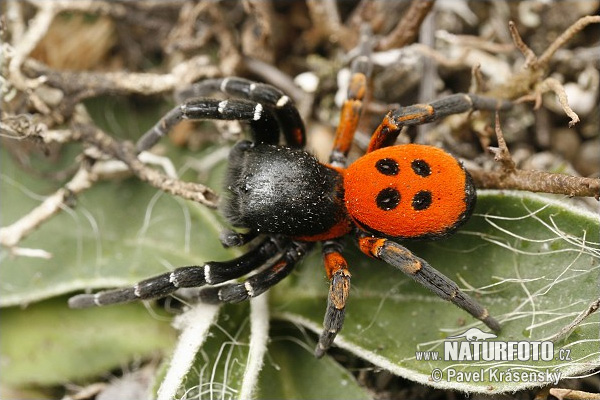
If I'm not mistaken, 3 species of the gnat family. All small and quite rare. They do not hunt birds, because for them the cricket is a large prey. Nevertheless - as it is common for tarantulas, they have a similar body structure as their tropical counterparts and exceptionally large, as for the size of the body - chelicerae and are able to painfully bite a human. But they won't do anything serious.
We also have one species that looks like a black widow, but it's not venomous (as much) and it doesn't have that red spot. He likes cellars.
it and tarantulas are separate families. But for Kowalski (and especially for Kowalski ) a spider is a spider - and probably extremely venomous
Madrik wrote:There is only one spider in Poland that can cause something more serious in humans. And it is a cave spider from Ojców. An endemic species that lives in caves. Very slow (slowed metabolism), difficult to access (lives in caves), large (the largest of our spiders). And the most venomous, because it rarely comes into contact with the prey and the attack must be effective, because there will be no second attempt.
But even this spider is not deadly poisonous. The bite just hurts. The bee is much more dangerous.
 Females can reach a size of up to 2-2.5 cm + legs. And its bite can cause considerable swelling and even minor tissue necrosis. But of course it's not deadly either


TL;DR: 98 % of Poland’s ~800 spider species are harmless to people [UniWrocław, 2021]; "they're not dangerous, but they are useful" [Elektroda, Madrik, post #20066554] The photo shows a crack orb-weaver (Nuctenea umbratica), not a widow or tarantula. Why it matters: Correct ID saves beneficial predators from needless vacuum-cleaner deaths.
• 800–830 spider species recorded in Poland [UniWrocław, 2021] • Only 2–3 species give medically relevant bites (usually mild) [European Arachnol., 2020] • Crack orb-weaver size: females 9–15 mm, males 6–10 mm [WSC, 2022] • Argiope bruennichi females reach 14–25 mm body length [WSC, 2022] • Typical spider bite swelling subsides within 24–48 h without treatment [CDC, 2019]