logo elektroda
logo elektroda
X
logo elektroda

[Solved] Does anyone know what this is - is it caused by mice?

kp. 20616 18
ADVERTISEMENT
Treść została przetłumaczona polish » english Zobacz oryginalną wersję tematu
  • #1 19057167
    kp.
    Level 11  
    Posts: 197
    Rate: 17
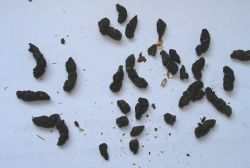
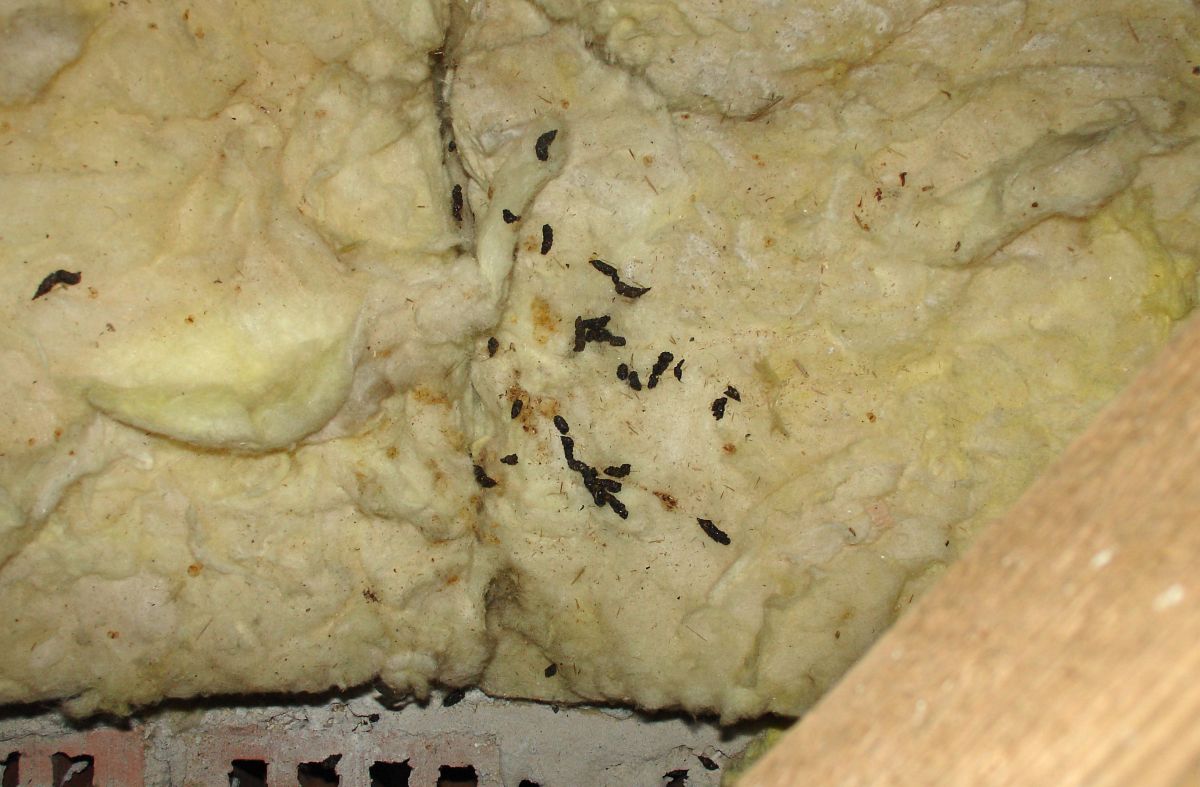
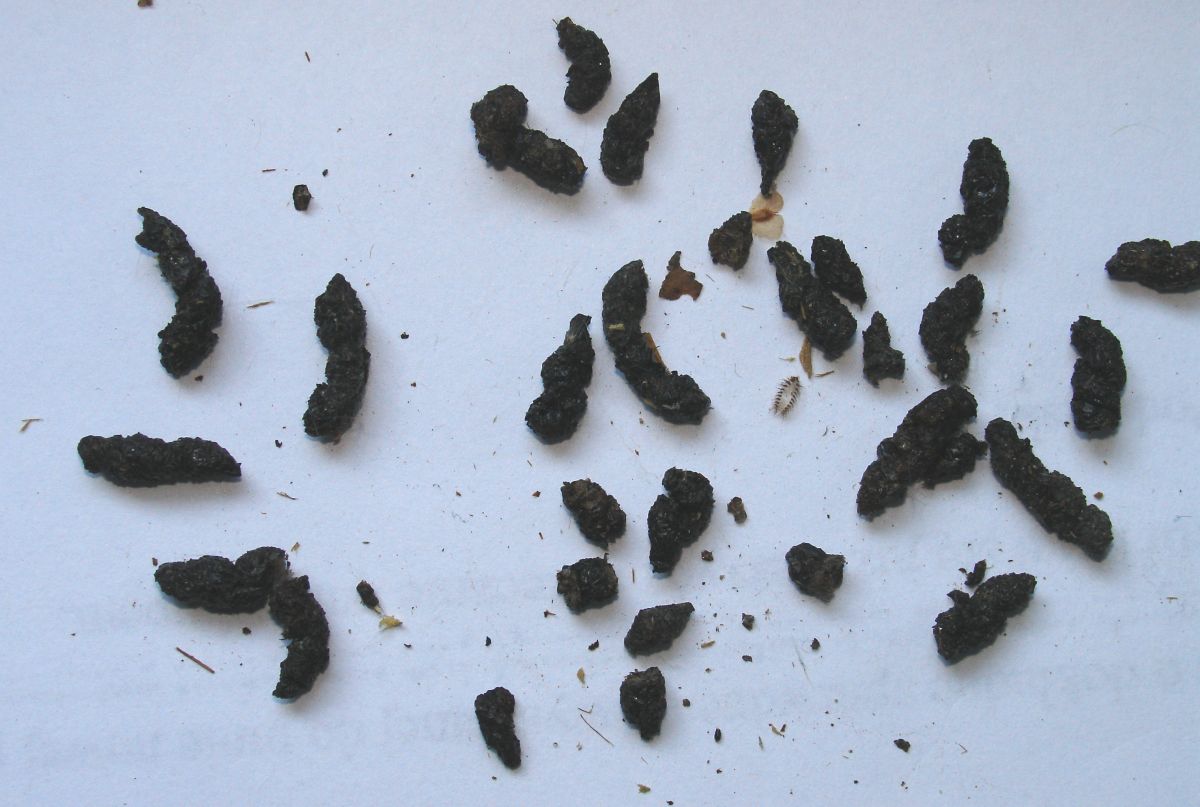
    Hello, I have never had any such surprises for several years, until today in the attic I discovered something like this, my first thought was mouse droppings, but maybe it`s something else, does anyone of you know?

    Or maybe it was some bug that did something, it didn`t happen in the summer so it`s not that old, and there is no smell, not to mention any stench.

    In fact, only in this one place there are a few individual "bobs" on one horizontal beam, above the wool from the photo, i.e. in the close vicinity, everywhere you look clearly.

    Are these actually mice or are there any other options?
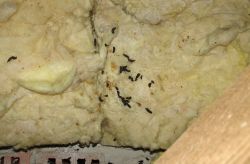
    Does anyone know what this is - is it caused by mice?

    Does anyone know what this is - is it caused by mice?
  • ADVERTISEMENT
  • #2 19057474
    blekis
    Level 27  
    Posts: 670
    Help: 116
    Rate: 242
    The first photo visually indicates mouse feces. As for the second photo, it`s hard for me to say because I`ve never seen them with such magnification ;)
  • #3 19057511
    kp.
    Level 11  
    Posts: 197
    Rate: 17
    blekis wrote:
    The first photo visually indicates mouse feces


    So it`s a mouse after all, I prefer this option over a marten, although I`ve never seen anything like that on my plot and marten droppings seem to look different from what I`ve searched and, above all, they seem to smell bad.
  • ADVERTISEMENT
  • #4 19057589
    blekis
    Level 27  
    Posts: 670
    Help: 116
    Rate: 242
    The marten has larger ears.
  • #5 19057647
    Romulus7874
    Level 29  
    Posts: 1766
    Help: 109
    Rate: 453
    It`s probably going to be a bat.
  • #6 19057676
    kp.
    Level 11  
    Posts: 197
    Rate: 17
    Romulus7874 wrote:
    It`s probably going to be a bat


    Oh, and that could be possible, because there are bats in my place.

    The only question is how he could get in, I had one hole cut out in the boards (because the roof is fully boarded) for the entrance from the ventilation chimney and there was some space there, so he would be able to get in there, but there are still tiles on the roof.
    He would also have to go under the roof tiles somewhere and crawl there and find the hole in the fireplace boards (by the way, I have already covered it/sealed it with plaster mesh).
    Can they crawl under the roof tiles? :) ?

    Well, unless it got in through the fireplace, I don`t know how big the gap is, but it`s probably too small.

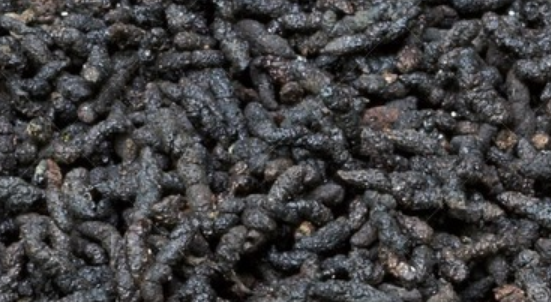
    I found a photo of bat droppings on the Internet and it actually looks like mine

    Does anyone know what this is - is it caused by mice?
  • #7 19057746
    Millaka
    Level 24  
    Posts: 2241
    Help: 59
    Rate: 225
    And I would be happy to have a bat in the attic :D
    Not only is it a nice animal, but it also exterminates all the pests that appear there and these few little pieces of shit are worth it.
  • #8 19057768
    kp.
    Level 11  
    Posts: 197
    Rate: 17
    Yes, you`re right, I was happy because I prefer it to mice, but overall, these are just a few pieces of crap now.
    and if there were to be so much of it that it had to be shoveled out (and it`s probably just a matter of time), and it`s rather difficult to use this wool, I`d rather he let this place go. :)

    And I would love to look at them outside in the evening while they are flying :)
  • #9 19057919
    Anonymous
    Level 1  
  • ADVERTISEMENT
  • #10 19059233
    kp.
    Level 11  
    Posts: 197
    Rate: 17
    I will assess whether they are there differently, I will simply remove these "few" pieces of crap :) and after some time I will check whether they are there again or not... :)
  • ADVERTISEMENT
  • #11 19060381
    ArturAVS
    Moderator
    Posts: 26012
    Help: 2295
    Rate: 7713
    atom1477 wrote:
    Record the sound with 96kHz sampling and you will see if they are still there.

    And what good will it give him? How it hears max up to 20kHz and much more depends on the microphone and what it plays on.

    @kp.. read; https://www.elektroda.pl/rtvforum/topic1854876.html By the way, how @Millaka mentioned, we should be happy, and the second thing is that a bat is, after all, a mouse equipped with wings by nature :D Just a few years ago, I had a whole herd of these rodents in my attic (an over a hundred-year-old building that remembers the Tsar). no mosquitoes, flies or other flying vermin. The administration "evicted" the poor animals and now in the summer there is a plague of flying pests :-(
  • #12 19060713
    kp.
    Level 11  
    Posts: 197
    Rate: 17
    ArturAVS Well, you know, it all depends on the situation, a historic, hundred-year-old house probably had concrete or some boards on the floor or in the attic, so it`s easier to clean up.
    In current construction, there is often a so-called attic where the ceiling on the first floor is suspended (some people in single-story houses even have such a ceiling, they do not make a concrete ceiling) and insulated with wool from above, a lot of wool covered with a lot of shit, I guess it`s not that good, still all we need is for some water to get there and we have manure above our heads, and then won`t some other vermin spawn there?

    As for mosquitoes, I have never seen a mosquito there in my life, and even that is not important in this place.
    Generally, I don`t have many mosquitoes, it`s probably because I have bats outside and that`s where they belong, this is my opinion and no one will convince me otherwise. :) .

    In your home, please, everyone can do whatever they want, even keep a cow in the next room, because it can also be nice, go to the next room and milk some fresh milk. :) .

    And besides, bats may also spread something, the Chinese tell us that Covid-19 comes from bats, I don`t believe them here, but you see.

    Something about it : :
    "...in buildings they can be a nuisance, forming smaller or larger concentrations (colonies). Rabies occurs in 4-6% of bats. They spread parasites: bedbugs, fleas, blood-sucking mites. The smell of bats and their urine is also unpleasant. The droppings have no "they have an unpleasant smell, but their guano is a breeding ground for the fungus Histoplasma capsulatum, which causes the dangerous human disease histoplasmosis. Guano attracts flies, cockroaches and other coprophages."

    Source: https://muratordom.pl/ogrod/porady-ogrodnicze/nietoperze-aa-hGh9-774D-5zBt.html
  • #13 19060714
    avatar
    Level 36  
    Posts: 4139
    Help: 159
    Rate: 413
    Bats are not the creatures responsible for the coronavirus?
  • #14 19060726
    Anonymous
    Level 1  
  • #15 19061069
    prosiak_wej
    Level 39  
    Posts: 5273
    Help: 501
    Rate: 1456
    Or change the sampling to move the recording to a lower band.
  • #16 19061094
    Anonymous
    Level 1  
  • #17 19061113
    prosiak_wej
    Level 39  
    Posts: 5273
    Help: 501
    Rate: 1456
    What if there isn`t? As old as time Cool Edit: Menu Edit > Adjust Sample Rate.
  • #18 19061135
    Anonymous
    Level 1  
  • #19 19061211
    kp.
    Level 11  
    Posts: 197
    Rate: 17
    Well, there is no point in debating with sheet metal, foil, etc
    Especially since in Something about it everything was explained what dangers it carries.

    To finish the topic, I would like to thank my friend very much Romulus7874 for pointing out the clue, I wouldn`t have guessed it was a bat unless I accidentally caught him in the act :)

Topic summary

✨ The discussion revolves around the identification of droppings found in an attic, initially suspected to be mouse feces. Responses suggest that the droppings could belong to either mice or bats, with some participants expressing a preference for bats due to their pest control benefits. The author considers the possibility of bats entering through a ventilation chimney and discusses the challenges of cleaning up droppings in an insulated attic. The conversation also touches on the ecological role of bats and the potential issues of having rodents in the attic, including hygiene concerns and the risk of attracting other pests.
Generated by the language model.

FAQ

TL;DR: Found droppings in your attic? 4–6% of bats carry rabies; "Rabies occurs in 4–6% of bats." This homeowner FAQ shows bat vs mouse ID, checks presence, safe cleanup, and legal next steps. [Elektroda, kp., post #19060713] Why it matters: Correct ID prevents unsafe cleanup, avoids illegal harm, and protects insulation and health.

Quick Facts

  • ID test: Bat droppings crumble into powder when pinched; mouse droppings stay hard and pointed, often with odour. “Crumble test” is decisive. “Bat droppings — Bat Conservation Trust”
  • Entry: Bats can pass through openings about 9–12 mm (≈3/8 in). Check under roof tiles, eaves, and around vents. “Bat Exclusion Guidelines — Bat Conservation International”
  • Health: Guano can harbor Histoplasma; wear N95/FFP2, gloves, dampen before cleanup, and avoid sweeping. [CDC, 2023]
  • Law/timing: In Europe/UK, bats are protected; avoid exclusion during maternity season (approx. May–Aug) without specialist advice. “Bats and the law — Bat Conservation Trust”

How can I tell if attic droppings are from bats or mice?

Do a safe crumble test with gloves. Bat droppings break into powder and show shiny insect fragments. They often sit under roost points or along beams. Mouse droppings are firmer, rice‑shaped with pointed ends, and may smear if fresh. Odour also differs; guano is less pungent than mouse latrines. If it powders and sparkles, it’s guano. If it stays hard and pointed, think mice. Dispose of test material safely after inspection. “Bat droppings — Bat Conservation Trust”

Can bats get under roof tiles or through small gaps?

Yes. Bats can slip through openings around 9–12 mm (about 3/8 inch). They use gaps at eaves, under roof tiles, ridge caps, fascia, and around vents or chimneys. Shine a light at dusk to watch exit points. Seal only after verified absence and at the right season. Use breathable mesh or sealant to close non‑roost gaps. Never block a known roost without proper timing and methods. “Bat Exclusion Guidelines — Bat Conservation International”

How do I check if bats are still in the attic using audio?

You can record at a high sample rate and inspect a spectrogram. “Just open a program such as Audacity and see the spectrum.” How‑To: 1) Set your recorder to 96 kHz or higher. 2) Record at dusk near suspected entry points. 3) Review the spectrogram for short ultrasonic bursts. Specialized bat detectors work even better by shifting ultrasound to audible ranges. [Elektroda, Anonymous, post #19060726]

Do bat droppings smell? How do they differ from mouse droppings?

Fresh bat guano is typically drier, crumbles to powder, and lacks a strong ammonia odour. Crushed pieces show glittery insect fragments. Mouse droppings are denser, often pointed, and can smell due to urine in latrine areas. Location patterns help: bat guano accumulates beneath roosts; mouse droppings scatter along runways and near food. Use gloves and a bag for any handling. “Bat droppings — Bat Conservation Trust”

Is bat guano dangerous? What are the real health risks?

Main concern is histoplasmosis from spores that can grow in accumulations of bat or bird droppings. Reduce risk by avoiding dust generation. Dampen debris, wear N95/FFP2, gloves, and eye protection, and ventilate the area away from living spaces. People with weakened immunity should avoid exposure. Professional remediation is prudent for heavy accumulations. Seal entry points only after safe cleanup and proper timing. [CDC, 2023]

How do I clean small amounts of bat guano safely over insulation?

Mist lightly to suppress dust, then pick up with disposable towels or scoop into a sealable bag. Wear gloves and an N95/FFP2 respirator. Avoid sweeping or vacuuming dry guano. Double‑bag waste and dispose per local guidance. For widespread contamination over insulation, consider professional remediation to avoid spore dispersal through the home. [Bat Guano Cleanup — Minnesota Dept. of Health]

Will guano ruin mineral wool insulation? When should I replace it?

Guano soils and compresses insulation, reducing performance and increasing contamination risk. If droppings are localized, remove and replace only the affected sections after safe cleanup. If contamination is extensive or mixed with urine, full removal and replacement may be warranted. Treat the area as potentially contaminated until cleaned and sealed. [Bat Guano Cleanup — Minnesota Dept. of Health]

Is it legal to remove bats from my attic? When can I do exclusion?

Bats are protected in many countries. Do not disturb roosts or block access during maternity season (approx. May–August) when non‑flying pups are present. Plan exclusion outside that window, after confirming all bats have left. Use one‑way devices and seal only after several bat‑free nights. “Bats and the law — Bat Conservation Trust”

Could bats in my attic give me COVID‑19?

There is no evidence that bats in homes transmit COVID‑19 to people. Avoid handling bats regardless, and never keep wildlife indoors. Focus on safe exclusion and hygiene. If direct contact with a bat occurs, contact health authorities about rabies post‑exposure guidance. [CDC, 2021]

Are martens, mice, or bats more likely based on droppings?

Pine marten scats are much larger, twisted, and often contain fur or berries, with a strong smell. Mouse droppings are small, pointed, and left along routes. Bat guano is pellet‑like but crumbles to powder with insect fragments and minimal smell. Compare size, texture, and placement to decide. “Identifying droppings — The Mammal Society”

Do bats really control mosquitoes around the house?

Bats eat many insects, including mosquitoes, but they do not control mosquito populations effectively around homes. They forage widely and opportunistically. Good mosquito management focuses on removing standing water and using targeted controls. Keep expectations realistic while appreciating bats’ broader ecological benefits. “Bats and Mosquitoes — Bat Conservation International”

What’s a simple way to monitor if droppings return?

Clean the area thoroughly, then re‑inspect after a few days to a week. New pellets in the same spot indicate ongoing activity. Use a tray or clean sheet of card as a witness surface if needed. Note times and weather to correlate with bat emergence. [Elektroda, kp., post #19059233]

How do one‑way bat exclusion devices work, and what’s the risk?

They allow bats to exit but not re‑enter. Install over entry gaps after confirming nightly exits, then permanently seal once no bats return. Edge case: sealing during maternity season traps non‑flying pups, causing fatalities and odour problems. Time exclusion correctly to avoid harm and legal issues. “Bat Exclusion Guidelines — Bat Conservation International”

I recorded at 96 kHz; the spectrum shows nothing. Did I do it wrong?

You may have recorded at the wrong time or place, or your gear missed ultrasound. Many recorders and mics lack true ultrasonic sensitivity. Bat detectors (heterodyne, frequency division, or time‑expansion) convert ultrasound to audible sounds and are more reliable for presence checks. Try dusk at entry points and use appropriate detectors. “Bat detectors — Bat Conservation Trust”

Can I just place a tray or foil to catch droppings as a workaround?

A catch‑tray only manages mess; it does not address entry or legal obligations. Prioritize humane, lawful exclusion at the right season, then seal access gaps. Long‑term tolerance without management can expand colonies and contamination. Plan for permanent fixes with timing and one‑way devices. “Bat Exclusion Guidelines — Bat Conservation International”

Who should I call for bat‑safe removal?

Contact a licensed bat worker, local bat group, or a wildlife control professional experienced in humane exclusion. They will survey roosts, set one‑way exits at the right season, and advise on cleanup. Conservation groups also offer helplines and contractor lists. “Help with bats — Bat Conservation Trust”
Generated by the language model.
ADVERTISEMENT