FAQ
TL;DR: Skoda Fabia 2000 blower is on a 25A supply (Fuse 68); “Power supply from fuse No. 68 with a value of 25A.” Diagnose wiring E9→N24→V2 before swapping parts. [Elektroda, grala1, post #16686632]
Why it matters: This FAQ helps Fabia owners stop blown fuses and overheating sockets without guesswork, saving time and money.
Quick Facts
- Fuse number and rating: No. 68, 25A, feeding the blower circuit. [Elektroda, grala1, post #16686632]
- Typical full-speed current observed: approx. 20.5–21 A on 4th speed. [Elektroda, anusek, post #16687233]
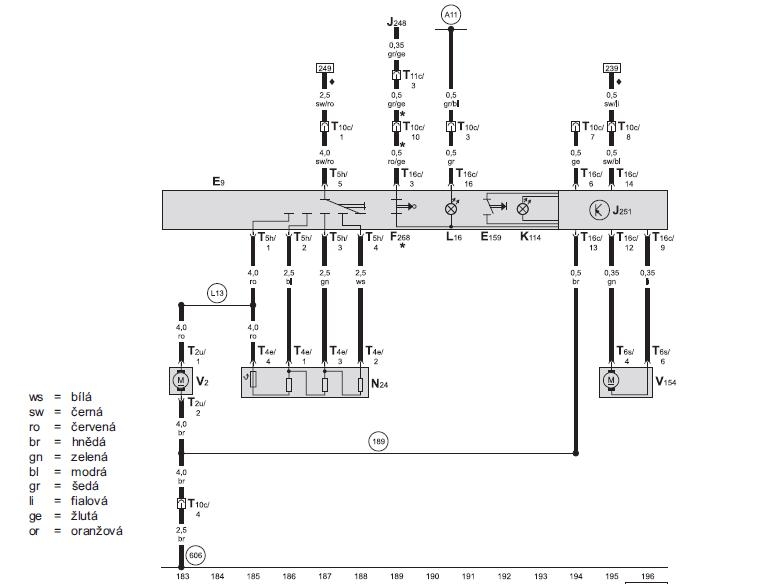
- Manual HVAC path: Fuse 68 → E9 speed switch → N24 resistor → V2 fan motor. [Elektroda, grala1, post #16686632]
- Common root cause: “hard‑rotating rotor” increases current and blows the fuse. [Elektroda, grala1, post #16686394]
- Edge case: A clogged cabin filter can mimic fan overload symptoms. [Elektroda, Ireneo, post #16687110]
Why does my Fabia’s blower fuse blow on 4th speed?
Overcurrent from a dragging blower motor or high resistance in the circuit. The resistor pack and switch feed the motor; excess load pops the 25A fuse. “The most common reason is a hard‑rotating rotor.” Inspect the motor bearings and the resistor pack for damage. [Elektroda, grala1, post #16686394]
What current should I expect at the highest blower speed?
Typical observed draw is about 20.5–21 A at full speed, which is under the 25A protection. If your reading is higher, the motor or airflow path is restricted. Use a calibrated ammeter in series when testing. Replace components if current exceeds the fuse rating by more than a transient spike. [Elektroda, anusek, post #16687233]
Which fuse protects the blower on Skoda Fabia 2000 and where does it feed?
Fuse No. 68 rated 25A supplies the blower circuit. It feeds the E9 speed switch, then the N24 resistor, and finally the V2 blower motor. Verify continuity along this path before replacing parts. Label wires and check connectors for heat damage. [Elektroda, grala1, post #16686632]
How is the manual HVAC blower wired on this model?
Power flows from Fuse 68 (25A) to the E9 speed selector. Lower speeds route through the N24 resistor and then into the V2 motor. The highest speed typically bypasses more resistance, drawing the most current. Inspect each link if you have intermittent operation. [Elektroda, grala1, post #16686632]
How do I measure blower motor current safely?
Use this 3‑step method:
- Disconnect the motor and bench‑test it with a fused 12 V supply and an inline ammeter.
- Record steady‑state current after spin‑up; compare to ~20.5–21 A.
- Reconnect in‑car and repeat on 4th speed to spot wiring losses.
[Elektroda, anusek, post #16687233]
Can a clogged cabin filter cause overheating or blown fuses?
Yes. A clogged filter restricts airflow, raises load, and increases current and heat. This can overheat connectors and the resistor pack, accelerating failure. Replace the filter before deeper diagnostics. It is a low‑cost fix that often restores normal operation. [Elektroda, Ireneo, post #16687110]
Why does my fuse socket get hot on 3rd speed?
Heat at the socket suggests high resistance at terminals or a failing resistor pack. Cracked or degraded resistor assemblies increase heat on mid‑speeds. Replace the resistor pack with an improved unit to stabilize current and reduce connector heating. Inspect and re‑pin burnt terminals. [Elektroda, mateklos, post #20672566]
What fuse value should I use for the blower circuit?
Use the factory‑specified 25A. Do not up‑rate the fuse. “If it burns it, the current is too big.” Fix the cause of overcurrent instead of fitting a larger fuse, which risks wiring damage or fire. [Elektroda, grala1, post #16686394]
What is the N24 blower resistor and its thermal fuse?
N24 is the resistor pack that drops voltage for lower blower speeds. It contains a thermal fuse designed to open on overheat. Oversizing the thermal fuse can allow the pack to burn, damaging the array. Replace with correct parts and fix root causes. [Elektroda, Bartek93snk, post #18005273]
How do I tell if the motor or the resistor is bad?
If only lower speeds fail but full speed works, suspect the N24 resistor. If current is high on full speed and the fuse blows, suspect the motor or airflow restriction. The manual circuit routes speeds via E9 and N24 before the motor, enabling targeted checks. [Elektroda, grala1, post #16686632]
What wire colors go to the Fabia blower motor?
Users report red and brown at the blower, with red/white and brown feeding a preceding plug in the harness. Disconnecting that plug cuts blower operation. Track heat‑stressed connectors in this section when diagnosing intermittent faults. [Elektroda, anusek, post #16686414]
Does the presence of A/C change the blower circuit?
This guidance covers the manual HVAC version. It uses Fuse 68 → E9 switch → N24 resistor → V2 motor. A/C‑equipped cars may add control elements, but the core feed path remains a reference for tracing power and grounds. [Elektroda, grala1, post #16686632]
Is lubricating the blower motor a permanent fix?
No. Lubrication may give short relief, but underlying wear or electrical loading remains. One user lubricated and even swapped in a used motor, yet the fuse still blew. Measure current and address the resistor and wiring, not just the bearings. [Elektroda, anusek, post #16687016]
I replaced the thermal fuse with a larger one and it still burns—why?
Oversizing the thermal fuse masks overheating until the resistor pack or wiring suffers. The root cause is often a failing motor or airflow restriction. Fit the correct thermal fuse and restore factory current by fixing the motor or filter issues first. [Elektroda, Bartek93snk, post #18005273]
VW Fox 2008: no power on blower fuse 42—related tip?
Inspect and replace the resistor pack if cracked or degraded. Community reports show cracked resistors causing blower power issues. Newer replacements are more robust. Verify feed and ground after the swap, and re‑seat connectors firmly. [Elektroda, mateklos, post #20672566]