FAQ
TL;DR: Run 10 PoE IP cameras with straight Ethernet cables; “End devices…are always connected with a straight cable,” and keep everything in one subnet. [Elektroda, dt1, post #16984042]
Why it matters: This setup avoids cabling mistakes, speeds configuration, and ensures reliable remote viewing without buying extra gear.
Quick Facts
- Use straight-through Ethernet between cameras, switch, server, and modem; modern gear supports Auto MDI/MDI-X. [Elektroda, dt1, post #16984042]
- Put cameras, recorder, and managed switch in one subnet; the router provides internet for smartphone access. [Elektroda, dt1, post #16984054]
- Assign static IPs to all cameras and the recorder; give the switch a management IP in the same subnet. [Elektroda, dt1, post #16984054]
- Software: Exacq Vision is paid; ZoneMinder is free on Linux; a 16‑channel NVR is often cheaper overall. [Elektroda, dt1, post #16991468]
- The author reported ~20 MB/s internet; confirm actual upload before enabling remote viewing. [Elektroda, donkornholio, post #16994160]
What Ethernet cables should I use between cameras, the PoE switch, the server, and the modem?
Use straight-through (patch) cables for all connections. Modern switches and NICs support Auto MDI/MDI‑X, so crossover cables are unnecessary. “End devices…are always connected with a straight cable.” [Elektroda, dt1, post #16984042]
How should I assign IP addresses for 10 cameras and a recorder?
Place all devices in one subnet. Assign static IPs to every camera and to the recorder. Point their gateway to the router that provides internet access for remote viewing. [Elektroda, dt1, post #16984054]
Do I need to set an IP address on my PoE switch?
If it’s a managed switch, give it a management IP inside the same subnet. This enables web or CLI administration without affecting camera streams. [Elektroda, dt1, post #16984054]
Which is better here: a Windows/Linux server or a dedicated NVR?
A dedicated 16‑channel recorder is simpler and often cheaper, with solid PC and mobile apps. With 10 cameras, a 16‑channel NVR also leaves 6 spare channels. [Elektroda, dt1, post #16991468]
What VMS software can I use if I stay with a server?
Exacq Vision is robust but licensed per camera. ZoneMinder is free on Linux and fits budget builds. Choose based on features and support needs. [Elektroda, dt1, post #16991468]
How do I view my cameras from a smartphone?
Use the recorder’s or VMS vendor’s mobile app. Ensure your router provides internet, then configure remote access per the platform’s guidance. [Elektroda, jimasek, post #16988716]
Will a standard desktop hard drive survive 24/7 recording?
It may fail early under continuous duty. “The computer will not always withstand 24/7 (ordinary disk).” Use a surveillance‑rated drive in an NVR. [Elektroda, Palace19, post #16992026]
Is a 24‑port PoE switch sufficient for 10 cameras?
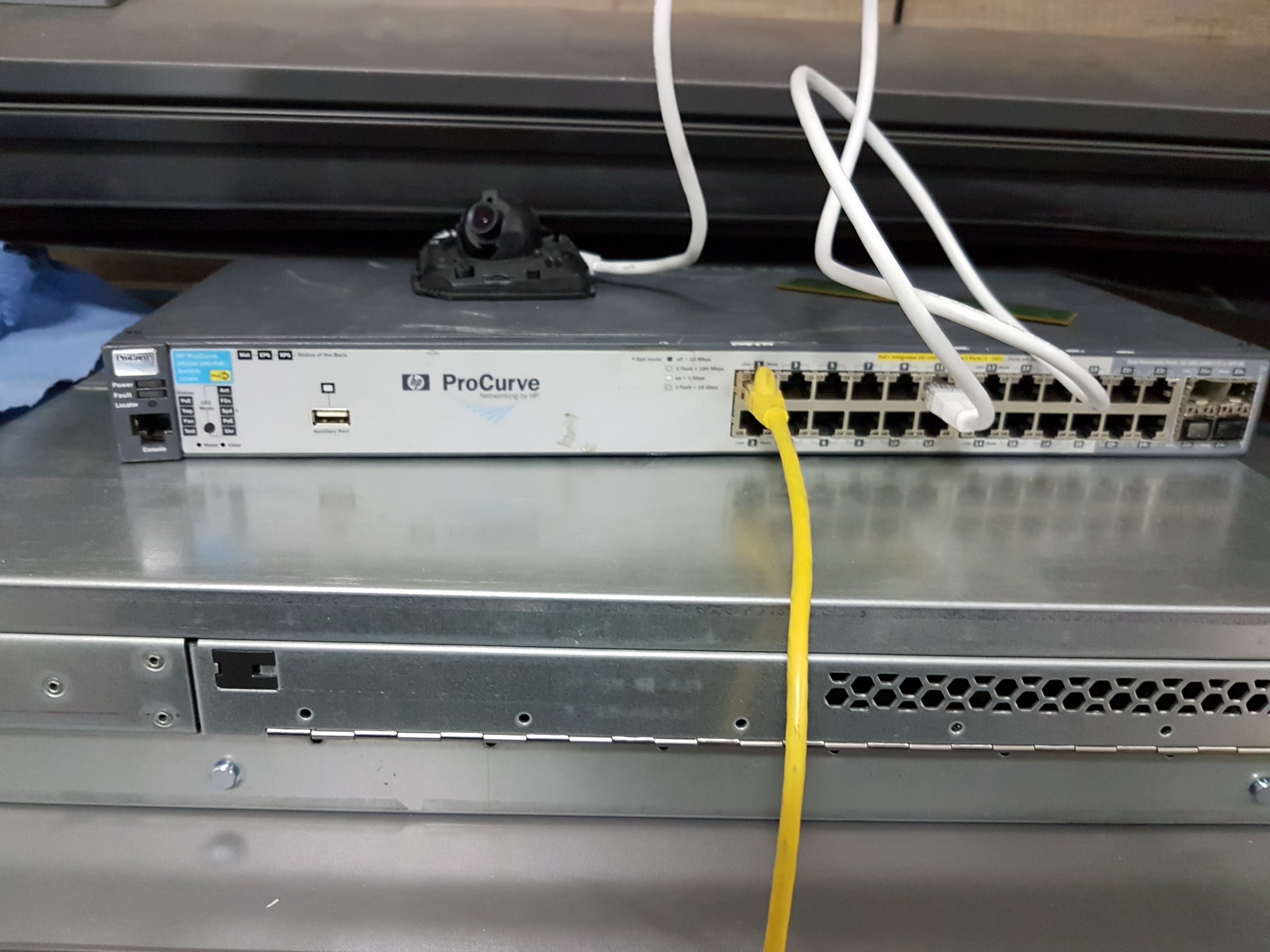
Yes for port count. Connect each camera to the switch with straight cables, then uplink the switch to your recorder/router. Verify PoE budget if available. [Elektroda, dt1, post #16984042]
What is Auto MDI/MDI‑X, and why does it matter?
It’s an automatic crossover feature in modern switches and NICs that detects cable pairs and corrects them. It removes the need for crossover cables. [Elektroda, dt1, post #16984042]
How do I build this on Linux if I’ve never used it?
- Install Ubuntu, then install ZoneMinder from the repos or project docs.
- Give the server a static IP and add each camera.
- Test live view and recording, then secure remote access. [Elektroda, Palace19, post #16994520]
Who should handle DHCP and routing in this setup?
Let the router handle addressing and internet access. Keep cameras and the recorder on the same subnet so the recorder can discover and stream them. [Elektroda, dt1, post #16984054]
Do I have enough internet for remote viewing?
Check your real upload speed. The thread mentions ~20 MB/s, but confirm your provider’s upstream before enabling multi‑camera remote streaming. [Elektroda, donkornholio, post #16994160]