logo elektroda
logo elektroda
X
logo elektroda

Problem Unscrewing Sink Strainer: Tips to Loosen & Replace (Photo Attached)

diabeel 36828 16
Best answers

How can I loosen and remove a sink strainer that is stuck and won’t unscrew so I can replace it?

If the strainer is seized, the practical fix is usually to spray WD-40 repeatedly and try again later, but many cases end up needing the strainer or even the siphon cut out and replaced [#18274482][#18274497][#18293475] First try a properly sized screwdriver, press it firmly into the slot, and tap it gently with a small hammer to break the corrosion loose; a ring spanner on the screwdriver can add torque [#18287987][#18289165] If that still fails, cut the strainer arms or cut the plastic element/nut from the underside; some users drilled the screw head from above before replacing the whole set [#18274482][#18289221] The thread notes that the hidden nut embedded in plastic may be ordinary steel and can seize even when the visible screw looks brass or stainless [#18288847] In the end, one user reported that WD-40 did not free it and the only solution was to cut it off [#18293475]
Generated by the language model.
ADVERTISEMENT
Treść została przetłumaczona polish » english Zobacz oryginalną wersję tematu
  • #1 18274432
    diabeel
    Level 17  
    Posts: 918
    Rate: 119
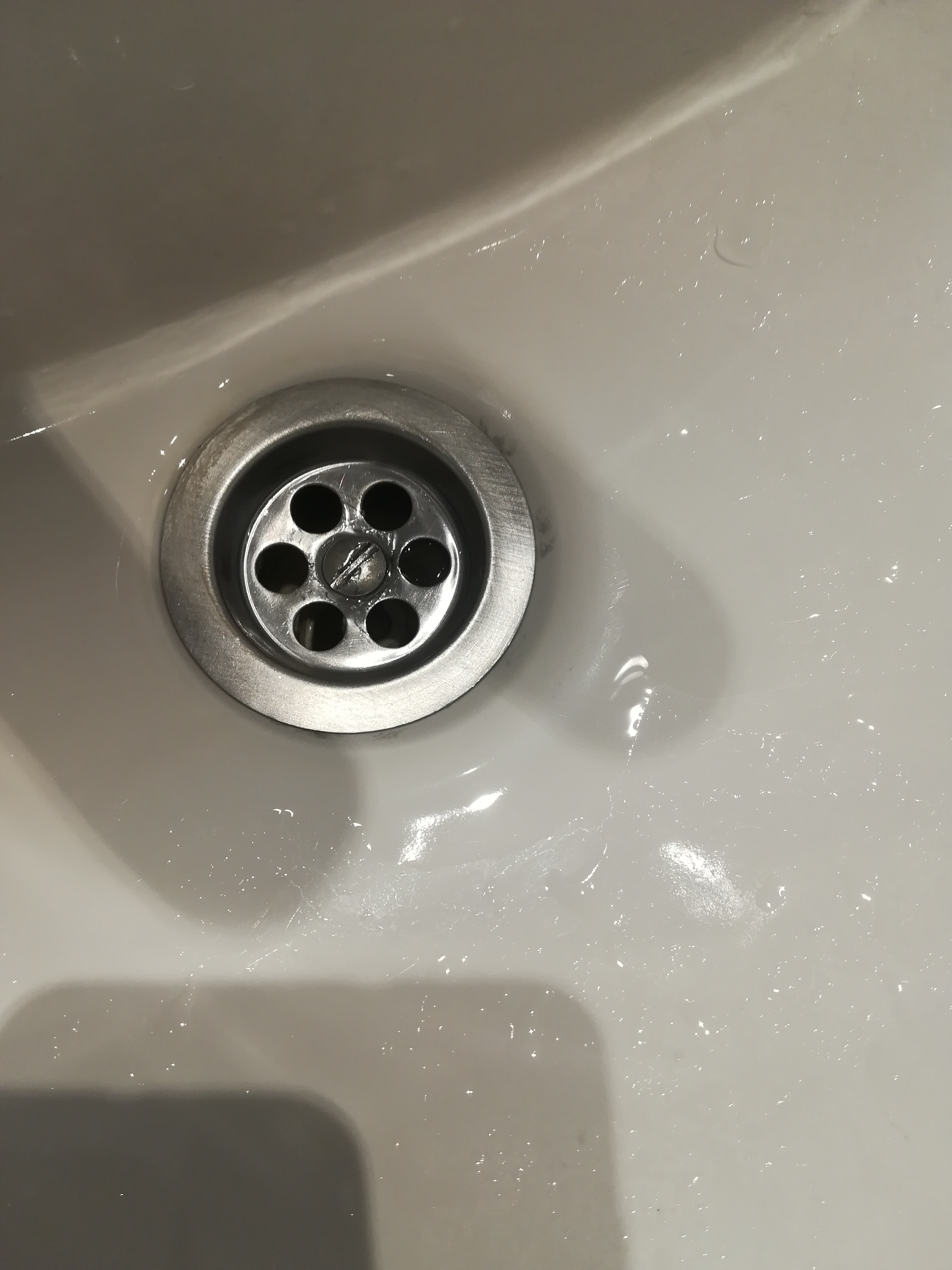
    I have such a problem that I am unable to unscrew the strainer from the sink. I wanted to replace them with new ones, but unfortunately the screw does not budge. You have a patent for it. Picture of the strainer in the attachment.
    Problem Unscrewing Sink Strainer: Tips to Loosen & Replace (Photo Attached)
  • ADVERTISEMENT
  • #2 18274482
    vieleicht
    Level 37  
    Posts: 2163
    Help: 463
    Rate: 453
    Non-destructive: Patiently and systematically spray WD40 every hour and try to unscrew the next day. Or destructively: mini grinder and gently score the sieve arms. Alternatively, tear out or cut out the plastic element from the other side, because you will probably have to replace it with the gaskets anyway.
  • #3 18274497
    r103
    Level 37  
    Posts: 6157
    Help: 280
    Rate: 932
    We have:
    Problem Unscrewing Sink Strainer: Tips to Loosen & Replace (Photo Attached)

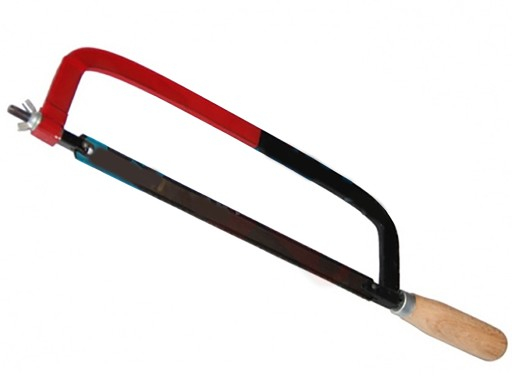
    You need to cut the screw underneath the sink / washbasin together with the siphon tube.
    / more modern ones can use an angle grinder

    Of course, you have to buy a whole new siphon, not only a strainer, anyway after even non-destructive disassembly of the siphon
    after a few years of use, you need to buy new / worn gaskets, ugly appearance, etc.
  • #4 18274508
    ta_tar
    Level 41  
    Posts: 6438
    Help: 693
    Rate: 2027
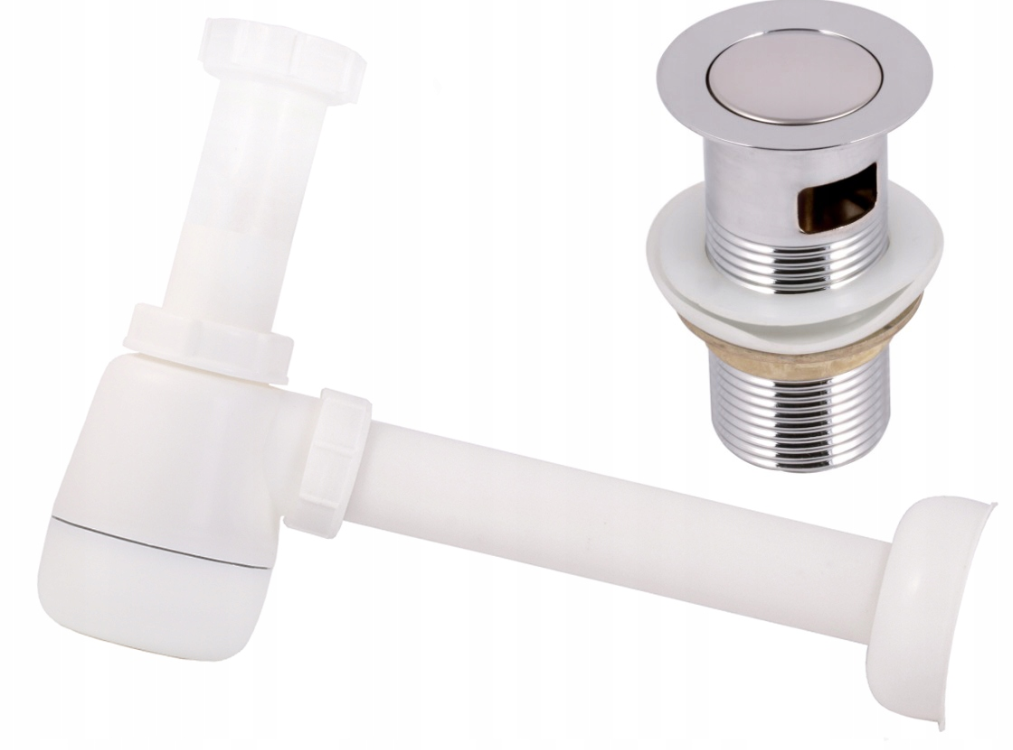
    Maybe not entirely to the point, but a further destructive unscrewing suggestion. In order not to have a problem with such a screw, I recently bought something like this:

    Problem Unscrewing Sink Strainer: Tips to Loosen & Replace (Photo Attached)
  • #5 18274670
    Tommy82
    Level 41  
    Posts: 12139
    Help: 455
    Rate: 1070
    Start spinning the tube from the bottom.
  • ADVERTISEMENT
  • #6 18287987
    Marian B
    Level 38  
    Posts: 3478
    Help: 389
    Rate: 1154
    There is a classic saying for mechanics, locksmiths, plumbers - "nothing by force, just a hammer", because doing "force" usually causes a screw to twist.
    It is a good idea to gently tap this screw with a small hammer using, for example, a more massive screwdriver. After inserting the screwdriver into the incision, the screw can be unscrewed with gentle blows of the hammer. You can also unscrew the nuts with a sharper screwdriver or chisel.
    In any case, it is worth tapping such a screw straight ahead, and as a rule, you can unscrew it later.
  • ADVERTISEMENT
  • #7 18288019
    karolark
    Level 42  
    Posts: 14260
    Help: 701
    Rate: 2468
    From the patents, there are descriptions at the top - after a few years without cutting you will not unscrew the screw :cry:
  • ADVERTISEMENT
  • #8 18288031
    Cowboy zagrabie
    Level 31  
    Posts: 1444
    Help: 159
    Rate: 500
    I usually drill from the top first with a 4mm drill then 8mm in the screw head from the top. It is a waste of time teasing babola with baby olives. After 4 years of operation, if you need to disassemble it, it is better to get a new set immediately.
  • #9 18288044
    kot mirmur
    Level 33  
    Posts: 2131
    Help: 206
    Rate: 556
    The cap underneath is embedded in the plastic, if it is standing there is no chance of unscrewing it. I advise against tapping anything - if the sink has an invisible blemish, it may crack. Do as described in post # 3, you can also try the option from post # 2- I have a typical invasive method> Good side cutting pliers, or scissors with narrow tips. A strainer is cut between the holes - operation time - up to 5 minutes.
  • #10 18288146
    E8600
    Level 41  
    Posts: 8858
    Help: 525
    Rate: 2474
    In the past, such screws were nickel-plated brass and it was possible to unscrew it after many years. Nowadays, they are more and more often made of steel so that you can not unscrew it and buy a new set.
  • #11 18288847
    r103
    Level 37  
    Posts: 6157
    Help: 280
    Rate: 932
    The screws are still made of brass or stainless steel. Because you can see them and they have to look nice :D

    What you can't see, that is the nut embedded in the plastic into which the screw is screwed in, is made of ordinary steel - and there is "constipation" :(
  • #12 18288920
    kot mirmur
    Level 33  
    Posts: 2131
    Help: 206
    Rate: 556
    Standard, col. r103. There is nothing to think about here - everything has been written. Or you can quote a fragment of an old song from a radio column> Because good god, he has already done what he could - now you have to call a specialist.,
  • #13 18289165
    ak44
    Level 27  
    Posts: 850
    Help: 106
    Rate: 204
    A properly selected locksmith's screwdriver.

    Problem Unscrewing Sink Strainer: Tips to Loosen & Replace (Photo Attached)

    You put a ring spanner on the screwdriver. You press it firmly against the screw and you turn the key.

    Either you twist or you twist it. It's best to do this with a helper.
  • #14 18289221
    keseszel
    Level 26  
    Posts: 4086
    Help: 54
    Rate: 555
    Cut. I had a similar problem. The place to insert the screwdriver was created after several unsuccessful attempts. There was a reaming, the destruction of a contraption and a new one. Or try a new longer bolt later.
  • #15 18289347
    vieleicht
    Level 37  
    Posts: 2163
    Help: 463
    Rate: 453
    @diabeel had this minor problem over a week ago. He's probably dealt with it already, and we are still struggling with him here :)
  • #16 18293475
    diabeel
    Level 17  
    Posts: 918
    Rate: 119
    I coped. I had to cut it. WD40 could not cope. Maybe if I had played for two days it would have gone but there was no time ;)
    Thanks for advice
  • #17 18293495
    karolark
    Level 42  
    Posts: 14260
    Help: 701
    Rate: 2468
    I doubt it :cry: if it moved, it was most likely with a thread in the plastic :D

Topic summary

✨ The discussion revolves around the difficulty of unscrewing a sink strainer for replacement. Users suggest various methods to loosen the stuck screw, including applying WD40, using a mini grinder, or cutting the screw and siphon tube if necessary. Some recommend tapping the screw gently with a hammer to help loosen it, while others advise drilling into the screw head. The consensus is that after years of use, screws may become too corroded to unscrew, necessitating invasive methods or complete replacement of the siphon. The discussion highlights the common issue of screws made from ordinary steel embedded in plastic, which complicates removal.
Generated by the language model.

FAQ

TL;DR: Stuck sink strainer? Cutting between basket holes takes up to 5 minutes, and "I advise against tapping anything" on fragile sinks. For DIYers dealing with seized strainer screws, this covers non-destructive and destructive fixes that actually work. [Elektroda, kot mirmur, post #18288044]

Why it matters: Pick the right method to avoid cracking the sink and wasting hours on a screw that won’t budge.
Quick Facts

How do I loosen a stuck sink strainer screw without destroying it?

Use a penetrant and patience. “Patiently and systematically spray WD‑40 every hour and try to unscrew the next day.” How‑To: 1. Flood the screw head and threads with WD‑40. 2. Reapply hourly to keep it wet. 3. Next day, use a well‑fitting screwdriver and steady pressure. [Elektroda, vielleicht, post #18274482]

What’s the quickest destructive method that avoids cracking the sink?

Cut the screw from underneath along with the siphon tube. Modern setups allow an angle grinder cut. Then fit a new siphon and strainer during reassembly. This bypasses frozen threads and brittle plastics near the bowl. [Elektroda, r103, post #18274497]

Can gentle hammer taps help free the screw?

Yes—controlled impact can break corrosion. Lightly tap the screw via a stout screwdriver seated in the slot. Then use gentle hammer blows to turn, not brute force. Expert tip: “Nothing by force, just a hammer.” [Elektroda, Marian B, post #18287987]

When should I avoid tapping the screw head?

Avoid tapping if the sink may have hidden micro‑cracks. Impact can propagate a crack and damage the bowl. The safer path is cutting per the invasive methods described. “I advise against tapping anything” on fragile sinks. [Elektroda, kot mirmur, post #18288044]

How do I drill out the seized screw from the top?

Drill the head: first 4 mm, then 8 mm to release the clamp. This is faster than struggling and avoids slot damage. After about 4 years of use, bring a new set and plan to replace during reassembly. [Elektroda, Cowboy zagrabie, post #18288031]

Should I start from below and spin the drain tube?

Yes. Start turning the tube from the bottom to break the assembly’s grip. This can relieve tension on the screw and make removal possible. It’s a quick first check before drilling or cutting. [Elektroda, Tommy82, post #18274670]

Why do these strainer screws seize so badly?

The visible screw is often brass or stainless, but it threads into a steel nut embedded in plastic. That hidden steel corrodes and locks the assembly, causing the notorious “constipation.” [Elektroda, r103, post #18288847]

Did WD‑40 work for the original poster?

No. The OP reported WD‑40 “could not cope,” so they cut the assembly instead. Cutting resolved the issue promptly when time was tight. [Elektroda, diabeel, post #18293475]

Replace just the strainer, or the whole siphon/trap?

Replace the whole siphon assembly, not just the strainer. After disassembly, gaskets are worn and appearances suffer, so a full swap saves callbacks and leaks. [Elektroda, r103, post #18274497]

How can I get more torque without stripping the slot?

Use a properly sized locksmith’s screwdriver and slip a ring spanner over its shaft. Press firmly down to keep engagement, then turn the key. “Either you twist or you twist it.” A helper improves control. [Elektroda, ak44, post #18289165]

Can I cut the basket from the top with basic hand tools?

Yes. Use good side‑cutting pliers or narrow‑tip scissors to cut between the strainer holes. This invasive method is fast—operation time up to 5 minutes. [Elektroda, kot mirmur, post #18288044]

What if the screwdriver slot is already ruined?

Stop teasing the head. Ream the head or cut the assembly and replace with a new kit. One user solved it by cutting after several failed attempts; a longer bolt can be tried on reassembly. [Elektroda, keseszel, post #18289221]

Is non‑destructive removal realistic after several years?

Often not. Expect that after a few years, you won’t unscrew the bolt without cutting. Plan for replacement to save time. [Elektroda, karolark, post #18288019]

When should I call a plumber?

If cutting tools or drilling feel out of scope, or the sink is delicate, call a pro. As one member quipped, “now you have to call a specialist.” [Elektroda, kot mirmur, post #18288920]
Generated by the language model.
ADVERTISEMENT