FAQ
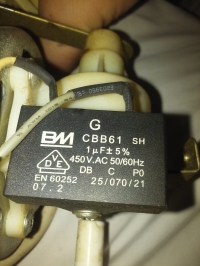
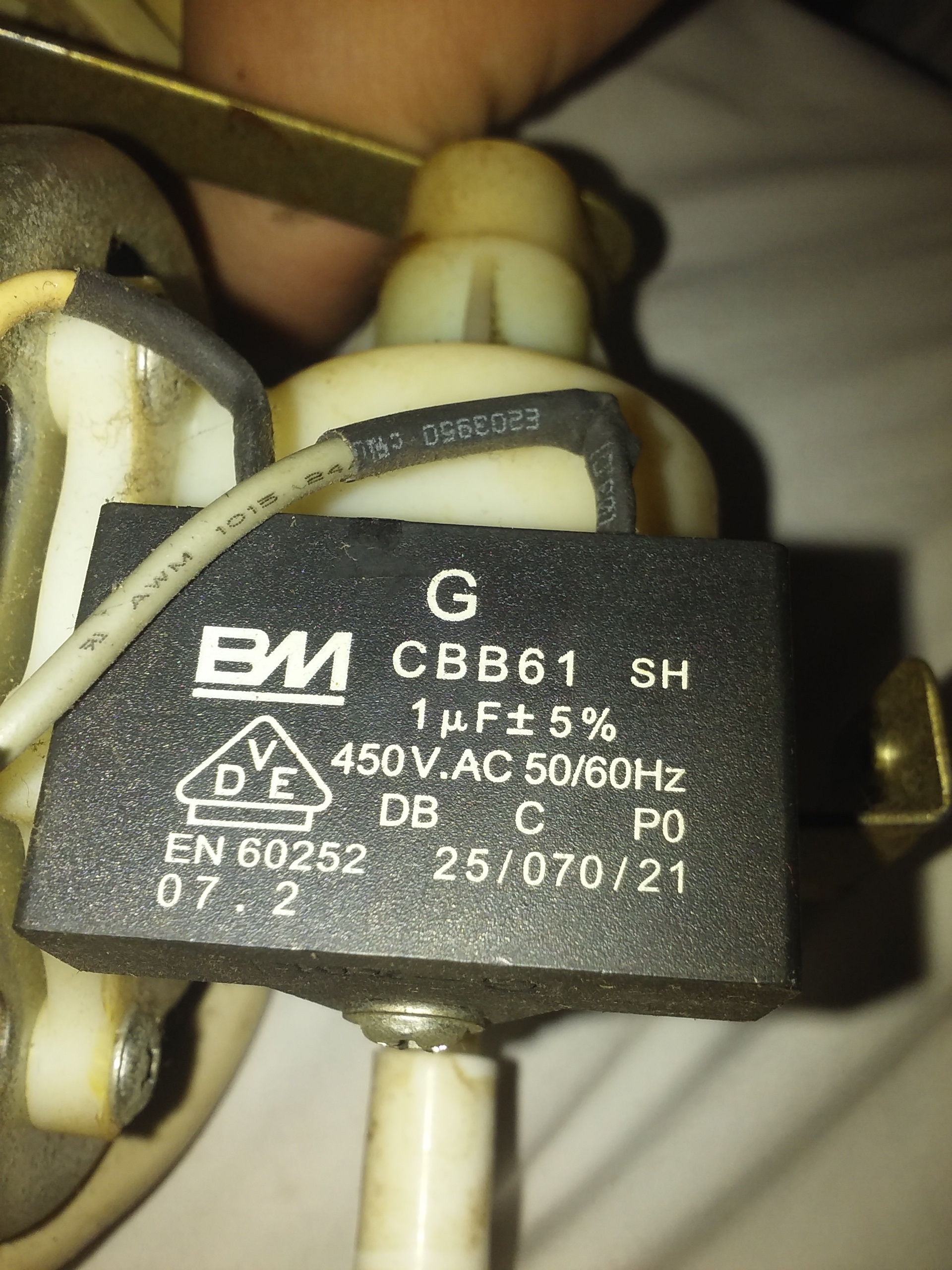
TL;DR: After a tip-over with the propeller blocked, check the 1 µF/450 V start capacitor; as one expert said, "The condenser has everything you need: 1 micro farad 450V AC." [Elektroda, rafcio_21, post #16651377]
Why it matters: This FAQ helps DIYers safely diagnose and decide if a household fan is worth repairing or should be replaced.
Quick Facts
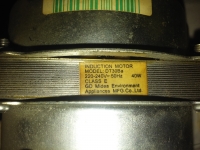
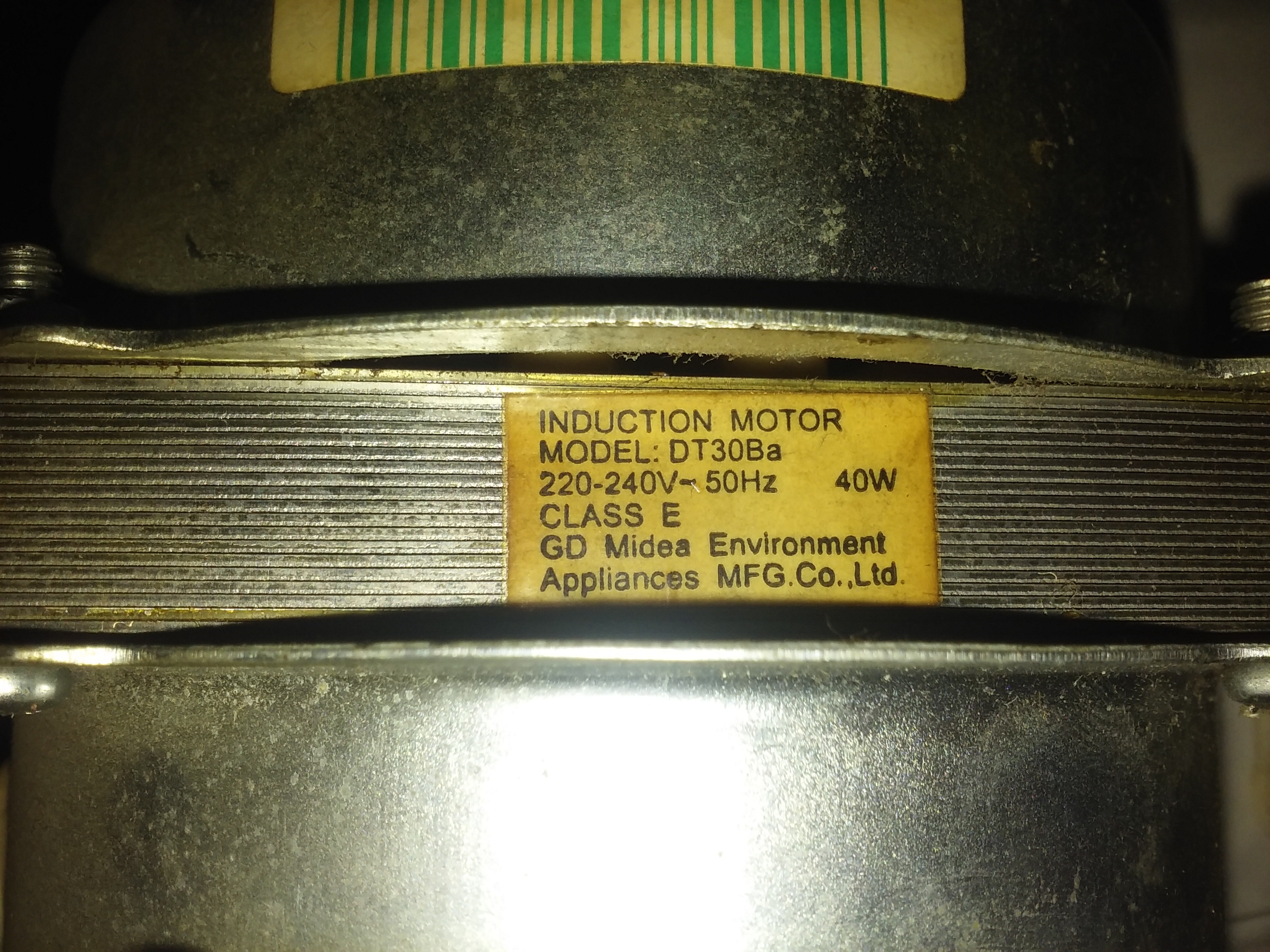
- Typical start/run capacitor spec: 1 µF, 450 VAC, 50/60 Hz for this fan class. [Elektroda, michalek1988, post #16651375]
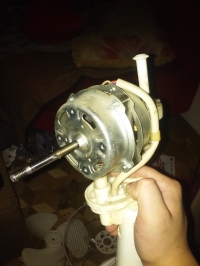
- A seized rotor is a common failure; the rotor should rotate freely by hand. [Elektroda, Krzysztof Reszka, post #16651405]
- A blocked propeller can overheat windings; verify coil continuity with an ohmmeter. [Elektroda, rafcio_21, post #16651334]
- Low-cost multimeters exist, but unsafe use risks injury; training matters more than price. [Elektroda, michalek1988, post #16651874]
- If bearings or windings overheated, replacement is often the most practical choice. [Elektroda, beatom, #16651669
Why did my fan stop after it tipped over with the blades jammed?
A jammed propeller can stall the motor, causing heat buildup that damages windings. First, check coil continuity with an ohmmeter to confirm a viable motor. If the winding is open or shorted, replacing a capacitor will not help. [Elektroda, rafcio_21, post #16651334]
How do I tell if the rotor is seized or dragging?
Spin the fan rotor by hand with power disconnected. It should turn smoothly and continue coasting. If it stops almost immediately or feels gritty, suspect seized or overheated bearings and plan for replacement rather than capacitor swap. [Elektroda, Krzysztof Reszka, post #16651405]
What capacitor value does this household fan use?
This thread’s fan uses a 1 µF capacitor rated 450 VAC for 50/60 Hz. Match both capacitance and voltage rating when sourcing replacements from brands like CBB61 form-factor units. "1uF / 450V capacitor" is the referenced spec. [Elektroda, michalek1988, post #16651375]
Can I just replace the capacitor without testing the motor?
Do not skip tests. Verify the windings and confirm the motor actually receives mains voltage. Otherwise, you may buy a capacitor for nothing if the winding is burnt. "First... check these windings..." is expert guidance here. [Elektroda, rafcio_21, post #16651377]
How can I check if 230 V reaches the motor without a meter?
Use a simple test lamp: a 40 W incandescent bulb in a safe lampholder. Place it between the common and motor lead on the control board to see if voltage appears. Avoid LEDs for this test and follow strict safety practices. [Elektroda, michalek1988, post #16652255]
Is a CBB61 capacitor from an online listing acceptable for this fix?
CBB61 is a common fan capacitor package. If the listing specifies 1–2 µF at 450 VAC, it aligns with the thread’s discussed value. Ensure correct microfarads, voltage rating, and AC type before purchase. When uncertain, share the exact link for confirmation. [Elektroda, 2874813, post #16651447]
Quick 3‑step: how do I diagnose a no‑start fan safely?
- Unplug and inspect; confirm the rotor spins freely.
- Use a test lamp on the control board to confirm voltage reaches the motor.
- If voltage is present and windings are intact, replace with a 1 µF/450 VAC capacitor. Work cautiously around mains. [Elektroda, michalek1988, post #16651874]
Is repairing a fan with a dead motor economically sensible?
No. If the motor has failed, the repair generally doesn’t pay off. Parts and labor exceed the value of budget pedestal or desk fans. Focus on safe diagnosis to avoid sunk costs, then replace if windings are damaged. [Elektroda, michalek1988, post #16652255]
I don’t have instruments—what should I do next?
If you lack basic tools, avoid risky improvisation. Seek help from a qualified electrician or a knowledgeable neighbor. They can check bearings, voltage to the motor, and winding continuity safely and quickly. [Elektroda, Krzysztof Reszka, post #16651405]
What inexpensive meter should I buy, and will it be enough?
A low‑cost multimeter exists, but owning one is not the same as using it correctly. Skill and safety matter more than price. If you’ve never used a meter, supervised guidance is essential before testing mains equipment. [Elektroda, michalek1988, post #16651874]
How do I measure the motor winding with an ohmmeter?
Disconnect the fan from mains. Isolate the motor leads. Measure resistance across the winding. A reading near zero indicates a short, while infinite suggests an open coil. Either condition means a bad motor, not a capacitor fault. [Elektroda, rafcio_21, post #16651334]
What are the key safety risks when testing a mains fan?
Mains testing can cause severe shock or worse. Use proper insulation, isolation, and protective equipment. As an expert warned, "You work at a risk that threatens your health and life!" If unsure, do not proceed. [Elektroda, michalek1988, post #16651874]
The rotor turns a little, then stops—what does that mean?
Quick stopping suggests mechanical drag or heat‑stressed bearings. In such cases, even a new capacitor won’t restore reliable operation. The practical advice is to retire the fan to avoid further risk and expense. [Elektroda, beatom, post #16651669]
Why was the forum thread ultimately closed?
A moderator ended the discussion due to safety concerns and urged seeking expert help. Avoid heroic DIY on live mains equipment. When risk is high, consulting a professional is the responsible step. [Elektroda, retrofood, post #16747987]