FAQ
TL;DR: If your Golf IV 1.4 AKQ logs 00513 (G28 no signal), verify the sensor’s 5 V supply and the ring with a 2‑tooth gap—“There is a break for 2 teeth.” Replace the impulse ring if LED tests fail. [Elektroda, panstalin2, post #16662017]
Why it matters: This FAQ helps DIYers diagnose no‑start/long‑crank issues tied to the G28 crank sensor and its trigger ring.
Quick Facts
- G28 crank sensor pinout: 1 = +5 V, 2 = signal, 3 = GND; simple LED test available. [Elektroda, panstalin2, post #16660975]
- Trigger wheel pattern uses a missing‑tooth window: a gap of two teeth at the sensor. [Elektroda, panstalin2, post #16662017]
- DTC 00513 03‑00 can appear right after key‑on, even without cranking. [Elektroda, spinacz, post #16661387]
- Temporary “pushed‑in” sensor mounting may work briefly; one case lasted about 3 months. [Elektroda, panstalin2, post #16660975]
- Lasting fix on the thread: replace the sealing collar with the impulse ring; issue resolved. [Elektroda, spinacz, post #17001809]
What does fault code 00513/G28 mean on a Golf IV 1.4 AKQ?
It indicates the ECU does not see a crankshaft speed signal from the G28 sensor. The thread reports 00513 03‑00 “No signal.” This prevents accurate RPM detection and can cause extended cranking or a no‑start. The diagnosis centers on the sensor, wiring, ECU input, and the gearbox‑mounted impulse ring. [Elektroda, spinacz, post #16660590]
What are the G28 sensor pinouts and signal type?
Pin 1 supplies +5 V to the sensor, pin 2 carries the signal, and pin 3 is ground. Using a 5 V LED test, the signal line should blink during cranking if the sensor and trigger are working. This confirms the sensor’s open‑collector style switching behavior. [Elektroda, panstalin2, post #16660975]
How do I quickly test the G28 with an LED?
Use a series LED and resistor to +5 V, connect to pin 2 (signal) and ground on pin 3. 1) Turn ignition on. 2) Crank the engine; the LED should blink. 3) No blink suggests sensor, wiring, or trigger ring issues. “The sensor is easy to check.” [Elektroda, panstalin2, post #16660975]
What trigger wheel pattern should I expect at the G28 sensor?
Expect a missing‑tooth window equal to two teeth. The sensor reads a toothed ring; the ECU interprets the two‑tooth gap to establish reference position and calculate RPM. A damaged or demagnetized ring disrupts this pattern and kills the RPM signal. “There is a break for 2 teeth.” [Elektroda, panstalin2, post #16662017]
My 00513 error appears immediately at key‑on. Is that normal?
Yes, it can. The OP observed the fault popping up right after switching on power, with no change when shorting the signal to ground or +5 V. This behavior points away from simple wiring shorts and toward ECU input logic or a missing valid signal. [Elektroda, spinacz, post #16661387]
I replaced the sensor and checked wiring. What should I inspect next?
Inspect the gearbox impulse ring and sealing collar. A deeper‑seated sensor may work temporarily, but the durable repair is replacing the collar with the ring. One case required gearbox removal to replace these parts for a lasting fix. [Elektroda, panstalin2, post #16660975]
What finally fixed the OP’s car in this thread?
Replacing the transmission impulse ring solved the issue. After sensor swaps and ECU checks, the car still flagged 00513 until the ring was replaced. The final post confirms success: “Replacing the transmission ring has helped.” [Elektroda, spinacz, post #17001809]
Can I bench‑test the ECU and see RPM with a signal generator?
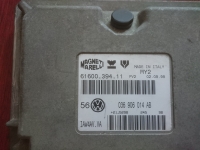
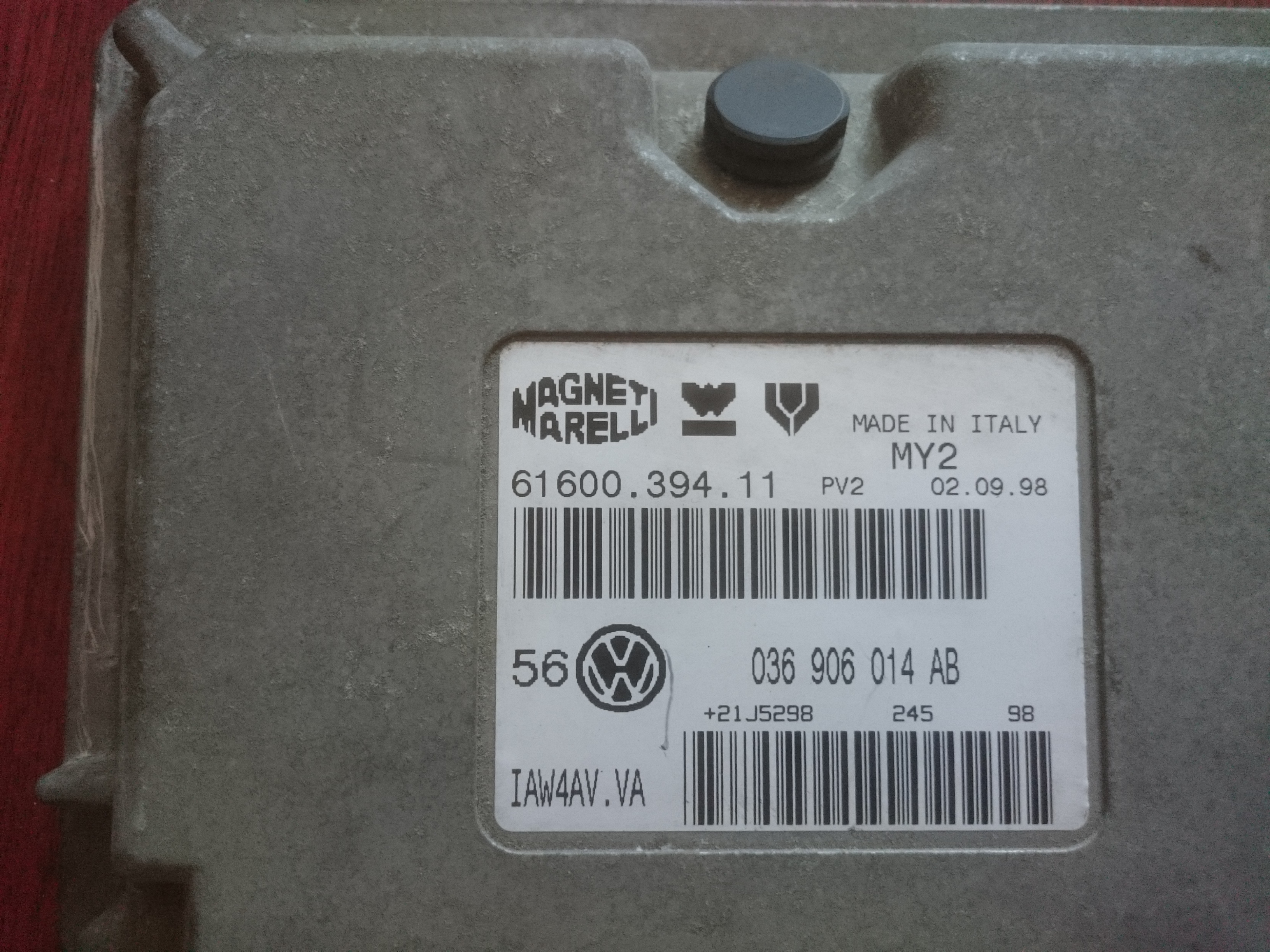
Yes. With proper power, a diagnostic tester, and a signal generator, you should see engine speed on the bench. Remember immobilizer considerations; use an emulator or matched key if needed before testing RPM inputs. “The revolutions should be visible.” [Elektroda, kortyleski, post #16661128]
On the bench, forcing +5 V or ground on the signal changes nothing. Is my ECU faulty?
It can be. The OP noted no response when grounding or powering the signal, still showing the fault. That led them to suspect the ECU. However, their car’s root cause proved to be the impulse ring, not the ECU. Test both before replacing parts. [Elektroda, spinacz, post #16662828]
Does the G28 sensor pull the signal to ground or to +5 V?
According to the thread, the middle pin (signal) sinks to ground through an NPN stage inside the sensor. Your LED test should therefore reference +5 V through a resistor and watch for pulsed sinking during cranking. “The middle pin sensor masses to ground.” [Elektroda, panstalin2, post #16669126]
How do I verify the 5 V feed and signal continuity at the plug?
Confirm +5 V at pin 1 with ignition on. Measure resistance or continuity on the signal line (pin 2) to the ECU. Also verify ground integrity on pin 3. If 5 V is missing, fix power first; otherwise, scope or LED‑test the signal during cranking. [Elektroda, panstalin2, post #16662269]
Can a weak or demagnetized ring cause a no‑blink LED test?
Yes. A degaussed or damaged ring can prevent the sensor from toggling, yielding no LED activity. Space constraints near the bellhousing complicate attempts to re‑magnetize or shim the sensor, making ring replacement the reliable fix. “The symptom is as if this lace has degaussed itself.” [Elektroda, panstalin2, post #16662050]
Will a temporary sensor depth adjustment hold?
Not for long. One user tightened the sensor mount to push it deeper, restoring signal briefly. The workaround failed after about three months, and the gearbox had to come out to replace the sealing collar and ring. Treat depth tweaks as diagnostic only. [Elektroda, panstalin2, post #16660975]
Could immobilizer issues block RPM on the bench?
If the ECU is immobilized, you will see an immobilizer fault and blocked start status. Using an immo emulator cleared the blocked‑controller error for the OP, allowing further RPM input testing with a generator. Address immo status before ECU input checks. [Elektroda, spinacz, post #16661387]
How do I distinguish ring failure from ECU failure?
If a known‑good sensor and wiring still yield 00513, and the ECU flags the error after cranking, suspect the ring. In the thread, swapping ECUs did not help; only replacing the ring restored RPM. That’s a key edge case against ECU blame. [Elektroda, spinacz, post #16675747]