FAQ
TL;DR: Use 1 simple rule: “Stand on the hinge side—hinges on the right = right-hand, hinges on the left = left-hand.” [Elektroda, Robert B, post #16716645]
Why it matters: This prevents costly reorders and disputes about exterior door orientation for builders and homeowners.
Quick Facts
- Handing is defined by hinge location, not by swing in/out. [Elektroda, Robert B, post #16716645]
- Exterior vs interior doors use the same left/right rule. [Elektroda, telecaster1951, post #16717062]
- “Opens to you on the right” describes a right-hand door when you stand on the hinge side. [Elektroda, telecaster1951, post #16717043]
- If the wrong hand was supplied, replacing it can require a new frame. [Elektroda, telecaster1951, post #16717043]
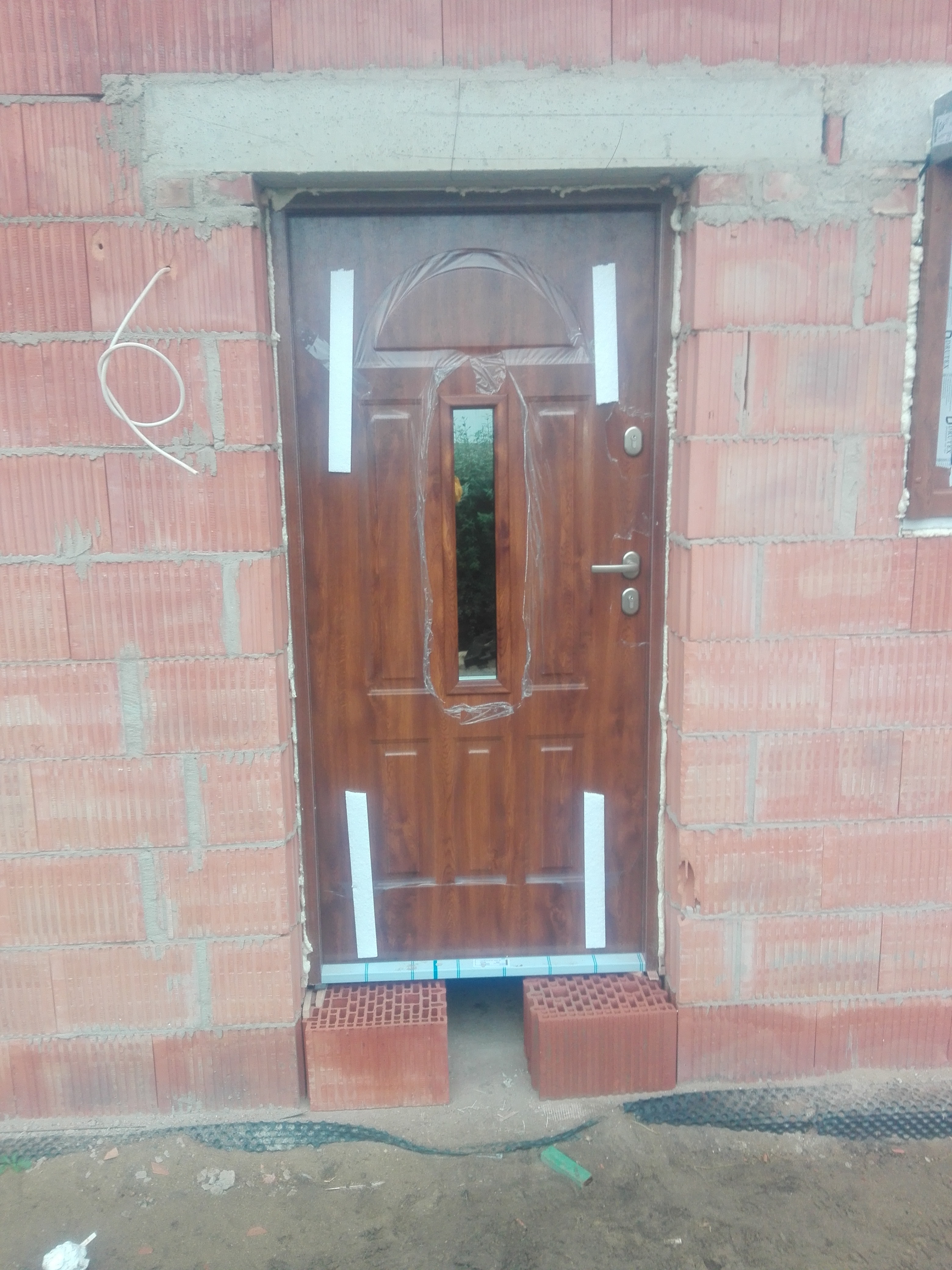
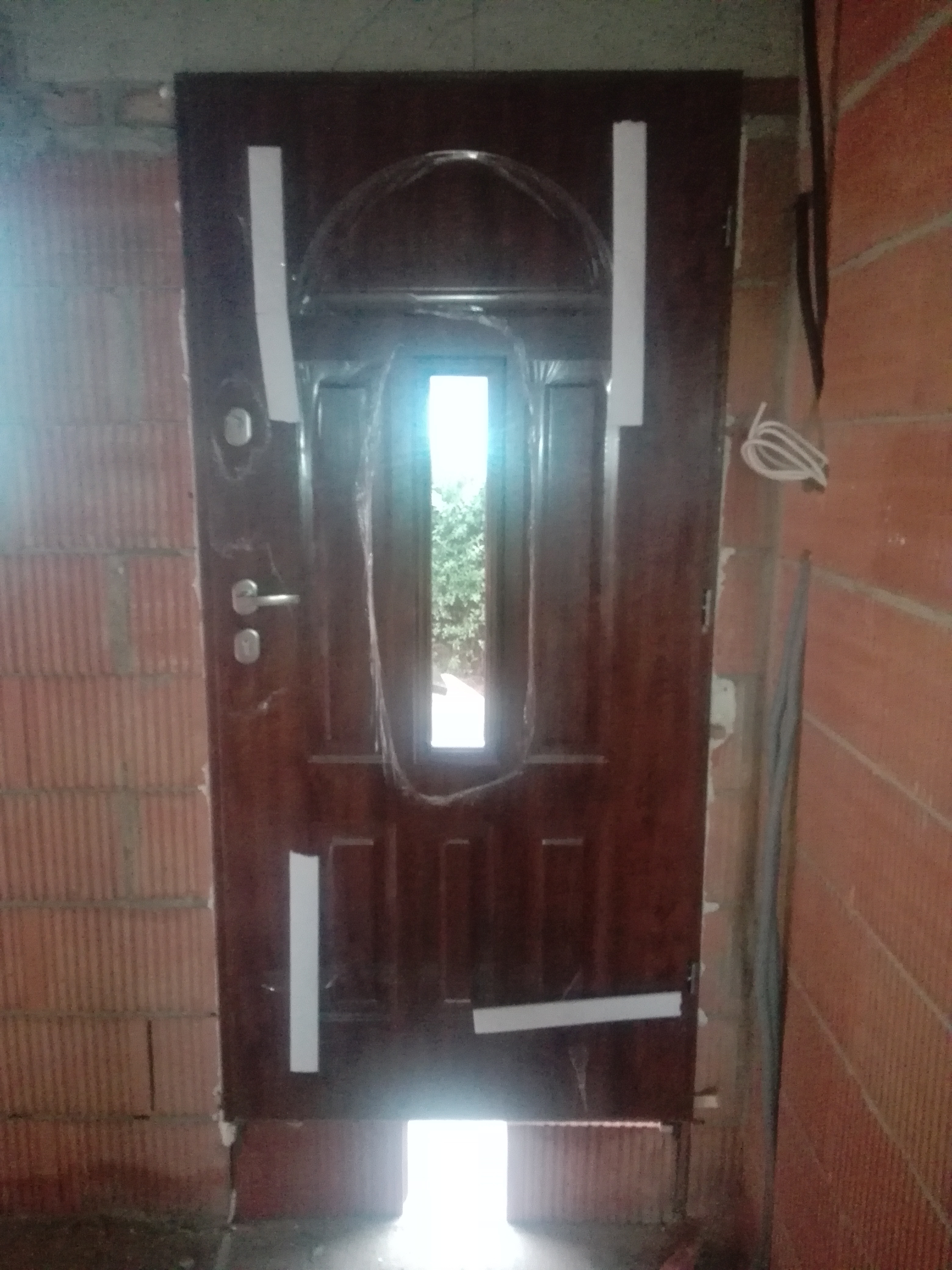
- Visual check in photos from the thread shows the example door is right-hand. [Elektroda, any56, post #16716634]
How do I tell if my door is left-hand or right-hand quickly?
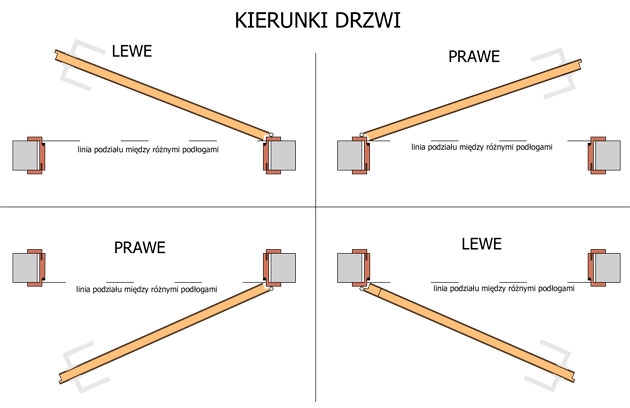
Use the hinge-side test. Stand on the side where you can see the hinges. If hinges sit on your right, it’s a right-hand door. If they sit on your left, it’s a left-hand door. “Stand in front of the door from the side of visible hinges” is the expert cue. [Elektroda, Robert B, post #16716645]
Does inward vs. outward swing change left/right handing?
No. Handing depends on hinge location only. A door can open inward or outward and still be left or right based on where the hinges are when viewed from the hinge side. “Right and left can open inwards,” as one expert notes. [Elektroda, telecaster1951, post #16717062]
Are exterior doors labeled differently from interior doors?
No. The same hinge-side rule applies to exterior and interior doors. Claims that exterior doors use a different left/right convention are incorrect. Use the same visual hinge check to avoid confusion when ordering or inspecting. [Elektroda, telecaster1951, post #16717062]
In the thread photos, is the entrance door left or right?
Right-hand. Multiple contributors identified the pictured entrance door as right-hand based on visible hinge placement and opening direction to the right when viewed from the hinge side. [Elektroda, any56, post #16716634]
What should I say if a seller insists my right-hand door is actually left-hand?
Ask them to apply the hinge-side test on-site. Stand on the hinge-visible side together and identify hinge position. Document with a photo. If the supplied hand differs from the order, request corrective action in writing. [Elektroda, telecaster1951, post #16717062]
What happens if a wrong-hand door was installed?
Correction may require replacing the frame and leaf to match the ordered hand. One pro notes the seller should cover contractor costs if the wrong hand was provided. Confirm terms in your purchase agreement before work starts. [Elektroda, telecaster1951, post #16717043]
Can I rely on opening direction like “opens right” to decide handing?
Only when you’re on the hinge-visible side. “Opens to you on the right” means right-hand if you stand on the hinge side. Without that context, the phrase can mislead. Always pair opening direction with the hinge-side reference. [Elektroda, telecaster1951, post #16717043]
What is “door handing” in simple terms?
Door handing is the classification of a single-swing door as left-hand or right-hand, determined solely by hinge location when viewed from the hinge side. One simple rule decides it every time. [Elektroda, Robert B, post #16716645]
3-step how-to: verify handing on-site before installation?
- Stand on the side where hinges are visible.
- Note hinge position: right = right-hand; left = left-hand.
- Match your finding to the order/spec sheet before drilling or fixing the frame. [Elektroda, Robert B, post #16716645]
Does the lock or handle placement affect left/right classification?
No. Lock and handle positions do not define handing. The sole determinant is hinge location when you face the hinge-visible side. Verify hinges first to avoid ordering errors. [Elektroda, Robert B, post #16716645]
What if photos make it hard to see the hinge side?
Ask for a straight-on photo from the hinge-visible side or a short video showing the hinge line. In the thread, clear hinge visibility led to a right-hand identification. [Elektroda, marek49ae, post #16716638]
Is there consensus in the thread on the example door?
Yes. Contributors repeatedly confirmed it is a right-hand door using the hinge-side rule and opening direction to the right. “Of course it’s right,” one member concluded. [Elektroda, deejay205, post #16717086]
Edge case: could a seller argue different rules for outward-opening entrances?
Some try, but it’s incorrect. Exterior status or outward swing does not change handing. Apply the hinge-side test to settle the question consistently. “It’s talking nonsense,” as a pro put it. [Elektroda, telecaster1951, post #16717062]
Why do buyers and sellers still disagree about handing?
They use different reference viewpoints. The fix is to standardize on the hinge-visible side when deciding left/right. This removes ambiguity and prevents costly callbacks. [Elektroda, Robert B, post #16716645]