FAQ
TL;DR: Windows shows only 2 TB on 6 TB RAID1 because MBR tops out at ~2 TB; “MBR supports disks up to max. 2TB.” [Elektroda, jerzyf, post #16779799]
Why it matters: This FAQ helps Windows 10 users fix 6 TB RAID1 volumes stuck at 2 TB by choosing the right partition style and settings.
- Typical cause: legacy MBR partitioning on the RAID volume; switch to GPT to use full capacity. [Elektroda, jerzyf, post #16779799]
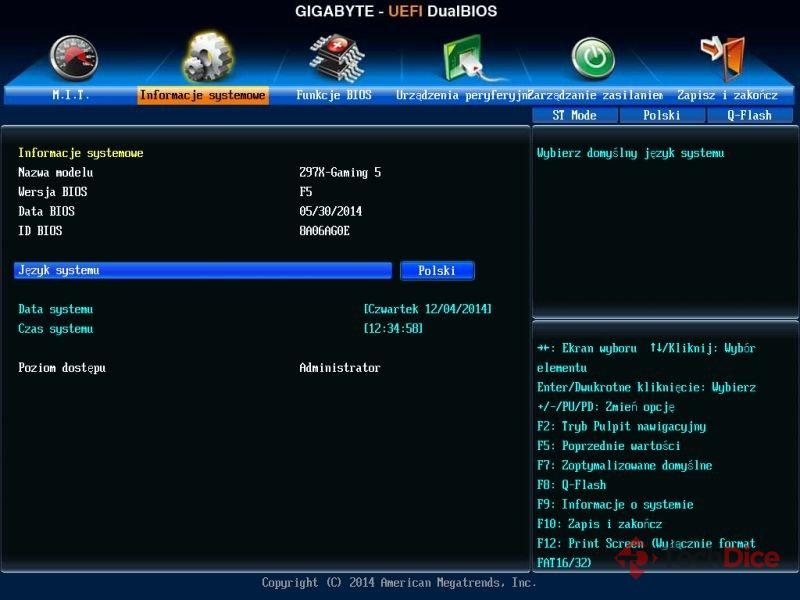
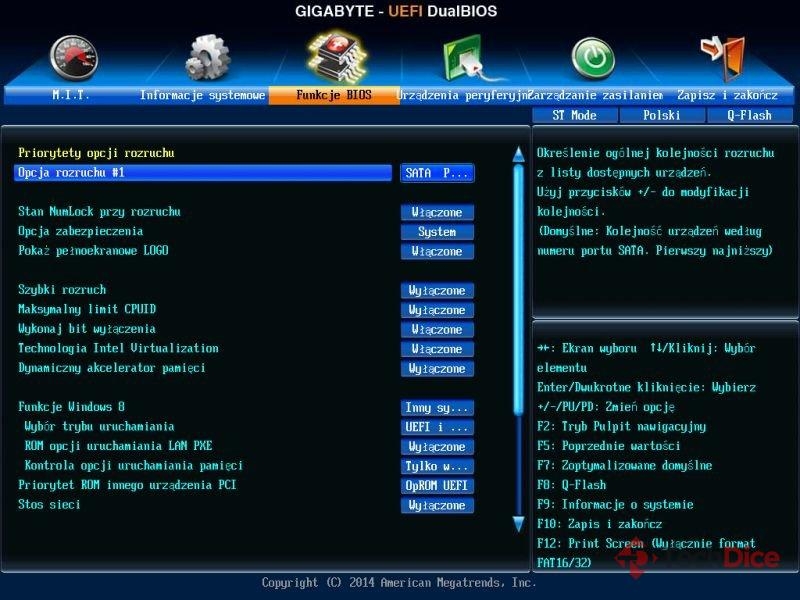
- Secure Boot is not required for GPT or UEFI operation on Windows 10. [Elektroda, dt1, post #16783884]
- Intel Rapid Storage may show ~6 TB while Windows still mounts only 2 TB if the volume remains MBR. [Elektroda, jackobt, post #16781789]
- User-confirmed fix: convert the RAID volume’s partition style using AOMEI; no data loss reported. [Elektroda, jackobt, post #16800592]
Quick Facts
- Symptom: Windows 10 shows a 2 TB D: drive after swapping to 2×6 TB RAID1, despite RAID utility reporting ~6 TB. [Elektroda, jackobt, post #16781789]
- Root cause: MBR partition style limits usable capacity to ~2 TB; GPT removes this limit on modern systems. [Elektroda, jerzyf, post #16779799]
- Boot settings: UEFI mode is fine for GPT; Secure Boot specifically is unnecessary. [Elektroda, dt1, post #16783884]
- Alternative gotcha: RAID array may also need an “Expand/Increase capacity” step in the controller utility. [Elektroda, mati211p, post #16781315]
- Field result: Converting the partition style with AOMEI Dynamic Disk Manager restored the full ~6 TB, data intact. [Elektroda, jackobt, post #16800592]
Why does my 6 TB RAID1 show only a 2 TB partition in Windows 10?
Your RAID volume is partitioned as MBR. MBR caps addressable space at about 2 TB, so Windows mounts only 2 TB even if the RAID utility shows ~6 TB. Convert the volume to GPT to unlock full capacity. “MBR supports disks up to max. 2TB.” [Elektroda, jerzyf, post #16779799]
Is this a Windows 10 Pro limitation?
No. Windows 10 Pro supports large disks. The limitation comes from using MBR on the RAID volume. Switching the volume to GPT enables the full 6 TB to be used by Windows. [Elektroda, jerzyf, post #16779799]
Do I need Secure Boot to use GPT or UEFI?
No. Secure Boot is not required for GPT or UEFI operation. You can use GPT volumes without enabling Secure Boot. “Secure boot is not at all necessary for UEFI operation or GPT support.” [Elektroda, dt1, post #16783884]
My Intel Rapid Storage shows ~6 TB, but Windows still shows 2 TB—why?
The RAID controller reports the physical capacity, but Windows reads the partition table. If the volume is MBR, Windows exposes only 2 TB. Convert the volume to GPT, then extend the partition. [Elektroda, jackobt, post #16781789]
How do I fix the 2 TB cap and keep my data?
Users reported success converting the partition style with AOMEI Dynamic Disk Manager Pro and retaining data. After conversion, Windows recognized ~6 TB. Always back up first. “With one button I changed the partition style… and the system finally sees 6TB.” [Elektroda, jackobt, post #16800592]
Step-by-step: convert and extend the RAID1 volume?
- Back up important data, then open a partition manager that supports style conversion.
- Convert the RAID volume’s partition style as guided by the tool.
- In Windows Disk Management, extend the partition to use all unallocated space.
A user confirmed this restored the full ~6 TB without data loss. [Elektroda, jackobt, post #16800592]
Do I need to reinstall Windows to use drives over 2 TB?
Not necessarily. If the affected drive is a data volume (e.g., D:), converting its partition style and then extending it can avoid reinstalling. A user reported no data loss after conversion. [Elektroda, jackobt, post #16800592]
What if my RAID utility still shows only 2 TB usable after swapping disks?
Some controllers require a manual “Expand/Increase capacity” on the mirror after replacing smaller disks. Check the RAID utility for an expand option, then rescan in Windows. [Elektroda, mati211p, post #16781315]
Do I need to switch BIOS from Legacy/CSM to UEFI?
For booting from GPT system disks, UEFI-only mode helps. One participant advised setting Boot mode to UEFI and then converting the disk; otherwise reinstall may be needed. [Elektroda, PitD, post #16783877]
How can I verify my partition style in Windows?
Open Disk Management and inspect the disk properties and volume layout. A helper requested a Disk Management screenshot to diagnose capacity issues, which is a standard first step. [Elektroda, dt1, post #16779787]
What is RAID1 in simple terms?
RAID1 mirrors data across two drives. Usable capacity equals one drive’s size, so 2×6 TB in RAID1 yields ~6 TB before formatting and metadata overhead. This aligns with what the user’s RAID utility reported. [Elektroda, jackobt, post #16781789]
What are MBR and GPT?
MBR and GPT are partition table formats. MBR dates back decades and addresses about 2 TB. GPT is the modern format and supports larger disks safely on current systems. Choose GPT for 6 TB arrays. [Elektroda, jerzyf, post #16779799]
Can converting partition style corrupt my data?
Any disk operation carries risk. Back up first. In this thread, the user reported a successful style conversion with no data loss using AOMEI. Edge case: power loss mid-conversion could require recovery. [Elektroda, jackobt, post #16800592]
After conversion, Windows still doesn’t use all space—what next?
Open Disk Management and extend the partition into unallocated space. If extend is unavailable, recheck the RAID utility for capacity expansion or a pending rebuild. [Elektroda, mati211p, post #16781315]
Which tools were mentioned that worked?
AOMEI Dynamic Disk Manager Pro Edition was used to change the partition style and expose the full ~6 TB, per the original poster’s confirmation. [Elektroda, jackobt, post #16800592]