FAQ
TL;DR: For wooden soffits, choose sealed luminaires: IP44 minimum, many use IP65, and bathroom IP65 spots cost ~20 PLN; “You can buy them for twenty zlotys.” [Elektroda, kkas12, post #16931420]
Why it matters: Correct IP stops moisture, corrosion, and dead lamps in exterior eaves, saving rework and money for homeowners comparing prices and quality.
Quick-Facts
- Recommended ingress protection for soffits: IP44–IP65; IP20 is for dry interiors only. [Elektroda, kkas12, post #16930604]
- Budget check: IP65 bathroom downlights suitable for soffits are available at ~20 PLN each. [Elektroda, kkas12, post #16931420]
- Tight, sealed construction matters because moisture and insects can enter from the roof side. [Elektroda, yanes, post #16932139]
- If price differs 2× between frames, expect material/feature differences (cast aluminum vs stamped steel, tilt). [Elektroda, stanislaw1954, post #16930409]
Quick Facts
- Recommended ingress protection for soffits: IP44–IP65; IP20 is for dry interiors only. [Elektroda, kkas12, post #16930604]
- Budget check: IP65 bathroom downlights suitable for soffits are available at ~20 PLN each. [Elektroda, kkas12, post #16931420]
- Tight, sealed construction matters because moisture and insects can enter from the roof side. [Elektroda, yanes, post #16932139]
- If price differs 2× between frames, expect material/feature differences (cast aluminum vs stamped steel, tilt). [Elektroda, stanislaw1954, post #16930409]
What IP rating is best for a wooden soffit?
Go with IP44 at minimum to resist splashes and wind-driven moisture. Many installers pick IP65 to fully seal the front and internals under eaves. This reduces corrosion risk and extends life. If budget allows, IP65 offers extra margin without complex install changes. [Elektroda, kkas12, post #16931420]
Is IP20 okay if rain never reaches the soffit?
No. IP20 is for dry indoor zones. Eaves still face humidity, drafts, and condensation. Contacts corrode, brightness drops, and failures follow. Treat soffits like damp areas and choose sealed gear. “IP 20 is suitable, but inside, and not everywhere.” [Elektroda, kkas12, post #16930604]
IP44 vs IP65 for soffits—how should I decide?
Pick IP44 for basic splash protection when cost is tight. Choose IP65 if you want sealed optics and connections against driven rain and dust. Many users fit bathroom IP65 downlights outside because pricing is comparable. [Elektroda, kkas12, post #16931420]
Will moisture or insects really reach the fitting from behind the soffit?
Yes. Airflow paths can bring damp air and insects from the roof cavity into the fixture. That’s why overall fixture tightness matters, not only the front bezel. Sealed housings reduce ingress and failures. [Elektroda, yanes, post #16932139]
Why are some soffit frames more expensive than others?
Higher-priced options often use cast aluminum and offer tilt/aiming. Cheaper versions are stamped sheet metal with fixed position. Those differences affect durability, heat handling, and aiming flexibility. The decision depends on your goals and budget. [Elektroda, stanislaw1954, post #16930409]
Are 2× price differences between similar-looking frames normal?
Yes. The original poster reported a 2× gap for seemingly similar frames. Visual similarity can hide construction or sealing differences, which drive cost and longevity. Compare IP rating, material, and adjustability before buying. [Elektroda, traql, post #16930290]
Do bathroom-rated downlights work under soffits?
Yes. Bathroom IP65 downlights are commonly used outdoors under eaves. They are sealed, affordable, and easy to source. This swap trades up protection without special accessories. [Elektroda, kkas12, post #16931420]
What happens if I use unsealed contacts outside?
Moisture oxidizes contacts, increases resistance, and causes intermittent light or total failure. “With a little luck it will only stop shining.” Sealed holders and proper IP prevent this. [Elektroda, mawerix123, post #16930867]
Is IP23 ever acceptable for soffit lighting?
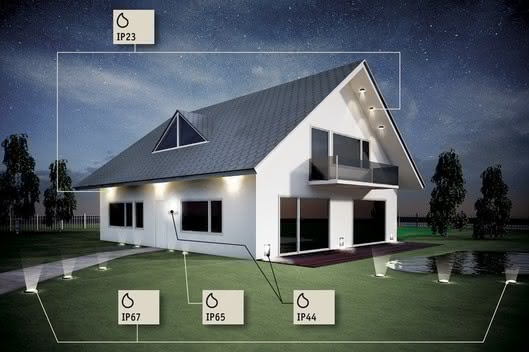
Some point to IP23 examples for sheltered installs, but thread consensus leans higher. Use IP44–IP65 if you want fewer callbacks and better longevity. Prioritize sealing on both faces. [Elektroda, yanes, post #16932139]
How much should I budget per fitting for a sealed option?
Approx. 20 PLN per IP65 bathroom-type downlight, suitable for soffits. This cost undercuts some decorative frames while improving protection. It’s a low-cost reliability upgrade. [Elektroda, kkas12, post #16931420]
Do I need adjustable tilt in soffit luminaires?
Tilt helps aim light on paths or walls. Cast aluminum tilt frames cost more but enable precise beam control. Fixed frames are fine for general wash lighting. Choose based on your lighting effect. [Elektroda, stanislaw1954, post #16930409]
Quick how-to: choosing a soffit luminaire in 3 steps
- Check IP: choose IP44 minimum, IP65 for added sealing.
- Pick build: cast aluminum if you need tilt and durability.
- Verify back sealing and holder quality to block damp ingress.
Follow these steps for fewer failures and clearer light. [Elektroda, kkas12, post #16931420]
Can a wholesaler help me select the right fitting?
Yes. Visiting local wholesalers to compare options and get advice is a practical next step. Bring your soffit depth and hole size for a better match. [Elektroda, traql, post #16932293]
Form vs function: is picking IP65 overkill?
One view calls heavy sealing a “triumph of form over content.” Another prefers extra protection to avoid corrosion. Balance looks, risk, and budget for your site. [Elektroda, retrofood, post #16931531]