FAQ
TL;DR: Lights on but no crank in a Renault Master 2.3 dCi often traces to battery/ground loss or a corroded main feed; at 32°F, “a car’s battery loses about 35 percent of its strength.” [AAA Northway]
Why it matters: This FAQ helps van owners and technicians quickly pinpoint the no-crank root cause and avoid unnecessary starter replacements.
Quick Facts
- Symptom cluster: dash lights on, glow-plug lamp goes out, starter silent. [Elektroda, marcin.koch, post #16952943]
- Fast checks from the thread: battery/ground integrity, fuses by battery and left of steering wheel, and starter control voltage during crank. [Elektroda, migmig85, post #16967100]
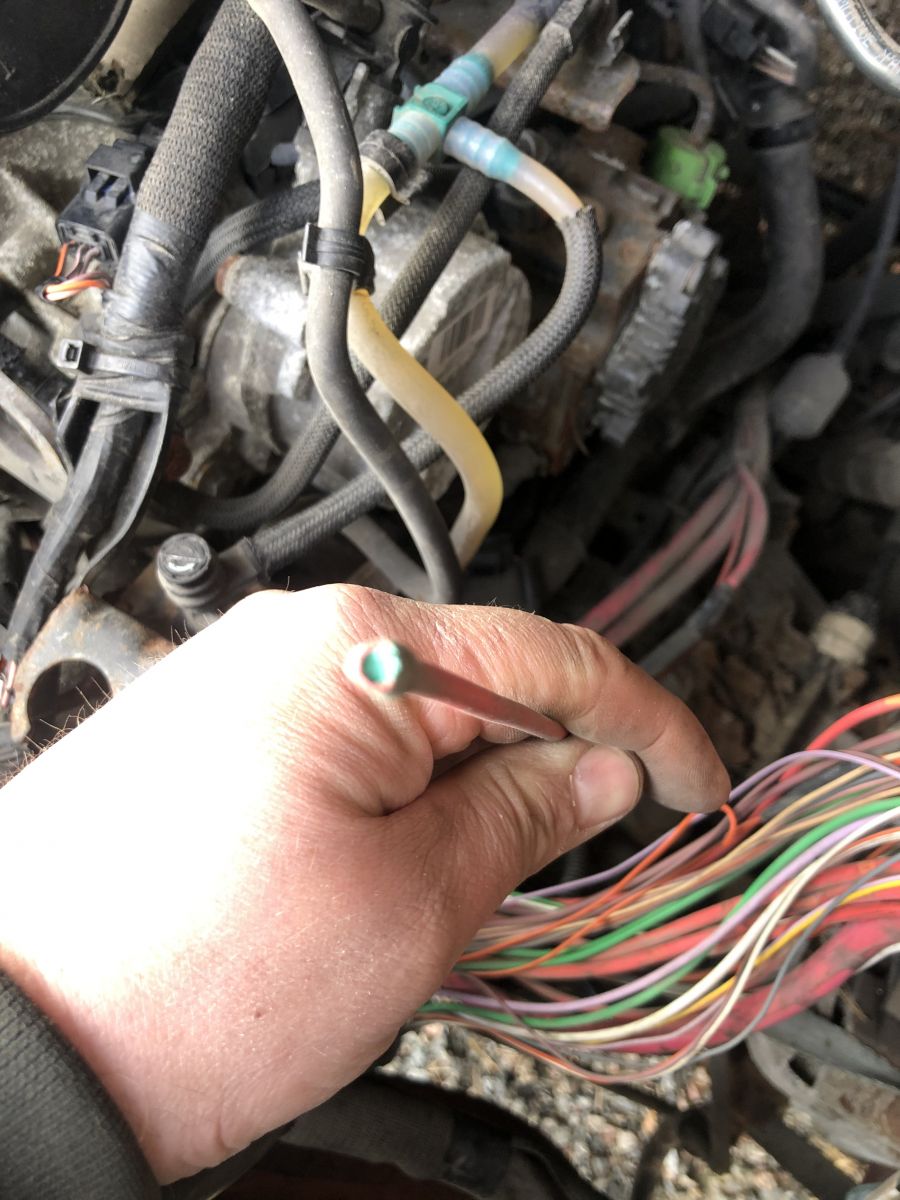
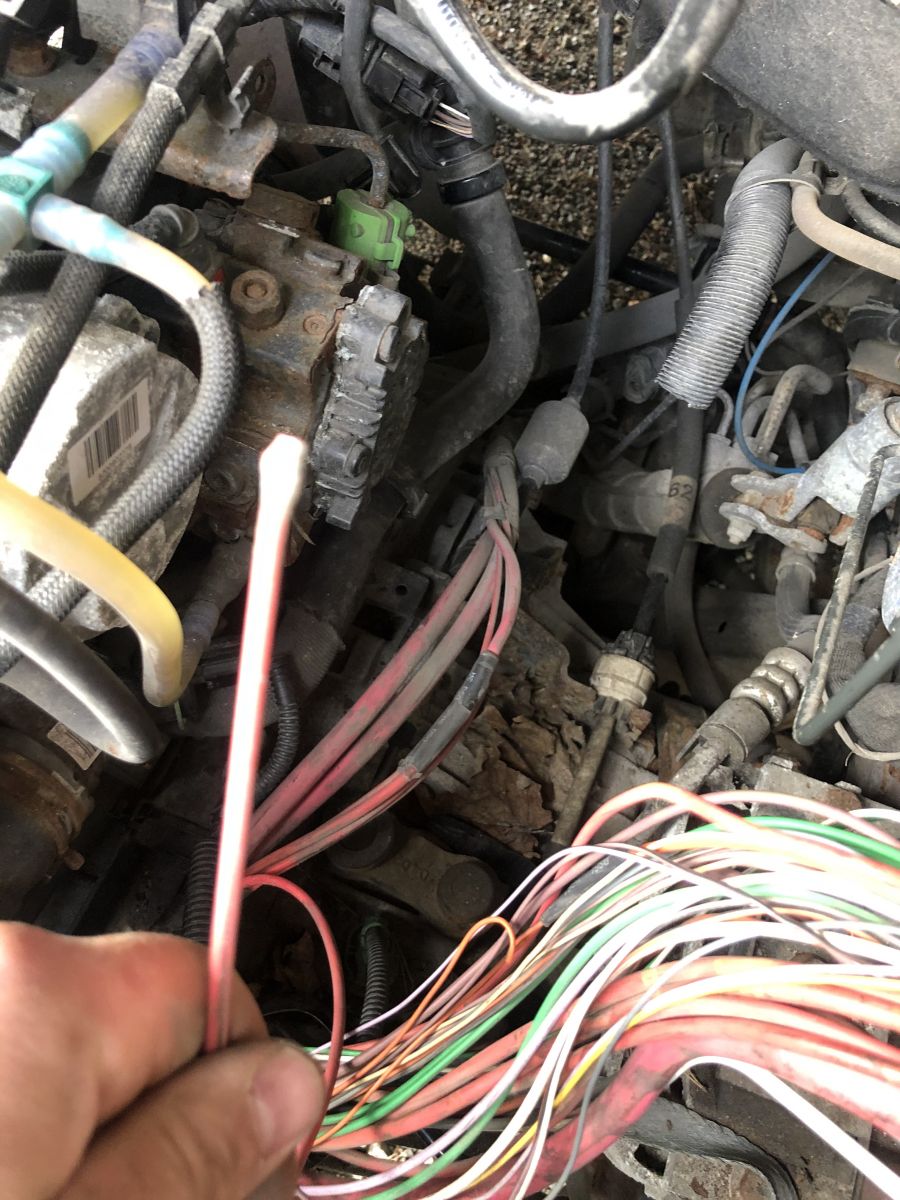
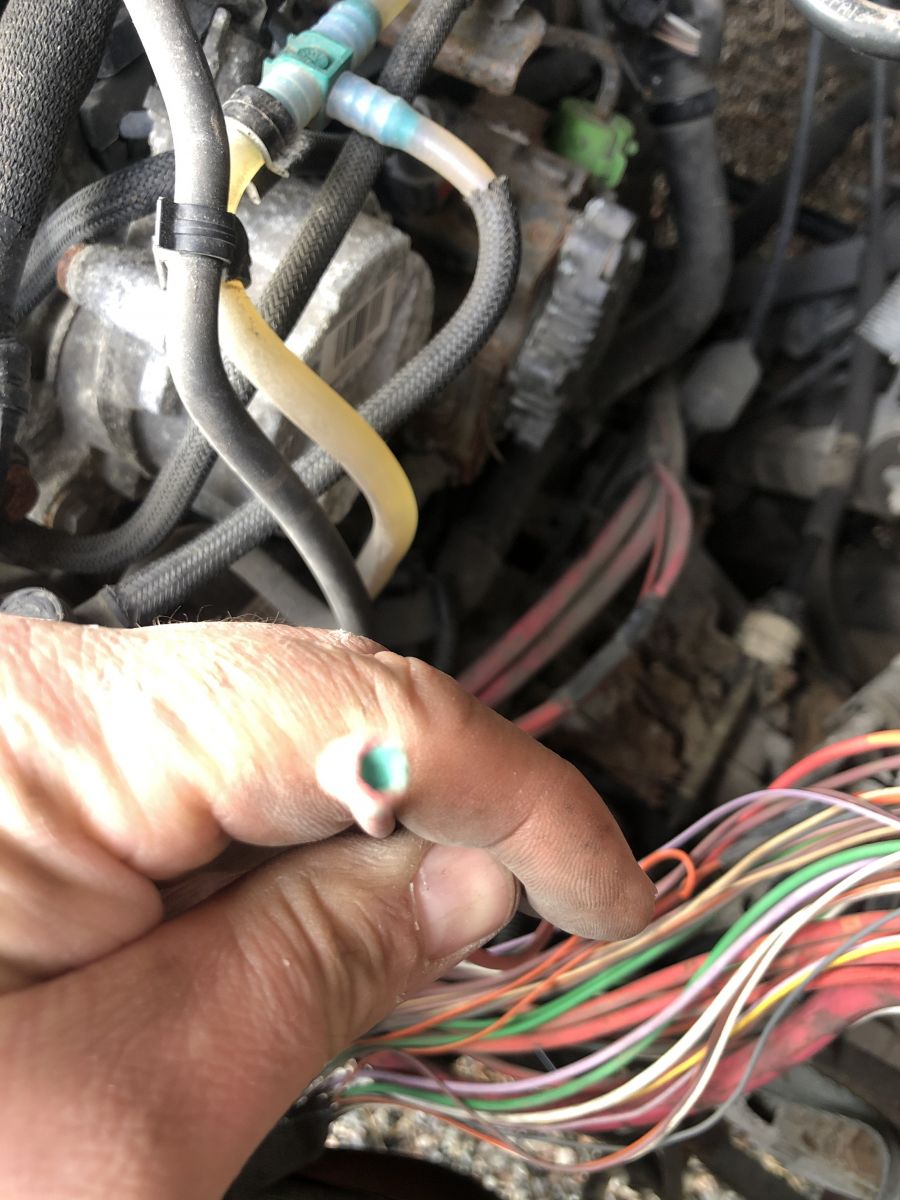
- Known fix reported: rotten red main cable from battery to under-tank fuse box causing oil-pressure warning and no crank. [Elektroda, boy0, post #19315648]
- Dim-all-on-crank suggests high resistance at ground or a faulty starter circuit path. [Elektroda, TooSlow95, post #18357447]
- Intermittent “starts 1 out of 10 tries” points to ignition switch, relay, or control wiring continuity. [Elektroda, migmig85, post #18280637]
How do I diagnose “lights on, no crank” on a Renault Master 2.3 dCi?
Confirm the glow-plug lamp goes out. Then check battery state and grounds, relevant fuses, and whether 12 V reaches the starter solenoid in START. If power and grounds are good, inspect the ignition switch connector and the main red feed cable to the under-tank box. “Check the fuses… and the voltage at the starter (key in start position).” [Elektroda, migmig85, post #16967100]
Which fuses should I check first and where are they?
Check the fuses on the battery and the panel to the left of the steering wheel. Pull, inspect, and reseat them. Corrosion or a blown link here can block the start signal or feed. Replace any suspect fuse with the correct rating after testing. [Elektroda, migmig85, post #16967100]
Why do all lights dim when I turn the key but the engine doesn’t crank?
That behavior indicates a bad ground path or high resistance in the starter circuit. Clean and tighten the negative battery clamp and the body/engine ground points. Verify the ground strap continuity and voltage drop under load. “You have problems either with mass… Check the connection of the mass.” [Elektroda, TooSlow95, post #18357447]
What’s the story with the ‘oil pressure fault’ and no crank?
Owners reported an oil-pressure warning with a silent starter caused by a rotten red main cable from the battery to the box under the expansion tank. Replacing or repairing that cable restored starting. Inspect the loom in the tray and below for green corrosion. [Elektroda, boy0, post #19315648]
Could the ignition switch (ignition “cube”) be the culprit?
Yes. If fuses and starter test fine but no solenoid signal appears in START, suspect the ignition switch block. Wiggle-test harness, then measure output at START. If intermittent, replace the switch. A member flagged the ignition cube after fuse checks. [Elektroda, migmig85, post #16967100]
How do I test if the starter itself is okay?
Bench-test or apply 12 V to the solenoid control to see if it engages and spins. Also measure voltage at the solenoid while someone holds the key in START. If power is present but no action, the starter or solenoid has failed. [Elektroda, Megawe, post #16952997]
What quick 3-step plan should I follow roadside?
- Clean/tighten battery clamps and the main engine/body grounds.
- Check the battery-top fuse links and the left knee-panel fuses.
- Measure for 12 V at the starter solenoid while turning to START; if absent, inspect ignition switch and main red feed. [Elektroda, migmig85, post #16967100]
Everything in the cabin works (windows, radio). Does that rule out the battery?
No. Accessories draw far less current than cranking. Cold can cut available battery power sharply; at 32°F, capacity drops about 35%. A weak battery may light the dash yet fail to crank. Load-test the battery before chasing other faults. [AAA Northway]
My van starts only 1 out of 10 attempts. What should I check?
Intermittent no-crank points to an ignition switch output, starter relay contact, clutch/neutral safety input, or corroded control wire. Scan the ECU for start-request faults and prove continuity to the solenoid. Address any harness corrosion noted near the tray. [Elektroda, migmig85, post #18280637]
Central locking works—does that mean the immobilizer isn’t the issue?
Working locks show the BCM has power, but immobilizer logic can still inhibit cranking or fueling. However, this thread’s no-crank cases traced to power/ground, fuses, ignition switch, or main cable faults rather than the immobilizer. Diagnose those first. [Elektroda, marcin.koch, post #16952992]
What if dashboard lights go out when I turn the key to START?
That drop suggests a heavy voltage sag due to poor ground, weak battery, or a shorted starter. Load-test the battery, clean grounds, and check the starter current path before replacing parts. “You have problems either with mass… or with starter.” [Elektroda, TooSlow95, post #18357447]
What is CAN bus and is it related to this no-crank?
CAN bus is an automotive network linking ECUs for data exchange. It doesn’t carry the starter’s high current, but modules on CAN can authorize starting. Electrical feed or ground faults can still prevent cranking even if CAN is fine. [CAN bus]
How long do batteries typically last, and when should I suspect mine?
Passenger-vehicle batteries typically last 3–5 years. If yours is within that window and you have no-crank symptoms, load-test it before deeper diagnostics. Replace if it fails under load, especially in cold weather. “Batteries generally last 3–5 years.” [AAA Club Alliance]
Which wire should I inspect for corrosion on this platform?
Inspect the red main feed from the battery to the under-expansion-tank fuse/relay box. Members found advanced corrosion there causing oil-pressure warnings and a dead starter. Repairing that section restored normal starting. [Elektroda, boy0, post #19315648]
What measurements confirm a bad ground versus a bad starter?
Perform a voltage-drop test while holding START. More than ~0.3 V drop on ground side or ~0.5 V on the positive side indicates wiring/connection issues. If drops are normal but the starter won’t engage, suspect the starter. “Check the connection of the mass.” [Elektroda, TooSlow95, post #18357447]
Does the glow-plug indicator status tell me anything?
Yes. If it illuminates and then goes out normally, the ECU and key-on feeds are alive. A remaining no-crank shifts focus to the starter control path, ignition switch output, grounds, and main feed integrity. [Elektroda, marcin.koch, post #16952943]