logo elektroda
logo elektroda
X
logo elektroda

Parkside PHKS1350E4 circular saw: Identify 8-pin IC on controller PCB (not U2008B)

riparofaidate 441 8
ADVERTISEMENT
  • #1 21732246
    riparofaidate
    Level 4  
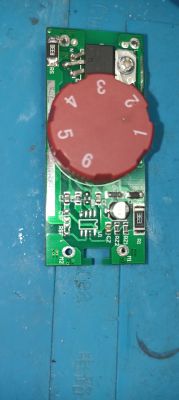
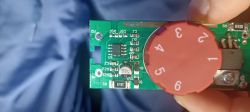
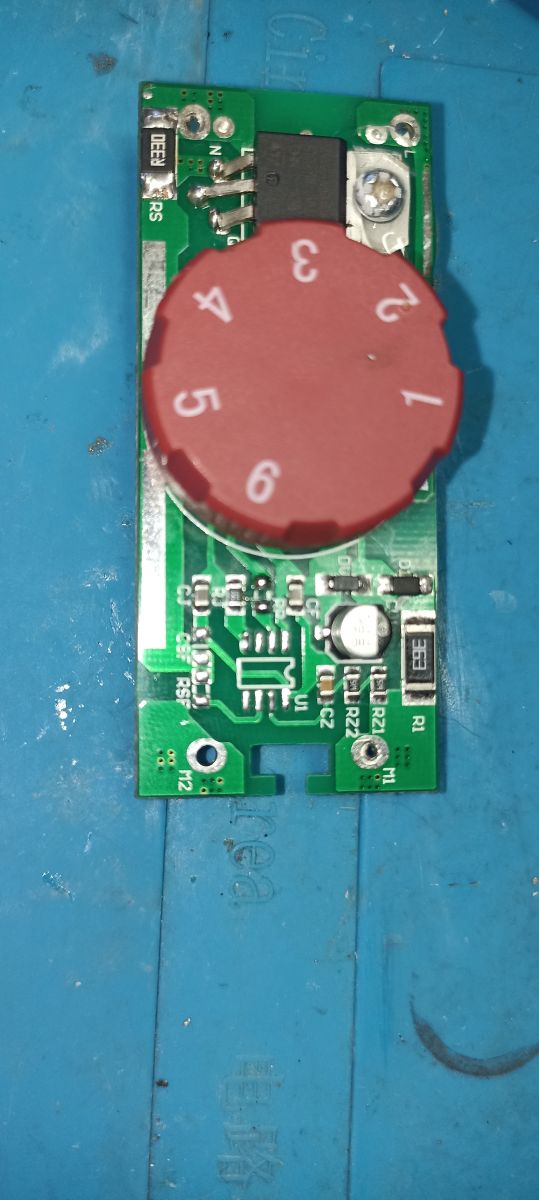
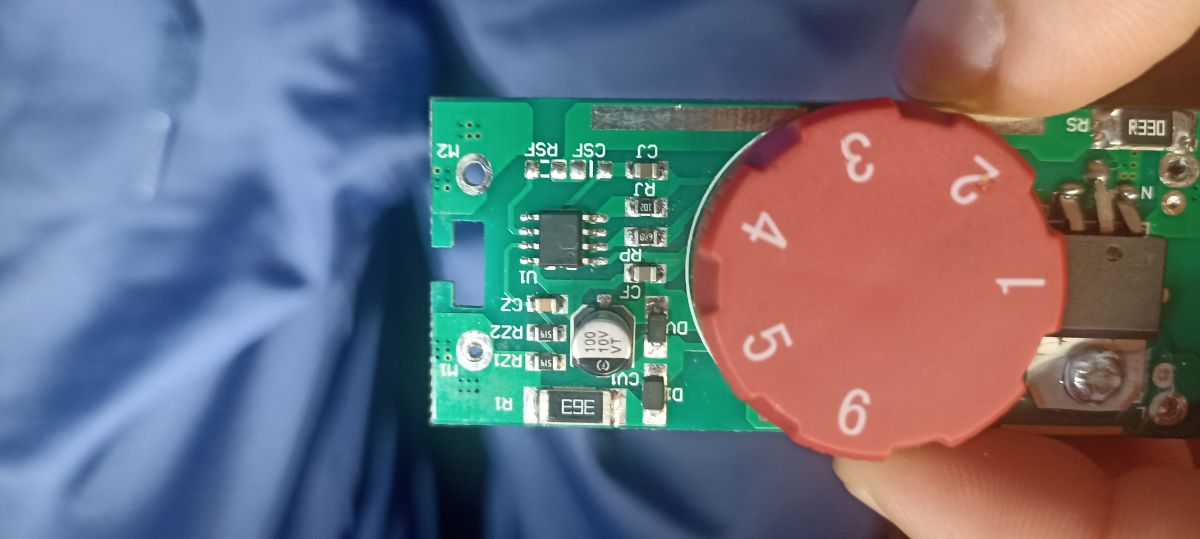
    Hello everyone. I have a problem with my Parkside circular saw model phks1350e4. The product does not turn on. I disassembled the controller PCB part. I found the burnt shunt resistor at the power input. It has already been replaced together with the BTB16800CW triac. Now I have to replace the 8-pin IC because it is damaged, along with the 68 Ω SMD resistor that is on the N2 pin of the IC. I will replace this at a later time. Unfortunately there is no code that identifies the type of chip. I thought it was a U2008B, but the pins do not match. Is there anyone who can help me identify the chip? Thanks a lot! I attach a photo
    PCB with marked IC slot labeled U1 and missing 8-pin chip
    PCB with red dial and empty footprint for 8-pin integrated circuit
    Close-up of PCB with potentiometer and 8-pin integrated circuit
  • ADVERTISEMENT
  • ADVERTISEMENT
  • #3 21732418
    riparofaidate
    Level 4  
    >>21732319 Thanks for the very kind answer. I verified the datasheet; it would seem the right one, but I have a doubt about PIN 2 and 4 of the ICs. PIN 2 on the PCB is connected to the gate, while on the datasheet it is written Output, and PIN 4 from the datasheet is mass. What do you tell me?
  • #4 21732714
    elktrod
    Level 40  
    riparofaidate wrote:
    What can you advise me?
    Can you use some other regulator so that it fits mechanically, i.e. in terms of dimensions and triac power? I have worked out a solution from a screwdriver and I manage to repair it, so check the datasheet of the triac used here to see if it can handle the power of your circular saw: https://www.elektroda.pl/rtvforum/topic4084916.html#21712168 Check if you have a potentiometer working and with the value as in the proposed solution?
    You can also try a solution like the one you mentioned in your first post - looks at the attachment...You will find a lot of different solutions modified on the web e.g.: https://www.youtube.com/watch?v=aBZq0GXxVTs it's just a matter of matching the power of the components to the power of your device....
  • ADVERTISEMENT
  • #5 21733105
    riparofaidate
    Level 4  
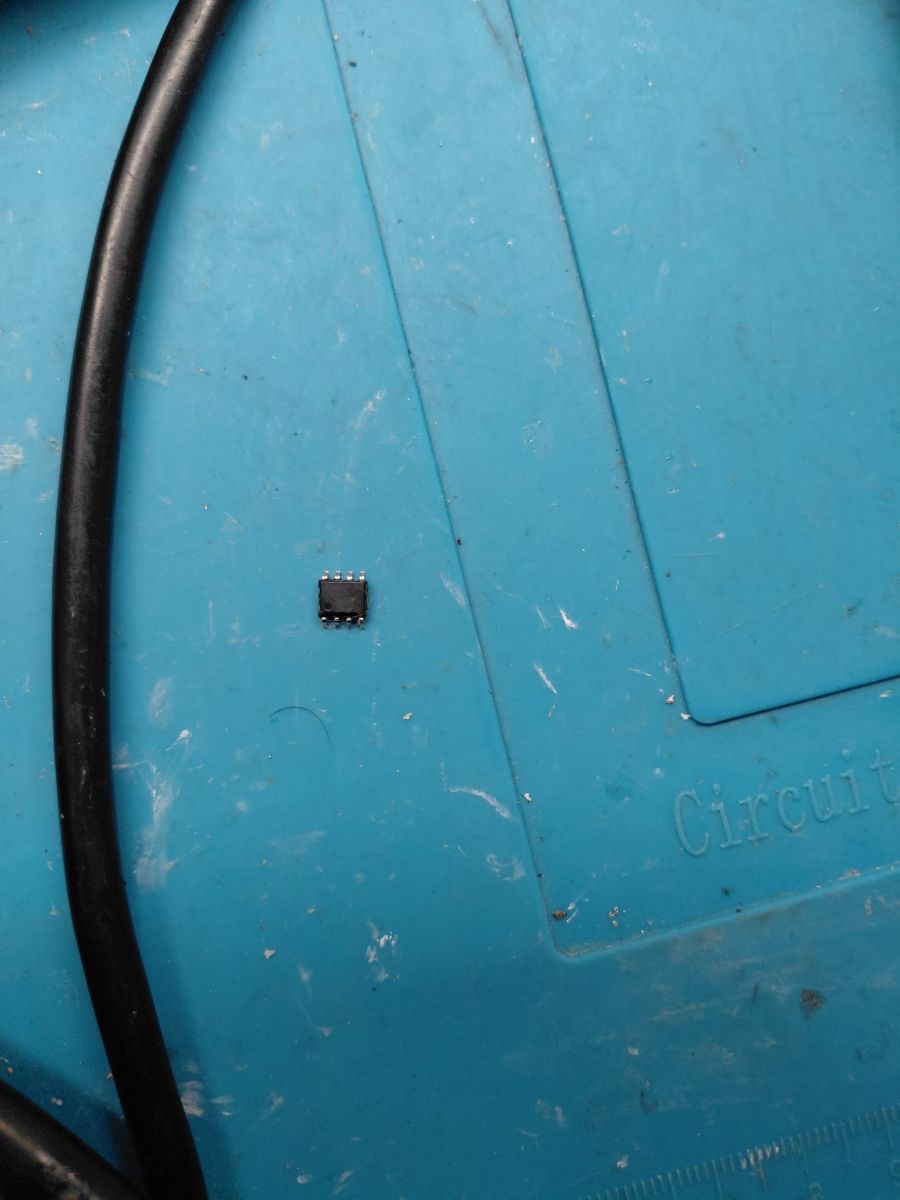
    Small 8-pin IC chip lying on a blue anti-static work mat.
    thanks for the tips. a new controller I can't insert it. I would like to replace the only chip. I'm not a professional, I'm a lover of DIY repairs 😉 I wanted to find a chip that fits the card from as you see from PINs reported by PCB, if it can be useful, This is my board configuration:
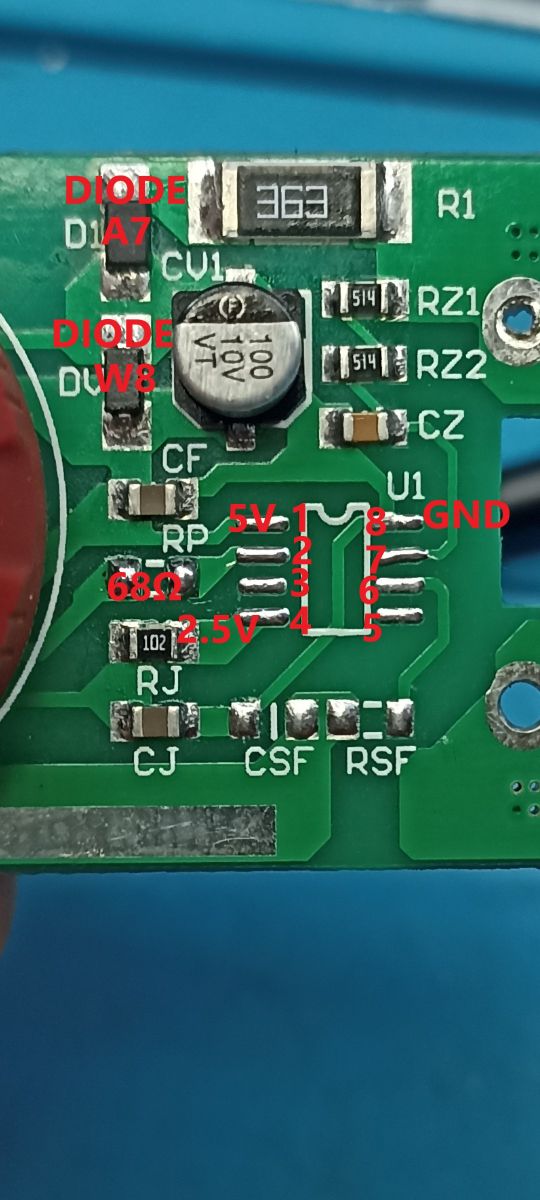
    Pin 1 (on the board footprint) → connected to the potentiometer (RP)
    Pin 2 → connected to the triac gate through the open SMD resistor (R680)
    Pin 3 → ground (GND)
    Pin 5 → ground (GND)
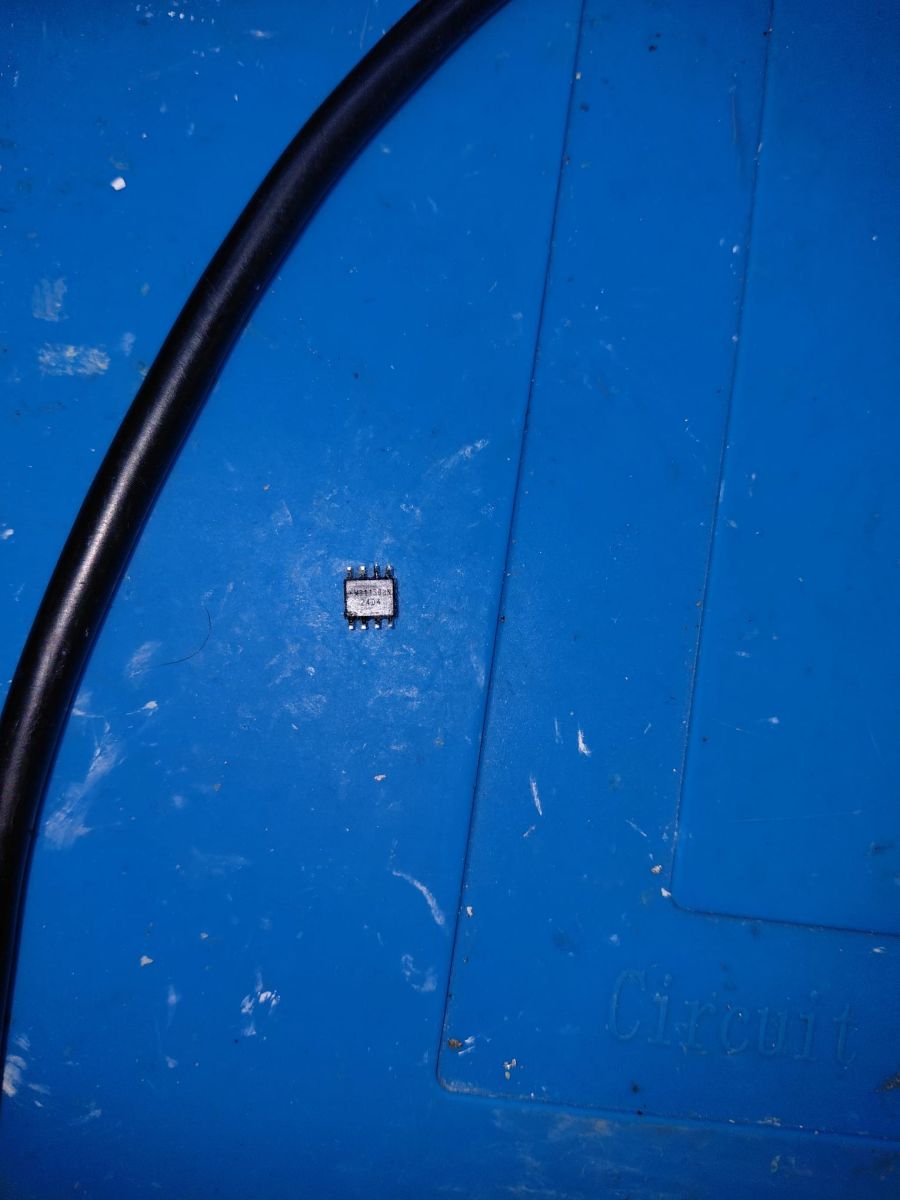
    Pin 8 → Vcc (connected to the electrolytic capacitor, you measured ~5 V). I cleaned the chip in the bottom and I managed to read the abbreviation on the chip: it says KM311S08N -2404 ALLEGO PHOTO. If you can find something equivalent, thanks
    Small 8-pin KM311S08N chip on a blue anti-static work mat
  • #6 21733323
    elktrod
    Level 40  
    I'll just ask :
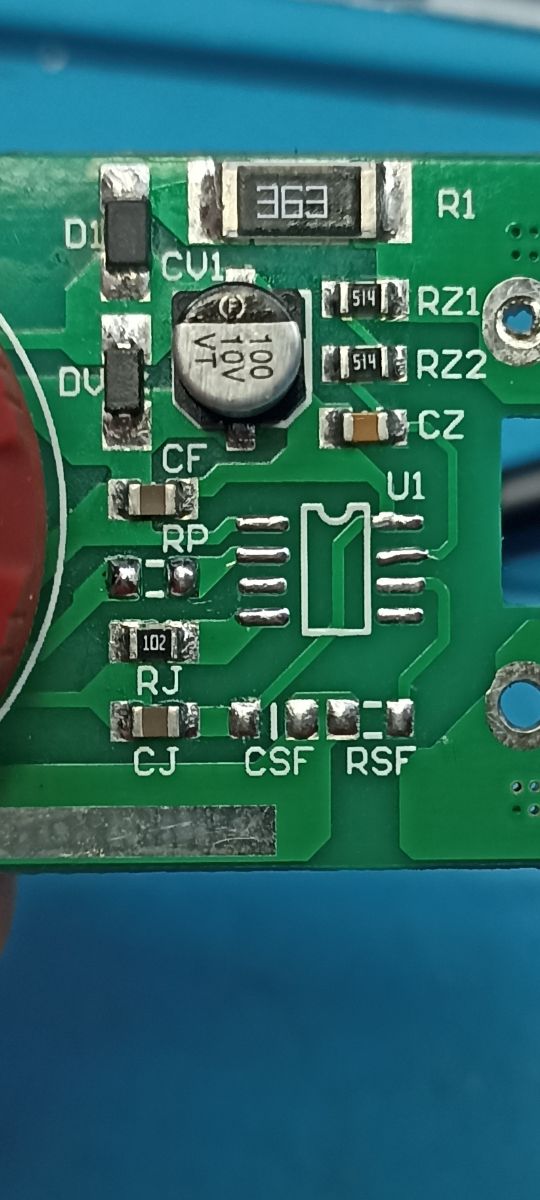
    Close-up of a PCB with a red rotary dial and labeled electronic components
    According to me legs 3 and 5 are in the air ? Unless there are vias to the other side of the PCB ?
    There are no tracks on the back of the PCB or are there? Because you didn't show a picture of the other side ?
    And did you measure the RP resistance on the 2nd leg and how much is it ? Because the code of this resistor is 680 or 6R0 ?
  • #7 21733487
    riparofaidate
    Level 4  
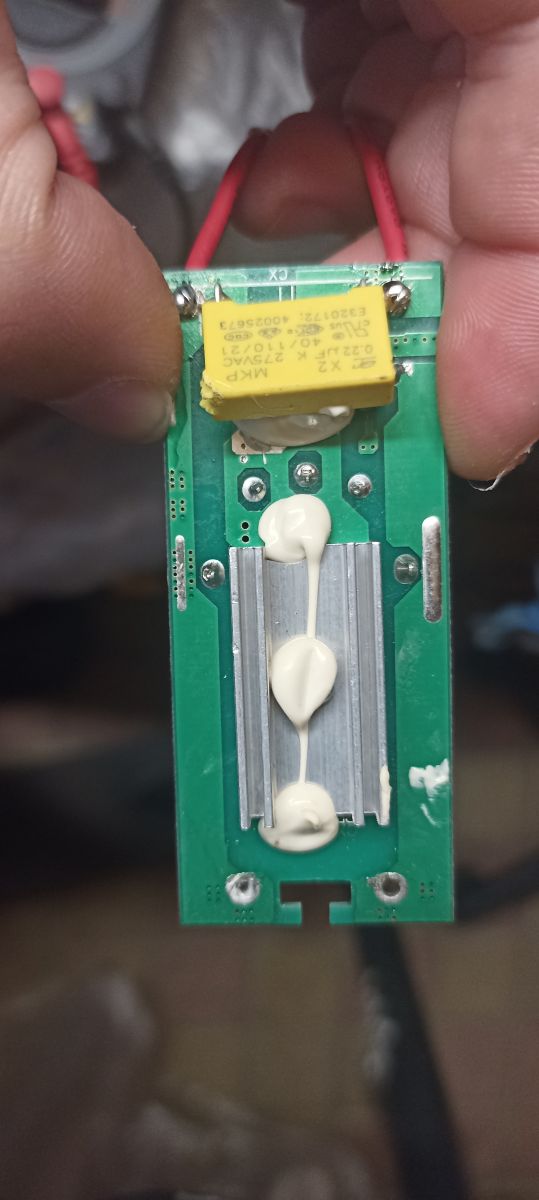
    Hi, pins 3 and 5 are not connected anywhere, not even under the board. The RP resistor is 680 (68 Ω) and it burned out, I will replace it as soon as I find a compatible chip. Under the board there are only a few traces that connect the potentiometer. I had thought of installing the u2008b chip by modifying the pins by soldering some cables directly onto the PCB, but I'm not sure about the outputs. If there was any help on how to modify them, I could also install the u2008, or find a chip compatible with my PCB that provides the correct outputs. Is it possible that one doesn't exist? I attach the photo.
    PCB module with yellow capacitor and heatsink, coated with thermal paste
  • #8 21734152
    riparofaidate
    Level 4  
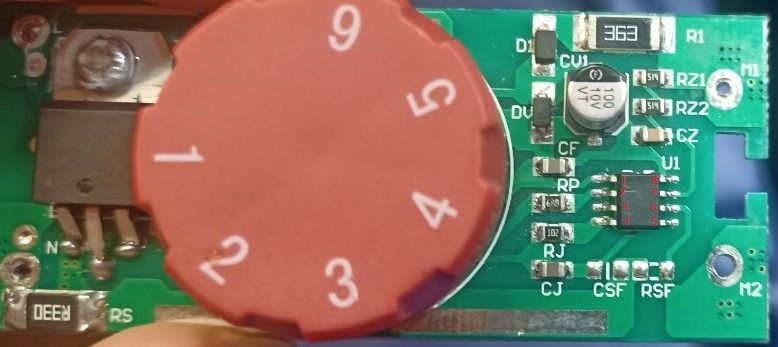
    Hi @elktrod , if I can help you, I've rechecked the pin connections.
    Pin 1 has a voltage of 5 V, Pin 2 is connected to the gate of the BTB16 800CW triac, Pins 3 and 5 are not connected anywhere, Pin 8 is connected to the negative of the 100 µF, 10 V capacitor. The other pins remain: Pin 6 should be the mains synchronization phase, and Pin 7 is the power-on delay.
    Close-up of PCB with labeled IC pins, voltages, and surface-mounted components
  • ADVERTISEMENT
  • #9 21736322
    riparofaidate
    Level 4  
    To all friends: For those interested, the circular saw chip located on the PCB is an FT61F021B. To be used on the PCB, the chip must be programmed with a software that only the company has. The solution is to replace the entire PCB or take the chip from a donor board.

Topic summary

The Parkside PHKS1350E4 circular saw fails to power on due to a damaged controller PCB. Initial repairs included replacing a burnt shunt resistor and the BTB16 800CW triac. The main challenge is identifying and replacing an 8-pin IC on the controller board, which lacks visible markings and is not a U2008B as initially suspected due to pinout discrepancies. The IC footprint pin connections are: Pin 1 to potentiometer, Pin 2 to triac gate via a 68 Ω resistor, Pins 3 and 5 unconnected, and Pin 8 to 5 V supply. The chip marking was partially readable as KM311S08N. Attempts to substitute with LM358 or U2008B require pin modifications and are uncertain. Further analysis identified the IC as an FT61F021B, a proprietary chip requiring company-specific programming, making direct replacement difficult. The recommended solution is to replace the entire PCB or source the chip from a donor board. Additional advice includes verifying triac power ratings and potentiometer values to ensure compatibility in repairs.
Summary generated by the language model.
ADVERTISEMENT