The DigiTOP VP-16Af is a DIN-rail voltage relay for protecting electrical equipment from overvoltage, with programmable cutoff, hysteresis, and turn-on response time.
It uses a simple LED display and sealed screw terminals, and the box includes a small screwdriver plus a Polish-language settings manual.
The relay costs around £130 and, in one test, switched on at around 23V while the display incorrectly showed 39V.
Measurements became sensible from 41V onwards, with up to 2V difference above 200V, but the front LED still indicated correct operation.
AI summary based on the discussion. May contain errors.
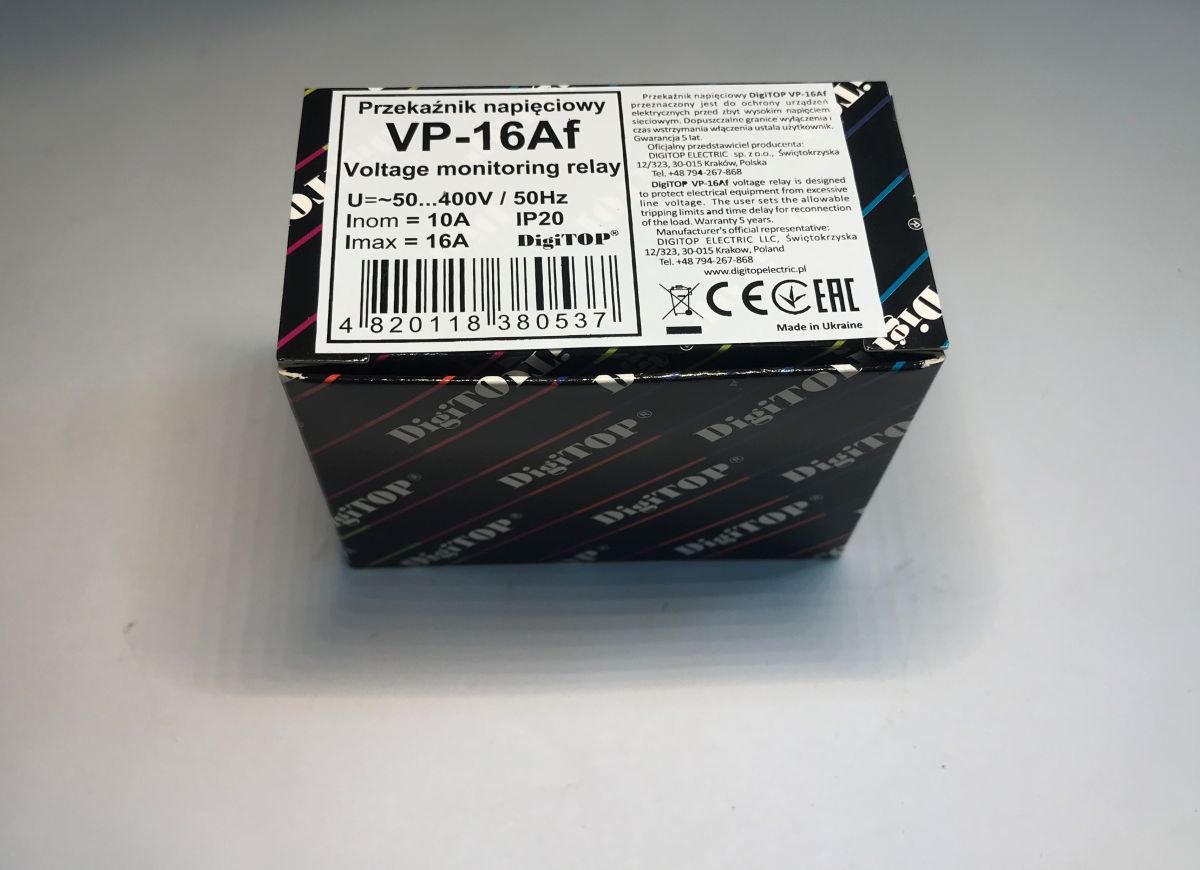
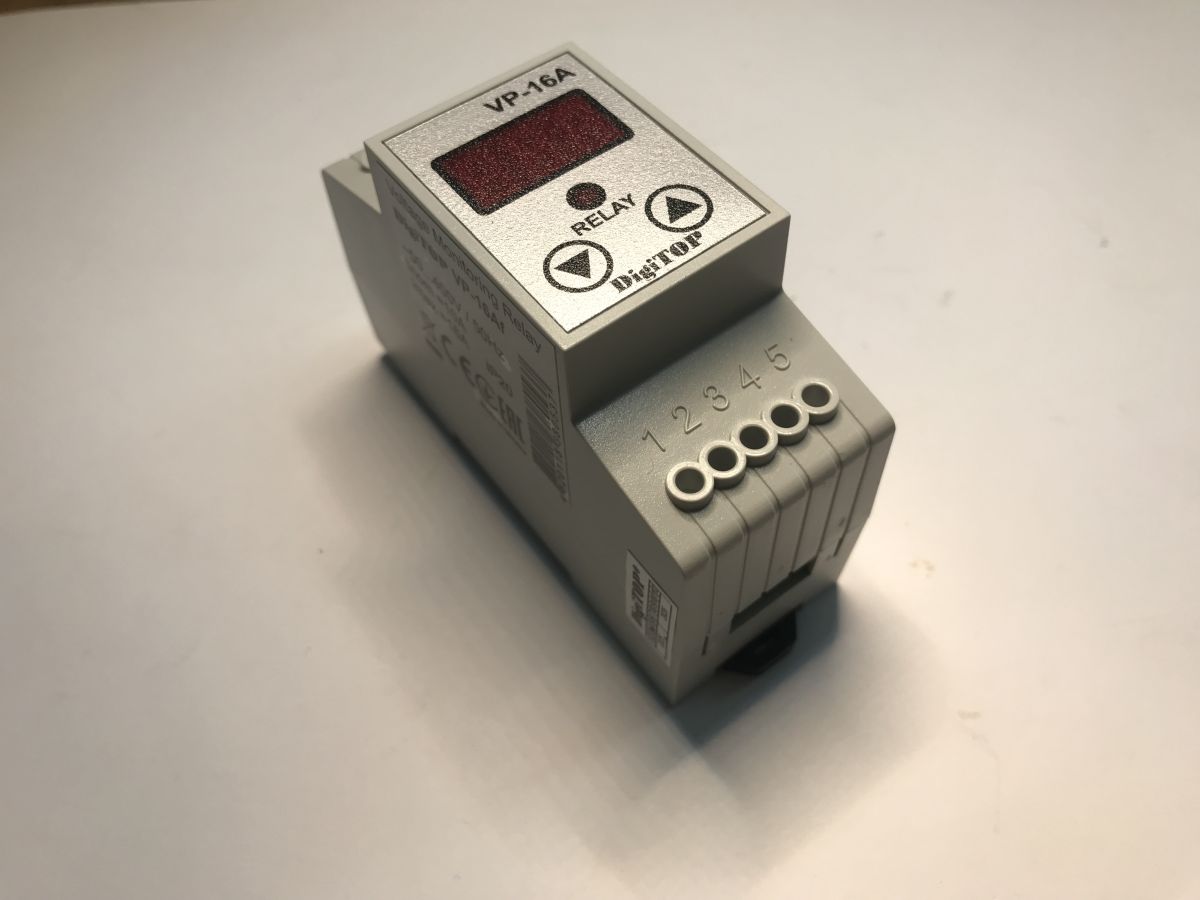
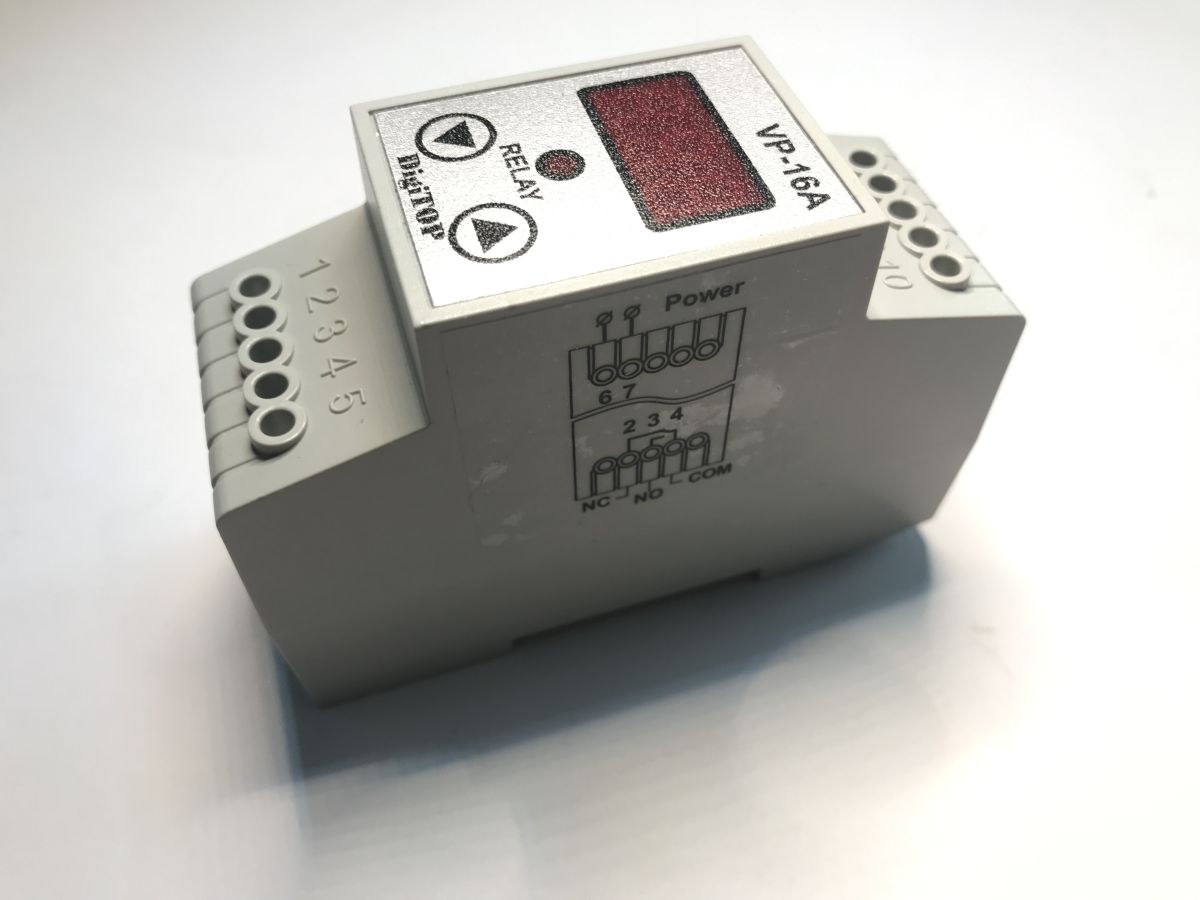
Here I will introduce the DigiTOP VP-16Аf voltage relay designed to protect electrical equipment from excessive electrical voltage. It offers a simple LED display and a programmable setting for the upper cut-off limit, hysteresis and turn-on response time. The device is available to buy for around PLN 130.
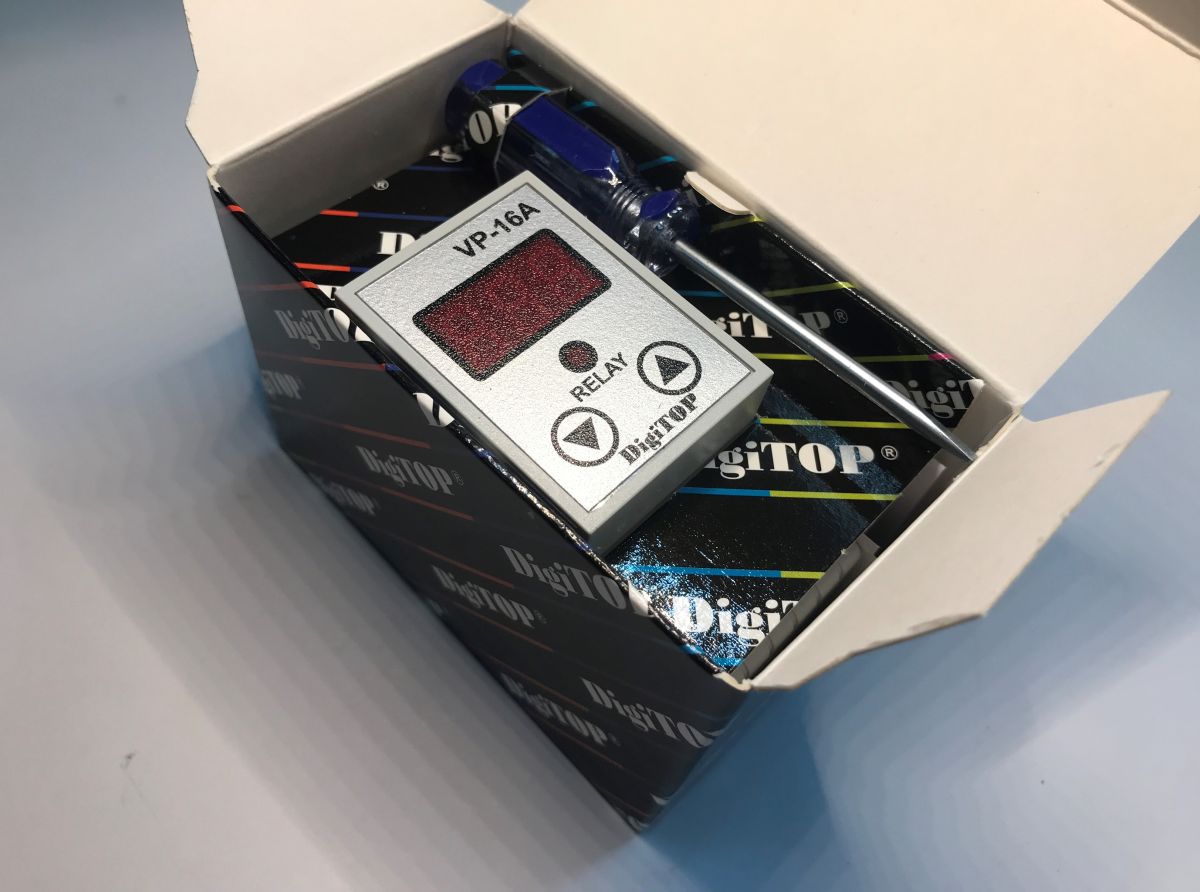
Let's start with the unboxing and contents of the kit. We also get a small screwdriver in the box, which on the one hand is a nice, but also a strange idea. Rather, the person assembling this type of equipment has a screwdriver.
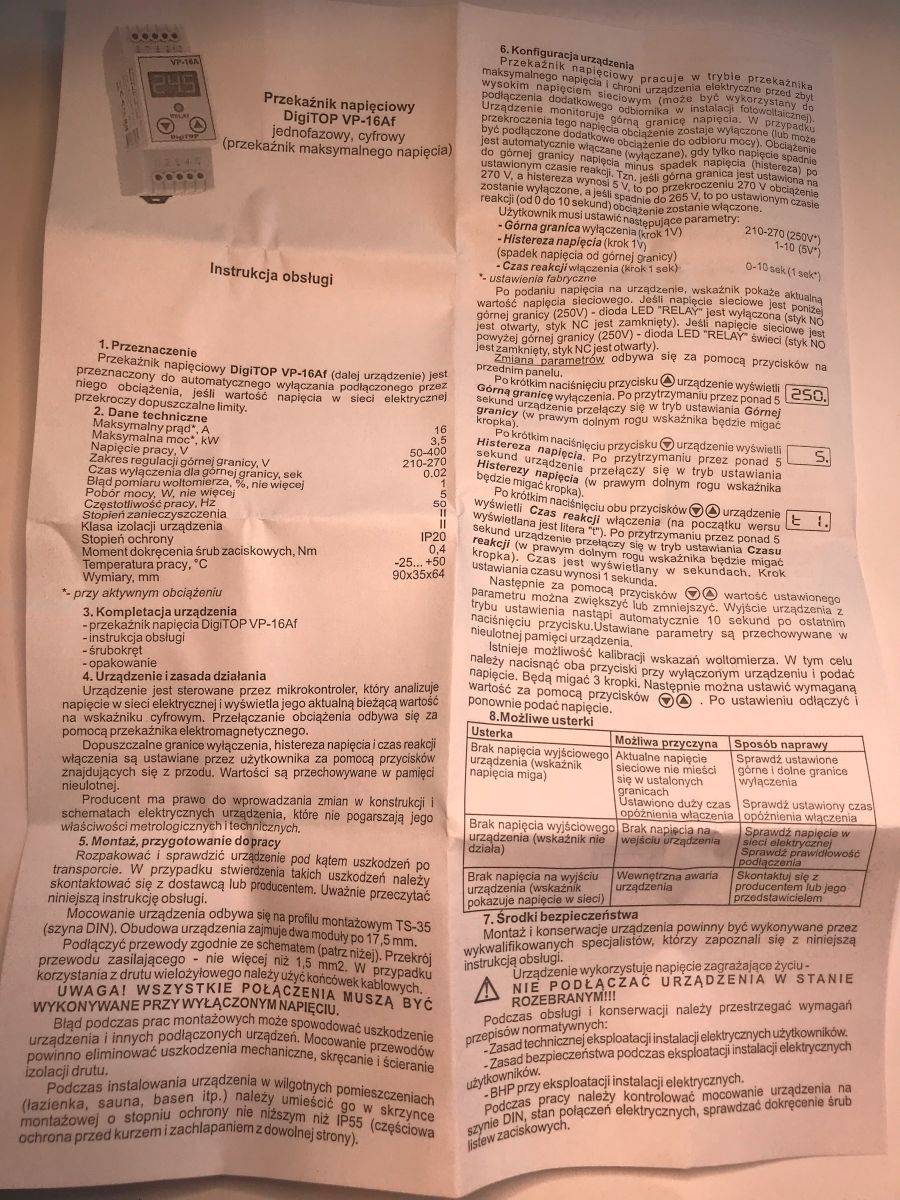
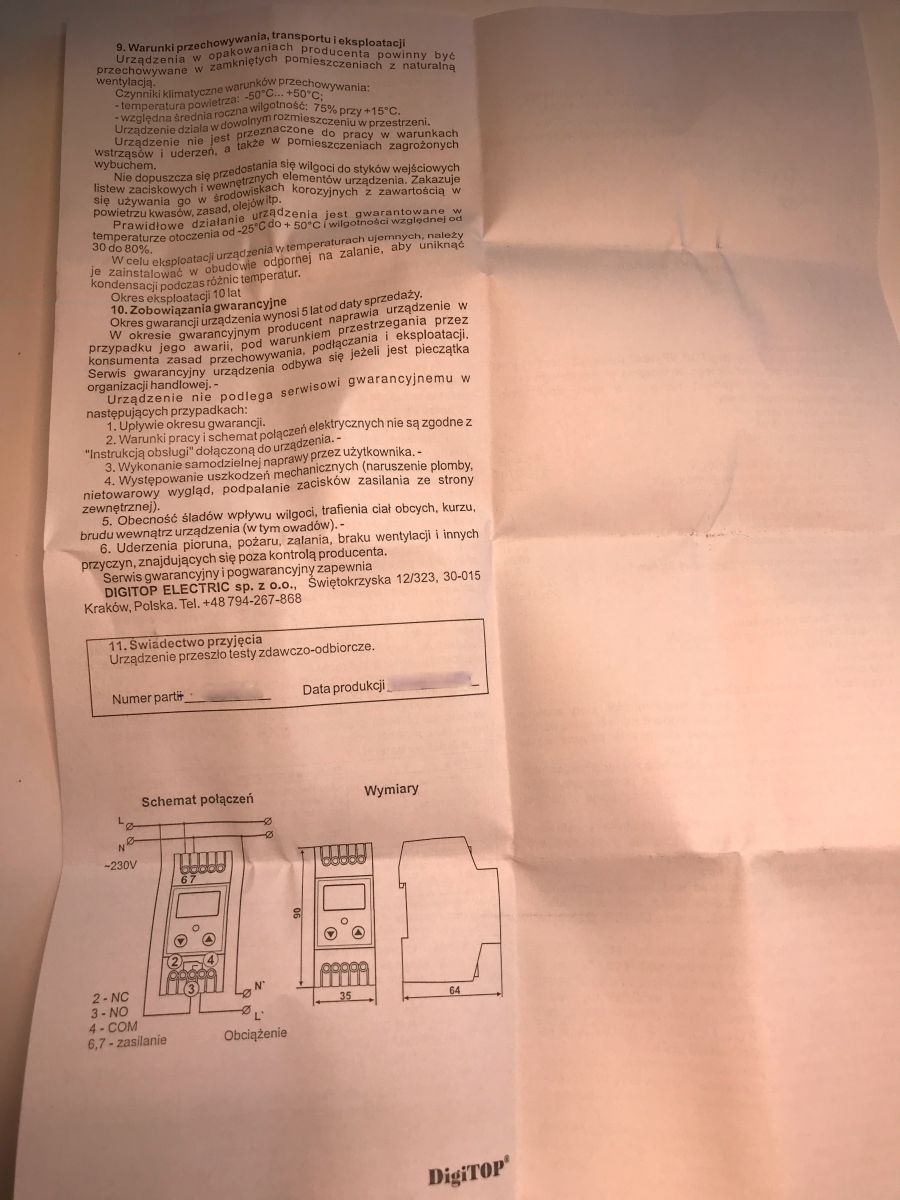
A Polish-language manual describing how to change the device's settings is also included, so I won't go into that here.
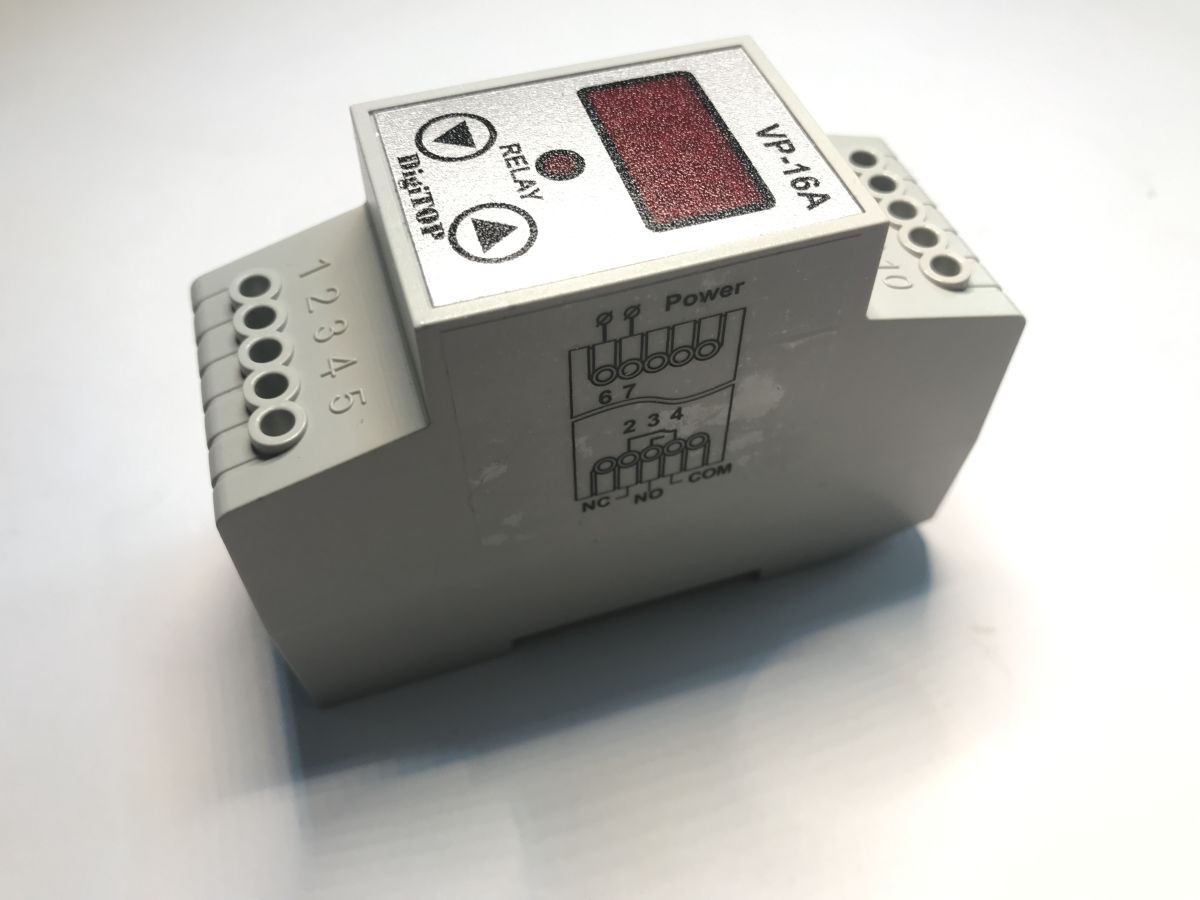
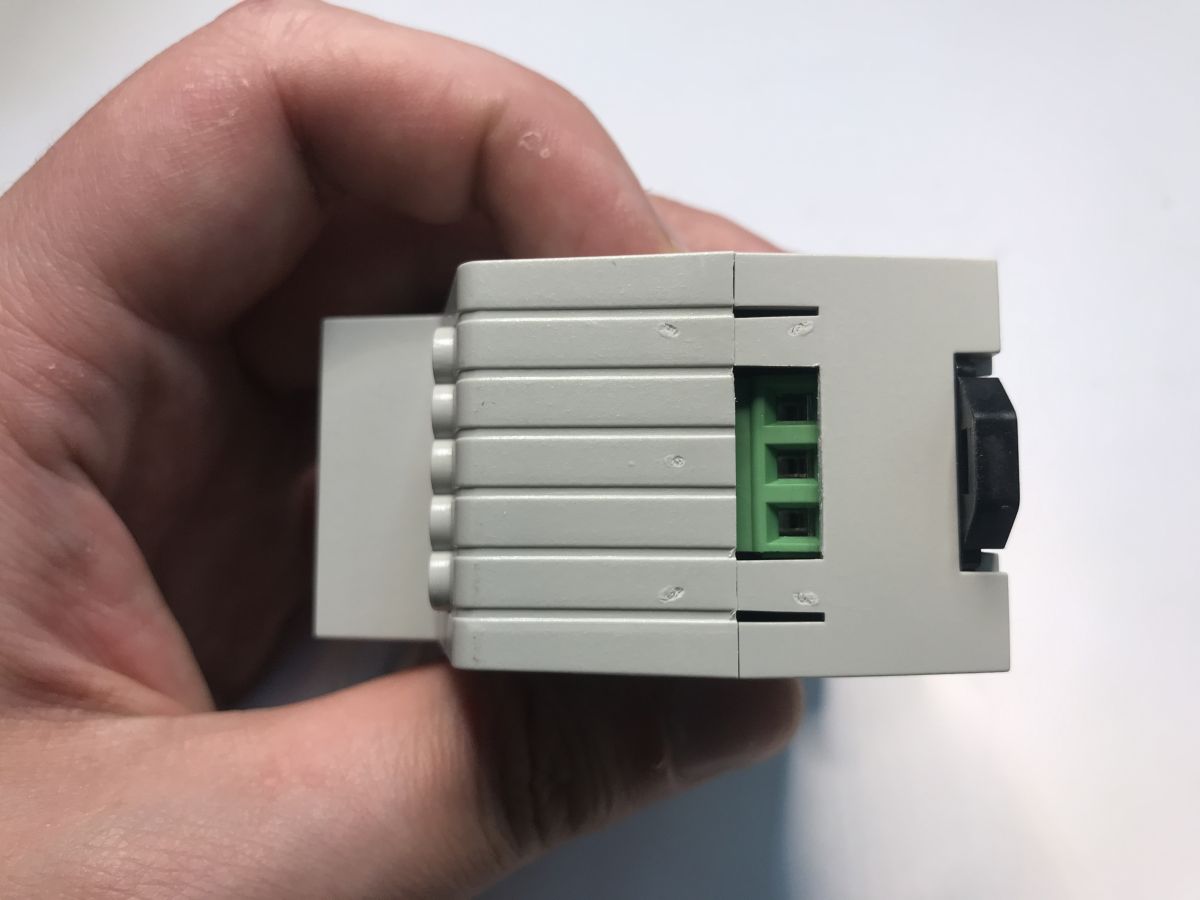
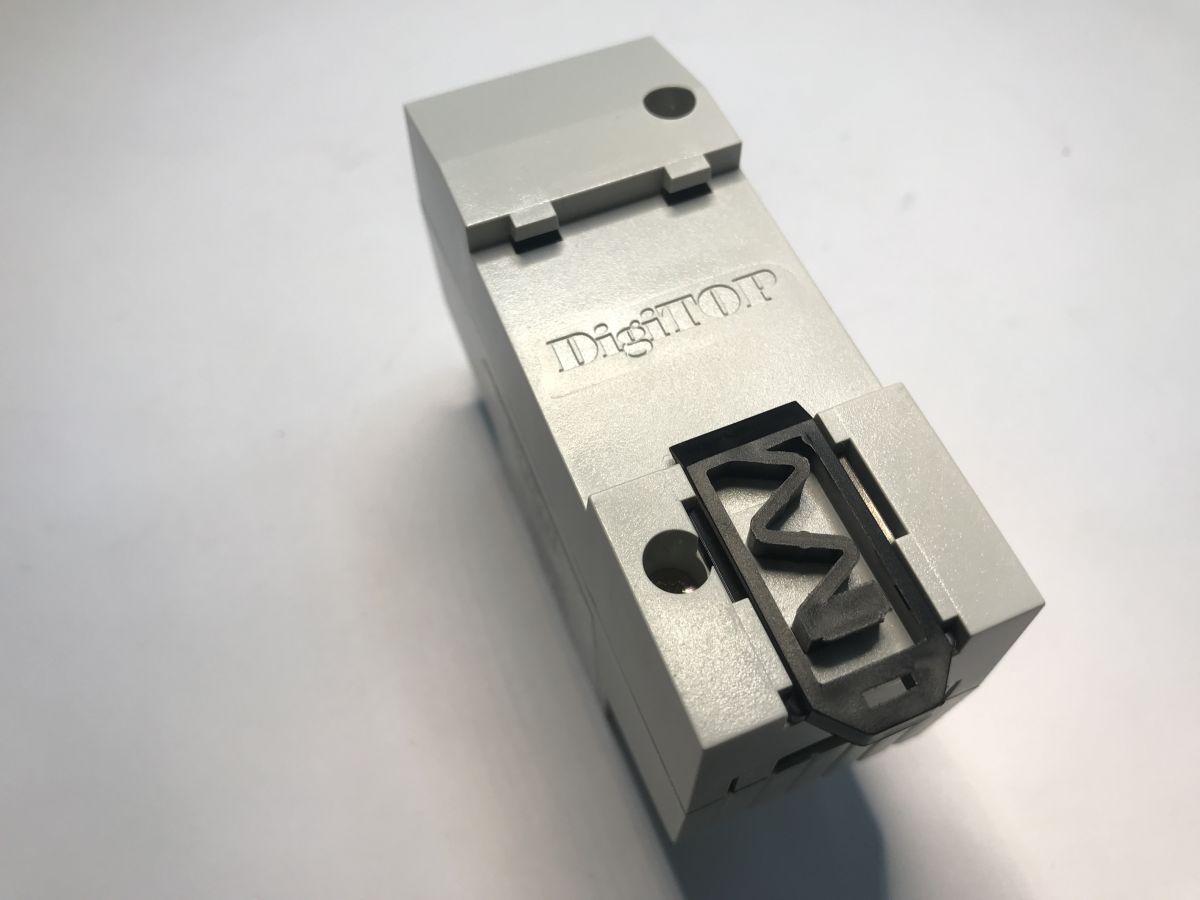
The unit is DIN rail mounted. I haven't looked inside as there is a seal, while I think that a little bit these screw terminals could be more solid.
Time for some videos. Setting the limit voltage:
Hysteresis setting:
Test with autotransformer:
The unit switches on at around 23V, but the result is quite incorrect - it shows 39V. Sensible measurements are from 41V onwards. At voltages above 200V I have seen up to 2V difference. The unit responds correctly, as evidenced by the LED on the front.
Basically that's it for today. That was a basic first presentation, although I might still try to do a second part and measure with an oscilloscope how fast this relay opens. In the meantime, I leave the verdict to you - do you use this type of relay? Or do you know of better alternatives?
About Author
p.kaczmarek2 wrote 14795 posts with
rating 12944 , helped 659 times.
Been with us since 2014 year.
I have a 5kw inverter and it switches itself off at the output when the battery voltage drops to a minimum and then I have a relay at the output which switches off the voltage from the inverter and switches... [Read more]
FAQ
TL;DR: For electricians and PV users, the DigiTOP VP-16Af is a DIN-rail overvoltage relay sold for about £130; the reviewer says, "Sensible measurements are from 41V onwards." It lets you set the upper cut-off, hysteresis, and turn-on delay, but its low-voltage display is unreliable below roughly 41V. [#21882945]
Why it matters: This FAQ helps you judge whether the VP-16Af is suitable for basic overvoltage cut-off, setup, and bench testing before you wire it into a real installation.
Key insight: The relay appears to switch correctly, but its displayed voltage is not trustworthy at very low input levels. At mains-like voltages above 200V, the observed error was up to 2V, which is far less severe than the low-voltage misreading. [#21882945]
Quick Facts
Approximate purchase price was £130, placing the VP-16Af in the category of installed protection hardware rather than a disposable accessory. [#21882945]
The box includes the relay, a small screwdriver, and a Polish-language manual for changing settings. [#21882945]
The device mounts on a DIN rail and uses screw terminals; the reviewer noted those terminals could feel more solid. [#21882945]
In bench testing, the unit started operating at about 23V but displayed 39V, so low-voltage indication was clearly inaccurate. [#21882945]
Above 200V, the reviewer observed up to 2V difference between the device reading and the test value, while the front LED still showed correct response behavior. [#21882945]
What is the DigiTOP VP-16Af voltage relay used for in a photovoltaic or electrical installation?
The DigiTOP VP-16Af is used to protect electrical equipment from excessive voltage. It is presented as a voltage relay with an LED display and programmable settings for the upper cut-off limit, hysteresis, and turn-on response time. In practice, it serves as a protective disconnect device rather than a measurement instrument. [#21882945]
How do you set the upper cut-off voltage on the DigiTOP VP-16Af?
You set the upper cut-off voltage through the device’s programmable settings. The thread shows a dedicated video for changing that limit, and the included manual also explains the procedure in Polish. The exact button sequence and menu values were not written out in the post. [#21882945]
What does hysteresis mean on a voltage relay like the DigiTOP VP-16Af, and how should it be set?
Hysteresis is the return gap between the cut-off threshold and the voltage level that allows switching back on. The VP-16Af lets you program that value, and the thread includes a separate video showing the setting process. The post does not state a recommended number in volts for a real installation. [#21882945]
How do you change the turn-on response time on the DigiTOP VP-16Af voltage relay?
You change the turn-on response time through the relay’s programmable menu. The author states that a Polish-language manual is included and that it describes how to change the settings, so the procedure is documented in the box. The post confirms the feature exists but does not list the exact steps or timing range. [#21882945]
Why does the DigiTOP VP-16Af start indicating only from about 23V and show an incorrect 39V reading at low voltage?
It behaves that way because its low-voltage indication is inaccurate in that operating region. In the autotransformer test, the unit switched on at around 23V, yet the display showed 39V, and the reviewer concluded that sensible measurements start only from about 41V. That points to poor display accuracy at low input voltage, not necessarily faulty switching. [#21882945]
How accurate is the DigiTOP VP-16Af across different voltage ranges, especially below 41V and above 200V?
It is inaccurate below about 41V and reasonably close above 200V. The post states that the display result at 23V was incorrectly shown as 39V, while at voltages above 200V the observed difference was up to 2V. That makes low-voltage readings unsuitable for evaluation, but mains-level readings much more usable. [#21882945]
What does DIN rail mounted mean, and how is the DigiTOP VP-16Af installed on a DIN rail?
"DIN rail" is a standardized metal mounting rail that holds modular electrical devices inside switchboards, using a clip-on format for fast installation and replacement. The VP-16Af is described as DIN rail mounted, which means it is intended for enclosure installation rather than loose bench use. The post does not show a full installation sequence. [#21882945]
How can you test a DigiTOP VP-16Af with an autotransformer to verify its cut-off behavior?
You can test it by varying the supply voltage and watching the display and front LED. 1. Connect the relay to an adjustable autotransformer output. 2. Raise or lower voltage through the expected threshold. 3. Check whether the LED response matches the programmed cut-off behavior. In the thread, this method showed correct switching behavior even when the low-voltage display was inaccurate. [#21882945]
What is an autotransformer, and why is it useful when testing a voltage protection relay?
"Autotransformer" is a variable transformer that adjusts AC voltage from a shared winding, giving smooth output control for bench testing and calibration work. It is useful here because it lets you sweep the input voltage gradually and observe when the VP-16Af turns on, indicates voltage, and trips or restores around the set threshold. [#21882945]
Why might the screw terminals on the DigiTOP VP-16Af feel less solid, and what should you check before wiring it?
The terminals may feel less solid because the reviewer judged them mechanically weaker than expected for this class of device. Before wiring, check terminal firmness, conductor clamping, and overall build quality at the screw connections. That matters more on a DIN-rail device that may stay installed long term. [#21882945]
DigiTOP VP-16Af vs other voltage relays for photovoltaic protection — what are the better alternatives?
The thread does not name or compare any alternative models, so it does not support a ranked comparison. It only asks readers whether they use this type of relay or know better options. From the post alone, the safe conclusion is that the VP-16Af offers configurable protection features but shows weak low-voltage display accuracy. [#21882945]
What is the real switching speed of the DigiTOP VP-16Af relay, and how would you measure it with an oscilloscope?
The real switching speed is not given in the thread. The author says a second part may follow with oscilloscope measurements of how fast the relay opens, so that test was planned but not yet published. As written, the only confirmed result is that the front LED indicated correct response during the autotransformer test. [#21882945]
How should you interpret a 2V measurement difference on the DigiTOP VP-16Af at mains-level voltages?
Interpret it as a relatively small display error at mains-like voltage, not as proof of failed protection. The reviewer saw up to 2V difference above 200V, which is far less severe than the low-voltage misreading from 23V to 39V. For practical use, that means threshold behavior matters more than display precision alone. [#21882945]
What comes in the box with the DigiTOP VP-16Af, and is the included small screwdriver actually useful?
The box includes the relay, a small screwdriver, and a Polish-language manual. The reviewer called the screwdriver a nice but strange addition, because the person installing this type of equipment would usually already have one. It is usable, but not a deciding benefit of the package. [#21882945]
What are people using instead of a DigiTOP VP-16Af for overvoltage protection, and which alternatives work better in practice?
The thread does not say what people are using instead, and it does not identify any better-performing alternatives. It ends by asking readers whether they use this type of relay or know better options. That means no evidence-based shortlist can be extracted from this source alone. [#21882945]
AI summary based on the discussion. May contain errors.








Comments
I have a 5kw inverter and it switches itself off at the output when the battery voltage drops to a minimum and then I have a relay at the output which switches off the voltage from the inverter and switches... [Read more]