





Gaiaray Power Station (LiFePO4, 153.6 Wh)
TL;DR
- Gaiaray 200W Power Station from AliExpress uses a LiFePO4 pack rated at 153.6 Wh and offers AC, USB-A, USB-C, DC5521, and torch outputs.
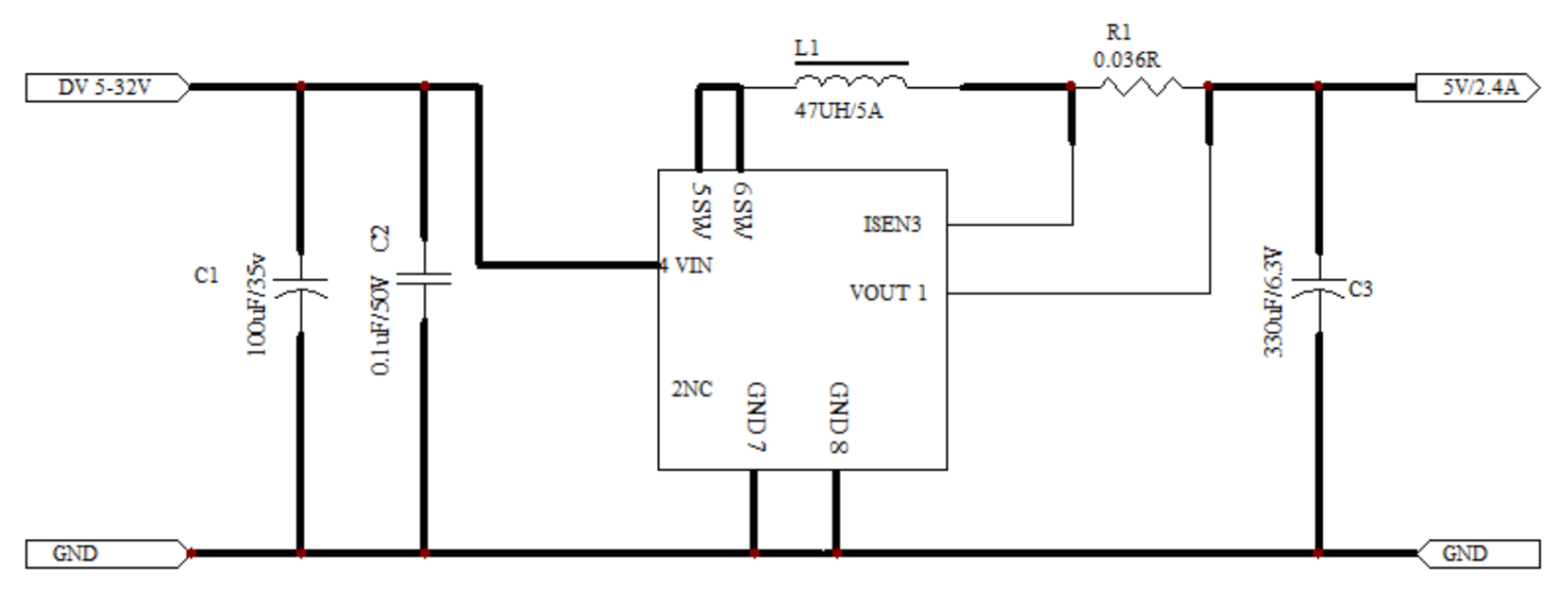
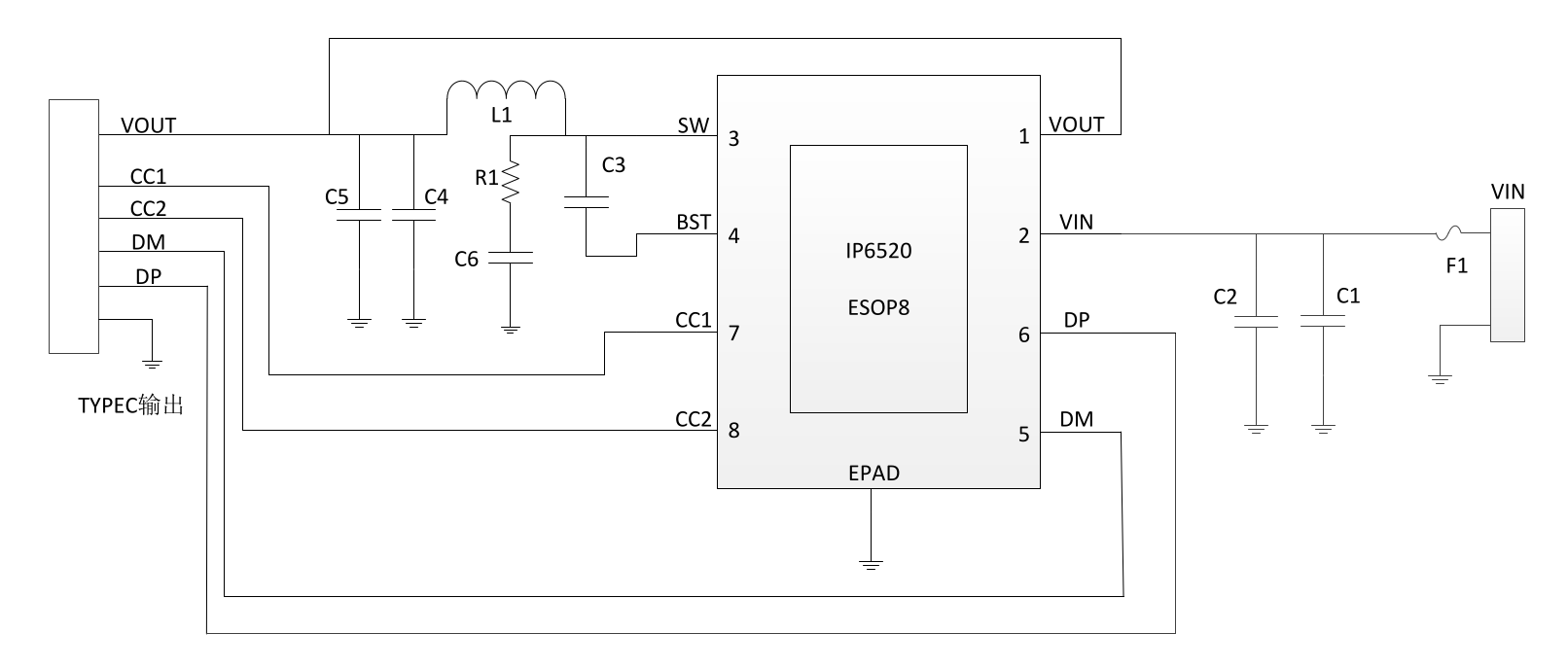
- Inside, the charger is a 15V, 30W unit with a 2A current limit, and the USB rails use CX8824 and IP6520 adapter boards.
- The station weighs 1,777 g, measures 180 x 130 x 185.5 mm, and the included charger fills it in just under 6 hours.
- Capacity is fine, but the AC socket is loose, cooling is weak, the fan gets loud under load, and the DC outputs are only partially stabilized.
- The charging input has no current limit, so it is not suitable for solar panels, and the battery pack has no temperature sensor.
AI summary based on the discussion. May contain errors.
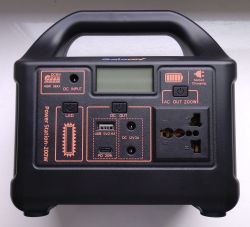
Gaiaray 200W Power Station from AliExpress.
Price: ~160 zł
Weight: 1,777 g
Dimensions: 180 x 130 x 185.5 mm
Batteries: LiFePO4, 153.6 Wh
Torch: 2 brightness levels + flashing mode
USB-A output: 5V 2.4A
USB-C output: 5V/9V/12V 20W
2 DC5521 outputs: 12V 3A
AC output: 220V 200W
I bought it out of curiosity to see if you could get something useful for 160 zł.
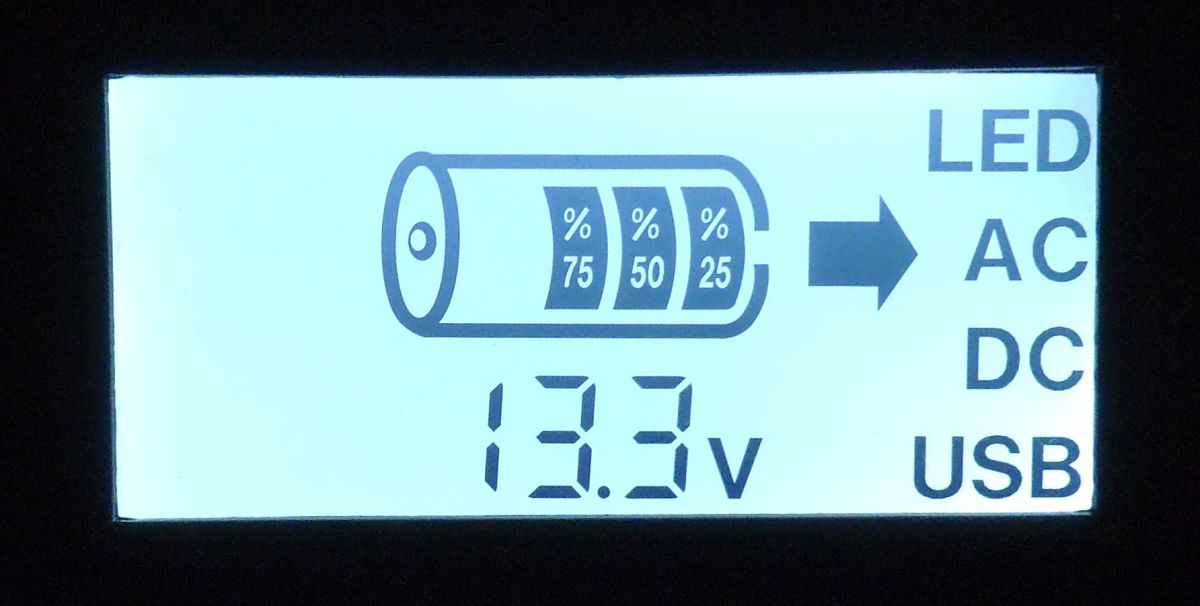
Power Station:
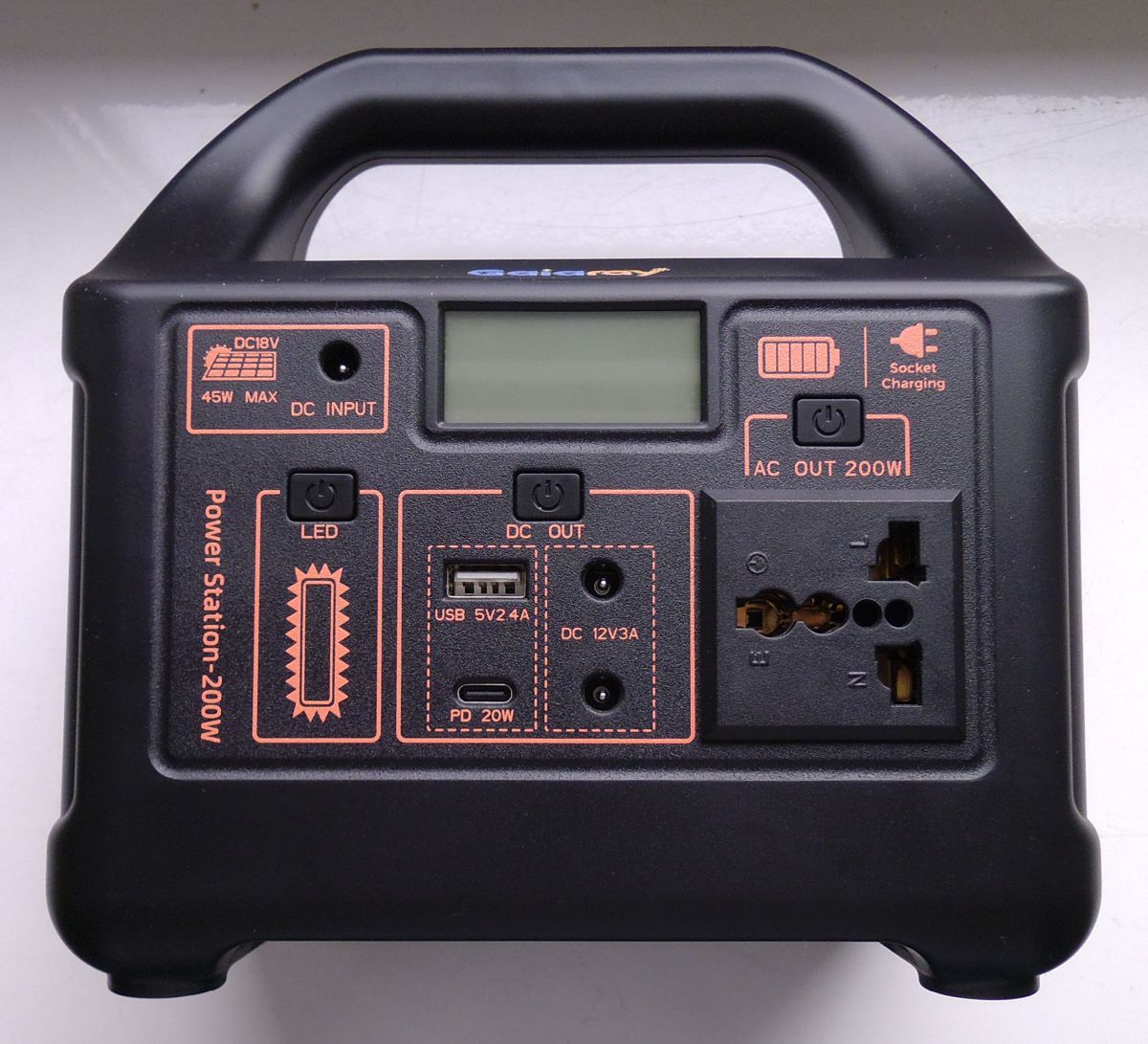
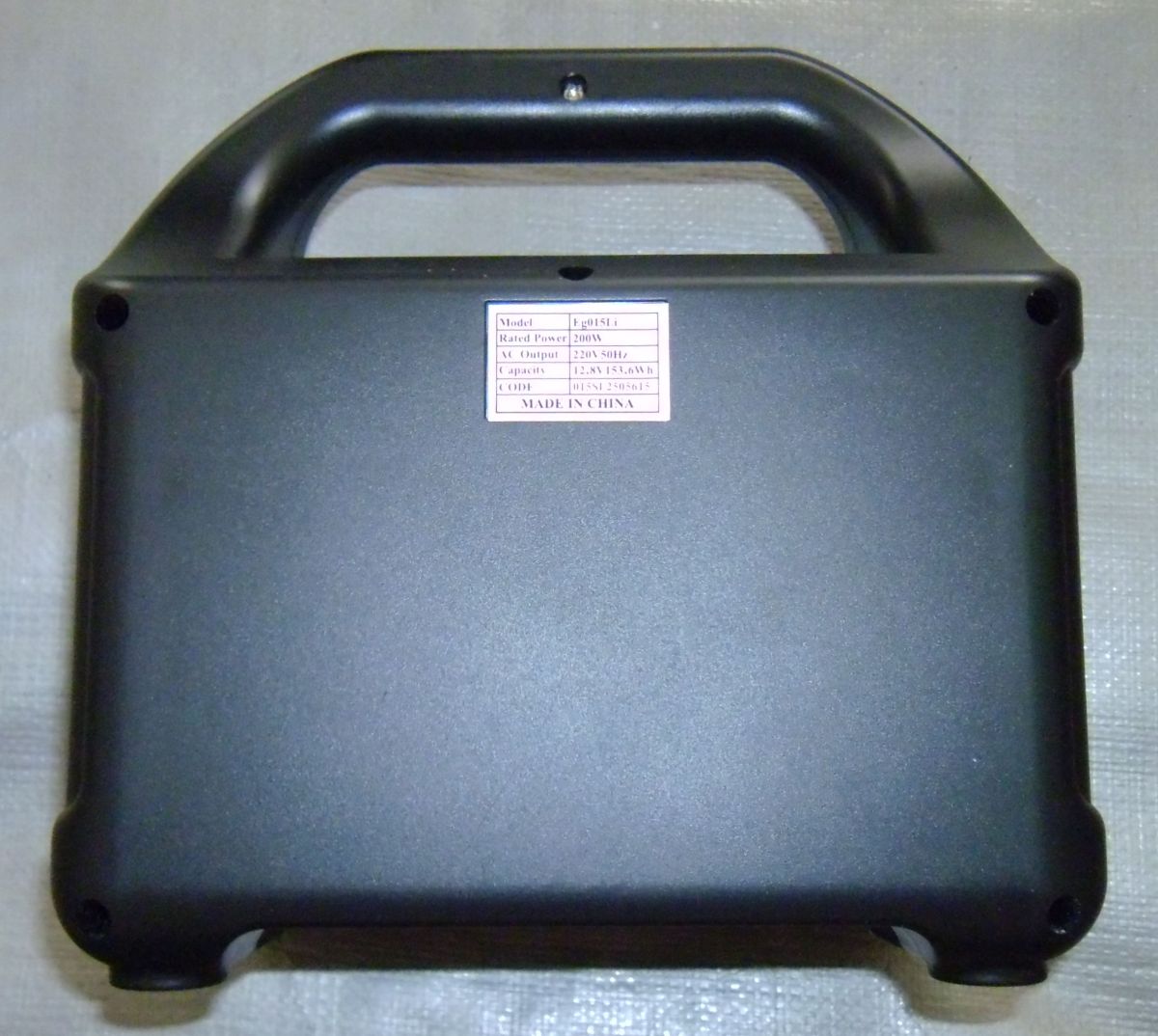
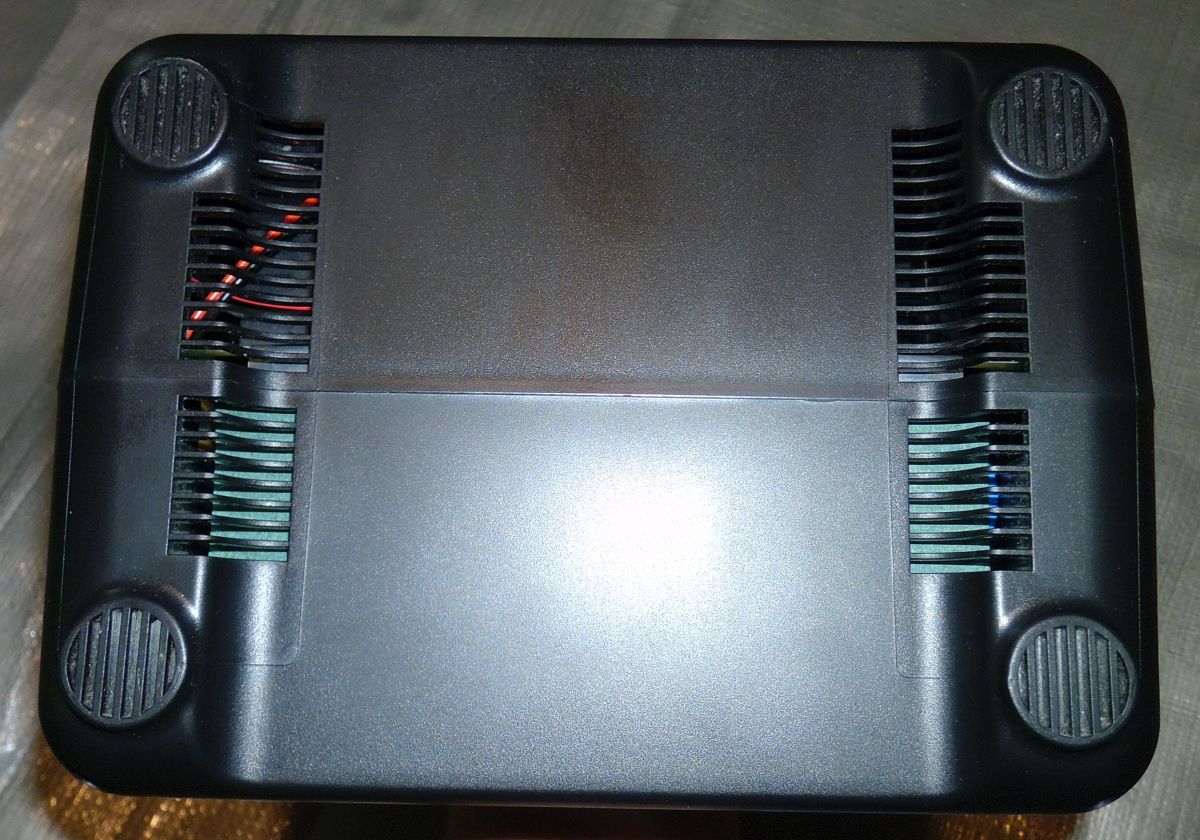
Charger (15V, 30W):
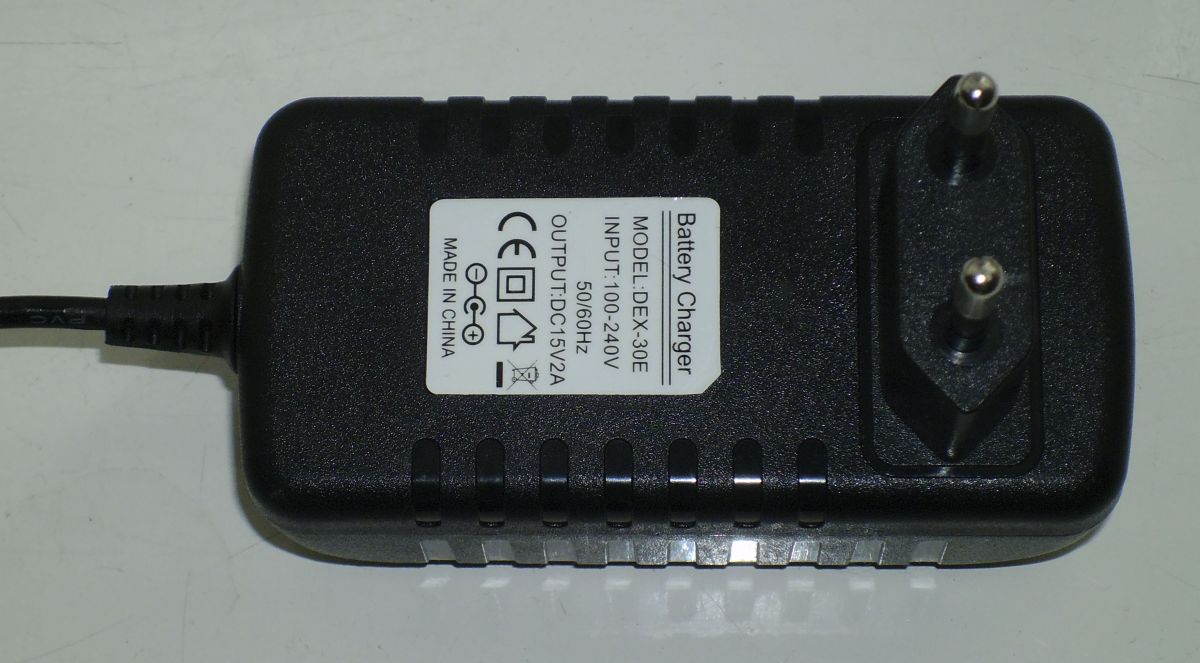
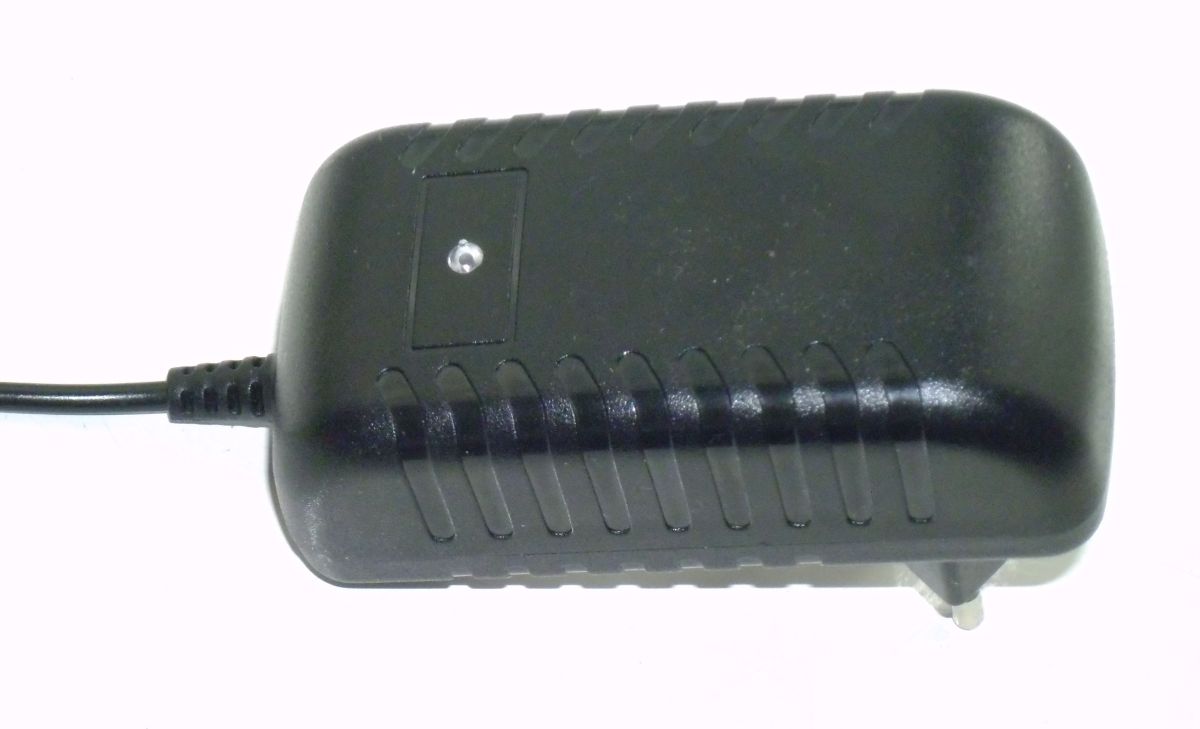
This is a charger, not a power supply. 15V with a current limit of 2A. Red/green LED indicating charging status.
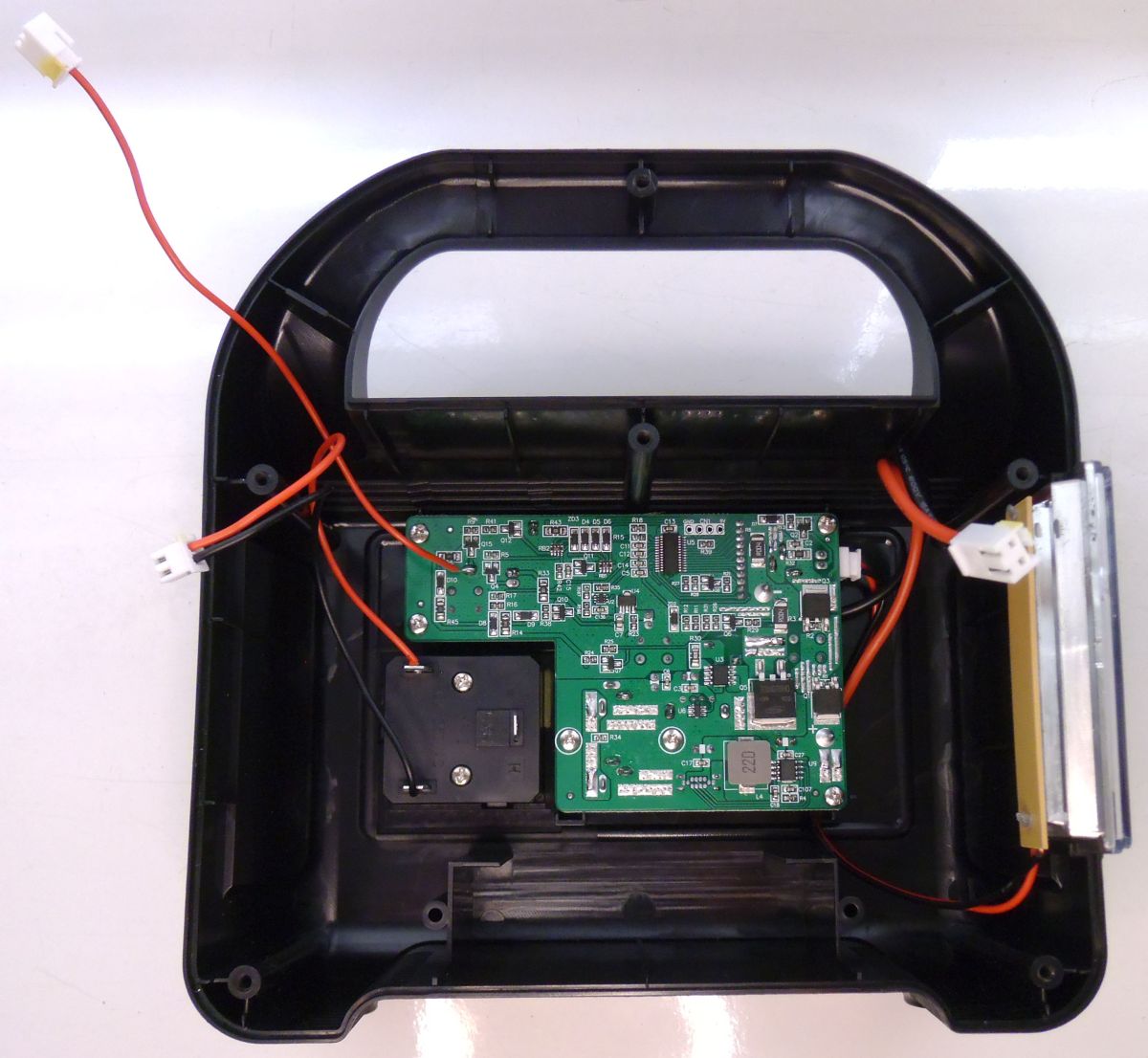
Interior:
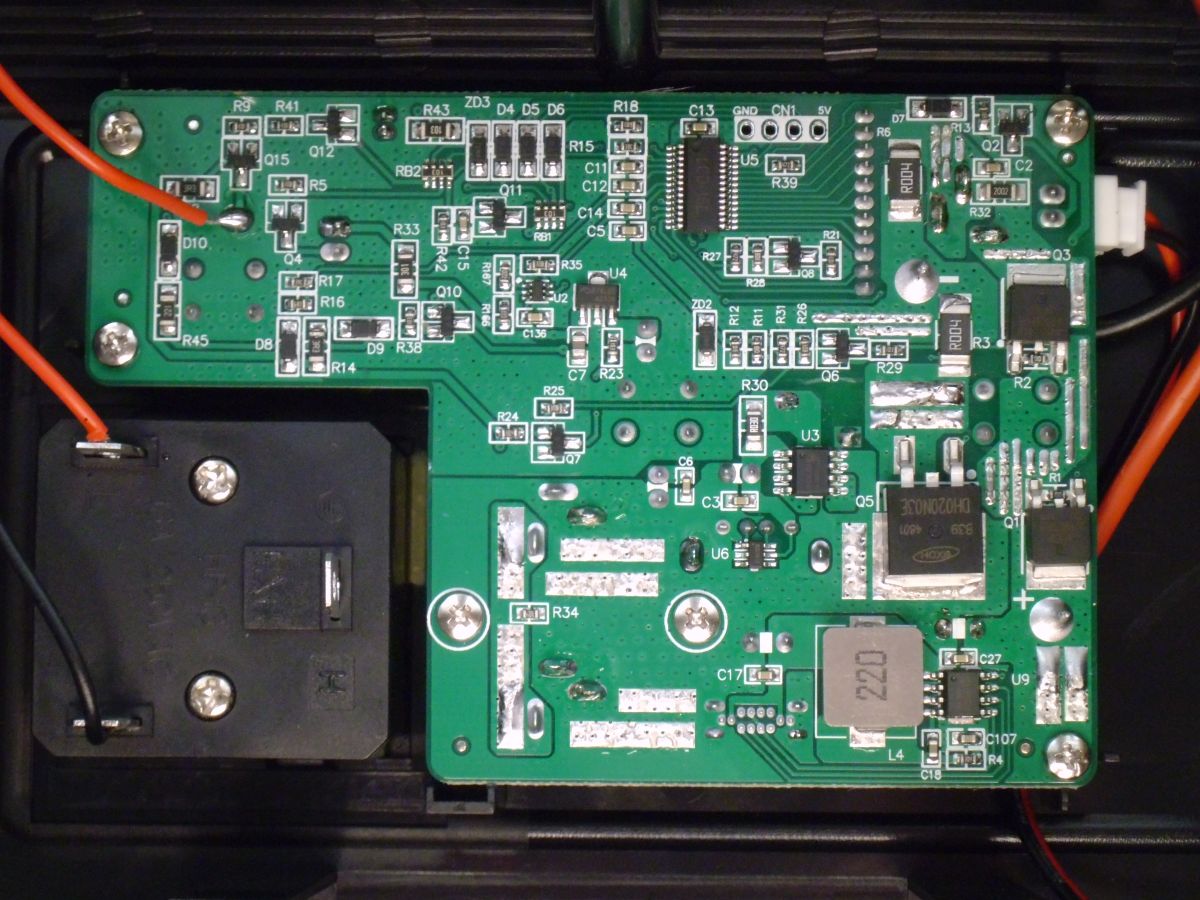
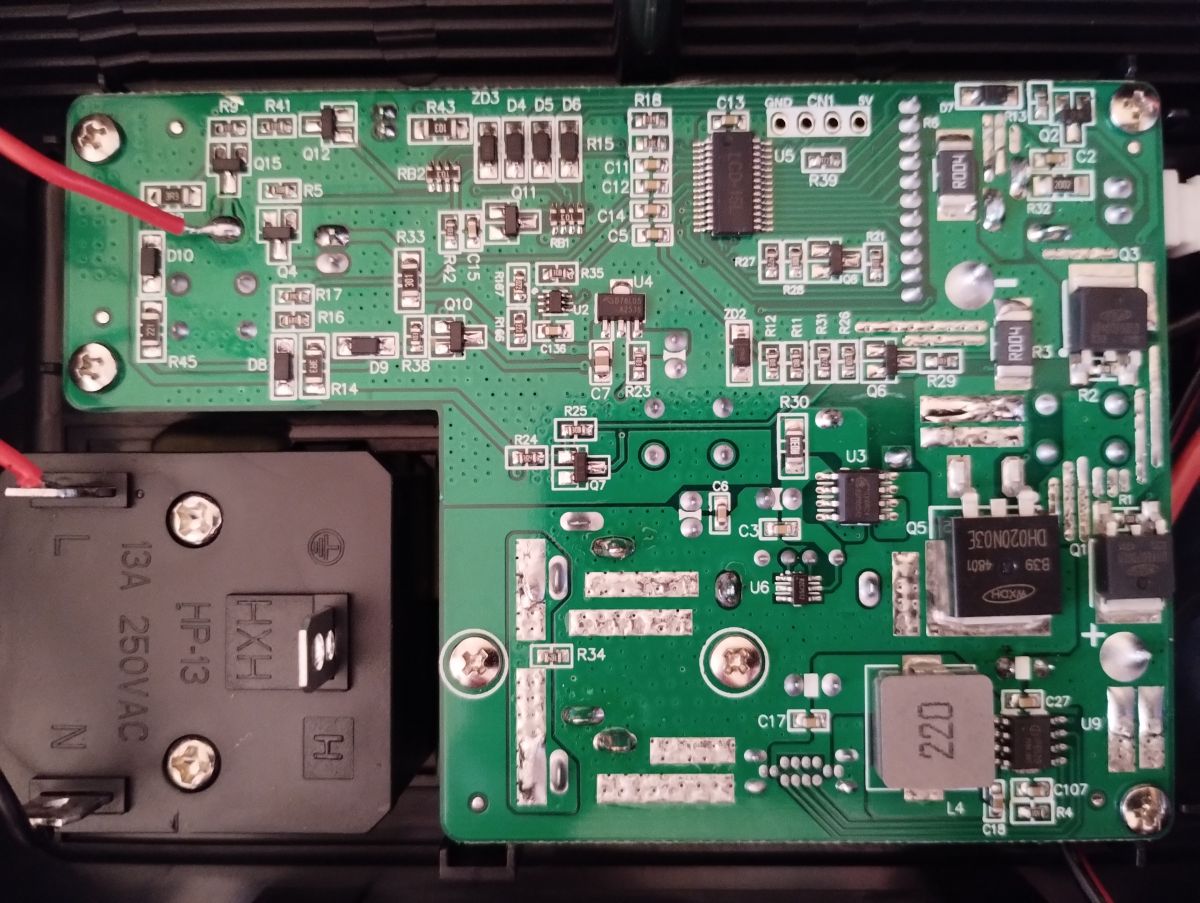
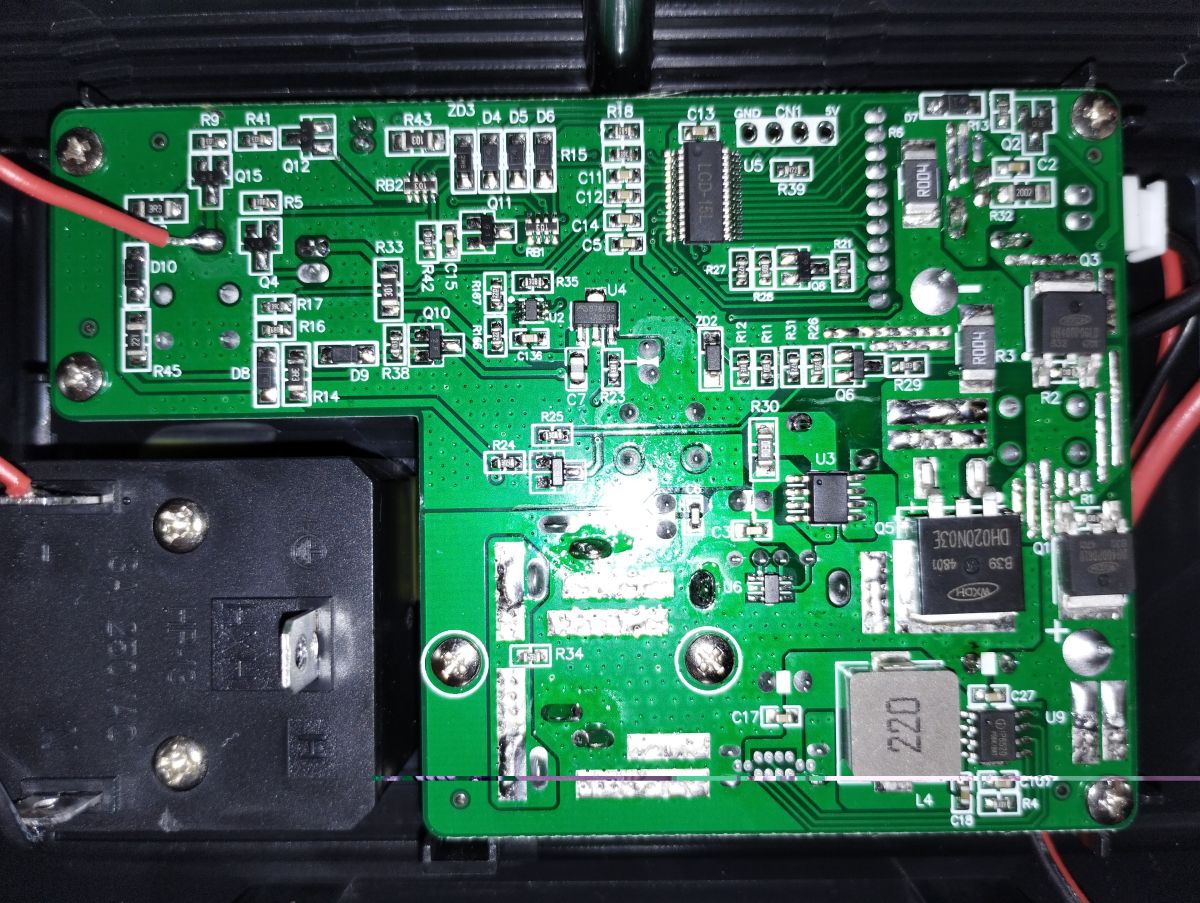
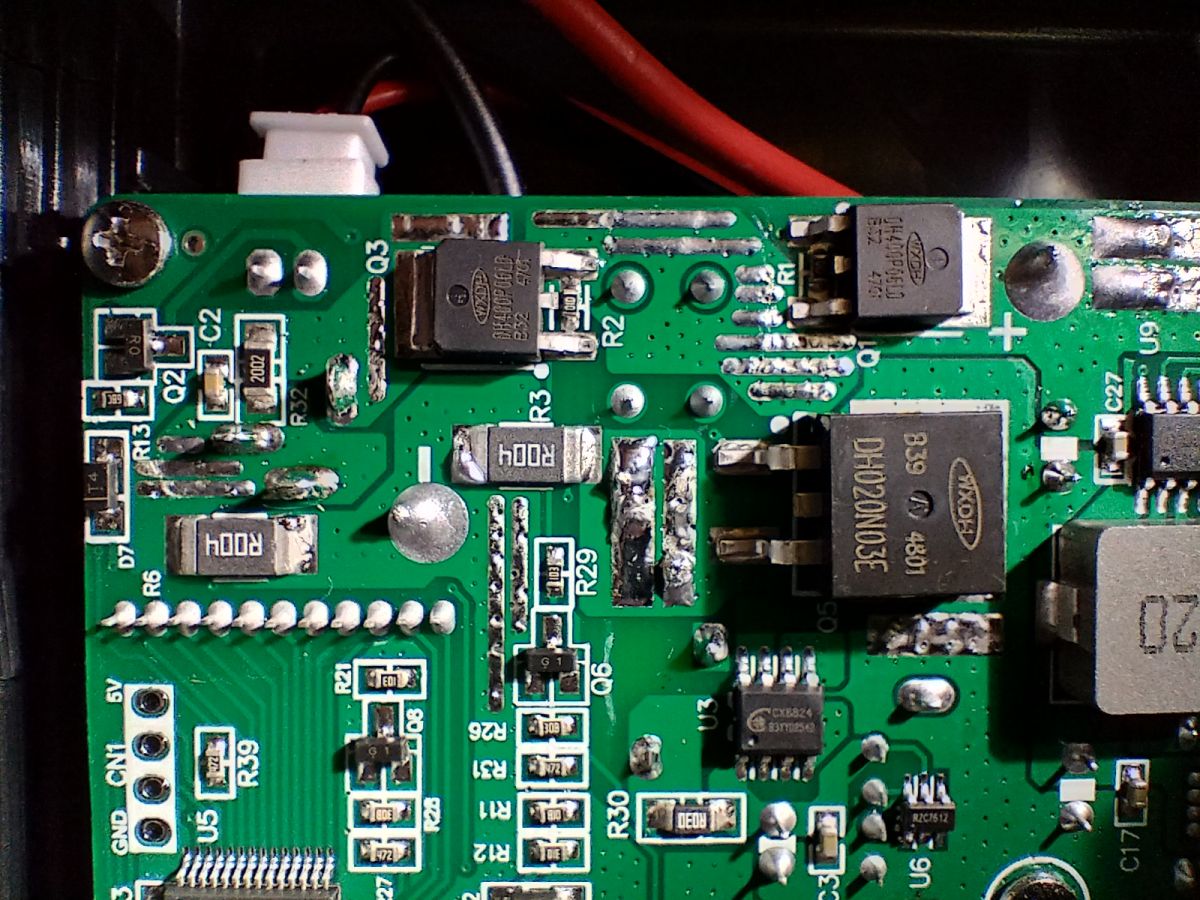
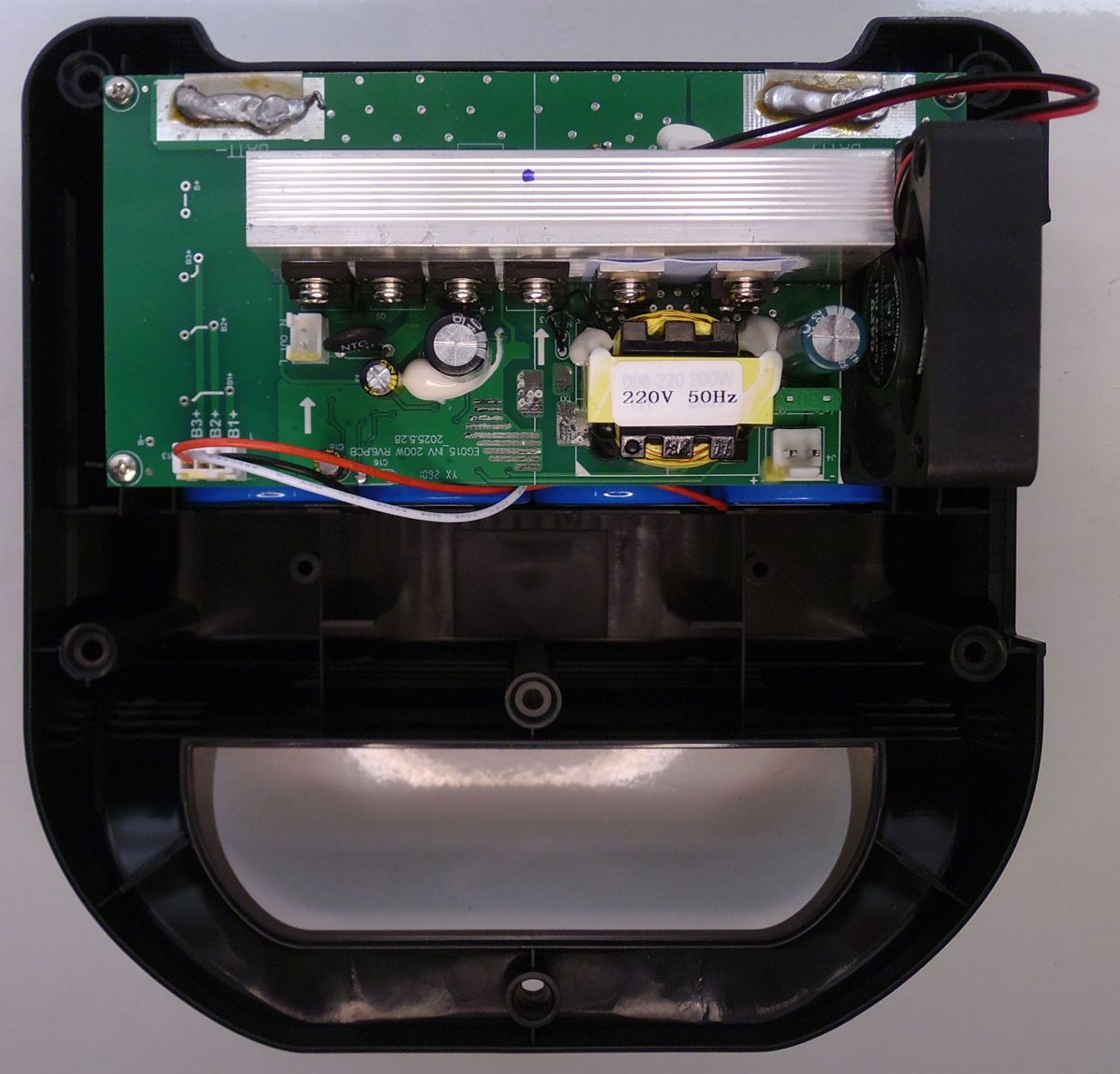
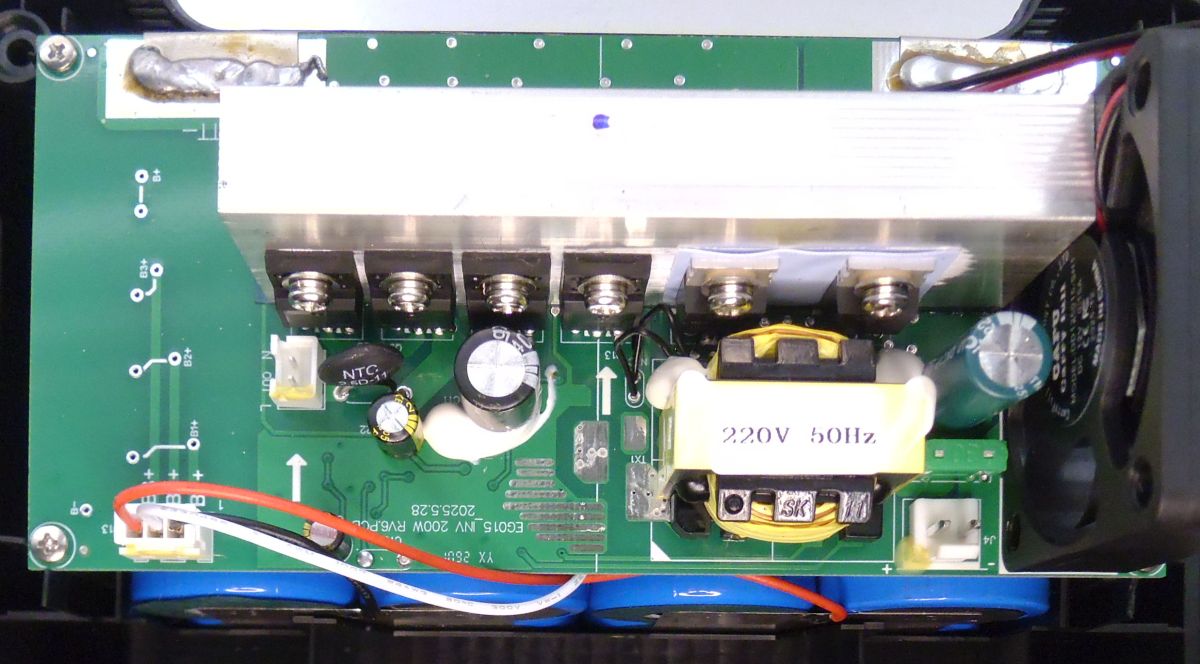
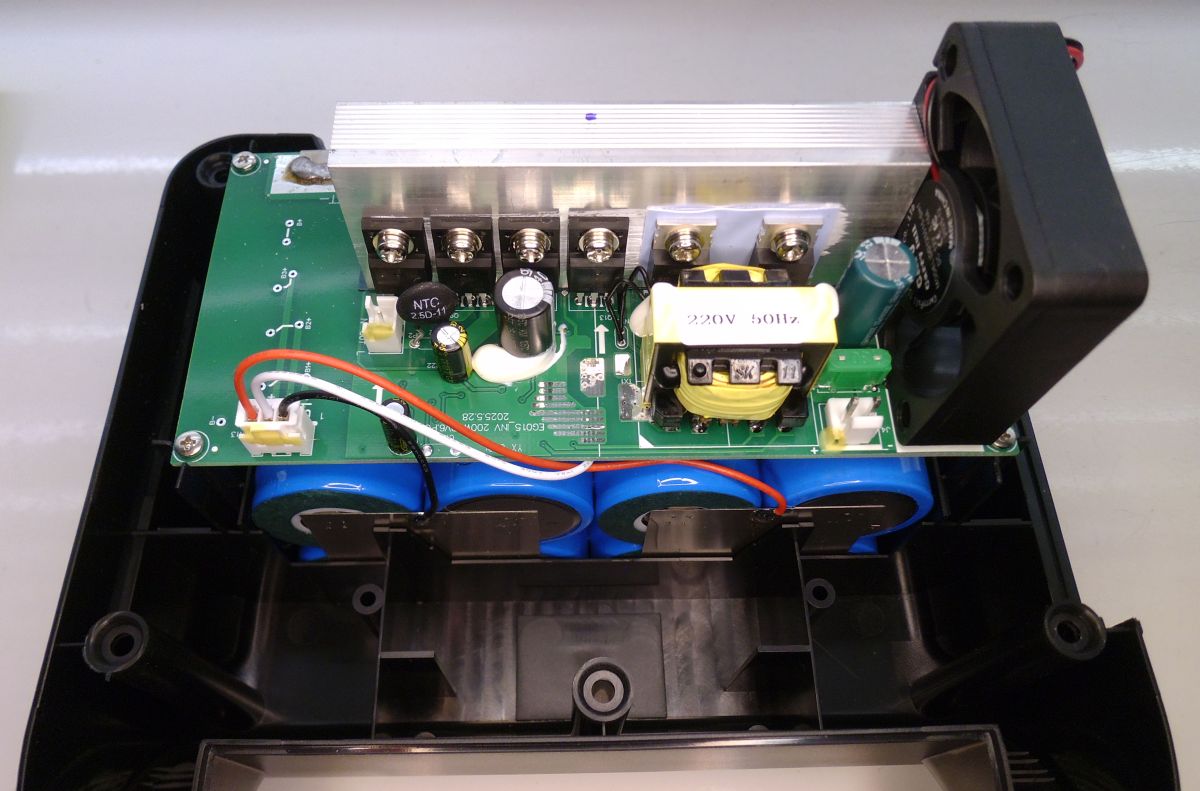
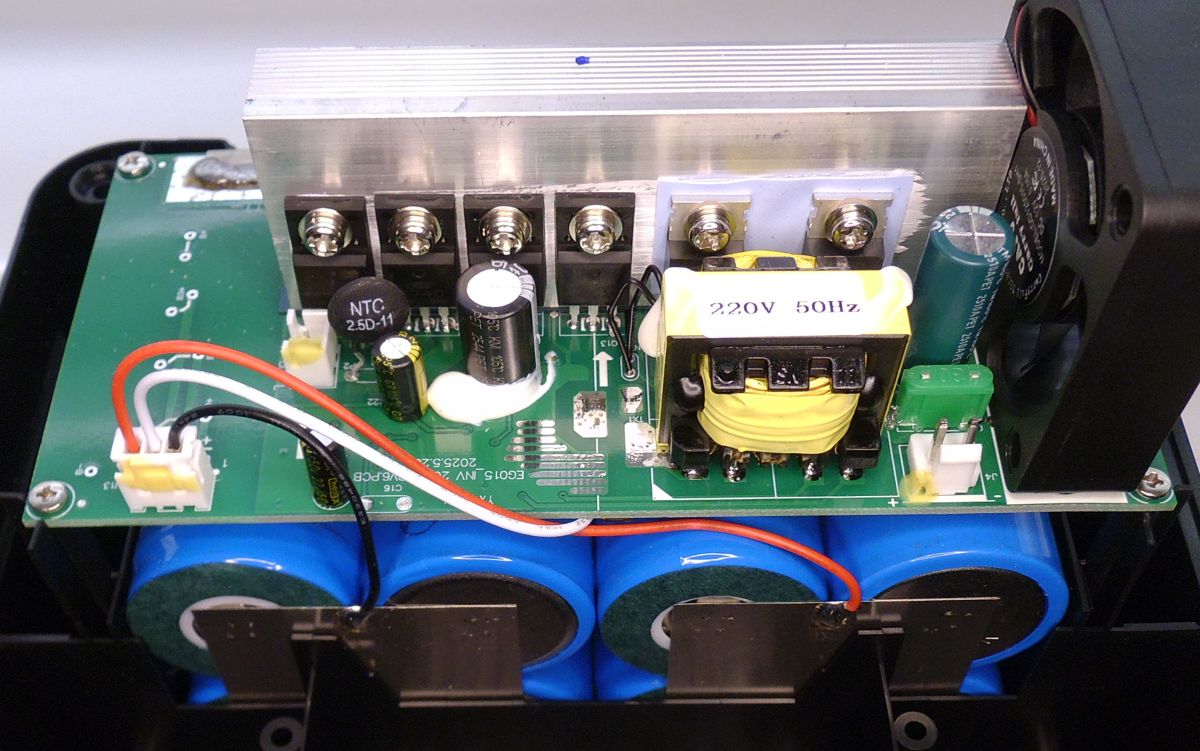
USB-A power adaptor (CX8824: 5V 2.4A):
USB-C power adapter (IP6520: 5V/9V/12V 20W):
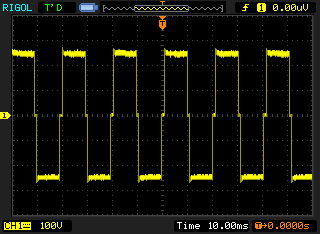
AC output:
No load:
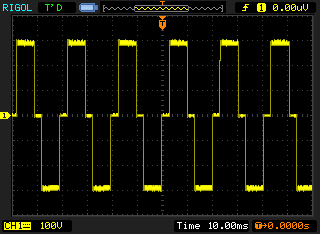
150W load (halogen, meter read 234V):
Capacitance test:
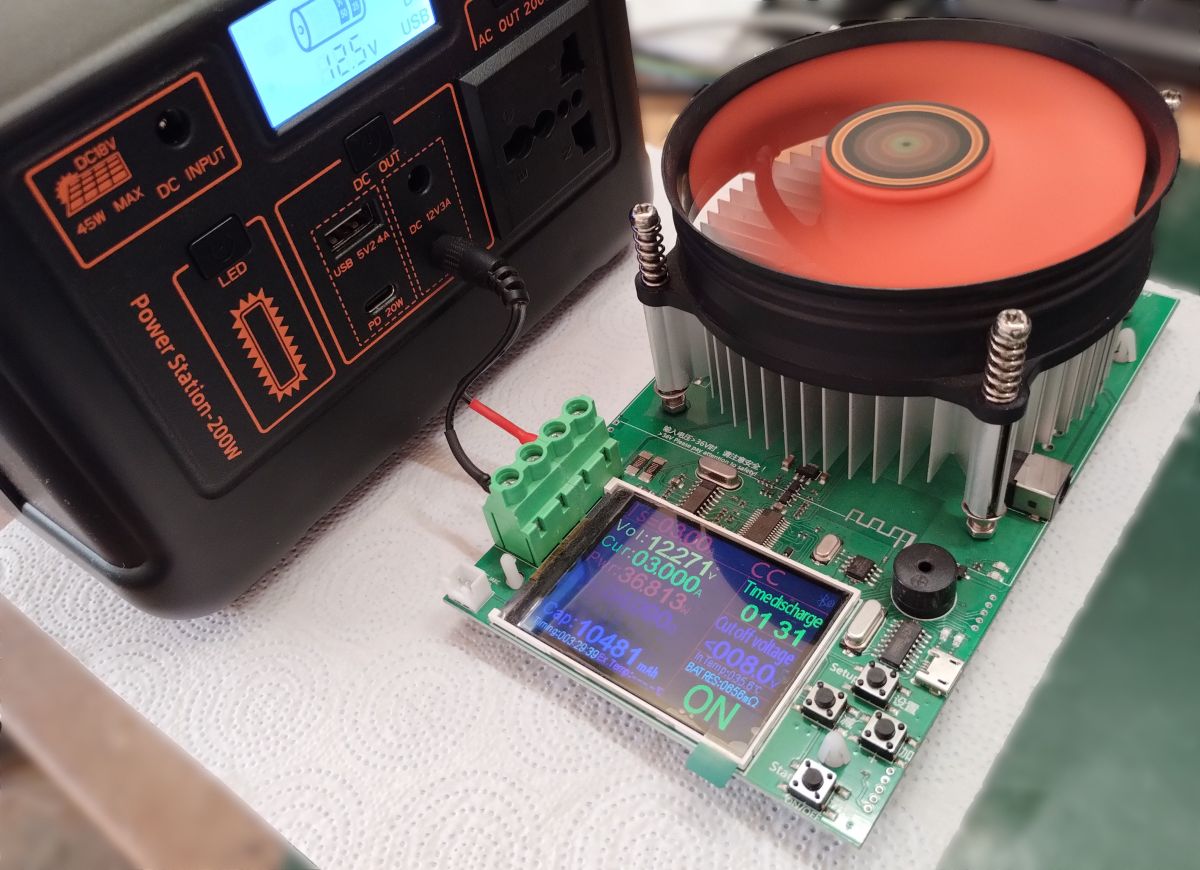
12V output, 3A load:
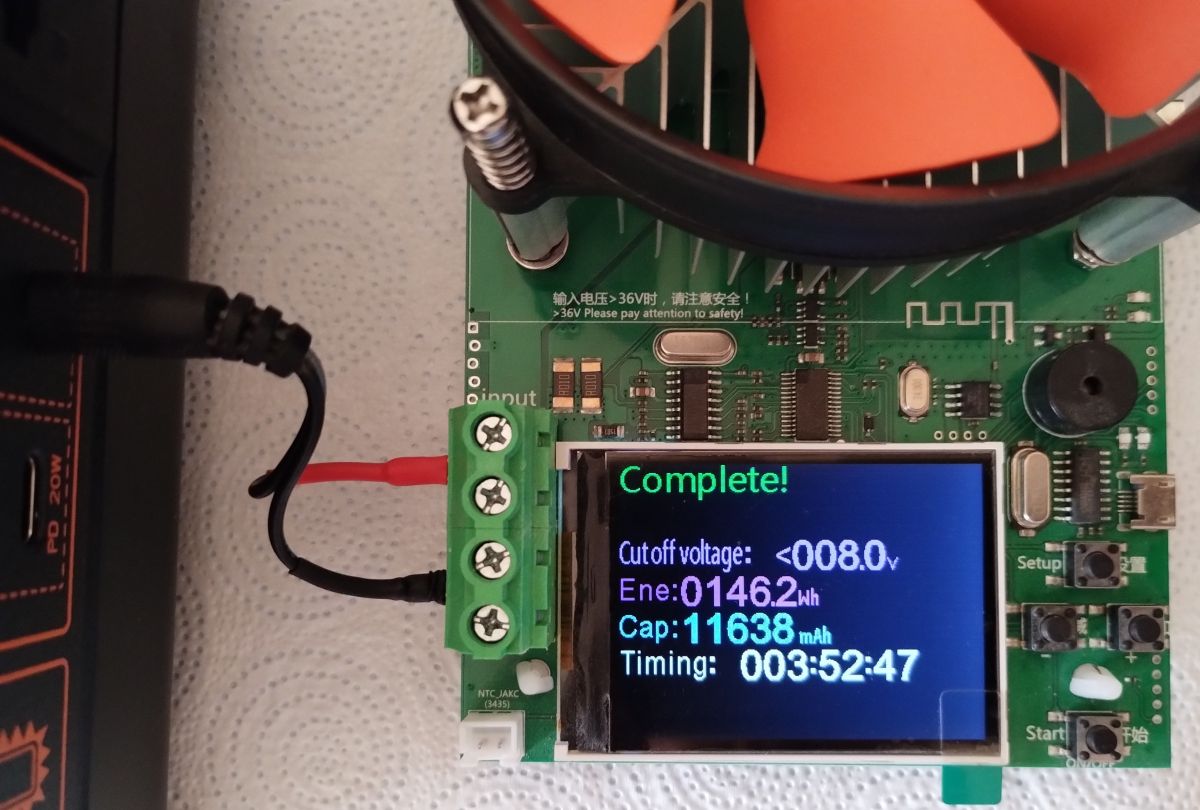
12V output, 0.5A load (continuation following completion of the 3A test):
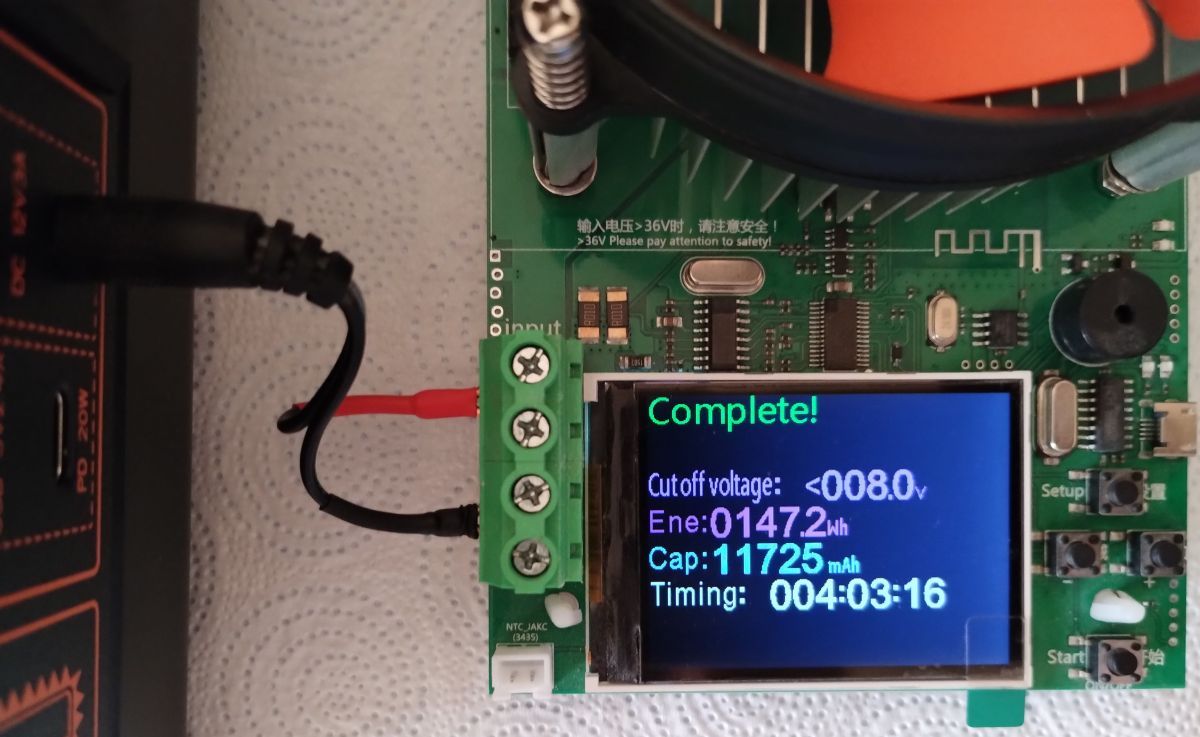
After testing:
The casing looks fine; I’d say the display is a bit too fast, but it’s only 160 zł, so I won’t quibble.
The indicator light has two brightness levels plus a flashing mode – that’s fine.
The DC outputs have a combined limit of around 4A. USB-A: 5V 12W. USB-C: 5V/9V/12V 20W. At the 12V outputs, the voltage from the battery is 11V...14.5V; it isn’t stabilised.
AC output: the socket is too loose; some plugs can lose contact if the cable is moved. The ventilation holes are poorly positioned, so the cooling isn’t very effective. I carried out a longer test with a 20W load and the fan ran quite loudly. I didn’t test it for long at 150W.
Charging input: no current limit; not suitable for a solar panel. Connect only a charger! The included charger charges the station in just under 6 hours.
The station switches off once the battery has discharged to ~10.75V.
A cell balancer is connected to the cells. However, there is no temperature sensor.
Capacity is fine.
For 160 zł, it’s not a bad little toy for an electronics enthusiast. There’s a bit of spare space in the casing, so you could fit something of your own in there..
It’s a shame that the 220V inverter is integrated with the battery and the balancer, as I’d have swapped it for something else (with an adjustable DC output).

piotr_go wrote 2910 posts with
rating 3350 , helped 94 times.
Been with us since 2003 year.
Comments
The capacity is a bit on the small side, but at this price it seems fine. Generally speaking, you can fit the unit with higher-capacity cells, along with a BMS, and then it’s actually quite a decent charger.... [Read more]
I think that if we removed the AC converter, we could probably fit in just as many cells again. [Read more]
Er, wouldn’t it be better to remove the casing? Then how many could you fit in? :D [Read more]