logo elektroda
logo elektroda
X
logo elektroda

Correct Inflation of 300L Hydrophore: Proper Air Pressure & Pump Range for Optimal Water Usage

woda_cisowianka007 111822 38
Best answers

How do I correctly refill the air cushion in a 300 L hydrophore tank with a 2.2 bar cut-in and 4.2 bar cut-out pressure?

Turn the hydrophore off, drain the water down to the minimum visible level on the gauge—about 2–3 cm from the bottom, but not so low that air can enter the installation—and then pump air in through the top valve to about 2.2 bar, or slightly below the pump cut-in pressure [#15487192][#15487374][#14105571] If the tank is still too full, repeat the drain/top-up cycle until the water level at 2.2 bar is low enough, ideally near the bottom or below about half the gauge [#14105571] Do not pump air while the tank is full of water; the air connection must be above the water level or water will be forced into the compressor/pump hose [#14105571][#14449156] Once set, start the hydrophore and let it run normally; if the max level still does not fit the gauge range, adjust the pressure-switch cut-in/cut-out settings [#14106910]
Generated by the language model.
ADVERTISEMENT
Treść została przetłumaczona polish » english Zobacz oryginalną wersję tematu
  • #31 16827977
    kajattar
    Level 8  
    Posts: 6
    Rate: 4
    Hello, I don't know if anyone can help me with this topic, but the point is that when I turn off the hydrophore and drain the water, I can't inflate the expansion tank ... 3 months ago I did it without a problem, now I wanted to pump up the air because the hydrophore started switch on more often and "it is impossible" to push the air with the pump ... when I loosen the hose from the pump at the entrance to the tank, the air escapes, if I tighten it to the maximum, I would have to have my muscles puffed up to make 2-3 pump movements ... .
    thanks in advance for your help :-)
  • ADVERTISEMENT
  • #32 16829509
    sigwa18
    Level 43  
    Posts: 11687
    Help: 1168
    Rate: 3263
    And how does the pressure on the tank behave then?
  • ADVERTISEMENT
  • #33 16829778
    kajattar
    Level 8  
    Posts: 6
    Rate: 4
    Well, the problem is that when I apply a nanometer, it seemed to be broken ... because it shows nothing, is it possible?
  • ADVERTISEMENT
  • #34 16830735
    Wawrzyniec
    Level 38  
    Posts: 3974
    Help: 390
    Rate: 1065
    Replace the pumping valve on the tank, your trouble with pumping and checking the pressure will pass.
  • #35 16830829
    kajattar
    Level 8  
    Posts: 6
    Rate: 4
    Thanks :-) .... tell me how to replace it, because that's for me hmmmm ..... :-)
  • #36 16830963
    Wawrzyniec
    Level 38  
    Posts: 3974
    Help: 390
    Rate: 1065
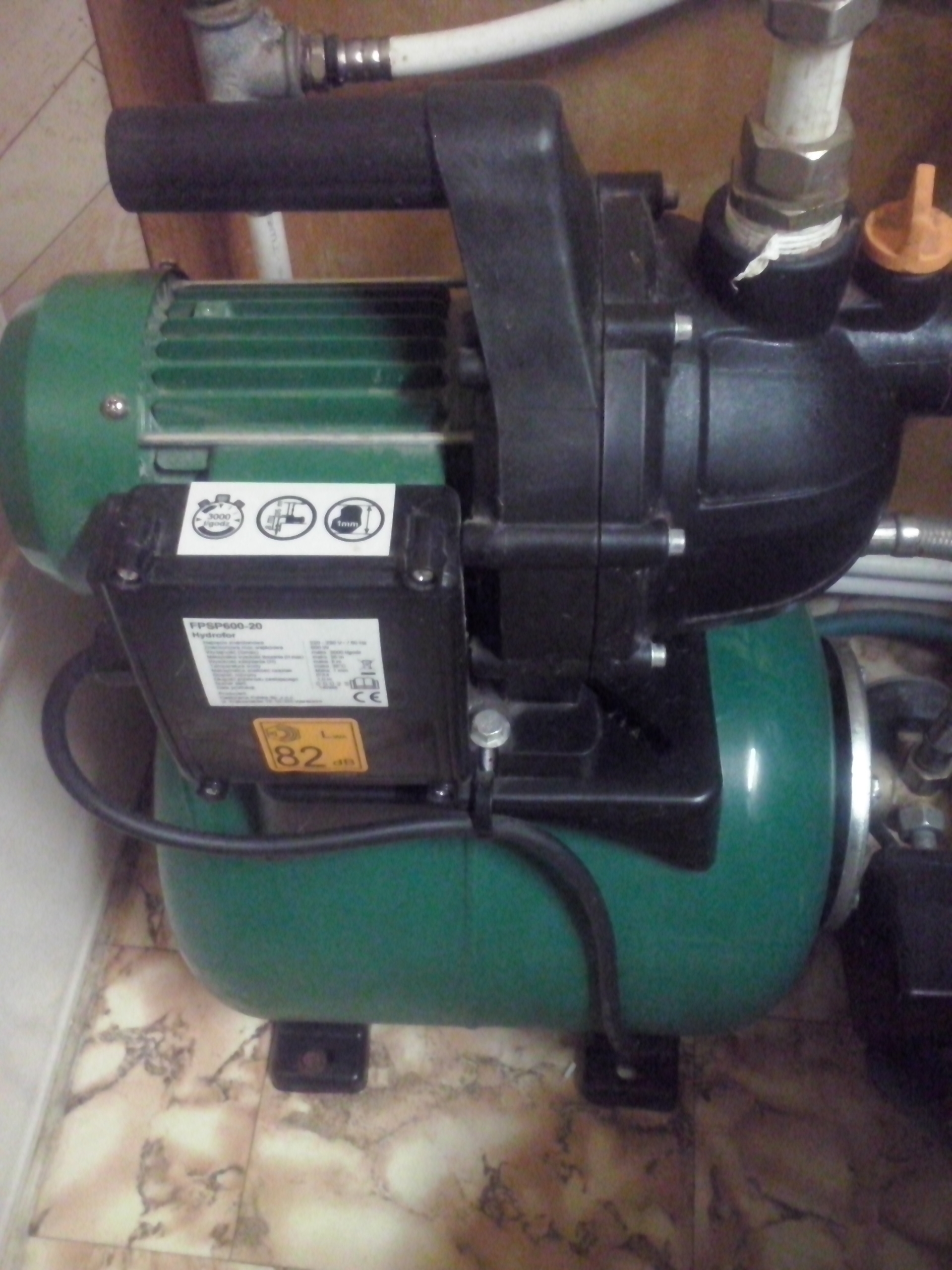
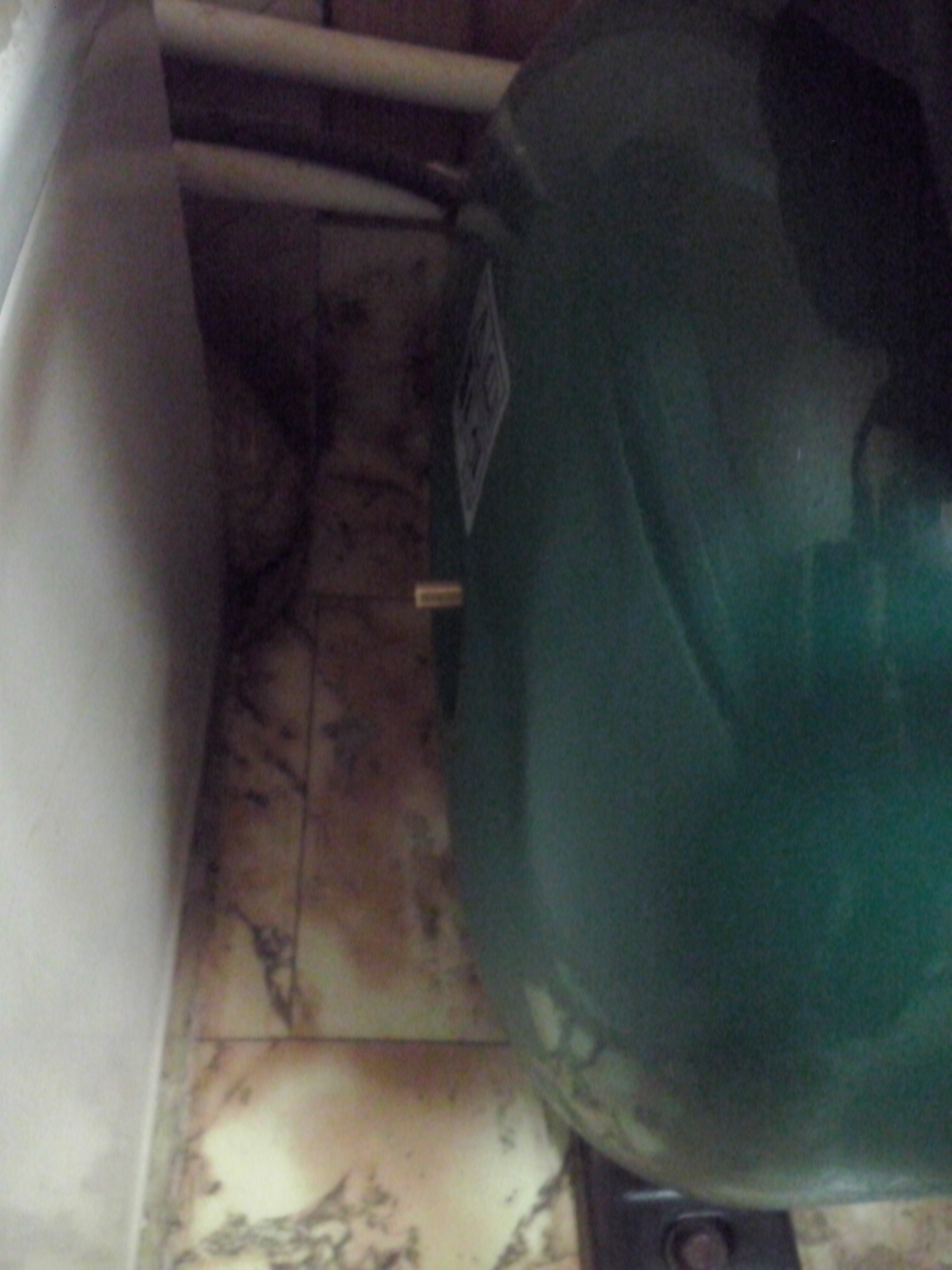
    Give me a picture because I don't know what you have there.
  • #37 16831475
    kajattar
    Level 8  
    Posts: 6
    Rate: 4
    I mean, don't you have to pull out the entire inner tube to replace this valve ...? Correct Inflation of 300L Hydrophore: Proper Air Pressure & Pump Range for Optimal Water Usage Correct Inflation of 300L Hydrophore: Proper Air Pressure & Pump Range for Optimal Water Usage
    Attachments:
    • Correct Inflation of 300L Hydrophore: Proper Air Pressure & Pump Range for Optimal Water Usage CAM07517.jpg (775.68 KB) You must be logged in to download this attachment.
    • Correct Inflation of 300L Hydrophore: Proper Air Pressure & Pump Range for Optimal Water Usage CAM07513.jpg (869.12 KB) You must be logged in to download this attachment.
  • ADVERTISEMENT
  • #38 16831827
    Wawrzyniec
    Level 38  
    Posts: 3974
    Help: 390
    Rate: 1065
    The valve is the same as in a motorcycle or bicycle, so you only replace the middle by turning it to the left. As if you showed water after turning it off, it means that the diaphragm is leaky and needs to be replaced. When you replace the valve, you pump with the water drained and the hydrophore turned off to the pre-pressure that is written on the plate and only then you start the hydrophore. The valve is in the tank, not in the "inner tube". There is water in the tube.
  • #39 16832220
    kajattar
    Level 8  
    Posts: 6
    Rate: 4
    cool, thanks, i bought a new valve, i'm going to get on with it soon :-)

    Added after 1 [hours] 50 [minutes]:

    Thanks, Wawrzyniec :-) done, valve replaced, nothing spilled from the inner tube, inflated, twisted, works !!!, :-)
    thanks again ;-)

Topic summary

✨ The discussion revolves around the proper inflation of a 300L hydrophore system, focusing on maintaining optimal air pressure and pump operation for efficient water usage. Users share methods for inflating the airbag, emphasizing the importance of draining water to a specific level (around 2-3 cm on the gauge) before pumping air to 2.2 bar. The pump should activate at this pressure and turn off at 4.2 bar. Several users suggest using a compressor for air inflation and ensuring the air hose is positioned above the water level to prevent water from entering the pump. The conversation also addresses issues with water leakage during inflation and the need for regular maintenance to prevent air loss. Users report improvements in water delivery after following these guidelines.
Generated by the language model.

FAQ

TL;DR: Correctly precharged, a 300 L steel hydrophore should deliver 60-140 L per cycle [Elektroda, sigwa18, post #14105571] “Leave 2 cm of water and pump to 2.2 bar” [Elektroda, Wawrzyniec, post #15487192]

Why it matters: Proper air balance cuts pump starts by up to 65 % and extends motor life.

Quick Facts

• Cut-in / cut-out settings used in thread: 2.2 bar on, 4.2 bar off [Elektroda, woda_cisowianka007, post #14105449] • Recommended pre-charge: 0.1–0.2 bar below cut-in (≈2.0–2.1 bar here) [Grundfos, 2023] • Expected draw-off at correct charge: 100–140 L per cycle for a 300 L vessel [Elektroda, sigwa18, post #14105571] • Air-top-up interval: 3–12 months, depending on leaks and water solubility [Pentair, 2022] • Diaphragm tanks reduce air loss by ≈90 % versus plain steel [Watts, 2021]

What air pressure should I set?

Aim for 0.1–0.2 bar below the pump’s cut-in. For a 2.2 bar start, pre-charge at 2.0–2.1 bar [Grundfos, 2023]. Forum testers used 2.2 bar with good results [Elektroda, Wawrzyniec, post #15487192]

Three-step method to recharge a plain steel tank?

  1. Switch off pump and open a tap until water sits 2 cm on gauge. 2. Pump air to 2.1 bar. 3. Close taps and power the pump; verify cut-out at 4.2 bar [Elektroda, sigwa18, post #15487374]

Why does water squirt from the Schrader valve?

Water at the valve means the air cushion is gone or the diaphragm is ruptured. Replace the valve core first; if water still appears, the bladder has failed and needs replacement [Elektroda, Wawrzyniec, post #16831827]

What if the pump will not start after adding air?

You over-pressurised. Bleed air until vessel pressure falls 0.1 bar below the switch cut-in, then retry [Elektroda, Wawrzyniec, post #14106910]

Can I inflate through a basement valve past the check valve?

No. The check valve blocks air. Use a port above the water line, such as the upper gauge outlet, to avoid backflow to the well [Elektroda, woda_cisowianka007, post #14107917]

How often should I top up the air?

Check quarterly; recharge when draw-off volume drops 20 %. Air loss can reach 10 % per month in steel tanks [Pentair, 2022].

Edge case: I cannot pump any air in; what now?

A stuck or rusted Schrader valve prevents flow. Replace the core; if pressure still reads zero, the gauge or valve seat is blocked [Elektroda, kajattar, post #16829778]

What happens if there is too much air?

Excess air causes water hammer and may push air into the piping, leading to sputtering taps. Keep pre-charge within the 0.2 bar window [Grundfos, 2023].

Will a diaphragm (bladder) tank solve frequent air losses?

Yes. Bladder designs isolate water and air, cutting diffusion losses by roughly 90 % and reducing maintenance [Watts, 2021].
Generated by the language model.
ADVERTISEMENT