logo elektroda
logo elektroda
X
logo elektroda

[Solved] Finishing Tile Plinth in Corridor: Acrylic vs Silicone & Homeowner Experiences

swinia22 62457 9
ADVERTISEMENT
Treść została przetłumaczona polish » english Zobacz oryginalną wersję tematu
  • #1 15750758
    swinia22
    Level 10  
    Posts: 8
    Rate: 2
    The question is as in the subject, we have put a tile plinth in the corridor and we have no idea what it ends up with? Maybe acrylic is put there? Maybe silicone? What do you have finished with such cokiliki at home?
  • ADVERTISEMENT
  • #2 15750764
    stanislaw1954
    Level 43  
    Posts: 15121
    Help: 2000
    Rate: 4618
    I finish it with glue.
  • ADVERTISEMENT
  • #3 15750767
    zimny8
    Level 33  
    Posts: 3654
    Help: 26
    Rate: 503
    Ceramic tiles? they are the finishing touch.
    Maybe give a photo because I don't get what's going on.
  • #4 15750786
    stanislaw1954
    Level 43  
    Posts: 15121
    Help: 2000
    Rate: 4618
    There are also - if someone likes the slats, the so-called quarter rounds.
  • ADVERTISEMENT
  • #5 15750900
    swinia22
    Level 10  
    Posts: 8
    Rate: 2
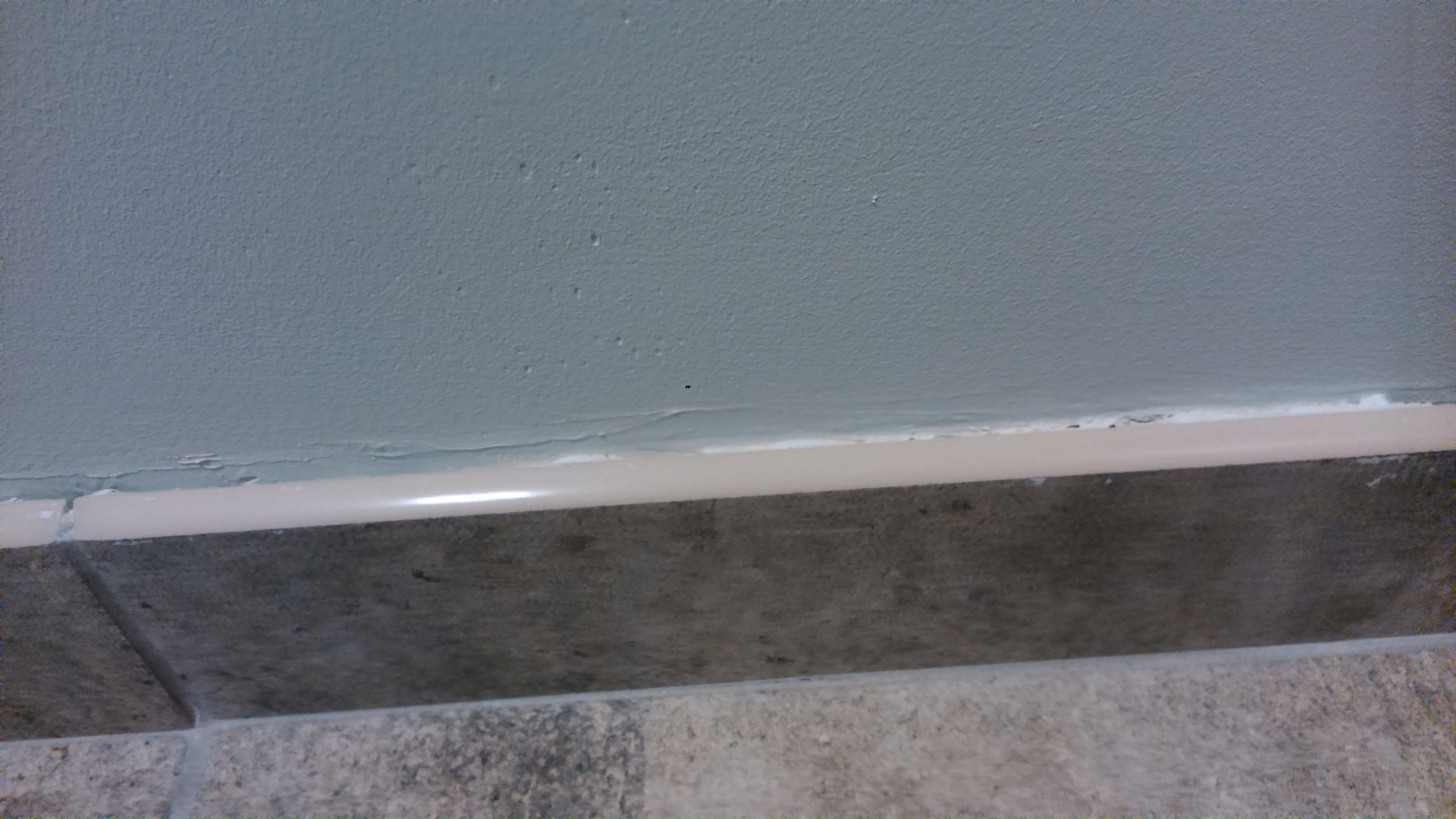
    I didn't think about it before, now I'm after painting and I have a dilemma what to do with it? Here's a photo.

    Finishing Tile Plinth in Corridor: Acrylic vs Silicone & Homeowner Experiences
  • #6 15750909
    Samuraj
    Level 35  
    Posts: 2792
    Help: 286
    Rate: 617
    The pedestal itself is a finishing touch. I have seen some people paint the color of the wall.
    This color is a bit strange for you, I usually see the plinth tiles in the same color as the tiles.
    It is different if someone cuts the tiles and sticks them as plinths, then finish with glue and paint the walls or the board in the same color. How who likes.
  • #7 15751368
    Parowy
    Level 22  
    Posts: 955
    Help: 55
    Rate: 227
    Hello.

    You have two options:

    - Finish / align the upper surface of the tile - with tile adhesive, acrylic, putty, whatever is convenient for you - and repaint the wall to the color of the wall. Visually it will disappear.

    - Stick a flat bar, aluminum or brass - a matter of taste and color of the wall / tiles. The flat bar should be the width of the side of the tile (about 1 cm), it remains in the very corner - between the flat bar and the wall - a tiny gap (about 1 - 2 mm), put a delicate thread of acrylic into it and paint after drying. For painting, of course, a masking tape.

    Regards, TB
  • #8 15753386
    Anonymous
    Level 1  
  • ADVERTISEMENT
  • #9 15753816
    Parowy
    Level 22  
    Posts: 955
    Help: 55
    Rate: 227
    Buddy 101paweł - I do not see the glazed edge or the tile there, this is a porcelain tile, cut to a plinth at the factory or at the construction site, the edge looks original, so either two plinths from one tile, or cut with a water machine.

    As for the finish of this space, it can be done as you suggest, but:
    - What about the piece of grout visible from above?
    - I would not put silicone in this place, it cannot be painted.

    PS When laying silicone - either you use painter's tape on both surfaces, without spraying with liquid water - or you use liquid water, no tape.
    It is not about slippage, greasy places around the arranged silicone prevent it from sticking there, it only stays where it was placed before spraying it with a greasy liquid (water with dishwashing liquid works best).
    You can even use a teaspoon for pulling, it's a matter of the width of the silicone thread you want to arrange. If it is to be tiny, use a small ice cream stick, if you want a larger one, take a teaspoon.
  • #10 20149740
    r103
    Level 37  
    Posts: 6189
    Help: 280
    Rate: 938
    probably well deserved:

    Finishing Tile Plinth in Corridor: Acrylic vs Silicone & Homeowner Experiences

Topic summary

✨ The discussion revolves around finishing a tile plinth in a corridor, focusing on the choice between acrylic and silicone. Participants share various methods for achieving a clean finish, including using tile adhesive, acrylic, or putty to align the upper surface of the tile. Some suggest using flat bars made of aluminum or brass for aesthetic purposes, while others recommend applying silicone to fill gaps between the wall and the tile. The importance of proper application techniques, such as using painter's tape and soapy water for smoothing silicone, is emphasized. Additionally, the aesthetic considerations of matching the plinth color with the wall or tiles are discussed, along with the option of using quarter rounds for a different look.
Generated by the language model.
ADVERTISEMENT