FAQ
TL;DR: For a 2007 Iveco Daily, fast indicator blink = low load, and six feed pins handle turn signals; “Higher frequency means too little load.” [Elektroda, Hart3, post #16656998]
Why it matters:** This FAQ helps owners quickly locate the body computer, identify connectors/pins, and fix rear-left position light faults without guesswork.
Quick Facts
- The body computer (lighting controller) sits by the fusebox at the driver’s left leg area. [Elektroda, Hart3, post #16651119]
- Rear lighting is routed through the body computer before reaching the back. [Elektroda, Hart3, post #16651027]
- Turn-signal feeds: left = LN18, LN5, AV5; right = LN6, LN19, AV28. [Elektroda, Hart3, post #16656998]
- LN connector location reference: above the OBD socket (under dash). [Elektroda, Hart3, post #17709431]
- Typical rear loom note: three yellow wires service two position lamps and the plate light. [Elektroda, kisiol, post #16651014]
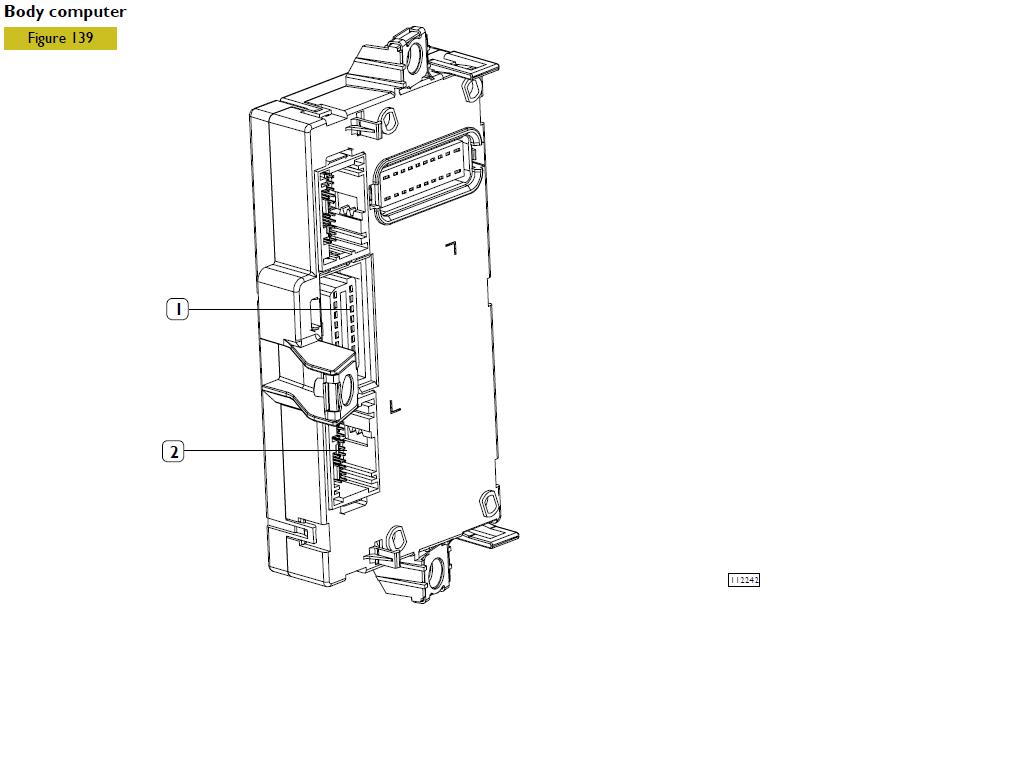
Where is the lighting controller/body computer on a 2007 Iveco Daily?
It is mounted near the interior fusebox at the driver’s left leg. Access it by removing the lower trim and inspecting the fuse area. The body computer handles exterior lighting distribution to the rear, so start diagnostics here when a rear lamp loses power. This placement lets you back-probe connectors without crawling under the vehicle. “At the fuses inside the driver’s left leg.” [Elektroda, Hart3, post #16651119]
Which connector is the LN plug, and where do I find it?
The LN plug is a labeled body-computer connector situated above the OBD port under the dashboard. Look up from the OBD to spot the LN housing and locking tab. This is the reference point used in pin callouts for indicators and other rear lighting feeds. Knowing its position speeds up pin testing and load checks. [Elektroda, Hart3, post #17709431]
How do I diagnose no power to the rear left position light?
Confirm the three yellow rear-loom wires, then trace power from the body computer to the left position feed. Inspect the LN connector for corrosion or a backed-out terminal. If wiring continuity is good, suspect an internal body-computer channel fault. Work from the fusebox area toward the rear to isolate the break. Document wire colors before repairs. [Elektroda, kisiol, post #16651014]
Why is my left indicator blinking fast even though bulbs look fine?
Fast flash indicates low load detected by the body computer. Causes include high-resistance connectors, wrong-wattage bulbs, or an open in one lamp. Check actual current at the connector pins and verify correct bulb specs. “Higher frequency means too little load.” If load is normal, inspect grounds. Replace poor connectors to restore proper cadence. [Elektroda, Hart3, post #16656998]
What pins feed the indicators from the body computer?
From the body computer: left indicator feeds are LN18, LN5, and AV5. Right indicator feeds are LN6, LN19, and AV28. Use these pins to measure voltage and current under load while signaling. This helps pinpoint a weak path without dismantling the entire loom. Label each lead before reconnecting to avoid crosswiring. [Elektroda, Hart3, post #16656998]
Do all rear lights go through the body computer on this model?
Yes. The 2007 Daily routes exterior lighting through the body computer, which then feeds the rear harness. This architecture allows the module to monitor load and react to faults, including fast-blink behavior. Check the body-computer outputs before chasing long harness runs. It centralizes most lighting diagnostics under the dash. [Elektroda, Hart3, post #16651027]
Is there a quick way to test indicator outputs at the body computer?
Use this 3-step method:
- Back-probe LN18/LN5/AV5 (left) or LN6/LN19/AV28 (right) while signaling.
- Measure voltage drop across the connector under load.
- Compare current draw to the working side to confirm low-load faults.
This isolates connector or wiring losses fast. [Elektroda, Hart3, post #16656998]
My mirror tap temporarily fixes the indicator—what does that mean?
A tap that restores function points to an intermittent connection in the mirror assembly or its connector. The impact reseats a loose terminal or overcomes oxidation briefly. Inspect the mirror plug, contacts, and lamp holder tension. Replace damaged terminals to prevent repeat failures. This is a classic edge-case of mechanical contact failure. [Elektroda, kisiol, post #16657254]
Where can I get the body-computer connector descriptions or diagrams?
A forum contributor shared the body-computer connector descriptions in the same discussion. Review those diagrams before probing pins to avoid misidentifying circuits. Print the legend and mark the LN, AV, and corresponding cavity numbers. Accurate identification prevents shorts and speeds fault isolation. [Elektroda, Hart3, post #16651455]
What does 75004 or 75008 mean on the door wiring diagrams?
Those identifiers refer to the door driver (door control module) units. They manage window and related door functions, so glass issues often trace back here. If you see erratic window behavior, test the door module inputs and outputs before replacing switches. “It is a door driver and with glass it is a wider problem.” [Elektroda, Hart3, post #16655640]
Passenger window drops 3 cm when any door opens—normal or fault?
That symptom indicates door-module logic reacting to door-ajar signals. On this vehicle, a user observed a 3 cm drop with both doors opening, then auto-up when closed. Check door sensors and the door driver module for calibration or signal faults. Inspect switch wiring if the passenger switch is absent. [Elektroda, kisiol, post #16655521]
I need the fog-light left pin (short on pin 43). Which connector do I check?
Use the LN connector reference point located above the OBD socket. From there, identify the specific cavity numbering to reach pin 43 for the fog circuit. Verify for shorts to ground with the lamp disconnected to rule out harness damage downstream. Always depin with the correct tool. [Elektroda, Hart3, post #17709431]
Are non-standard bulbs a known cause of fast indicator flashing here?
Yes. The body computer interprets reduced load from incorrect bulbs as a fault, increasing flash rate. Fit bulbs that meet the specified wattage and inspect for connector losses. Measure loads at the LN/AV pins under operation to confirm compliance. Replace any out-of-spec lamps and corroded sockets. [Elektroda, Hart3, post #16656998]
How many rear-loom yellow wires should I expect for position and plate lights?
Expect three yellow conductors feeding two position circuits and the license-plate illumination. Verify each with a continuity and load test rather than relying on color alone. Document routing before repairs to maintain circuit integrity. Color conventions can vary after prior repairs. [Elektroda, kisiol, post #16651014]
Is the body computer missing if I don’t see a module under the steering wheel?
It may just be hidden behind plastic trim near the fuse area by your left leg. Remove the correct panel beside the fusebox to reveal it. One user initially missed it until removing plastic. Look for multiple multi-pin connectors including the LN plug. [Elektroda, kisiol, post #16651035]