FAQ
TL;DR: “3 pieces plus one milky” — that’s your count: three blue cluster bulbs plus one diffusing LCD bulb; “3 pieces plus one milky.” Use Bx8.4 holders (Bx8.5 also fits). [Elektroda, ociz, post #16666814]
Why it matters: This avoids dim gauges, hotspots, and fitment issues when upgrading Opel Astra G clock backlights.
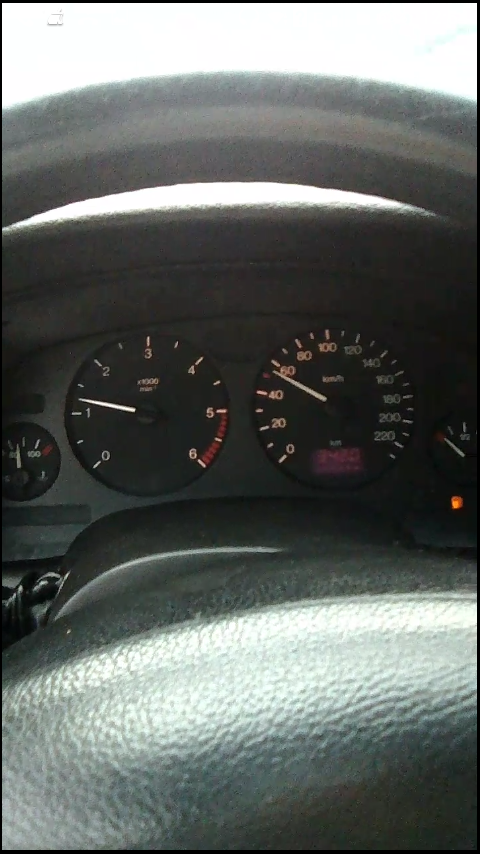
Who this is for: Opel Astra G 1.7 TD owners asking which blue LEDs fit, how many to buy, and how to fix non‑working bulbs.
Quick Facts
- Cluster type affects results: TRW backlights suit LEDs better; VDO works best with blue caps on standard bulbs. [Elektroda, mkpl, post #16655695]
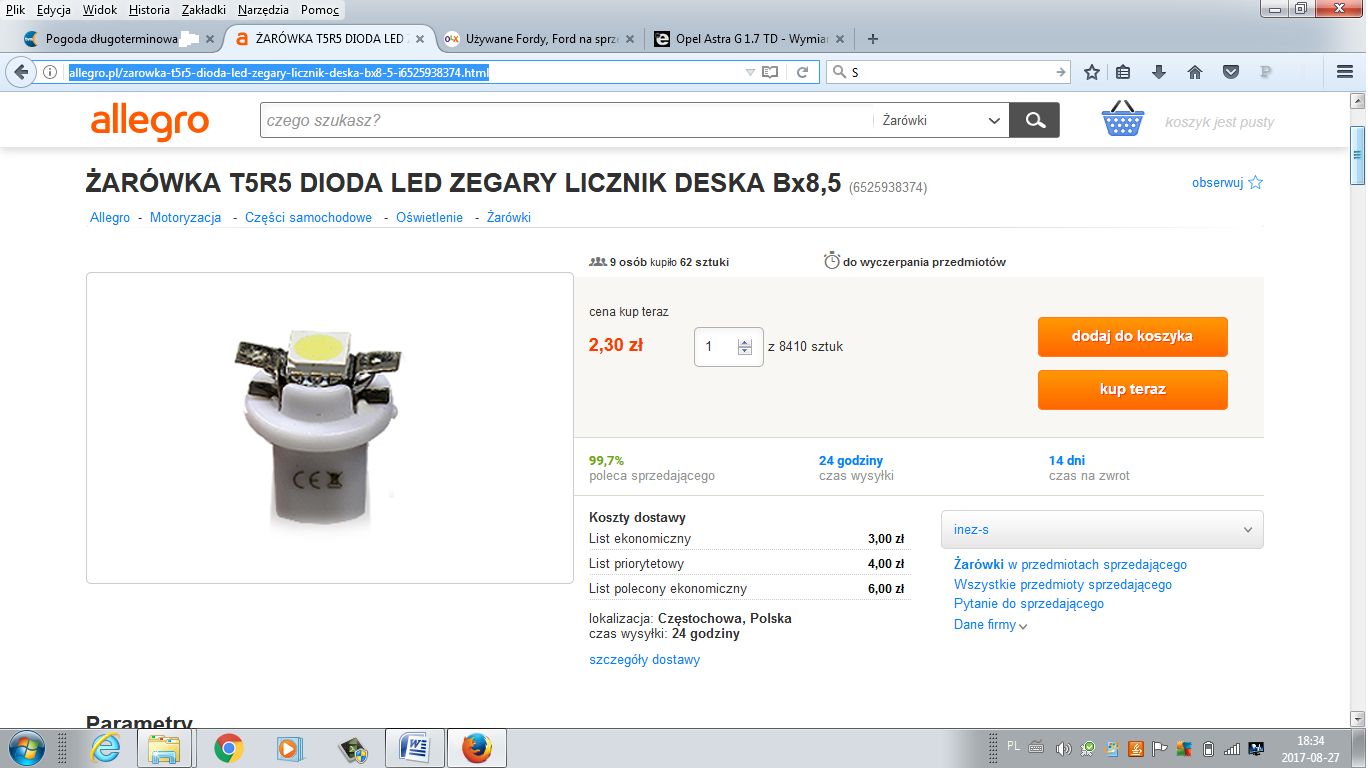
- Holder size: Original Bx8.4; Bx8.5 fits as a substitute. [Elektroda, ociz, post #16666814]
- Quantity: Buy 3 LEDs for the gauges plus 1 “milky” bulb for the LCD. [Elektroda, ociz, post #16666814]
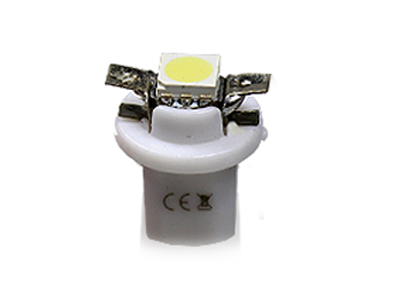
- Preferred LED package: SMD5050, identified by a ~5×5 mm body and 3 internal dies. [Elektroda, mkpl, post #16661719]
- Diffusing “milky” bulb search term/part: 9117175. [Elektroda, ociz, post #16658106]
Which blue LED bulbs fit the Opel Astra G 1.7 TD instrument cluster?
Use LED bulbs in Bx8.4 holders for the main cluster; Bx8.5 also fits. Plan for three bulbs for the gauges and one diffusing bulb for the LCD. Choose blue LEDs if you want a blue backlight effect. [Elektroda, ociz, post #16666814]
TRW vs VDO clusters: which behaves better with LEDs?
TRW clusters illuminate better with LEDs. VDO clusters scatter light naturally, so a standard bulb with a blue cap gives more even results than a bare blue LED. If you have VDO, prioritize the cap approach. [Elektroda, mkpl, post #16655695]
Are SMD5050 LEDs the best choice for these gauges?
Yes. "The best LEDs are SMD5050." They use three parallel LED dies in one 5×5 mm package, improving brightness and coverage. This tri‑die design is a concrete performance boost. Avoid look‑alikes with a single internal die. [Elektroda, mkpl, post #16661719]
What bulb should I use to light the small LCD/waveform display?
Use a diffusing “milky” bulb; search by the identifier 9117175. This matches the required frosted style that spreads light across the LCD, reducing hotspots compared with clear lamps. [Elektroda, ociz, post #16658106]
How many bulbs do I need to illuminate the entire cluster?
Buy four in total: three bulbs for the gauges and one diffusing “milky” bulb for the LCD display. This count covers the standard Astra G cluster layout for even lighting. [Elektroda, ociz, post #16666814]
My new bulb sits loosely and doesn’t light—how do I fix it?
Gently bend the contacts to improve grip, then check LED polarity by rotating the bulb 180 degrees and testing again. LEDs are directional; reversed polarity prevents lighting. Reseat until it’s snug and illuminated. [Elektroda, mkpl, post #16672280]
What does LED “polarity” mean here, and how do I check it?
Polarity means LEDs only light when current flows the right way. If it doesn’t light, pull the holder, rotate the LED 180 degrees, and test. Repeat until it lights and sits firmly after contact adjustment. [Elektroda, mkpl, post #16672280]
Will blue LEDs create bright spots or uneven lighting on the display?
Yes, especially on the LCD. The display uses a special diffusing bulb; using a regular bulb causes a bright center spot, and LEDs intensify that effect. A proper “milky” bulb spreads light evenly. [Elektroda, mkpl, post #16658082]
What is a Bx8.4d/Bx8.5d bulb holder?
It’s the miniature twist-lock base used in many instrument clusters. The Astra G originally uses Bx8.4; Bx8.5 is a near-identical variant that also fits the socket mechanically. Choose either for replacement. [Elektroda, ociz, post #16666814]
How can I spot a genuine SMD5050 LED versus a weaker imitation?
Check the package: real SMD5050s are about 5×5 mm, with six leads and three visible LED structures under the phosphor. Imitations may hide a single die, giving dimmer, narrower light. [Elektroda, mkpl, post #16661719]
Can I keep standard bulbs and just use blue caps instead?
For VDO clusters, yes. A standard bulb with a blue cap gives more uniform light because the cluster already diffuses it well. This approach avoids LED hotspot issues in VDO units. [Elektroda, mkpl, post #16655695]
How do I replace and test the bulbs safely? (3‑step quick guide)
- Remove the cluster and twist out each Bx8.x holder carefully.
- Insert the LED, bend contacts slightly for snug fit, and re‑seat.
- Test; if dark, rotate the LED 180° to correct polarity, then retest. [Elektroda, mkpl, post #16672280]
What if I only have R5 wedge bulbs—will they work here?
No. The Astra G cluster expects Bx8.4 holders, though Bx8.5 also fits. Using wedge-style R5 bulbs won’t lock into the twist sockets correctly. Stick with Bx8.x bases for proper fit. [Elektroda, ociz, post #16666814]
Any edge cases or failure modes I should expect with this swap?
Expect hotspots on the LCD if you skip the diffusing bulb. LEDs can accentuate a bright central spot versus a frosted lamp. Use the “milky” type for the display to avoid uneven illumination. [Elektroda, mkpl, post #16658082]