FAQ
TL;DR: For a ~100 W, 3‑wire single‑phase motor, use a 4 µF run capacitor; ≈300 VAC can appear across it; "the voltage on it will be around 300 VAC." [Elektroda, Krzysztof Kamienski, post #17140578]
Why it matters: This FAQ helps DIYers and technicians quickly wire, test, and safely choose the right capacitor for small 230 V motors.
Quick Facts
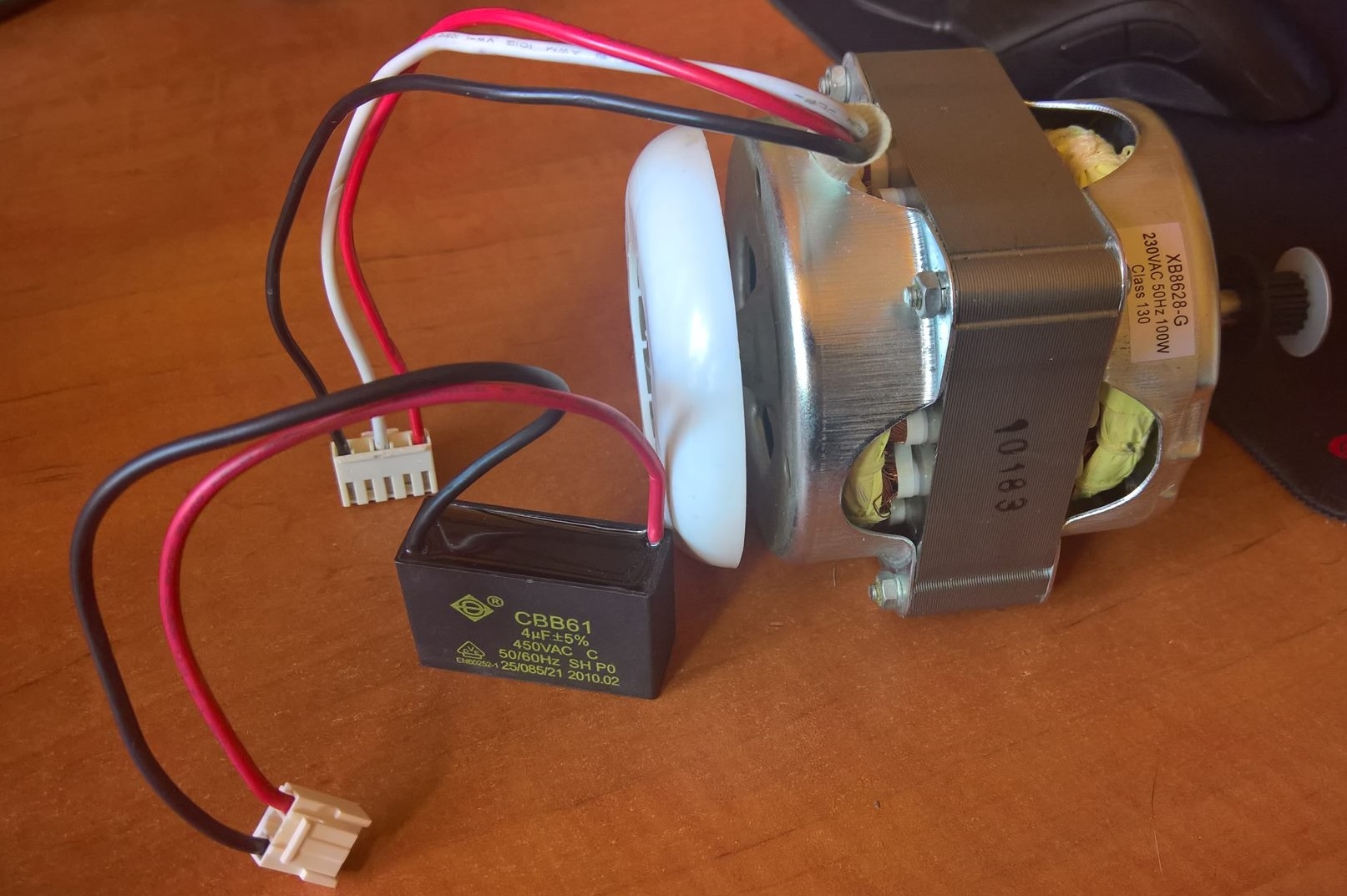
- Typical capacitor: 4 µF CBB61, as shown by the original poster. [Elektroda, RasJahman, post #16698643]
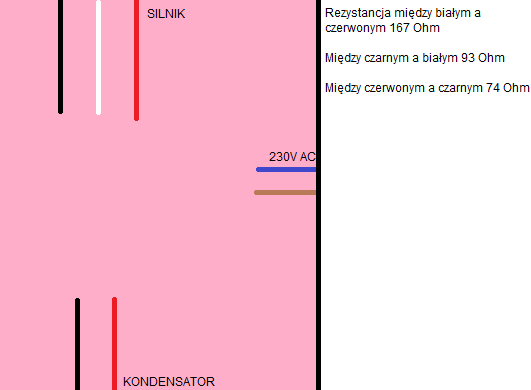
- Example wiring: capacitor between white and red; mains across red and black. [Elektroda, janek5555, post #16698917]
- Equal resistances between all three leads indicate a reversing (delta) motor. [Elektroda, Krzysztof Kamienski, post #17140510]
- Expect roughly 300 VAC across the run capacitor, so use an AC motor‑rated part. [Elektroda, Krzysztof Kamienski, post #17140578]
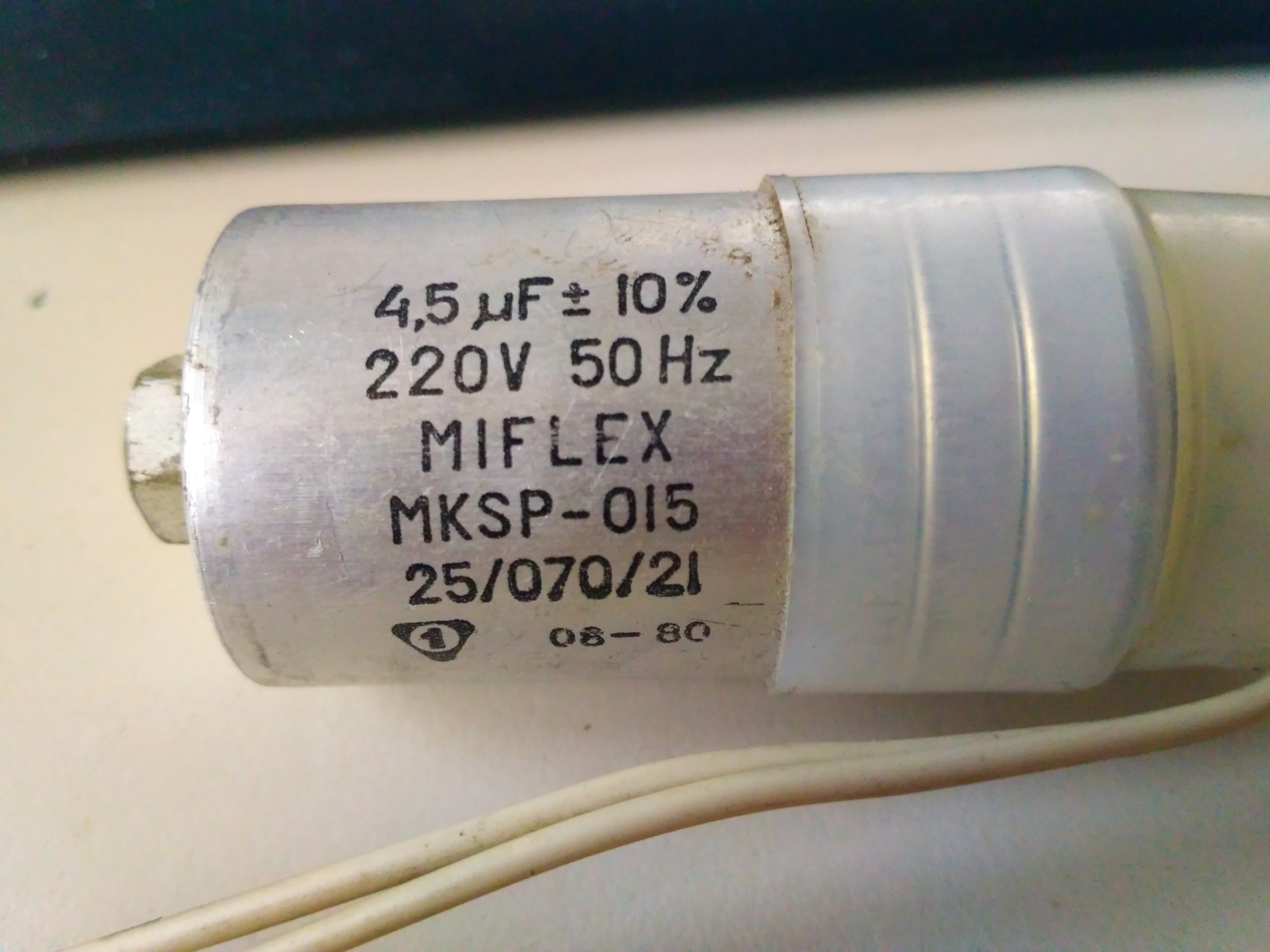
- Using the original specified capacitor restored proper operation in practice. [Elektroda, grzegorz.bk, post #17142053]
How do I wire a 3‑wire single‑phase motor with a 4 µF capacitor?
Place the 4 µF run capacitor between the designated auxiliary and common leads. Then connect mains across the two live leads. In one example: capacitor between white and red; 230 V across red and black. Verify colors match your motor’s diagram or measurements before energizing. This setup provides the phase shift for starting and running. Keep connections insulated and secure. [Elektroda, janek5555, post #16698917]
Which two wires get 230 V on a red/white/black motor?
Connect 230 V across red and black. Put the run capacitor between white and red. This forms a permanent split‑capacitor circuit that sets phase and direction. Confirm with your resistance checks and any nameplate diagram before applying power. If colors differ, follow the same topology rather than colors. [Elektroda, janek5555, post #16698917]
All three wires measure about 203 Ω between every pair. How should I connect it?
Equal pairwise resistances indicate a reversing motor with windings tied in a triangle (delta). Pick any two leads for mains. Connect the capacitor from one of those mains leads to the third lead to set direction. Swap the capacitor to the other mains lead to reverse. “Triangle” winding connections cause the equal readings. [Elektroda, Krzysztof Kamienski, post #17140542]
How do I reverse the motor’s direction on a 3‑wire setup?
Keep the same two leads on mains. Move the capacitor from one mains lead to the other. This flips the phase relationship and reverses rotation. It works on delta‑connected reversing motors with equal winding resistances. Label your leads after confirming the preferred direction. [Elektroda, Krzysztof Kamienski, post #17140510]
What capacitor voltage rating do I need for this motor?
Use an AC motor run capacitor, not a generic low‑voltage film cap. Expect around 300 VAC across it during operation. A cap unsuited for that stress can fail quickly or dangerously. The CBB61 style shown by the OP is appropriate as a type. Match capacitance and choose an AC‑rated unit. [Elektroda, Krzysztof Kamienski, post #17140578]
Can I test the motor by plugging 230 V between two leads without a capacitor?
Do not skip the run capacitor on this type. The capacitor creates the phase shift and sets the direction. Without it, the motor may only hum or stall. Wire the capacitor as described, then apply 230 V to the correct pair. This ensures a controlled start and rotation. [Elektroda, Krzysztof Kamienski, post #17140510]
What does “reversing motor” mean in this context?
It means the motor can rotate either direction depending on where you connect the run capacitor. With equal winding resistances at all three leads, the windings are arranged to allow reversal by moving the capacitor connection. This is common in small single‑phase drives. [Elektroda, Krzysztof Kamienski, post #17140510]
What is a delta (triangle) connection in this motor?
A delta connection ties the three winding ends in a closed loop. Each pair of external leads shows similar resistance because each measurement spans two windings. In this setup, applying mains across any two leads and using a capacitor to the third sets rotation. “This motor has winding connections in a triangle.” [Elektroda, Krzysztof Kamienski, post #17140542]
My motor only hums or won’t start. What should I check first?
Suspect the capacitor or wiring. Replace with the original specified run capacitor value, then retest. One user restored operation by fitting the original capacitor the motor shipped with. Confirm your connections match the recommended topology before energizing. Humming often means no phase shift or a failed capacitor. [Elektroda, grzegorz.bk, post #17142053]
Can I use a random polypropylene film capacitor I have on hand?
No. Avoid generic film capacitors not rated for AC motor service. The run capacitor can see around 300 VAC. Using an underrated part risks failure or rupture. Choose a motor‑run type (e.g., CBB61) with the specified capacitance for reliable operation. Follow the proven example shown in the thread. [Elektroda, Krzysztof Kamienski, post #17140578]
Is 4 µF the correct value for a ~100 W motor?
A 4 µF run capacitor was used successfully with a 100 W‑class motor in the thread. Matching the original value is the safest approach. If you have the original part, copy its value. Otherwise, start with 4 µF and observe start behavior and heating. Keep within manufacturer guidance when available. [Elektroda, RasJahman, post #16698643]
What’s a simple three‑step way to wire and test safely?
- With power off, connect the 4 µF capacitor between the designated auxiliary and one mains lead (e.g., white‑red).
- Apply 230 V across the two live leads (e.g., red‑black) and secure all insulation.
- If rotation is wrong, move the capacitor to the other mains lead to reverse. [Elektroda, janek5555, post #16698917]
I measured about 203 Ω between every pair of leads. Is that normal?
Yes. That reading aligns with a delta‑connected reversing motor where each pair spans two windings. Use any two leads for mains. Then connect the run capacitor from one mains lead to the third to set direction. Swap the capacitor lead to reverse. [Elektroda, grzegorz.bk, post #17140490]
Where can I buy this exact motor model?
The thread did not provide sourcing details for purchasing the specific motor. A user asked about availability, but no vendor information followed. Consider checking the machine’s parts list or contacting the OEM for an exact replacement number. [Elektroda, Olimaxis, post #18350881]
How do I know I picked the right capacitor once installed?
The motor should start briskly, run smoothly, and not overheat. In the thread, operation returned to normal when the original capacitor was refitted. If it struggles to start or runs hot, recheck wiring and capacitor value. Replace aged capacitors proactively. [Elektroda, grzegorz.bk, post #17142053]