


logo elektroda
logo elektroda
X
logo elektroda

Opel Omega B 2.0 16v DTI - Vacuum Hoses Connection, Damaged Injection Pump, and Acceleration Issues

Jewasky 16650 16
Best answers

How do I check the vacuum hose connections and diagnose the loss of turbo boost and acceleration on an Opel Omega B 2.0 16v DTI after repairing the injection pump?

The loss of boost is most likely a vacuum problem: the turbo actuator should be pulled fully when vacuum is applied, and if it does not, you have a leak, a faulty vacuum valve, or a weak vacuum pump [#16756169][#16757059] The solenoids have three ports: vac = vacuum supply, atm = air vent, and out = output to the pneumatic actuator, so verify each valve by unplugging its connector and reading the fault codes to identify it [#16753085][#16754169][#16757202] Test the actuator directly with a syringe; if it works that way but not through the car’s hoses, the hoses or valve/pump supply is at fault [#16756169][#16756801] Replace any suspect hoses and check for leaks in the tubing or diaphragms, because even a small leak will stop the turbo from building control vacuum [#16754169][#16757059] If the vacuum supply is very weak overall, the vacuum pump itself may be failing [#16753085][#16757059]
Generated by the language model.
ADVERTISEMENT
Treść została przetłumaczona polish » english Zobacz oryginalną wersję tematu
  • #1 16753032
    Jewasky
    Level 7  
    Posts: 9
    Rate: 5
    Hello.
    Some time ago I bought Omega B, as it turned out, it had a damaged Injection pump.
    Errors that the car had before repairing the pump were:
    p1630 - communication fault 1
    - not continuous
    p1631 - injection pump
    - not working properly
    -nieciagle
    p1125 - boost pressure control valve
    - circuit broken
    - not yet
    p1110-variable air intake / variable swirl
    - circuit broken
    - not yet

    After repairing the pump a change for the better, the engine works evenly Sounds nice but the errors are:
    P1220
    p1125
    p0400 all three related to communication failure No. 1 or No. 2.B
    I am very wondering if the vacuum hoses are well connected, adds Photo
    Opel Omega B 2.0 16v DTI - Vacuum Hoses Connection, Damaged Injection Pump, and Acceleration Issues
    the car behaves as if it had no turbine, it just doesn't feel acceleration and the turbine can be heard
    The hose coming from the intelcooler under the EGR after adding gas and at the same time squeezing it sucks it (the weight does not get stiff)
  • ADVERTISEMENT
  • #2 16753085
    andrzej20001
    Level 43  
    Posts: 17695
    Help: 1568
    Rate: 6610
    The valves describe:
    -vac- negative pressure
    -atm -air air
    -out - output for pneumatic cylinder.
    Which valve where goes check by unplugging the plug and reading the error.
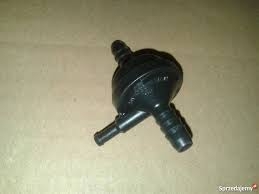
    Often vac pumps fall and this helps: Opel Omega B 2.0 16v DTI - Vacuum Hoses Connection, Damaged Injection Pump, and Acceleration Issues
    you release the vacuum controlling the valves from the pump. You mount this check valve instead of the servo existing on the line and supply the valves with a small stub. Give all new snakes.
  • #3 16753322
    Jewasky
    Level 7  
    Posts: 9
    Rate: 5
    Will I find a vacuum scheme somewhere? Because I don't think this one electro valve should be a closed circuit?
    This is how it looks with me
    Attachments:
    • Opel Omega B 2.0 16v DTI - Vacuum Hoses Connection, Damaged Injection Pump, and Acceleration Issues 1507828940478-921456416.jpg (2.77 MB) You must be logged in to download this attachment.
  • ADVERTISEMENT
  • #4 16754169
    andrzej20001
    Level 43  
    Posts: 17695
    Help: 1568
    Rate: 6610
    You have vacuum everywhere on vac. So on three connectors. And 3 hoses for cylinders. Check at least the tubing diaphragms for leakage with the hose and mouth.
  • #5 16755248
    Jewasky
    Level 7  
    Posts: 9
    Rate: 5
    I did the order with the hoses, I bought rubber hoses, there is no difference.
    I connected the computer and I'm wondering about this graph.
    [Film: 49411a0cc9] https://filmy.elektroda.pl/73_1507912034.mp4 [/ film: 49411a0cc9]


    what does this involve?
  • #6 16755655
    andrzej20001
    Level 43  
    Posts: 17695
    Help: 1568
    Rate: 6610
    After firing turbo from the turbo is pulled to the max?
  • ADVERTISEMENT
  • #7 16756084
    Jewasky
    Level 7  
    Posts: 9
    Rate: 5
    No, it stays in the initial position.
  • ADVERTISEMENT
  • #8 16756118
    andrzej20001
    Level 43  
    Posts: 17695
    Help: 1568
    Rate: 6610
    Well, a valve, a vacuum or a leaky pipe. It won't be power until it draws in.
    p1125 bows
  • #9 16756124
    Jewasky
    Level 7  
    Posts: 9
    Rate: 5
    How can I verify this?
    Can I take a snuff, for example Szczykawka?
  • #10 16756169
    andrzej20001
    Level 43  
    Posts: 17695
    Help: 1568
    Rate: 6610
    Connect the vac cable under the cable. Should pull for max. But you have an electrical valve error. Swap, e.g. with a manifold flap valve, is the same. Of course you can also check the actuator with a syringe.
  • #11 16756801
    Jewasky
    Level 7  
    Posts: 9
    Rate: 5
    When connecting the syringe to the pear, it works as it should, while in the tubs there is very low pressure, such a barely blower and barely sucks, the hoses look okay, when with the engine running a pear the hose going from the intercooler to the erg becomes stiff as it should
  • #12 16757059
    andrzej20001
    Level 43  
    Posts: 17695
    Help: 1568
    Rate: 6610
    Jewasky wrote:
    barely sucks
    leak (pipe or valve) or pump vac
  • #13 16757087
    Jewasky
    Level 7  
    Posts: 9
    Rate: 5
    And there is some bypass vac pump because the tubes checked and it's okay
  • #14 16757202
    andrzej20001
    Level 43  
    Posts: 17695
    Help: 1568
    Rate: 6610
    Post No. 2 bows. Valves in turn must be disconnected from vac maybe one flushes
  • #15 16757214
    Jewasky
    Level 7  
    Posts: 9
    Rate: 5
    I noticed that I have a black plug connected to the gray solenoid valve, while a black plug to the gray one can cause a problem?
  • #16 16757225
    andrzej20001
    Level 43  
    Posts: 17695
    Help: 1568
    Rate: 6610
    I wrote unpin and read errors for identification
  • #17 16780186
    Jewasky
    Level 7  
    Posts: 9
    Rate: 5
    andrzej20001 wrote:
    The valves describe:
    -vac- negative pressure
    -atm -air air
    -out - output for pneumatic cylinder.
    Which valve where goes check by unplugging the plug and reading the error.
    Often vac pumps fall and this helps: Opel Omega B 2.0 16v DTI - Vacuum Hoses Connection, Damaged Injection Pump, and Acceleration Issues
    you release the vacuum controlling the valves from the pump. You mount this check valve instead of the servo existing on the line and supply the valves with a small stub. Give all new snakes.


    Buddy, is this just a check valve? Where exactly is it mounted?

Topic summary

✨ The discussion revolves around issues with an Opel Omega B 2.0 16v DTI, specifically concerning a damaged injection pump and related error codes. The user reports persistent error codes P1220, P1125, and P0400, indicating communication failures after pump repair. Participants suggest checking vacuum hose connections, verifying valve functionality, and inspecting for leaks in the vacuum system. Recommendations include using a syringe to test the actuator and ensuring proper electrical connections to solenoid valves. The user expresses concerns about the vehicle's lack of acceleration and the behavior of the turbo system, indicating potential vacuum or valve issues.
Generated by the language model.

FAQ

TL;DR: On the Omega B 2.0 DTI, "You have vacuum everywhere on VAC" and the system uses three connectors; misrouted hoses or a weak vac pump kill boost. Fix routing first, then test solenoids and actuator. [Elektroda, andrzej20001, post #16754169]

Why it matters: Correct vacuum control restores turbo response, clears DTCs, and prevents unnecessary pump or turbo replacements.

Quick-Facts

Quick Facts

How should I connect the vacuum solenoid on the Omega B (VAC/ATM/OUT)?

Use the markings on the solenoid: VAC = negative pressure supply, ATM = air vent, OUT = line to the pneumatic actuator. Route hoses accordingly, then clear and recheck faults. As the expert put it: “Valves describe: -vac- negative pressure -atm- air -out- output for pneumatic cylinder.” [Elektroda, andrzej20001, post #16753085]

My turbo feels dead though I hear it spool—what should I check first?

Verify vacuum to the turbo actuator. If the actuator does not pull from its initial position, suspect a faulty valve, leak, or weak vac pump. No boost will return until the actuator draws in. “It won’t be power until it draws in.” [Elektroda, andrzej20001, post #16756118]

How do I test the turbo actuator using a syringe?

Disconnect the actuator hose and apply vacuum with a syringe. The rod should move smoothly and hold position. You can also feed the actuator directly from the VAC line; it should pull to maximum if vacuum supply is healthy. Swap valves to compare behavior. [Elektroda, andrzej20001, post #16756169]

How can I isolate a leaking vacuum circuit or a stuck solenoid?

Disconnect the valves from the VAC source one at a time and observe changes. A leaking valve or branch will drop available vacuum to the others. Restore each branch after testing and replace any line or valve that bleeds vacuum. [Elektroda, andrzej20001, post #16757202]

Is there a check-valve bypass to help a weak vacuum pump? Where is it mounted?

Yes. Insert a check valve in place of the existing servo-line location and supply the control valves from a small stub off that line. This preserves vacuum for the solenoids when the pump output is marginal. Replace aged hoses during this mod. [Elektroda, andrzej20001, post #16753085]

Could swapped electrical plugs on the solenoids cause boost problems?

Yes. A black plug connected to the gray solenoid (or vice versa) can drive the wrong actuator at the wrong time. Correct identification is by unplugging each in turn and reading which fault appears, then matching plugs and valves. [Elektroda, Jewasky, post #16757214]

What does DTC P1125 mean on this engine?

In this thread, P1125 indicates a boost pressure control valve electrical issue (circuit broken). That points to the solenoid or wiring, not the turbocharger itself. Fix routing and electrical connections before replacing hardware. [Elektroda, Jewasky, post #16753032]

What does DTC P1110 mean on the Omega B 2.0 DTI?

P1110 here refers to the variable air intake/swirl system with a broken circuit indication. Inspect the related solenoid, vacuum lines, and actuator for leaks or disconnections, then clear and retest. [Elektroda, Jewasky, post #16753032]

What does DTC P1220 suggest after a pump repair?

P1220 appears alongside vacuum-control faults here. Treat it as a secondary effect until vacuum control and solenoid wiring are verified. Restoring proper vacuum often reduces related drivability faults. [Elektroda, Jewasky, post #16753032]

How can I tell if my issue is a vacuum leak or a bad vac pump?

If vacuum at the tees “barely sucks,” suspect a leak in pipes or valves, or a failing vacuum pump. After sealing leaks, recheck. If draw remains weak, service or replace the pump. [Elektroda, andrzej20001, post #16757059]

My actuator stays in the initial position after start—what does that indicate?

The turbo vane/wastegate actuator should pull in under vacuum after start. If it remains at initial position, focus on the control valve, vacuum supply, or line leakage. Do not condemn the turbo until vacuum actuation works. [Elektroda, Jewasky, post #16756084]

Why did my fault list shrink from four codes to three after the pump repair?

In this case, pre-repair errors were four codes; post-repair showed three (P1220, P1125, P0400). Repairing the injection pump removed some faults, revealing remaining vacuum-control issues that still need attention. That statistic helps prioritize vacuum diagnostics next. [Elektroda, Jewasky, post #16753032]

What is a vacuum solenoid (N75/N18 style) in simple terms?

It’s an electrically controlled valve that meters engine vacuum to actuators like the turbo or swirl flaps. Ports are labeled VAC, ATM, and OUT to guide hose routing and ensure correct control. Misrouting prevents boost. [Elektroda, andrzej20001, post #16753085]

Does the intercooler-to-EGR hose firmness tell me anything?

Yes. With proper boost, that hose firms up under throttle. In this case, it only became stiff when vacuum was applied manually, indicating the control system wasn’t supplying enough vacuum during normal operation. [Elektroda, Jewasky, post #16756801]

Three-step how-to: restore vacuum control and diagnose boost loss

  1. Feed the turbo actuator directly from VAC; confirm it pulls fully. 2. Test the actuator with a syringe; check for smooth movement and holding. 3. Swap the turbo solenoid with the manifold flap valve to compare operation; replace the faulty one. [Elektroda, andrzej20001, post #16756169]
Generated by the language model.
ADVERTISEMENT