logo elektroda
logo elektroda
X
logo elektroda

8W 70mA LEDs Flickering - Stroboscope Effect: Possible Reasons, Troubleshooting, and Solutions

Tym 27024 11
ADVERTISEMENT
Treść została przetłumaczona polish » english Zobacz oryginalną wersję tematu
  • #1 16771746
    Tym
    Level 10  
    Posts: 38
    Rate: 10
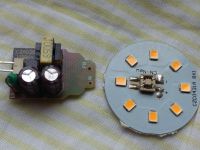
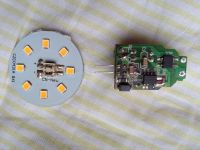
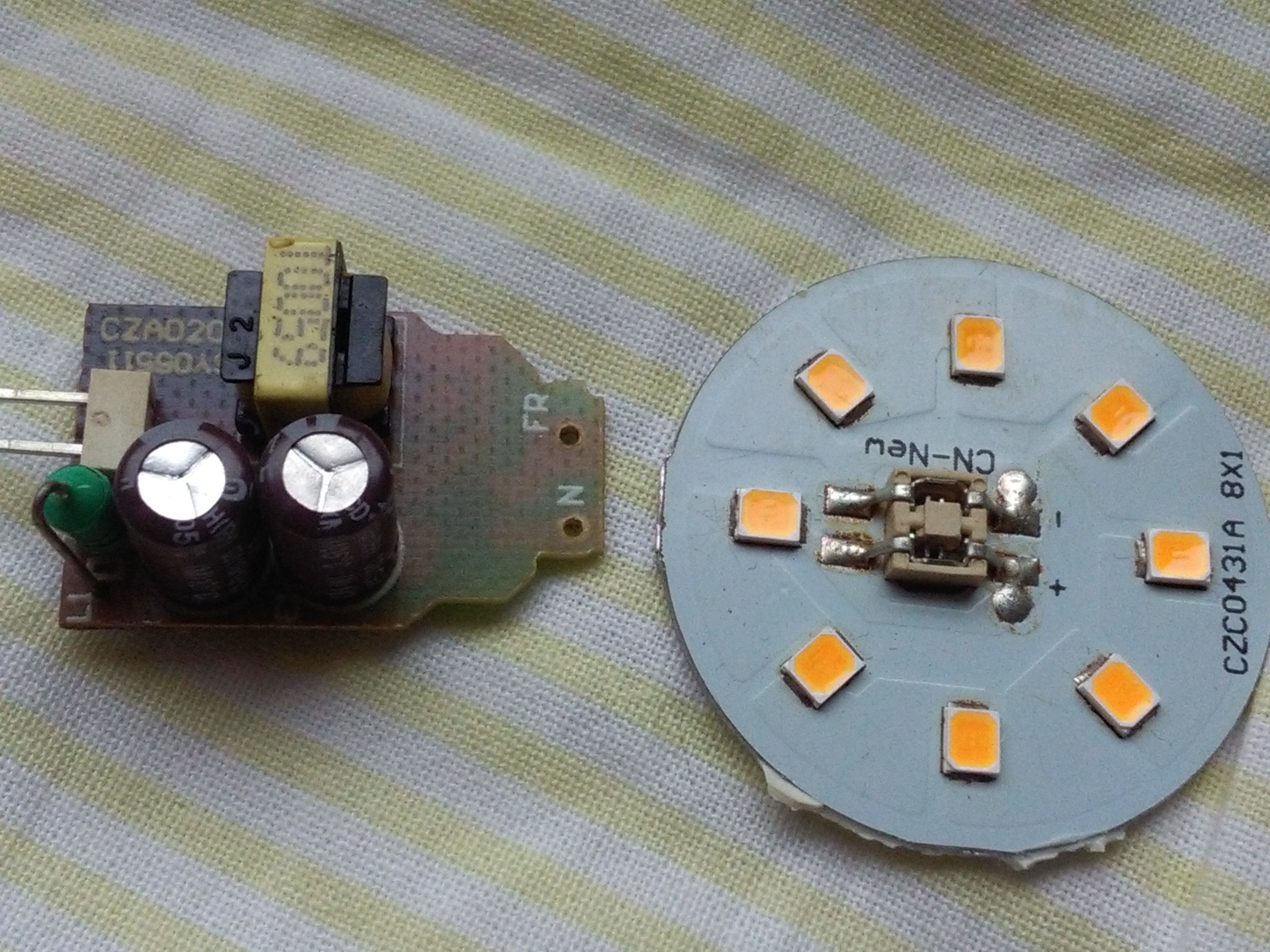
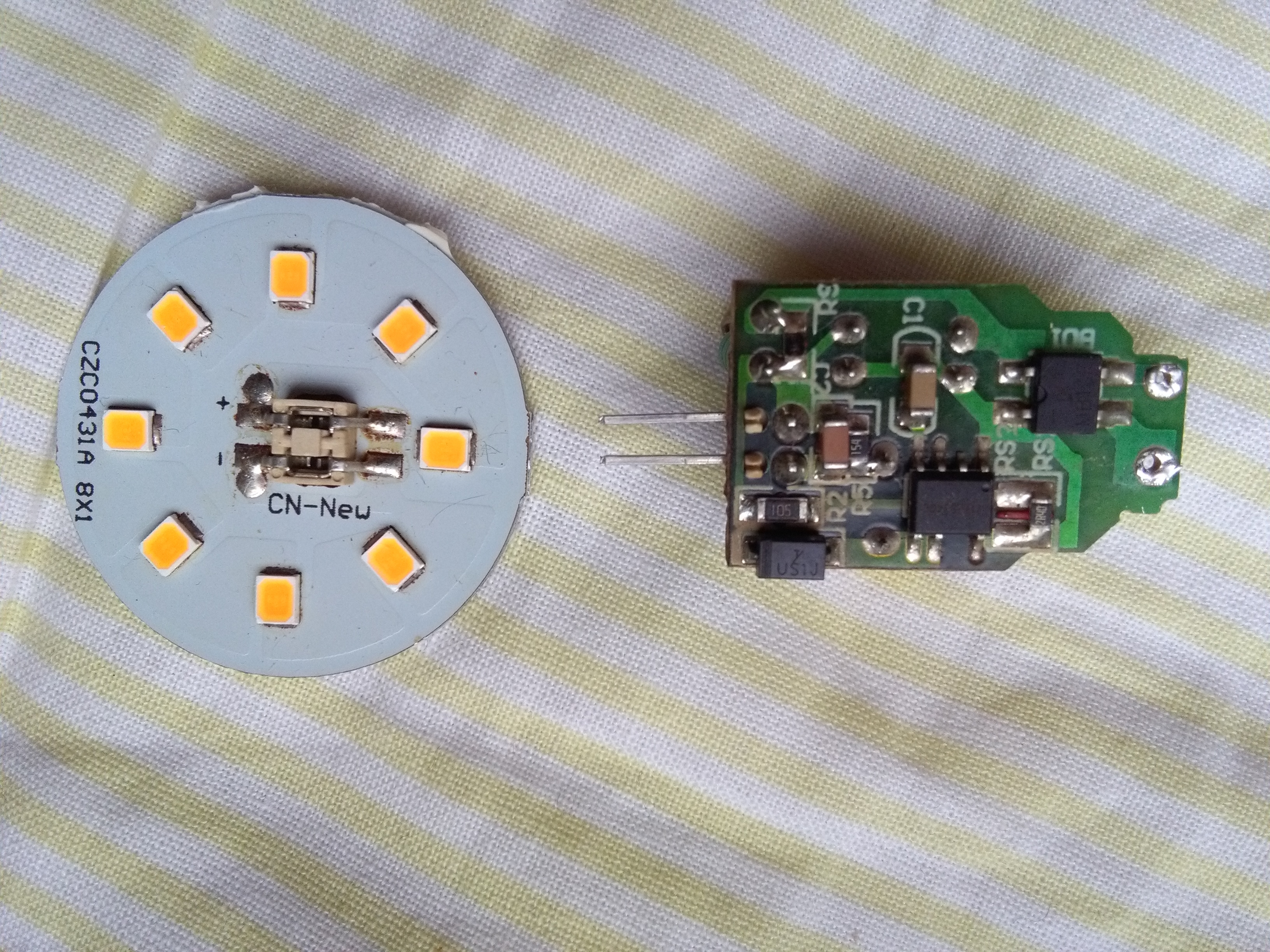
    Hello, two LEDs (8W, 70mA) shone well until they started flashing like a stroboscope 1-2 times / sec. As I was not used to just throwing it away, I undressed one. No fumes can be seen. What could be the reason for such flickering?
    8W 70mA LEDs Flickering - Stroboscope Effect: Possible Reasons, Troubleshooting, and Solutions 8W 70mA LEDs Flickering - Stroboscope Effect: Possible Reasons, Troubleshooting, and Solutions 8W 70mA LEDs Flickering - Stroboscope Effect: Possible Reasons, Troubleshooting, and Solutions 8W 70mA LEDs Flickering - Stroboscope Effect: Possible Reasons, Troubleshooting, and Solutions
  • ADVERTISEMENT
  • Helpful post
    #2 16771774
    kajron
    Level 29  
    Posts: 1006
    Help: 109
    Rate: 159
    To start with, replace the electrolytic capacitors, very often their aging and poor quality are the cause.
  • #3 16773366
    Tym
    Level 10  
    Posts: 38
    Rate: 10
    Ok, we'll check. Really malicious Chinese - they put in two 2,7uF / 400V electrolytes. Where did they get that value from?
  • ADVERTISEMENT
  • #4 16777067
    a_noob
    Level 23  
    Posts: 714
    Help: 14
    Rate: 444
    The mains voltage after rectification can reach 355 V with the permissible fluctuations in our sockets.
  • ADVERTISEMENT
  • Helpful post
    #5 16777655
    strfind
    Level 17  
    Posts: 588
    Help: 25
    Rate: 79
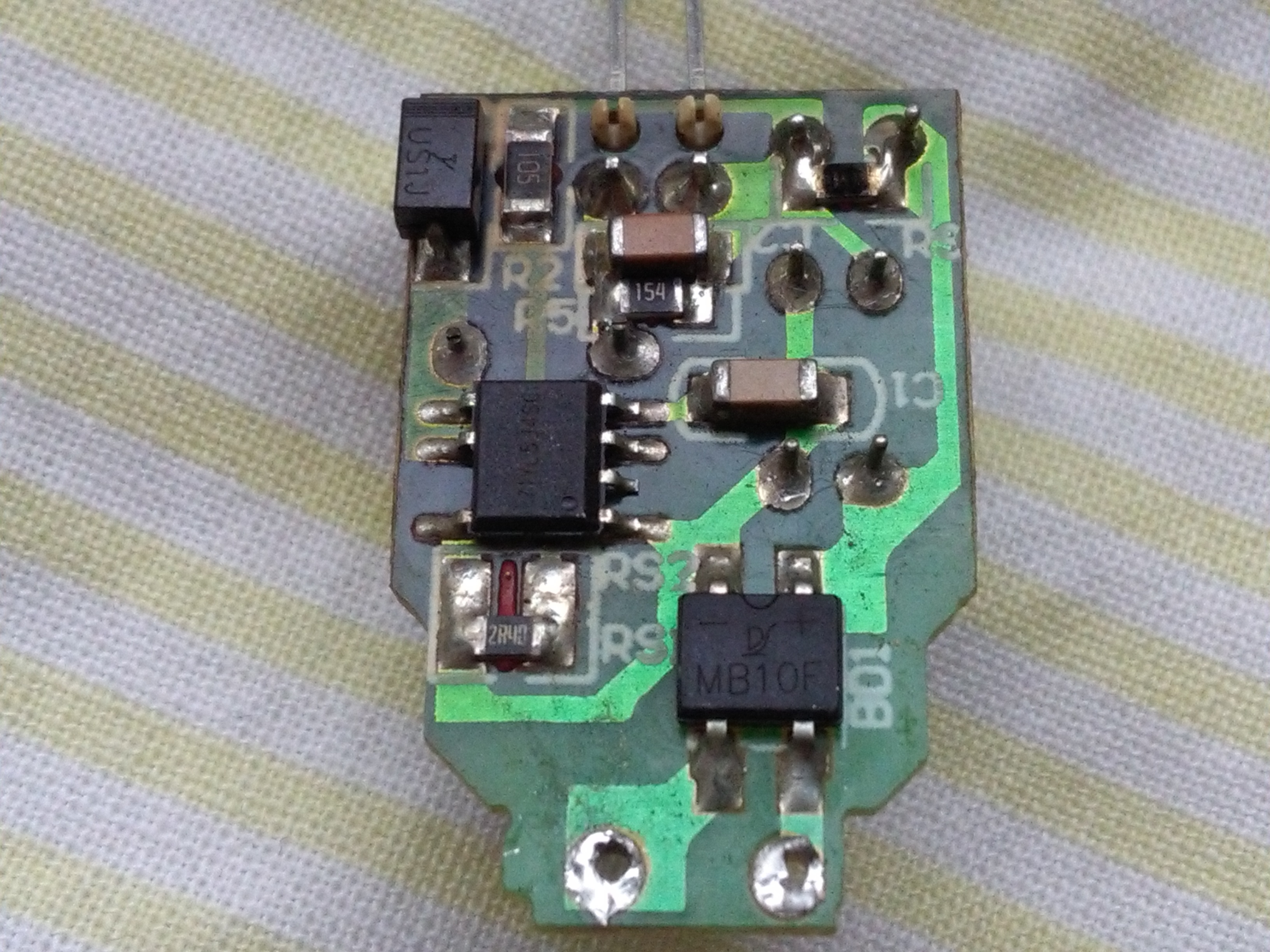
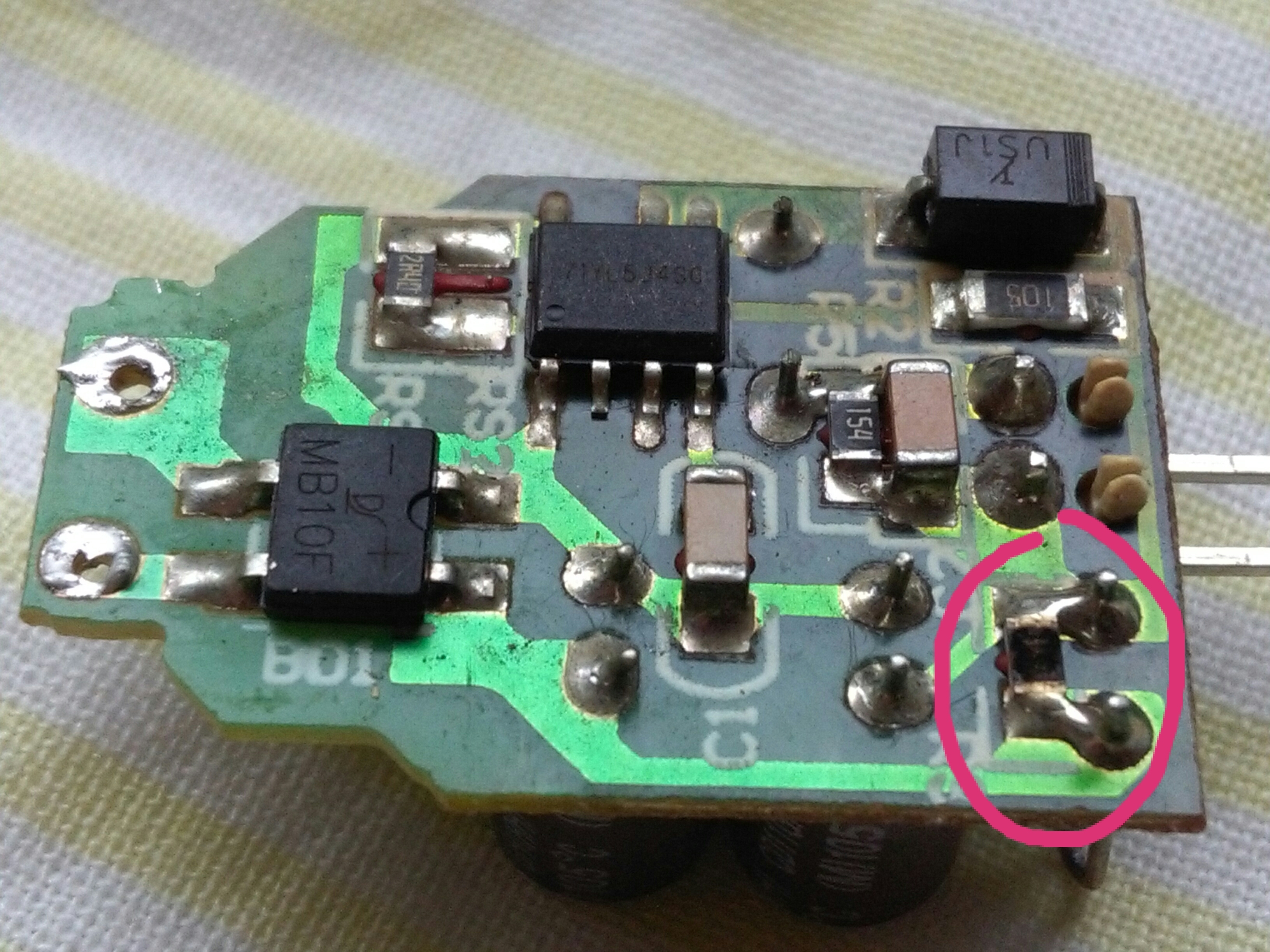
    The R3 resistor does not look fresh at all ;)
  • #6 16778242
    Tym
    Level 10  
    Posts: 38
    Rate: 10
    strfind wrote:
    The R3 resistor does not look fresh at all ;)
    Right, I noticed the heat until I soldered the capacitors, which have some low values, but they should be ok.
    I stripped the second bulb with the same flickering and the same smd resistor is burned (!). Fortunately, I have one more functional - it easily undresses - it is 4.7 k ohm (smd 472). Is this a high voltage resistor because when I soldered a classic 4.7 k resistor it burns right away ????
    8W 70mA LEDs Flickering - Stroboscope Effect: Possible Reasons, Troubleshooting, and Solutions
  • #7 16813485
    E8600
    Level 41  
    Posts: 8864
    Help: 525
    Rate: 2475
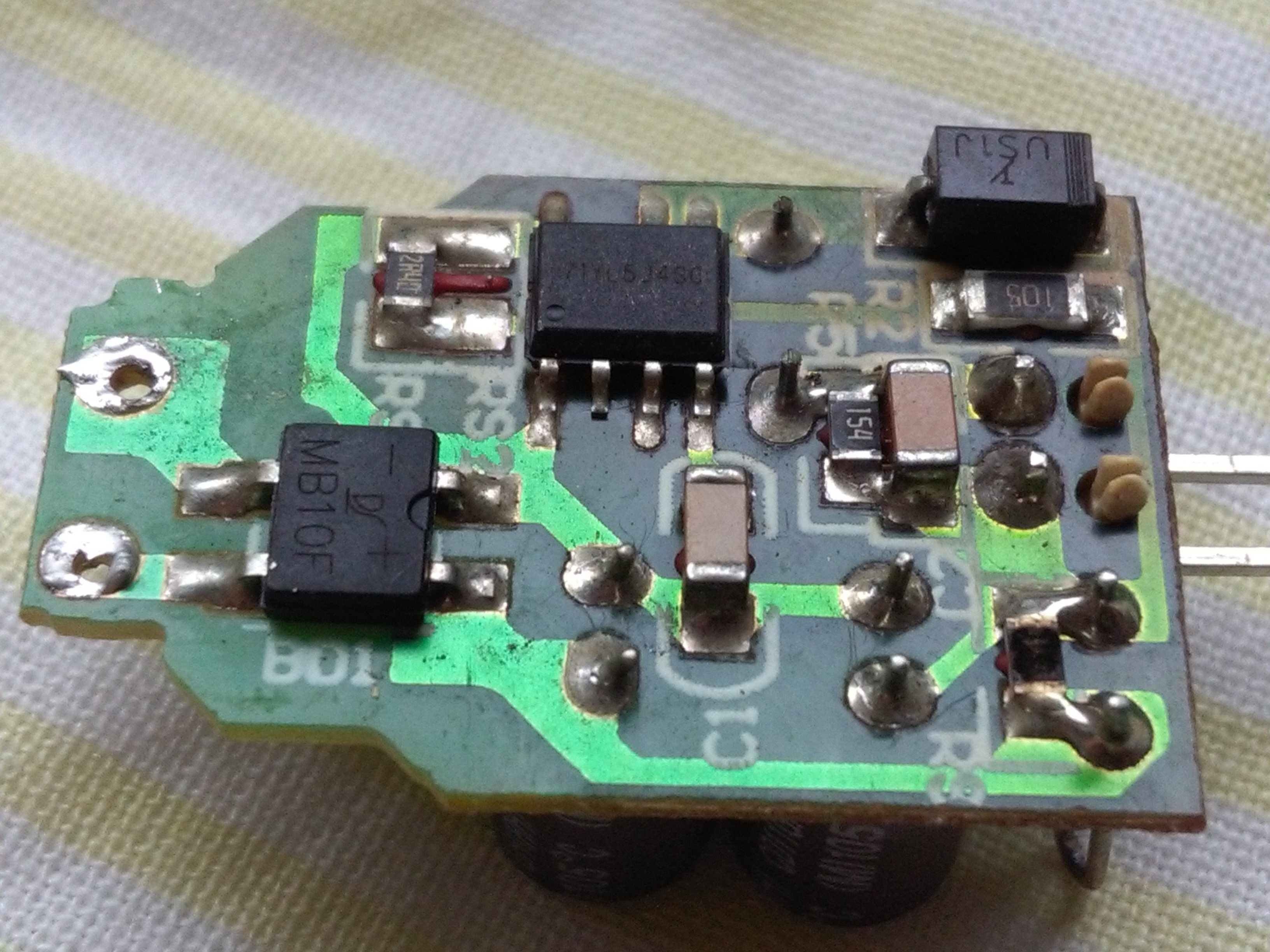
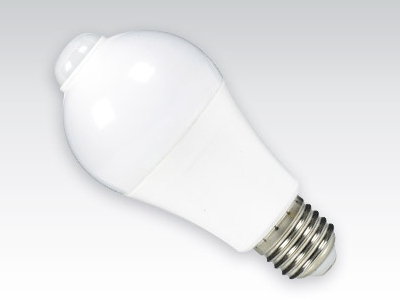
    How did the colleague choose the correct value of this resistor? I have a slightly different bulb and also a burned resistor on the choke. It flashes like a strobe.

    8W 70mA LEDs Flickering - Stroboscope Effect: Possible Reasons, Troubleshooting, and Solutions

    The patient was a bulb with a motion sensor bought in Biedronka with a capacity of 6.5 W for 16 zlotys, of course already alive and shining. The resistor was chosen by trial and error (at higher resistances of 50 k?, it flashed more slowly). The resistor located directly behind the bridge rectifier in parallel with the choke should have a value of 1.8 - 2 k? (I tested such values and the bulb works correctly - it reacts to movement). It may be useful to someone who will have a similar fault.
  • ADVERTISEMENT
  • #8 17590270
    Andrzej Ch.
    Level 33  
    Posts: 2230
    Help: 222
    Rate: 387
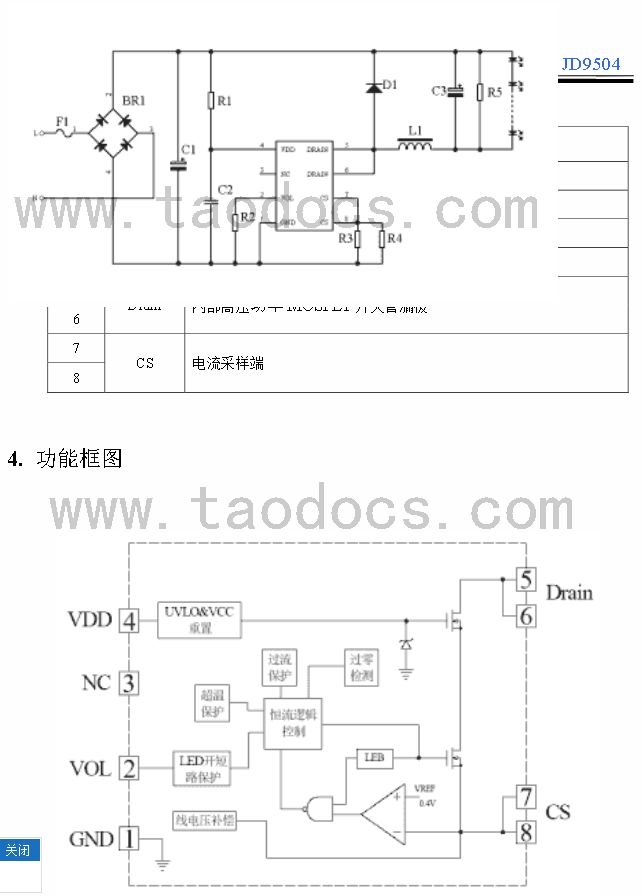
    I will join the topic because I have the same problem with LED DOMODO 12W bulbs. From what I see after photos, the electronic circuit is almost identical.
    Symptom: The light bulb worked over two years without any problems. Now after switching on, there are a few seconds good, but later we have a stroboscopic effect, after which after a few minutes the bulb "surprises" normally for a few dozen or so seconds, after which we have the stroboscope again and again.
    What has been done:
    both electrolytic capacitors were replaced, ie 8.6?F / 400V per 10?F / 350V and 2.2?F / 250V at 2,2?F / 400V. Replacing the capacitors did not change the system operation at all. Then the soldering of all electronic components was corrected but to no avail. Each single LED was checked - all functional.
    I do not have a "burned" element - a resistor - as in the photo of the author.
    Could the JD9504sa system be the cause?
    No element is heating up more than others. I do not know where to look for the cause.
    Like a hot soldering iron, I will touch any element with the JD system, for a moment everything returns to normal, just as I touch the hot soldering irons of this circuit, everything is OK. Of course, for a few minutes.
    I do not know where to look for a problem.

    Ps. For me, the resistor on the gland is 300k? (304)
  • #9 17590341
    Anonymous
    Anonymous  
  • #10 17590355
    Andrzej Ch.
    Level 33  
    Posts: 2230
    Help: 222
    Rate: 387
    @ BC109B
    Next or?

    Personally, I suspect a JD9504sa scalout or smd ceramic capacitor (I do not know the original value), but none of the components bear visible traces of mechanical damage, over burns, etc.
  • #11 17590565
    Anonymous
    Anonymous  
  • #12 17590582
    Andrzej Ch.
    Level 33  
    Posts: 2230
    Help: 222
    Rate: 387
    I have seen this diagram, except that I have a lamp that is out of order.
    In general, integrated circuits are used for exchange. In several LED bulbs, after replacing these systems, the bulbs regained their efficiency.

Topic summary

✨ The discussion revolves around the flickering issue of 8W, 70mA LED bulbs, which exhibit a stroboscopic effect. Users suggest that aging or poor-quality electrolytic capacitors are often the cause of such flickering. One user noted the use of low-quality capacitors (2.7uF / 400V) in their bulbs. Another user highlighted that the mains voltage after rectification can reach high levels, potentially affecting performance. Several users reported burned resistors, indicating overload, and discussed the importance of selecting the correct resistor values to prevent flickering. The JD9504sa integrated circuit was mentioned as a potential culprit in some cases. Users also emphasized the need to measure voltage and check for damaged components, even if no visible signs of damage are present.
Generated by the language model.

FAQ

TL;DR: Two 8W, 70 mA LEDs began “flashing like a stroboscope 1–2 times/s.” Start by replacing electrolytic capacitors, then check the bleed/snubber resistor and the driver IC. [Elektroda, Tym, post #16771746]

Why it matters: This FAQ helps DIYers quickly diagnose and fix AC‑mains LED bulbs that flicker or strobe instead of lighting steadily.
Quick Facts

Why do my 8W/70 mA LEDs start flickering like a strobe?

Driver electrolytic capacitors dry out and lose capacitance, so ripple reaches the LED string and causes visible strobing. Replace them first, observing voltage ratings. If flicker remains, inspect the driver IC and nearby resistors for stress or drift. [Elektroda, kajron, post #16771774]

What does a scorched SMD resistor near the choke indicate?

It indicates overload in the associated driver path. “A burning resistor is a symptom of its overload.” Check the downstream IC and semiconductors for faults before simply upping resistor wattage. Replace with the correct value and appropriate voltage rating. [Elektroda, 139534, post #17590341]

Can mains voltage levels inside the bulb contribute to flicker?

Yes. After rectification, the DC bus can approach about 355 V. Any marginal capacitor or resistor on this rail gets stressed, increasing ripple and causing strobing under load. Ensure replacement parts meet or exceed the original voltage specs. [Elektroda, a_noob, post #16777067]

My bulb stabilizes for seconds, then strobes again—what’s failing?

That intermittent pattern points to a drifting driver IC (e.g., JD9504SA). Users observed temporary recovery when heating the IC, which suggests internal degradation rather than LEDs or fresh capacitors. Replace the IC or the entire driver board. [Elektroda, Andrzej Ch., post #17590270]

Which resistor value across the choke fixed the strobe in a 6.5W sensor bulb?

A resistor directly after the bridge, in parallel with the choke, worked correctly at about 1.8–2 kΩ. Higher values, like 50 kΩ, slowed flashing but didn’t cure it. Use a proper high‑voltage part and verify thermal behavior. [Elektroda, E8600, post #16813485]

Why did my classic 4.7 kΩ through‑hole resistor burn where the SMD 472 survived?

That position likely sees high voltage and pulse energy. A generic low‑voltage resistor can overheat instantly. Use the specified value and a high‑voltage, adequate‑wattage type to match the original SMD part’s characteristics. [Elektroda, Tym, post #16778242]

Will replacing electrolytics always stop LED bulb flicker?

No. One case showed new capacitors made no difference because the driver IC was intermittent. If fresh capacitors don’t help, test or replace the controller IC and check resistors around the choke. [Elektroda, Andrzej Ch., post #17590270]

How do I choose the right bleeder/snubber resistor value?

Match the original design. If unknown, practical tests showed 1.8–2 kΩ across the choke restored normal operation in a similar 6.5 W bulb. Start near 2 kΩ with a suitable voltage rating and monitor heat. [Elektroda, E8600, post #16813485]

Quick 3‑step: how do I troubleshoot a strobing LED bulb?

  1. Replace high‑voltage electrolytics with equal or higher voltage ratings.
  2. Warm the driver IC briefly; if flicker stops, suspect the IC.
  3. Inspect/replace the resistor across the choke with a proper HV part. [Elektroda, Andrzej Ch., post #17590270]

Is flicker rate linked to the resistor value across the choke?

Yes. Testing showed higher resistance (e.g., ~50 kΩ) slowed the strobe but didn’t eliminate it, while ~1.8–2 kΩ restored steady light. This points to the resistor’s role in damping ripple/oscillation. [Elektroda, E8600, post #16813485]

What measurements help isolate the fault safely?

Compare DC bus voltage and ripple between a good and a bad lamp. Probe around the driver IC and snubber path. Reference a similar schematic if available, and remember that failed parts may show no visible damage. [Elektroda, 139534, post #17590565]

Could the LED string be fine even if the bulb strobes?

Yes. A user verified each LED was functional, yet the bulb strobed due to the control circuitry. Focus diagnosis on the driver IC and power stage components instead of the LED string. [Elektroda, Andrzej Ch., post #17590270]

What exactly is the stroboscopic effect in this case?

It’s rapid on‑off cycling of light, visible as 1–2 flashes per second in the reported case. This results from driver instability or insufficient smoothing on the high‑voltage DC bus. [Elektroda, Tym, post #16771746]

Why mention high‑voltage ratings for small resistors?

Because positions near the rectified bus and choke can see hundreds of volts. Using a low‑voltage part there leads to immediate burnout, even at the same resistance value. [Elektroda, Tym, post #16778242]

Where can I see a comparable driver schematic to guide repairs?

A participant shared a representative LED driver scheme and advised voltage checks. Use it to map your board’s bridge, choke, capacitors, and controller for methodical testing. [Elektroda, 139534, post #17590565]
Generated by the language model.
ADVERTISEMENT