logo elektroda
logo elektroda
X
logo elektroda

Fiat Engine 125p 1500: Carburetor Connection Queries - Hose, Connector 1, and Throttle Cable Side

LENIWIEC_PL 10368 12
ADVERTISEMENT
Treść została przetłumaczona polish » english Zobacz oryginalną wersję tematu
  • #1 16781243
    LENIWIEC_PL
    Level 28  
    Posts: 1467
    Help: 119
    Rate: 320
    I warmly welcome.
    Well, I have an engine from a Fiat 125p 1500 which is in fairly good condition, but I have a problem with connecting the carburetor because I do not know what the following connectors are for. In this regard, I have a few questions.

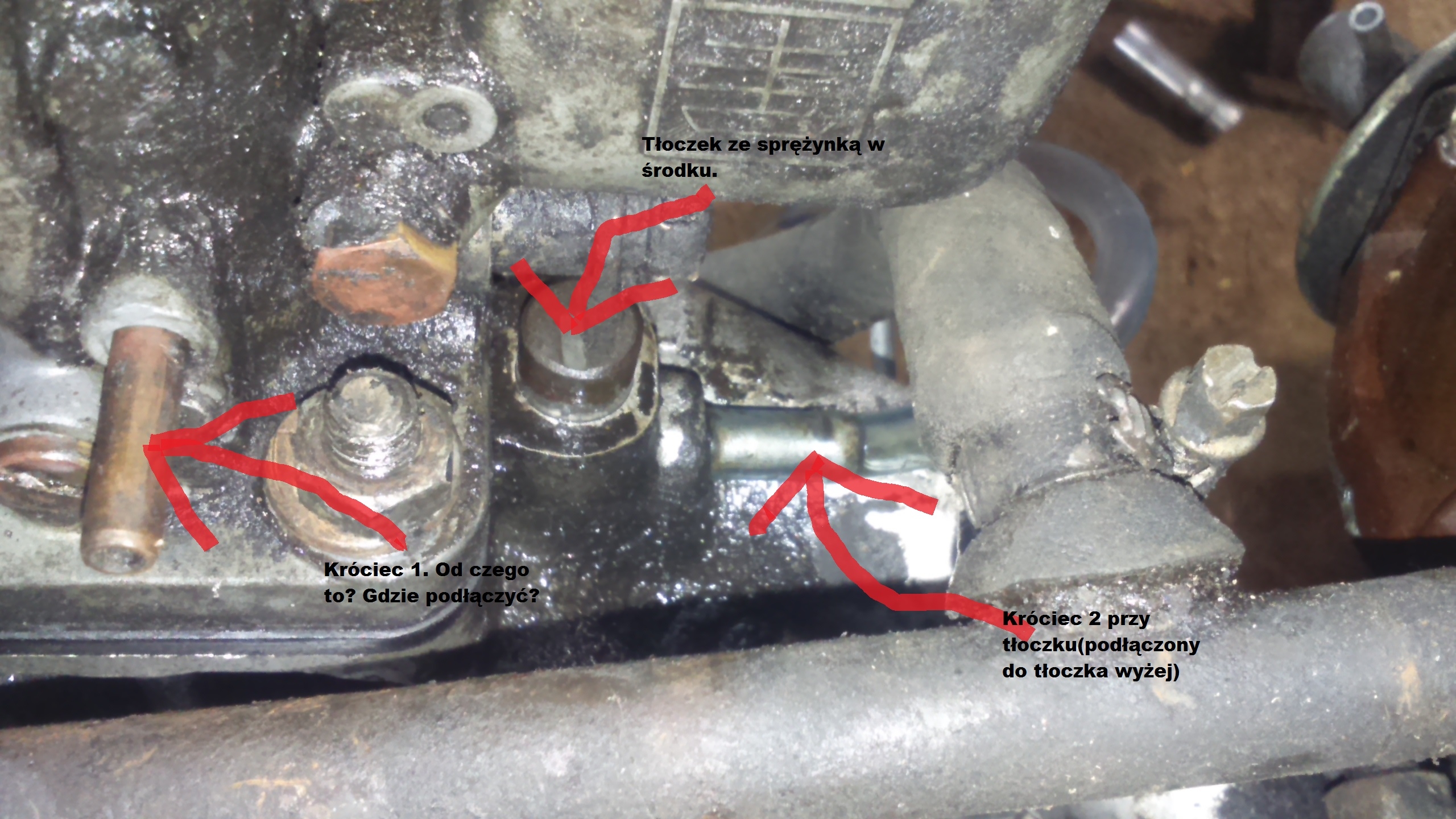
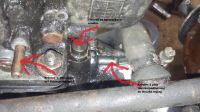
    1. The photo below shows the bottom of the carburetor. A piston is mounted in the intake manifold and a hose is connected to this piston, which I do not know where to connect. Connect to fuel or to air filter housing?
    And where to connect "connector 1" and what is it for?
    Fiat Engine 125p 1500: Carburetor Connection Queries - Hose, Connector 1, and Throttle Cable Side

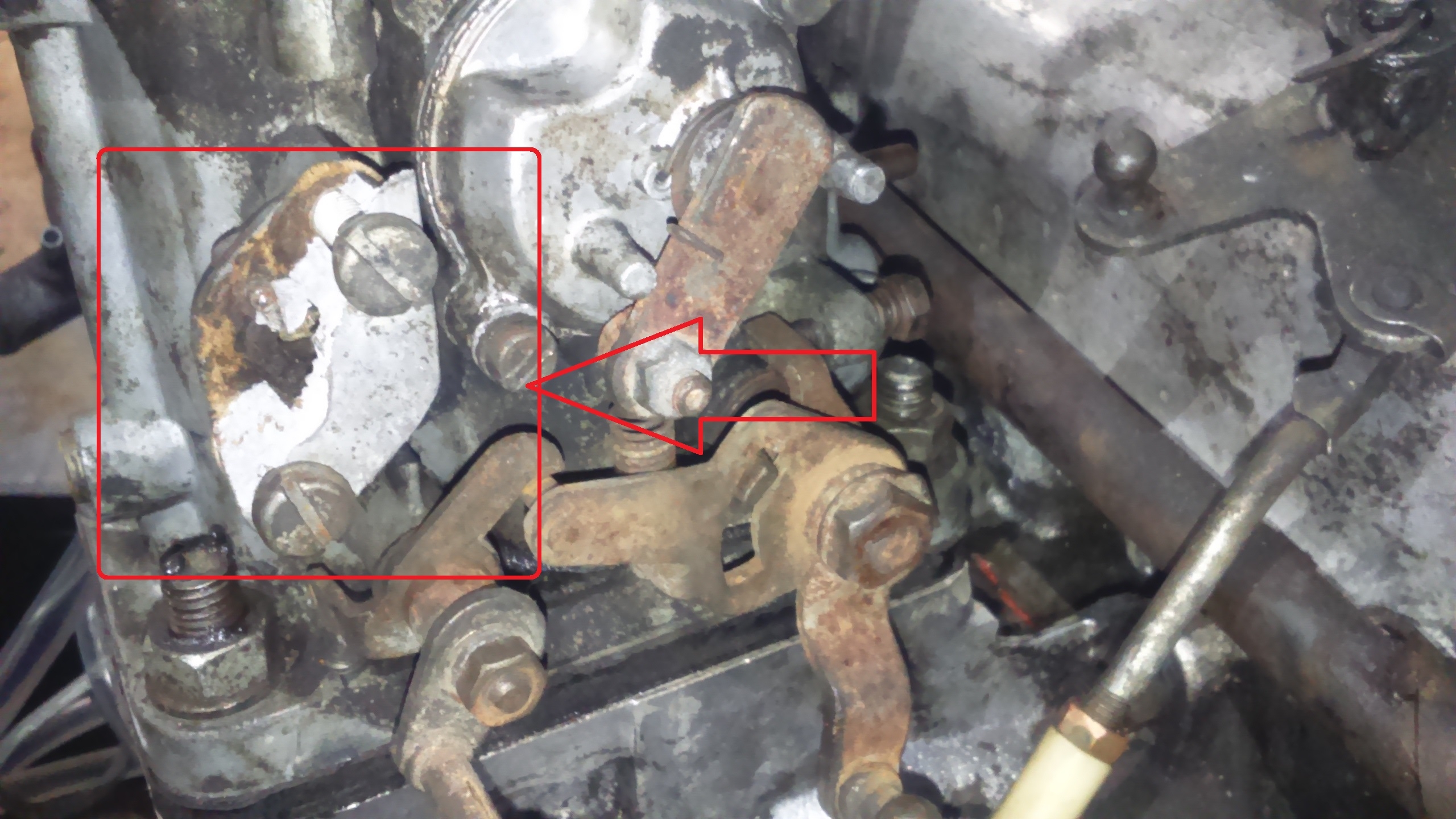
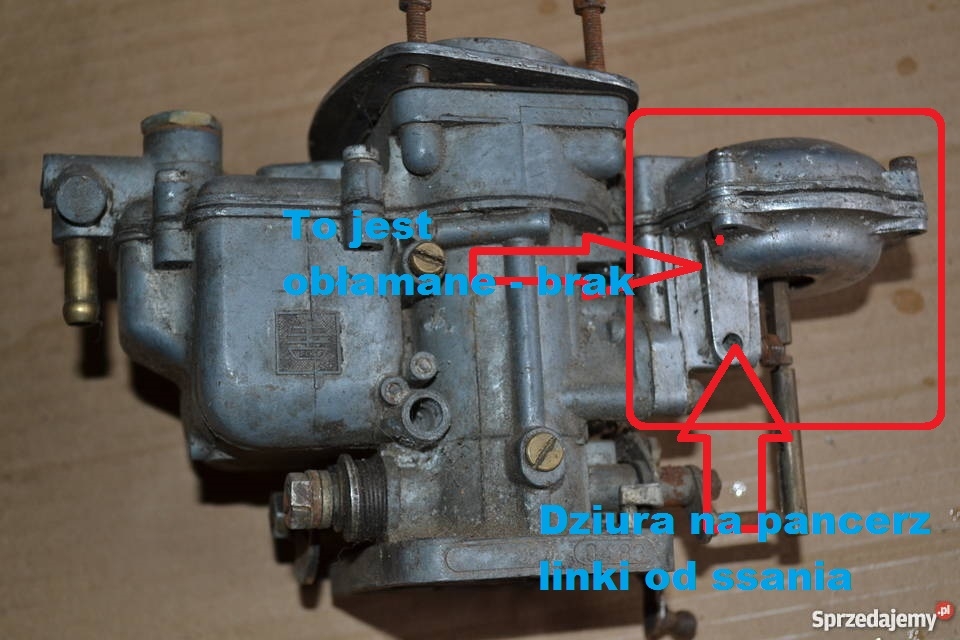
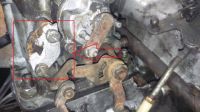
    2. The photo below shows the carburetor from the throttle cable side. There is no actuator responsible for the suction, which was broken when dismantling the engine. Can sealing this hole with a metal plate with a rubber washer affect the negative operation of the engine?
    Fiat Engine 125p 1500: Carburetor Connection Queries - Hose, Connector 1, and Throttle Cable Side

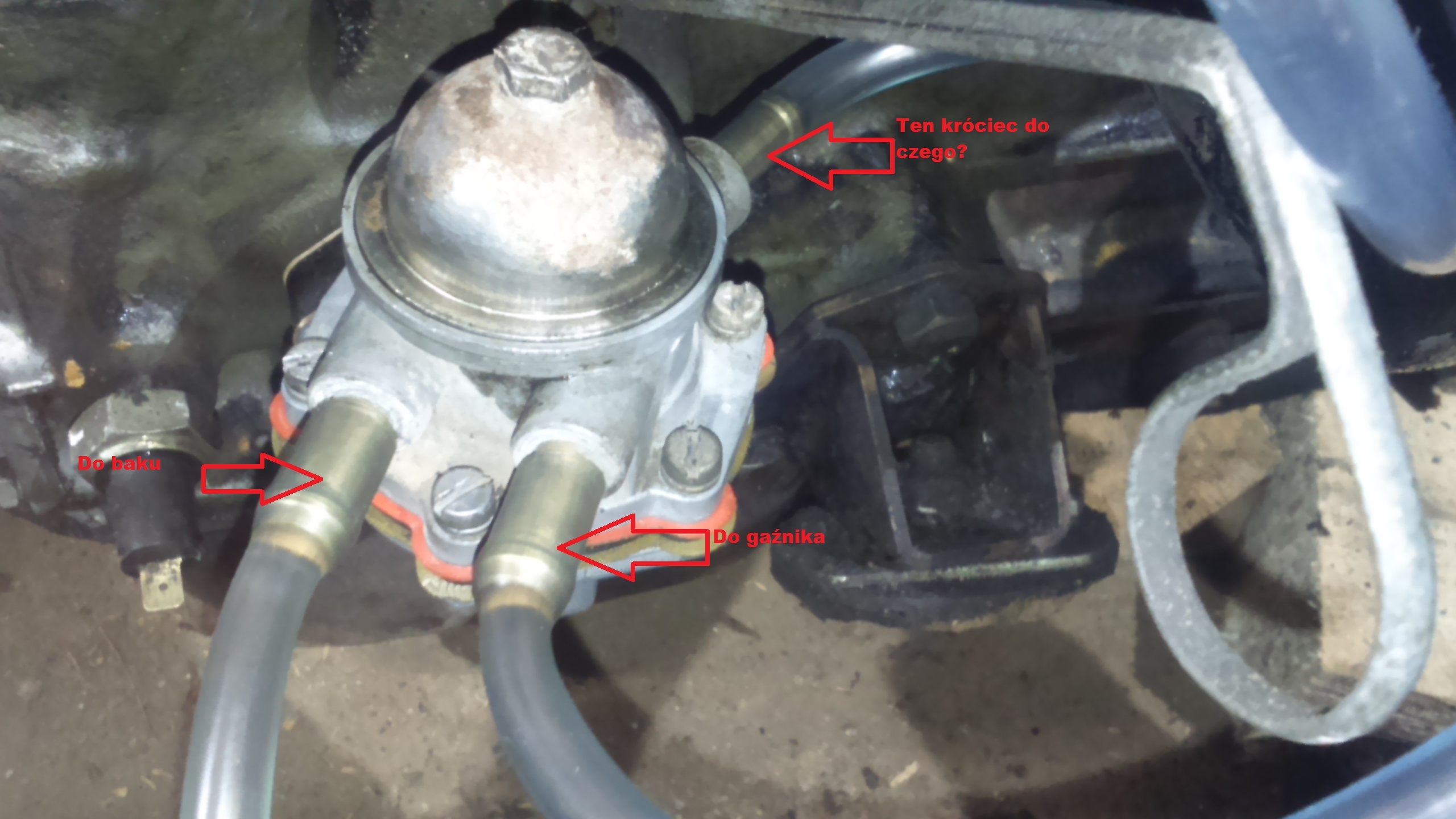
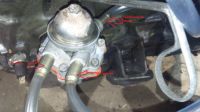
    3. Below, the pump is factory mounted in polonezes with 3 nozzles. What should the third one connect to? Is it advisable to blind him (I'd rather not)?
    Fiat Engine 125p 1500: Carburetor Connection Queries - Hose, Connector 1, and Throttle Cable Side

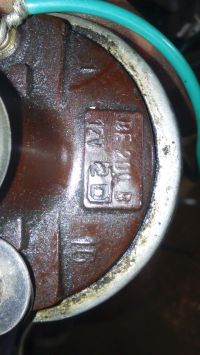
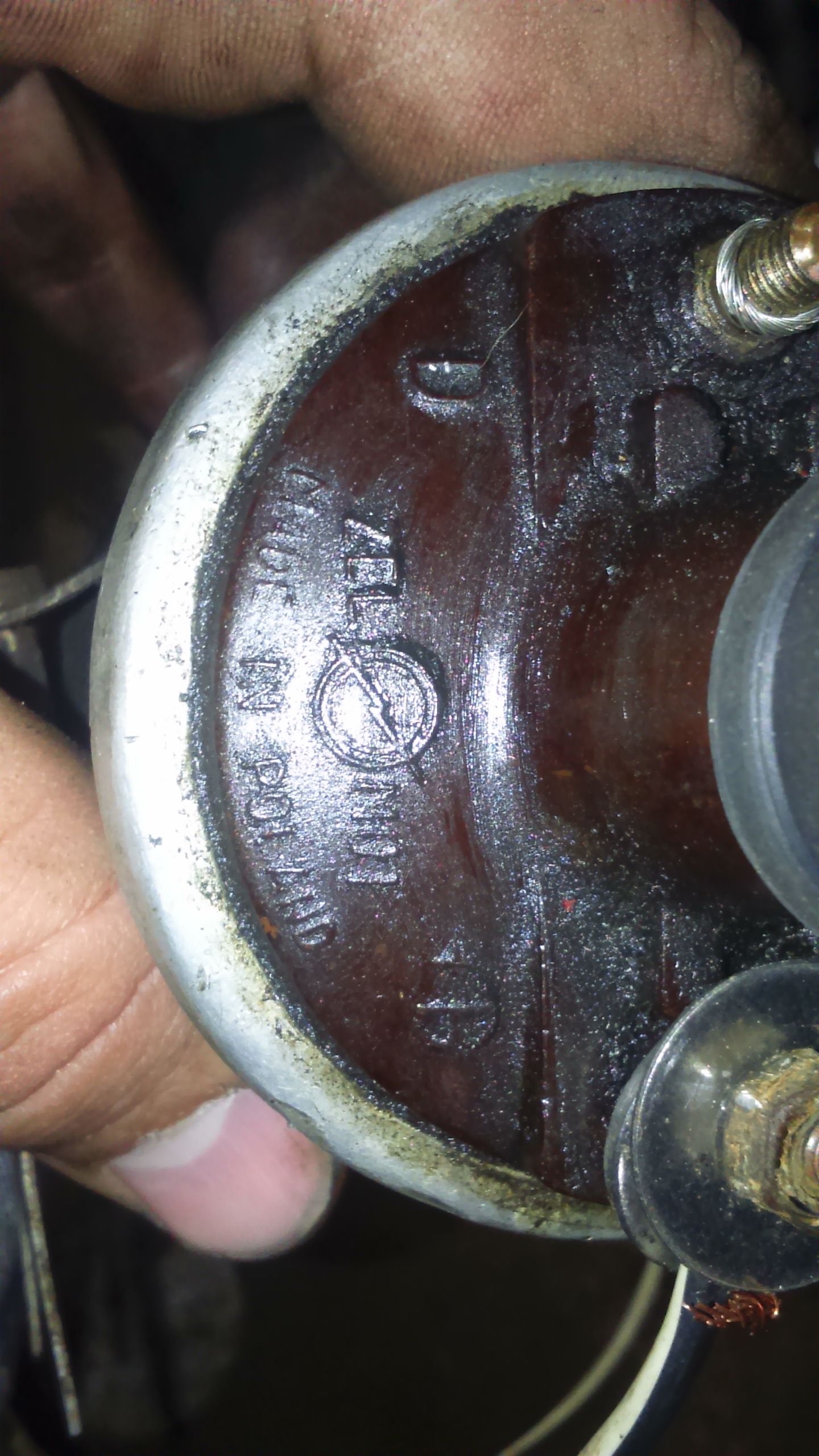
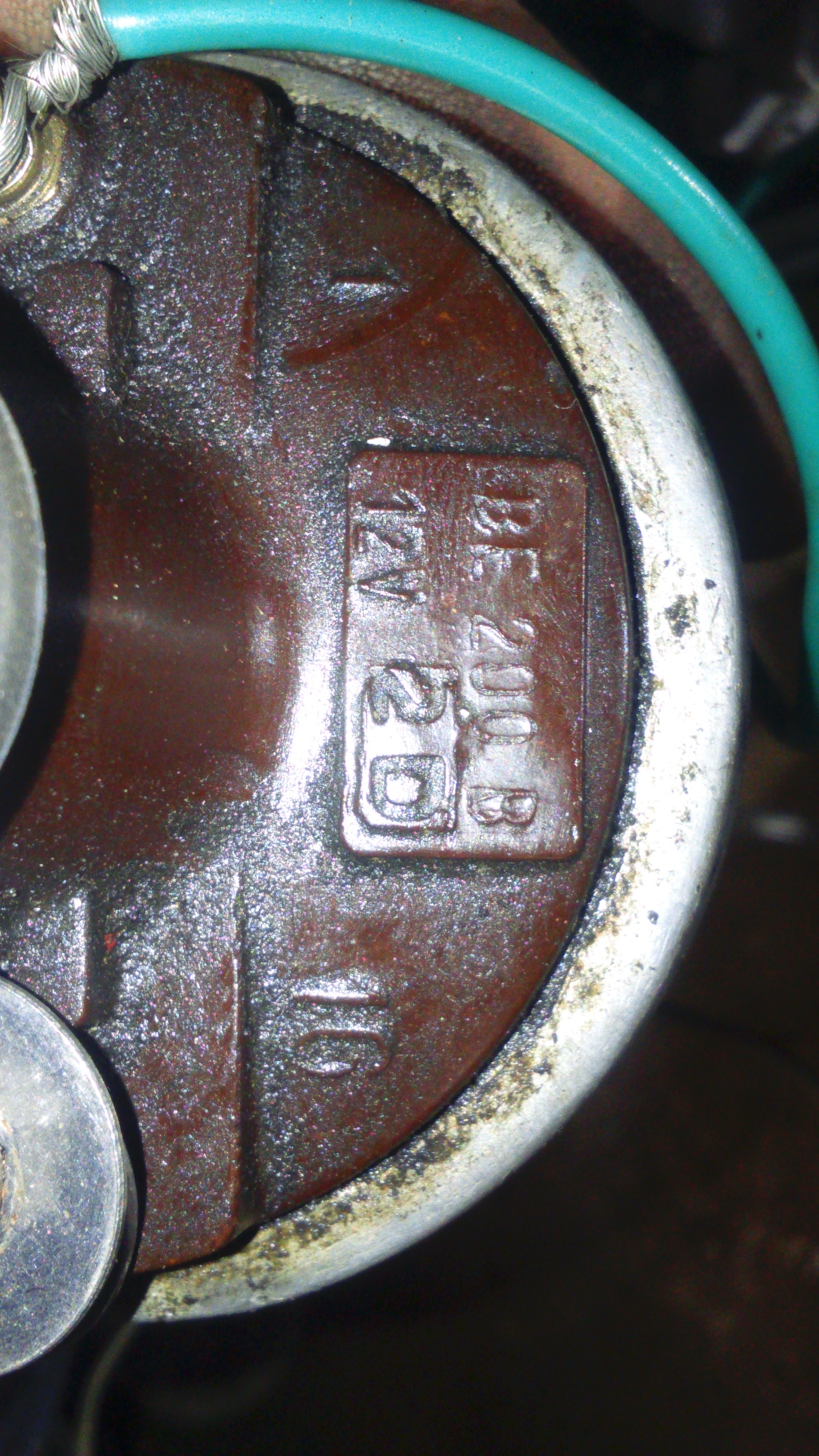
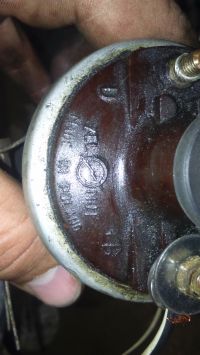
    4. Is a coil with numbering like the photos below good for breaker based ignition? Being at the vehicle disassembly station, I received information that there are 3 types of coils, I took the one with a darker head because I remember that the one with the lighter one was mounted in a Polonez with electronic ignition.
    Fiat Engine 125p 1500: Carburetor Connection Queries - Hose, Connector 1, and Throttle Cable Side Fiat Engine 125p 1500: Carburetor Connection Queries - Hose, Connector 1, and Throttle Cable Side

    I am very sorry if my questions seem funny to some, but when it comes to carburettors, I am weak at this and I prefer to ask professionals before I do something wrong.
    Regards, Michał.
  • ADVERTISEMENT
  • #2 16781311
    nikusert
    Level 41  
    Posts: 5428
    Help: 699
    Rate: 1747
    Hello .
    The coil is for a camera with ordinary plastic plates, not for electronic ignition.
    Question 3
    The third hose is to return the fuel to the tank.
    Question 2
    The broken off piece by the choke lever is used to attach the choke cable, and more precisely its armor.
    Question 1
    Port 1 served (maybe I am wrong) it was connected with a vacuum regulator in the ignition apparatus.
    On the other hand, 2 was pressed by a lever in the carburetor at full throttle, but what it was connected to is already forgotten.
  • ADVERTISEMENT
  • #3 16781374
    LENIWIEC_PL
    Level 28  
    Posts: 1467
    Help: 119
    Rate: 320
    nikusert wrote:
    On the other hand, 2 was pressed by a lever in the carburetor at full throttle, but what it was connected to is already forgotten.

    Reading various types of carburetor designs in a similar carburetor used in newer (or older) polonaises, such a piston was on the carburetor and was used (as I read) for venting the crankcase, but nowhere on the engine is there such a small connection to connect it. When the throttle is fully open, the piston is pressed down and thus the hole is plugged (closed). Any ideas on what it could be used for and where to connect it?
    nikusert wrote:
    Port 1 served (maybe I am wrong) it was connected with a vacuum regulator in the ignition apparatus.

    So I also suspected it was for the vacuum ignition angle advance regulator.
    nikusert wrote:
    The broken off piece by the choke lever is used to attach the choke cable, and more precisely its armor.

    And I will not agree here. In some photos you can see that in this place, exactly under these screws, the idle actuator is bolted (it opens the second throttle after adding more throttle (understood when 1 throttle is fully open). I agree. Is this actuator needed for proper operation? The hole can be plugged? As for the attachment to the cable and the suction device itself, this lever is set to the "choke" position and does not think to twitch. Is there any way to fix this fault?
    nikusert wrote:
    The coil is for a camera with ordinary plastic plates, not for electronic ignition.

    In the ignition device I have a finger with a resistor inside which visually looks a bit worn. Can I mount a polonaise finger without a resistor? I will not burn the coil this way? After all, this resistor is for something :-)
  • #4 16781412
    nikusert
    Level 41  
    Posts: 5428
    Help: 699
    Rate: 1747
    Reply to point 2;
    There is no actuator there, but as I mentioned a bracket with a hole (such a sleeve) through which the cable passes, but the armor of the cable stops. The lever next to it must move, because this is how the engine suction is activated. If you unscrew these two screws, you will see it. a notch that raises or lowers the suction plunger It is best to dismantle the carburetor and rinse it with nitro to remove any deposits. You can install your finger without a resistor. Sometimes the resistor was damaged and there was no spark. with a resistor, the dome burned out less, I would have blinded the output with the plunger.
  • #5 16781496
    LENIWIEC_PL
    Level 28  
    Posts: 1467
    Help: 119
    Rate: 320
    nikusert wrote:
    Reply to point 2;
    There is no actuator there, only, as I mentioned, a bracket with a hole (such a sleeve) through which the cable passes, but the cable armor stops.

    I mean, as in the photo, you can see such a lid with a stick sticking out at the bottom. You can also see a hole through which the cable armor passes (it rests in the middle).
    Fiat Engine 125p 1500: Carburetor Connection Queries - Hose, Connector 1, and Throttle Cable Side
  • ADVERTISEMENT
  • #6 16781514
    robokop
    VIP Meritorious for electroda.pl
    Posts: 29406
    Help: 1760
    Rate: 6342
    Throw away the old stuff, look for a carburetor with a mechanically operated second-pass throttle - marked 34DCHD, or from a Polonez - S2C with a ZHS valve. The one you present was assembled until 1983 - the oldest type, the most fuel-consuming.
    The stub pipe 1 was connected to the vacuum ignition regulator, the stub pipe to a thin tube under the air filter, the pump was not the right one - from the newer version, the excess fuel returned to the tank - this is what the 3rd connector was for.
  • #7 16781576
    LENIWIEC_PL
    Level 28  
    Posts: 1467
    Help: 119
    Rate: 320
    robokop wrote:
    Throw out this old stuff

    The old one takes a long time and the new one will fall apart before it leaves the salon ;-)
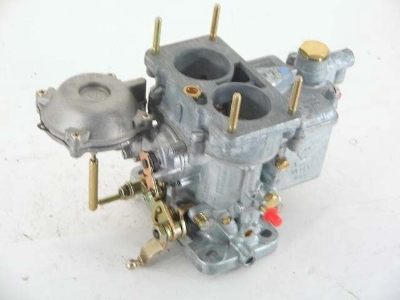
    My carburetor looks exactly like the one pictured below. Photo borrowed from google, but if necessary, I can give a real photo. By typing the phrase "34DCHD" in google graphics, just such carburetors pop up as I have. By the way, to confirm or refute what I am writing, where to find the markings on such a carburetor? How do you know which 34DCHD is?
    Fiat Engine 125p 1500: Carburetor Connection Queries - Hose, Connector 1, and Throttle Cable Side
    robokop wrote:
    a connection for a thin tube odmy under the air filter

    Are you talking about this plunger spigot?
    robokop wrote:
    you have the wrong pump - from the newer version, the excess fuel is returned to the tank - this is what the 3rd stub was for.

    I agree with you that it is inappropriate because it is a polonaise. But on the internet, when I was browsing, I saw such pumps in Fiat 125p and they worked normally, but the 3rd end was connected directly to the tank (return to the tank - transfer).
  • #8 16781622
    robokop
    VIP Meritorious for electroda.pl
    Posts: 29406
    Help: 1760
    Rate: 6342
    LENIWIEC_PL wrote:
    By typing the phrase "34DCHD" in google graphics, just such carburetors pop up as I have. By the way, to confirm or refute what I am writing, where to find the markings on such a carburetor? How do you know which 34DCHD is?

    My mistake, it is actually 34DCHD - and I mean 34DCMP.
    LENIWIEC_PL wrote:
    The old one takes a long time and the new one will fall apart before it leaves the salon

    Don't be surprised. Where do you get the repair kit for it, especially the 2nd passage opening vacuum diaphragm?
    LENIWIEC_PL wrote:
    Are you talking about this plunger spigot?

    Yes, it's a condensate suction from the separator.
    LENIWIEC_PL wrote:
    I agree with you that it is inappropriate because it is a polonaise. But on the internet, when I was browsing, I saw such pumps in Fiat 125p and they worked normally, but the 3rd end was connected directly to the tank (return to the tank - transfer).
    They worked, and why not - you only need to plug this additional connector or add a return cable to the tank. Pumps fit from Lada.
  • #9 16781680
    LENIWIEC_PL
    Level 28  
    Posts: 1467
    Help: 119
    Rate: 320
    robokop wrote:
    My mistake, it is actually 34DCHD - and I mean 34DCMP.

    I do not know how inside because I have never had the latter in my hand, but visually in the pictures, the only difference I can see between them is the lack of this actuator, the attached overflow at the float and a different location of some elements and that's it. The big difference can be seen between the 34DCHD carburetor and the 34S2C carburetor in which even the shape is changed to more ovoid.
    robokop wrote:
    Don't be surprised. Where do you get the repair kit for it, especially the 2nd passage opening vacuum diaphragm?

    The whole set is to work in the tractor itself, so we'll see how it works. The tractor is supposed to be for small works, such as transporting something, leveling it, removing snow, so high fuel consumption does not bother you here, if you take into account the armor of these engines. If something starts to fall on this carburetor, then I will use the 34S2C carburetor which seems to be the most optimal and inexpensive because you can buy it for PLN 80.
    robokop wrote:
    They worked, and why not - you only need to plug this additional connector or add a return cable to the tank. Pumps fit from Lada.

    Carburettors probably too - that's what I heard.

    What, gentlemen, do with the crankcase ventilation? In newer engines I do not see such an application, and here we have a thick steel tube from the oil pan to ... "check valve?" and then the rubber tube that led to what was most likely the air filter housing. Can it be blinded? Why wasn't such a thing used in newer engines, for example the Polonaise?
  • #10 16781702
    robokop
    VIP Meritorious for electroda.pl
    Posts: 29406
    Help: 1760
    Rate: 6342
    LENIWIEC_PL wrote:
    taking into account the armor of these engines

    What? The 115C engine is nothing but rubbish, with a wear-and-tear camshaft and quickly falling shaft bushings, fuel consuming, oil-consuming and tragically not resistant to overheating - any boiling would result in a quick and devastating deflection of the shaft supports.
    LENIWIEC_PL wrote:
    34S2C carburetor which seems to be the most optimal and inexpensive

    Much less fuel consumption goes to it.
    LENIWIEC_PL wrote:
    Why wasn't such a thing used in newer engines, for example the Polonaise?
    Because otherwise the pneumothorax was constructed - it was in the valve cap instead of a repeller in the block. The vapor suction was also done with a thick pipe, the condensate was separated directly in the ejector in the lid.
  • ADVERTISEMENT
  • #11 17628364
    dkow26
    Level 11  
    Posts: 13
    Rate: 49
    Hello: LENIWIEC_PL
    Do you have everything connected?
    I also do not know where to connect the connector 2 under the valve in the intake manifold.

    best regards
  • #12 17651541
    LENIWIEC_PL
    Level 28  
    Posts: 1467
    Help: 119
    Rate: 320
    Welcome.
    I have blinded the port number 2 at my place.
  • #13 17652466
    kierbedz4
    Level 36  
    Posts: 2707
    Help: 307
    Rate: 1004
    Install an engine from a type of Sa type after repair, all problems with repairs will fall off. In the 80s I designed and made a microtractor on S 231 on Lublin 51 subassemblies because I received 2 Lublin free of charge and they were completely repaired because someone came to the conclusion that they eat too much Relatively, it was a short structure, because the drive from the gearbox to the rear axle was made of two forged ends of the Cardan shaft. The tractor's mask was the hood of the C330

Topic summary

✨ The discussion revolves around the connection issues related to the carburetor of a Fiat 125p 1500 engine. Users inquire about the purpose of various connectors on the carburetor, specifically a hose connected to a piston in the intake manifold, and the implications of sealing a broken actuator hole. Responses indicate that the hose may be for crankcase venting or connected to a vacuum ignition regulator. The absence of an actuator for the throttle cable is noted, with suggestions to clean the carburetor and consider replacing it with a newer model for better performance. The conversation also touches on the compatibility of different carburetor models and the importance of proper connections for optimal engine operation.
Generated by the language model.

FAQ

TL;DR: Fiat 125p 1500 34DCHD carbs were built until 1983; "excess fuel returned to the tank." Connect port 1 to vacuum advance, route the pump’s third outlet to tank, and treat the plunger port as condensate suction. [Elektroda, robokop, post #16781514]

Why it matters: This FAQ helps owners restore hose routing, ignition hookups, and choke controls on Fiat 125p/Polonez-era carb setups without guesswork.

Quick Facts

What is connector/port 1 on the Fiat 125p 1500 carburetor for?

Port 1 is the vacuum takeoff for the distributor’s vacuum advance regulator. Use vacuum hose rated for fuel vapors. Keep the run short and airtight to maintain stable timing under load changes. This restores part‑throttle advance and improves drivability. [Elektroda, robokop, post #16781514]

Where does the hose under the intake plunger (connector 2) go?

That stub routes condensate/vent vapors from the crankcase separator to the carb area near the air filter. It is part of the engine’s vapor handling. If your separator and tubing exist, reconnect them to maintain proper ventilation and cleanliness. [Elektroda, robokop, post #16781622]

Is it okay to cap/blank connector 2 if the separator or tube is missing?

Yes. Owners who lack the original plumbing often cap that port to prevent unmetered air. Ensure the cap is fuel‑ and heat‑resistant and secured with a clamp. Inspect idle quality after capping and adjust mixture if needed. [Elektroda, LENIWIEC_PL, post #17651541]

What does the third outlet on the mechanical fuel pump connect to?

On the three‑outlet pump, the third nipple is a return line to the fuel tank. It helps control pressure and purge vapor. Use proper hose and route to the tank’s return fitting to avoid flooding the carb during heat soak. [Elektroda, nikusert, post #16781311]

Can I seal the broken choke‑lever bracket hole with a plate?

Do not. That spot holds the choke cable sheath, and the lever must move to actuate enrichment. Replace the small bracket and verify the lever lifts the choke plunger. "The lever must move, because this is how the engine suction is activated." [Elektroda, nikusert, post #16781412]

Which ignition coil works with breaker points (non‑electronic) on this engine?

Use the coil intended for a points (breaker) distributor, not the electronic‑ignition variant. The points coil has suitable primary resistance for the contact set. Mixing types can overheat components or weaken spark. [Elektroda, nikusert, post #16781311]

Can I run a rotor (distributor finger) without the built‑in resistor?

Yes. A non‑resistor rotor will work and can avoid no‑spark failures caused by a bad rotor resistor. The resistor helps reduce cap wear, so inspect the cap more often if you go resistor‑less. [Elektroda, nikusert, post #16781412]

Is the 34S2C carb a worthwhile swap for lower fuel use?

Yes. The 34S2C delivers noticeably lower consumption than the early vacuum‑secondary unit. Expect smoother secondary opening and better efficiency under load. This is a practical upgrade when economy matters. [Elektroda, robokop, post #16781702]

Were 34DCHD carbs really only used up to a certain year?

Yes. The early vacuum‑secondary carb version was assembled until 1983 and is known as the most fuel‑hungry variant. Consider newer designs if you want economy and easier parts support. [Elektroda, robokop, post #16781514]

How do I hook up vacuum advance and fuel return on a mixed‑era setup?

  1. Connect carb port 1 to the distributor’s vacuum regulator with tight vacuum hose.
  2. Route the fuel pump’s third outlet to the tank return fitting.
  3. Verify no leaks, then set idle and timing after warm‑up. "Excess fuel returned to the tank" is by design. [Elektroda, robokop, post #16781514]

Can I still find a repair kit for the 34DCHD vacuum diaphragm?

Sourcing the secondary‑opening vacuum diaphragm is difficult today. Many rebuild kits omit this part, limiting full restoration. Plan a swap or keep a donor carb for spares if the diaphragm fails. [Elektroda, robokop, post #16781622]

How is crankcase ventilation handled on this engine versus Polonez versions?

The earlier 115C uses a block‑mounted repeller and external lines; later Polonez engines moved the pneumothorax to the valve cover. Vapor separation occurs in the cover ejector, with a thick pipe routing vapors accordingly. [Elektroda, robokop, post #16781702]

Any known engine weak points I should watch?

Yes. The 115C is prone to camshaft wear, fast‑wearing shaft bushings, and high oil and fuel use. Overheating can warp shaft supports quickly. Keep cooling healthy and avoid boil‑overs; this is the critical failure edge case. [Elektroda, robokop, post #16781702]

What if my air filter housing lacks the thin tube for the plunger stub?

Your carb’s extra stub expected a thin tube under the air filter. If the housing lacks that fitting, source the correct housing or cap the stub to stop vacuum leaks. Then tune idle mixture. [Elektroda, robokop, post #16781514]

Can I use a Lada mechanical fuel pump on this engine?

Yes. Pumps from Lada fit these installations and work with a tank return when equipped. Confirm lever geometry and gasket stack height during installation to maintain cam eccentric contact. [Elektroda, robokop, post #16781622]
Generated by the language model.
ADVERTISEMENT