FAQ
TL;DR: With 130:100 pulleys, a 350 mm blade spins about 3770 rpm; “turns are ok,” but wobble signals damage/overheating—clean the mounting. [Elektroda, adamzaza, post #16816479]
Why it matters: Correct speed and a true-running blade prevent dangerous failures and deliver cleaner cuts for DIYers and pros fixing high‑RPM wobble.
Quick Facts
- Actual speed: ~3770 rpm with 5.5 kW, 2900 rpm motor and 130:100 pulleys. [Elektroda, adamzaza, post #16816479]
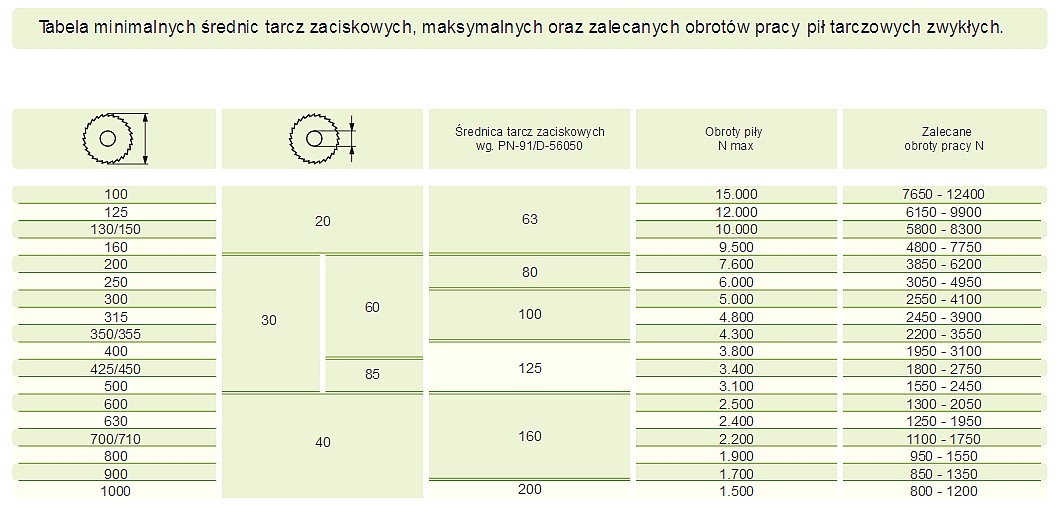
- Recommended for 350 mm blades: approx. 2200–3550 rpm; clamping discs ≥100 mm. [Elektroda, Anonymous, post #16785848]
- Equal pulleys (1:1) drop blade speed to near motor rpm without electronics. [Elektroda, Anonymous, post #16785848]
- VFD speed-down: torque same or lower; power falls with rpm and motor cooling worsens. [Elektroda, Anonymous, post #17716281]
- Old, unmarked blades: replace; new blades list proper rpm and often handle ~3800 rpm. [Elektroda, wnoto, post #16787559]
What rpm is my 350 mm blade running with 130:100 pulleys?
With a 2900 rpm motor and 130:100 pulleys, the blade runs about 3770 rpm. That speed is within working limits but near the top end. If you see “waving,” inspect the blade for damage or overheating and clean the mounting faces. [Elektroda, adamzaza, post #16816479]
What rpm range is recommended for a 350 mm circular saw blade?
Typical recommended speed is about 2200–3550 rpm for 350 mm blades. Use clamping discs at least 100 mm in diameter to stiffen the blade and reduce runout. This improves surface finish and reduces heat. “Recommended rotation for a 350 mm saw… 2200 to 3550/min.” [Elektroda, Anonymous, post #16785848]
How can I reduce blade speed without buying a VFD?
Fit same-size pulleys on motor and saw shafts to create a 1:1 ratio. That drops blade speed to near the motor’s 2900 rpm, landing inside the recommended range for many 350 mm blades. Check flange diameter and mounting while you’re there. [Elektroda, Anonymous, post #16785848]
Will a VFD replace pulley swaps and boost torque at lower rpm?
A VFD can reduce speed, but torque will be the same or lower. Power decreases proportionally with rpm, and motor cooling worsens at low speeds. Use pulley reduction when you need more torque at the blade. [Elektroda, Anonymous, post #17716281]
Why does the blade “wave” right after start-up?
Waving often means the blade is damaged or overheated. Clean the arbor, flanges, and blade bore, then retest. If waving persists, the blade is likely distorted and should be replaced. “Waving… may result from damage… check and clean the saw attachment.” [Elektroda, adamzaza, post #16816479]
Is high rpm dangerous for ordinary steel ‘fuel’ saw blades?
Yes. For ordinary steel blades used for fuel wood, excessive rpm accelerates heating and can cause cracking. An overheated, scraping blade becomes brittle; fragments may break off under load. Reduce rpm or replace the blade to avoid failure. [Elektroda, robokop, post #16819309]
Should I just replace an old, unmarked blade?
Yes. New blades specify allowable rpm, have sharp teeth, and are stiffer. Many quality 350 mm blades are rated around 3800 rpm; always verify the label. Replacement is often cheaper than chasing pulleys first. [Elektroda, wnoto, post #16787559]
How do I quickly diagnose wobble or runout?
- Measure axial runout on the clamping disc with a dial indicator.
- If runout is high, fix or replace the disc and recheck.
- Test with a known-good blade; if true, leave speed alone and keep the new disc.
“Measure the axial runout… buy a new disc.” [Elektroda, 3034452, post #16800308]
Do equal pulleys really help with wobble and noise?
Equal pulleys reduce speed and stress, which can calm borderline blades. Try the same wheel size on motor and saw shafts as a low-cost test before buying electronics. This also simplifies future belt replacements. [Elektroda, fuutro, post #16784988]
What clamping disc (flange) size should I use?
Use flanges at least 100 mm in diameter for a 350 mm blade. Larger, flat, clean flanges reduce runout and help prevent blade flutter. Undersized or dirty flanges cause wobble and poor cut quality. [Elektroda, Anonymous, post #16785848]
Can a bent or twisted blade be straightened?
Sometimes. A skilled shop can straighten a twisted blade under a press. This only makes sense for valuable blades; otherwise, replace it to restore safety and cut accuracy quickly. [Elektroda, zimny8, post #17720055]
Is 3800 rpm acceptable for modern 350 mm blades?
Many new blades list ratings around 3800 rpm. Always follow the printed specification on your blade. Upgrading improves stiffness and tooth quality, which helps at higher speeds. “3800 revolutions is not a problem for new ones.” [Elektroda, wnoto, post #16787559]
Could the shaft or arbor be the source of the problem?
Yes. Check for shaft beat (runout), burrs, or contamination. Even a slight arbor defect can induce wobble at speed and ruin cut quality. Fixing the shaft issue and fitting a new blade often solves it. [Elektroda, wnoto, post #16787559]
Does changing pulleys cost less than adding an inverter?
Yes. Swapping to a larger saw-shaft pulley or smaller motor pulley is a low-cost way to lower rpm. Many users choose equal pulleys to hit the motor’s base speed without electronics. [Elektroda, fuutro, post #16784969]
I switch between 35–70 mm discs; will a VFD save me pulley swaps?
A VFD lets you dial rpm for different accessories, but it does not increase torque at low speed. If heavy cuts bog the motor, use pulley reduction to gain mechanical advantage. [Elektroda, Anonymous, post #17716281]