FAQ
TL;DR: A 8–25 kW solid‑fuel boiler kept “airing” the pump and boiling until the open expansion vessel was re‑piped to the boiler flow/top and return, per expert advice: “Installation for immediate conversion … connection of expansion vessel.” [Elektroda, Sstalone, post #16970334]
Why it matters: This FAQ shows how to stop pump cavitation and boil‑overs in small open‑vented heating systems, fast, safely, and cheaply—ideal for DIYers and installers troubleshooting aeration on solid‑fuel boilers.
Quick Facts
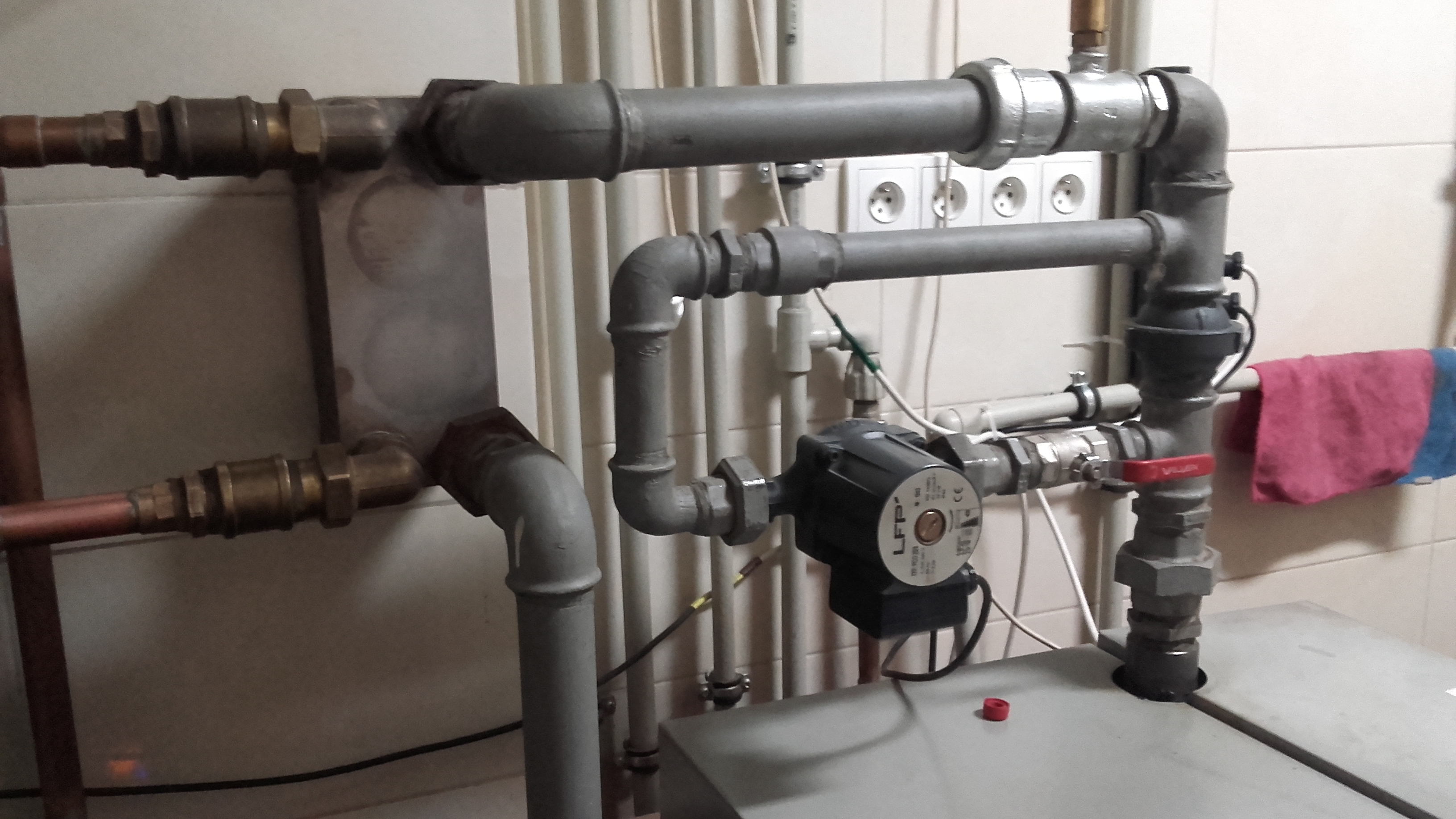
- Case system: Defro Optima Plus boiler 8–25 kW with heat exchanger and differential valve. [Elektroda, puchacz2420, post #16970283]
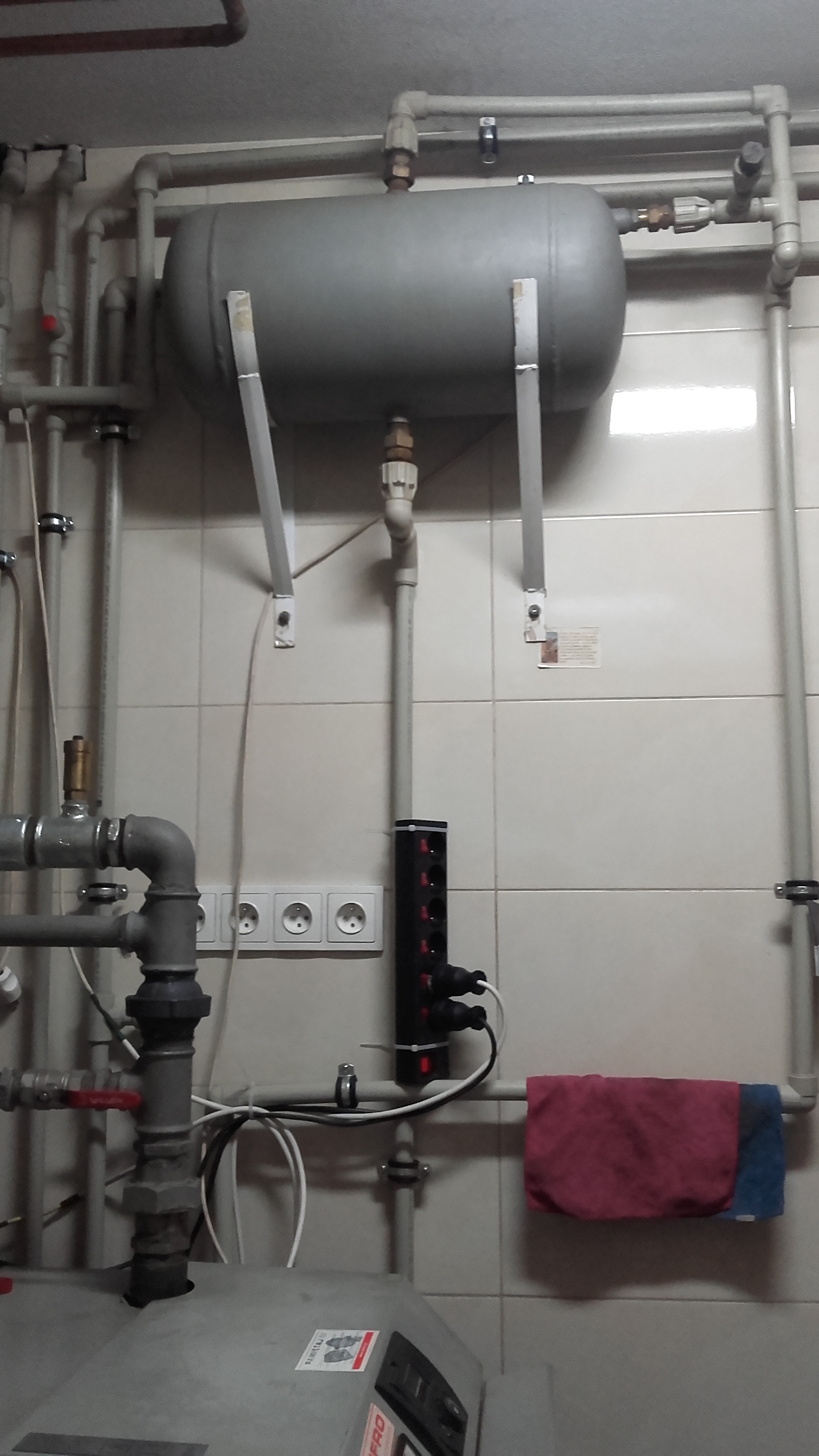
- Correct fix: Pipe expansion vessel from boiler top (flow) with fall to boiler; return connected below; overflow to drain. [Elektroda, Sstalone, post #16970501]
- Placement rule: Open expansion vessel should be at the highest point of the installation. [Elektroda, Henio65, post #16970330]
- Symptom snapshot: Pump ran dry near 70°C; prior boiling vented via vessel. [Elektroda, puchacz2420, post #16970387]
- Outcome: After re‑piping as advised, “the stove works like a doll” and boiling stopped. [Elektroda, puchacz2420, post #17010471]
How do I fix a central heating pump that keeps getting air and causes boiling?
Treat the root cause: wrong expansion‑vessel connection. Pipe the vessel directly from the boiler top (flow) with continuous fall to the boiler, connect the vessel’s bottom to the return, and take the overflow to a drain. This re‑establishes proper venting and stops pump cavitation and boil‑overs. [Elektroda, Sstalone, post #16970501]
Where should the open expansion vessel connect on a solid‑fuel boiler?
From the boiler’s top outlet straight to the vessel’s top, keeping a gravity fall back toward the boiler. Connect the vessel’s bottom to the boiler return. Add an overflow to a safe drain. This layout gives steam and air a free path. [Elektroda, Sstalone, post #16970501]
What does “pump running dry” mean here, and what causes it?
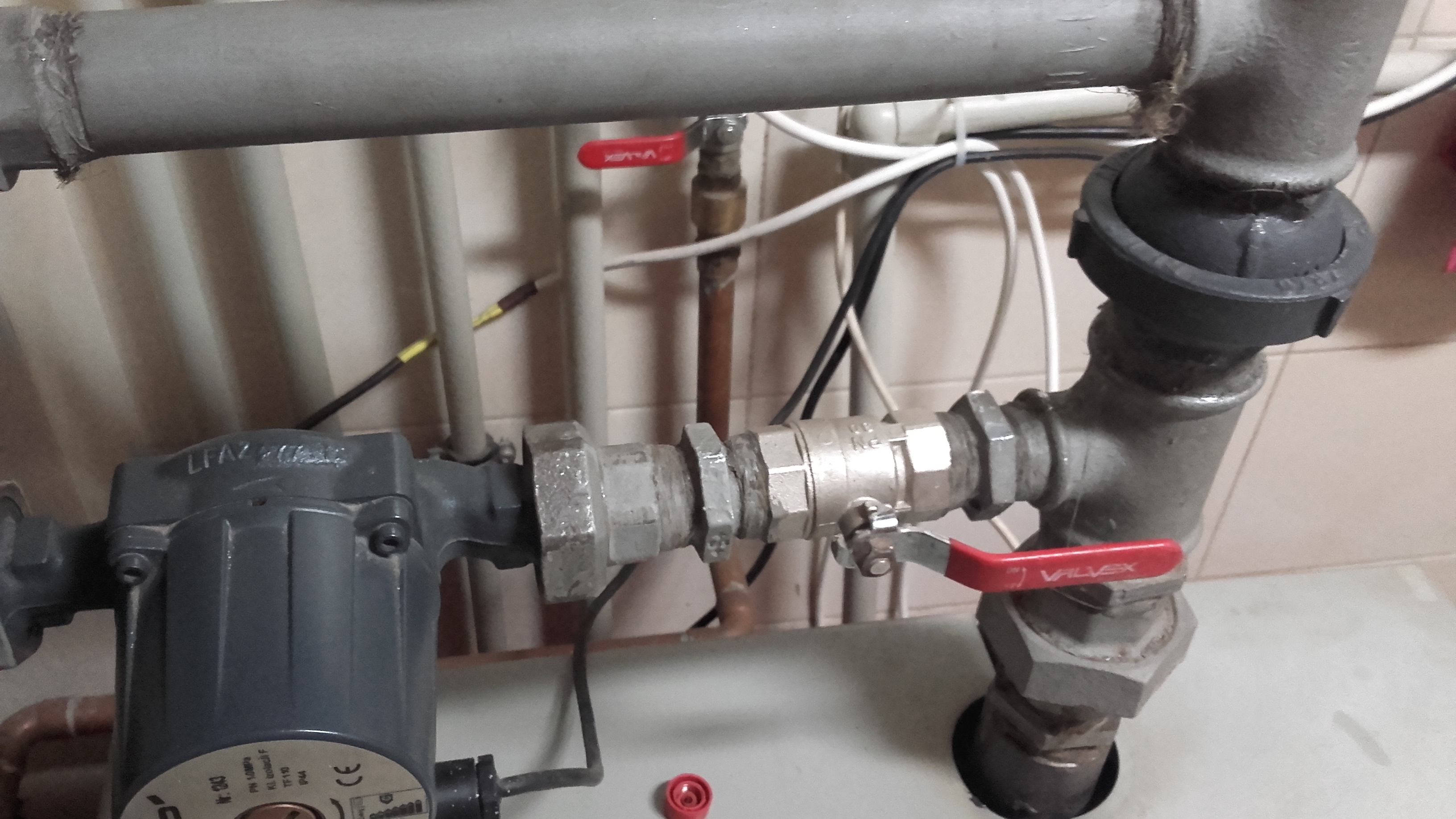
It means the circulator impeller spins in air and vapor instead of water. Misplaced venting and vessel piping let air accumulate at the pump, especially around 70°C in this case. The pump then loses prime and flow collapses. [Elektroda, puchacz2420, post #16970387]
How do I bleed this small system correctly?
Do a simple refill purge. Drain some water, open the vent, attach a hose, and refill while listening for escaping air. Close the vent when only water flows. Restore levels, then recheck after heat‑up. [Elektroda, Henio65, post #16970878]
Is an automatic air vent at the highest point enough?
No, not if the expansion vessel piping is wrong. The poster suspected the auto vent was too weak, but stable operation came only after correcting the vessel connections, not by changing the vent. [Elektroda, puchacz2420, post #16970526]
What immediate safety warning did experts give in this case?
“You have a ‘bomb’ at home. Installation for immediate conversion … connection of expansion vessel.” This stresses that boiling steam needs an unobstructed path to the open vessel. [Elektroda, Sstalone, post #16970334]
Can a differential valve alone stop boiling or pump aeration?
It can help maintain flow during pump stop or restriction, but it did not solve the aeration here. After replacement, the pump still caught air until the expansion vessel was re‑piped. [Elektroda, puchacz2420, post #16969722]
Should the pump be on the return or the flow in such systems?
Placing the pump on the return can improve operation, starting when heat demand appears. However, correct expansion vessel connection remains the priority for air and steam handling. [Elektroda, Henio65, post #16970330]
What quick changes actually stabilized this system?
Re‑piping per the guidance and operating at moderate temperature restored stable circulation. The user confirmed normal operation and no more boiling after the fix. [Elektroda, puchacz2420, post #17010471]
What specs were noted for the plate heat exchanger in the thread?
The markings reported were HTA 0.9 m², weight 5.3 kg, test pressure 64 bar, and volume 0.7. Use these only as the case’s data point, not a universal spec. [Elektroda, puchacz2420, post #16970283]
How hot was the boiler when the issue appeared?
The pump announced itself around 70°C, and earlier the system had boiled at higher setpoints. Reducing the setpoint to 55°C temporarily avoided symptoms before the permanent fix. [Elektroda, puchacz2420, post #16970387]
What is an expansion vessel in an open system?
It is an open tank at the highest point that accepts expanding water and gives steam and air a safe escape path via an overflow. Correct connections are essential for safety. [Elektroda, Henio65, post #16970330]
What is a differential valve in heating systems?
It is a bypass valve that opens under high differential pressure to maintain minimum flow when circuits close or pumps stop. It is not a substitute for proper venting and vessel piping. [Elektroda, puchacz2420, post #16969722]
Three‑step how‑to: re‑pipe an open expansion vessel on a solid‑fuel boiler
- From the boiler’s top outlet, run a 1" pipe directly to the vessel’s top, sloping toward the boiler.
- Connect the vessel’s bottom to the boiler return.
- Pipe the vessel’s overflow to a safe drain and verify free passage. [Elektroda, Sstalone, post #16970501]
Edge case: Why did water discharge from the vessel during boil‑over?
With misconnected piping, steam pushed water out via the vessel. Without a free, direct path from the boiler top to the vessel, boiling forces discharge and leaves the pump air‑bound. [Elektroda, puchacz2420, post #16970387]
Final verdict from the homeowner after the fix?
“The stove works like a doll. Wife doesn’t complain, the oven doesn’t cook.” That confirms stable, boil‑free operation after re‑piping. [Elektroda, puchacz2420, post #17010471]