FAQ
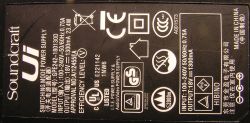
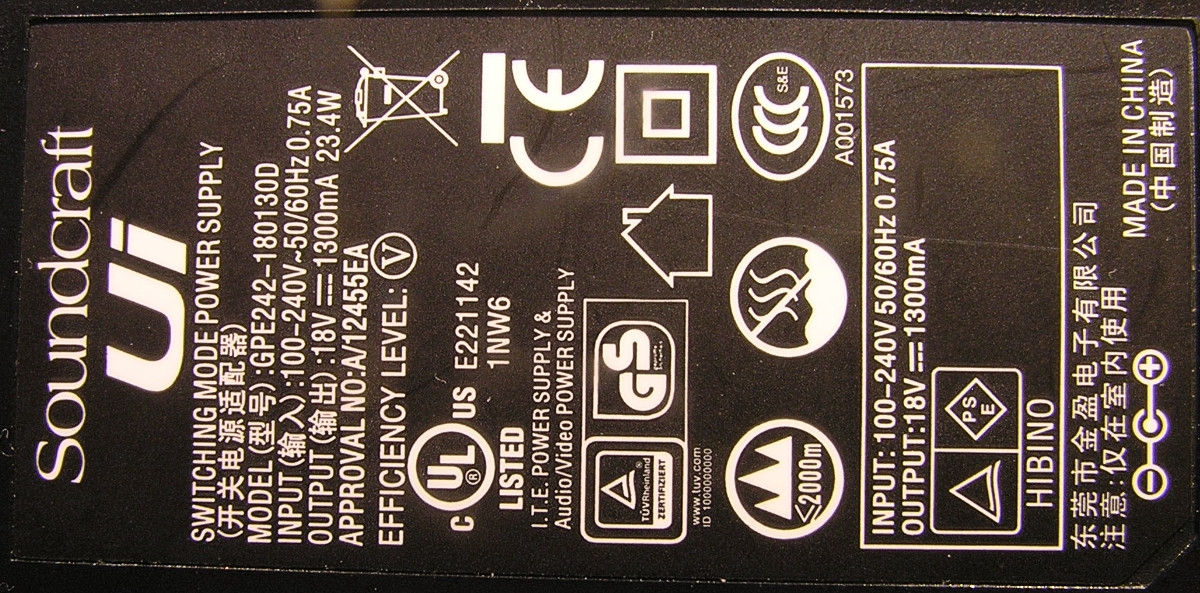
TL;DR: Ui12 runs on 18 V DC at about 1.3–1.5 A; “It is enough to replace the power supply with a more solid one, 18V/1.5A.” [Elektroda, montertb, post #19797114]
Why it matters: This FAQ helps Ui12 owners quickly choose or repair a safe PSU and avoid repeat failures.
Quick Facts
- Power input: 18 V DC, Typical 1.3–1.5 A load for Ui12. [Elektroda, marcin_marcepan, post #16999538]
- Many owners report stable operation using 20 V “laptop” supplies on Ui12. [Elektroda, _eddie_, post #20072504]
- Simple 20→18 V drop tested with series diode(s); goal is a stable 18 V at load. [Elektroda, yogi009, post #16999863]
- Original bundle PSU noted to run hot; consider higher-quality replacements. [Elektroda, _eddie_, post #20072504]
- Replacement guidance from the thread: use a solid 18 V / 1.5 A supply. [Elektroda, montertb, post #19797114]
What power supply does the Soundcraft Ui12 actually need?
Use 18 V DC with about 1.5 A available. This covers the mixer’s demand and startup headroom. A forum tech summarized: “replace the power supply with a more solid one, 18V/1.5A.” Choose a quality adapter and verify connector fit before powering. [Elektroda, montertb, post #19797114]
Can I run a Ui12 from a 20 V laptop adapter?
Yes—several users report Ui12 working fine on 20 V laptop bricks. One owner states they used a 20 V supply with no ill effects, noting the original adapter ran hot. If you do this, ensure correct polarity and a 3 A or higher rating. Also note a Dell 20 V/3.5 A unit was discussed in-thread. [Elektroda, eddie, post #20072504]
How can I drop 20 V to a safer ~18 V without a custom regulator?
Add one or more series silicon diodes to introduce a voltage drop under load. The thread author measured small no-load drops, expecting about ~1 V drop per diode at current. Aim for 18 V under real mixer load, not open-circuit. “I care about the constant voltage, close to 18V.” [Elektroda, yogi009, post #16999863]
Do I need to change the cable or plug when using a laptop supply?
Often yes. A contributor notes you can adapt a laptop PSU, but you’ll need to replace or rewire the power-supply-to-mixer cable. Confirm barrel size and polarity before soldering or using adapters to avoid shorts. [Elektroda, marcin_marcepan, post #16999538]
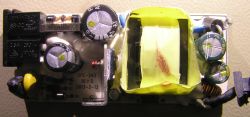
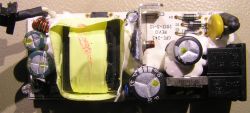
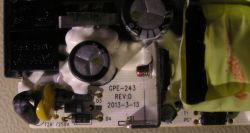
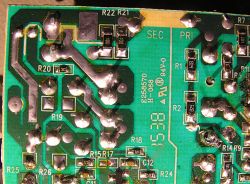
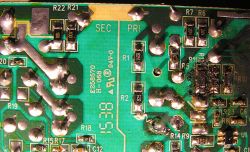
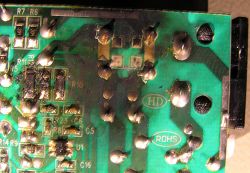
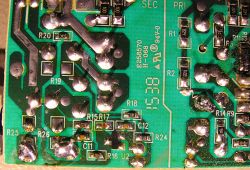
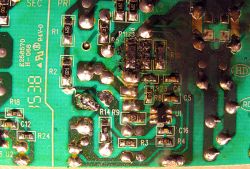
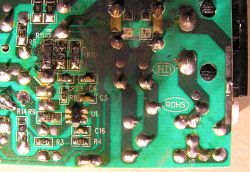
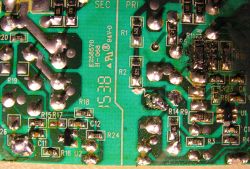
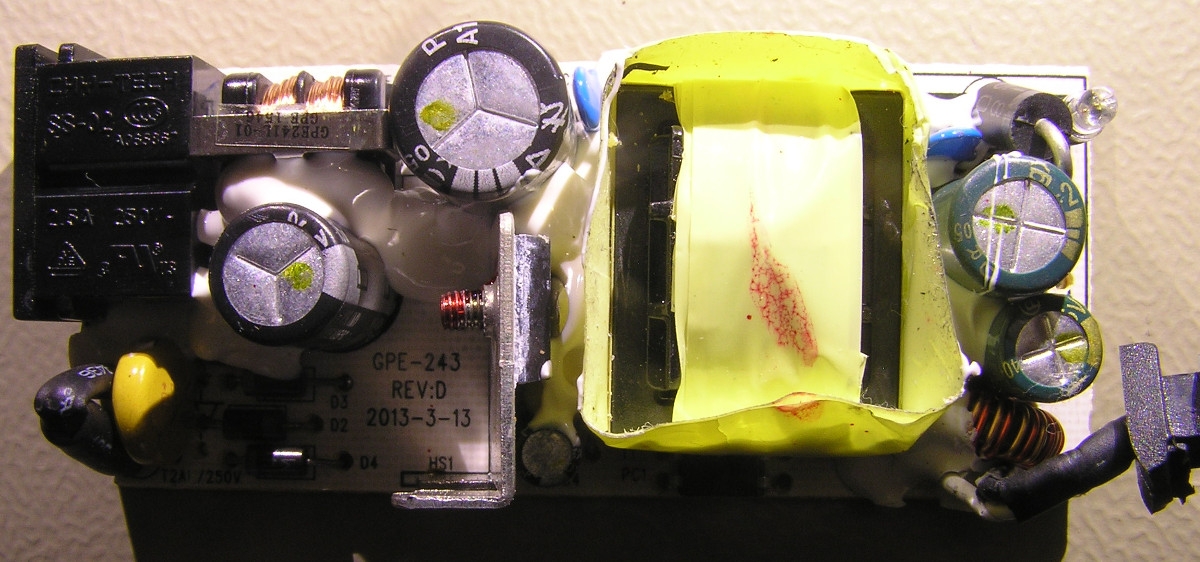
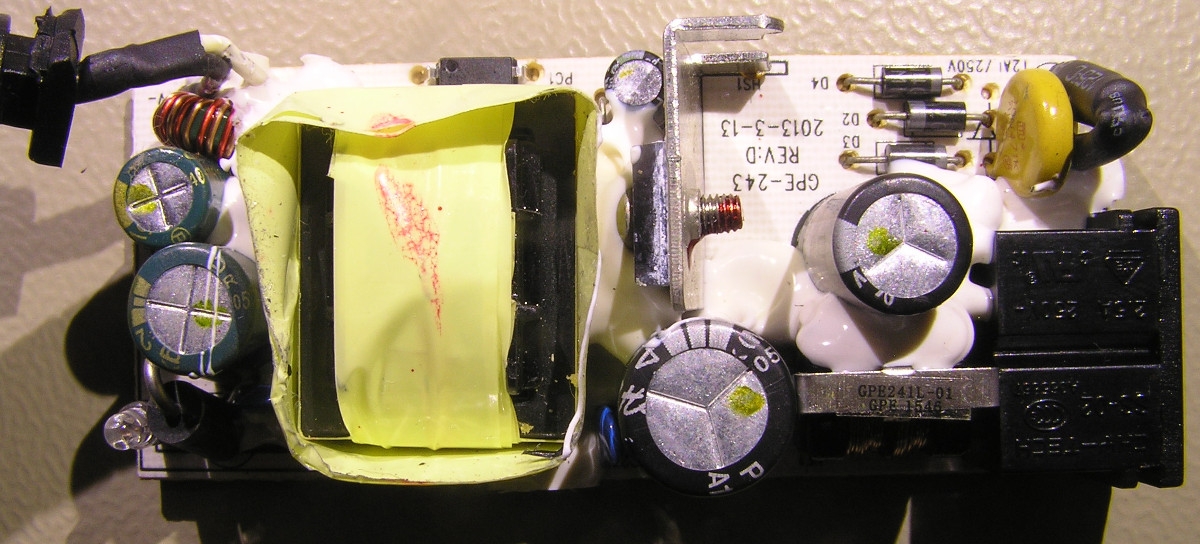
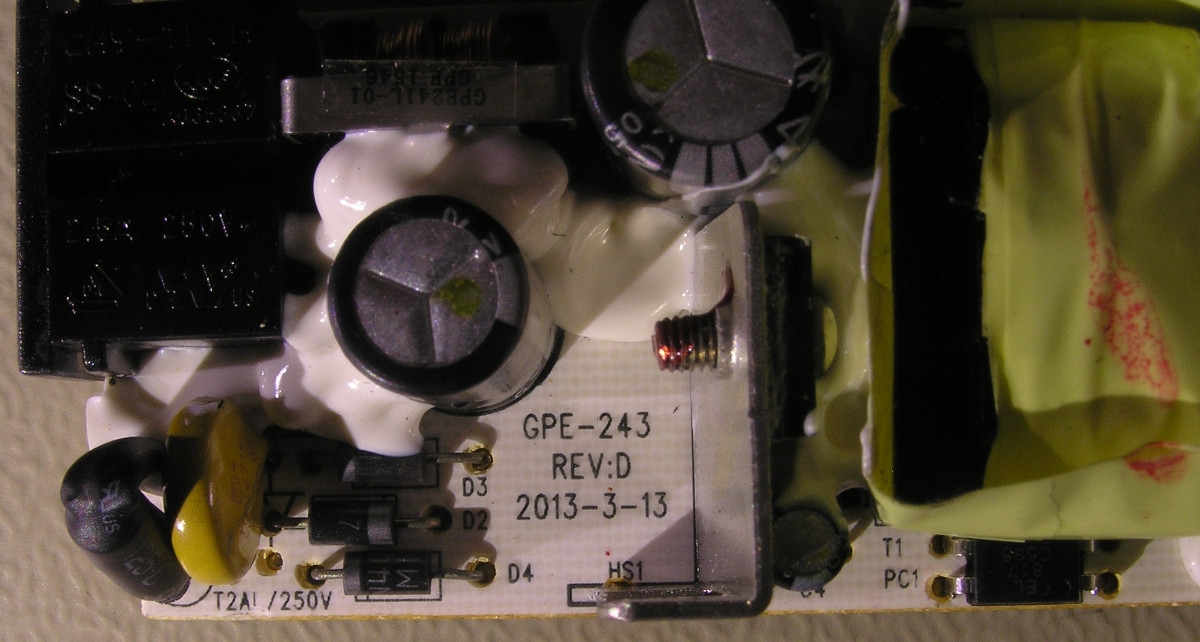
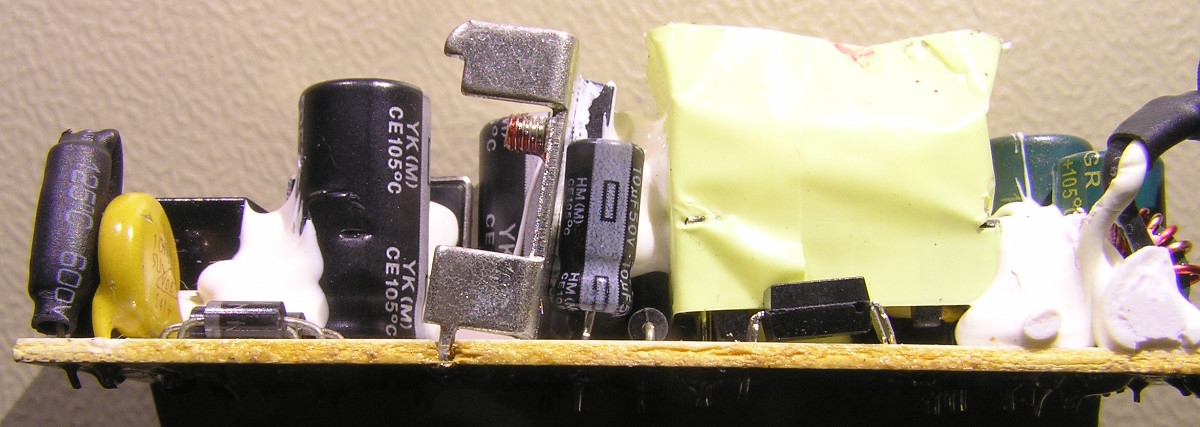
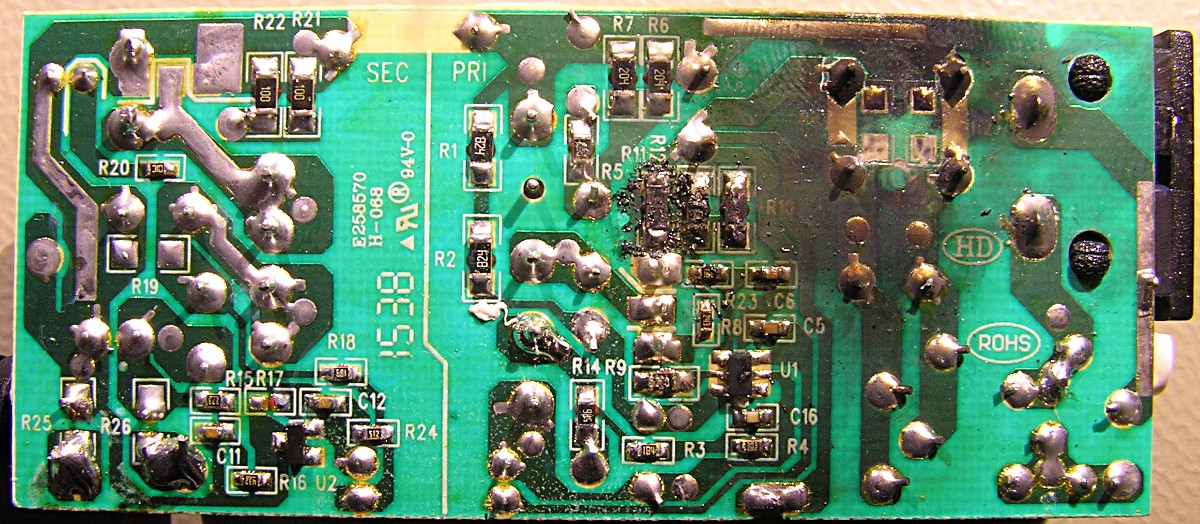
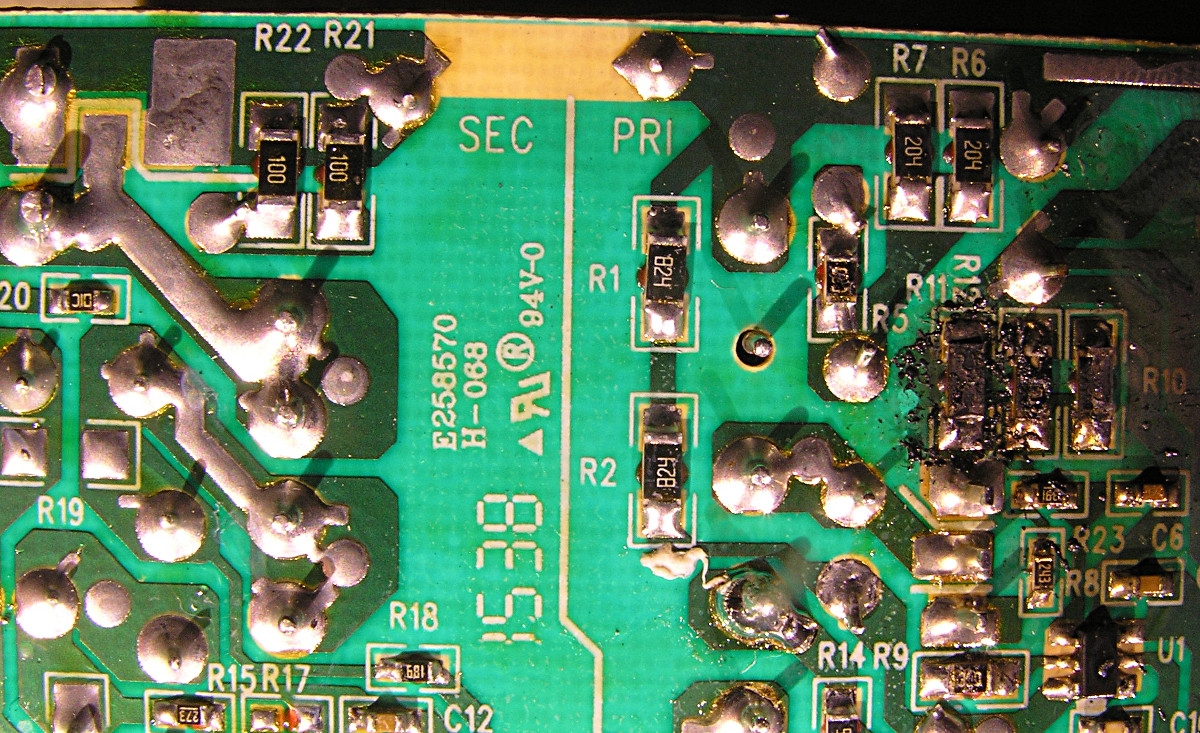
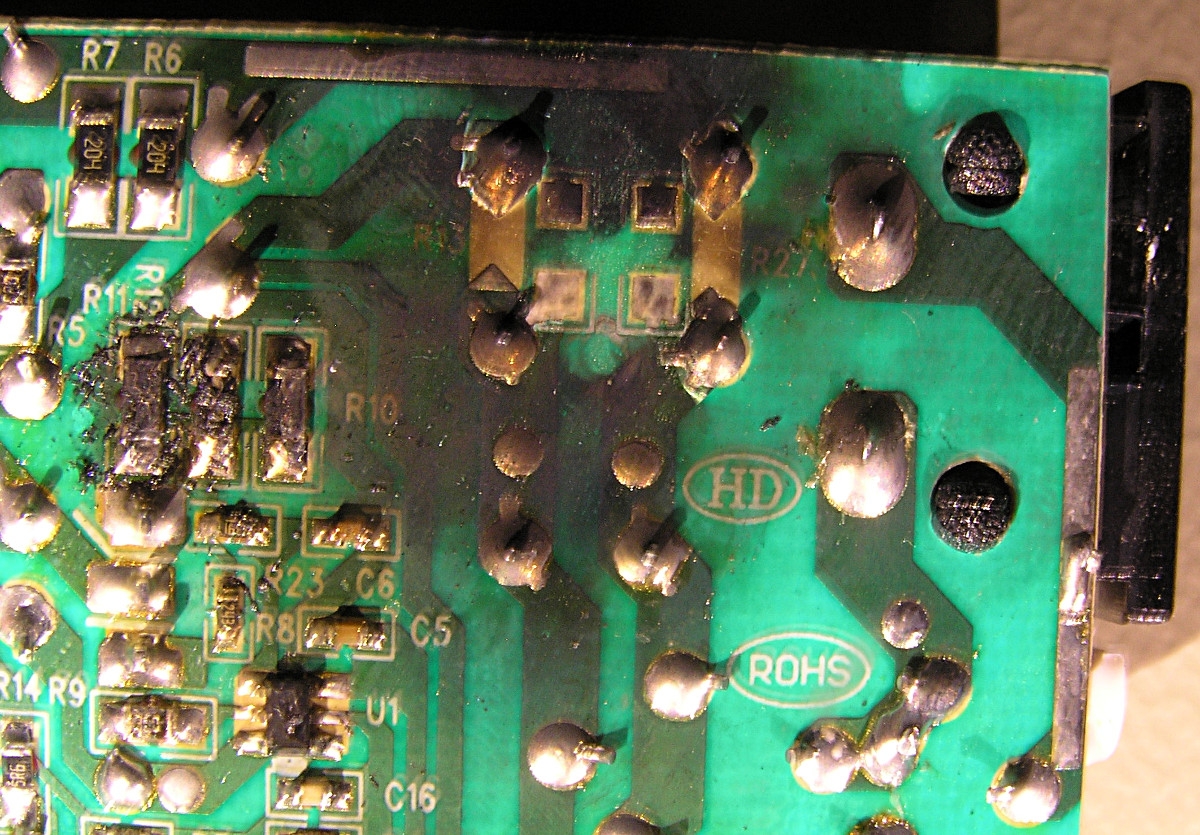
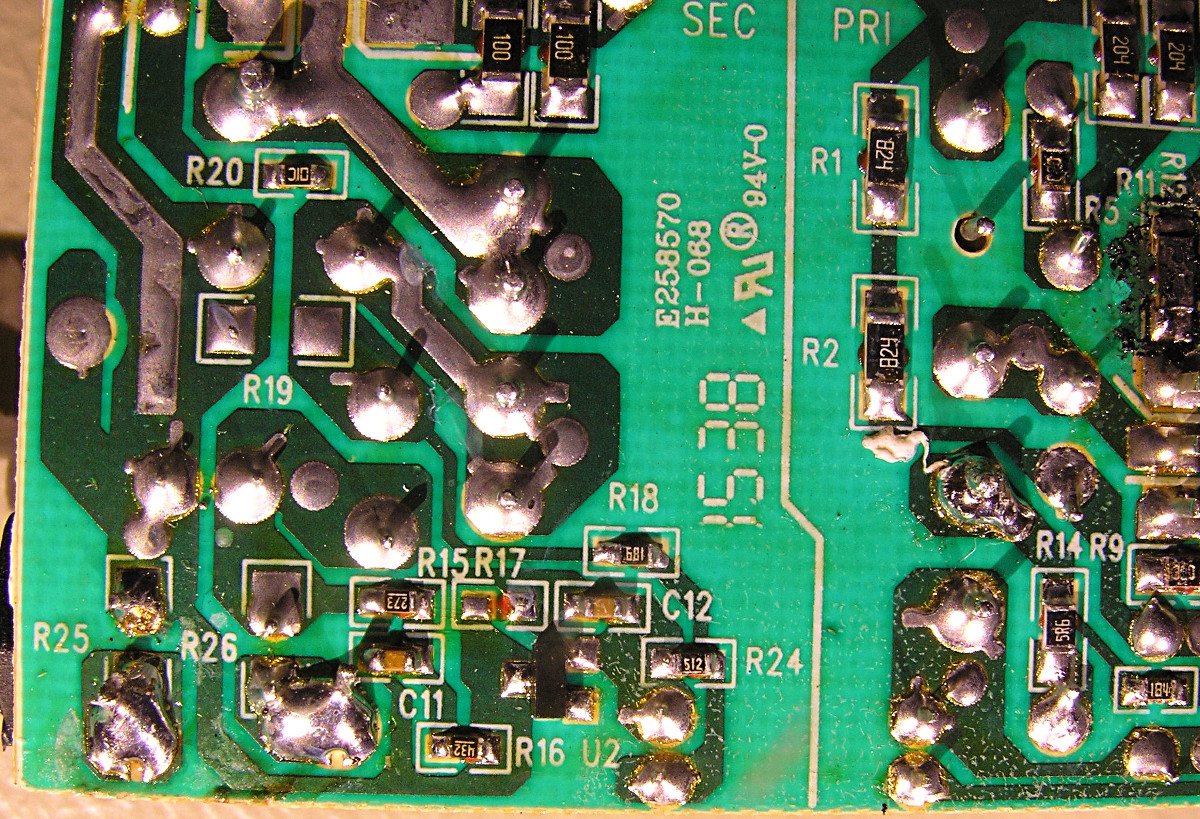
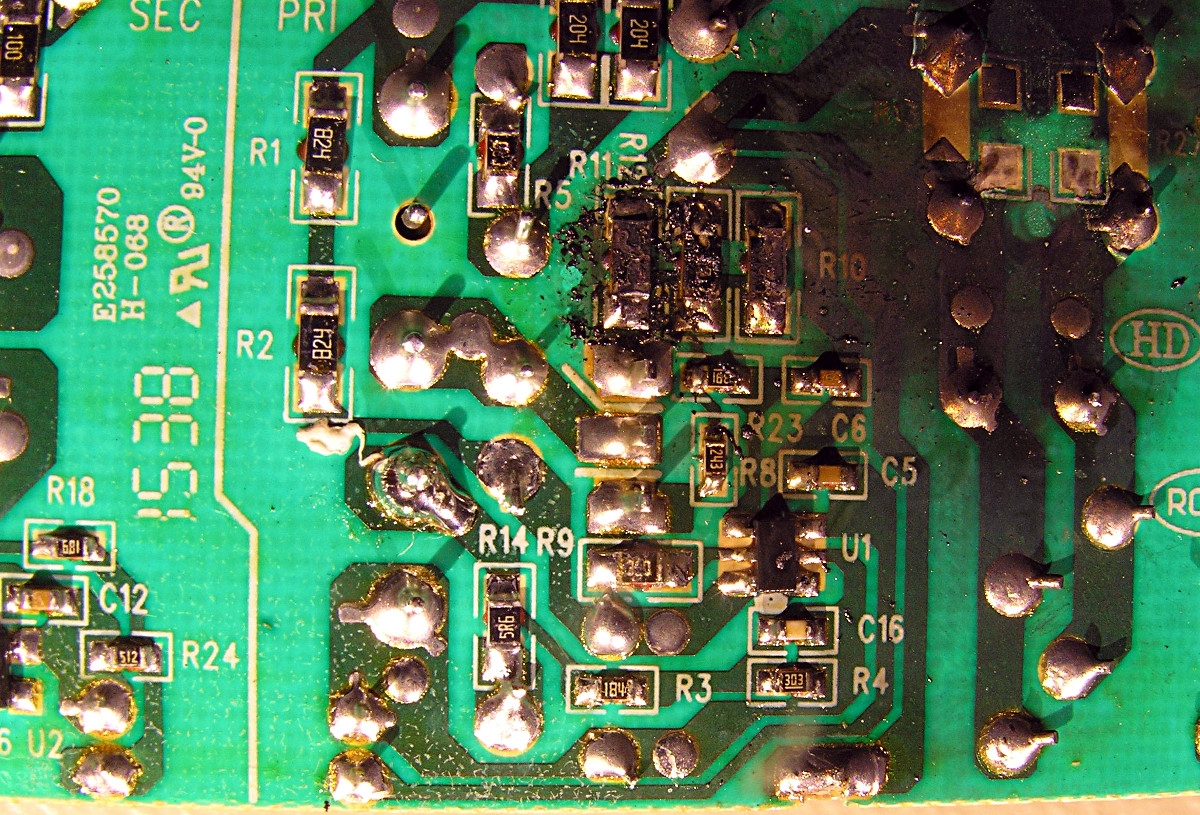
How do I start repairing the original Ui12 SMPS (inverter) board?
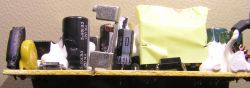
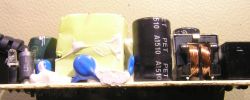
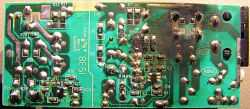
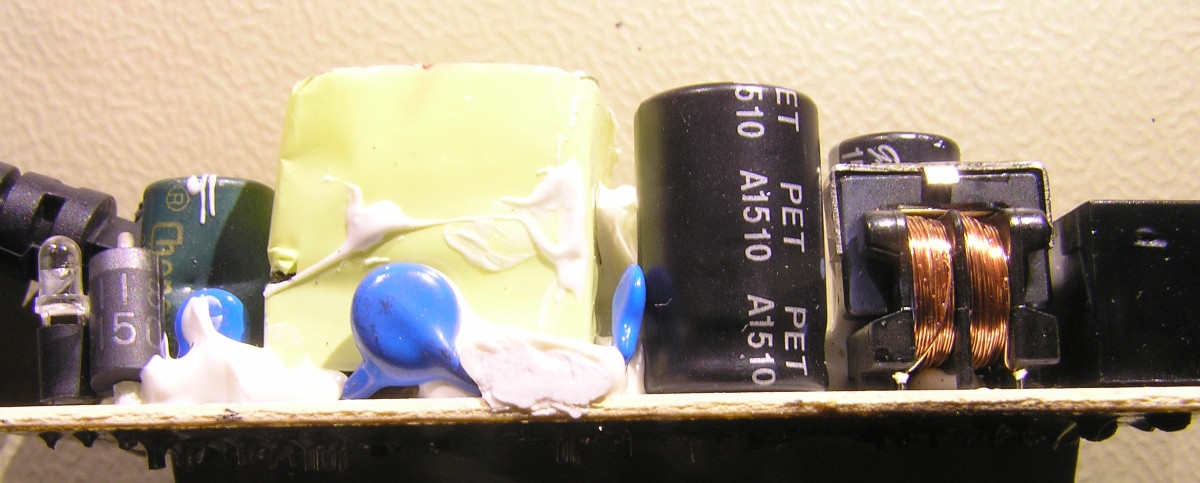
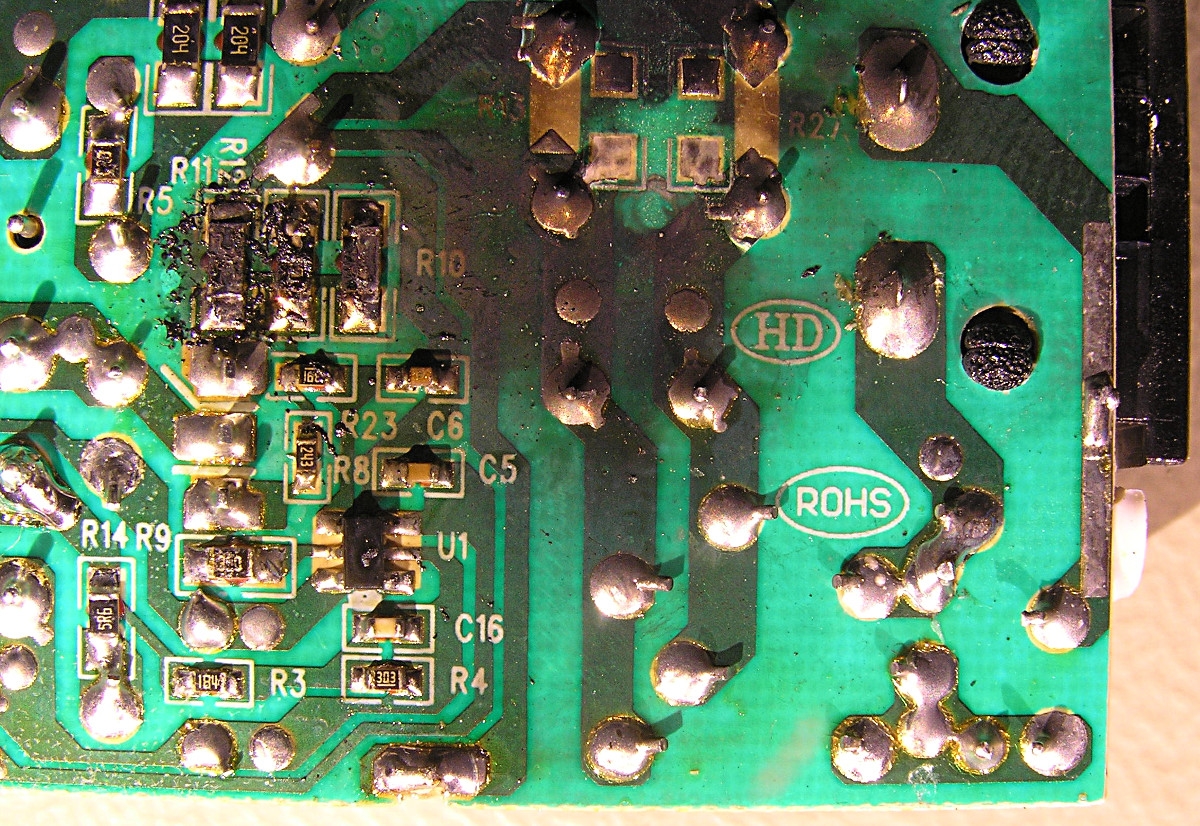
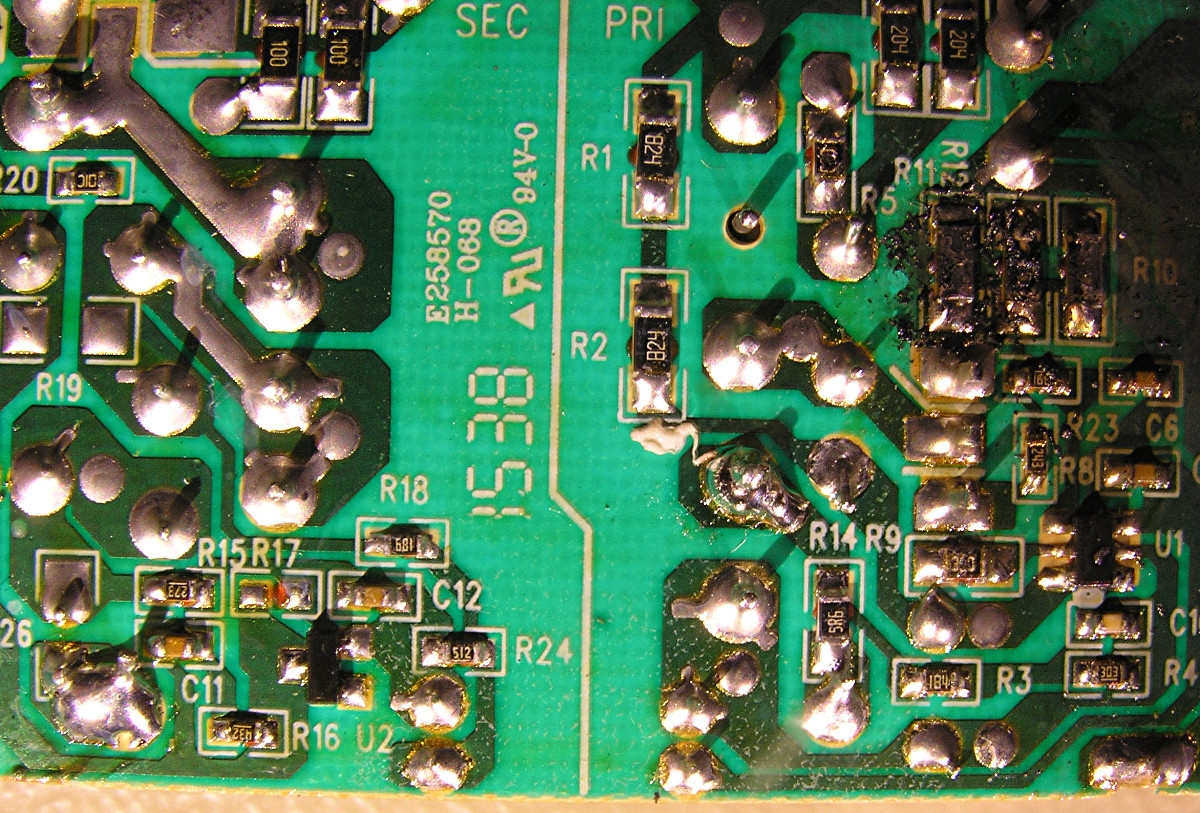
Follow a methodical sequence: check the control and switching (keying) stage, then surge protection, then electrolytic capacitors. Expect tough white glue that may require careful mechanical removal. “It can go away easily, or you have to sweat to remove it.” [Elektroda, 398216 Usunięty, post #16998738]
Give me a 3‑step quick test for a dead Ui12 PSU.
- Visual: inspect input fuse/NTC, MOV, and bulged capacitors; clear restrictive glue.
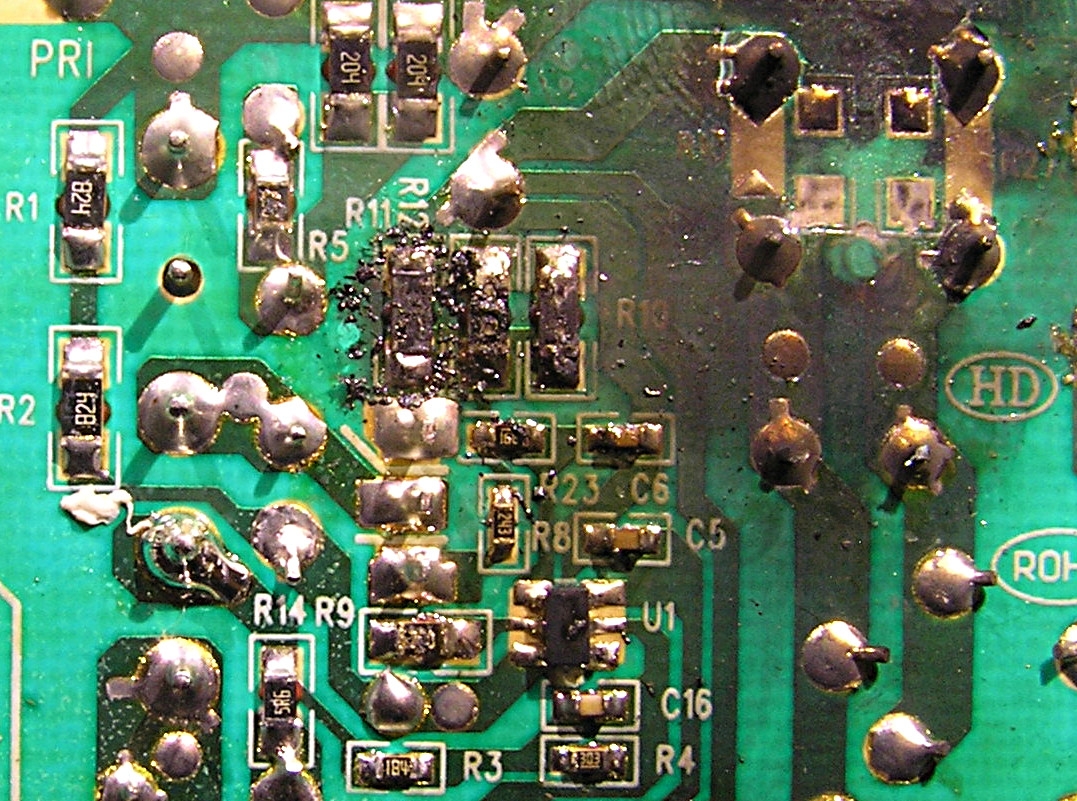
- Primary: test PWM switch devices and rectifier for shorts; verify startup resistor chain.
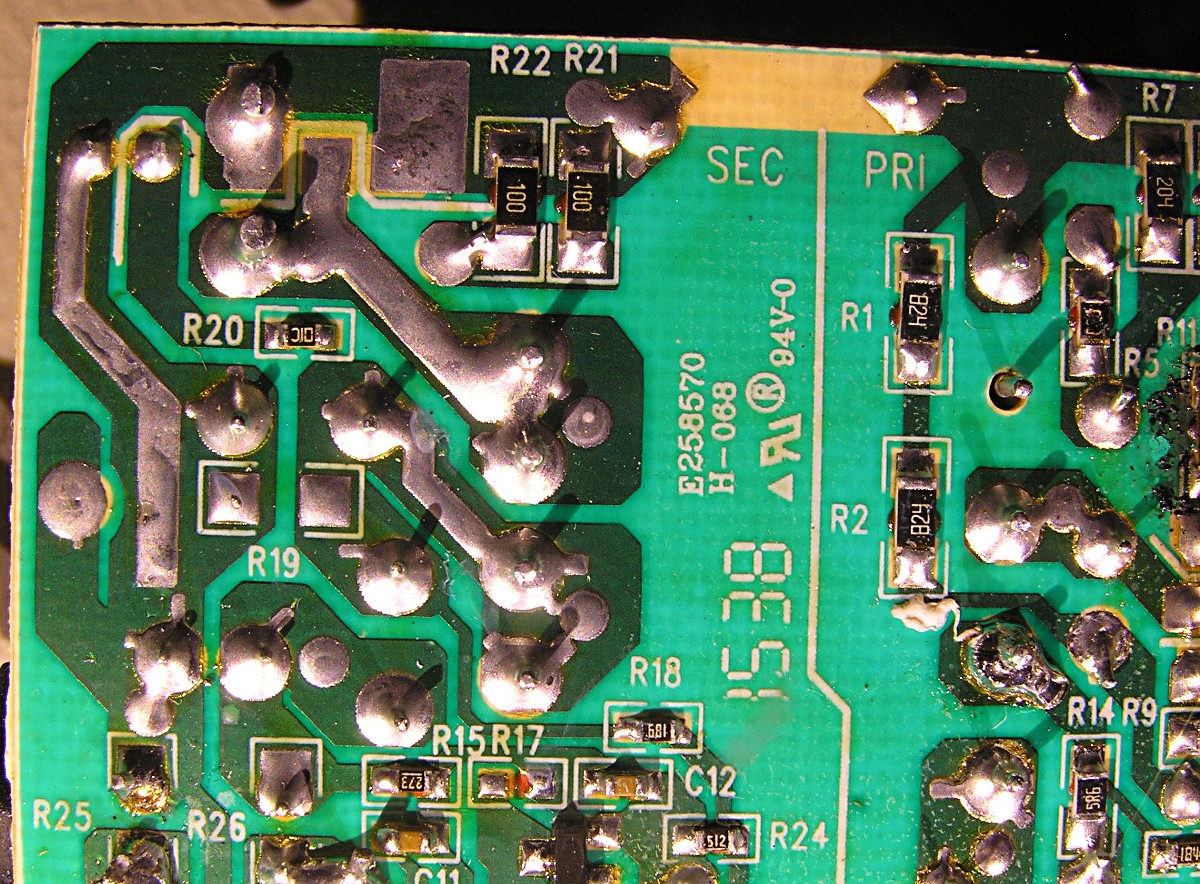
- Secondary: check Schottky diodes and output caps; power via bulb limiter.
[Elektroda, 398216 Usunięty, post #16998738]
Why did the original power supply fail?
The thread author attributes failure to low build quality of the bundled unit. They replaced it with a converted Dell adapter and restored mixer operation. Overheating of the original was also reported by another user elsewhere in the thread. [Elektroda, yogi009, post #17000510]
Is there a schematic for the Ui12 power supply?
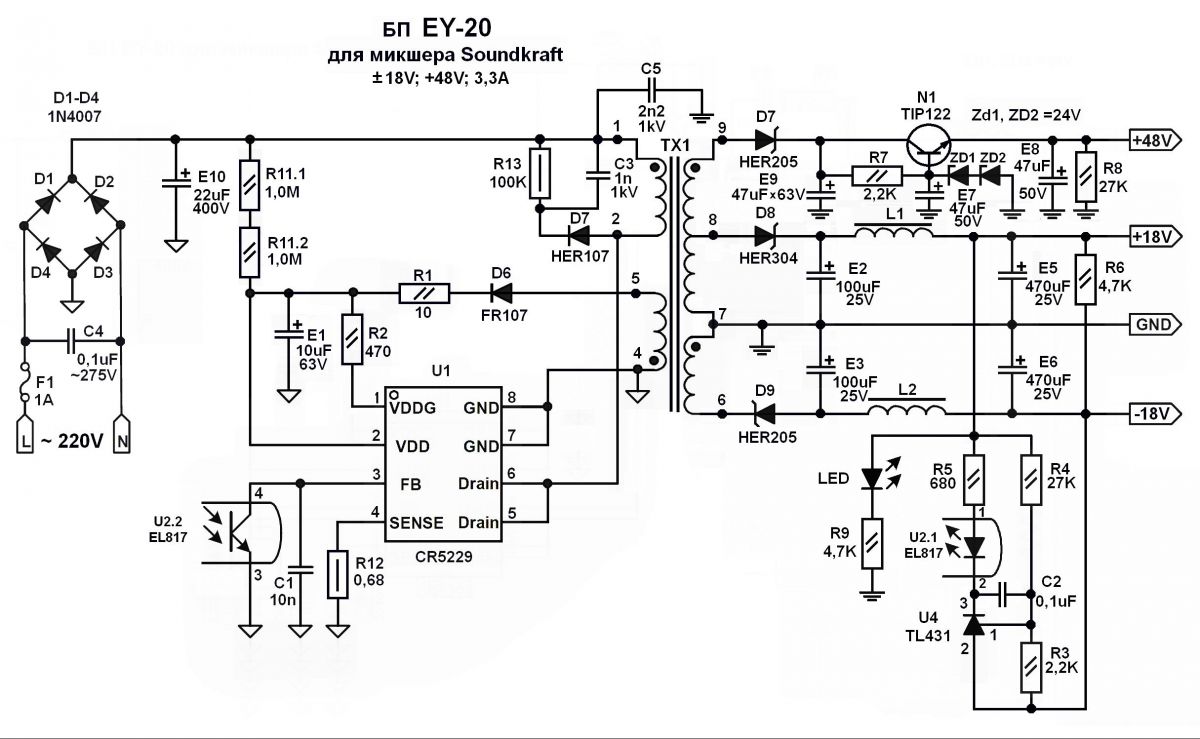
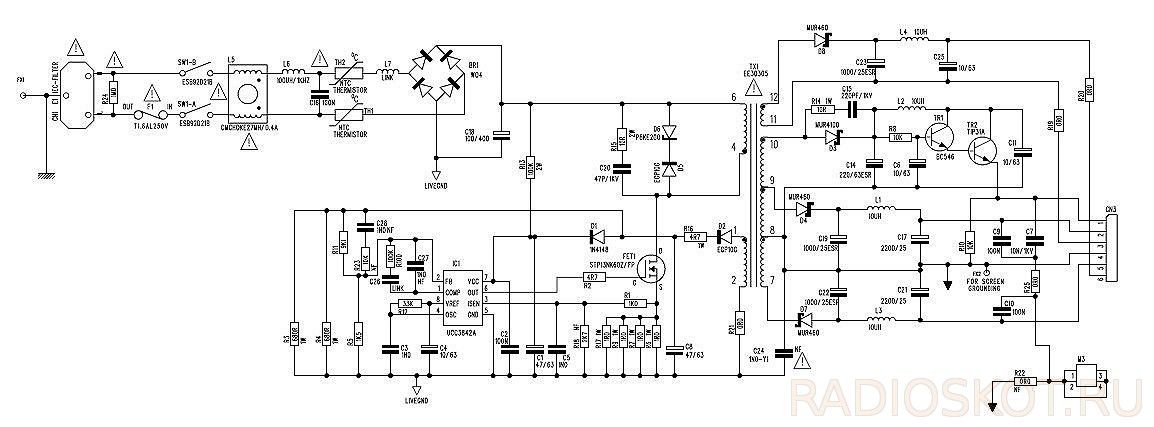
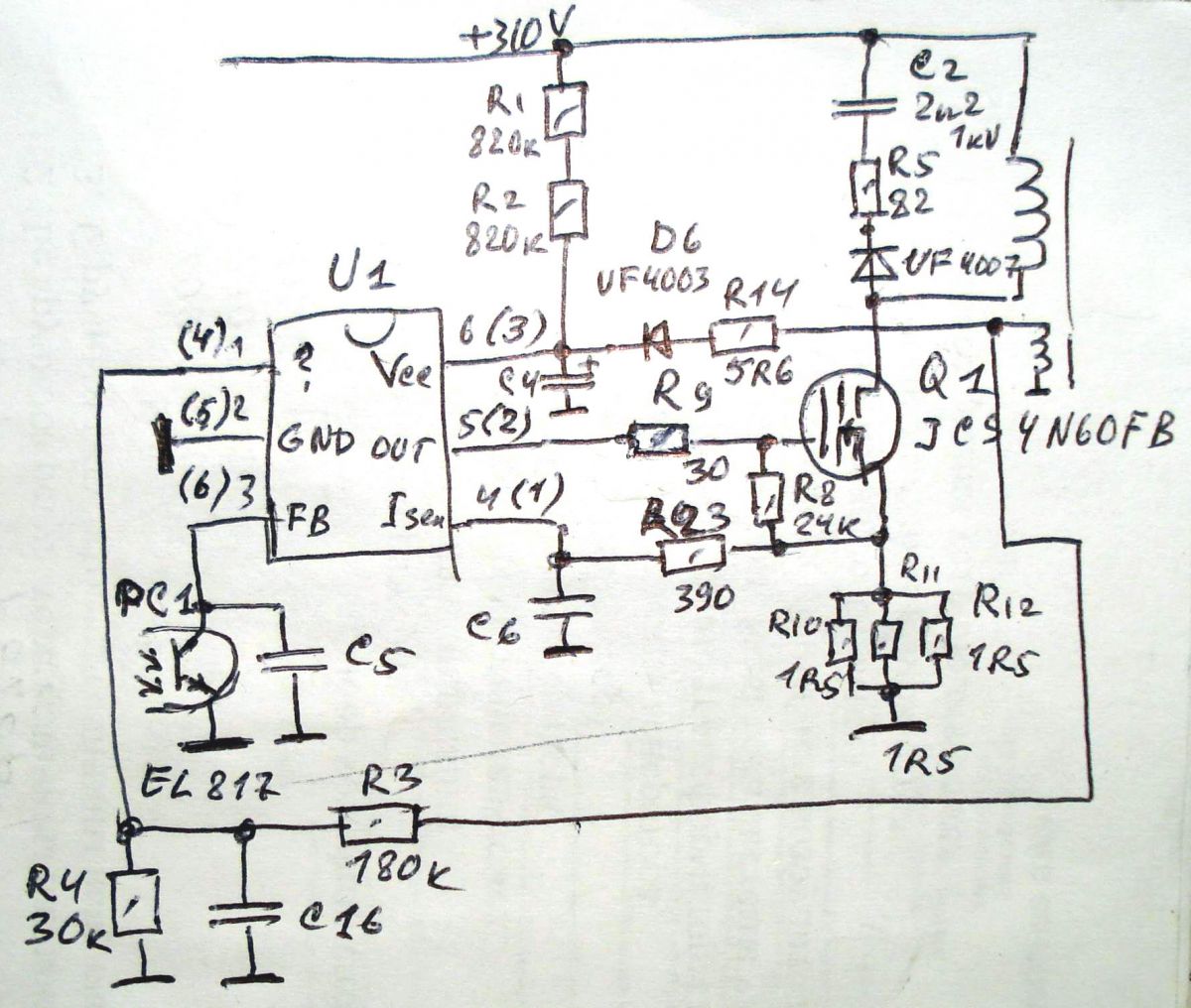
A member shared primary-side drawings and two additional diagrams from a “Soundkraft” folder. Review those images to match your board version before ordering parts. They posted three files for reference. [Elektroda, dersp, post #20073287]
Who actually manufactures the Ui12/Ui16 and Ui24?
One contributor states Ui12/Ui16 are produced by SP PRO AUDIO with a Soundcraft logo, while Ui24 is made by an English company and uses a different design. This affects serviceability expectations. [Elektroda, montertb, post #19797114]
Do Ui12/Ui16 have classic microphone preamplifiers like Ui24?
According to the same contributor, Ui12/Ui16 lack typical classic preamp stages found in traditional low‑noise mixer designs, unlike Ui24. If you compare noise and headroom, factor in this design difference. [Elektroda, montertb, post #20073161]
What is the PWM controller marked “61F38d 27A” on six pins?
A user asked to identify that exact marking, but no definitive ID was posted in the thread. If you find it on your board, trace pins to determine function and confirm by schematic images shared later in the thread. [Elektroda, dersp, post #17360496]
Are there internal regulators in the mixer that tolerate slight overvoltage?
One member suggested the mixer likely includes additional stabilizers, implying tolerance for a modestly higher adapter voltage. Still, target 18 V at the jack to minimize heat and stress on downstream regulators. [Elektroda, marcin_marcepan, post #17000305]
Is the topic still active or closed by the original poster?
The original poster later marked the discussion as archived and closed. Treat the shared measurements and diagrams as historical references and validate against your unit. [Elektroda, yogi009, post #20073710]
Any red flags or edge cases I should know before powering up?
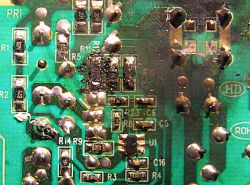
Watch for overheated original adapters and for stubborn white adhesive that can hide cracked parts or carbonized paths. Use a bulb limiter on first power to avoid catastrophic failure after repairs. “You have to sweat to remove it.” [Elektroda, 398216 Usunięty, post #16998738]