logo elektroda
logo elektroda
X
logo elektroda

Hot/Cold Water PEX Pipes vs. Welding Method: Comparing Kitchen Plumbing Solutions

Goro119922 7401 13
ADVERTISEMENT
Treść została przetłumaczona polish » english Zobacz oryginalną wersję tematu
  • #1 17157286
    Goro119922
    Level 8  
    Hello, I plan to replace the pipes in the kitchen with cold and warm water from a boiler and my question is what is better to use pexes for clamps or welding methods, please describe why this method is better and why other pipes should not be in the wall
  • ADVERTISEMENT
  • #2 17157349
    rosak
    Car dashboards specialist
    I'm not a plumber or I don't know what peks are, but at home I did everything on plastic pipes and fittings. Advantage? A huge time saver. This has only been done in the UK for over 10 years.
  • #3 17157688
    Goro119922
    Level 8  
    The gentleman who would make me welds is a stabilized welded polypropylene system
  • ADVERTISEMENT
  • #4 17158676
    roman 18
    Level 24  
    Hello, buddy, do a water installation as proposed by a plumber, welded polypropylene pipes, but they do not have to be stabilized pipes since they will be in furrows in the wall, it is good to fill these furrows with mounting foam to allow squeezing of these pipes. best regards.
  • #5 17159100
    Goro119922
    Level 8  
    Thanks for the hint please further information :)
  • #6 17160547
    andrzej lukaszewicz
    Level 42  
    Both systems are good for this purpose and widely used in older and new installations.
  • #7 17161063
    Goro119922
    Level 8  
    Hmm or better I would like to do as I took the welded ones
  • #8 17165235
    dymior
    Level 11  
    I worked with both PEX and welded ones, welds are made faster, but in my opinion PEX works better and in my opinion it is more durable.

    Generally, it is more resistant to any impacts, deformations etc. because it is very flexible. For example, you can make bends, bends, etc., without having to install fittings, hence the fewer connections the more secure when it comes to tightness.
    Welded PE pipes are only a little flexible, if you have cold water in the pipe and someone collapses vertically, it may burst, I met with it.
    In general, they must not be packed into a furrow without protective foam so that they can work!
  • ADVERTISEMENT
  • #9 17165999
    andrzej lukaszewicz
    Level 42  
    Pexa must also be covered in lagging. As many points (bathrooms, toilets), PE comes out much cheaper due to the low price of PE fittings. Pex fittings are expensive, in addition, they have high hydraulic resistance due to large constrictions in tees, knees, but many knees can be avoided by using bending pipes.
  • #10 17166100
    mychaj
    Level 35  
    I am for PEX:
    1.for welded, you need more space, pipes and fittings are larger, so more forging,
    2. PEX bends well with a spiral: fewer elbows and fittings
    3. PEX can always be improved as if something unsealed - you will tighten or replace the coupling, the welded ones will have to be cut and cut,
    4. welded have thicker walls, they look more solid but the same in terms of strength,
    5. in tight places it doesn't weld well.
    In general, I do not like one-time installations that do not allow corrections - that is, welded, clamped or glued ... but this is my perversion ... :-)
  • #11 17169647
    Goro119922
    Level 8  
    This will be done by a professional but I wanted to find out what is better
  • Helpful post
    #12 17171876
    wnojtek
    Level 15  
    Both systems are comparable. Just let a professional work in a system where he works better and has more experience.
  • Helpful post
    #13 17171955
    Parowy
    Level 22  
    Hello.

    I recommend and use the TeceFlex system.
    It is expensive but also good, and it goes hand in hand :)

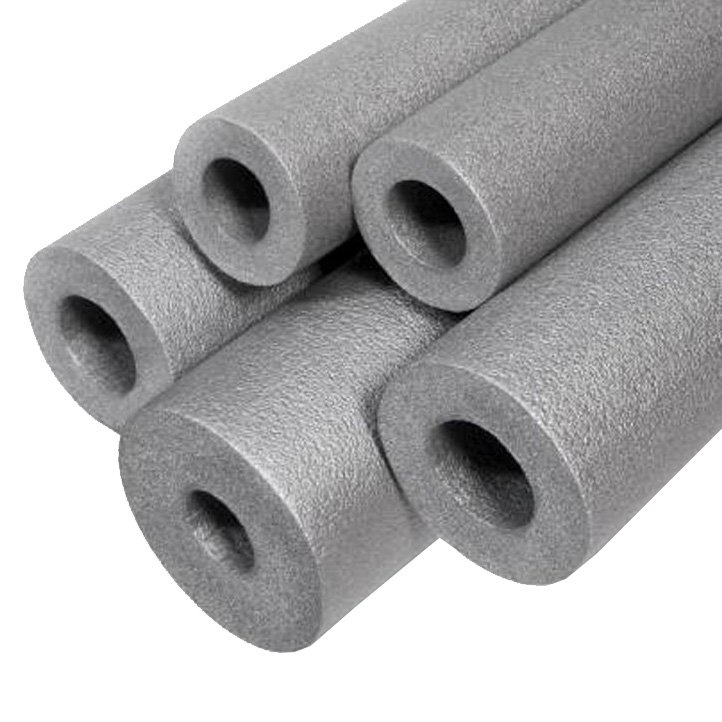
    And by the way, every pipe for hot or cold water should be wrapped in lagging :)
    for example:
    Hot/Cold Water PEX Pipes vs. Welding Method: Comparing Kitchen Plumbing Solutions
  • ADVERTISEMENT
  • #14 17173175
    Goro119922
    Level 8  
    The professional said that they would use something to put the pipe in

Topic summary

✨ The discussion centers on the comparison between PEX pipes and welded polypropylene pipes for kitchen plumbing, specifically for hot and cold water systems. Participants highlight the advantages of PEX, including its flexibility, ease of installation, and durability, as it can bend without additional fittings, reducing potential leak points. In contrast, welded pipes are noted for their solid appearance and strength but require more space and are less flexible, making them harder to install in tight areas. The importance of using protective foam when installing pipes in walls is emphasized, as well as the necessity of insulating pipes to prevent heat loss. Ultimately, the consensus suggests that both systems are viable, but the choice should depend on the professional's expertise and the specific installation context.
Generated by the language model.

FAQ

TL;DR: PEX has been used in UK homes for over 10 years, and it's "a huge time saver." This FAQ helps homeowners compare PEX clamp systems and welded polypropylene for kitchen hot/cold lines. [Elektroda, rosak, post #17157349]

Why it matters: The right choice lowers leak risk, speeds installation, and reduces future wall repairs.

Quick Facts

Which is better for a kitchen: PEX clamps or welded polypropylene?

Both can deliver reliable kitchen hot and cold water. "Both systems are comparable." Let your installer use the system they master. Installer familiarity cuts mistakes and callbacks, especially in concealed runs. [Elektroda, wnojtek, post #17171876]

What are the main pros of PEX for kitchen runs?

PEX shines for flexibility and durability. You can make bends without fittings and cut potential leak points. Fewer joints improve tightness. The pipe tolerates impacts and deformation better in walls and cabinets. [Elektroda, dymior, post #17165235]

Are PEX fittings restrictive or costly?

PEX fittings can be expensive, and some tees or elbows have narrow constrictions. Those constrictions add hydraulic resistance. You can avoid many elbows by bending the pipe instead. That reduces both fittings and pressure loss. [Elektroda, andrzej lukaszewicz, post #17165999]

What are the pros of welded PE/PP systems?

Welded PE/PP systems work well for kitchen supplies. They are used widely in both older and new installations. Many professionals install them successfully every day. [Elektroda, andrzej lukaszewicz, post #17160547]

Is welded PE cheaper when I have many fixtures?

Yes. For many bathroom or toilet points, welded PE often costs less overall. PE fittings are cheaper than PEX fittings. That lowers material costs across multi-point layouts. [Elektroda, andrzej lukaszewicz, post #17165999]

Do I need to sleeve or lag pipes in wall chases?

Yes. Always wrap hot and cold water lines in lagging or sleeves when embedding. It protects the run and decouples movement from plaster. Systems like TeceFlex are often paired with lagging. [Elektroda, Parowy, post #17171955]

Can I put pipes directly into a wall chase without foam or sleeves?

No. Do not pack pipes tightly in a furrow. Provide protective foam so the line can move and work safely. This reduces stress and helps maintain tightness over time. [Elektroda, dymior, post #17165235]

Should stabilized polypropylene pipes be used inside walls?

Not necessarily. They do not have to be stabilized when set in wall furrows. Fill the furrow with mounting foam to allow pipe squeezing. That lets the installation work without cracking finishes. [Elektroda, roman 18, post #17158676]

Is PEX a proven choice for domestic plumbing?

Yes. PEX has been used in UK homes for over 10 years. Installers report it as a huge time saver. That maturity gives confidence for kitchen retrofits and remodels. [Elektroda, rosak, post #17157349]

Which system needs more space and wall chasing?

Welded systems need more space around pipes and fittings. You will forge or chase more wall to accommodate larger components. Tight spots are harder to weld cleanly. [Elektroda, mychaj, post #17166100]

Which is easier to service later if something leaks?

PEX allows easier corrections. You can tighten or replace a coupling when needed. Welded joints require cutting and re-welding. Repairs can be more invasive behind finished walls. [Elektroda, mychaj, post #17166100]

What failure risks should I watch for with welded PE?

Welded PE pipes flex little. If a vertical section collapses with cold water inside, the pipe may burst. Protect lines and avoid compressive loads during and after installation. [Elektroda, dymior, post #17165235]

How do I embed welded pipes in a wall chase?

  1. Cut the wall furrow and place the welded polypropylene pipes.
  2. Fill the furrow with mounting foam to allow pipe squeezing and movement.
  3. Close the furrow after the foam cures and finishes are ready. [Elektroda, roman 18, post #17158676]

My installer says they’ll run pipes in a conduit—does that make sense?

Yes. Wrapping hot or cold lines in lagging or sleeves is recommended. It protects the pipe and allows movement within the wall. Ask for continuous sleeves through the chase. [Elektroda, Parowy, post #17171955]
Generated by the language model.
ADVERTISEMENT