logo elektroda
logo elektroda
X
logo elektroda

TOSHIBA MQ01ABF050 1TB External Drive Not Detected: Laptop Issues, USB 3.0 Port & Solutions

beniowsky 18576 18
Best answers

How can I make a Toshiba MQ01ABF050 external USB 3.0 drive that is detected briefly and then becomes an unknown USB device work again and recover its data?

The most likely fix is to bypass or inspect the enclosure, because the failure looks like a USB bridge/enclosure problem or a fault in the drive itself rather than a laptop port issue [#17267324] If the unit uses a standard SATA drive inside, remove it from the housing and connect it directly to a motherboard SATA port to eliminate the USB electronics [#17267617] However, other replies note that some Toshiba externals use a non-standard internal drive such as MQ01UBD100, so you cannot assume a direct SATA connection will always work without opening the case first [#17268507][#17269502] Since the case was hard to open and the drive fails on multiple computers, a repair/data-recovery service with the proper tools and cables is the safest next step [#17271470]
Generated by the language model.
ADVERTISEMENT
Treść została przetłumaczona polish » english Zobacz oryginalną wersję tematu
  • #1 17267149
    beniowsky
    Level 7  
    Posts: 6
    Hello everyone .

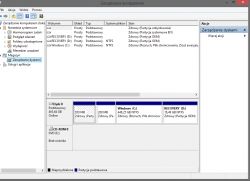
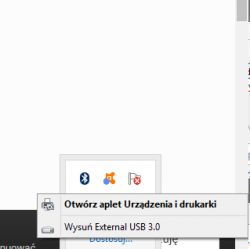
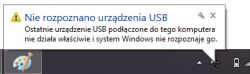
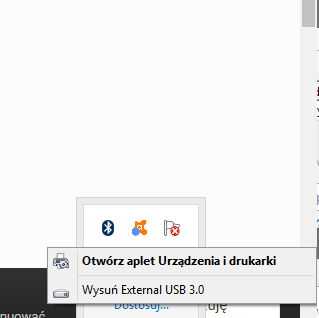
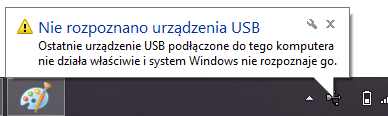
    I have a problem with the TOSHIBA MQ01ABF050 1TB external disk. At the beginning I would like to say that I searched similar topics and found no solution. The problem is that every day for unknown reasons the laptop has stopped detecting it for me. I treated him well, I rarely removed him in the wrong way, he was not intensively exploited, he never fell. After connecting the disk to the computer (usb 3.0 port) the computer informs with a standard connection sound and the indicator light on the disk lights up. In the safe removal of equipment appears as " External USB 3.0 "not Toshiba. Unfortunately, after less than a minute the message pops up" USB device not recognized "
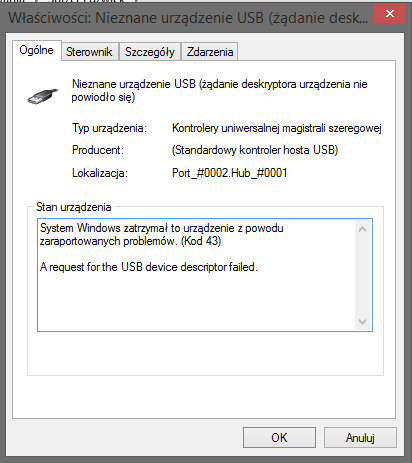
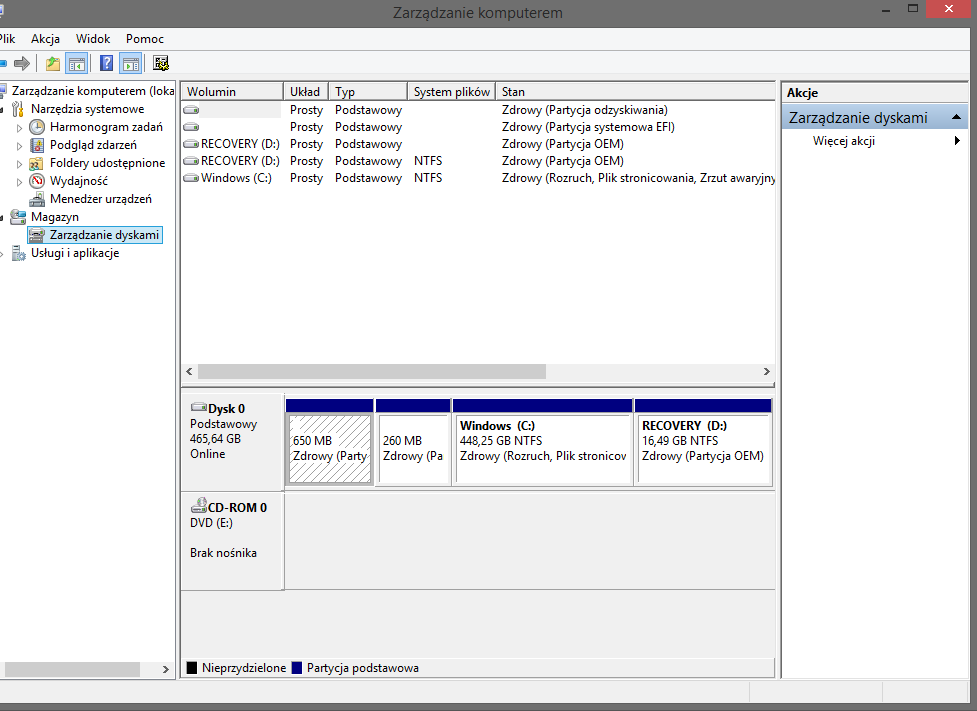
    The disk is not visible in My Computer, Disk Management, Devices and printers. In the device manager> Universal serial bus controllers it appears as " Unknown USB device (address setting failed) ".
    The disk has a USB micro B cable. I tried to connect it to all USB ports on the laptop, and on other computers installing the device fails. I also tried to connect it to the rear usb ports and change the cable - still unchanged.
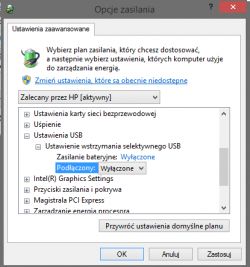
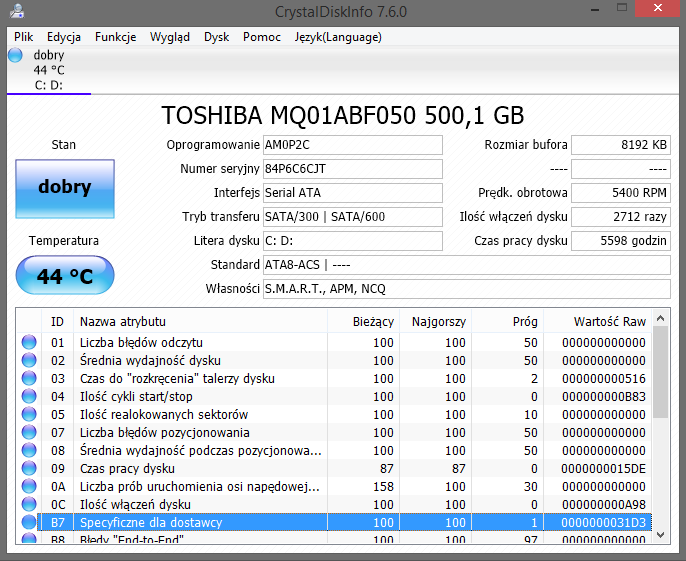
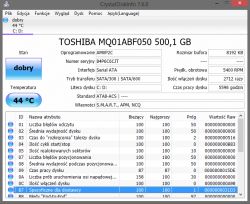
    As recommended in similar topics, I installed the CrystalDiscInfo program, but the program detects only the internal disks of the laptop and, oddly enough - assigns them the name and model number of the Toshiba disk. I don't know how to deal with it, I have no ideas. I care about both the content and the disk itself, but if the disk has fallen I would like to recover data. I am asking you for help. I paste the screenshots below.
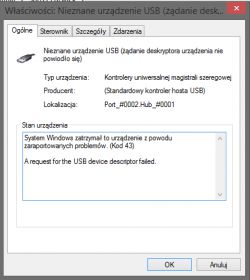
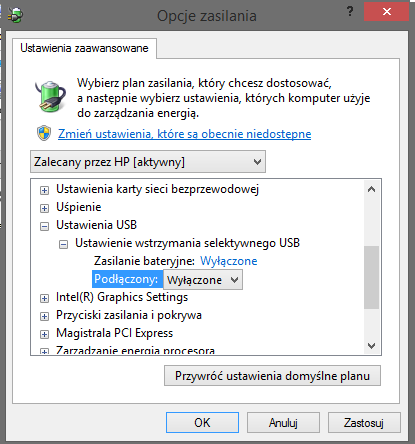
    TOSHIBA MQ01ABF050 1TB External Drive Not Detected: Laptop Issues, USB 3.0 Port & Solutions TOSHIBA MQ01ABF050 1TB External Drive Not Detected: Laptop Issues, USB 3.0 Port & Solutions TOSHIBA MQ01ABF050 1TB External Drive Not Detected: Laptop Issues, USB 3.0 Port & Solutions TOSHIBA MQ01ABF050 1TB External Drive Not Detected: Laptop Issues, USB 3.0 Port & Solutions TOSHIBA MQ01ABF050 1TB External Drive Not Detected: Laptop Issues, USB 3.0 Port & Solutions TOSHIBA MQ01ABF050 1TB External Drive Not Detected: Laptop Issues, USB 3.0 Port & Solutions
  • ADVERTISEMENT
  • #2 17267215
    Dra98
    Moderator of Computers service
    Posts: 9178
    Help: 1316
    Rate: 1066
    beniowsky wrote:
    change the cable - still unchanged

    I suggest you try the Y type cable.
    Disk connected when working, makes any strange sounds?
    beniowsky wrote:
    I would like to recover the data

    Is it possible to remove the disk from the housing and connect directly to the controller?
  • #3 17267324
    ak6
    Level 31  
    Posts: 1643
    Help: 156
    Rate: 139
    Code 43 is displayed if one of the device's drivers has notified the operating system about a device failure.
    Therefore, this may indicate a driver error as well as damage to the device. The problems with the driver can rather be rejected, because connecting the disk to another computer also failed. Let's focus on the disk itself.
    A good option is a friend's proposal @ Dra98 :
    Dra98 wrote:
    Is it possible to remove the disk from the housing and connect directly to the controller?

    From what I realized, the disk has a standard SATA slot, so there will be no problem. In this way, we will get rid of the disk casing electronics, which can also be damaged.
  • ADVERTISEMENT
  • #4 17267346
    nomudrek
    Level 36  
    Posts: 2241
    Help: 406
    Rate: 469
    The disk designations given by the author relate to the internal disk MQ01ABF050 with a capacity of 500 GB, while the external disk if it were from the same series of disks would have the designation TSB-MQ01ABF100. It is worth removing the disk from the housing and connecting it to a desktop computer to check if the disk is functional. If it is visible in the system, it can be inserted into the housing, and if it would still be undetectable it will indicate a failure of the disk electronics. After checking the efficiency of the disk, we can insert it into the housing and connect to the USB socket if it is only detectable External USB remains check also the USB cable used to connect the disk.
  • ADVERTISEMENT
  • #6 17267553
    beniowsky
    Level 7  
    Posts: 6
    Quote:
    I suggest you try the Y type cable.
    Disk connected when working, makes any strange sounds?


    As soon as I have the opportunity to buy such a cable, but at the moment I have no way. The disc doesn't make any strange sounds. The lamp lights up, looks like the disk is working and after a while the lamp turns off

    Quote:
    Is it possible to remove the disk from the housing and connect directly to the controller?


    I've never done it. I am a little green in the subject. Can I have a little tip?

    Added after 11 [minutes]:

    Quote:
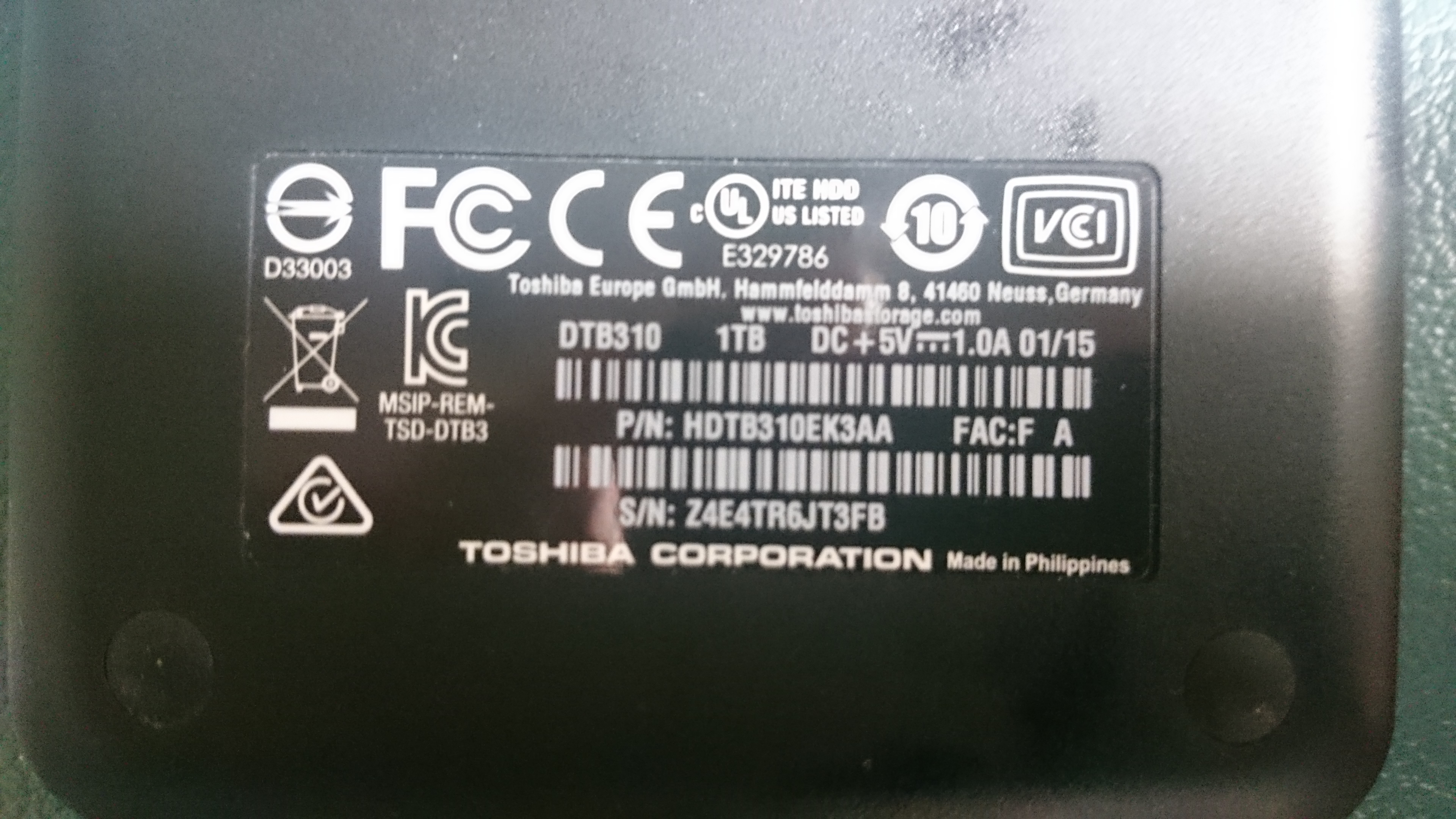
    I am asking for the symbol of this external disk read from the sticker on the housing.


    I don't know which symbol is meant so I put in the screen. TOSHIBA MQ01ABF050 1TB External Drive Not Detected: Laptop Issues, USB 3.0 Port & Solutions

    Added after 46 [minutes]:

    nomudrek wrote:
    ..It is worth removing the disk from the housing and connecting it to a desktop computer to check if the disk is in working order. If it is visible in the system, it can be inserted into the housing, and if it would still be undetectable it will indicate a failure of the disk electronics. After checking the efficiency of the disk, we can insert it into the housing and connect to the USB socket if it is only detectable External USB remains check also the USB cable used to connect the disk.


    I don't know if I understand you correctly. Should I remove the disk from the housing and connect it with its original cable to any USB port on the desktop? how to check its efficiency? All in all I did the same only in the housing and the desktop could not install the device.
  • #7 17267617
    ak6
    Level 31  
    Posts: 1643
    Help: 156
    Rate: 139
    https://youtu.be/BluMCbYKK_g
    After removing the disk, unplug the housing electronics and you have a standard HDD with SATA connector
    You connect it directly to the motherboard to the SATA port bypassing the USB ports
  • #8 17267926
    pidar
    Mass storage specialist
    Posts: 11332
    Help: 1568
    Rate: 3554
    HDTB310EK3AA is an external disk Toshiba Canvio Basics 1TB USB 3.0.
    Do you still think (prompting) that the disk after removing from the outer case can be attached directly to the SATA controller :?: :D
  • ADVERTISEMENT
  • #9 17267976
    beniowsky
    Level 7  
    Posts: 6
    pidar wrote:

    Do you still think (prompting) that the disk after removing from the outer case can be attached directly to the SATA controller :?: :D


    Damn, I feel confused now. Remove the disk from the housing?
  • #10 17268464
    nomudrek
    Level 36  
    Posts: 2241
    Help: 406
    Rate: 469
    The disk in the case is a regular SATA disk used in laptops, so there is no problem to connect it to the controller in a desktop computer, I myself had a disk removed from the laptop in the computer before I bought the Icy Box case. Having a laptop, all you need to do is remove the system disk, connect the disk removed from the housing instead, after turning on the laptop in the bios with a working disk, we should see a 1 TB disk if it will not be visible, then we have information about its damage.
  • #11 17268507
    pidar
    Mass storage specialist
    Posts: 11332
    Help: 1568
    Rate: 3554
    nomudrek wrote:
    The disk in the case is a regular SATA disk used in laptops ...

    Not true , there may be "unusual" :wink: -> TOSHIBA MQ01UBD100 :?:
  • #12 17268662
    ak6
    Level 31  
    Posts: 1643
    Help: 156
    Rate: 139
    This is it.
    So we won't find out until a friend removes it ;)
    And instead of stupidly posting new posts for a long time, maybe we will finally see this unboxing :D
    The more that none is a philosophy ...
  • #13 17269502
    laptokowiec
    Level 31  
    Posts: 1508
    Help: 111
    Rate: 118
    pidar wrote:
    nomudrek wrote:
    The disk in the case is a regular SATA disk used in laptops ...

    Not true , there may be "unusual" :wink: -> TOSHIBA MQ01UBD100 :?:

    that's right
  • #14 17270791
    beniowsky
    Level 7  
    Posts: 6
    Gentlemen, thank you for your patience.
    Unfortunately, I could not open the disk casing .. I used the guide on YouTube, I pried it with a knife, but it holds it so hard. I preferred not to wrestle with it anymore because I was afraid that it would completely destroy the disk. I do not currently have access to a desktop computer, because only a laptop at home, so connecting to SATA tapes is out. Is there any other less invasive solution to this problem? Maybe with this DMDE program?
  • #15 17270841
    laptokowiec
    Level 31  
    Posts: 1508
    Help: 111
    Rate: 118
    For starters, I suggest connecting it via USB to another device.
  • #16 17271248
    beniowsky
    Level 7  
    Posts: 6
    laptokowiec wrote:
    For starters, I suggest connecting it via USB to another device.


    I wrote at the beginning that I tried to connect to other computers, but to no avail. Other devices have a problem installing this disk at all.
  • #17 17271318
    laptokowiec
    Level 31  
    Posts: 1508
    Help: 111
    Rate: 118
    what happens under some linux?
  • #18 17271470
    nomudrek
    Level 36  
    Posts: 2241
    Help: 406
    Rate: 469
    Maybe it is enough to approach a computer service where they will open the disk and have the appropriate cables to eliminate the damaged USB cable.
  • #19 17271777
    beniowsky
    Level 7  
    Posts: 6
    laptokowiec wrote:
    what happens under some linux?


    Unfortunately I don't have a place to check it: /

    Added after 1 [minutes]:

    nomudrek wrote:
    Maybe it is enough to approach a computer service where they will open the disk and have the appropriate cables to eliminate the damaged USB cable.


    I think I'll do it because I'm afraid to rummage myself.

Topic summary

✨ The discussion revolves around a TOSHIBA MQ01ABF050 1TB external drive that is not being detected by a laptop. The user reports that the drive connects briefly but then shows a "USB device not recognized" error. Various troubleshooting suggestions are provided, including using a Y-type USB cable, connecting the drive directly to a SATA controller by removing it from its casing, and checking the USB cable for damage. Some participants mention that the drive may have a standard SATA interface, allowing for direct connection to a desktop computer. The user expresses difficulty in opening the drive casing and seeks alternative solutions, including using software like DMDE or consulting a computer service for assistance.
Generated by the language model.

FAQ

TL;DR: 1TB Toshiba Canvio Basics not detected; "Code 43 is displayed" signals a device/enclosure fault, not drivers. Test on another PC, then bypass the USB enclosure and connect the HDD via SATA to isolate the issue. [Elektroda, ak6, post #17267324]

Why it matters: This helps laptop users fix USB 3.0 detection failures fast and protect their data.

Quick Facts

Why does my Toshiba external show "Unknown USB device (address setting failed)" and not appear in Disk Management?

Windows shows Code 43 when the device tells the OS it failed. If it fails on several PCs, drivers are unlikely. The symptoms match a bad USB‑to‑SATA bridge, cable, or power shortfall. Try different ports and cables first. If unchanged, test the disk outside the enclosure. [Elektroda, ak6, post #17267324]

How can I quickly tell if the USB enclosure or the HDD is faulty?

Isolate the bridge from the HDD.
  1. Open the shell and expose the drive.
  2. Unplug the small USB bridge board from the drive.
  3. Connect the drive directly to a SATA port and power, then check BIOS/SMART.
If BIOS sees the disk, the enclosure or cable is bad. If not, the drive failed. [Elektroda, ak6, post #17267617]

What exactly is HDTB310EK3AA?

It’s a Toshiba Canvio Basics 1TB USB 3.0 external drive. Use this ID to confirm your enclosure family and expected connectors. Knowing the exact model helps you plan SATA testing and replacement enclosures. [Elektroda, pidar, post #17267926]

Can every Canvio Basics be hooked to SATA after opening?

Not always. Some enclosures ship a USB‑native drive, model MQ01UBD100, with no standard SATA connector. "Not true—there may be 'unusual' → TOSHIBA MQ01UBD100." If you find this inside, you cannot attach it to SATA directly. Replace the enclosure or pursue data recovery. [Elektroda, pidar, post #17268507]

My part numbers say MQ01ABF050—does that mean 500 GB, not 1 TB?

Yes. MQ01ABF050 denotes a 500 GB internal laptop drive. A 1 TB external from the same family is labeled differently, such as TSB‑MQ01ABF100. This 500 GB vs 1 TB naming mismatch often confuses troubleshooting. Verify capacity in BIOS during direct SATA tests. [Elektroda, nomudrek, post #17267346]

Should I try a USB 3.0 Y‑cable?

Yes, as a quick power test. A Y‑cable draws power from two USB ports to stabilize spin‑up. It can restore detection when a single port sags. "I suggest you try the Y type cable." If it works, back up data immediately and replace weak links. [Elektroda, Dra98, post #17267215]

CrystalDiskInfo only shows my internal drives and labels them as Toshiba—what does that mean?

The external never enumerated as storage, so SMART tools cannot read it. The odd labeling you saw comes from Windows device info, not the external disk’s controller. Fix the USB path first by testing cables, ports, and the enclosure. Then recheck with CrystalDiskInfo. [Elektroda, beniowsky, post #17267149]

I can’t open the enclosure—what’s the least invasive next step?

Visit a computer service shop. They can open the case without damage and test with known‑good cables and power. This quickly rules out a faulty USB lead or weak port before attempting recovery. It also avoids breaking plastic clips on tight shells. [Elektroda, nomudrek, post #17271470]

Will Linux recognize it when Windows won’t?

Boot a Linux live USB and check if the drive enumerates and mounts. If Linux also fails to see it, the fault is hardware. If it mounts, copy your data and plan to replace the enclosure. Cross‑OS testing helps isolate software versus hardware causes. [Elektroda, laptokowiec, post #17271318]

The LED lights and the drive spins, then shuts off after about a minute—what does that indicate?

That pattern suggests the USB bridge negotiates briefly, then resets or loses power. Try rear motherboard ports, a shorter cable, or a Y‑cable. If it repeats across PCs, suspect the enclosure electronics. Proceed to a direct SATA test to confirm. [Elektroda, beniowsky, post #17267553]

How do I see past detections or USB IDs for this drive?

Use USBDeview. It shows previous USB connections, device descriptors, and serial numbers. This helps confirm what model the system detected earlier. It is useful when the drive now fails to enumerate or shows a generic name. [Elektroda, pidar, post #17267393]

I only have a laptop—can I still test the bare drive via SATA?

Yes. Temporarily swap your laptop’s internal drive for the bare external drive. Enter BIOS and check if a 1 TB disk appears. If it is not visible there, the HDD is likely faulty. Reinstall your original drive after testing. [Elektroda, nomudrek, post #17268464]

Why does Windows list it as "External USB 3.0" instead of "Toshiba"?

That is a generic descriptor from the bridge firmware. It appears when the device fails to negotiate fully or misreports. Combined with errors, it points to a failing enclosure board. Replace or bypass the enclosure to confirm with direct SATA. [Elektroda, beniowsky, post #17267149]

If the HDD works on SATA, what should I replace?

Your hard disk is fine. Replace the USB cable or the enclosure’s bridge board. Transplant the drive into a new USB 3.0 case and verify SMART. Always copy data before re‑enclosing the disk to reduce risk. [Elektroda, ak6, post #17267324]
Generated by the language model.
ADVERTISEMENT