logo elektroda
logo elektroda
X
logo elektroda

Fixing Geberit Cistern Leakage: DIY Troubleshooting & Repair Guide (Photos Included)

MrRon 90684 16
Best answers

How can I stop a Geberit concealed cistern from hissing and leaking into the bowl, and how do I tell whether I need to replace the filling valve and whether it is 1/2 or 3/8?

First, check whether the water is overflowing over the top of the bell or under the seal; if lifting the float by hand does not stop the inflow, replace the entire filling/float assembly rather than trying to repair it [#18656089] [#18656193] Also inspect the shut-off valve above the cistern, because it may need cleaning or replacement too [#18656089] [#20816588] To choose between 3/8 and 1/2, use the wrench test: if an 18/19 mm wrench fits the hose connection it is usually 3/8, and if a 23/24 mm wrench fits it is usually 1/2 [#18657475] Turn off the main water supply before removing or replacing anything [#18656193]
Generated by the language model.
ADVERTISEMENT
Treść została przetłumaczona polish » english Zobacz oryginalną wersję tematu
  • #1 18656051
    MrRon
    Level 9  
    Posts: 10
    Rate: 2
    Hello!

    I decided to write this topic because I have a problem with a Geberit concealed cistern. Unfortunately, water suddenly started to drip from the toilet bowl and I have no idea what the reason is. I took apart the plastic casing to get inside and try to "move" the whole mechanism. I noticed there was a constant "hissing" noise, as if the water in the tank could not fill completely and the water supply to the flush tank was not shut off.

    I have never repaired a flush and / or installed similar things before, and due to the current epidemic and my reduced immunity, I would not like to call on the hydraluika case like this. That is why I am asking you for help in finding out what could be the cause and how could I repair the cistern on my own?

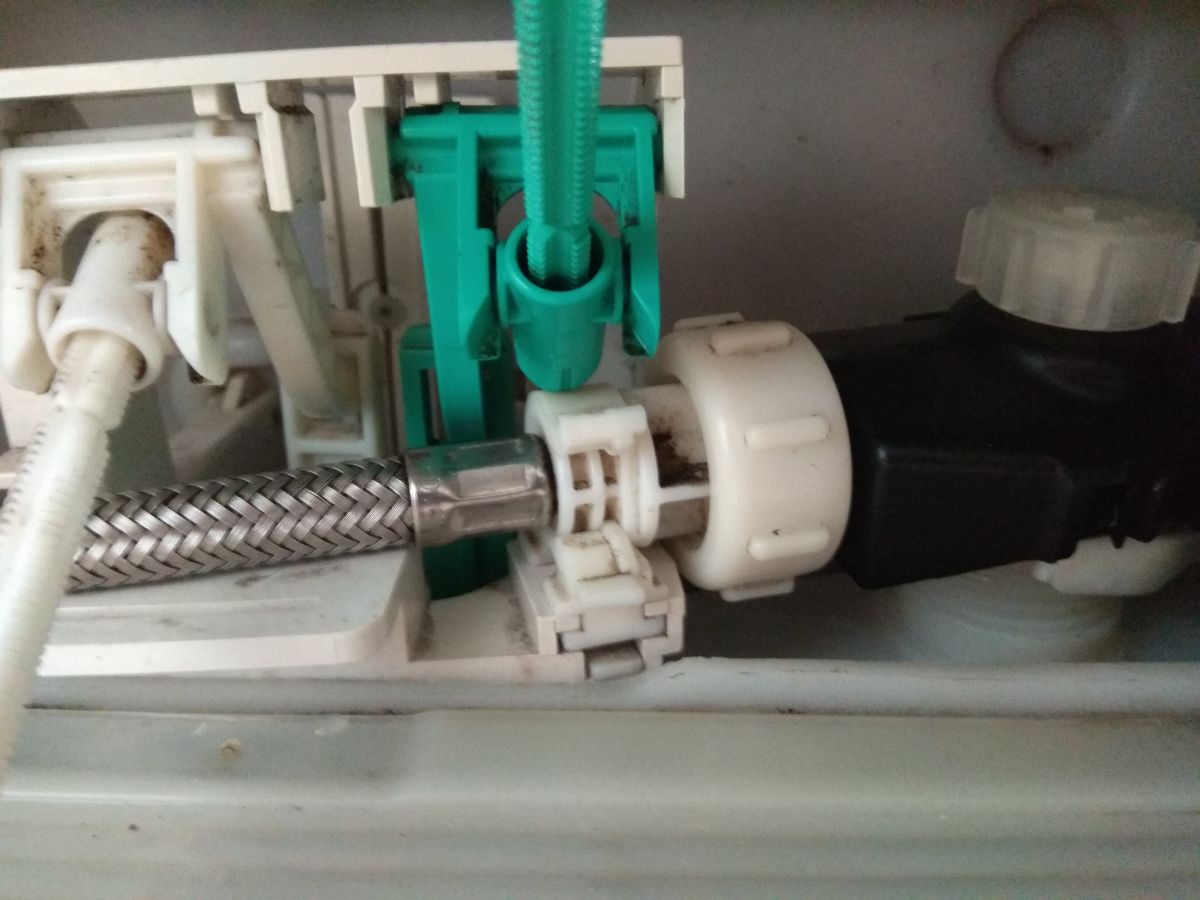
    The photo below shows the mechanism after opening the housing:

    [align = center: 3e679419af] Fixing Geberit Cistern Leakage: DIY Troubleshooting & Repair Guide (Photos Included)
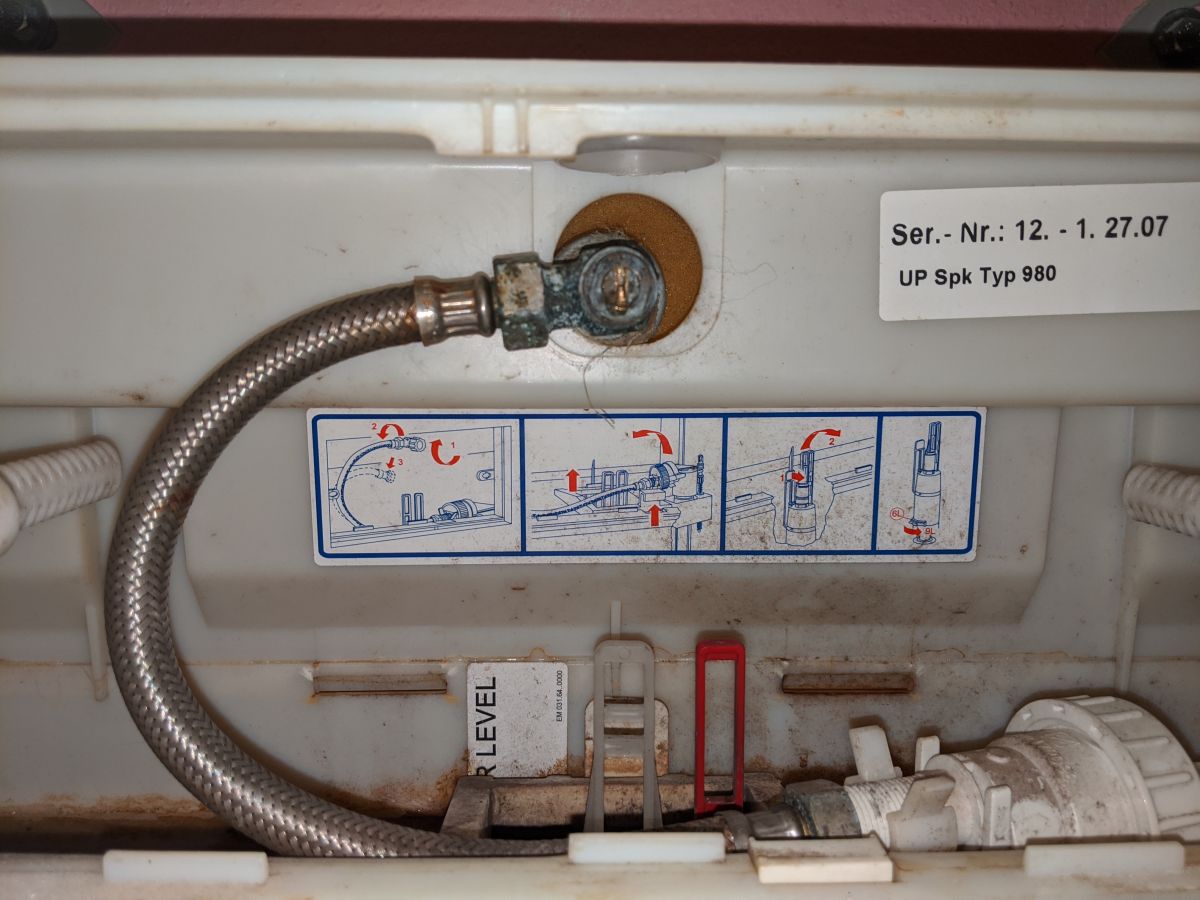

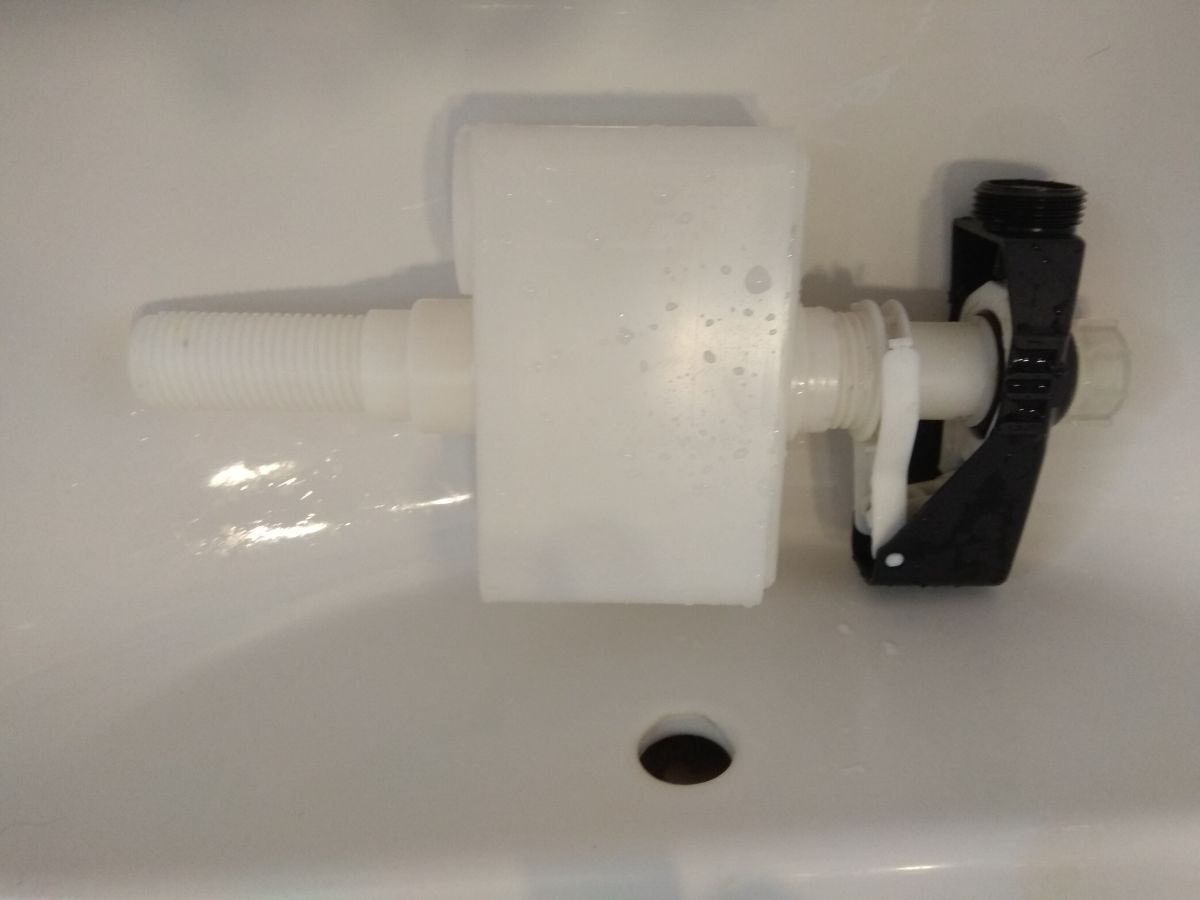
    and this is the interior:

    [align = center: 3e679419af] Fixing Geberit Cistern Leakage: DIY Troubleshooting & Repair Guide (Photos Included)
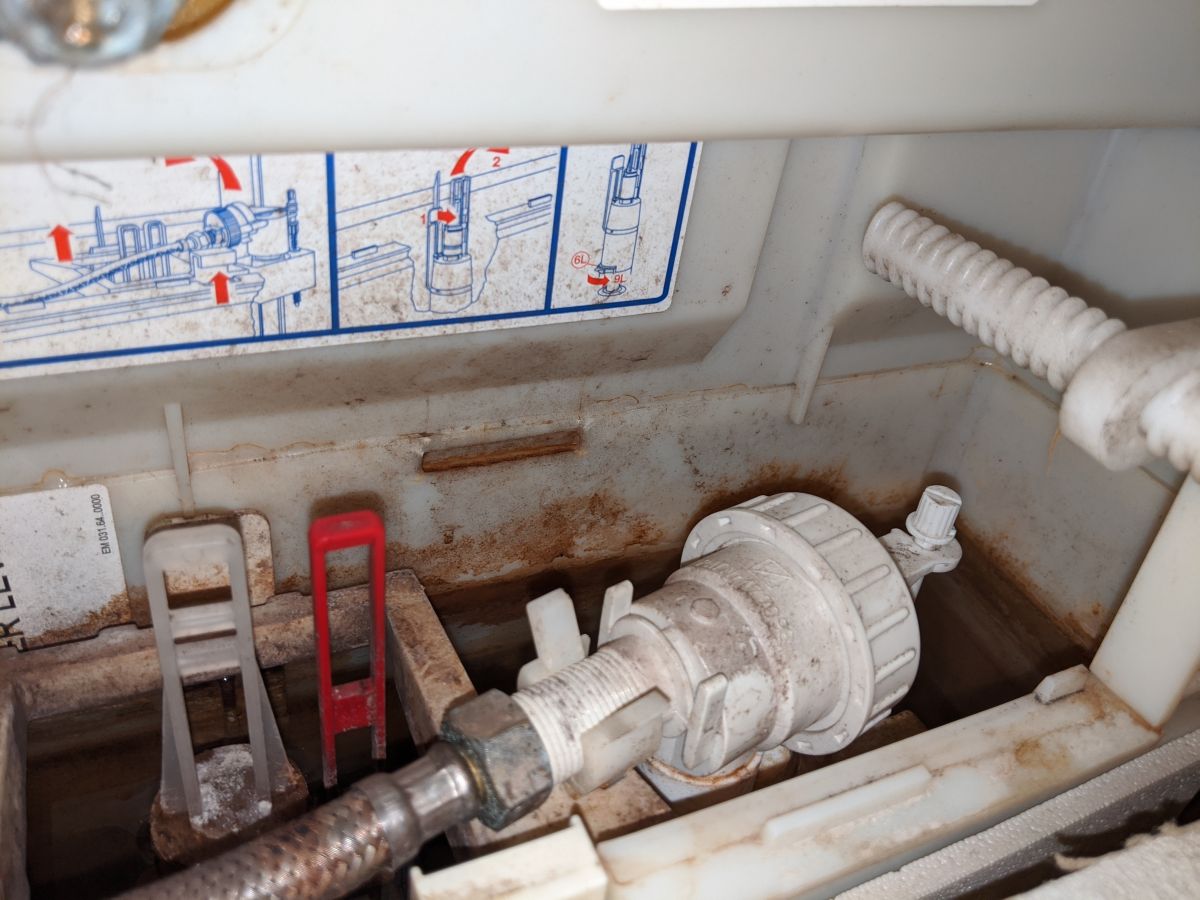

    After reading a few topics on this forum, I came to the conclusion that the float filling valve may be to blame, which has stopped working properly due to limescale deposits. On a few instructional videos, they recommend turning off the water tap (the one just above the cistern - in my case in the photo with a screwdriver) as one of the first steps. I turned the screw (to the stop), but the water "hisses" in the area of the float - as if nothing had changed. Does this mean that the valve that does not shut off the water supply or the float is to blame? It is only when the main water supply is turned off vertically that the sound and water filling / overflow stop.

    Should I try to replace the filling valve itself in such a situation (e.g. with the following one: https://www.castorama.pl/zawor-napelniajacy-3-8-1-2-p-id-1108367.html or https: // www.leroymerlin.pl/hydraulika/akstrong-dopociągenia-wody/zawory-spustowe-i-mechanizm-napelniajace/zawor-napelniajacy-plywakowy-bialny-3-8-1-2-mosiadz-equation,p432565,l1926.html) ? I also do not know if I should choose a 1/2 or 3/8 valve. Unfortunately, nowhere on the casing and in the center of the part I found an inscription that could somehow direct me.

    I am sorry if the questions I am asking are "very basic". I count on your understanding and help in this matter.
  • ADVERTISEMENT
  • #2 18656089
    ta_tar
    Level 41  
    Posts: 6438
    Help: 693
    Rate: 2027
    MrRon wrote:
    Does this mean that the valve that does not shut off the water supply or the float is to blame? It is only when the main water supply is turned off vertically that the sound and water filling / overflow stop.
    Probably to be replaced and the water shut-off valve (the one for a screwdriver) as well as repair or replacement of the cistern filling valve. The first statement - you need to determine where the water is overflowing, whether at the top of the bell or under the seal.
  • #3 18656125
    MrRon
    Level 9  
    Posts: 10
    Rate: 2
    ta_tar wrote:
    MrRon wrote:
    Does this mean that the valve that does not shut off the water supply or the float is to blame? It is only when the main water supply is turned off vertically that the sound and water filling / overflow stop.
    Probably to be replaced and the water shut-off valve (the one for a screwdriver) as well as repair or replacement of the cistern filling valve. The first statement - you need to determine where the water is overflowing, whether at the top of the bell or under the seal.


    Thank you very much for your answer! It complicates the situation a bit because I do not know if I can handle this task, i.e. replacing the valve that closes the water supply. I have no idea what parts and seals / tow (?) Should I buy to replace the valve at this point. This is a bit of a question of the genre: please make a list of things that I need to buy in the nearest store :)

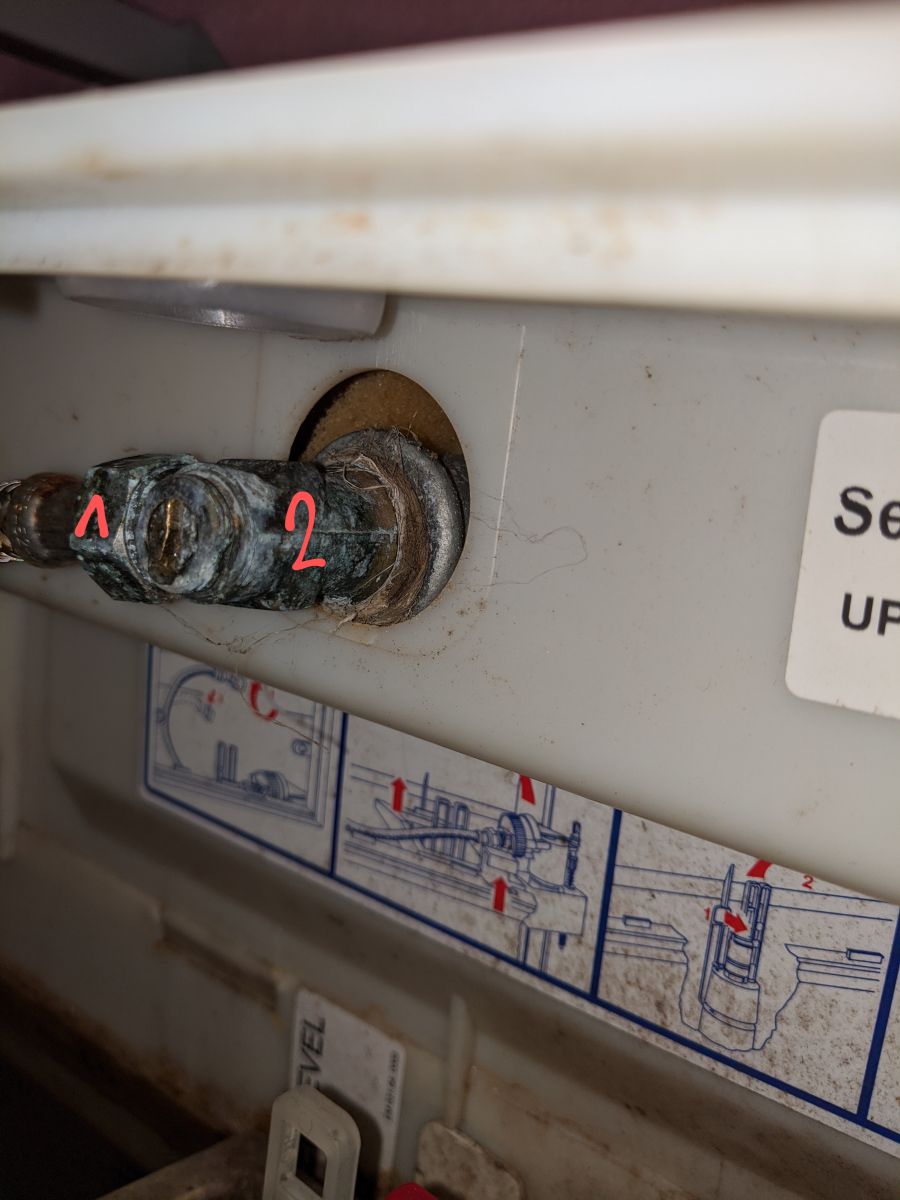
    This is what the water shut-off valve looks like in the photo:

    Fixing Geberit Cistern Leakage: DIY Troubleshooting & Repair Guide (Photos Included)


    Is it about replacing the marked element in photo 1 or also 2? (whole)
  • ADVERTISEMENT
  • #5 18656193
    boguslaw robak
    Level 21  
    Posts: 372
    Help: 35
    Rate: 53
    Hello, you only need to replace the float set, you do not forge anything, you do not regenerate it, such a set is not expensive, you only need to know the model, unscrew the hose from it and replace it, remember to turn off the main valve before replacing it. Regards.
  • #6 18657052
    MrRon
    Level 9  
    Posts: 10
    Rate: 2
    boguslaw robak wrote:
    Hello, you only need to replace the float set, you do not forge anything, you do not regenerate it, such a set is not expensive, you only need to know the model, unscrew the hose from it and replace it, remember to turn off the main valve before replacing it. Regards.


    I'll try to do it as soon as I can get that fill valve. I just have no idea what thread I have if 1/2 or 3/8 ''. There are two versions on sale, and I wouldn't want to buy something that doesn't fit. Is it possible to determine after these photos that I have posted?
  • #7 18657475
    ta_tar
    Level 41  
    Posts: 6438
    Help: 693
    Rate: 2027
    If a 18/19 wrench fits on the hose screwed on the filling valve, it may be 3/8 '', and when a 23/24 wrench fits, it is probably 1/2 ''.
  • #8 18657523
    kierbedz4
    Level 36  
    Posts: 2707
    Help: 307
    Rate: 1004
    Remove the old drain valve and visit a plumbing store with it, you can buy it without a box. For me this valve cost PLN 23.
  • ADVERTISEMENT
  • #9 18698844
    irkolo
    Level 11  
    Posts: 11
    Rate: 20
    I have a similar problem, but I have a different hose, the flush is over 20 years old. Is there any matching refill valve replacement? Preferably in an online store.
    Fixing Geberit Cistern Leakage: DIY Troubleshooting & Repair Guide (Photos Included)
    Fixing Geberit Cistern Leakage: DIY Troubleshooting & Repair Guide (Photos Included)
  • ADVERTISEMENT
  • #10 18702162
    tajwoj
    Level 26  
    Posts: 559
    Help: 106
    Rate: 102
    I bought the following:

    Unifil filling valve 240.700.00.1

    Copy this to the search engine and select a store.
  • #11 18704230
    irkolo
    Level 11  
    Posts: 11
    Rate: 20
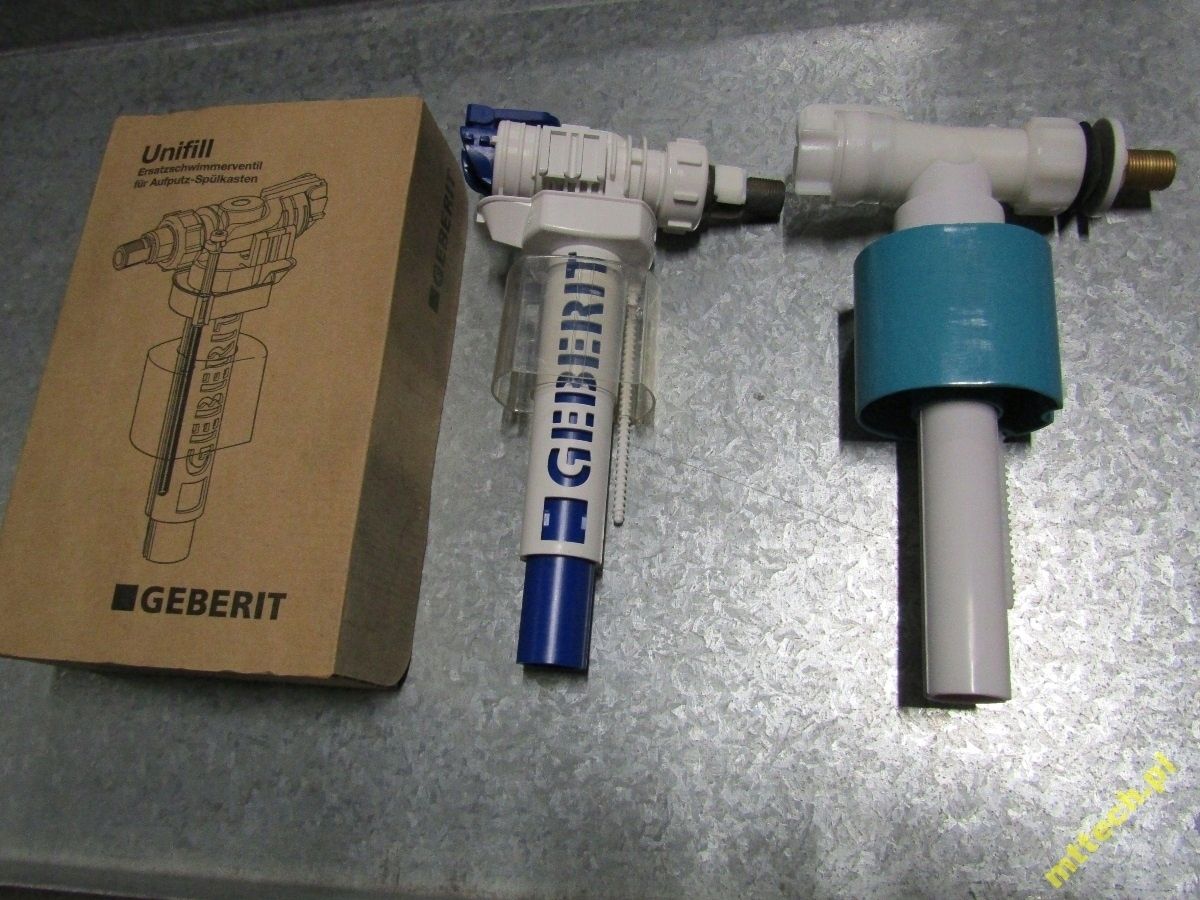
    Does the Geberit replacement in the photo have the same thread?
    Has anyone tested?
    Fixing Geberit Cistern Leakage: DIY Troubleshooting & Repair Guide (Photos Included)
  • #12 20122627
    irkolo
    Level 11  
    Posts: 11
    Rate: 20
    The replacement fits and works :)
  • #13 20813792
    grzegorzwidlak0
    Level 3  
    Posts: 9
    Rate: 2

    Hello I have a similar situation but I replaced the drain valve unnecessarily.... same hissing I saw that there is a problem with the float just does not float ( sunk like a titanic) and does not close my water supply how to fix it without replacing the float
  • #14 20815072
    saturno
    Level 17  
    Posts: 179
    Help: 19
    Rate: 35
    @grzegorzwidlak0 When you lift the float up with your hand does the water stop flowing?
  • #15 20815816
    grzegorzwidlak0
    Level 3  
    Posts: 9
    Rate: 2
  • #16 20816563
    saturno
    Level 17  
    Posts: 179
    Help: 19
    Rate: 35

    @grzegorzwidlak0 In that case, the entire valve including the float needs to be replaced.
  • #17 20816588
    klamocik
    Level 36  
    Posts: 3033
    Help: 332
    Rate: 715
    You do not need to buy anything you have a blocked water supply can be in the shutoff valve as well as the bypass valve, and poor pressure will not allow you to close the bypass valve, take apart clean check under pressure but not to flood the bathroom what gives when the shutoff valve works properly.
  • Topic summary

    ✨ The discussion revolves around troubleshooting and repairing a Geberit concealed cistern experiencing leakage, characterized by a constant hissing noise and water dripping from the toilet bowl. Users suggest that the issue may stem from a malfunctioning filling valve or a shut-off valve. Recommendations include replacing the float set and ensuring the correct thread size (1/2" or 3/8") for the filling valve. Participants share advice on necessary tools and parts, such as Teflon tape and angle valves, and emphasize the importance of turning off the main water supply before repairs. Some users also discuss similar issues with older models and the need for specific replacement parts, including the Unifil filling valve (240.700.00.1).
    Generated by the language model.

    FAQ

    TL;DR: PLN 23 valve swaps were reported; "Remove the old drain valve and visit a plumbing store with it." This DIY FAQ helps homeowners identify threads, pick parts, and stop Geberit hissing/dripping without chiselling tiles. [Elektroda, kierbedz4, post #18657523]

    Why it matters: It guides DIYers with leaking concealed Geberit cisterns to safely diagnose, source parts, and repair without calling a plumber.

    Quick Facts

    Why is my Geberit cistern hissing and dripping into the bowl?

    A stuck inlet float valve or a faulty shut‑off can keep water running. First spot the overflow path. Check if water spills over the bell top or sneaks under its seal. That tells you whether to focus on the inlet valve or the flush bell/seal. If the local shut‑off fails, plan to service it too. [Elektroda, ta_tar, post #18656089]

    How can I tell if my inlet thread is 3/8" or 1/2"?

    Use a wrench on the hose nut at the inlet valve. If 18/19 mm fits, it’s likely 3/8". If 23/24 mm fits, it’s likely 1/2". This rule of thumb helps order correct parts without removing the whole set. [Elektroda, ta_tar, post #18657475]

    The screwdriver shut‑off above the cistern doesn’t stop the water. What should I do?

    It’s likely faulty. Close the main water, then replace the mini shut‑off. An angle valve 1/2"×1/2" is a common swap. Seal threads with pakuły (hemp) or PTFE tape and tighten without backing off. Restore water and check for leaks. [Elektroda, babat, post #18656165]

    What parts should I buy to stop a continuous fill in a Geberit?

    Replace the float/inlet (fill) valve assembly. Access it through the service opening; unscrew the hose and swap the unit. “Remember to turn off the main valve before replacing it.” New seals usually come with the valve. [Elektroda, boguslaw robak, post #18656193]

    How do I replace a Geberit fill valve myself?

    1. Shut the main water; remove the flush plate and access panel, then drain the cistern.
    2. Unscrew the supply hose and the old fill valve; install the new valve and reconnect.
    3. Open water, set float level, and leak‑test. “Remember to turn off the main valve before replacing it.” [Elektroda, boguslaw robak, post #18656193]

    Which Geberit replacement part number should I search for online?

    Search for Geberit Unifil (Unifill) filling valve 240.700.00.1. Copy that code into a store search box to compare offers. This part has been purchased and referenced by users addressing similar symptoms. [Elektroda, tajwoj, post #18702162]

    Will a replacement valve actually fit and work?

    Yes. A user confirmed after installation: “The replacement fits and works.” That report followed a thread on mismatched hoses and aging cisterns. Successful fit indicates compatibility when the correct thread and form factor are chosen. [Elektroda, irkolo, post #20122627]

    How do I test if the float/inlet valve is the culprit?

    Lift the float by hand. If the water stops flowing, the inlet valve is not sealing on its own and needs service or replacement. This quick check isolates the inlet side from the outlet bell and seal. [Elektroda, saturno, post #20815072]

    My float is waterlogged and sunk. Can I fix it without replacing?

    No. Replace the complete inlet valve with the float. “In that case, the entire valve including the float needs to be replaced.” This restores proper buoyancy and shutoff action. [Elektroda, saturno, post #20816563]

    Could low pressure or a blocked supply cause constant hissing?

    Yes. A blocked shut‑off or bypass can restrict flow and prevent the inlet valve from closing. Disassemble and clean the shut‑off and any strainers. Test under pressure carefully to avoid flooding the bathroom. Restore the shut‑off’s function first. [Elektroda, klamocik, post #20816588]

    My flush is over 20 years old with a different hose. What should I check?

    Legacy setups exist; one user reported a 20+‑year installation. Confirm your thread size using the wrench method and photograph the hose end. Then match the replacement by thread and body style, or take the old unit to the shop. [Elektroda, irkolo, post #18698844]

    Should I take the old valve to the shop to guarantee a match?

    Yes. “Remove the old drain valve and visit a plumbing store with it.” Staff can match threads and geometry quickly, often without retail packaging, and prices can be modest. A PLN 23 purchase was reported. [Elektroda, kierbedz4, post #18657523]

    Do I need to chisel tiles or open the wall frame to swap the valve?

    No. Access the fill/float set through the service opening behind the flush plate. You do not need to forge or break tiles. Shut the main water, swap the unit, and test. [Elektroda, boguslaw robak, post #18656193]

    Where exactly is my leak—over the bell or under the seal—and why does it matter?

    Watch the bell during filling. If water passes over the top, the inlet side overfills; service the float/inlet. If seepage appears under the bell, renew the bell seal. Correct diagnosis prevents unnecessary parts swaps. [Elektroda, ta_tar, post #18656089]

    Which sealant should I use on threaded valves—pakuły or PTFE tape?

    Either works when applied correctly. Use pakuły as a low‑cost option or PTFE tape. Tighten in one direction and avoid backing off, which can cause leaks. Check for drips after repressurizing. [Elektroda, babat, post #18656165]
    Generated by the language model.
    ADVERTISEMENT