logo elektroda
logo elektroda
X
logo elektroda

Washing machine drain connection - Washing machine drain problem

mattyy 23862 33
Best answers

Can I connect a washing machine drain hose in an inverted U-shape to a shower/floor drain, and will it still drain properly without siphoning water out?

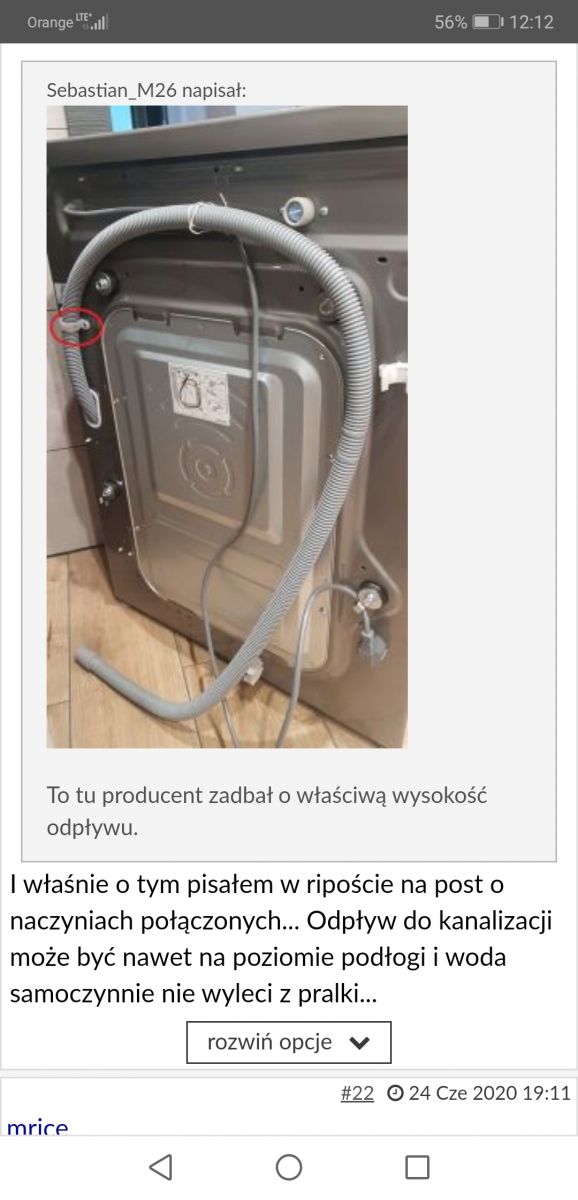
Yes, this can work if the hose is routed high above the washing machine and the drain end is not sealed airtight into a smaller pipe, because the air gap prevents continuous siphoning [#18835378][#18835394] The highest point of the hose should be above the washer’s maximum water level, or at least above the drum area, so the machine’s pump can do the draining without the hose acting like a permanent extension [#18835474][#18835808] If you connect into a drain opening, use an adapter or a fitting with a larger diameter than the hose rather than pressing the hose tightly and sealing it [#18835808][#18838746] A floor drain/shower drain can be fine in practice, and several users reported no leakage when the hose was hung correctly [#18835378] The main risks are siphoning, leaks at the joints, and unwanted odors if the final connection is poor [#18838391][#18838570]
Generated by the language model.
ADVERTISEMENT
This content has been translated flag-pl » flag-en View the original version here
  • #1 18835149
    mattyy
    Level 5  
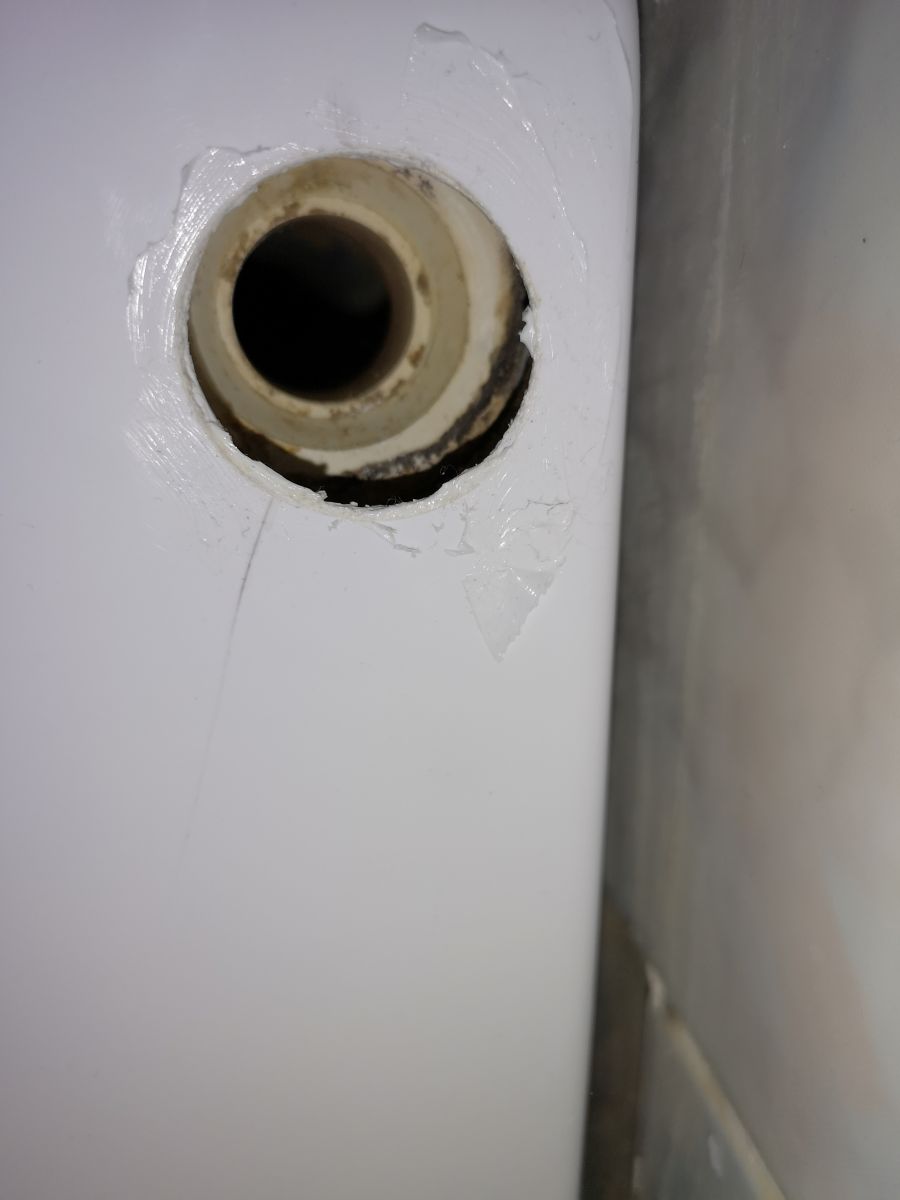
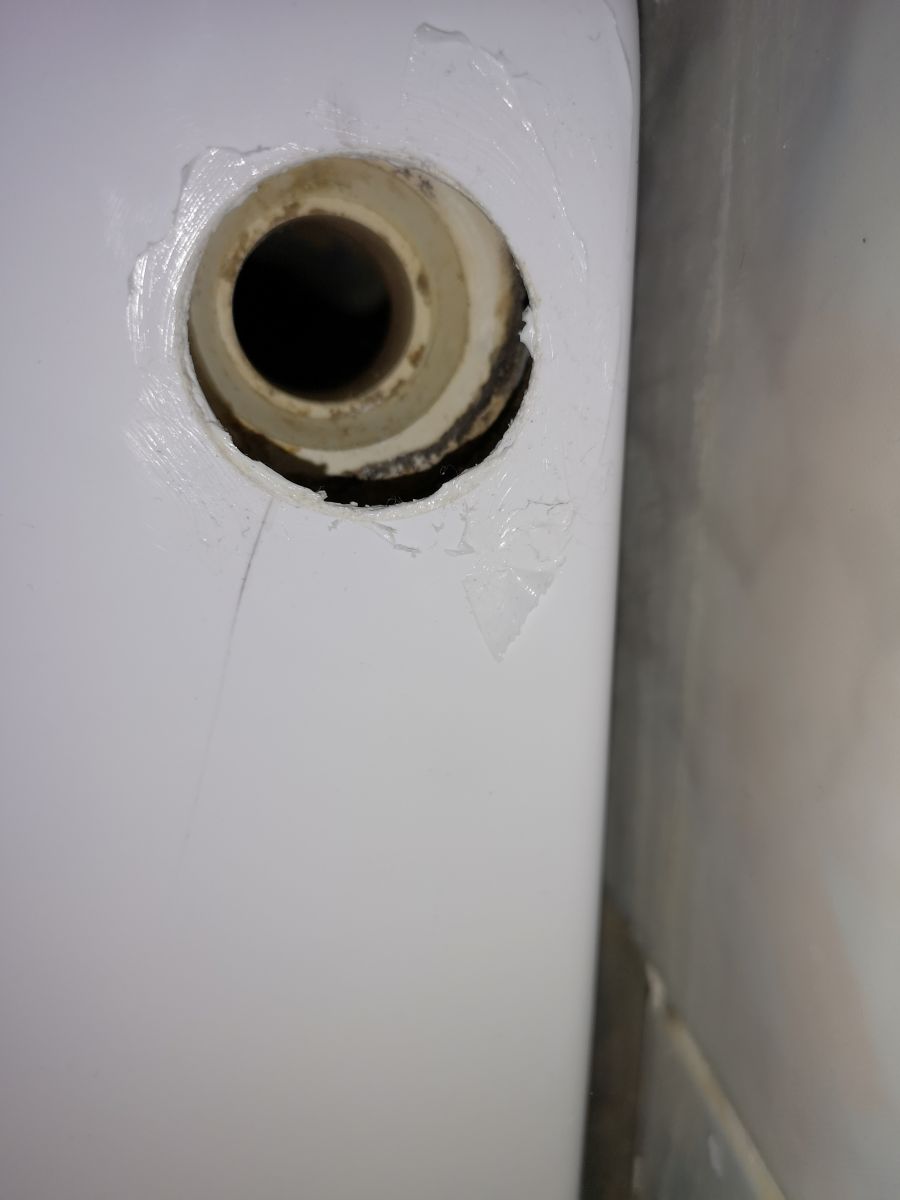
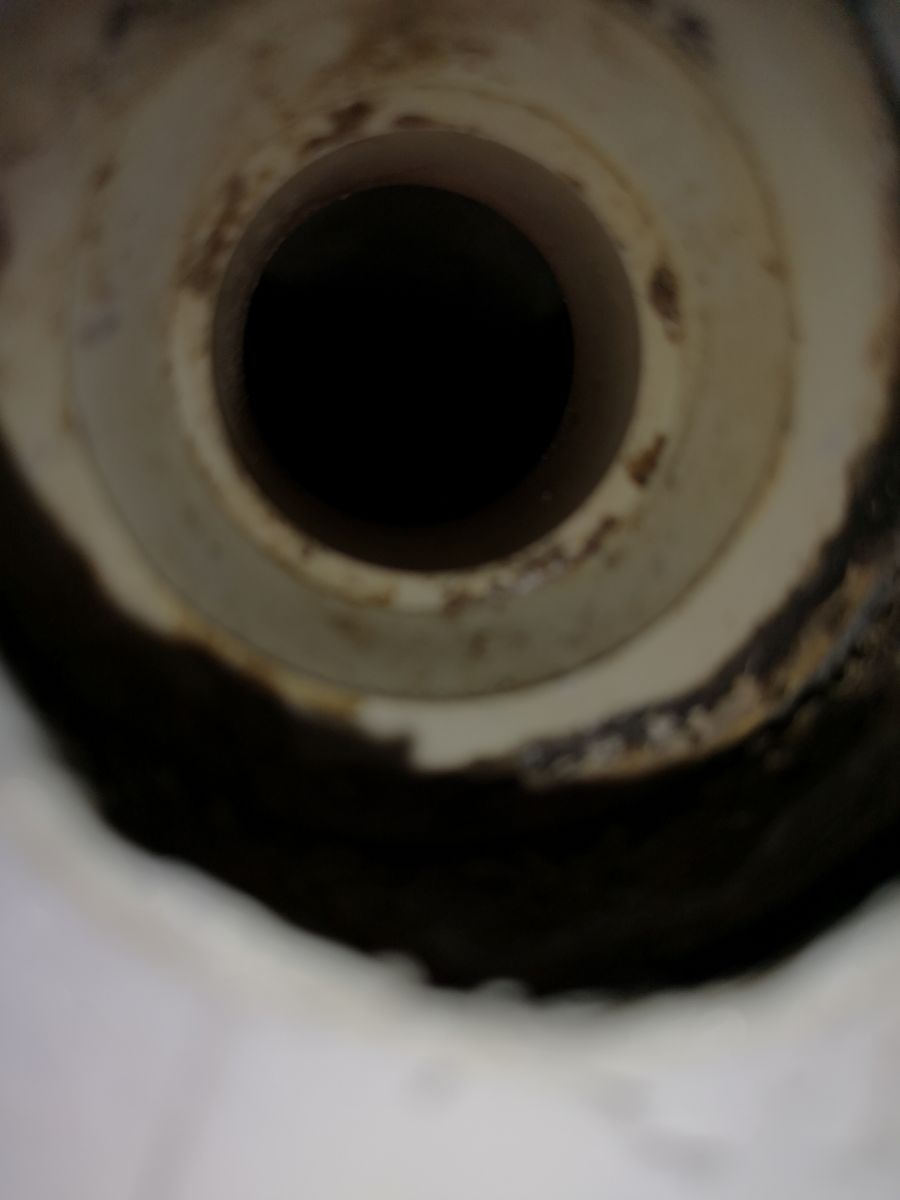
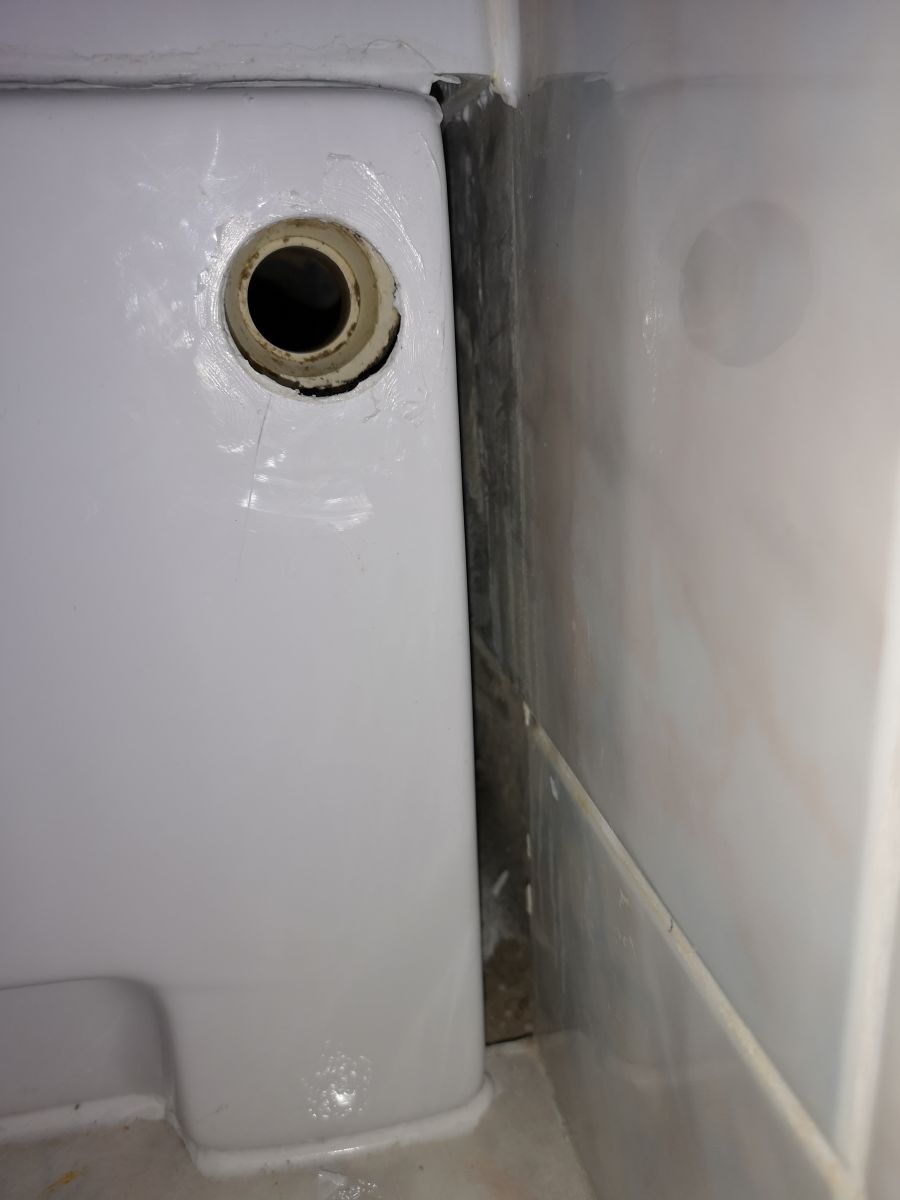
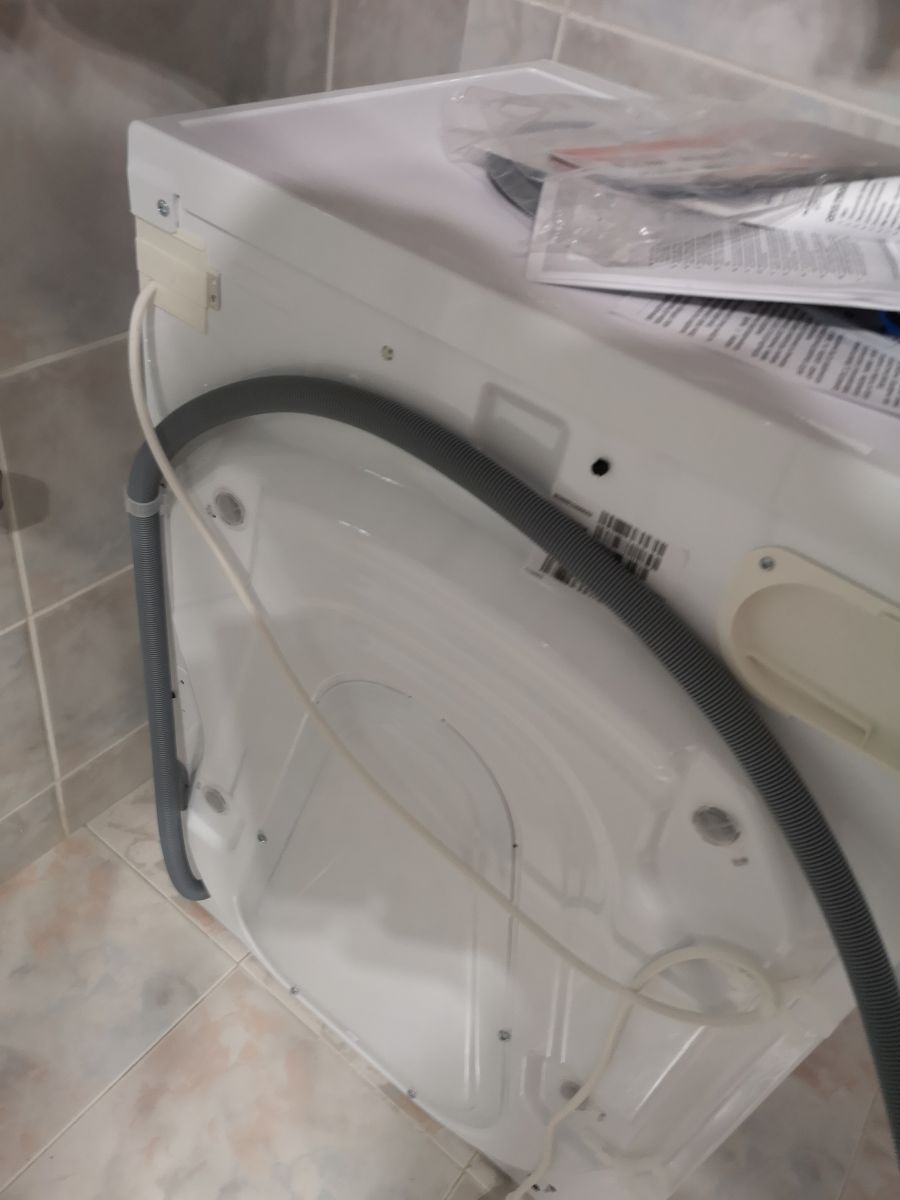
    Hello, I have a problem with the drain from the washing machine, I moved into an apartment and the drain from the washing machine is probably connected to the shower, I have a hole for the drain in the shower tray practically on the ground and the question is whether such a connection will be OK or whether it will not drain water. I would have the drain next to the washing machine on the highest hook, and then it goes practically to the ground (an inverted "U")


    appearance similar to picture no. 2/5 https://obrazki.elektroda.pl/11_1284637226.gif

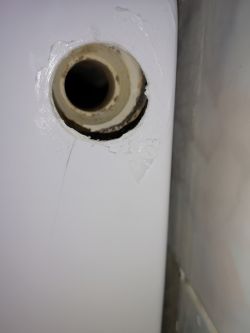
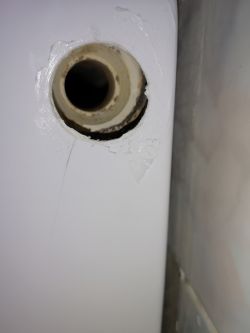
    DRAIN IN SHOWER TRAY BELOW.


    Added after 7 [minutes]:

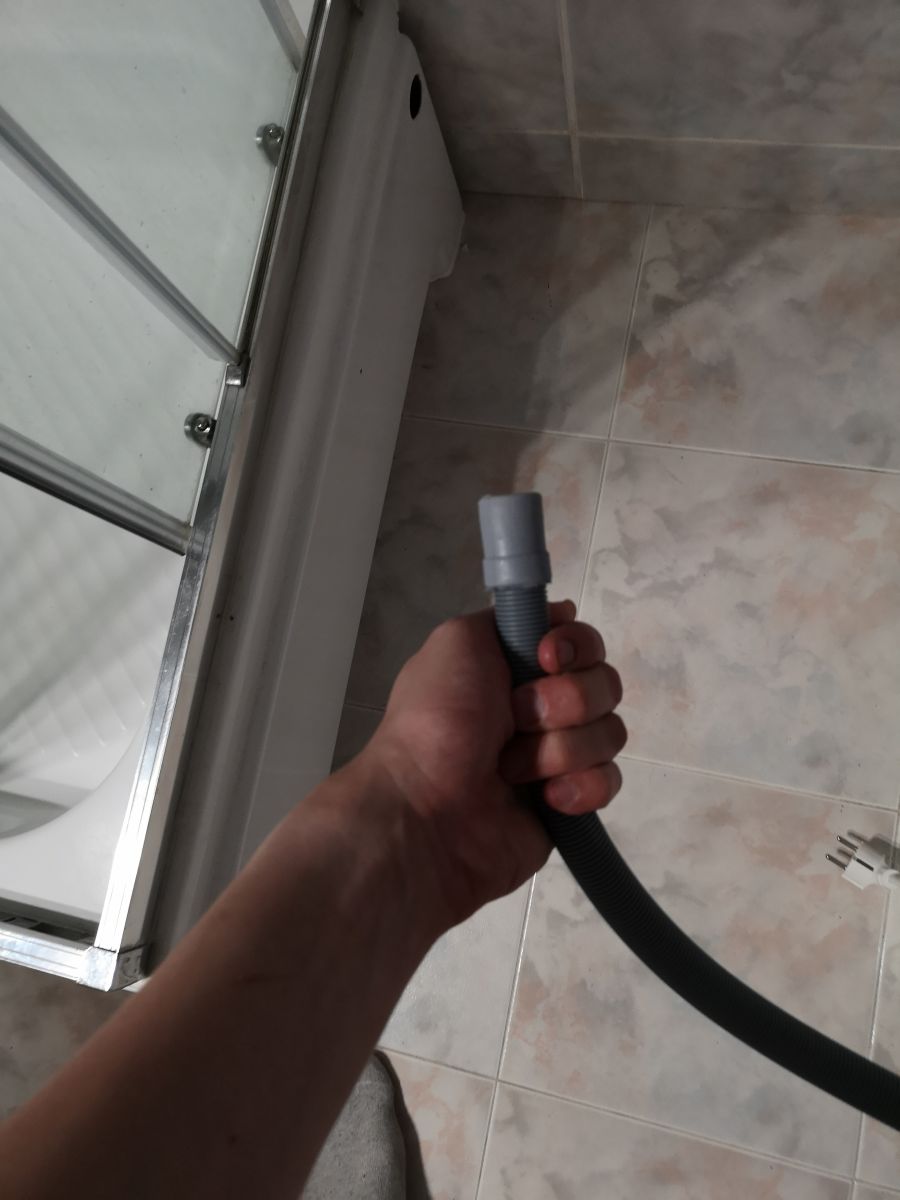
    Washing machine drain connection - Washing machine drain problem Washing machine drain connection - Washing machine drain problem Washing machine drain connection - Washing machine drain problem [img-1]
  • ADVERTISEMENT
  • #3 18835176
    kecajk49
    Level 38  
    The first wash cycle will go without a problem, but then eggs will start to form and you will waste a lot of water!
  • ADVERTISEMENT
  • #4 18835195
    mattyy
    Level 5  
    Washing machine drain connection - Washing machine drain problem

    This is what I`m afraid of, that a lot of water will escape, I have the drain hose from the washing machine as above, but the water drain is at the ground.

    Added after 49 [minutes]:

    After talking to a plumber friend, he said that it would be best if the washing machine hose was suspended on hooks above the drum, and the drain hose into the sewer could lie on the ground.
  • ADVERTISEMENT
  • #5 18835309
    kecajk49
    Level 38  
    This plumber`s advice is nonsense! You will find out during washing, just watch how it wastes water. The wash will finish, and if you start with the first one, the main wash will be done in the remaining powder.
  • #6 18835334
    mattyy
    Level 5  
    kecajk49 wrote:
    This plumber`s advice is nonsense! You will find out during washing, just watch how it wastes water. The wash will finish, and if you start with the first one, the main wash will be done in the remaining powder.


    What kind of connector would I install at a height of 50 cm?
  • #7 18835372
    kecajk49
    Level 38  
    Ok, but with access to air!
  • #8 18835378
    Mierzejewski46
    Level 37  
    The plumber`s advice is good. There is no way water will leak from the washing machine. Gentlemen. For this to happen, there had to be water in the hose, in the entire hose, and it would normally not be there. The water comes up to about half the height of the washing machine. I have a drain in the floor and nothing escapes me. Mercy.
    It just has to be suspended as in the photo.
  • ADVERTISEMENT
  • #9 18835393
    Sebastian_M26
    Level 30  
    kecajk49 wrote:
    This plumber`s advice is nonsense! You will find out during washing, just watch how it wastes water. The wash will finish, and if you start with the first one, the main wash will be done in the remaining powder.

    How does a siphon work? In new houses and after renovation, drains are made low, and washing machine manufacturers or those installing the washing machine ensure the appropriate height.
  • #10 18835394
    Anonymous
    Level 1  
  • #11 18835405
    Mierzejewski46
    Level 37  
    This lever also sucks. I flooded the laundry room twice because of a crappy washing machine. If the pump does not pump out, not much will leak out, despite the lever. But now I have a new one. Bosch😁
  • #12 18835431
    wojtek1234321
    Level 36  
    It`s not the plumber`s advice that`s nonsense, it`s your speculations that are nonsense.
  • #13 18835435
    kecajk49
    Level 38  
    Read with understanding, unfortunately I won`t teach you this.
  • #14 18835451
    Anonymous
    Level 1  
  • #15 18835468
    mattyy
    Level 5  
    So I can make the drain hose on the washing machine as in the photo above, i.e. at the top above the drum, and the drain to the tub can go through the ground?
  • #16 18835474
    Anonymous
    Level 1  
  • #17 18835676
    mattyy
    Level 5  
    Guys, the diameter of the drain into the sewer is smaller than the diameter of the hose, I can`t insert it...
  • #18 18835696
    Anonymous
    Level 1  
  • #19 18835701
    Mierzejewski46
    Level 37  
    mattyy wrote:
    Guys, the diameter of the drain into the sewer is smaller than the diameter of the hose, I can`t insert it...

    Ooooh. :not:
    Is this your first time doing this? :roll:
  • #21 18835733
    Tommy82
    Level 41  
    Try increasing the glide.
  • #22 18835750
    Anonymous
    Level 1  
  • #23 18835761
    Mierzejewski46
    Level 37  
    Tommy82 wrote:
    Try increasing the glide.

    True. Lubricant would do the trick. But it also tends to fall out after using it... It goes in and out easily.
  • #24 18835777
    Tommy82
    Level 41  
    If it goes into the corrugated one, it will hold.
  • #25 18835785
    Mierzejewski46
    Level 37  
    Tommy82 wrote:
    If it goes into the corrugated one, it will hold.

    True. It will get stuck on the hat.
  • #26 18835797
    mattyy
    Level 5  
    New apartment, otherwise there are drains and I didn`t get the right information from the owners... I`ll keep trying, guys, thank you very much for your help ❤️❤️
  • #27 18835808
    kecajk49
    Level 38  
    The pipe into which water from the hose is to flow must have a larger diameter than the hose, and not be pressed and sealed. Because it will become an extension of it with all the consequences in the form of wastage of water and detergent, i.e. washing efficiency.
  • #28 18835823
    Anonymous
    Level 1  
  • #29 18838378
    mattyy
    Level 5  
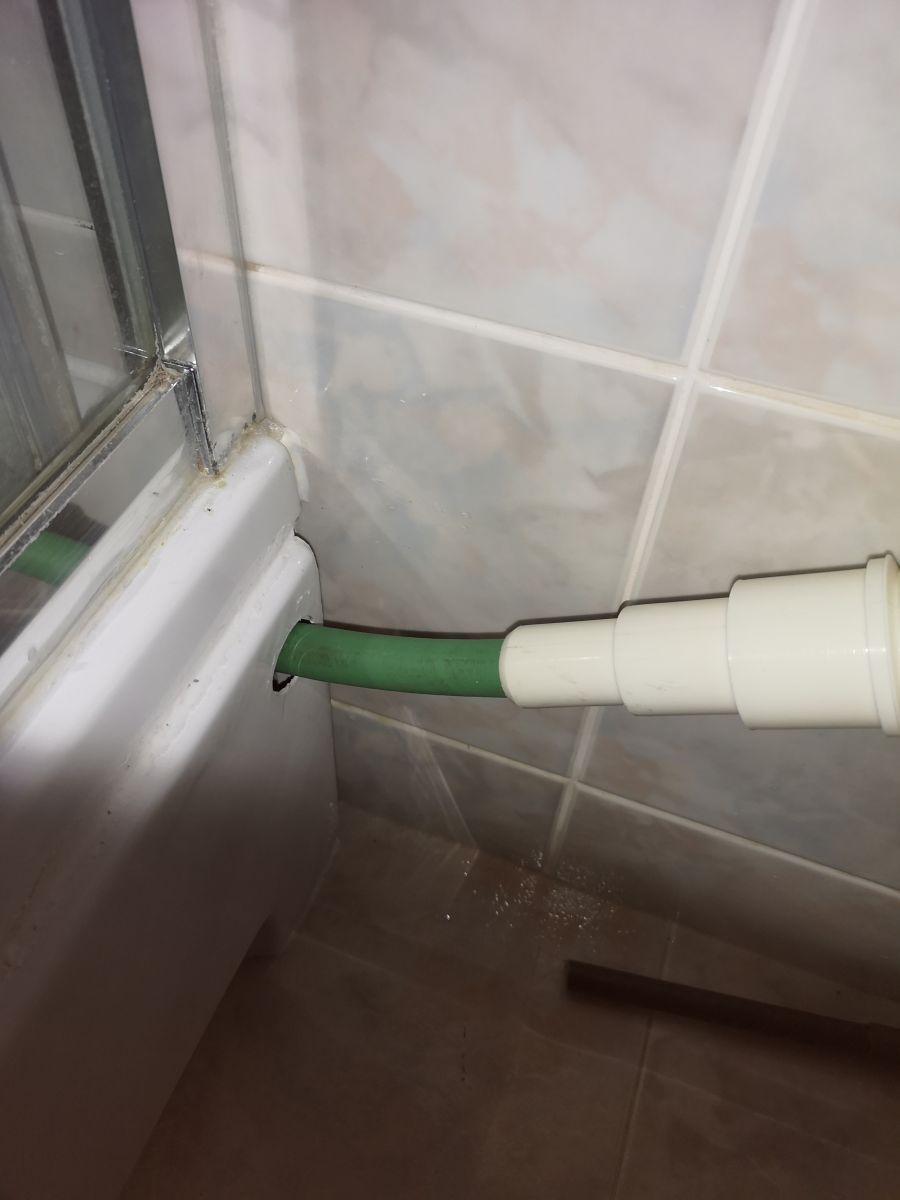
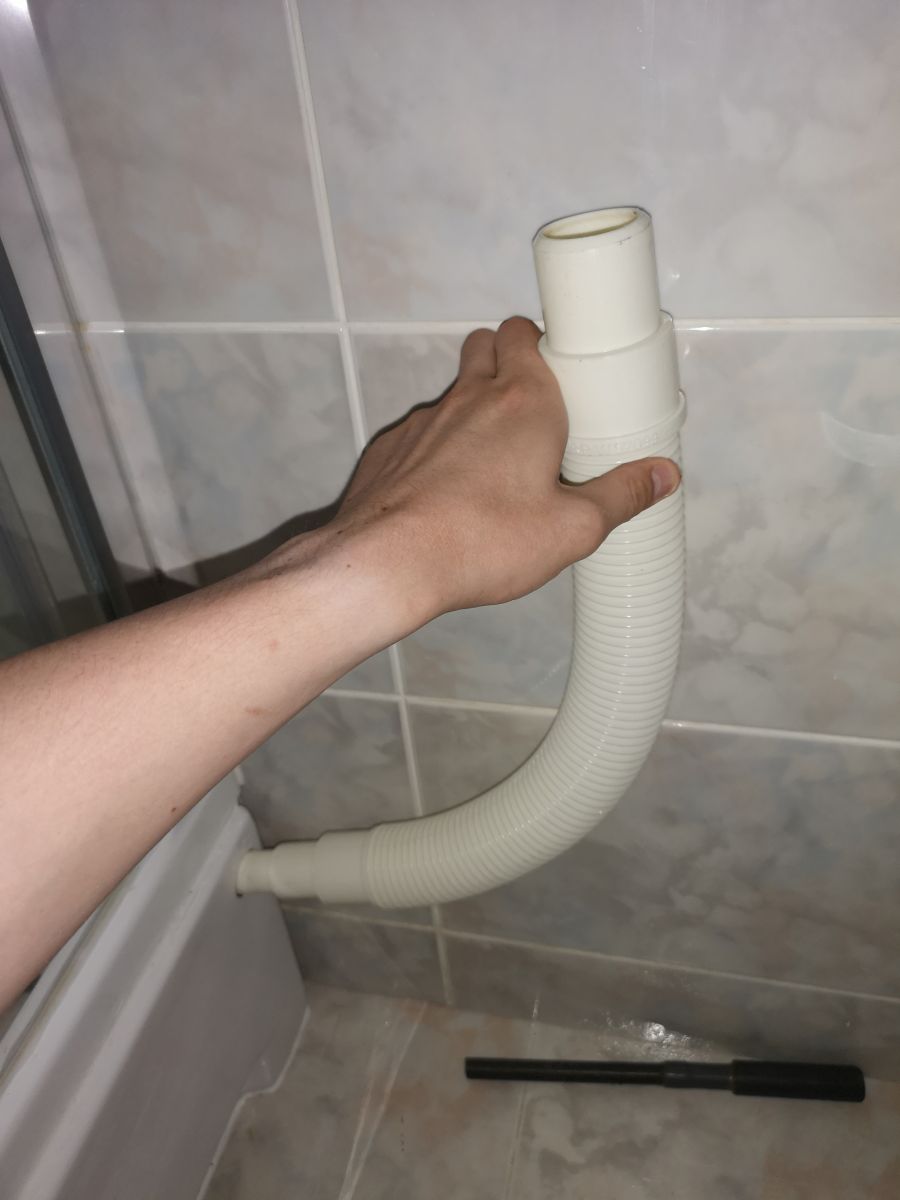
    Guys, I came up with something like this, I put a hose that fits almost perfectly into the drain, I connected the hose to the pipe and the 50 goes up, it will be attached to the wall. Will he pass the exam?

    Washing machine drain connection - Washing machine drain problem Washing machine drain connection - Washing machine drain problem
  • #30 18838391
    wojtek1234321
    Level 36  
    If it doesn`t leak at the joints, it may pass the test. Apart from the fact that it may be a bit of a nuisance on the wall and look nasty, and maybe "stinks" from the septic tank may escape through this pipe...

Topic summary

✨ The discussion revolves around a user's concern regarding the drainage setup for a washing machine connected to a shower drain in a new apartment. The user describes a potential issue with the drain hose configuration, which resembles an inverted "U" shape, leading to concerns about water drainage efficiency. Responses highlight differing opinions on the effectiveness of the setup, with some suggesting that the hose should be suspended above the washing machine drum to prevent water wastage, while others argue that proper drainage can still occur if the hose is correctly positioned. The importance of ensuring that the drain pipe's diameter is larger than the washing machine hose to avoid leaks and maintain washing efficiency is emphasized. Various solutions and modifications are proposed, including the use of adapters and ensuring proper sealing at connections to prevent backflow and odors.
Generated by the language model.

FAQ

TL;DR: 83 % of washer manuals call for a 60–90 cm drain-loop apex [Consumer Reports, 2022]. “Make the hose’s apex higher than the water line” [Elektroda, Mierzejewski46, post #18835378] This stops siphoning, wasted water and smells when you tie a washer into a floor-level shower drain. Why it matters: the right setup can save up to 50 L each wash cycle.

Quick Facts

• Drain hose Ø: 21–23 mm outer, 17 mm inner [LG Manual, 2023] • Standpipe Ø: ≥30 mm internal for free airflow [Bosch Install, 2023] • Loop height range: 60 – 100 cm above floor [Samsung Guide, 2023] • Pump head limit: 1.2 m vertical lift [Whirlpool Spec, 2022] • Siphon fault can waste 40 L water per cycle [WaterWise Study, 2021]

Can I run a washing-machine drain directly into a floor-level shower trap?

Yes, if the hose forms an inverted “U” 60–90 cm high before dropping to the trap. The loop keeps the pump from self-siphoning [Elektroda, Mierzejewski46, post #18835378] Without the loop, water and detergent can drain during every fill, wasting up to 40 L per cycle [WaterWise Study, 2021].

What height should the highest point of the drain hose reach?

Keep the apex between 60 cm and 100 cm above the floor. Below 60 cm siphoning may start; above 100 cm many pumps cannot lift water efficiently [Samsung Guide, 2023].

Why must the hose not be sealed tightly inside the shower drain?

A tight seal turns the standpipe into an extension of the hose, eliminating the air gap that breaks siphon action. Users on the forum report water loss and poor rinsing when the hose is wedged airtight [Elektroda, kecajk49, post #18835808]

What connector can I fit at roughly 50 cm height?

Install a 40 mm PVC standpipe with a swept tee into the shower’s waste line, then clamp the washer hose into the standpipe inlet 50 cm high. This matches common European fittings and leaves an air gap [Bosch Install, 2023].

My drain opening is smaller than the hose. How do I adapt it?

Use a stepped rubber reducer (19 → 32 mm) or a short 20 mm PEX stub as a sleeve, then push it into the trap so the hose slides over it [Elektroda, Anonymous, post #18835696] Ensure the reducer is not airtight to maintain airflow.

Will a low drain increase water or detergent use?

Yes. Continuous siphon can empty half the drum during each fill, forcing the washer to add extra 5–10 L per refill and diluting detergent [Elektroda, kecajk49, post #18835176]

Could odors rise through the open standpipe?

Odors stay blocked if the shower trap holds water. Keep the trap primed; pour 0.5 L monthly if the shower is unused [Plumbing Code FAQ, 2022].

What diameter difference prevents the siphon effect?

Leave at least a 7 mm gap between hose OD and standpipe ID (e.g., 23 mm hose in 30 mm pipe). The air gap breaks vacuum [Bosch Install, 2023].

Edge case: What happens if the drain pump fails with a floor-level connection?

Water will barely seep out because gravity flow is limited by the loop height. However, users have reported minor laundry-room flooding when hoses slip from shallow traps [Elektroda, Mierzejewski46, post #18835405]

How do I secure the hose so it won’t pop out?

  1. Clip the hose to a wall bracket above the drum.
  2. Insert the end 10 cm into the standpipe.
  3. Tie a zip-tie loop around hose and bracket. This withstands typical pump surge of 0.4 bar [Whirlpool Spec, 2022].

Is installing a proper standpipe expensive?

In the EU, a 40 mm PVC standpipe kit costs €12–€18, and a plumber charges about €50 for a one-hour install [HomeCost Survey, 2023].
Generated by the language model.
ADVERTISEMENT