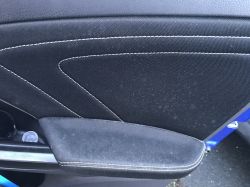
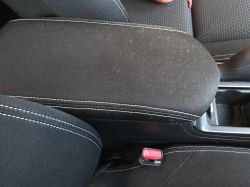
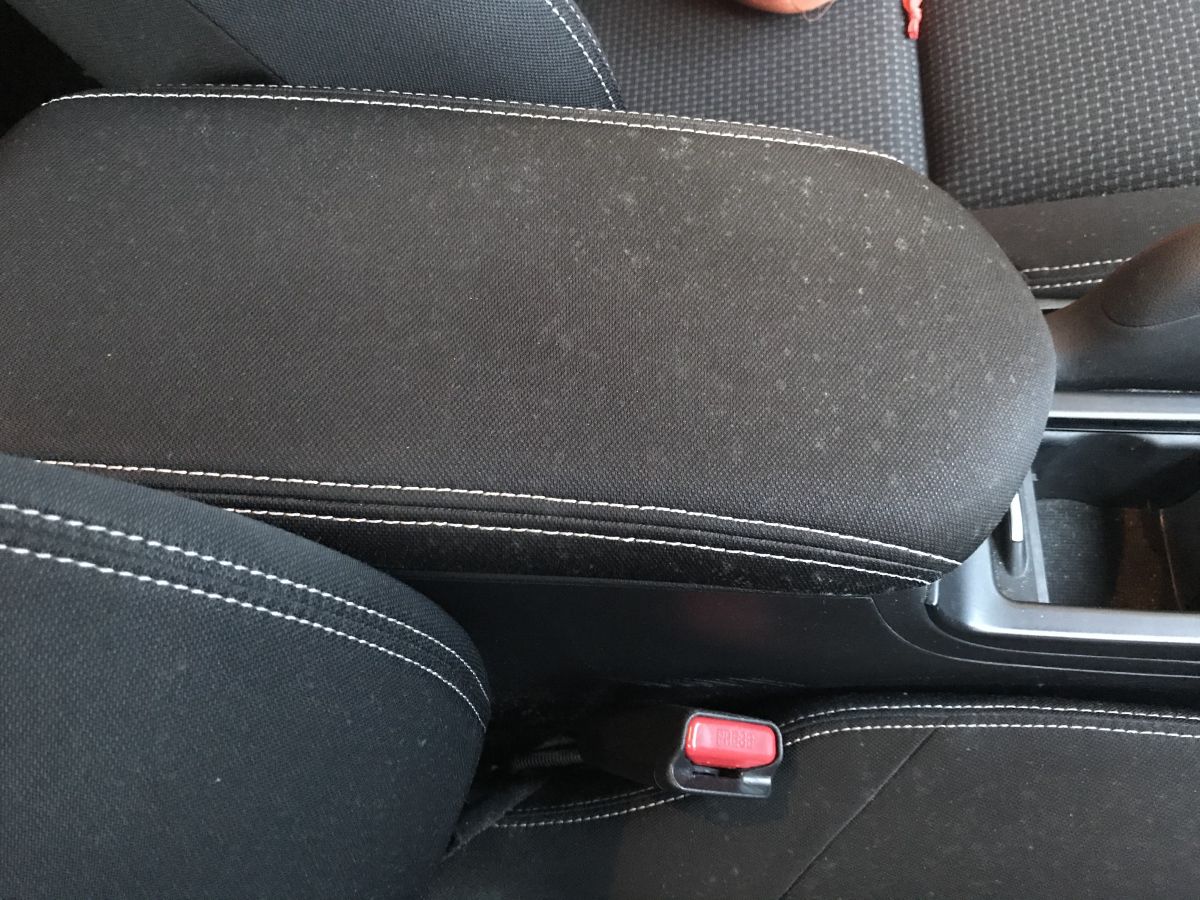
What to do for it? Pulling up the current in order to heat with a thermowell is not a problem.
Czy wolisz polską wersję strony elektroda?
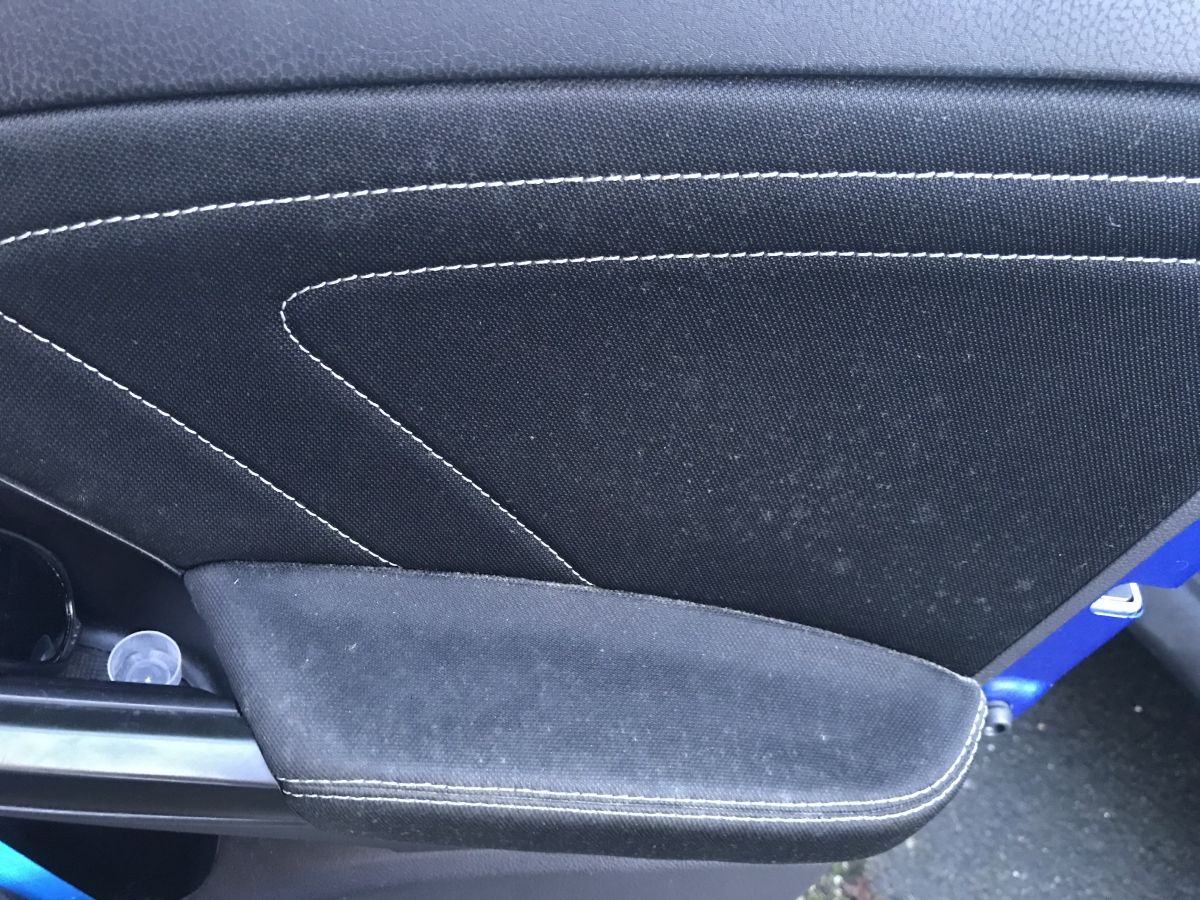
Nie, dziękuję Przekieruj mnie tamMegawe wrote:In Denmark, you lock the car and after a month your seats are moldy.
Cars and construction equipment from seaside regions are not bought.
viayner wrote:If there are "outbreaks" of fungi, the whole car is in spores
sunrise84 wrote:So in order for such a mold to appear in this water, it had to be really a lot, it was impossible to open the door for a few moments and then close the car for 4 months to cause such an effect.
You would have to pour a bucket of water there ...
TL;DR: Up to 90 % of car-mold starts after 48 h at >60 % humidity [CDC, 2020]; “Heat, ventilate, then treat” says detailer K. Novak [DetailingGuide, 2021]. Raising cabin to 40 °C and wiping with vinegar cleared spots [Elektroda, sanfran, post #19214811] Ozone or desiccant keeps spores from regrowing.
Why it matters: Rapid, low-cost action prevents upholstery stains, health risks and expensive interior replacement.
• 35–45 °C interior temperature dries fabric 2× faster than ambient air [ASHRAE, 2019] • 1:1 white-vinegar solution neutralises ≈ 82 % mold species on leather & cloth [Journal of Fungus Control, 2020] • 10 g calcium-chloride tub absorbs ≈ 60 ml water before saturation [DryBox Datasheet, 2021] • Portable ozone unit (10 000 mg/h) achieves 99 % fungal kill in 2 h at 3 ppm [EPA, 2020] • Professional mold-removal detail in EU: €120–€250 depending on vehicle size [AutoDetail Price Index, 2022]