logo elektroda
logo elektroda
X
logo elektroda

[Solved] Connecting staircase switches: instructions and diagram for a 3-wire cable

cmik21 18402 19
Best answers

How do I wire two staircase switches using the existing power, lamp, and inter-switch cables?

You can’t make a standard staircase-switch setup work with the described wiring as it stands; first you need to identify which cable is the supply, which goes to the lamp, and which goes to the second switch [#19589440] The solution suggested for the existing installation was to use a bistable relay, for example a Zamel unit, together with two monostable bell pushbuttons instead of ordinary staircase switches [#19591013]
Generated by the language model.
ADVERTISEMENT
Treść została przetłumaczona polish » english Zobacz oryginalną wersję tematu
  • #1 19589412
    cmik21
    Level 9  
    Posts: 22
    Rate: 10
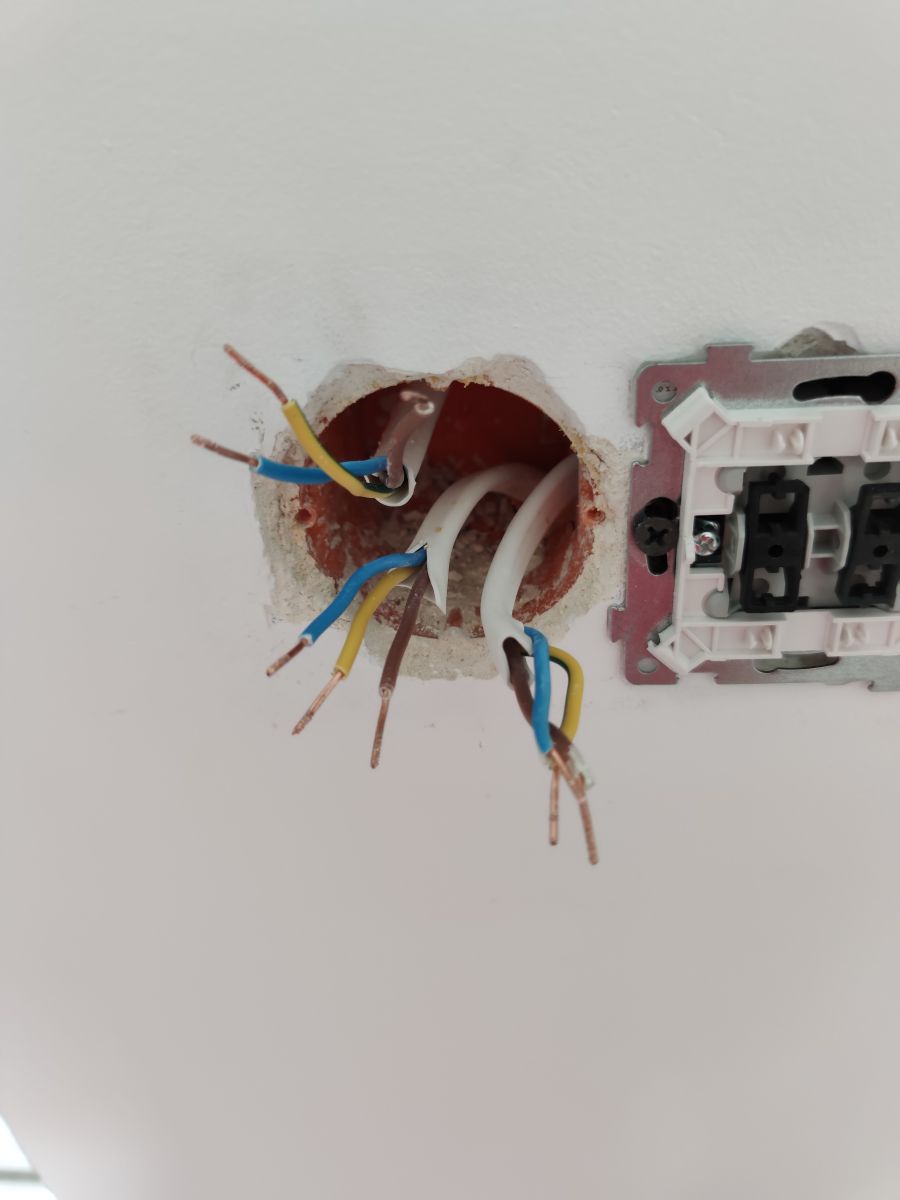
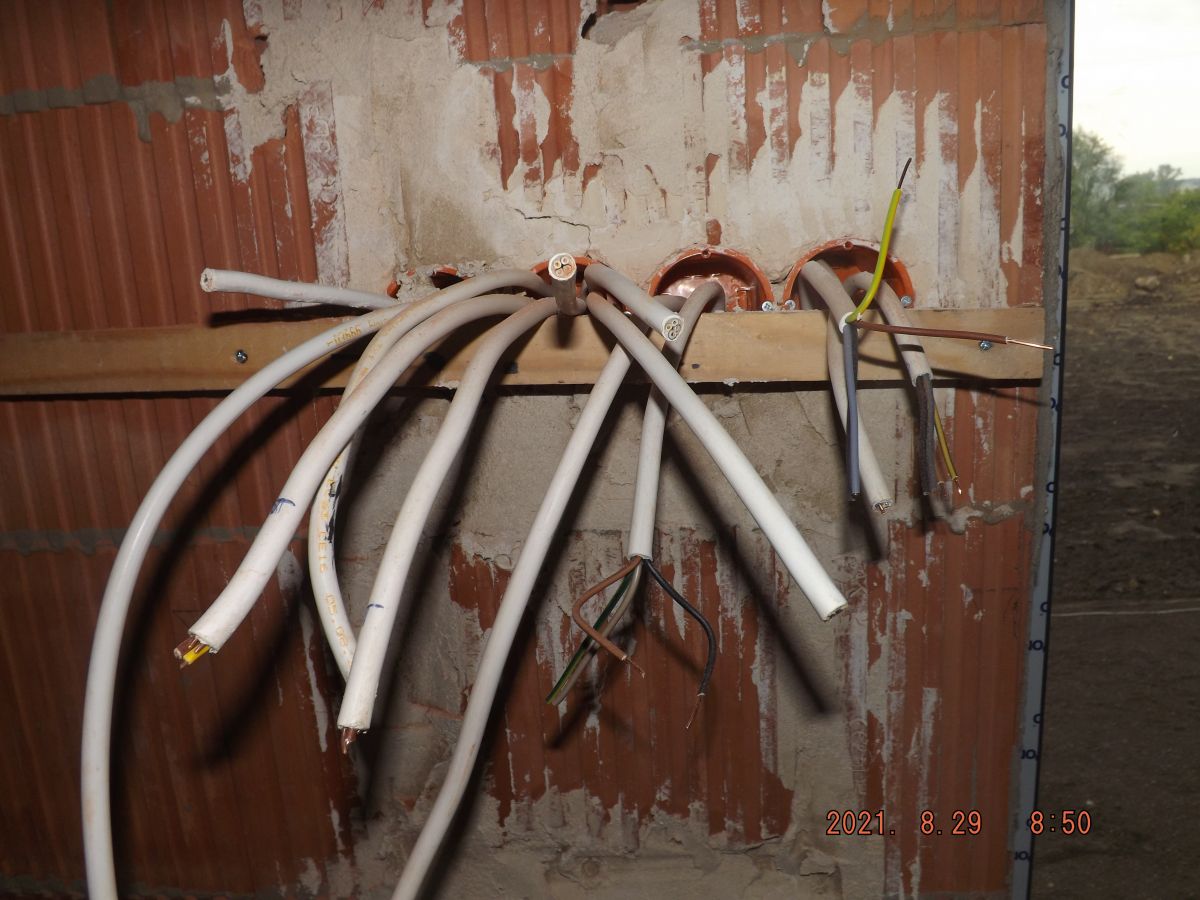
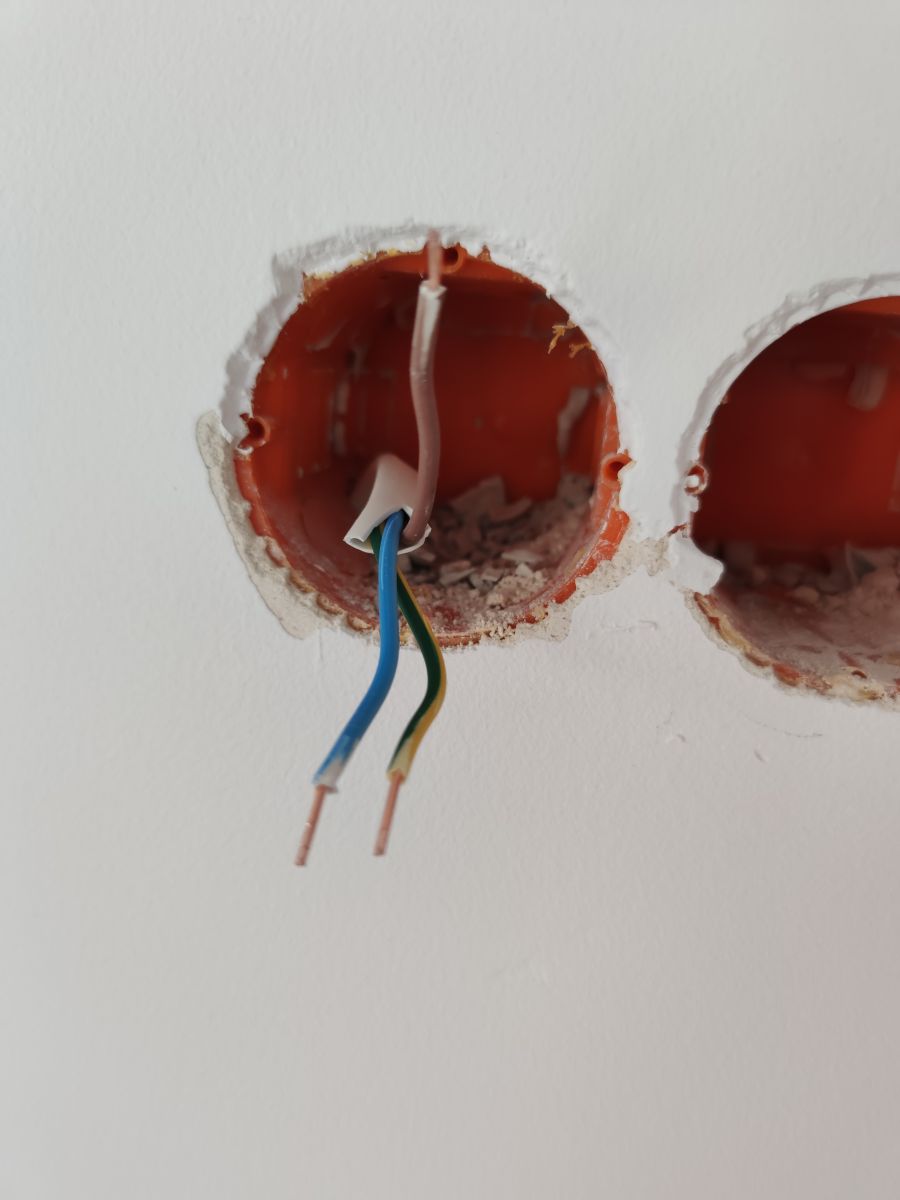
    Hello, how to connect staircase switches? One box comes with a power cable, a lamp cable and a cable from the second plug. How to connect it to make it work? And in the second box there is a cable from the first box to the switch.
    Connecting staircase switches: instructions and diagram for a 3-wire cable
  • ADVERTISEMENT
  • #2 19589418
    stanislaw1954
    Level 43  
    Posts: 15103
    Help: 1994
    Rate: 4601
    cmik21 wrote:
    cable from the second plug.
    What`s this?
  • #3 19589420
    cmik21
    Level 9  
    Posts: 22
    Rate: 10
    It's about the second switch
    Connecting staircase switches: instructions and diagram for a 3-wire cable
  • #4 19589424
    elpapiotr
    Electrician specialist
    Posts: 12200
    Help: 1013
    Rate: 3512
    Firstly - an error in art, secondly - there are plenty of diagrams of stair connectors and ways of connecting them on the Internet.
  • #5 19589431
    cmik21
    Level 9  
    Posts: 22
    Rate: 10
    Malpractice? So what?
  • #6 19589433
    stanislaw1954
    Level 43  
    Posts: 15103
    Help: 1994
    Rate: 4601
    There should be no yellow-green wires in the wires between the switches (because this is the color of the protective wire and it should only be used for this purpose) and blue wires (which is dedicated as the N wire). You can find the "staircase" connection system on Goggles.
  • ADVERTISEMENT
  • #7 19589437
    cmik21
    Level 9  
    Posts: 22
    Rate: 10
    Can this be combined into stair lighting? From what is?
  • ADVERTISEMENT
  • Helpful post
    #8 19589440
    Tadek67
    Level 15  
    Posts: 44
    Help: 15
    Rate: 24
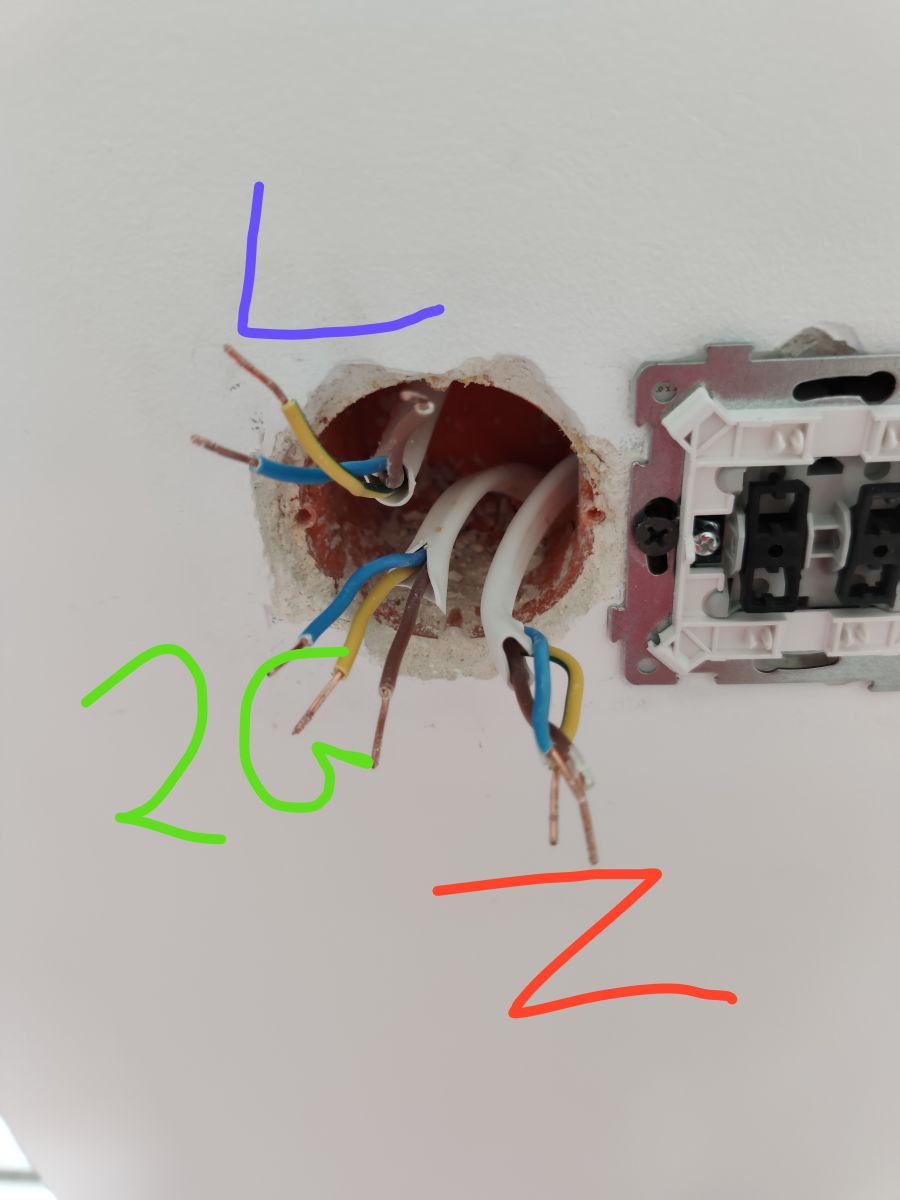
    You need to determine /mark in the photo/ which wire is the power supply, which is for the bulb or for the second connector
  • #9 19589453
    zbich70
    Level 43  
    Posts: 17126
    Help: 1169
    Rate: 6582
    stanislaw1954 wrote:
    There should be no yellow-green wires in the wires between the switches (because this is the color of the protective wire and it should only be used for this purpose) and blue wires (which is dedicated as a wire
    To be more precise, they should be apart from three working conductors, i.e. a five-core cable.
  • #10 19589466
    cmik21
    Level 9  
    Posts: 22
    Rate: 10
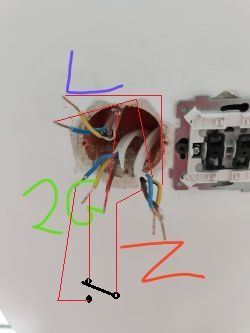
    Z- power supply
    2g - second socket
    L- lamp
    Connecting staircase switches: instructions and diagram for a 3-wire cable
  • #11 19589478
    elpapiotr
    Electrician specialist
    Posts: 12200
    Help: 1013
    Rate: 3512
    zbich70 wrote:
    stanislaw1954 wrote:
    There should be no yellow-green wires in the wires between the switches (because this is the color of the protective wire and it should only be used for this purpose) and blue wires (which is dedicated as a wire
    To be more precise, they should be apart from three working wires, i.e. a five-core cable.

    There. 4 wires will be enough.
    Like here:
    Connecting staircase switches: instructions and diagram for a 3-wire cable

    From left :
    - single connector
    - double cross + lamp/chandelier
    - cross
    - cross
    Of course, on "both sides" there are stairs (also double), power supply, lamps, etc.
    Three lamps (including one chandelier) can be controlled from three different places.
    What fun :D
  • #12 19589488
    cmik21
    Level 9  
    Posts: 22
    Rate: 10
    Can`t anything be done with what I have?
  • ADVERTISEMENT
  • Helpful post
    #13 19589518
    Tadek67
    Level 15  
    Posts: 44
    Help: 15
    Rate: 24
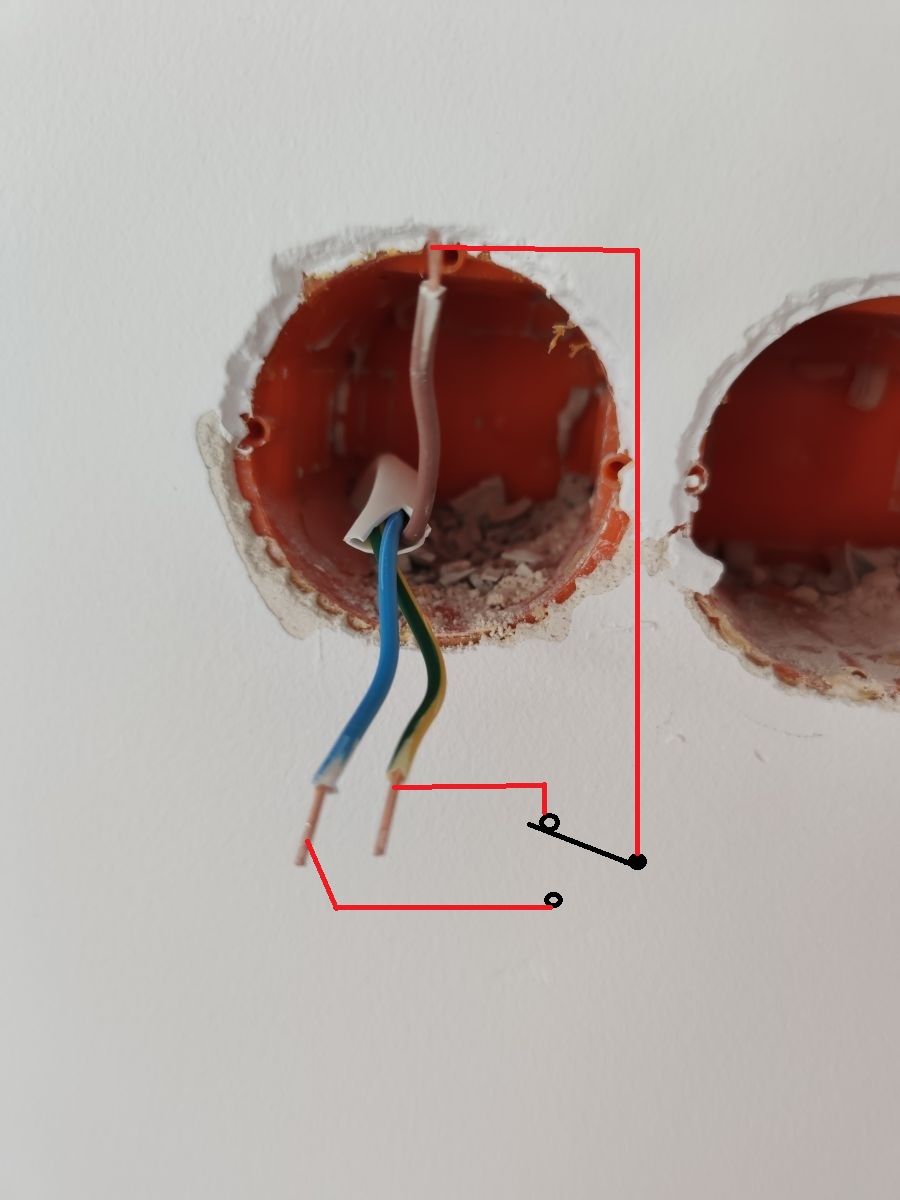
    Connecting staircase switches: instructions and diagram for a 3-wire cable Connecting staircase switches: instructions and diagram for a 3-wire cable
  • #14 19589533
    zbich70
    Level 43  
    Posts: 17126
    Help: 1169
    Rate: 6582
    Tadek67, add a comment on how to mask this botchiness, using a marker or heat shrink. :|
  • Helpful post
    #15 19589559
    Tadek67
    Level 15  
    Posts: 44
    Help: 15
    Rate: 24
    zbich70. Right, but what is he supposed to do? Rip out the wires? Man wanted to cope with what he had.
  • #16 19589566
    zbich70
    Level 43  
    Posts: 17126
    Help: 1169
    Rate: 6582
    Tadek67 wrote:
    Man wanted to cope with what he had.
    Either he botched it himself or some pseudo-electrician did it. It`s worth at least threatening someone like this with replacing the cable at his expense.
    And on the forum you need to condemn bungling and pay attention to reserved vein colors.
  • #17 19589579
    cmik21
    Level 9  
    Posts: 22
    Rate: 10
    Thank you Co Tadek, I bought such an apartment and a pseudo-electrician from the developer laid the cables. Thank you again.
  • #18 19591013
    piwko
    Level 25  
    Posts: 527
    Help: 87
    Rate: 213
    cmik21 wrote:
    Can`t anything be done with what I have?

    It`s not. A bistable relay, e.g. Zamel, and two monostable so-called bell switches.
  • #19 19591671
    xray81
    Level 22  
    Posts: 502
    Help: 37
    Rate: 73
    Wait, were there really supposed to be staircase switches in the plans? Or is this your imagination?
  • #20 19592093
    cmik21
    Level 9  
    Posts: 22
    Rate: 10
    Yes. My imagination. Is there any contact on the stairs? I've already got it sorted. Topic to be closed.

    Added after 42 [seconds]:

    Tadek67 helped me.

Topic summary

✨ The discussion revolves around connecting staircase switches using a 3-wire cable setup. The original poster seeks guidance on wiring, mentioning a power cable, a lamp cable, and a cable from a second switch. Responses highlight the importance of correctly identifying wire functions, emphasizing that yellow-green wires should not be used between switches, as they are reserved for protective grounding. Diagrams and examples are shared to illustrate proper connections, with suggestions for using a five-core cable for more complex setups. The conversation also touches on issues with previous wiring done by a developer's electrician, leading to a resolution where the original poster confirms they have sorted the issue with assistance from the community.
Generated by the language model.

FAQ

TL;DR: Two-way (staircase) control needs 3 working conductors; "There. 4 wires will be enough." Use 5‑core to include PE and N; if your 3‑core includes blue or yellow‑green, use a bistable relay with bell pushes instead. [Elektroda, elpapiotr, post #19589478]

Why it matters: This helps DIYers and renovators wire safe, compliant staircase switches or choose a clean workaround when cabling is wrong.
Quick Facts

How do I wire two staircase switches with supply, lamp, and a cable to the second switch?

Use two SPDT staircase switches and two traveler conductors between them. Keep neutral and PE out of the switches. How‑To: 1. Label supply (Z), lamp (L), and interconnect. 2. Connect supply L to COM on switch A; link A’s two travelers to B’s two travelers. 3. Connect COM on switch B to the lamp’s switched line; join neutrals and PEs together, not to the switches. [Elektroda, Tadek67, post #19589518]

Which conductor colors are allowed between switches?

Do not use yellow‑green (PE) or blue (N) as travelers. Those colors are reserved and must keep their functions. Use phase‑colored cores for travelers only. If your interconnect includes blue or yellow‑green, change the cable or use a relay solution. [Elektroda, stanislaw1954, post #19589433]

What cable should run between switch boxes to stay compliant and flexible?

Run a five‑core cable between the boxes. That provides three working conductors plus neutral and protective earth. It aligns with good practice and avoids misusing reserved colors during two‑way wiring or later changes. [Elektroda, zbich70, post #19589453]

I only have a 3‑core between boxes; can I still get two‑way control?

Yes—use a central bistable relay with two momentary bell switches. “A bistable relay, e.g., Zamel, and two monostable so‑called bell switches.” Each press toggles the light, so color limits no longer block you. [Elektroda, piwko, post #19591013]

How do I identify supply, lamp, and interconnect safely?

Before any connections, determine which cable is the power feed, which goes to the lamp, and which links to the other box. Mark them clearly. This prevents mistakes and simplifies correct two‑way wiring. [Elektroda, Tadek67, post #19589440]

Can I re‑mark blue or yellow‑green to use as live?

Never repurpose yellow‑green. Blue should remain neutral. Masking with markers or heat‑shrink is called bungling and should be condemned. Replace the cable or adopt a relay approach to stay safe and consistent. [Elektroda, zbich70, post #19589566]

What goes wrong if I wire colors incorrectly?

Using blue or yellow‑green as live misleads future work. It increases shock risk and violates color‑code rules. Keep travelers on phase‑colored cores and reserve blue and yellow‑green for neutral and PE only. [Elektroda, stanislaw1954, post #19589433]

How can I control multiple lamps from multiple places?

Combine two‑way and intermediate (cross) switches. Example: two staircase switches with cross switches between them. Statistic: three lamps can be controlled from three places as shown in the shared setup. [Elektroda, elpapiotr, post #19589478]

Is using markers or heat‑shrink an acceptable permanent fix?

You can mask miscolored cores with marker or heat‑shrink, but it remains a botch. It is not a compliant remedy. Replace cabling and respect reserved conductor colors for a lasting solution. [Elektroda, zbich70, post #19589533]

Developer installed the wrong cable—what recourse do I have?

Document the issue and request correction. Forum guidance suggests demanding or threatening replacement at the installer’s expense when reserved colors are misused. This motivates proper remediation. [Elektroda, zbich70, post #19589566]

Do you have a clear diagram for the standard two‑way connection?

Yes. Follow the diagram showing supply into switch A, two travelers to switch B, and the switched line from B to the lamp. It clarifies terminal roles and conductor paths. [Elektroda, Tadek67, post #19589518]

Why did someone call this layout an “error in art”?

Because the inter‑switch cable included cores reserved for PE and N. That violates good practice and complicates correct two‑way wiring of the staircase circuit. [Elektroda, elpapiotr, post #19589424]

Can anything be done without ripping out wires?

Yes. Install a bistable relay and use two bell‑push switches. This avoids abusing reserved colors and gives reliable two‑point control with limited cabling. [Elektroda, piwko, post #19591013]

Do I even need staircase switching here?

Verify your real need before rewiring. The original poster decided it was optional and closed the topic after finding a simpler solution. Confirm the use case first. [Elektroda, cmik21, post #19592093]
Generated by the language model.
ADVERTISEMENT