





Videotest: cordless/rechargeable soldering iron 10 W TK-USB
TL;DR 
- The TK-USB cordless/rechargeable soldering iron test checks whether a tiny 10 W tool can solder wires and goldpins, including lead and lead-free joints.
- It heats from 5 V charging input and offers three selectable temperature levels, with interchangeable tips TK-USB-K, TK-USB-C and TK-USB-B.
- Bought for PLN30, it needed about a minute to warm up before testing.
- Full-power tests with Sn60Pb40 and Sn99Cu1 solder succeeded on wires and goldpins, but larger parts and copper-heavy boards exposed weak heating power.
AI summary based on the discussion. May contain errors.
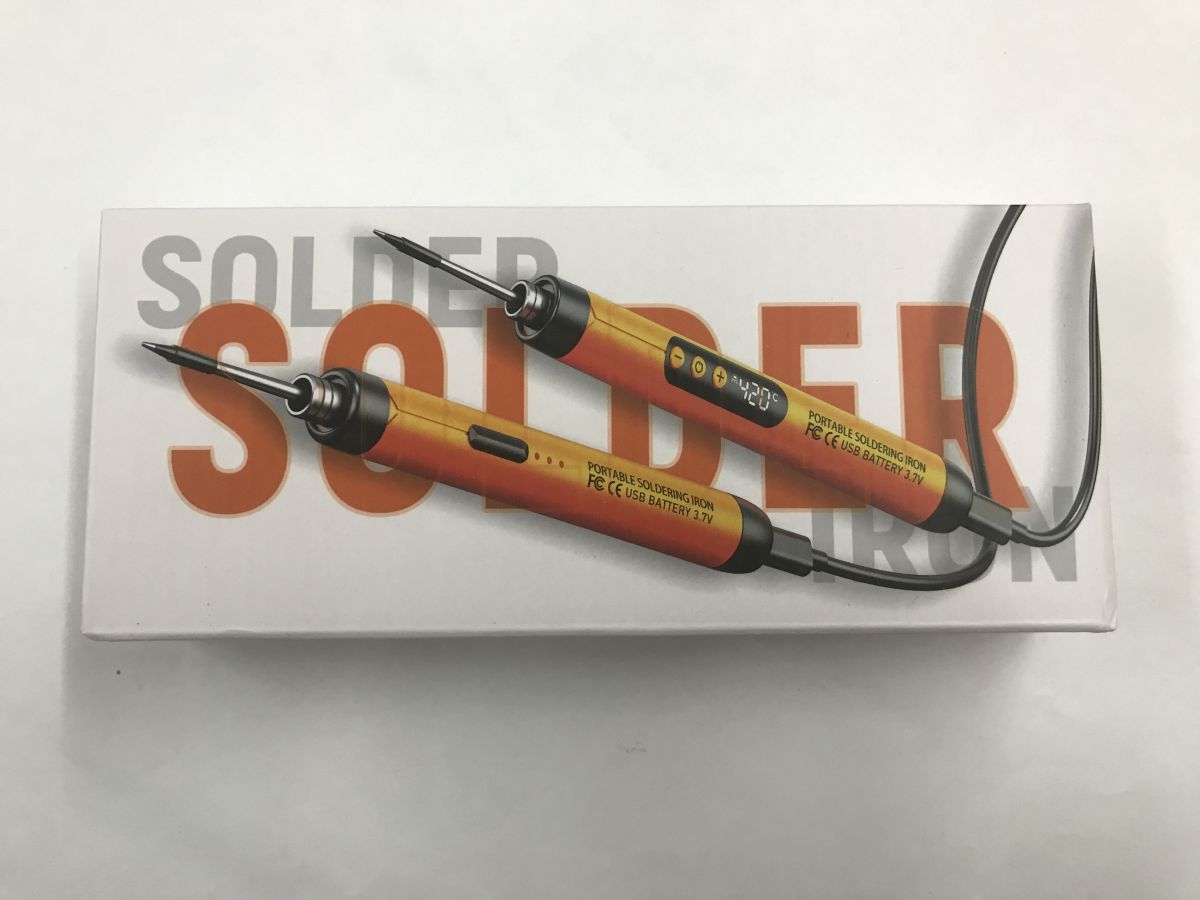
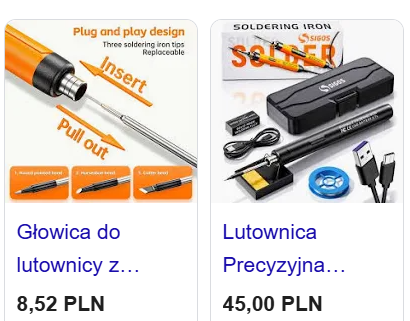
Is it sensible to buy a tiny, battery-powered soldering iron? Can such a soldering iron cope with soldering wires or goldpins? I invite you to a video test - with a breakdown of lead and lead-free solder. I bought the soldering iron for PLN30 - importantly, you can also buy soldering tips for it.
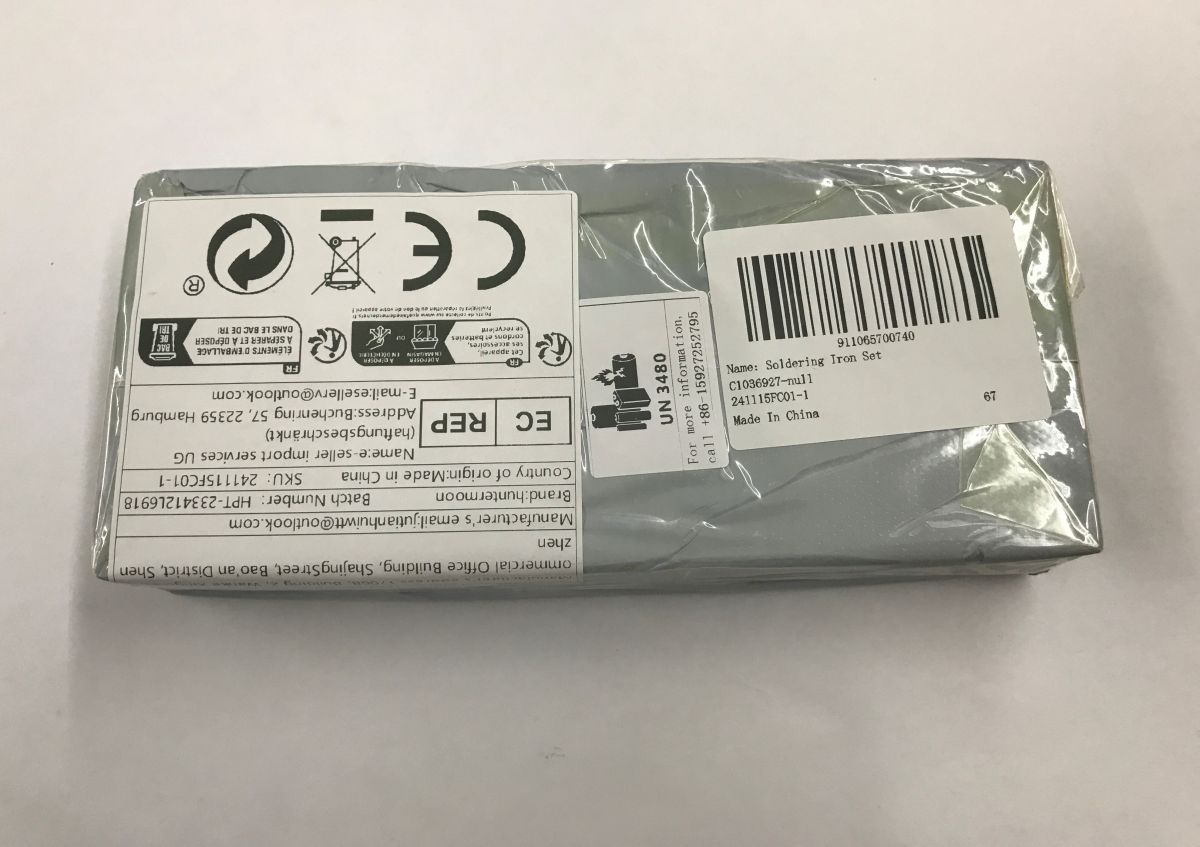
There was a bit of a wait for shipping, but maybe it was worth it?
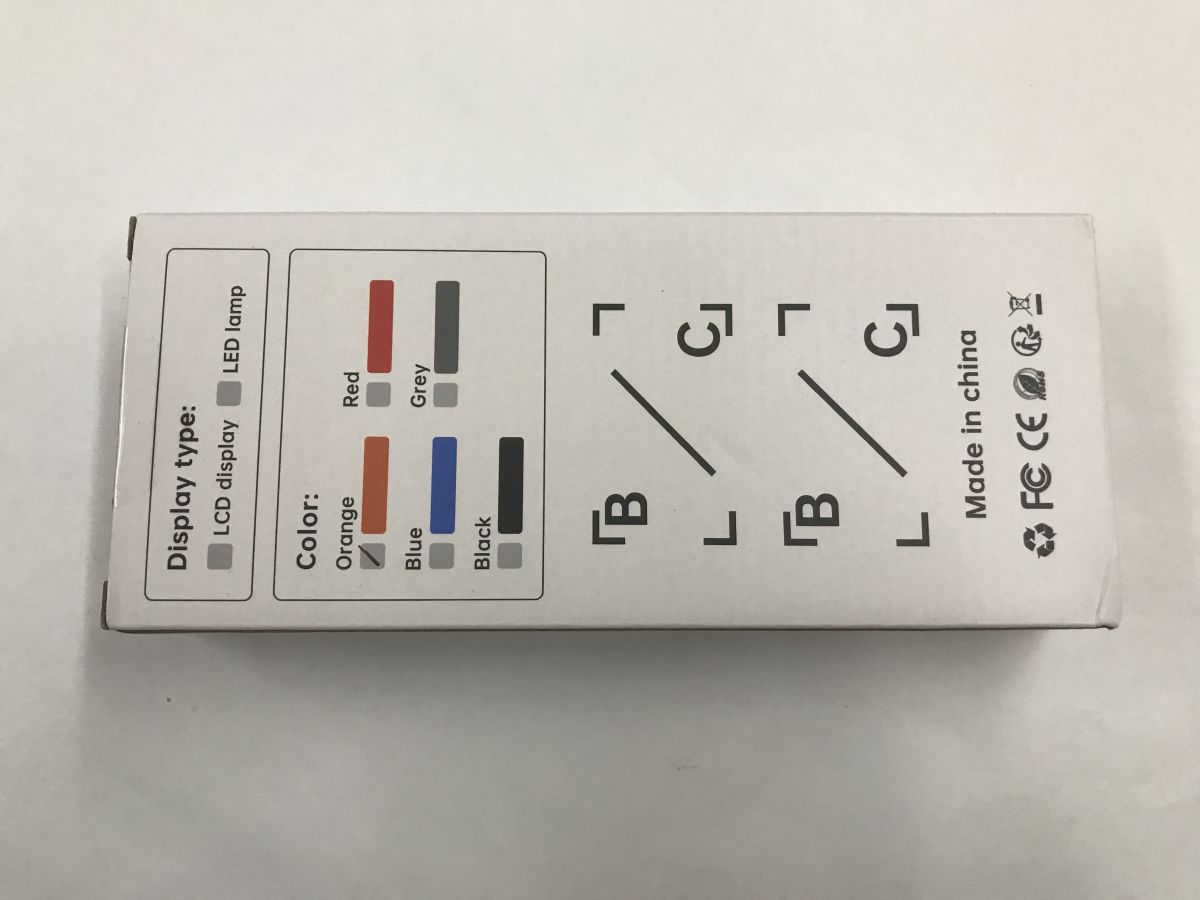
The product comes in different colours and there is also a version with LCD.
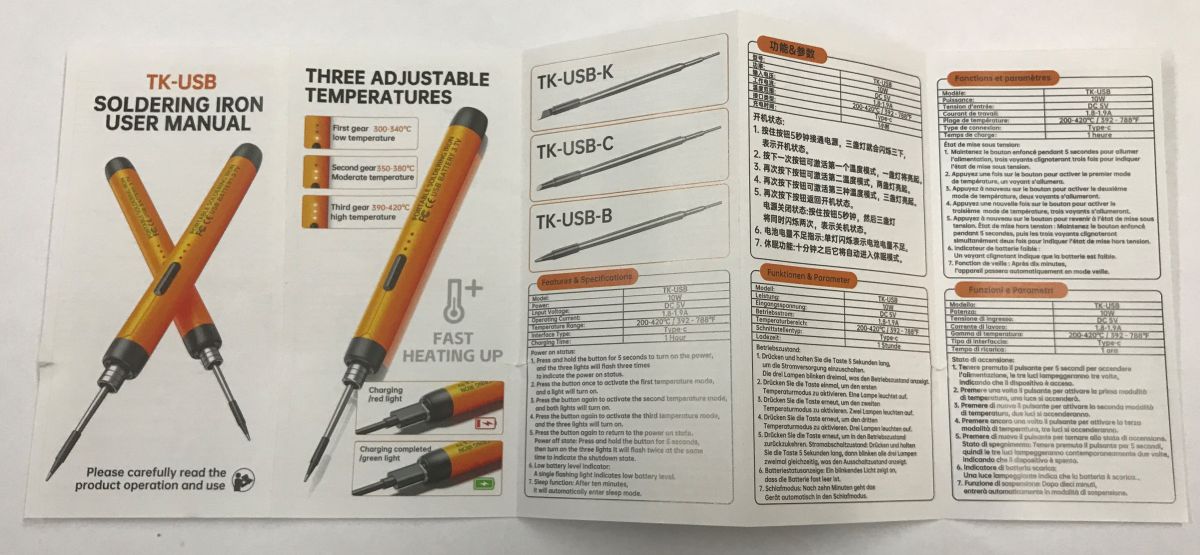
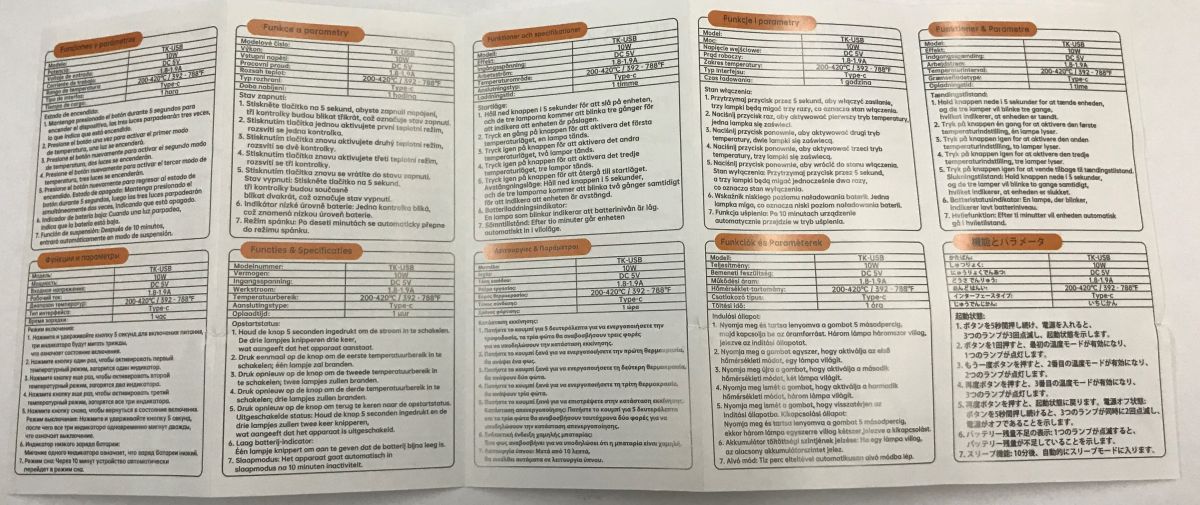
Instructions - there is also a section in English. Declared power is 10 W, charging voltage is 5 V. Supported arrowheads: TK-USB-K, TK-USB-C and TK-USB-B. A button allows you to select one of three temperatures, although it is probably in practice a power choice.
Time for testing:
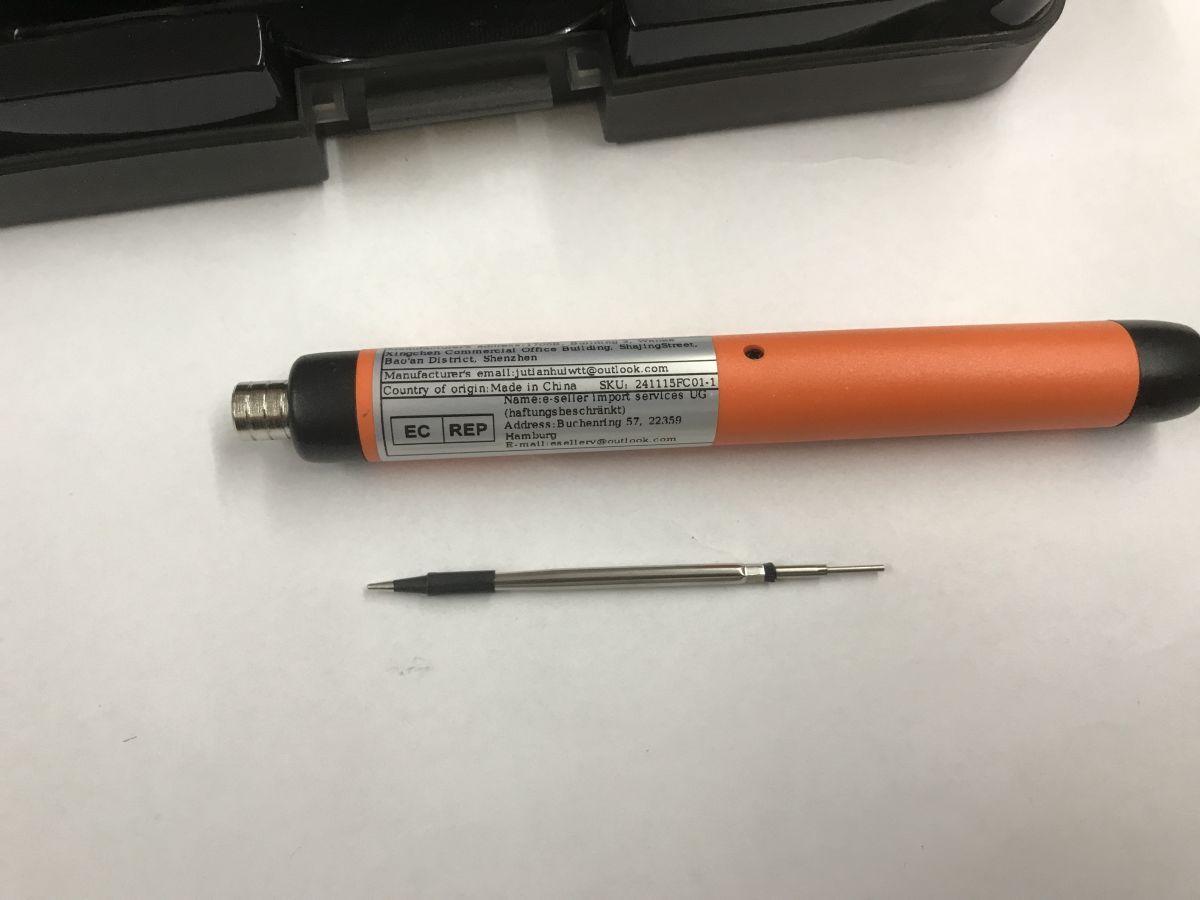
I started by warming up. The soldering iron takes a good minute to warm up. It is not a tool for the impatient.
Then it came to testing the soldering. Each test is a separate video.
Soldering wires - full power - Sn60Pb40 lead binder:
The result is quite good, it even went without extra flux, although it probably would have helped. Successful soldering.
Soldering the wires - full strength - Sn99Cu1 lead-free solder:
Pb-free binder has a higher melting point, but here too it went acceptably.
Soldering thicker wires - full strength - Sn60Pb40 lead binder:
Here I added flux and it was also reasonably successful, although the heating power was initially lacking.
Goldpins - full power - Sn60Pb40 lead binder:
It worked out reasonably well, although it's not the same comfort as with more powerful soldering irons.
Goldpins - full power - Sn99Cu1 lead-free binder:
Also successfully soldered.
So is it so beautiful and you can throw the wired soldering iron into the corner?
Unfortunately there is no such option. For most applications, however, the heating power is lacking. The larger the component, the larger the copper spout, etc, the worse the soldering:
The binder even solidifies prematurely and "grabs" the soldering iron tip. There is simply a lack of heating power. The more copper, elements, layers, the stronger the heat escapes and is simply missing.
In summary , it may have been better than in my tests those 6 years ago when I tested the ZD-20E battery soldering iron, but I still wouldn't reach for this soldering iron for normal work. I'd definitely prefer to pull an extension cord, it's a better comfort to work with, heats up quicker and there's no risk of it discharging.
However, that doesn't change the fact that this soldering iron is indeed capable of connecting two wires, or thereabouts soldering simple goldpins into a small board where there is no large copper spout. This can be its advantage in unusual situations, when, for example, you are assembling something away from a socket and need to make one or two connections.
This is when you might consider buying it. I certainly don't recommend it for "lazy" people who don't want to pull out a larger soldering iron, because in the end they will lose more time wrestling with this gadget anyway than they will save thanks to its mobility.
This was just my opinion though - what do you think? To what use is such a soldering iron?
p.kaczmarek2 wrote 14795 posts with
rating 12945 , helped 659 times.
Been with us since 2014 year.
Comments
I have one, the version with a display, because the one in the review is, judging by the price, the version without a display. There is no picture. Unfortunately it's very flimsy, thin wires go soldering,... [Read more]
This kind of soldering iron by FERM (Action chain of shops) with a "bulbous" tip has been in my "holiday" tool trunk for some time. It has helped to: - fix a laptop power cable - far from a decent soldering... [Read more]
I also get this impression. Admittedly a different company/brand, but already when soldering goldpins to a multilayer board it starts to lack power. Although for more precise work it is ok and worth having... [Read more]
I wouldn't buy 10 W, it's too little, a waste of nerves, given that there are USB-C powered soldering irons that have 50-60 W that can be powered from a powerbank. [Read more]
I also have one and for emergency soldering it is just fine, but for working around the house it is not suitable. [Read more]
I bought this crap called FERM brand soldering iron and even to my biggest enemy I would not recommend it. For 50 PLN it is better to buy a normal soldering iron for T12 tips with a USB-C socket (e.g.... [Read more]
It's all a matter of need and use. As I mentioned - I didn't need it I bought it out of curiosity and a bit of gadgetry. It has worked well for me a few times so far. It's not suitable for normal work,... [Read more]
Personally, I think it is important to measure the power against the power. A rechargeable soldering iron with the power as above is suitable for SMALL work with SMALL (low thermal mass) components. If... [Read more]