logo elektroda
logo elektroda
X
logo elektroda

Retro triple time relay - VL-34UKHL4 - gallery from inside

p.kaczmarek2  0 168 Cool? (+1)
📢 Listen (AI):

TL;DR

  • A vintage triple time relay VL-34UKHL4 from the USSR is opened for an inside look at its construction and timing mechanism.
  • The unit uses three separate relays and two control boards, while the timing itself is mechanical and the counting is already solid-state.
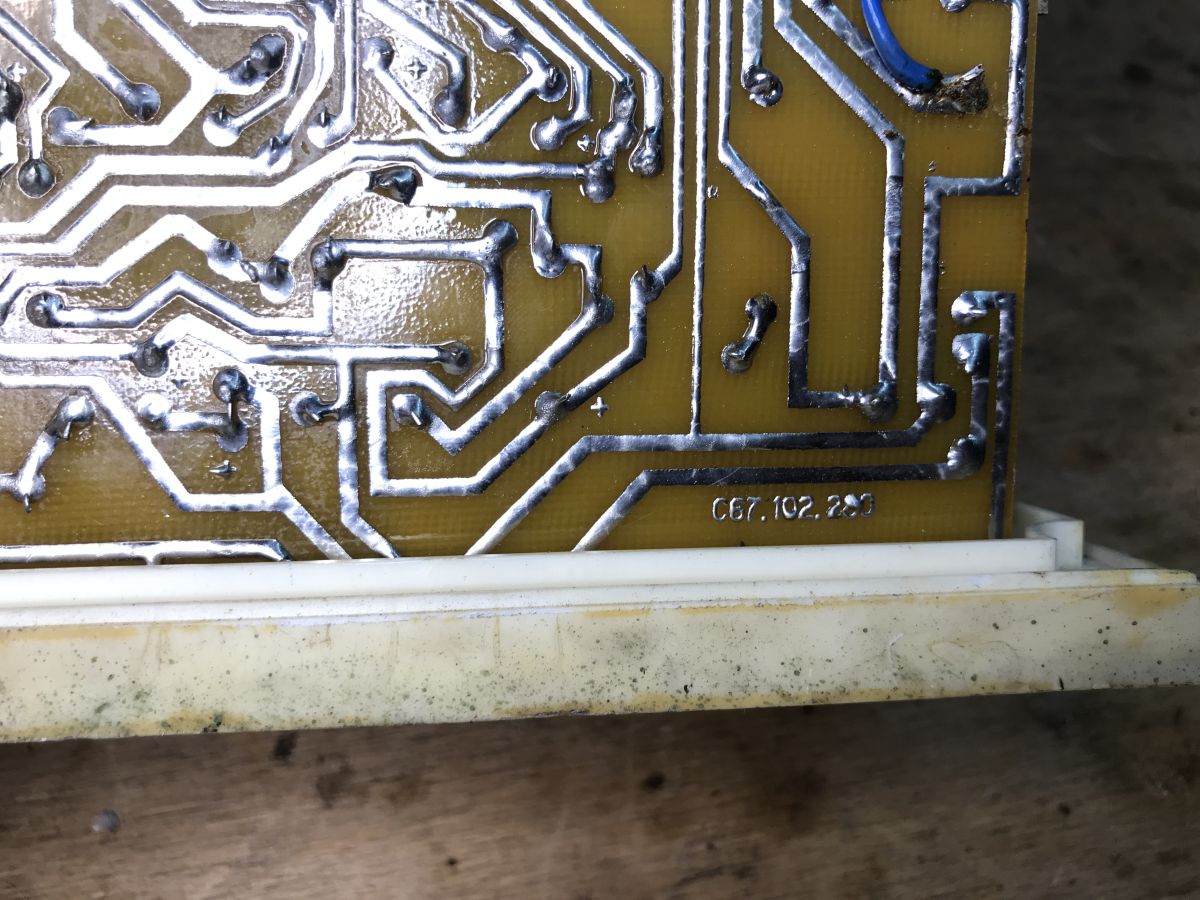
  • The plate marking C67.102.280 and the counter module built on K176TM1 and K176NE5 ICs are the key identifiers inside.
  • Large electrolytic capacitors, a rectifier bridge, characteristic resistors, and fully tinned tracks show the oversized, durable Soviet-era hardware.
  • Disassembly stopped after the 2024 flood, so the operating principle and the role of the component near the potentiometer remain unresolved.
Generated by the language model.

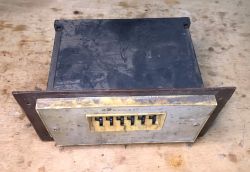
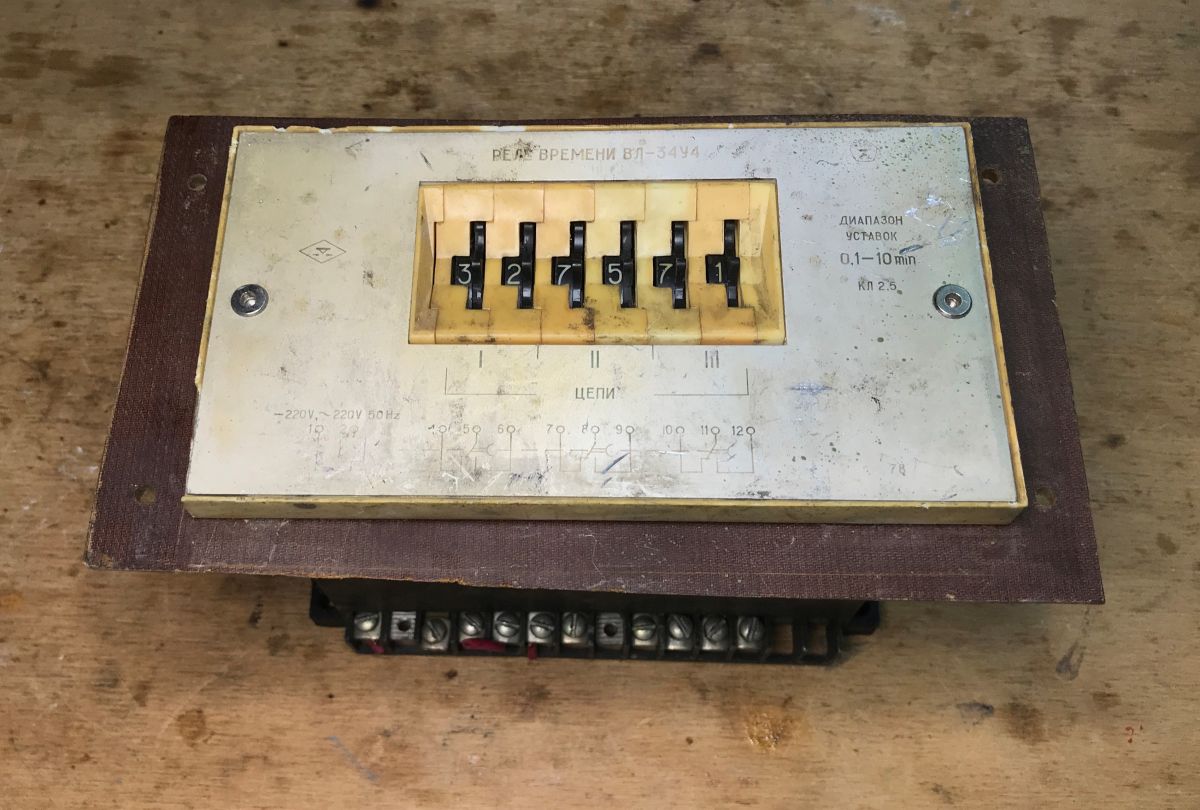
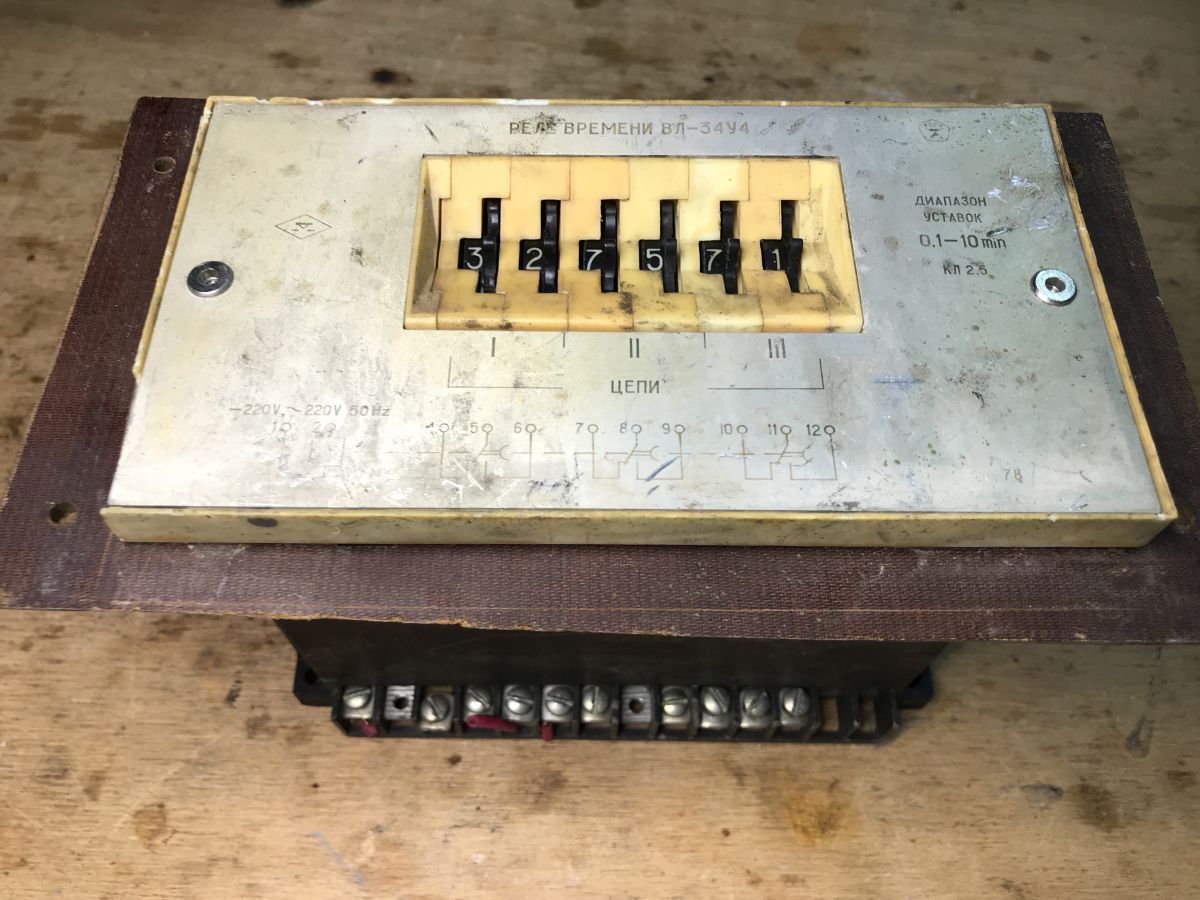
A little curiosity today. Equipment totally not from my field nor from my times, but perhaps nevertheless worthy of attention - an old triple time relay still remembering the times of the USSR. The whole thing is already built on semiconductors. Time to take a look inside.
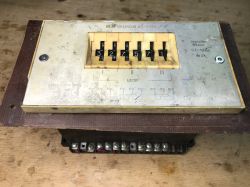
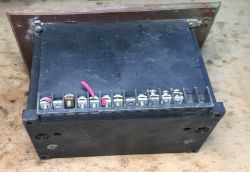
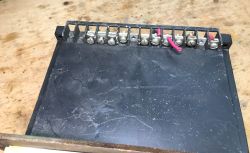
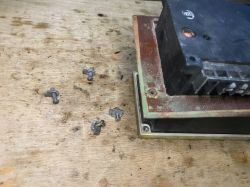
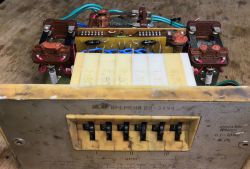
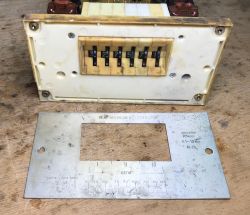
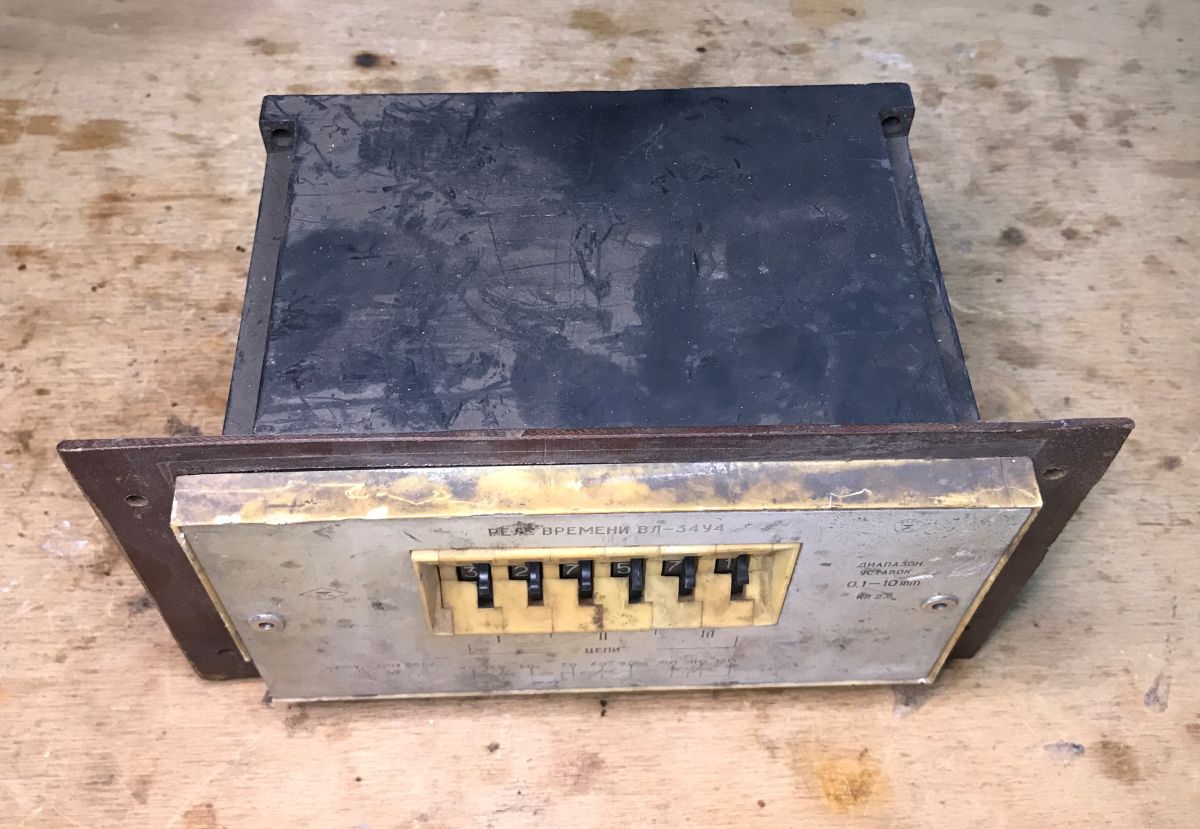
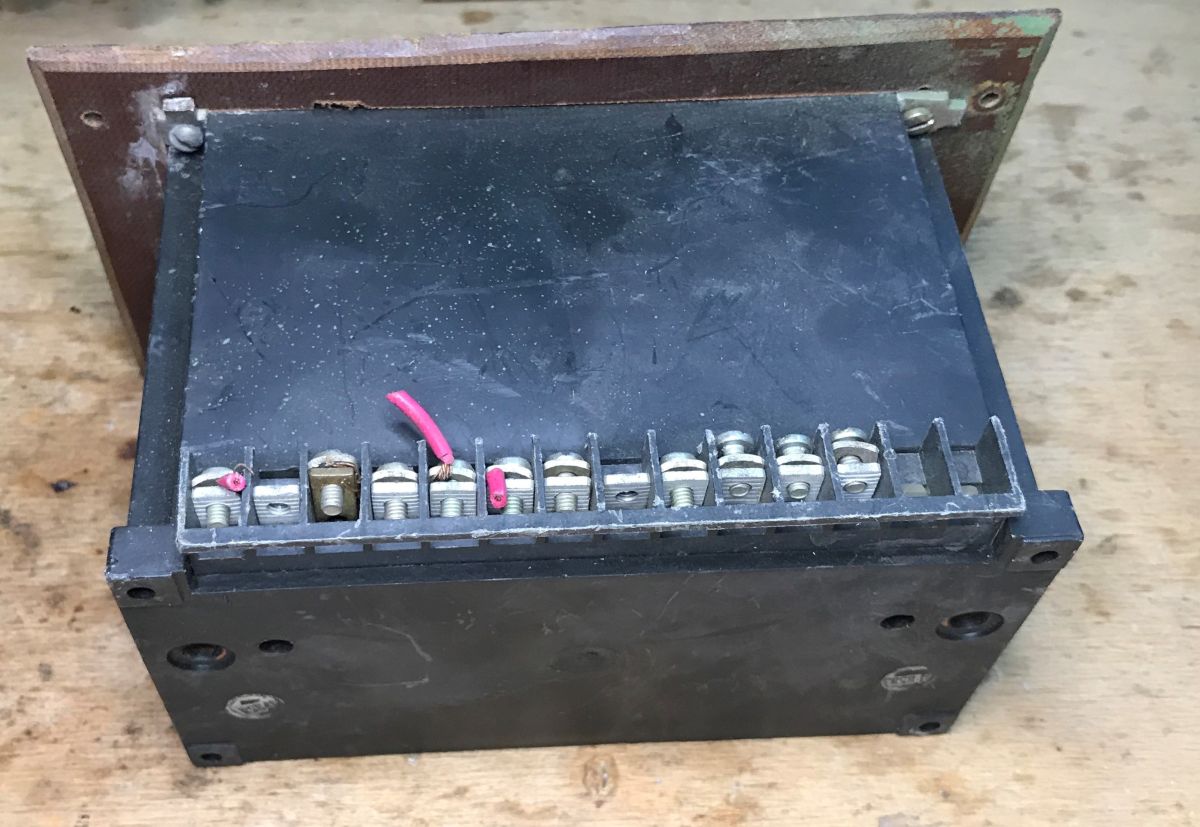
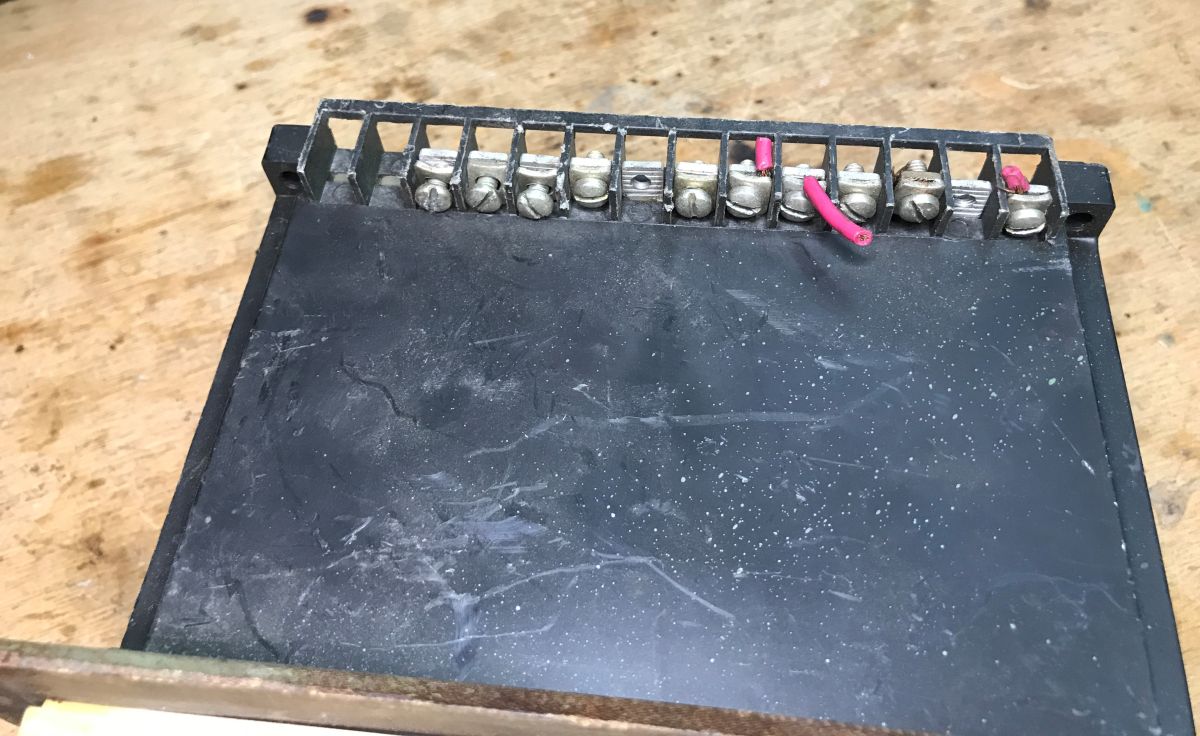
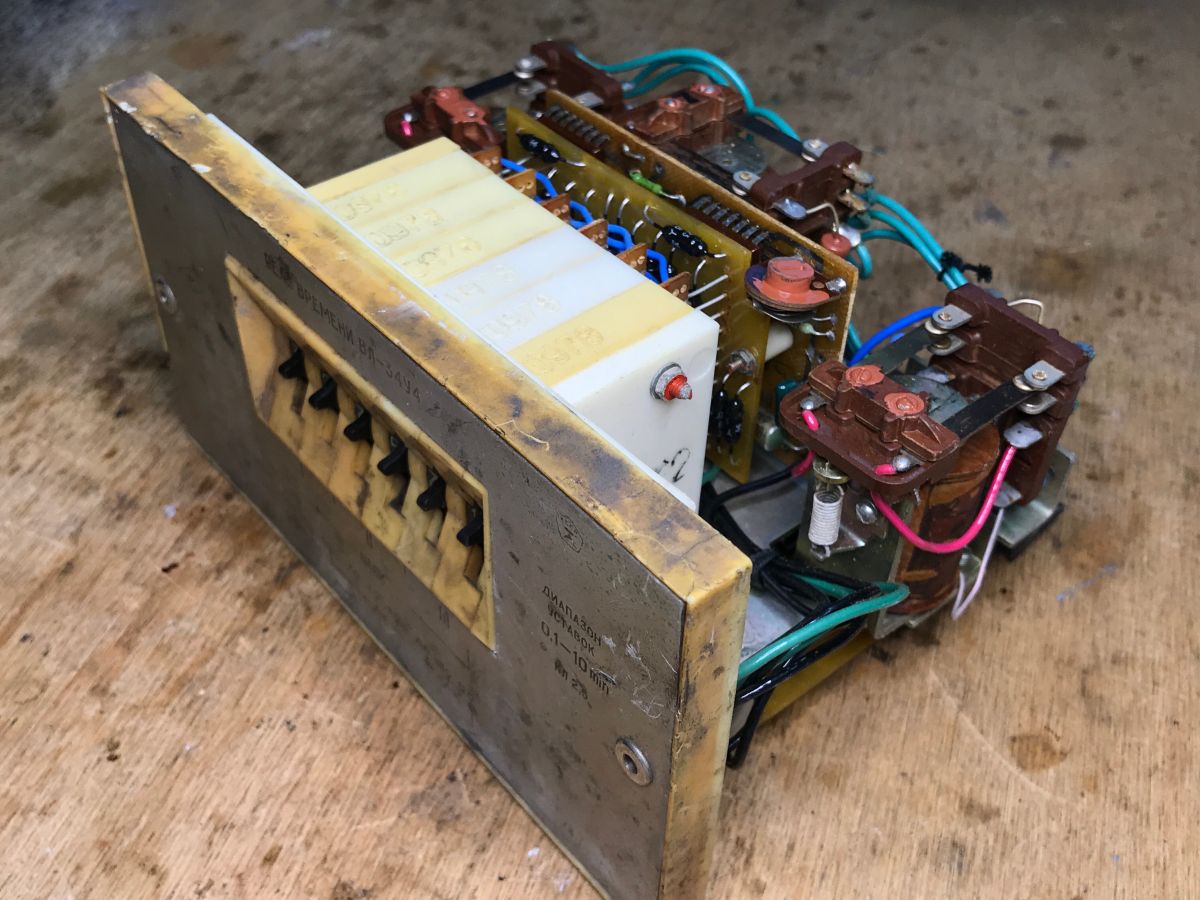
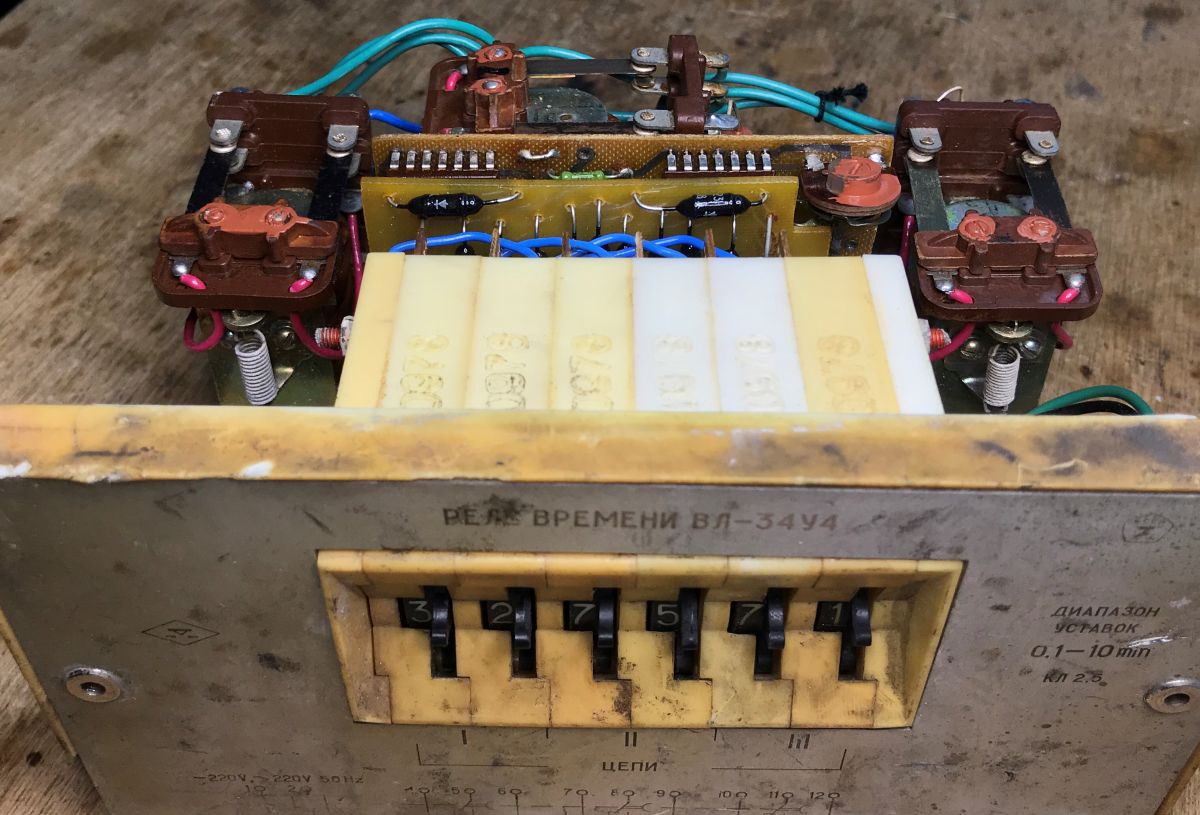
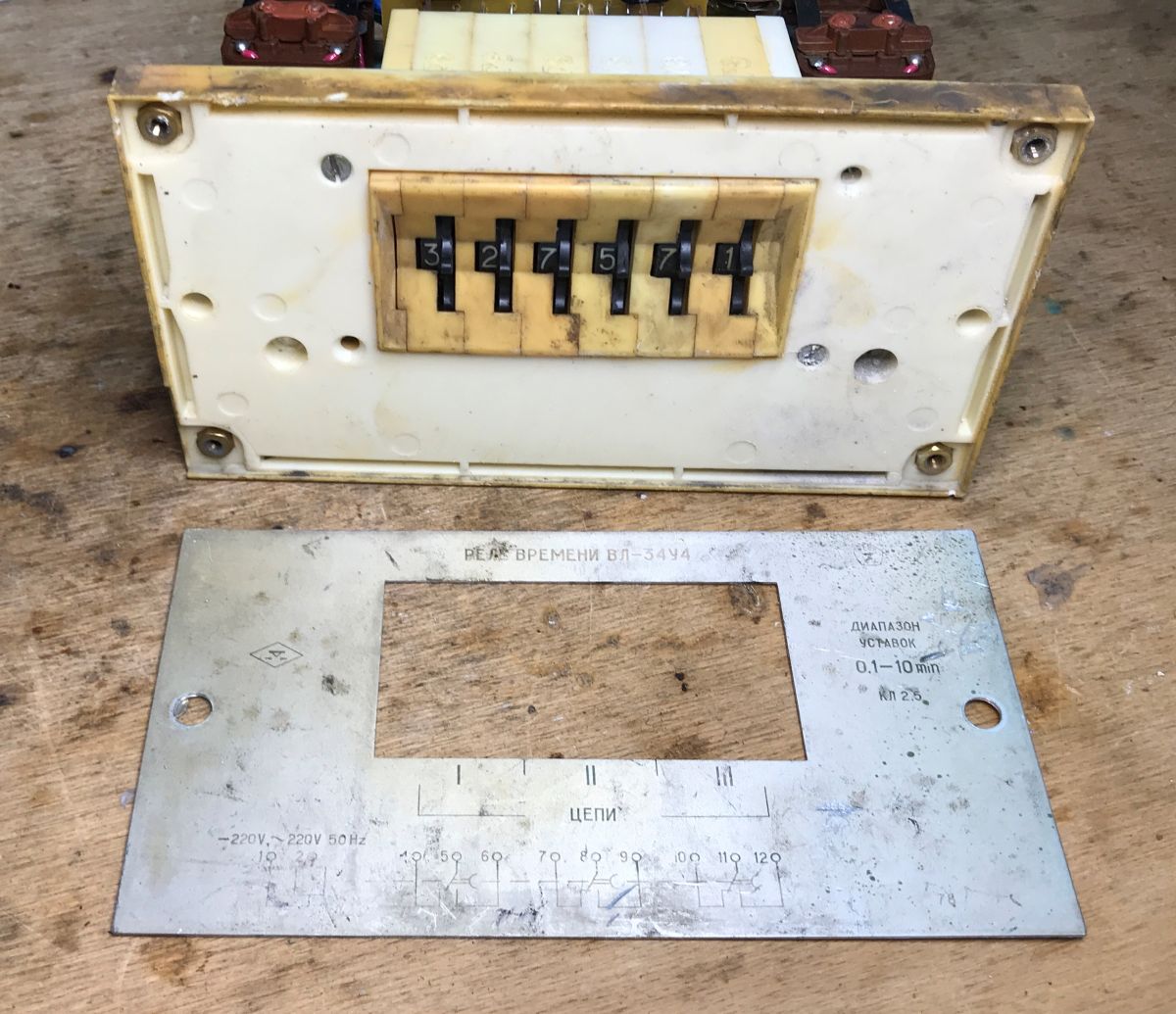
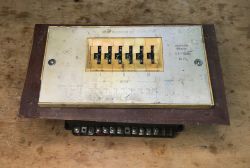
On the front panel we have the option to set three separate switching times for the relays. Slightly below we have a diagram showing the internal connection and indicating which screw terminal is the common, normally open and normally closed contact. Let's take a look inside:
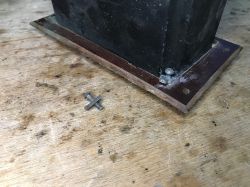
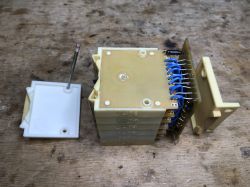
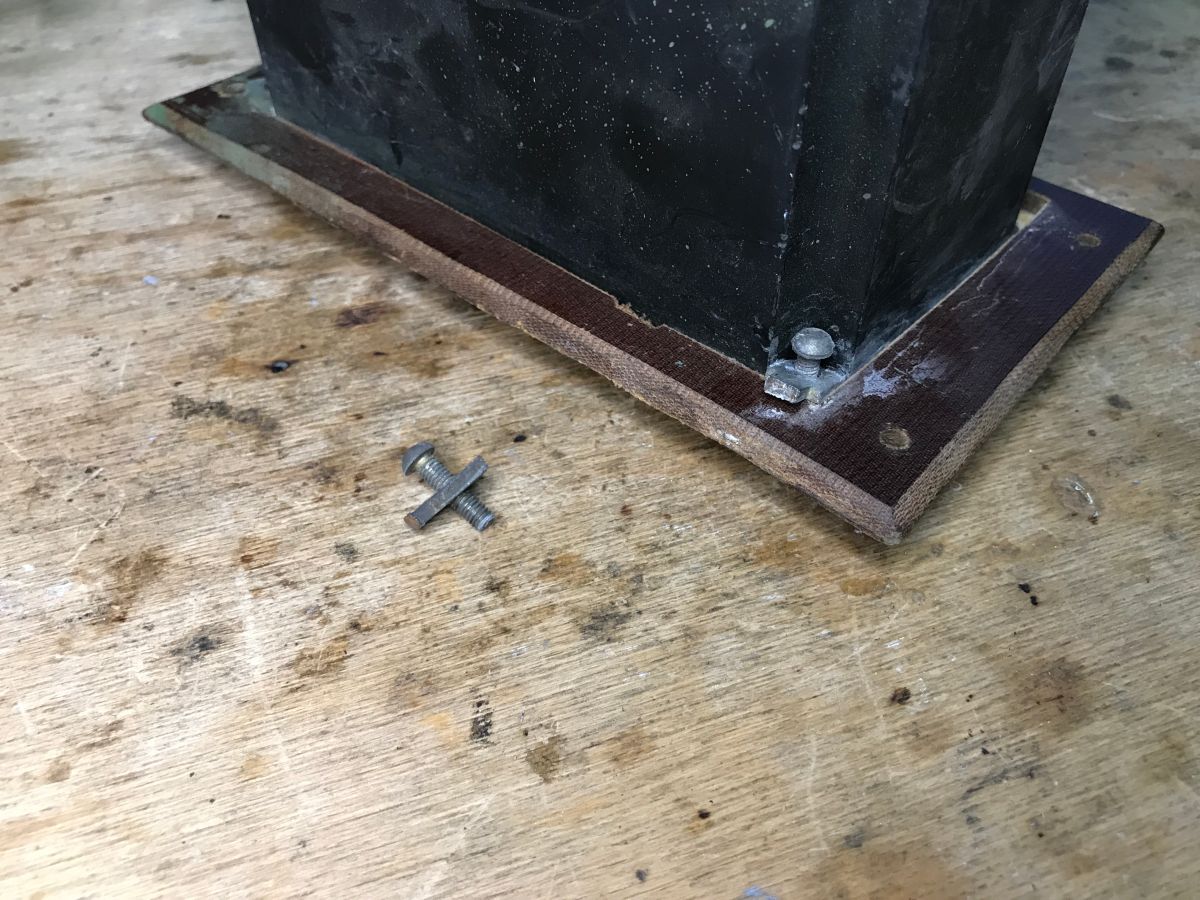
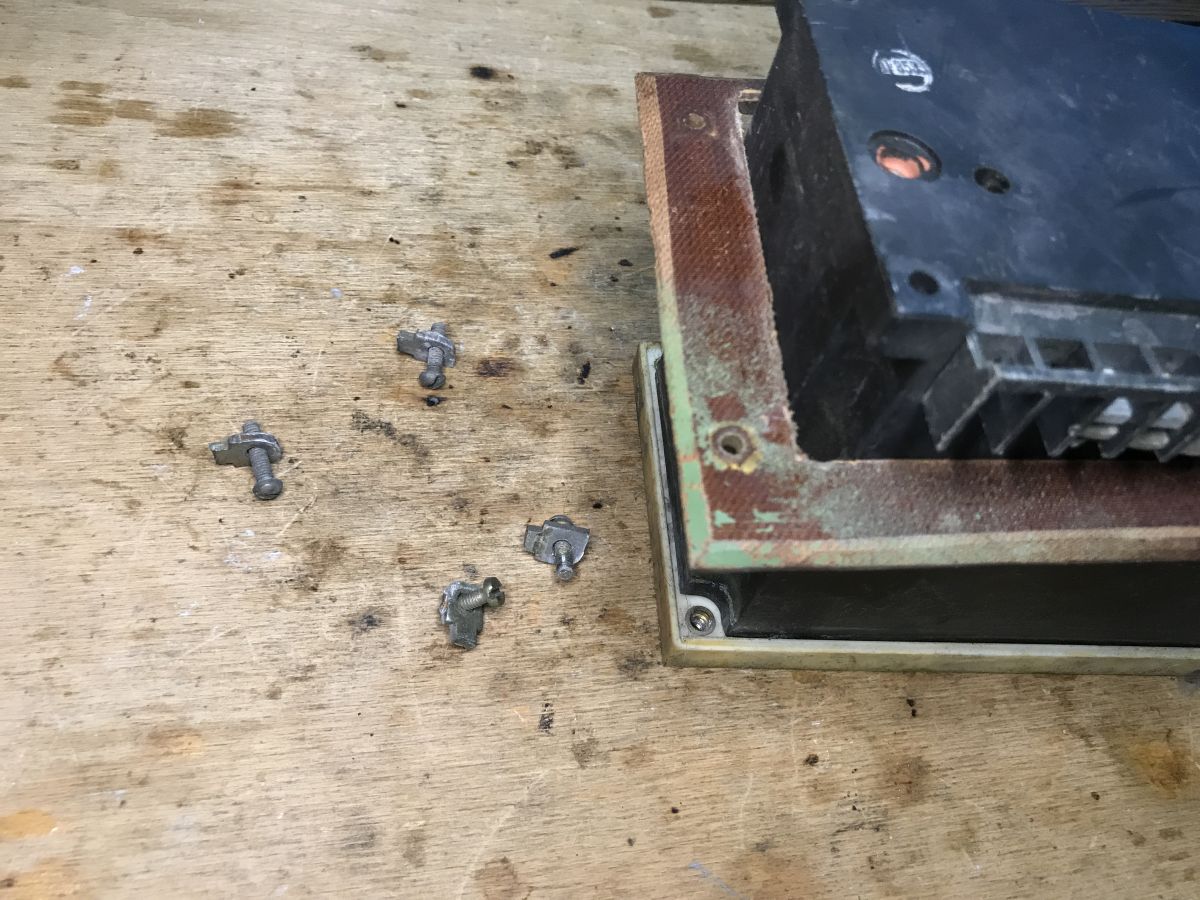
Loose screws on a wooden workbench next to a partially disassembled electronic device
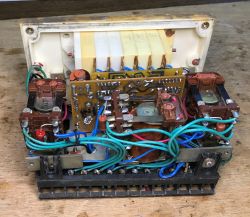
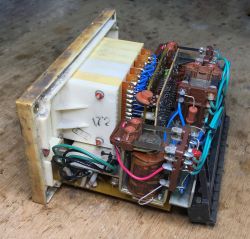
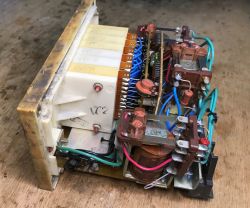
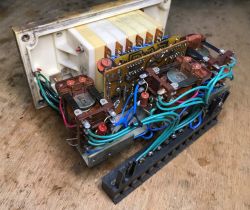
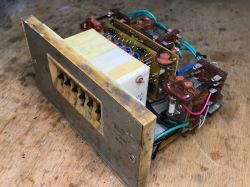
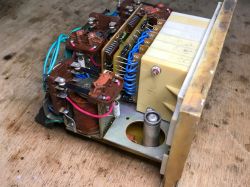
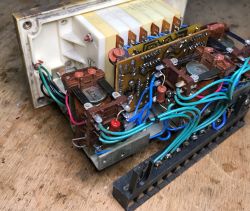
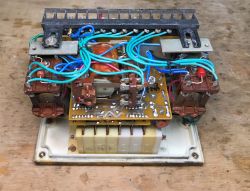
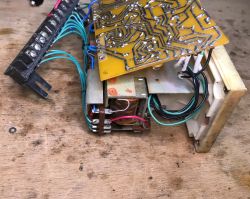
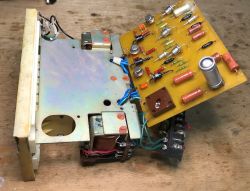
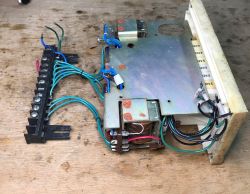
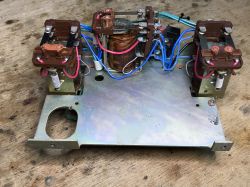
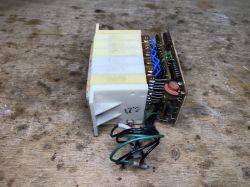
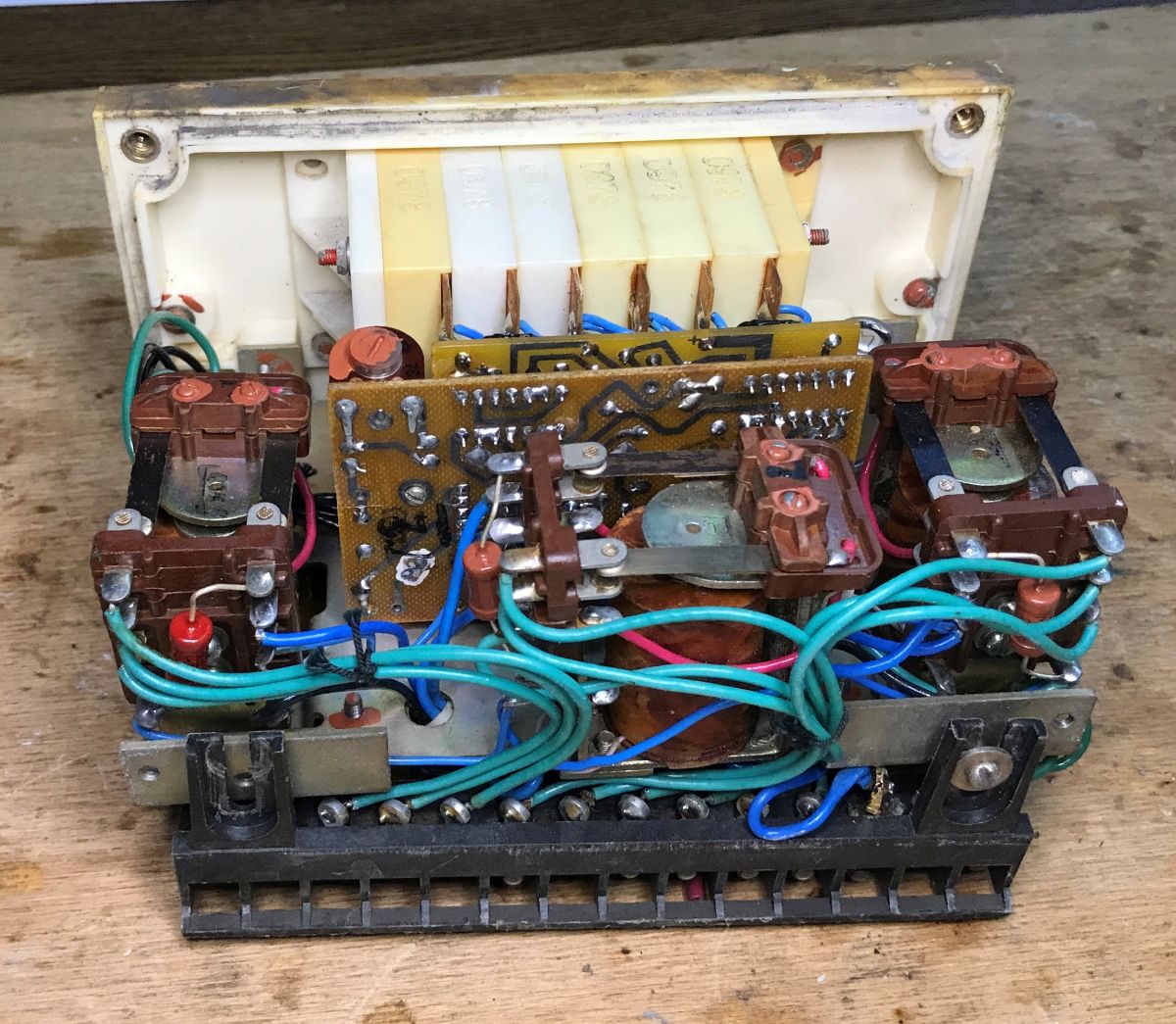
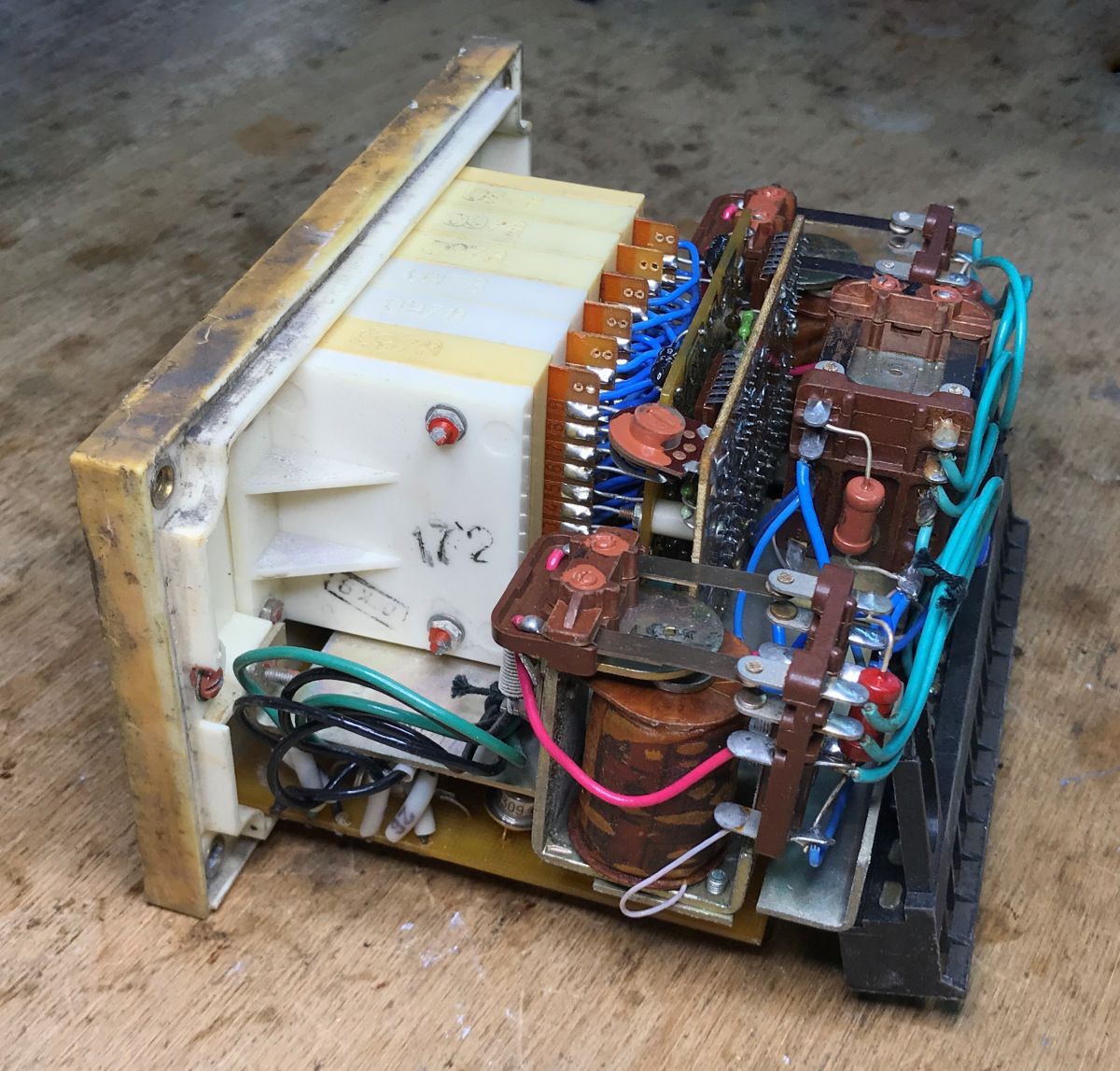
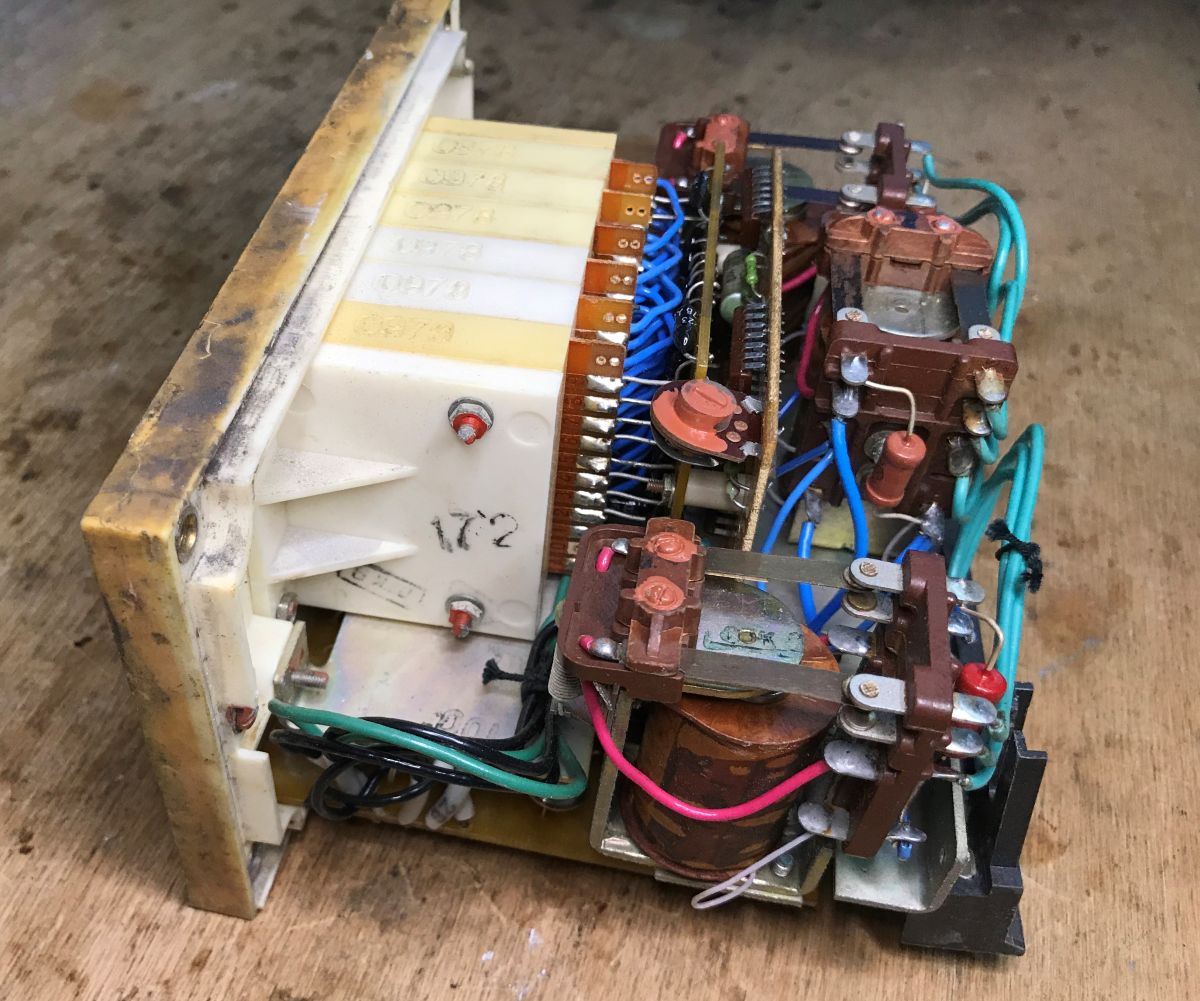
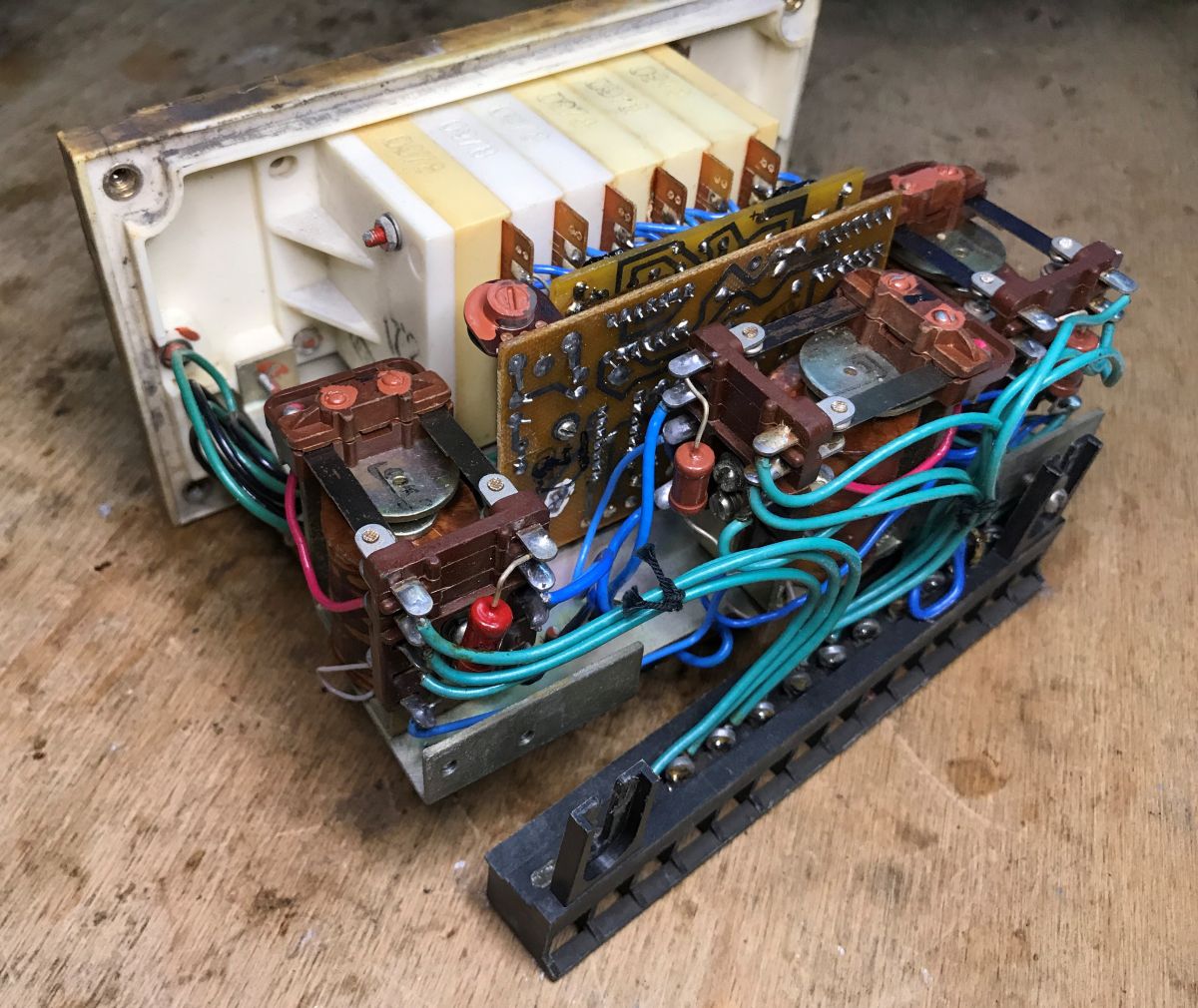
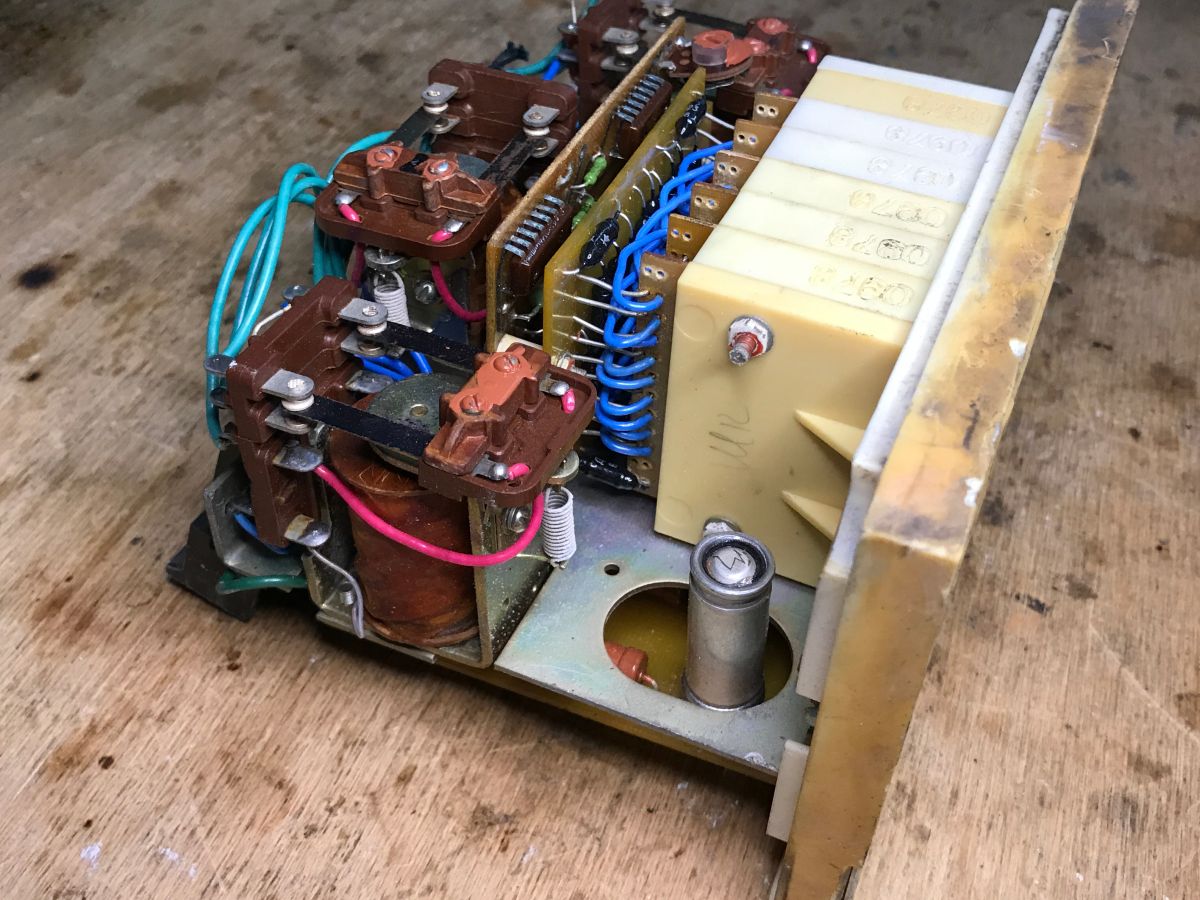
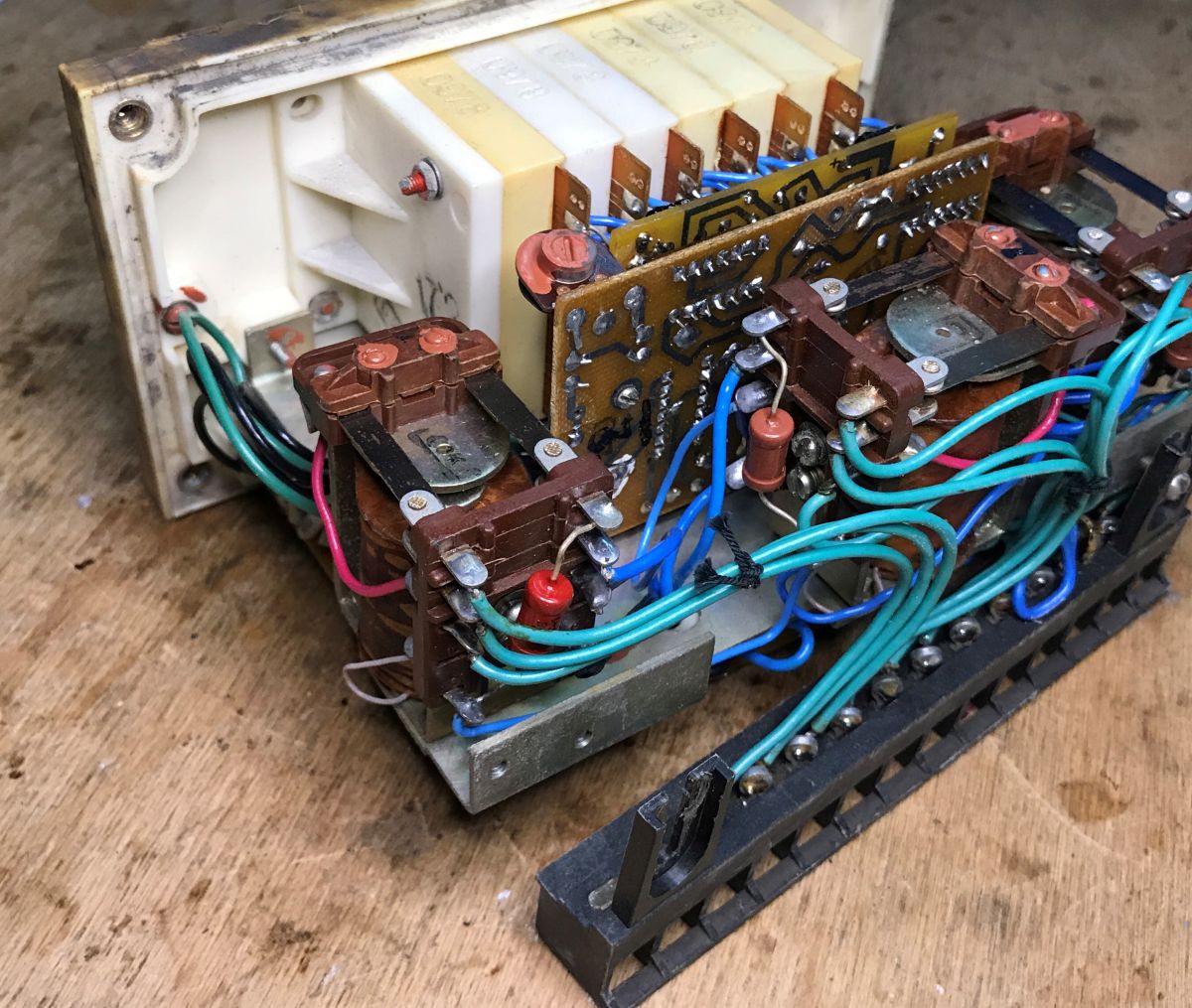
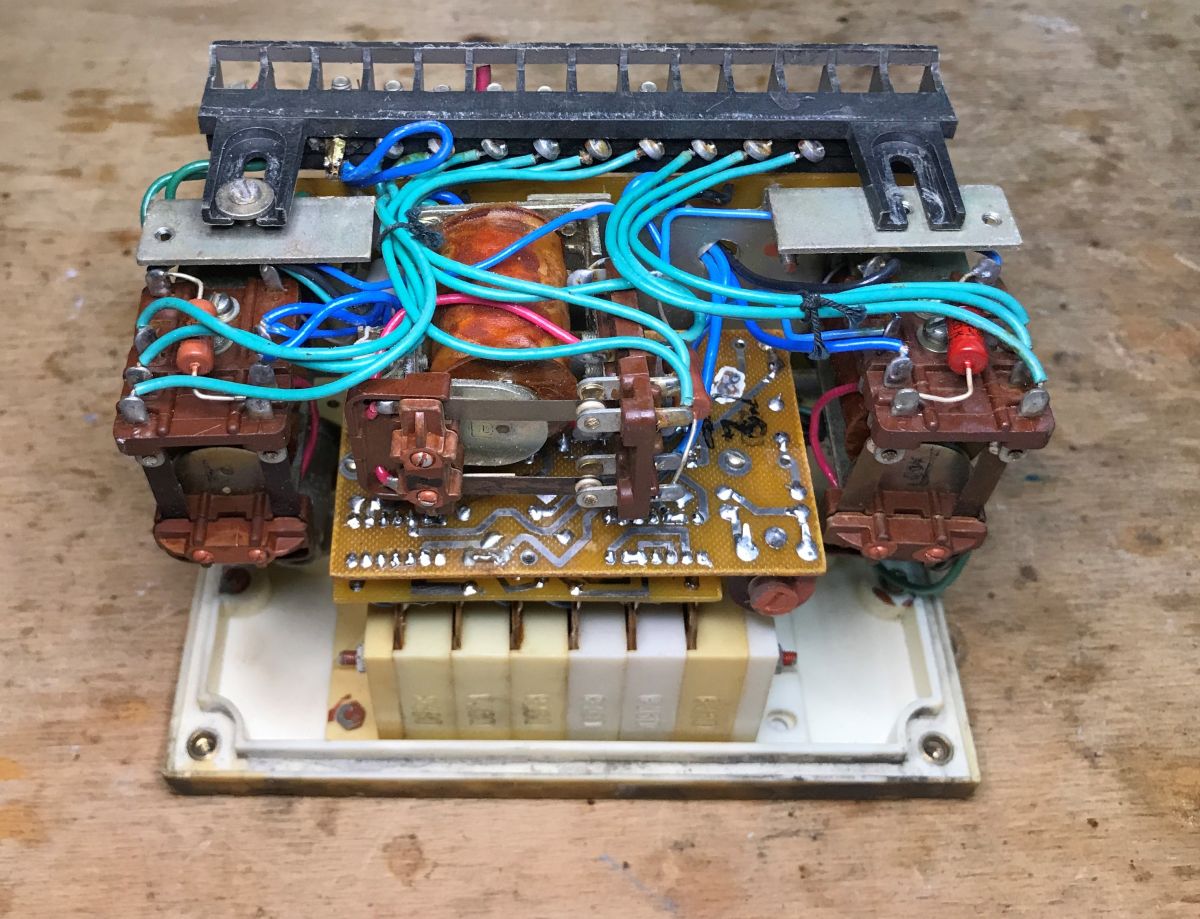
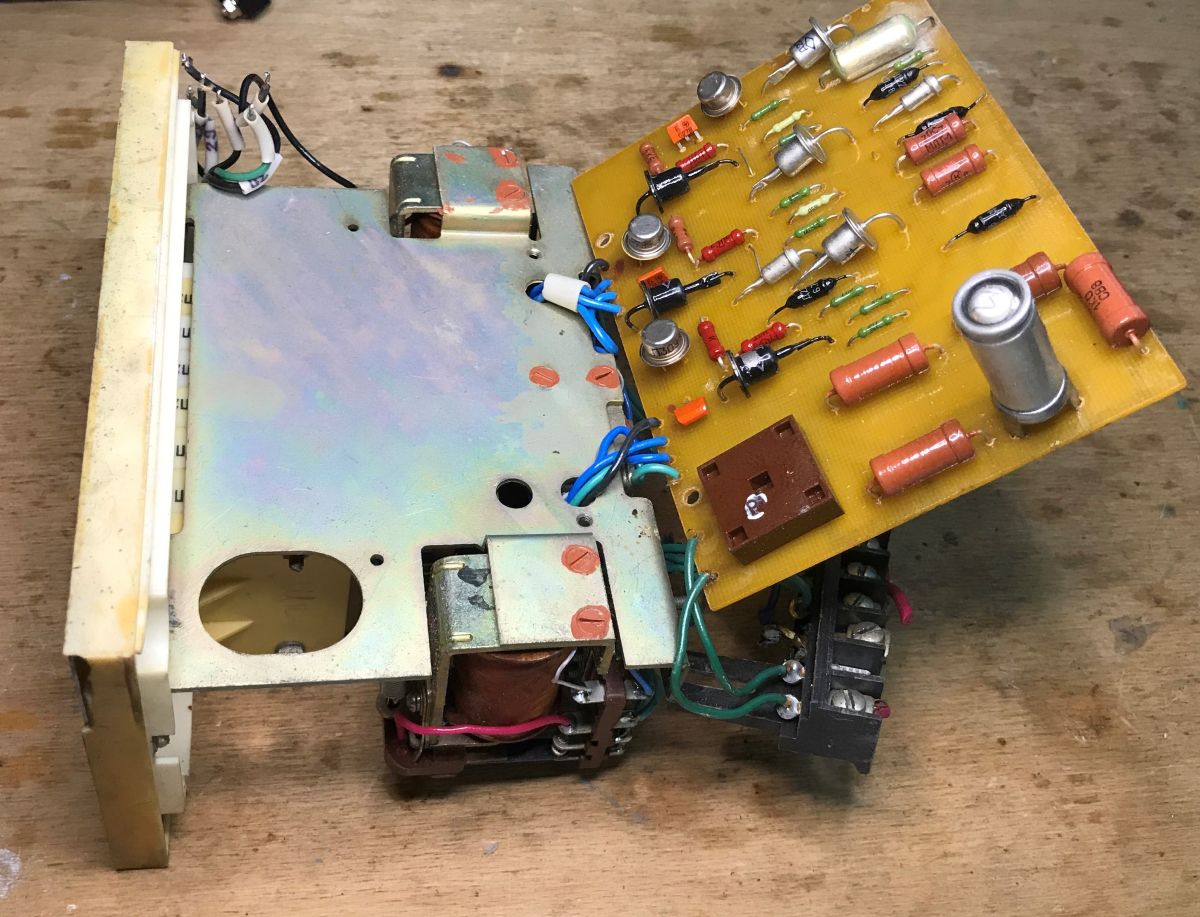
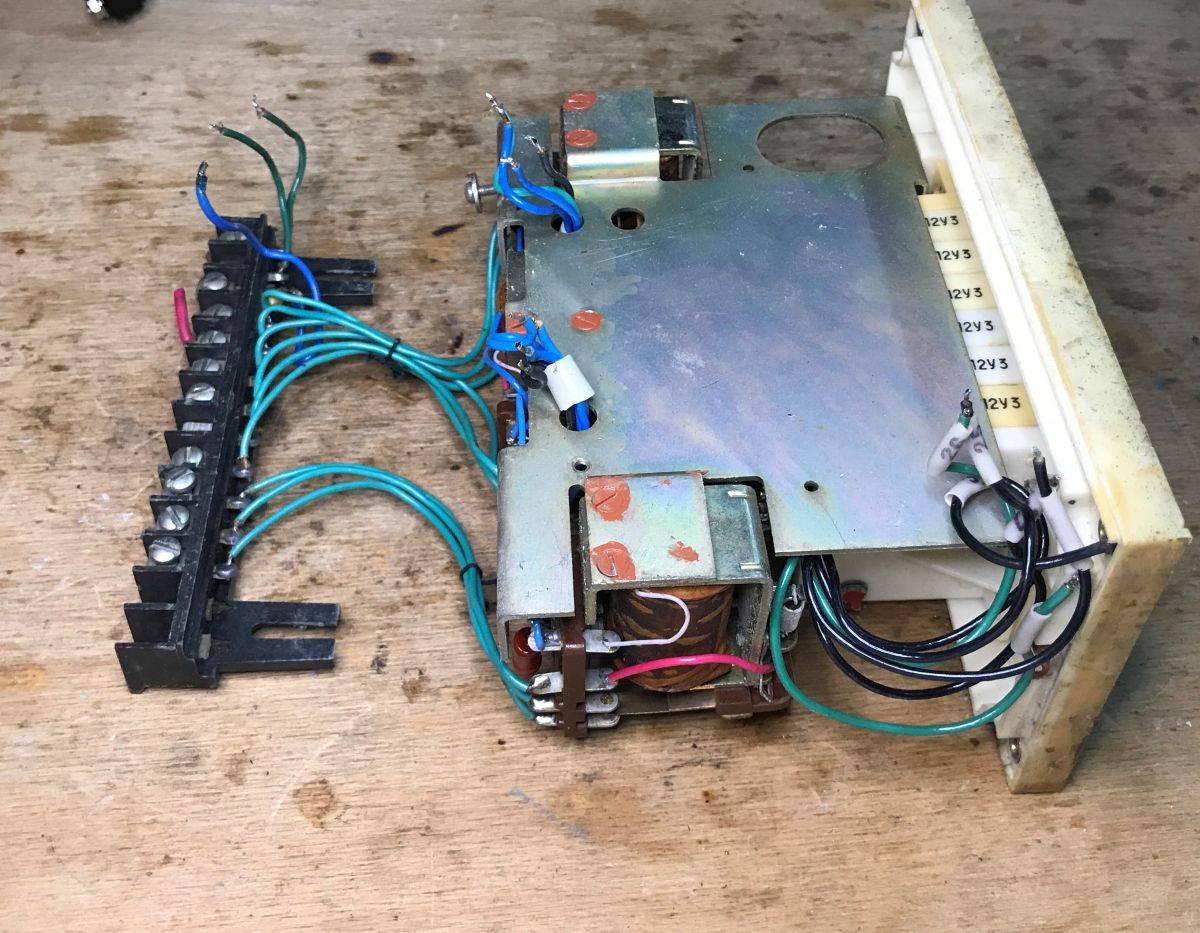
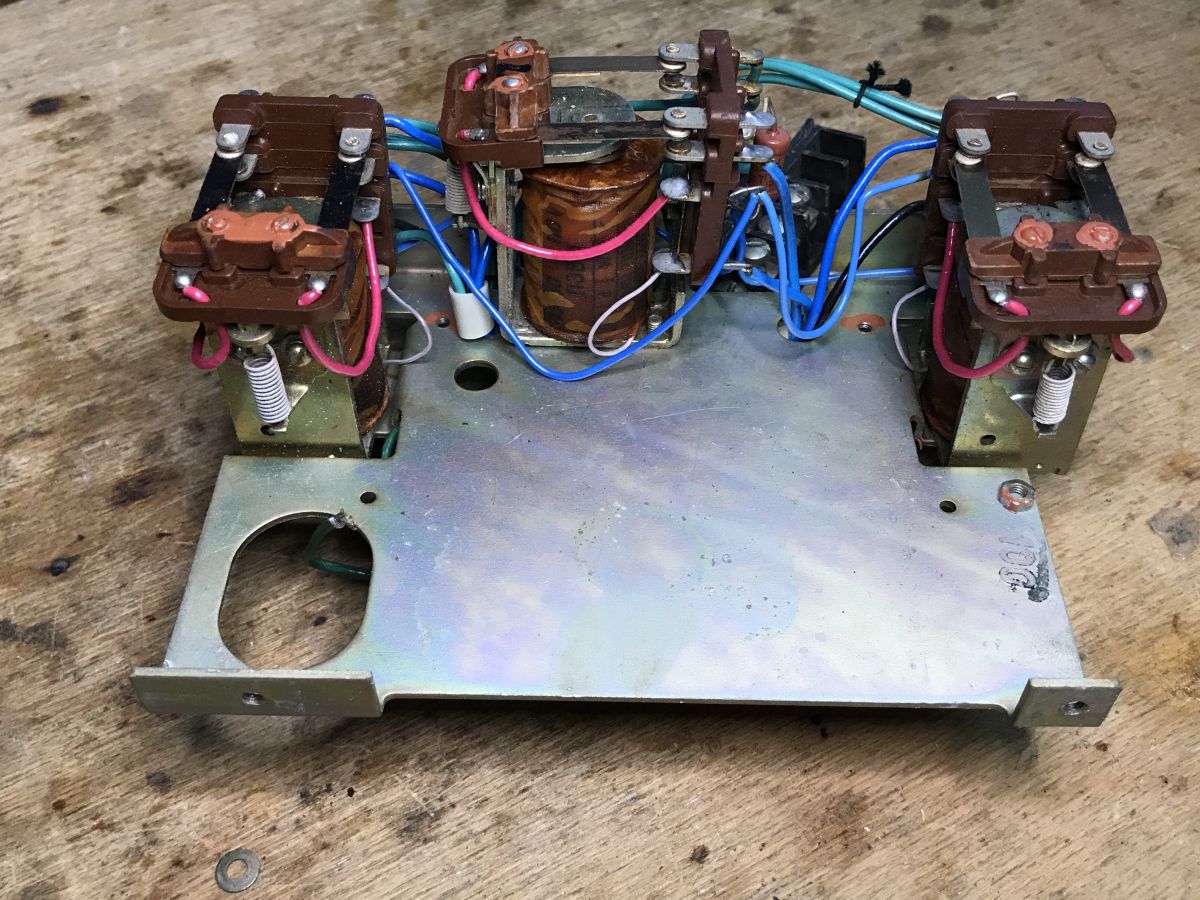
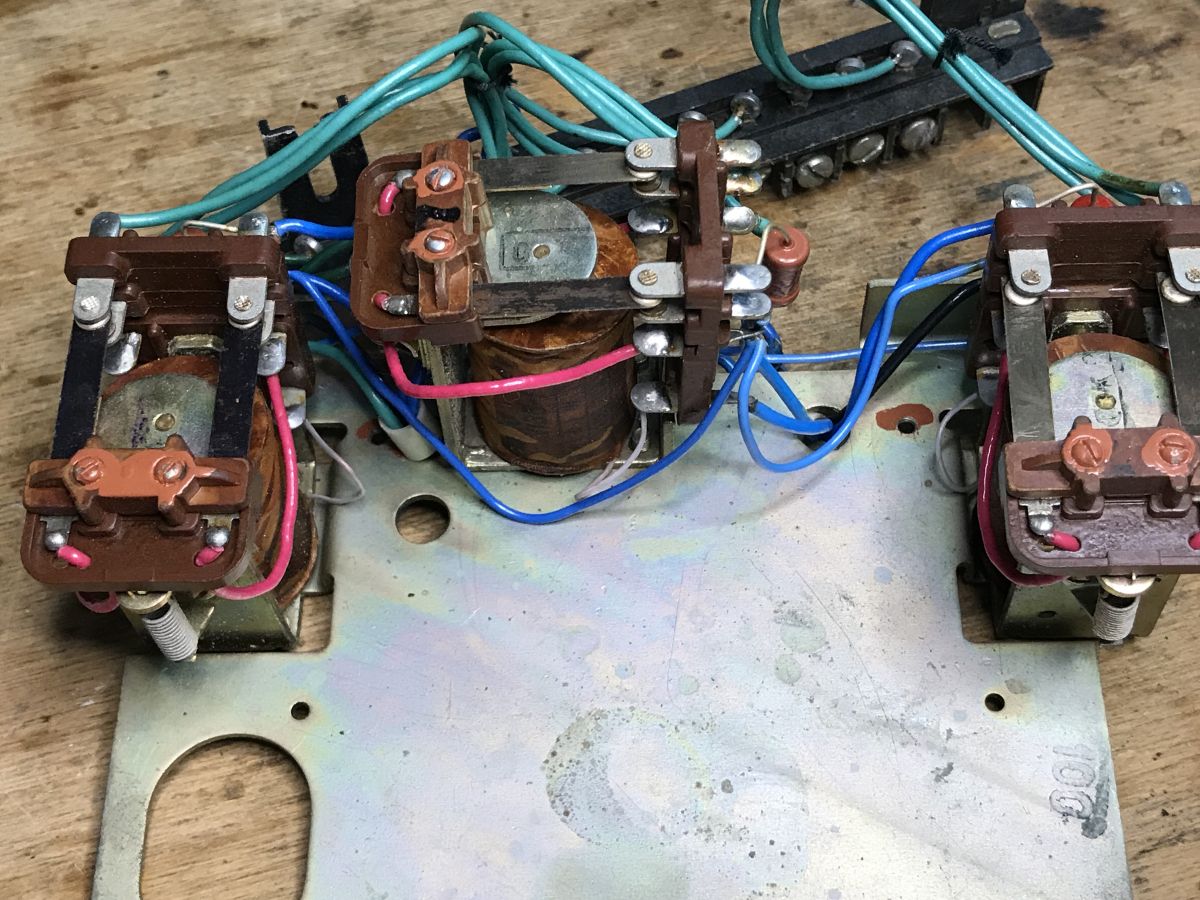
Inside we see three separate relays and two control boards. On one of these is a paint-protected potentiometer, presumably for tuning.
Inside a time-relay module: PCB, three relays, transformer, and wiring connected to a screw terminal strip Interior of an old relay module with a circuit board and wiring on a workbench Interior of an old time relay with visible relays, circuit boards, and bundled wiring Inside a time relay module: three relays, a PCB, and bundles of blue and turquoise wires
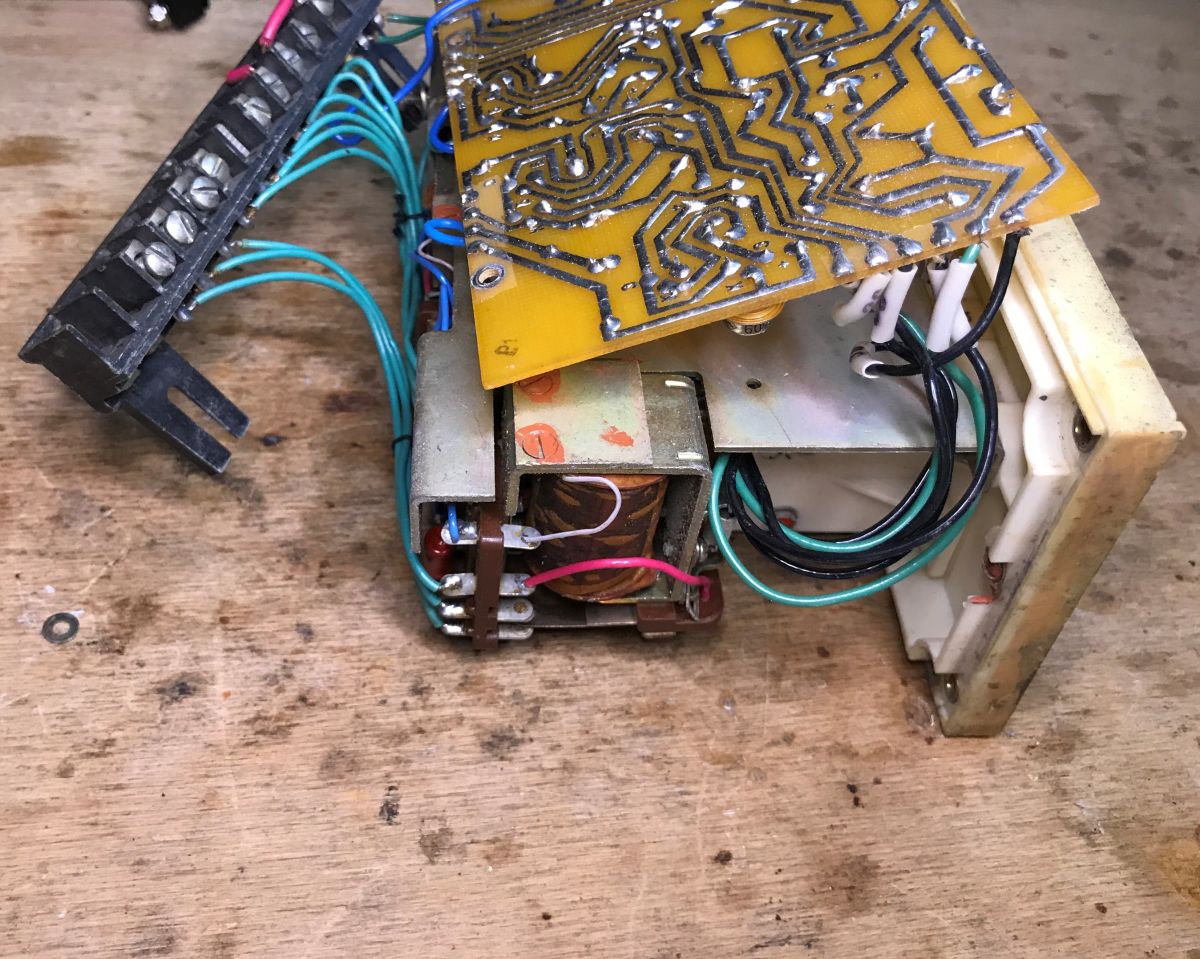
What surprises me most, however, is the size of the components. The relays there are nothing like today's modern compact solutions. As a whole, there is additionally a lot more mass, and thus also raw material.
Exposed relay module with PCB, wires, and a white plastic block on a wooden work surface Interior of an old time relay showing a PCB, blue/green wiring, and relay mechanisms above a front panel with dials Inside an electronic unit with three relays, a PCB, and blue wiring on a wooden work surface Inside an old time relay unit: three relays, two PCB boards, and bundled colored wiring Inside an old time relay unit: three relays, two PCB boards, and bundled colored wiring
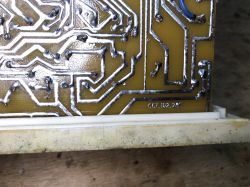
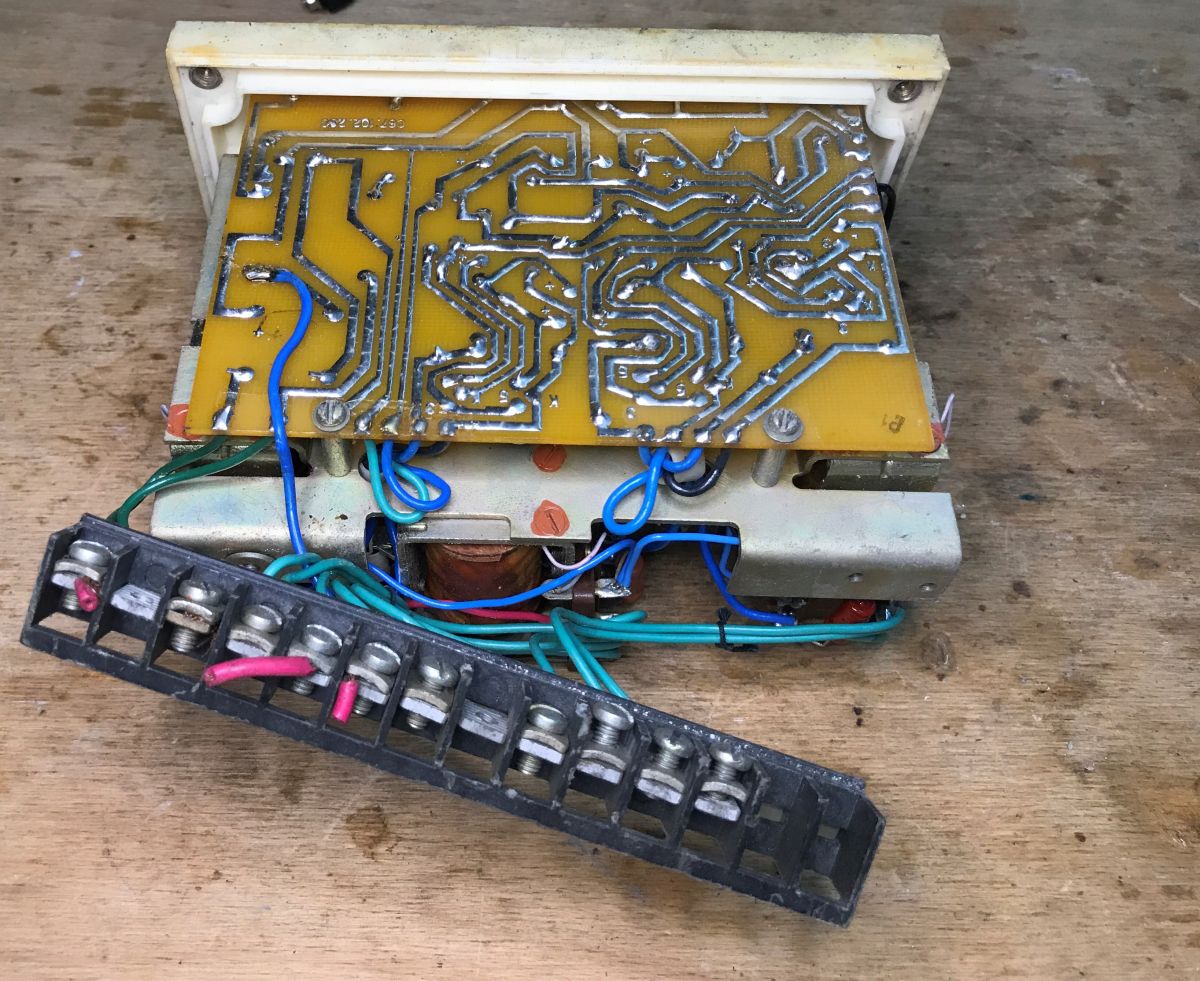
Disassembly progress and designation from plate - C67.102.280:
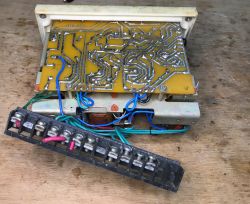
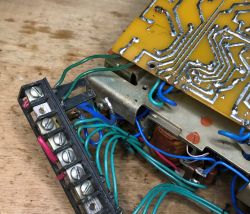
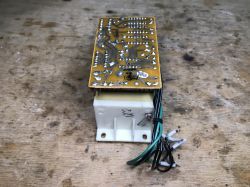
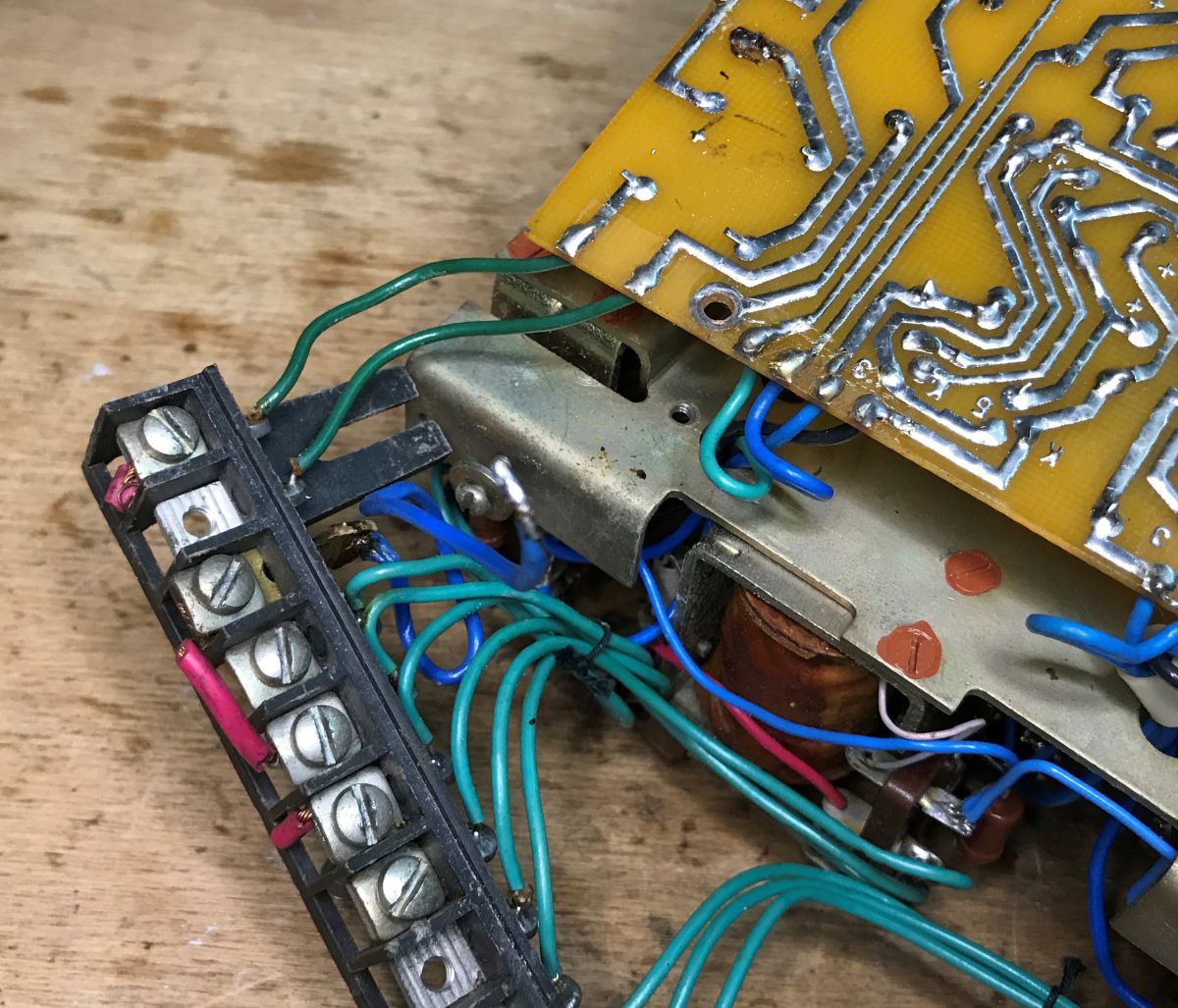
Inside an old time relay: three relays, a PCB, and a bundle of blue wires beneath a screw terminal strip Exposed PCB with tinned traces and wires mounted above a metal frame, with a loose screw terminal strip in front Close-up of PCB underside with tinned traces and the marking “C67.102.280” Device interior with circuit board, transformer, and wiring harness on a wooden workbench Device interior with circuit board, transformer, and wiring harness on a wooden workbench
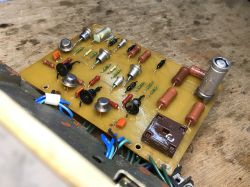
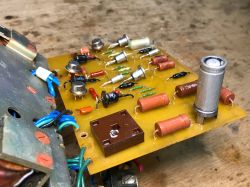
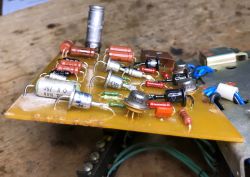
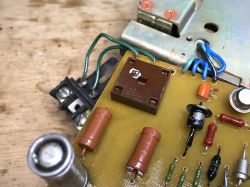
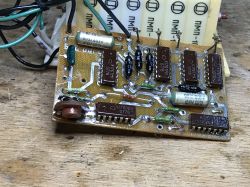
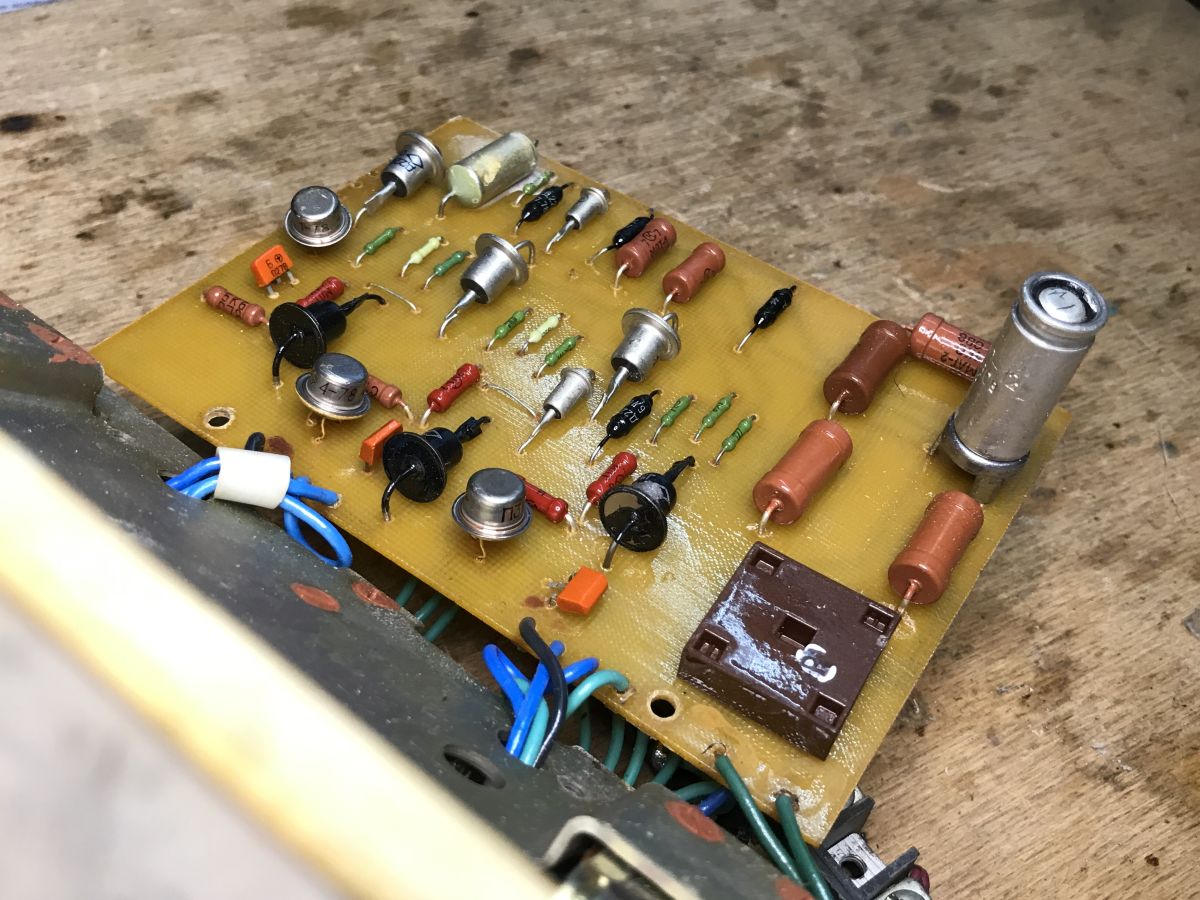
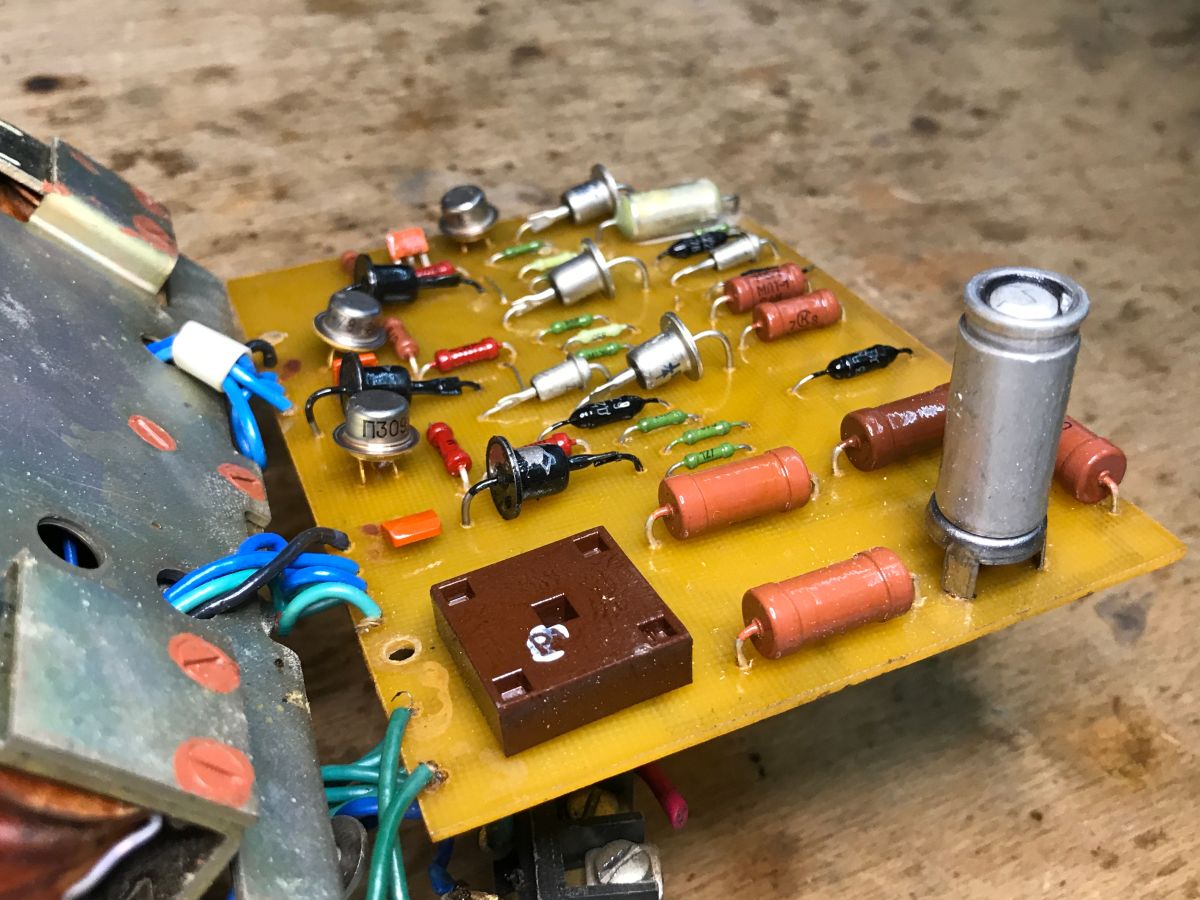
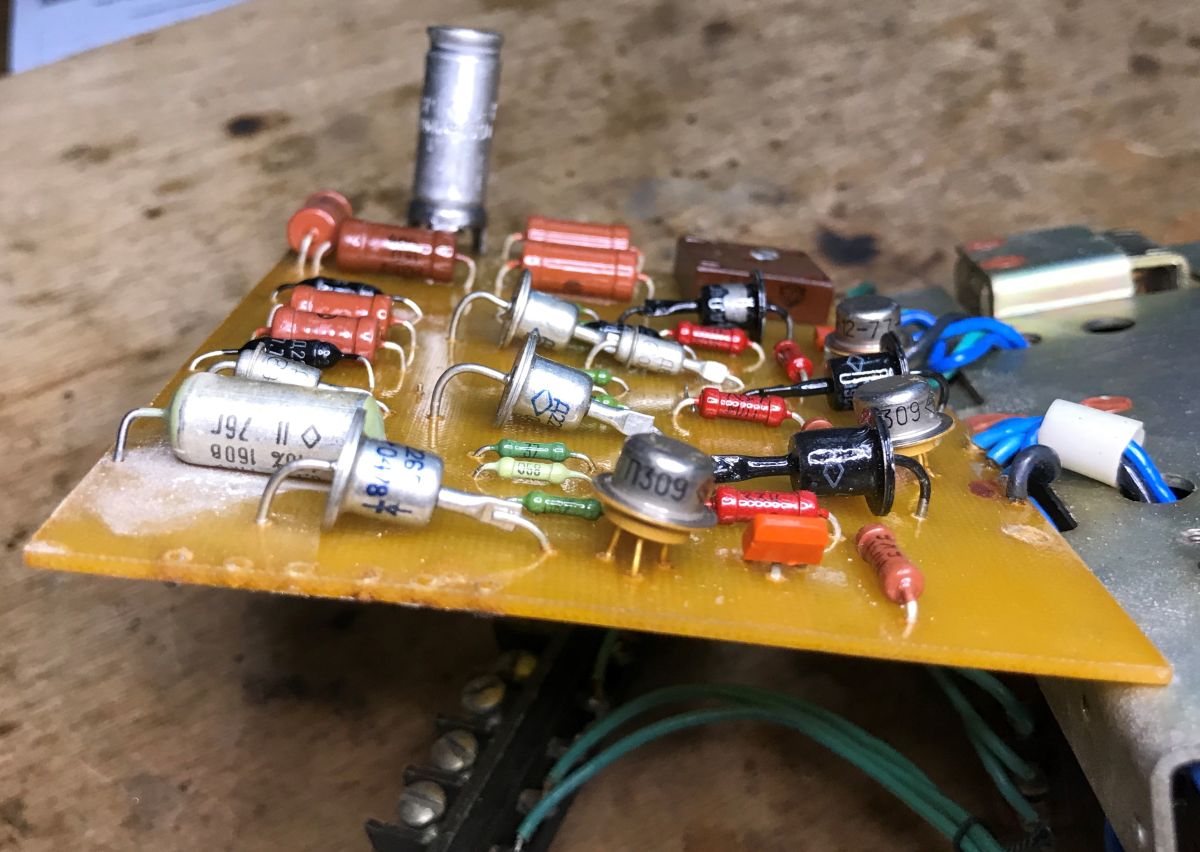
Disassembly of the circuit board showing the rectifier bridge, large electrolytic capacitor and characteristic resistors. Although the timing itself is mechanical, the counting is already solid-state.
Disassembled relay module with metal frame and PCB with a capacitor on a wooden workbench PCB with through-hole components and wires, photographed on a wooden workbench Close-up of a PCB with through-hole components and a large metal can capacitor Close-up of a PCB with through-hole components and wires on a workshop bench
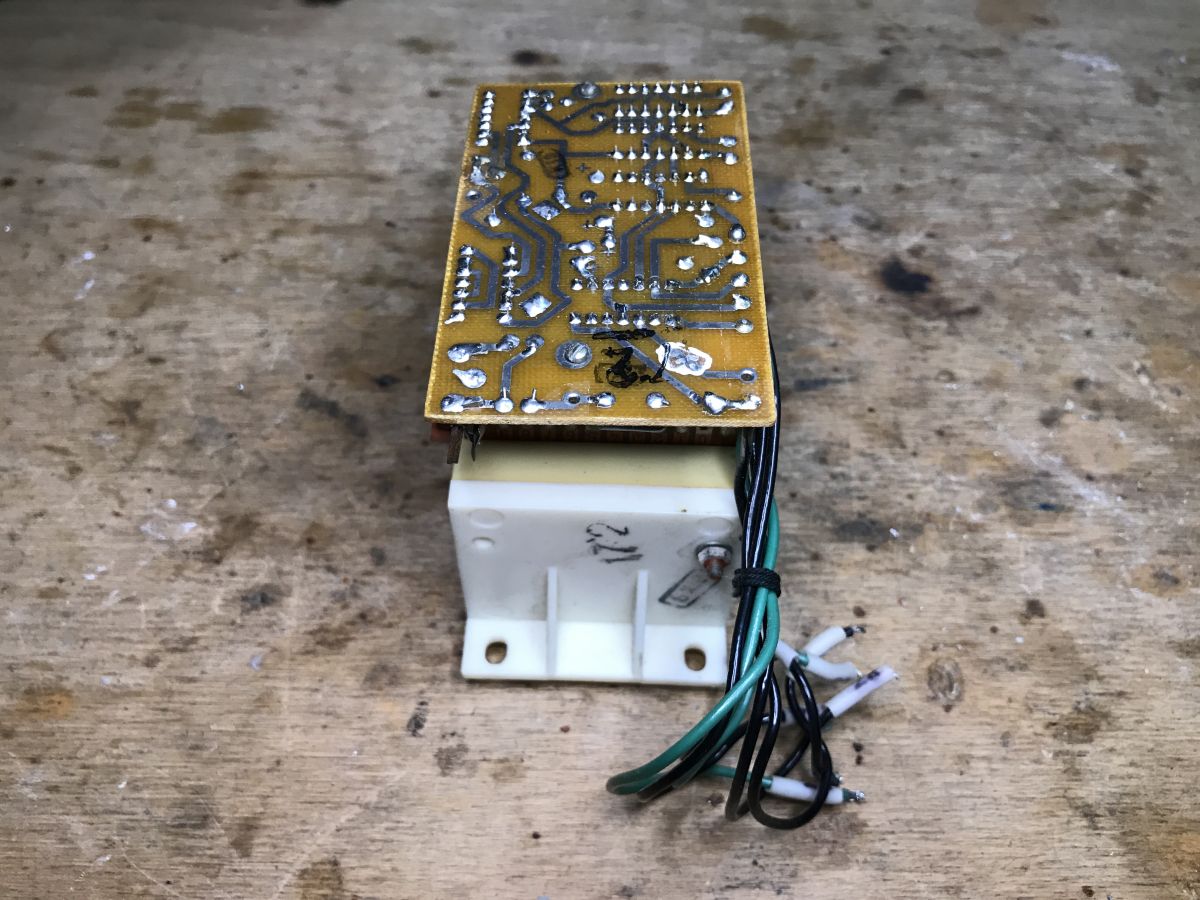
There is no descriptive layer on the board and all tracks are tinned for durability.
Close-up of device internals with PCB, screw terminal block, and bundled wires on a wooden surface Close-up of a PCB with components, wires, and part of a metal device enclosure Opened relay device with metal cover, wires, and a screw terminal strip on a wooden workbench Inside an electrical device with multiple relays, circuit boards, and blue wiring
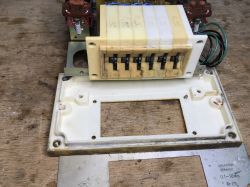
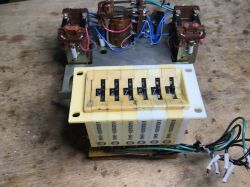
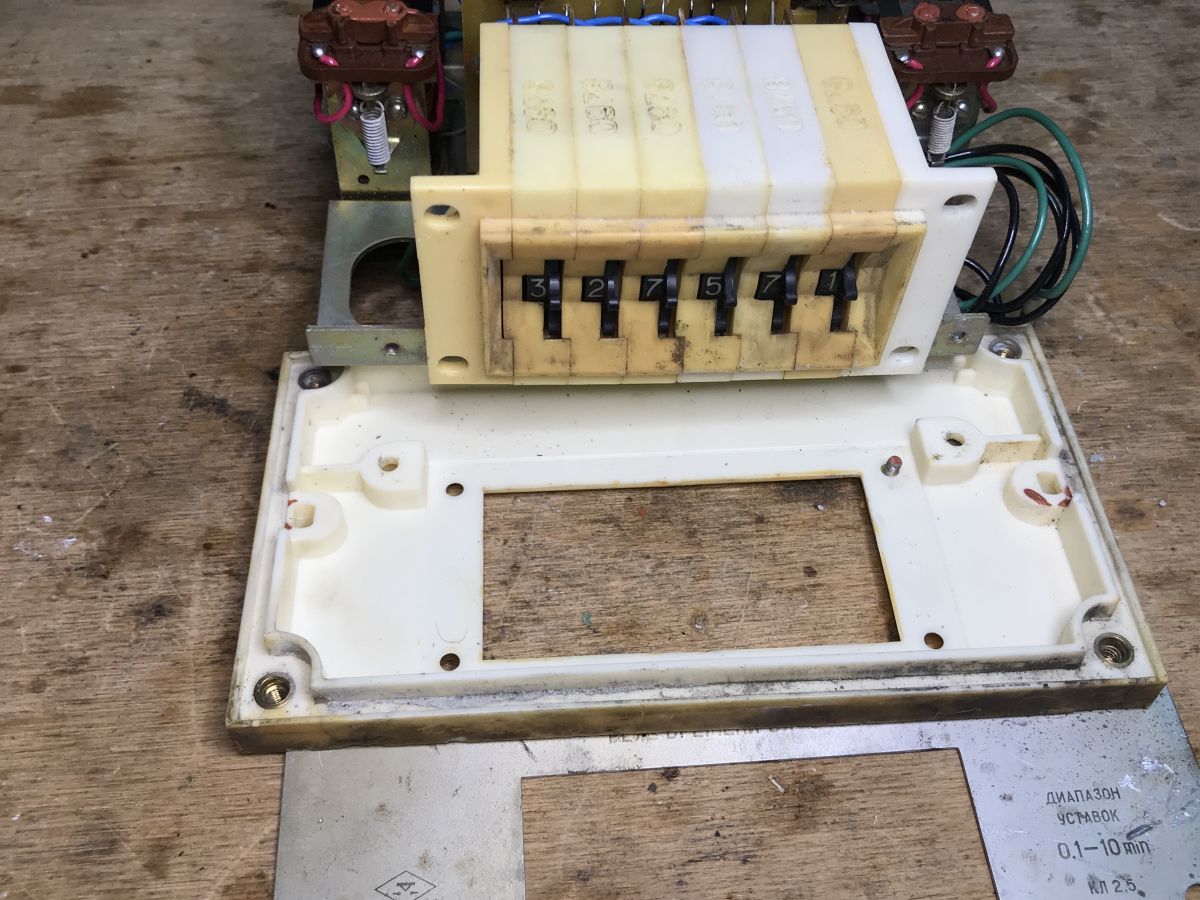
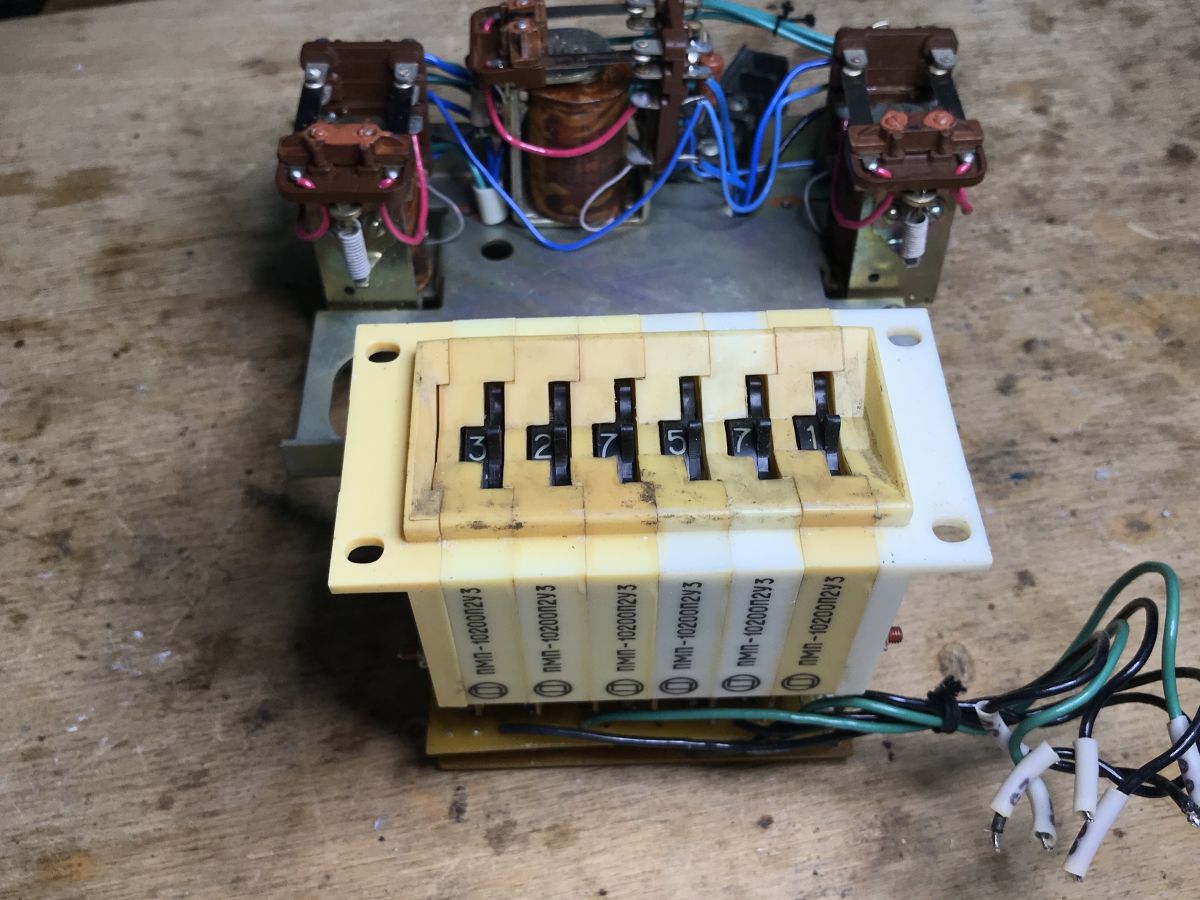
Removal of the front panel and separation of the mechanical part:
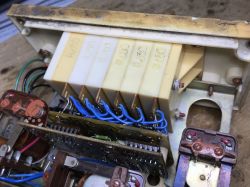
Disassembled timer relay panel with number sliders and a metal plate with Cyrillic labels on a workbench Disassembled module with digit switches and wires on a workbench, with housing parts nearby Inside of a device with three relays and a lever-based setting module on a workshop table Interior of an old time relay: three brown relays, a central coil, and colored wiring on a metal base Interior of an old time relay: three brown relays, a central coil, and colored wiring on a metal base
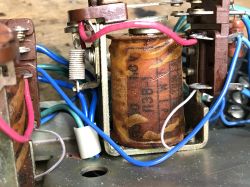
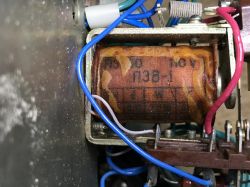
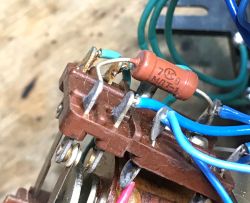
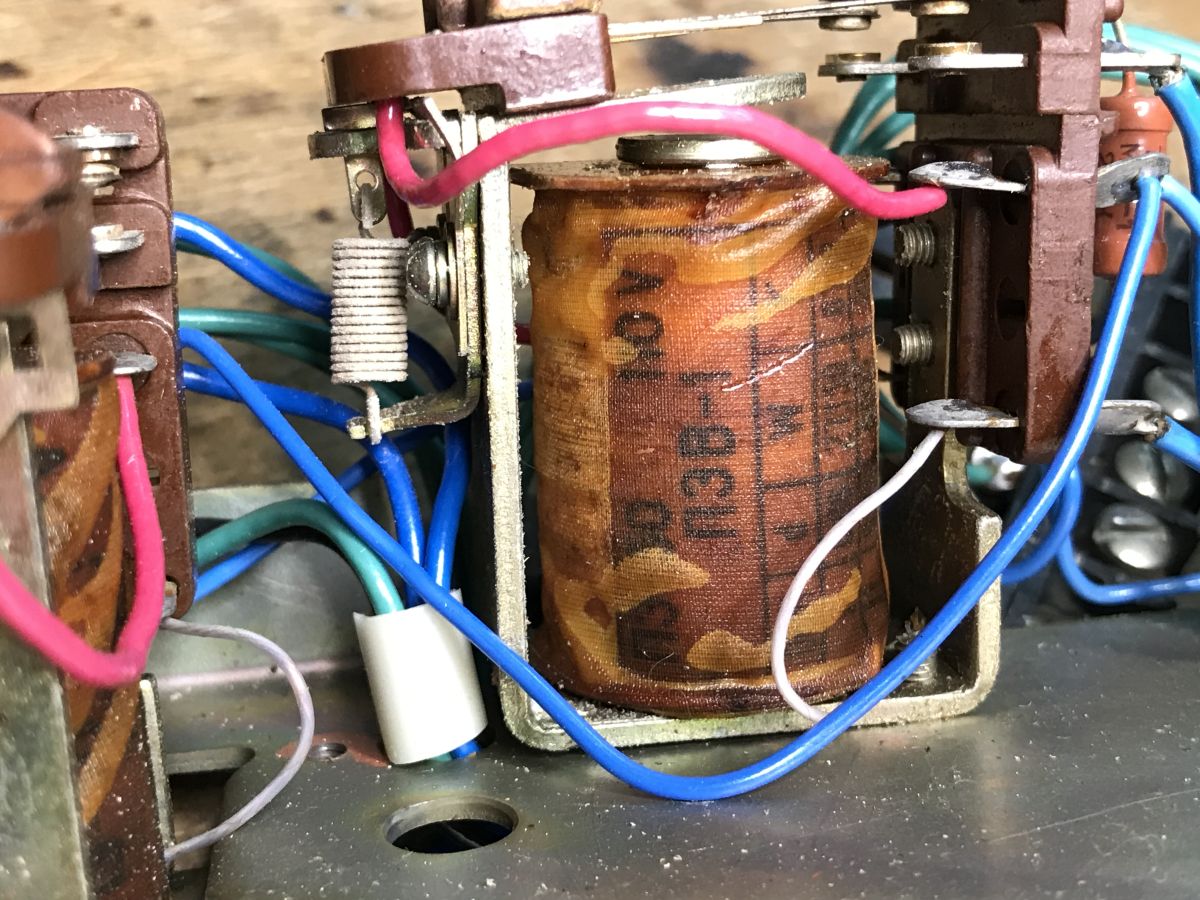
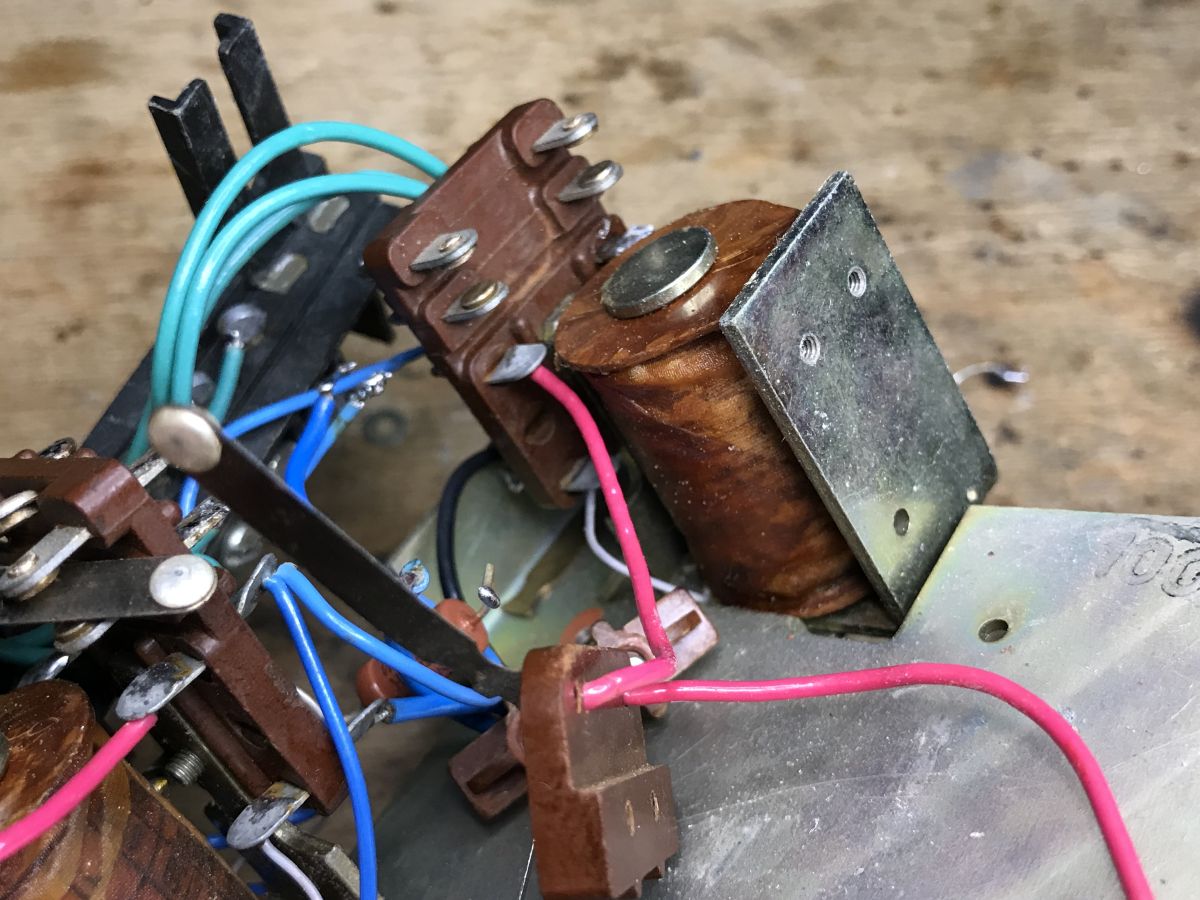
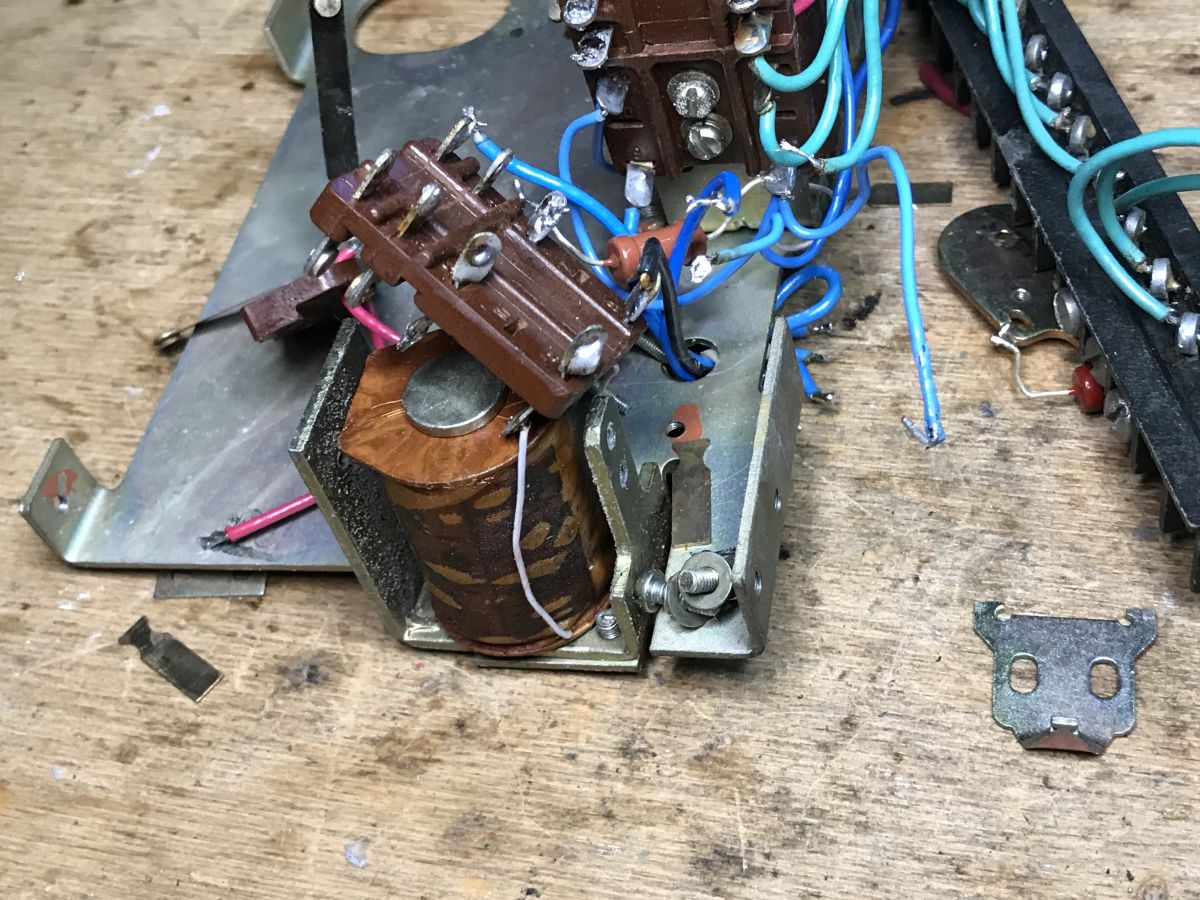
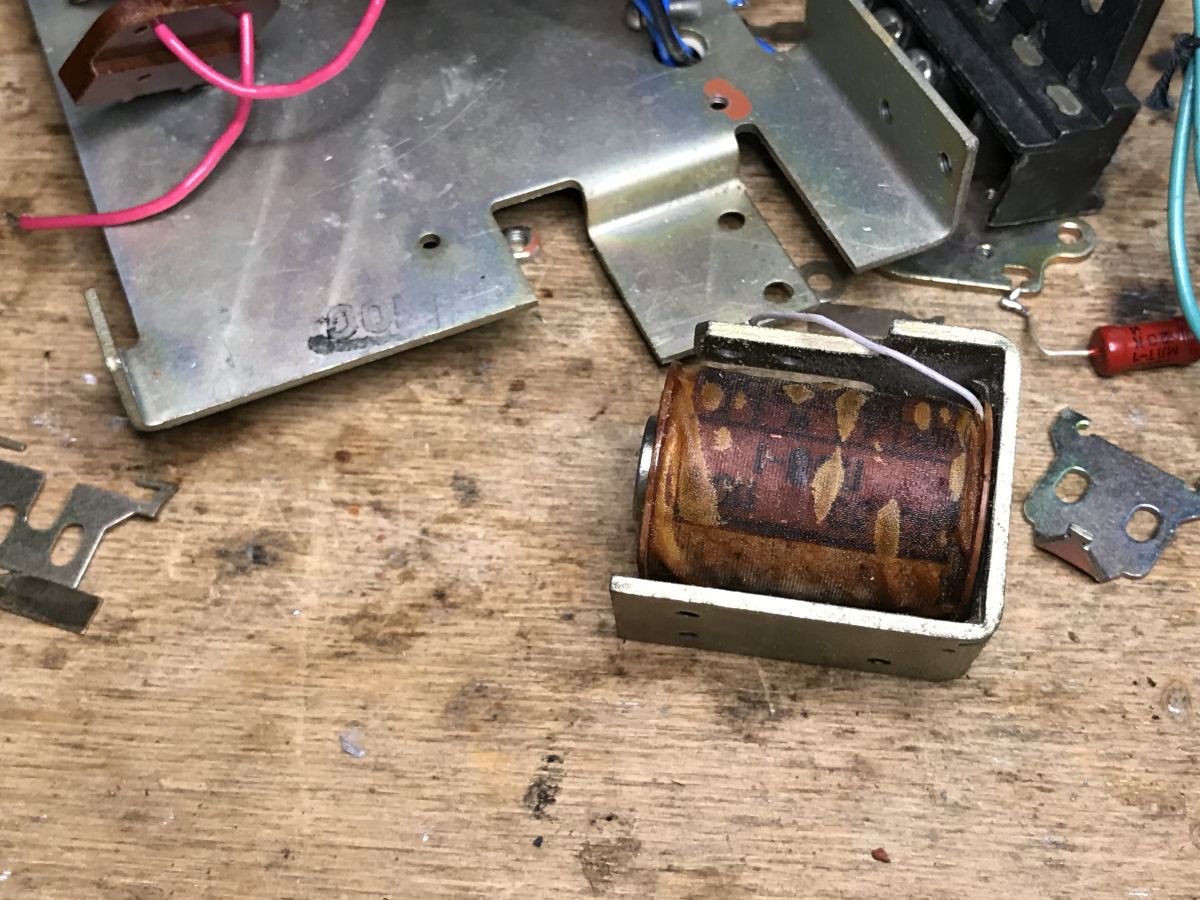
Removal of relays:
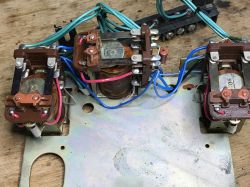
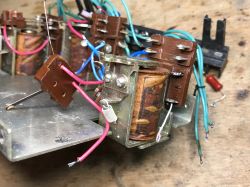
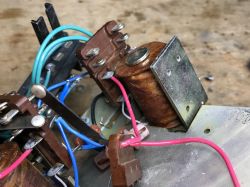
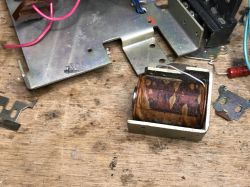
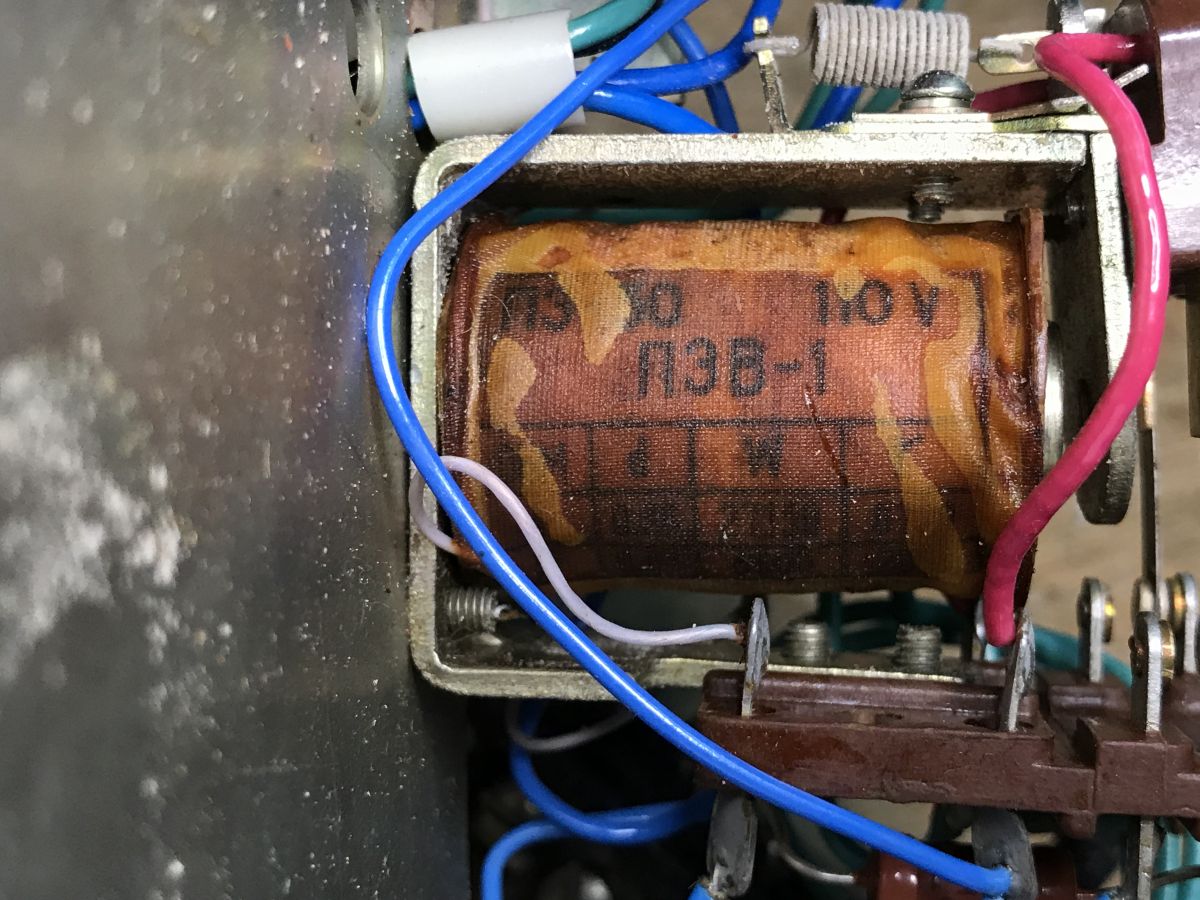
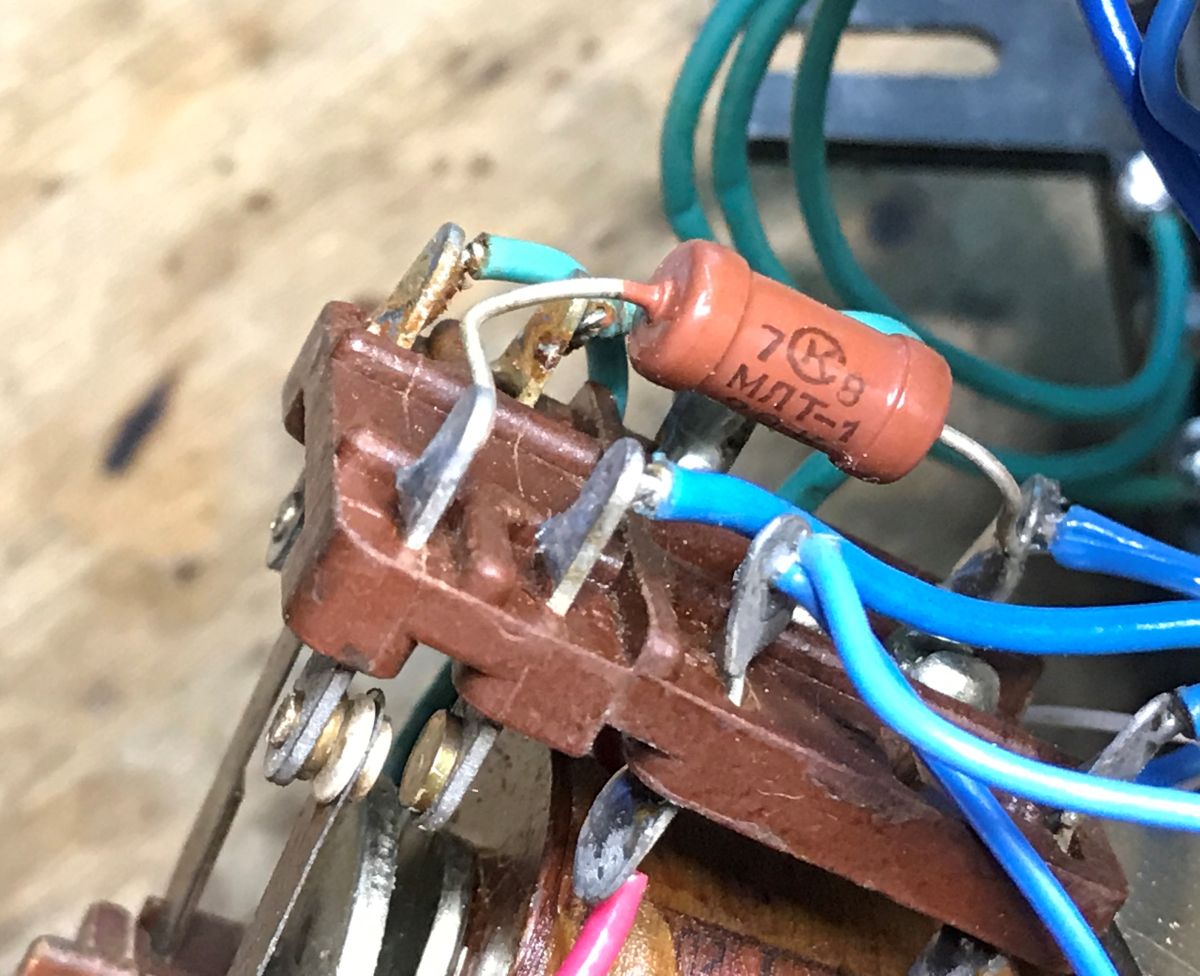
Close-up of a relay interior: large electromagnet coil with blue and red wiring on a metal base Close-up of a coil inside a device, labeled “110V”, with blue and red wires attached Close-up of an electronic component marked “7Д8 МЛТ‑1” connected to wires on a contact assembly Three electromagnetic relays on a metal plate, wired with blue and green leads. Three electromagnetic relays on a metal plate, wired with blue and green leads.
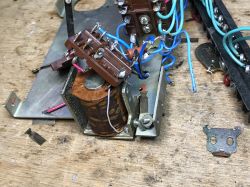
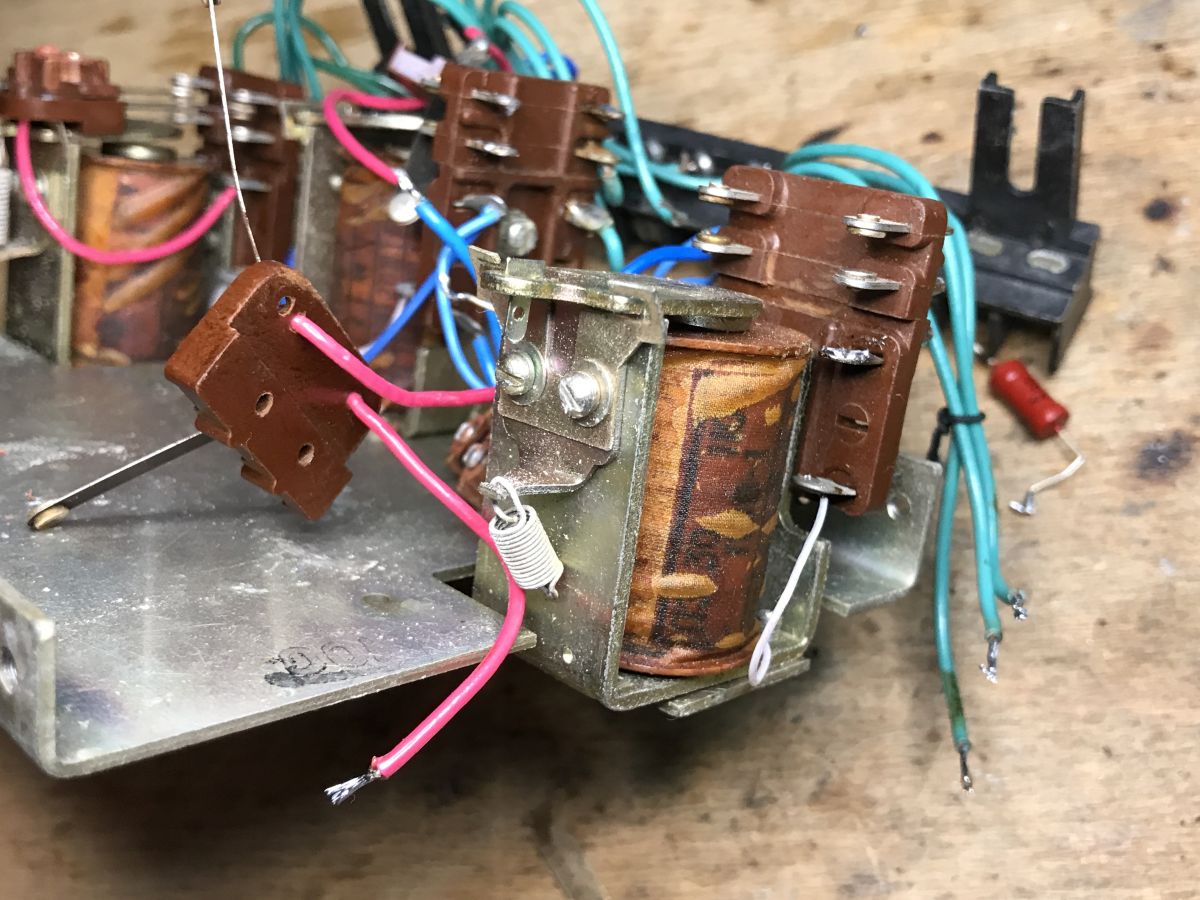
Close-up of a disassembled relay with coil, contacts, and loose wires on a wooden workbench Close-up of a device interior with a relay coil, metal bracket, and colored wires on screw terminals Disassembled relay internals: coil, contact block on brown insulator, and blue wires on a workbench Electromagnet coil in a metal frame on a wooden workbench, with metal plates and wires nearby.
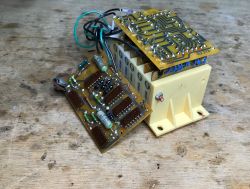
Removal of the counter module:

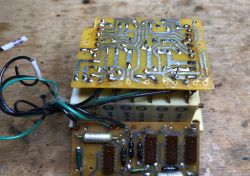
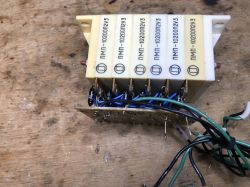
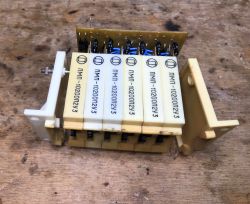
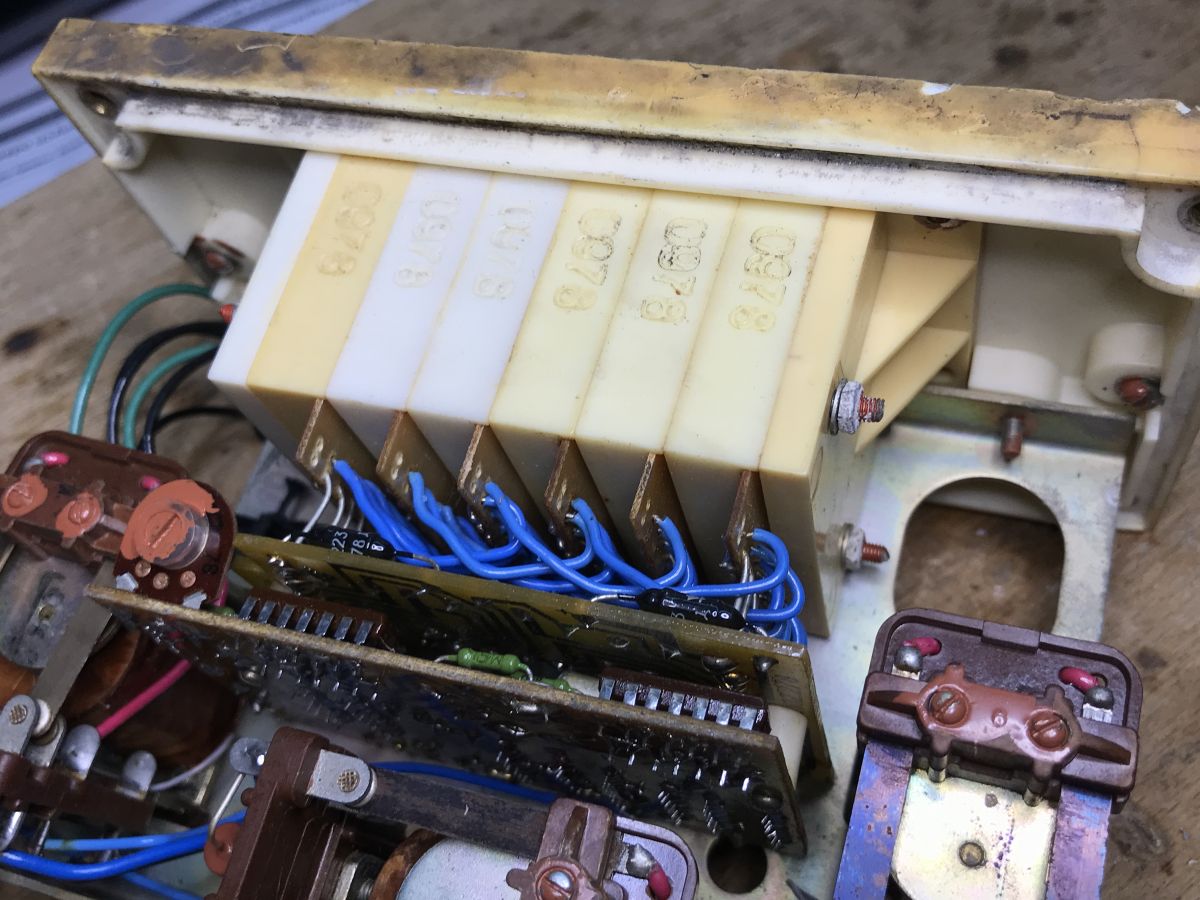
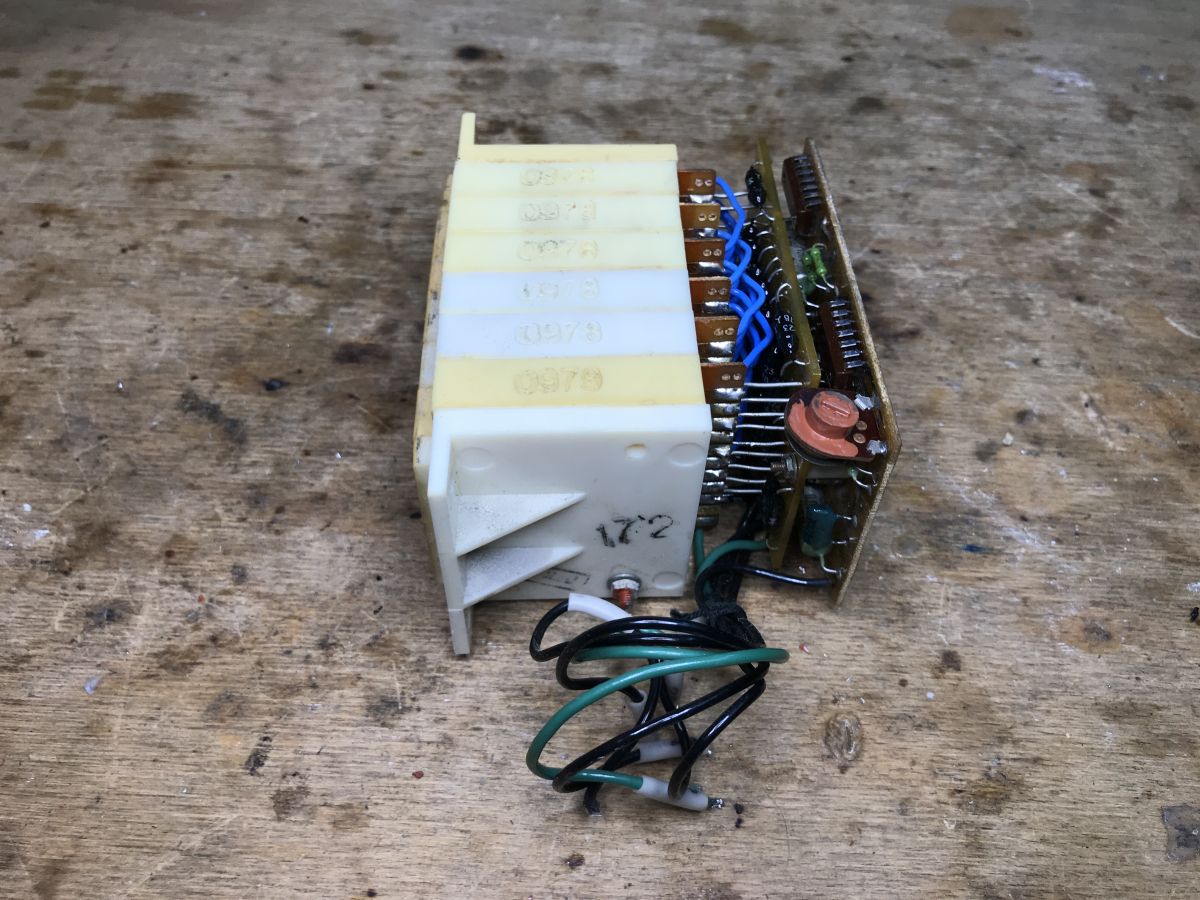
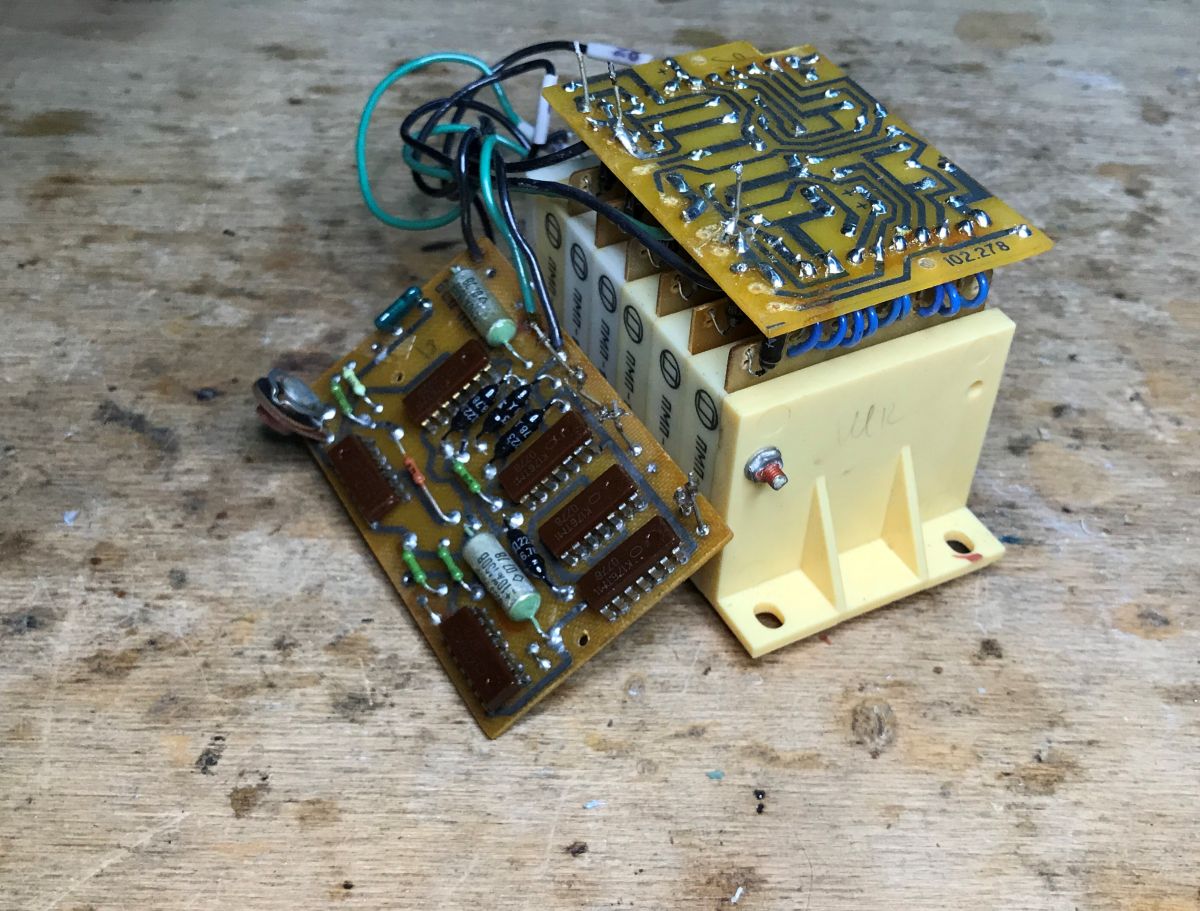
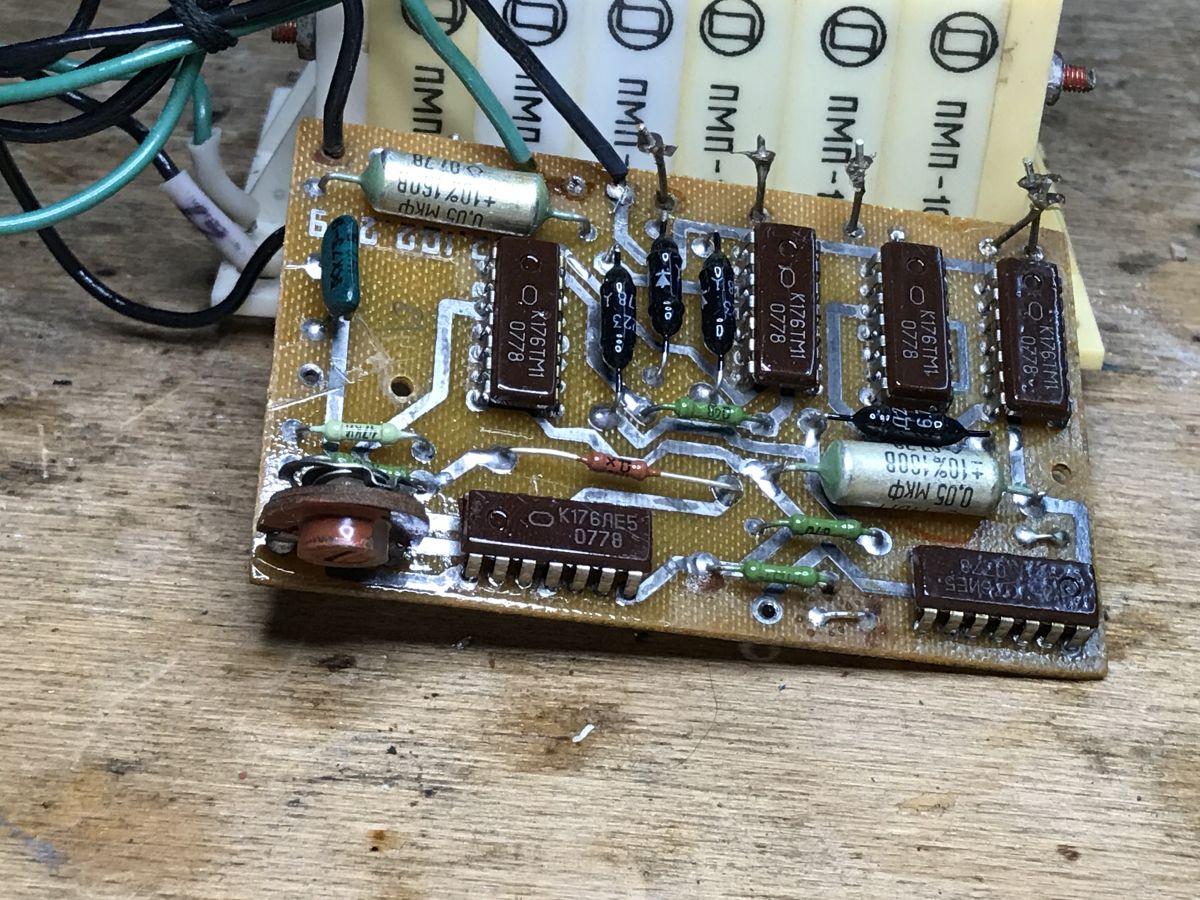
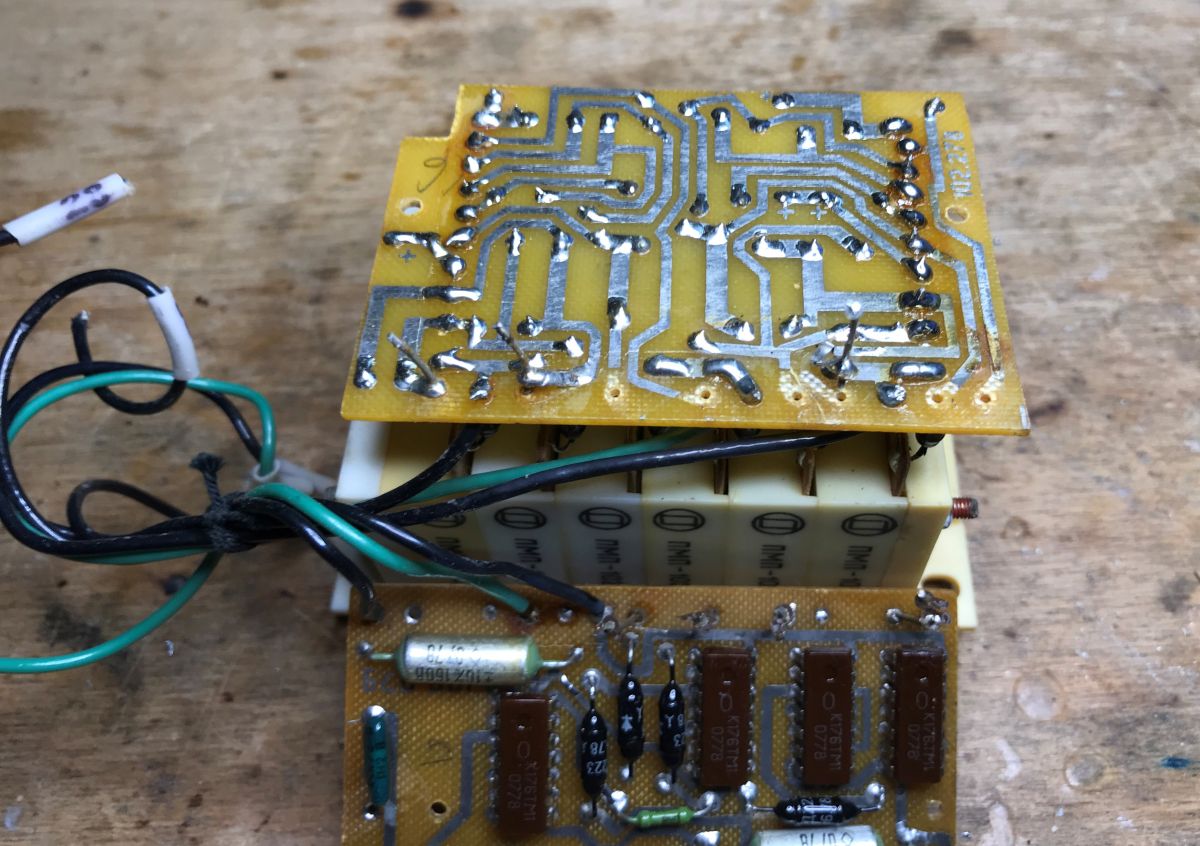
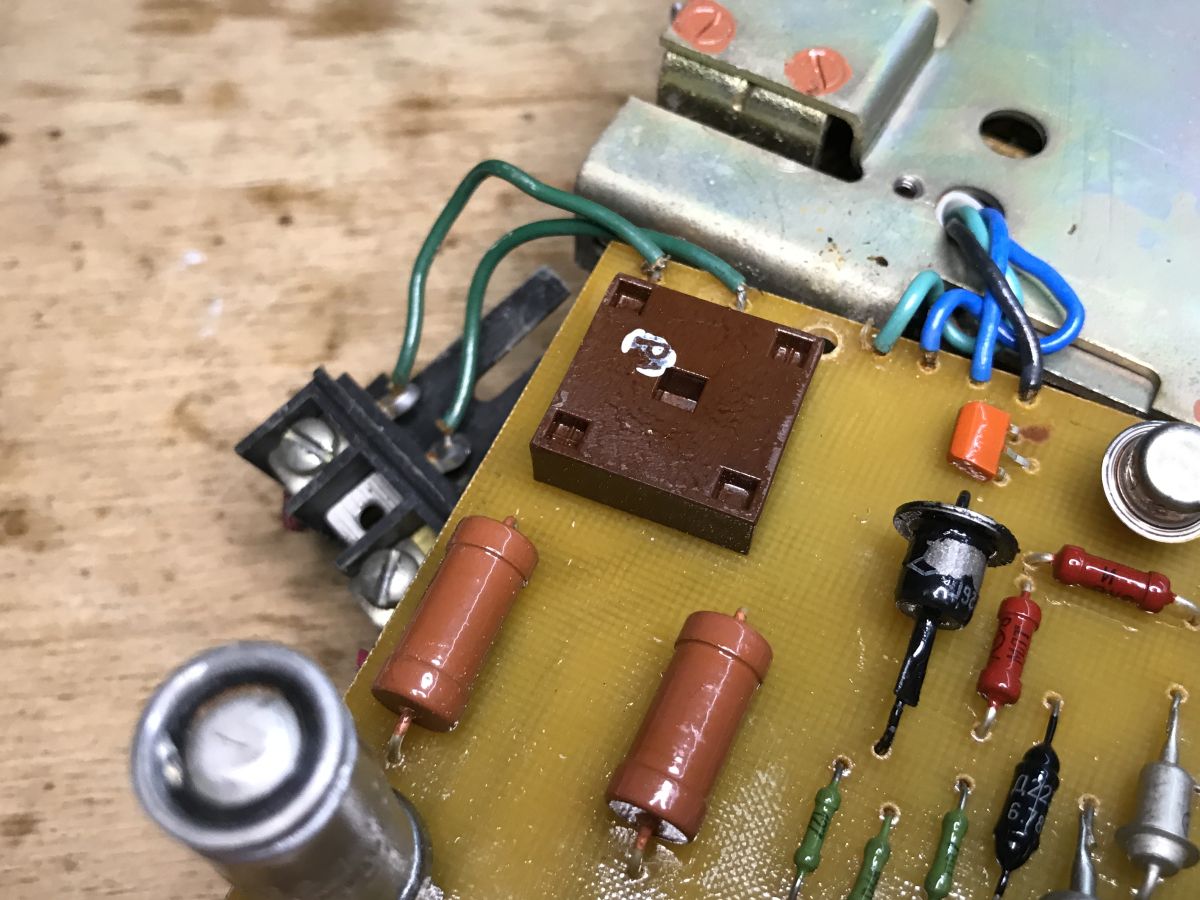
It is realised on the K176TM1 and K176NE5 integrated circuits. I am puzzled by the component next to the potentiometer - is it a resonator of the time?
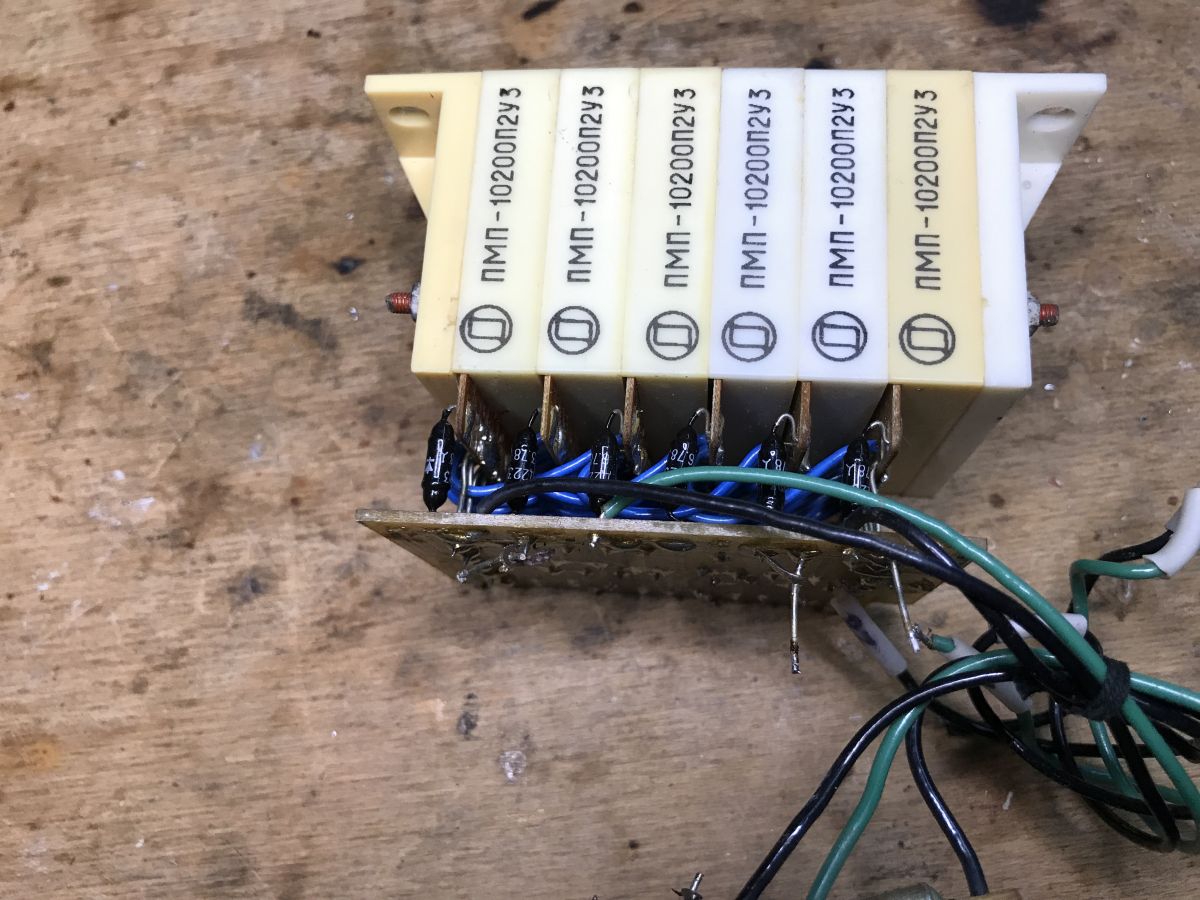
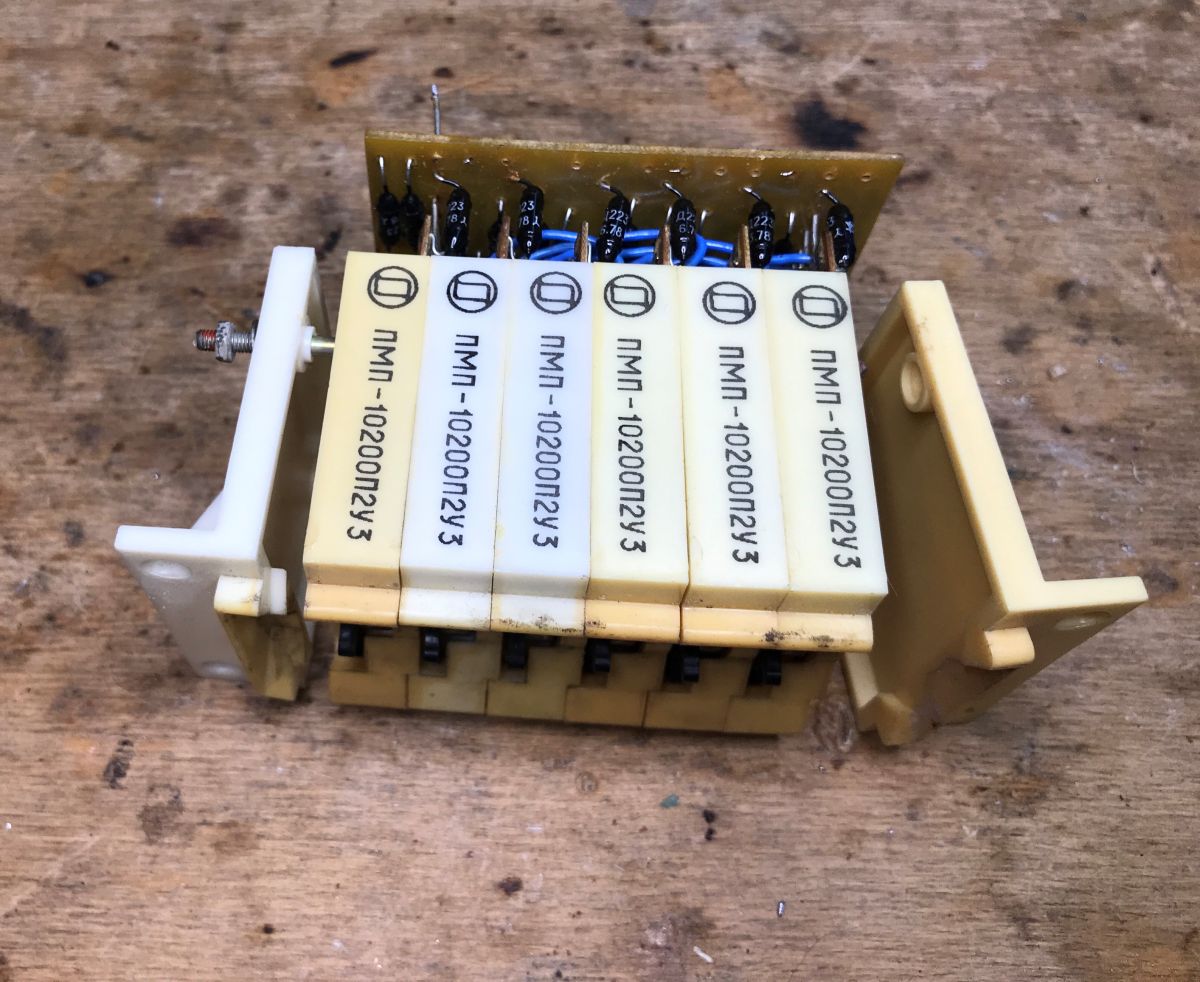
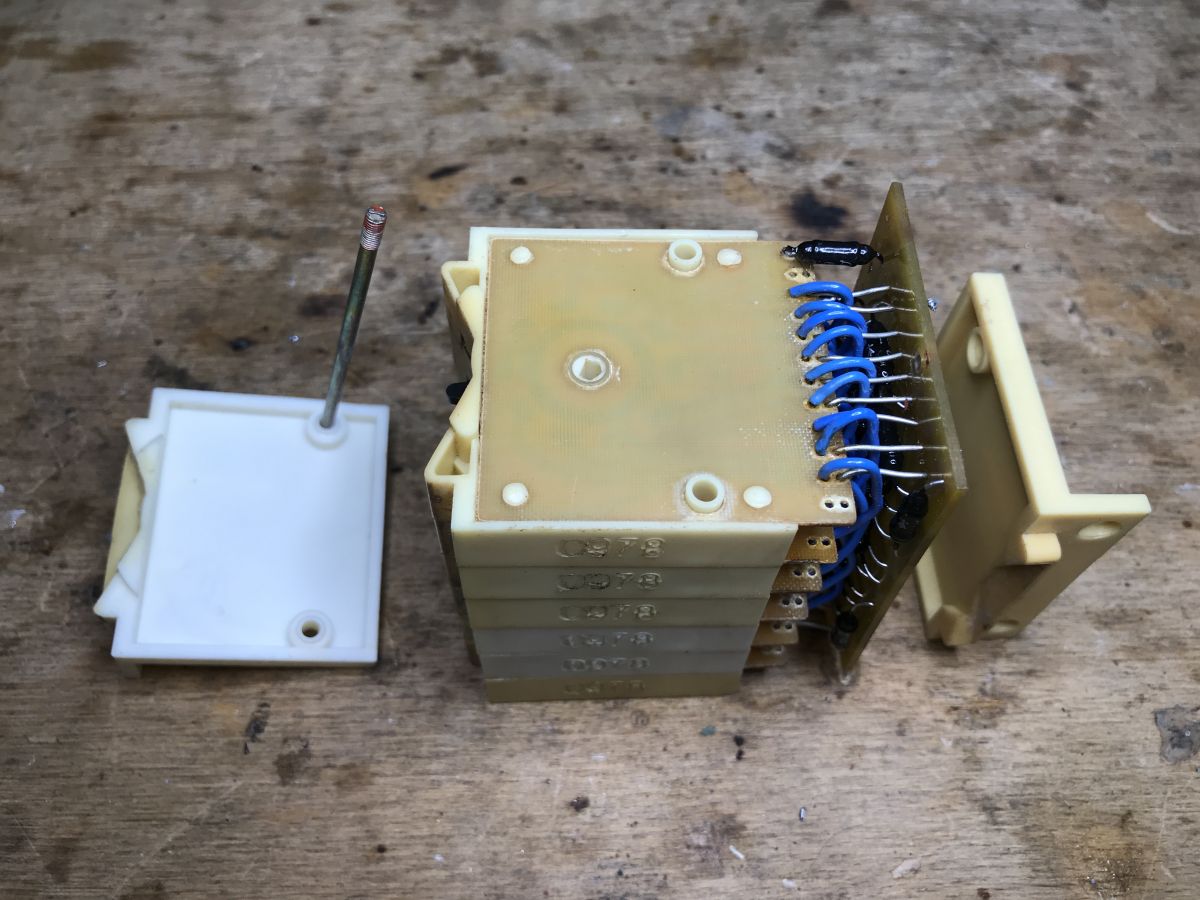
Two stacked PCBs with solder traces, components, and wires on a wooden workbench Six white “ПМП-10200П2У3” modules on a PCB with wires, placed on a wooden workbench Module with six white relays and a PCB on a stained wooden workbench Disassembled relay module with PCB and blue wires on a wooden workbench
I still wanted to check how the time is set, but the disassembly was interrupted by the 2024 flood and the analysis was not completed and the board was lost. However, from what I remember, there were separate contacts for each lead rather than a single resistive path.

I found a similar device on this page: https://dzen.ru/a/X70JlQtK-AFJrFkT

I had originally planned a more detailed presentation with a sketch of the schematic, but the 2024 flood thwarted these plans and the equipment did not survive the cleaning stage. Therefore I would appreciate any additional information if anyone is able to identify the correct operating principle and the roles of the components from inside?
About Author
p.kaczmarek2
p.kaczmarek2 wrote 14297 posts with rating 12180 , helped 648 times. Been with us since 2014 year.

Comments

%}