

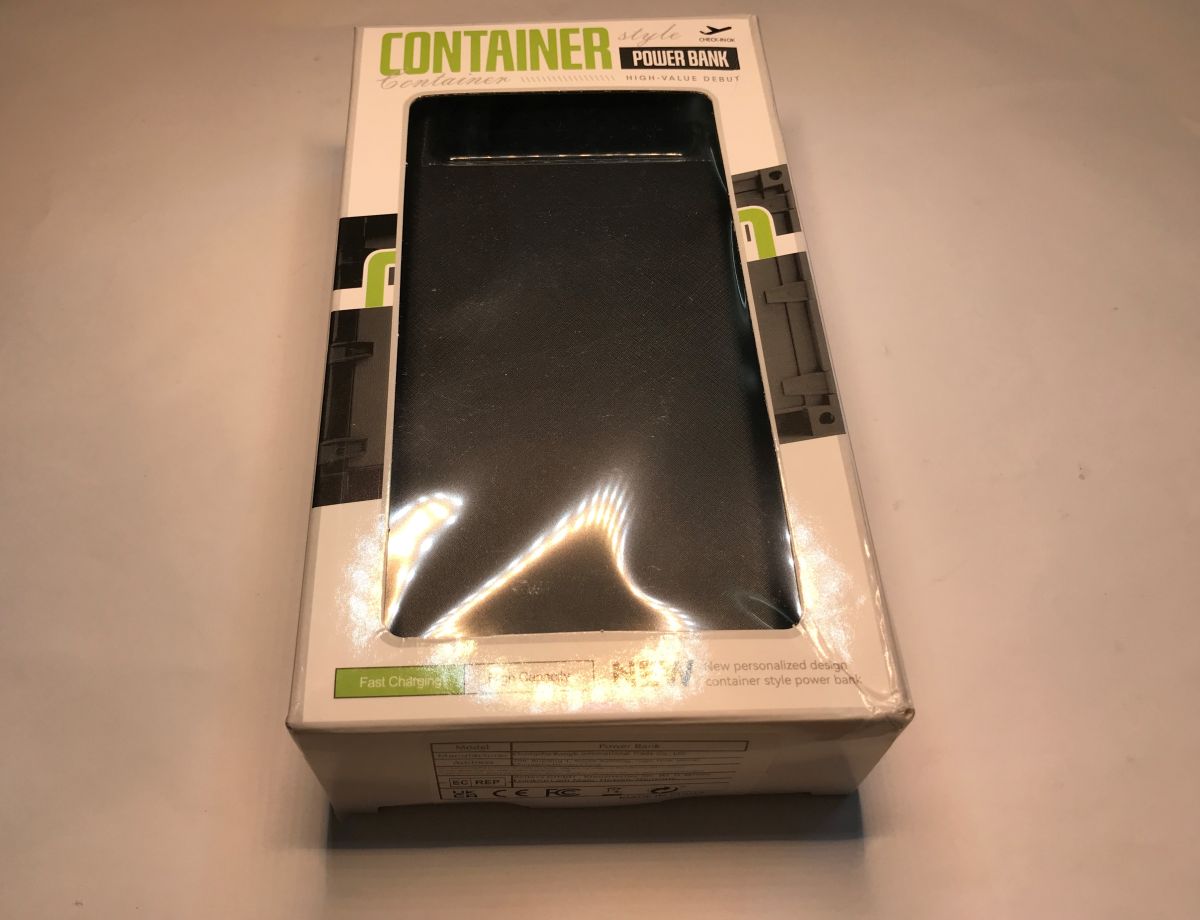
I've been presenting my capacity tests of various powerbanks on the forum for a while now, but I've recently realised that I've been too conscious of choosing good models such as Baseus , JoyRoom or Romoss . For this reason, I decided to go for the first cheapest 50 Ah powerbank from China and see what happens. Will I get a package at all, or will they send a brick?
I paid about 50PLN (~15USD). The price is quite small, but maybe that's because importers don't have to make money when I buy direct from overseas?
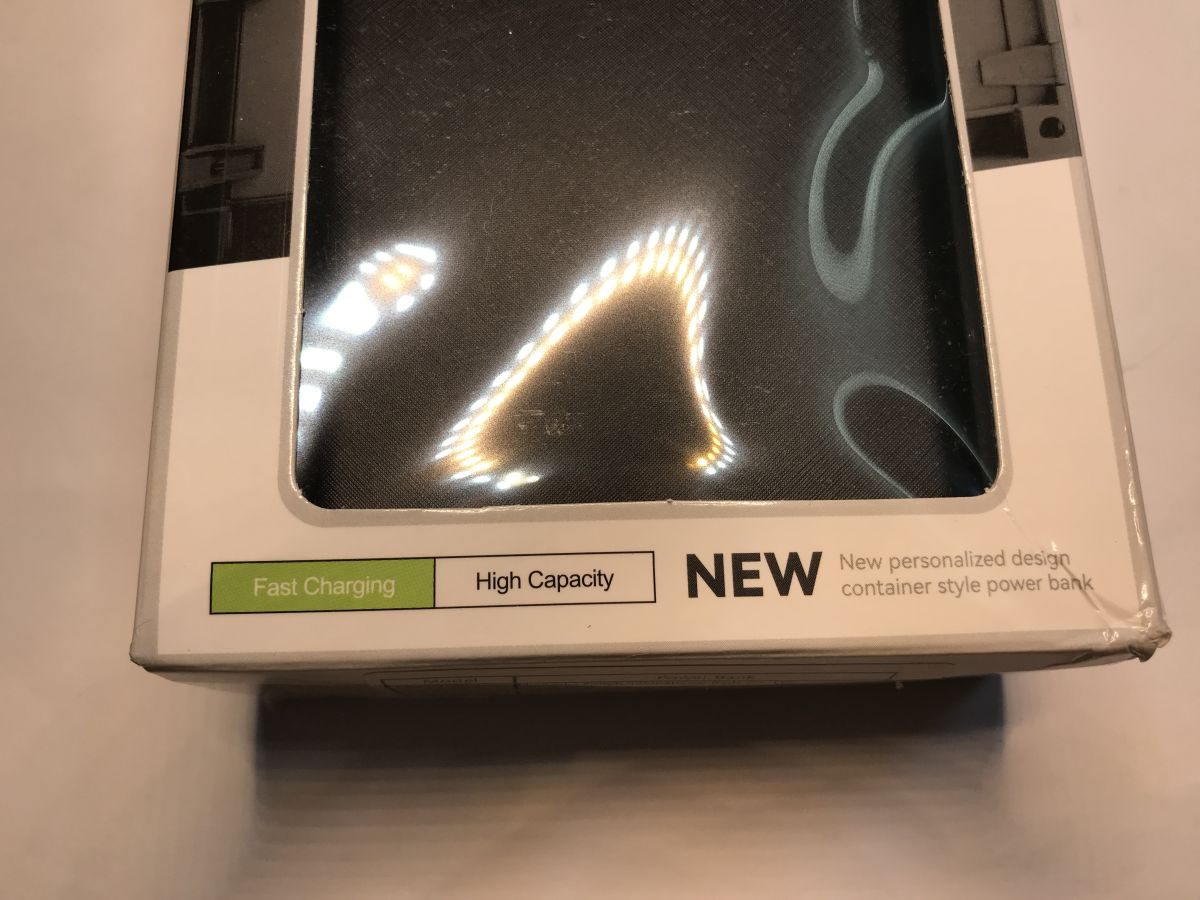
The case says "fast charging" but not "quick charge" - there will be no QC standard, i.e. supplying higher voltage than 5 V?
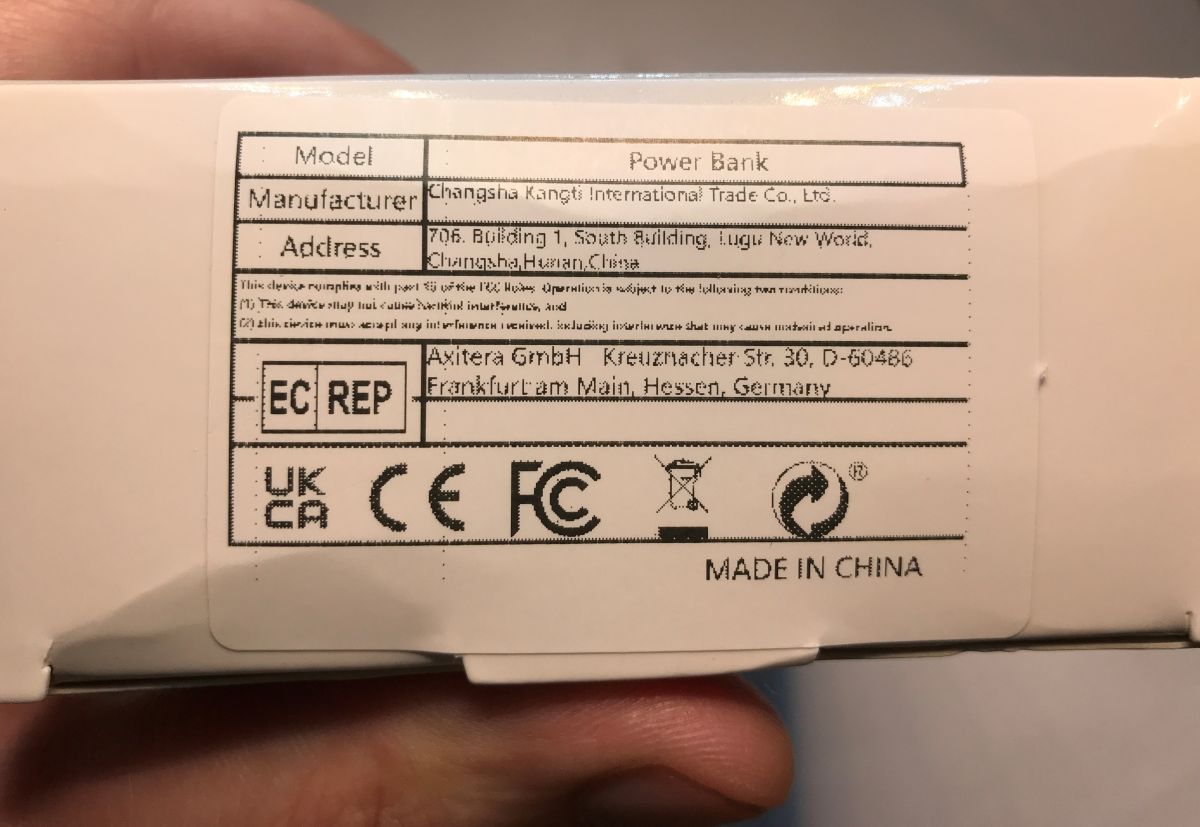
Look in vain on the casing for information about the model of the powerbank. According to the sticker, the model is simply "Power Bank". The "Container" on the packaging is already some kind of a nameplate.
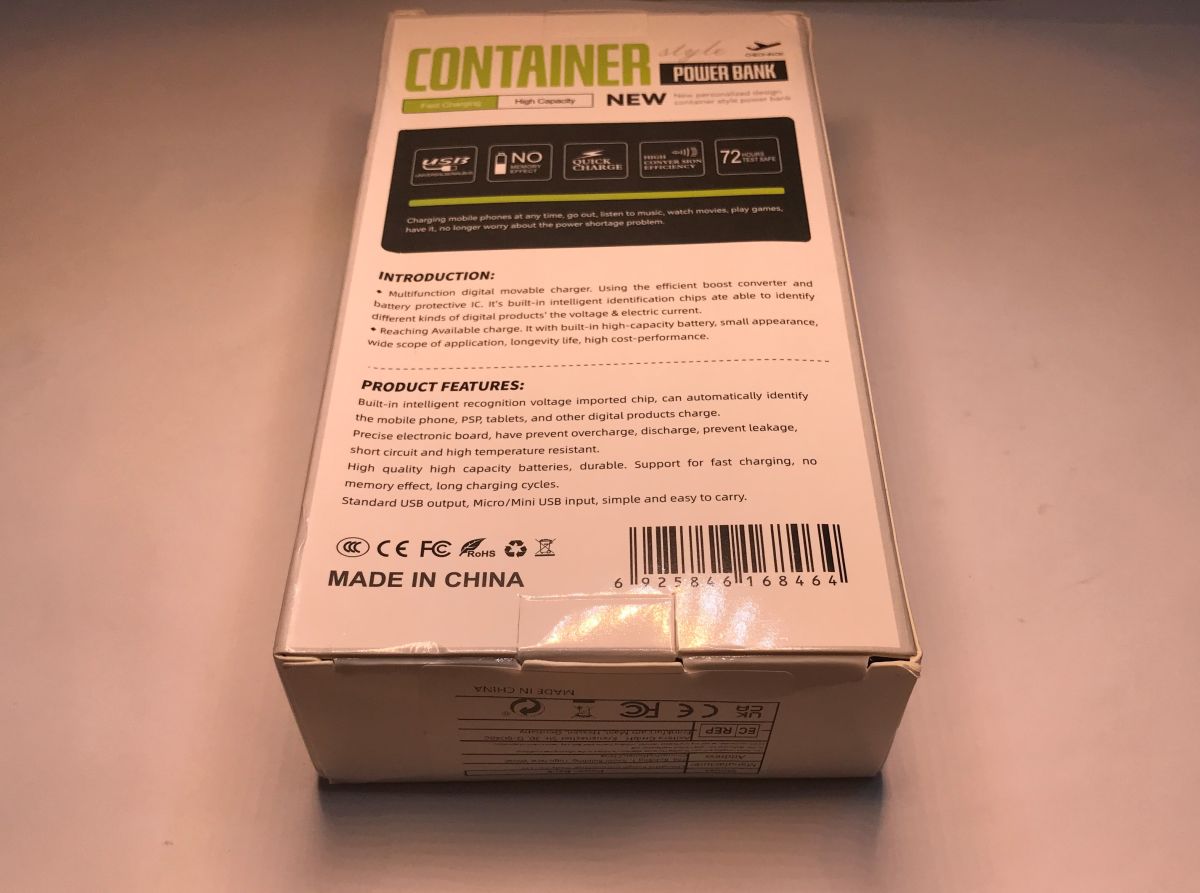
There is quite a long product description on the packaging, but I don't see any specifics.
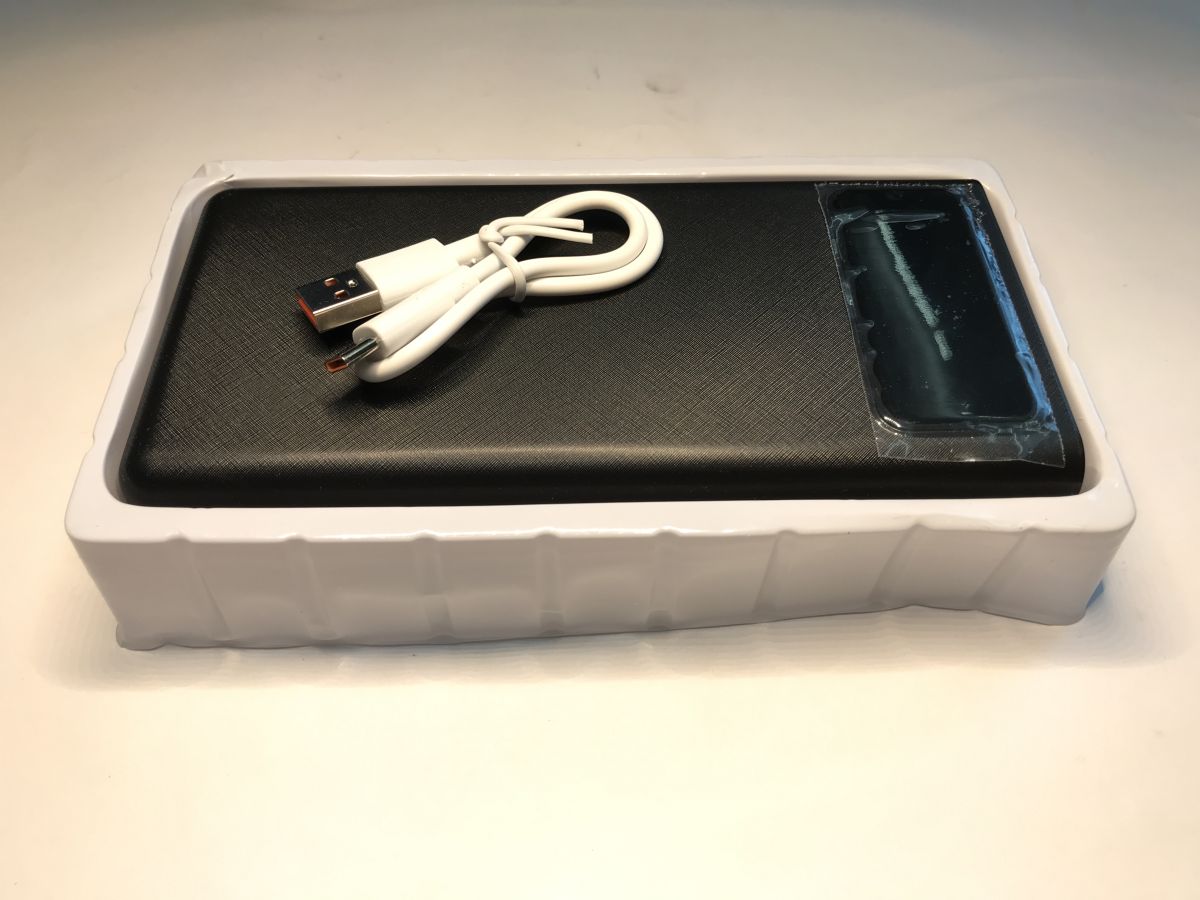
A USB C cable is included.
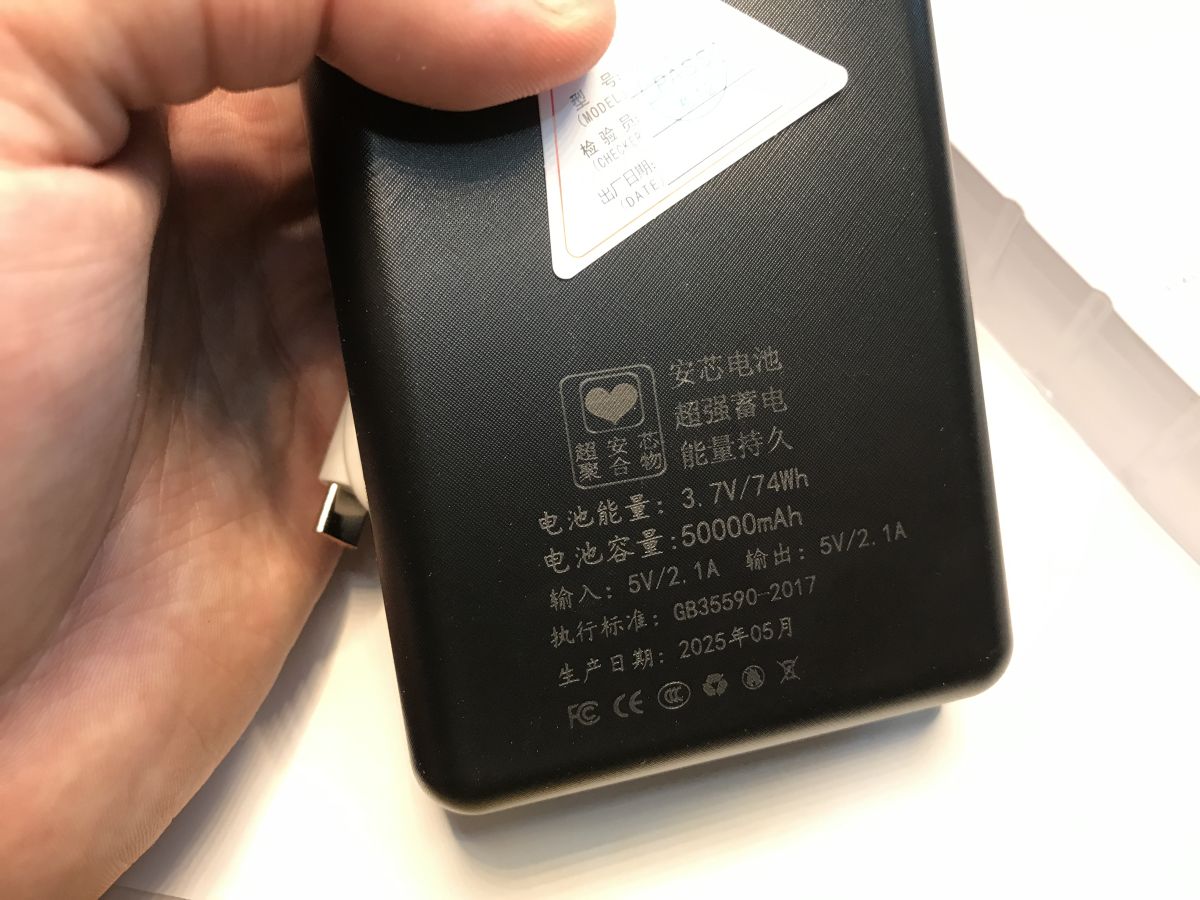
Finally, on the powerbank itself, there is what looks like a model name - GB35590-2017. These 2017s are worrying. Declared capacity: 50 Ah at 3.7 volts,. That would make a good match. What surprises me is the 74 Wh.
After all, if you multiply, it comes out rather 185 Wh of energy? Even if they were to take losses into account, it blandly comes out many times less. Could it be that it is not 50 Ah after all, but, say, 20 Ah?
Let's check further. Production date May 2025. I am also concerned about the voltage and current - only 5 V and 2.1 A? There is not even QC.
Ports - supposedly the orange colour indicates a higher current port?
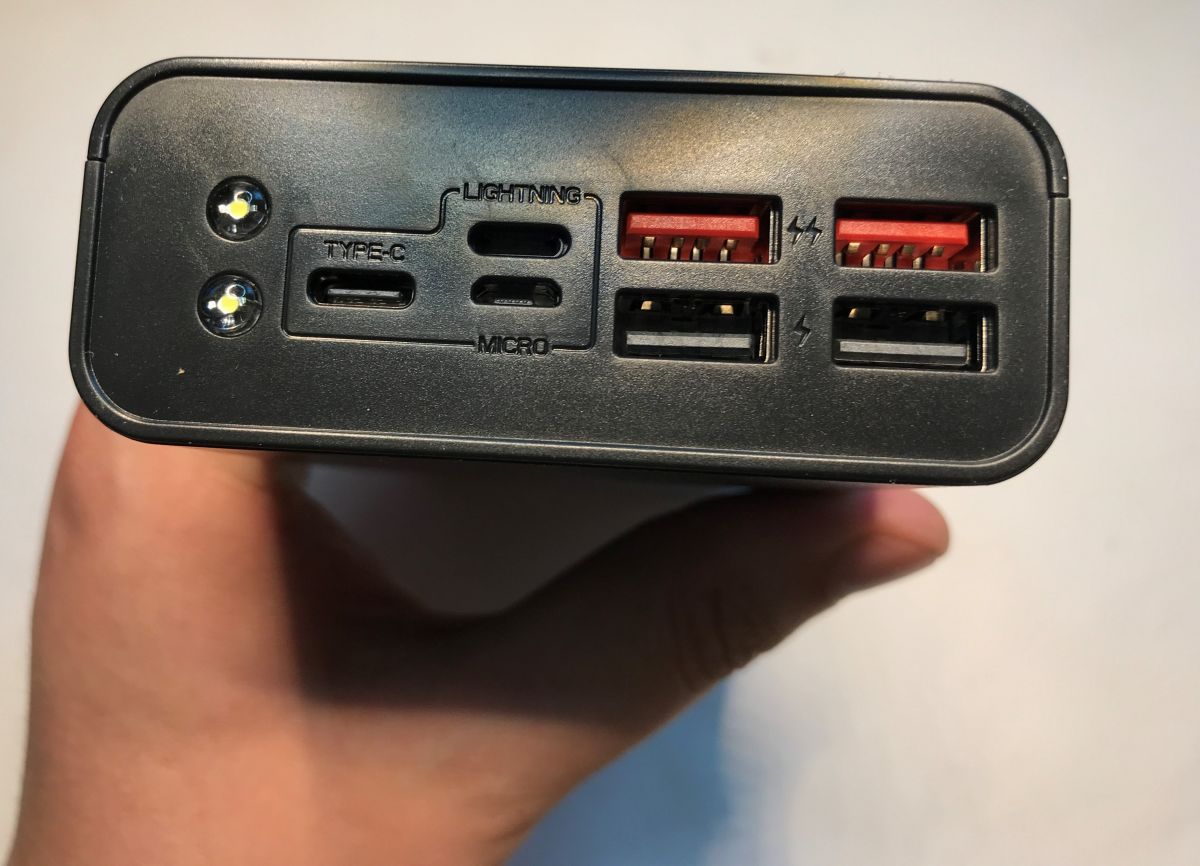
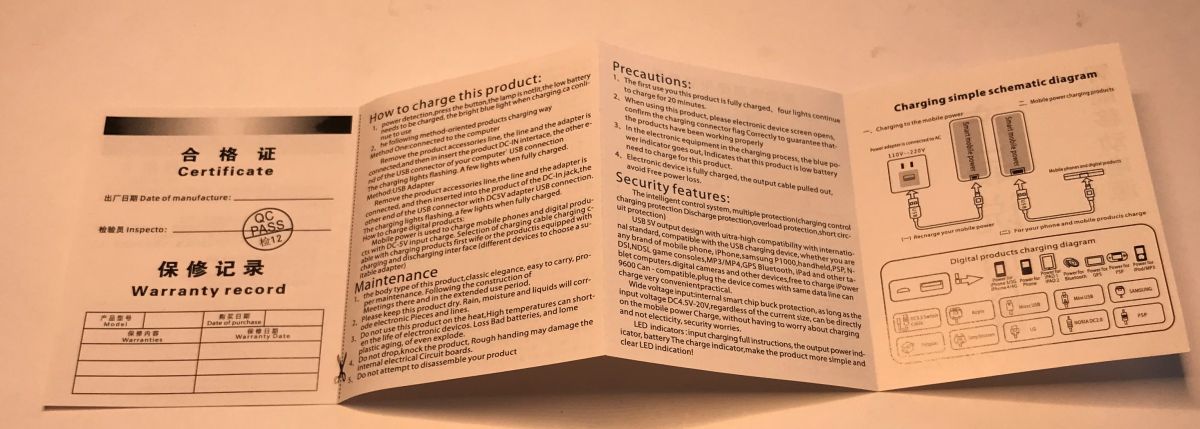
The manual says some interesting things, supposedly the input can be up to 20 volts, I would be afraid to check this.
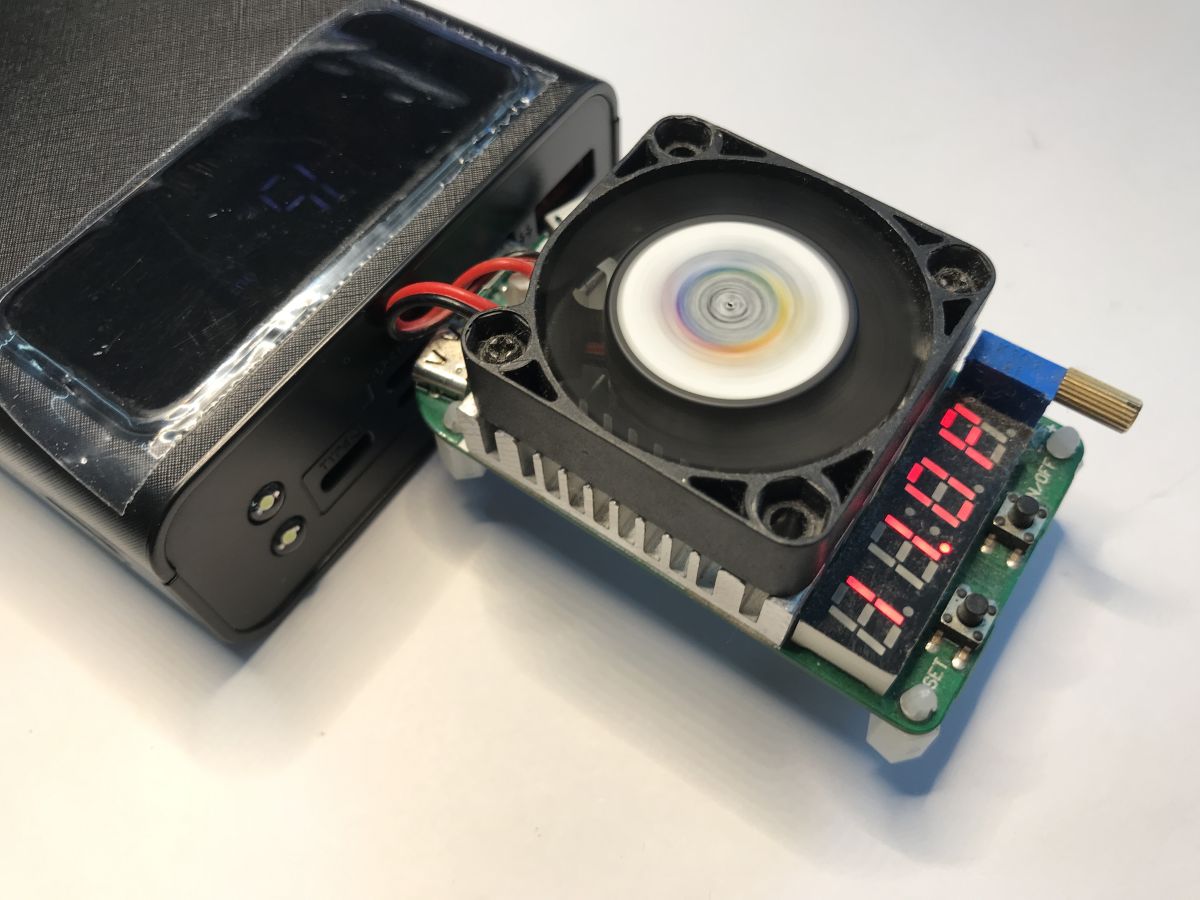
First load tests.
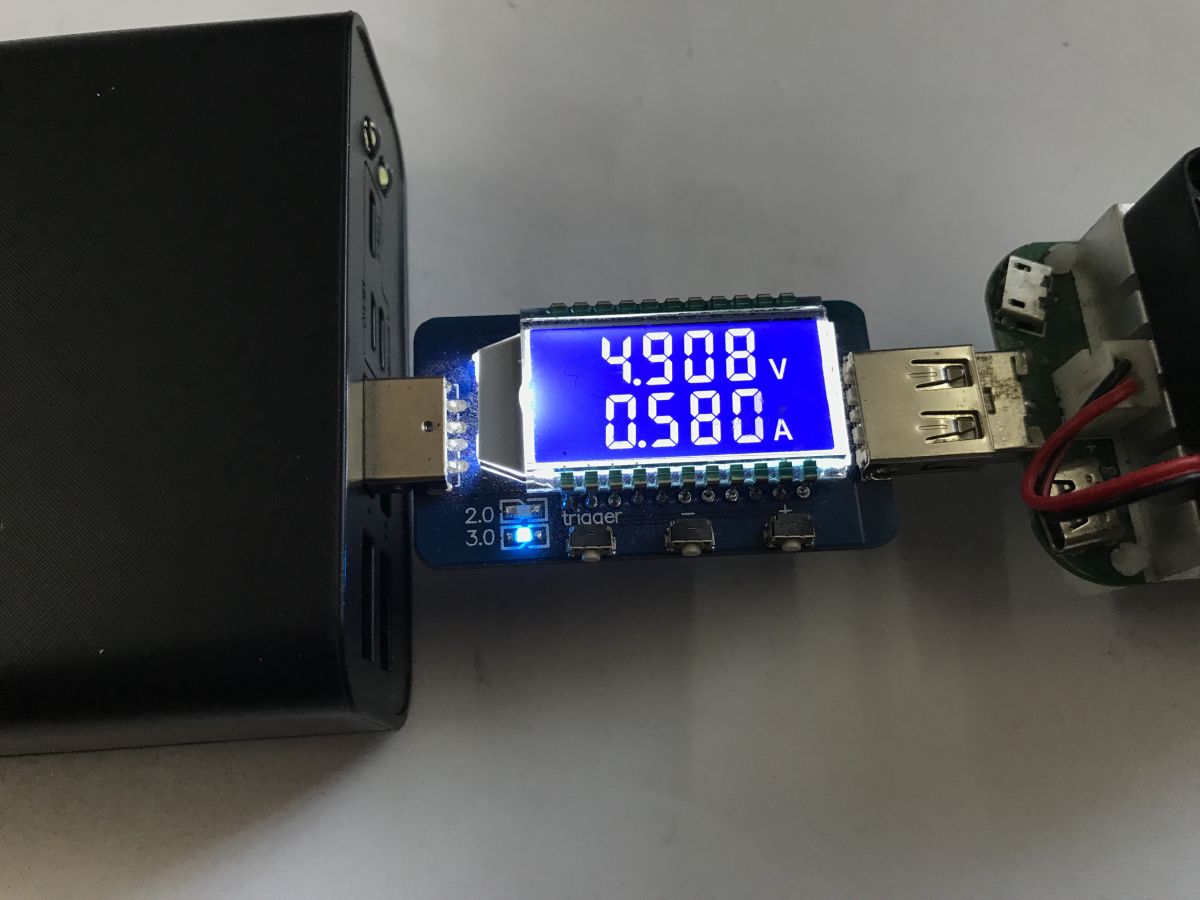
The powerbank is able to provide a total current up to about 2.5 A, then the voltage drops. My phones (Xiaomi 11 and iPhone 7) are charged at 5 V, current up to 1 A. The QC Trigger is unable to trigger a higher voltage.
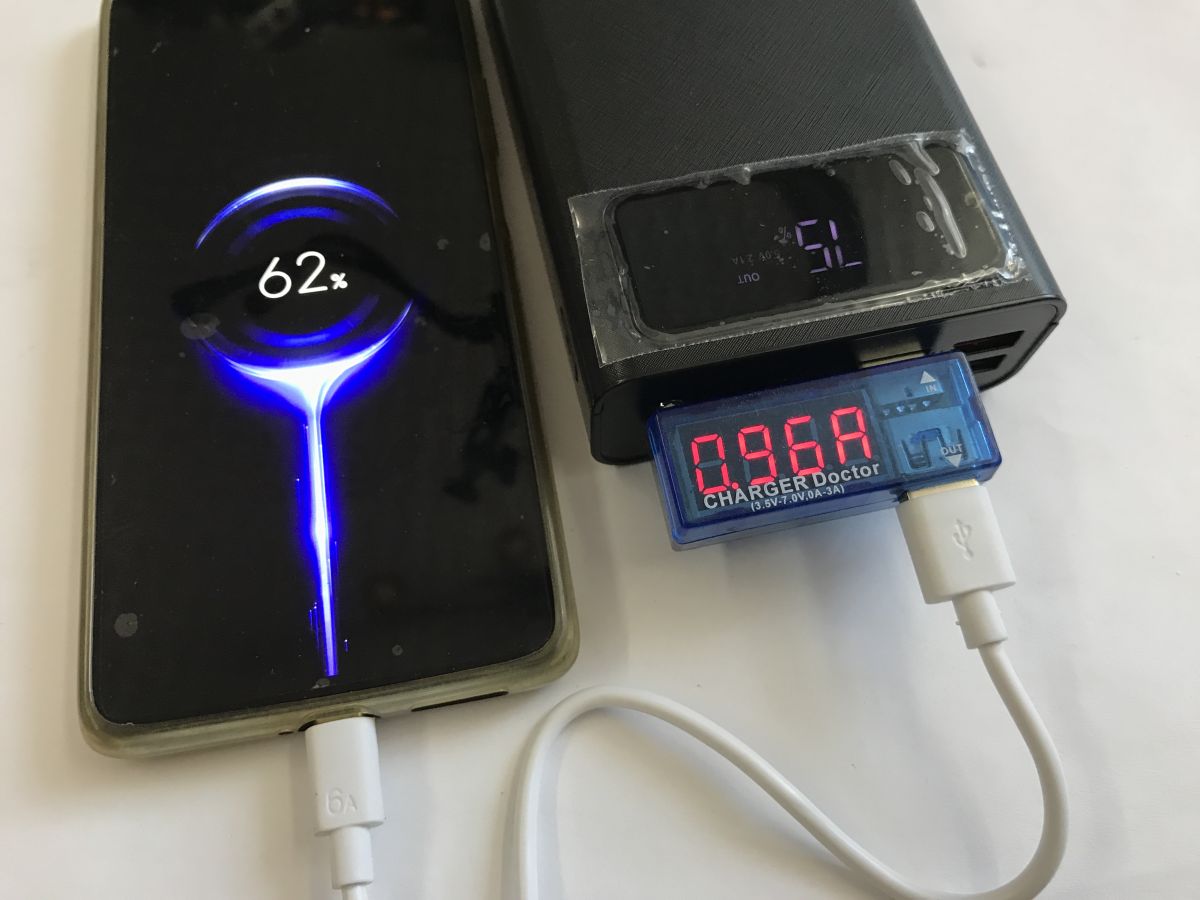
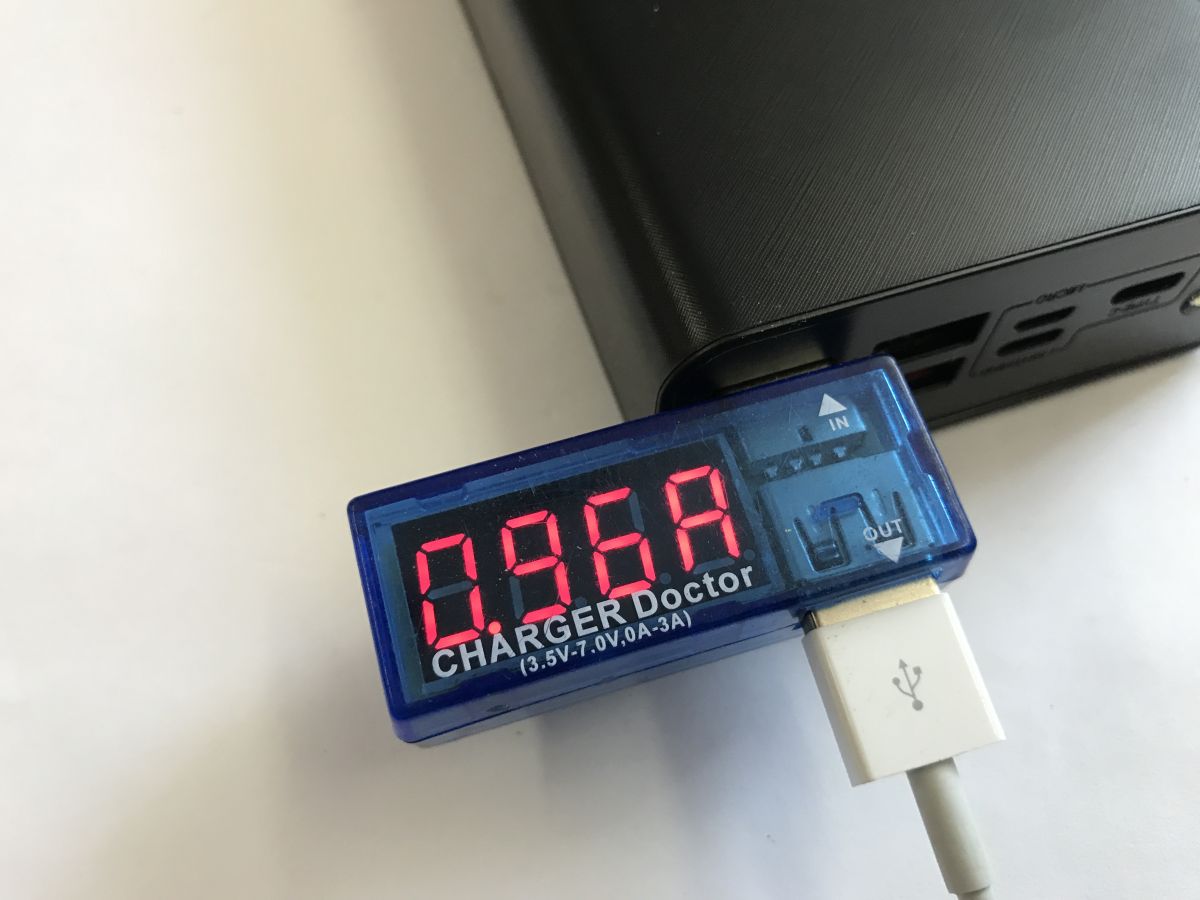
Next it is time to check the capacity.
Charging is done with a current of just under 2 A. Charging from 0 to 100% shows on the meter less than 16 Ah drawn (at 5 V).
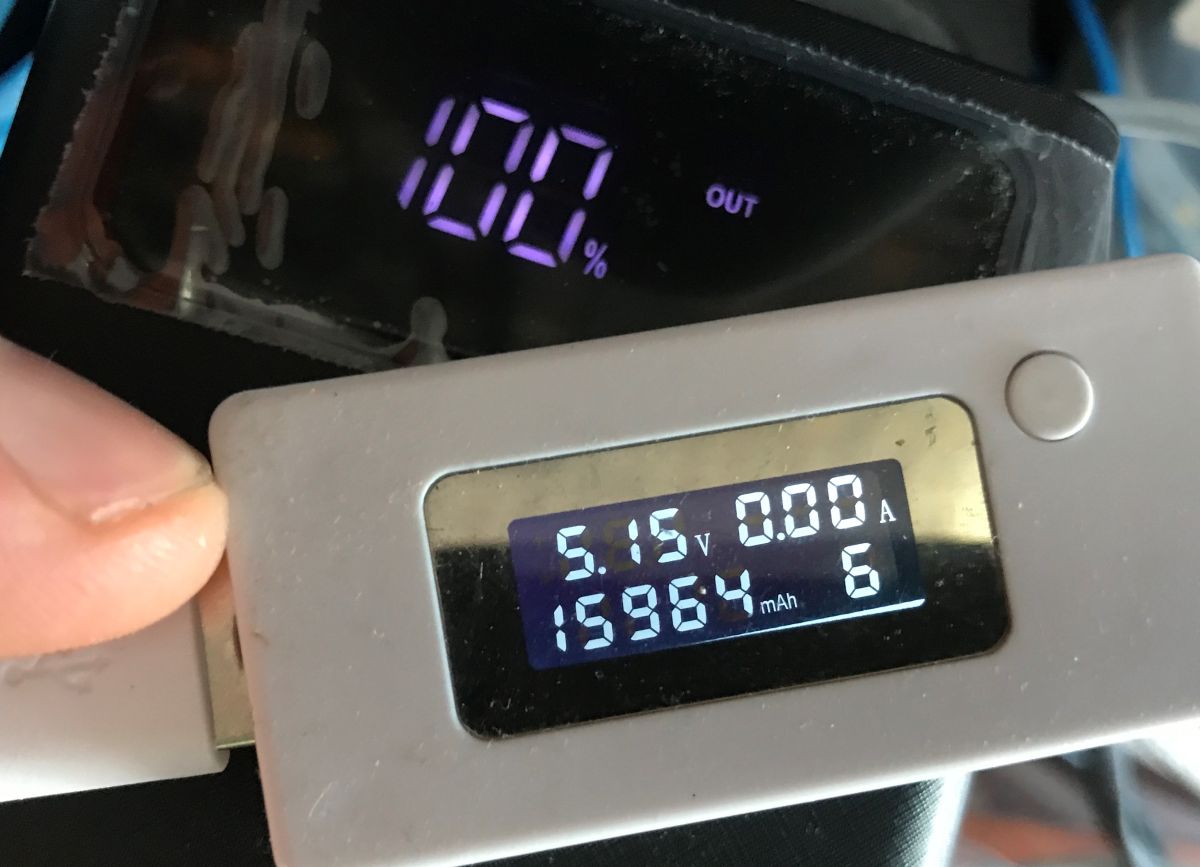
After multiplication, here we have 80 Wh. You can already see that the expected 50 Ah output will be far short of this, as there are losses both when charging the cells and when discharging them. Nevertheless, let us check. Three separate tests:
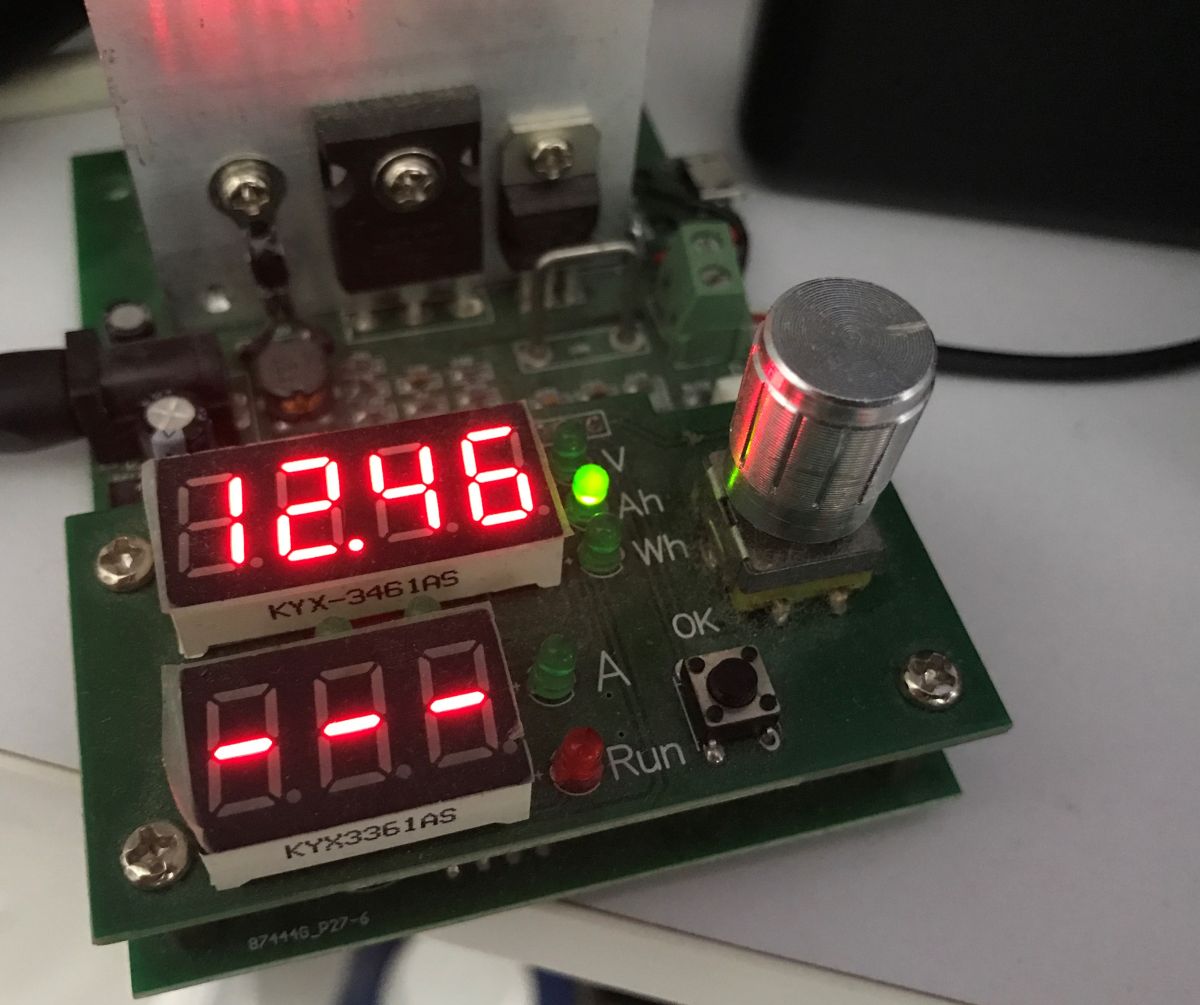
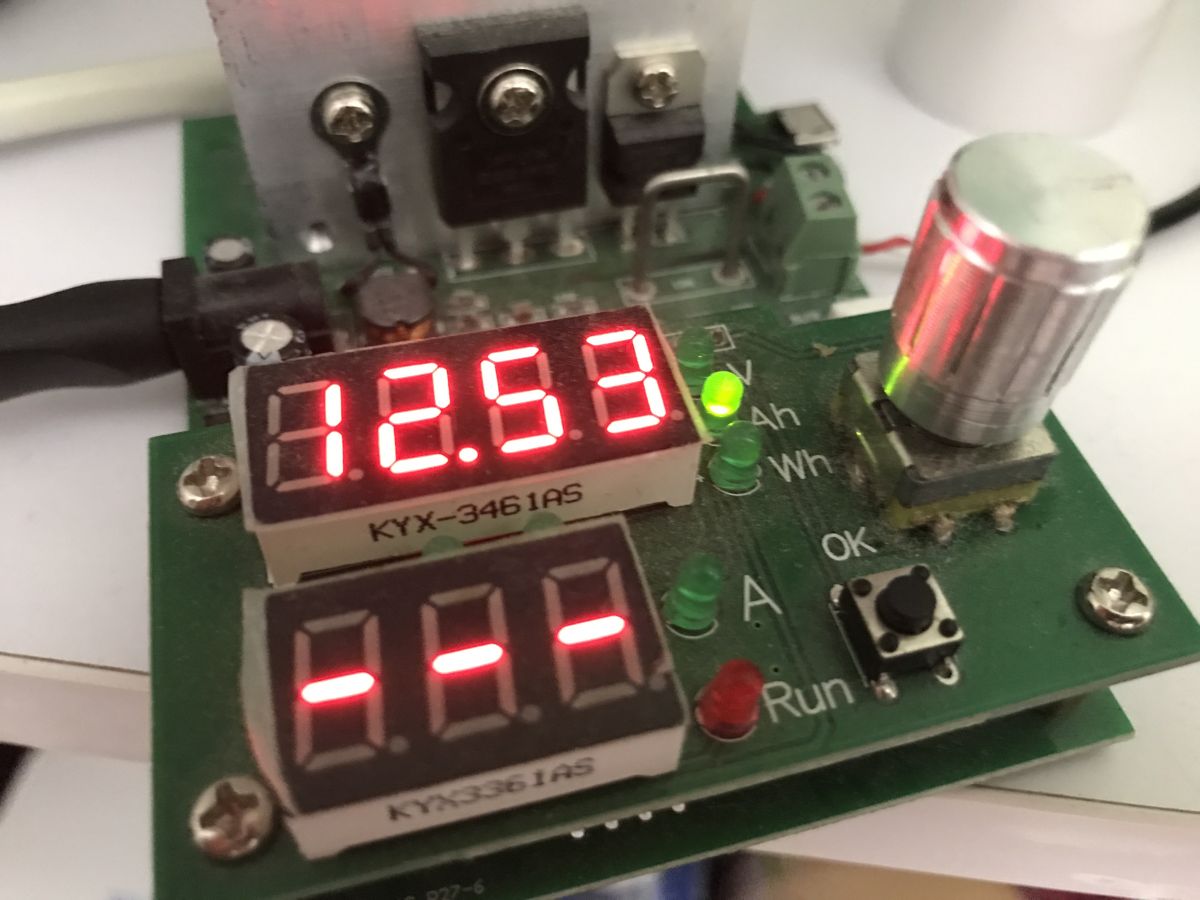
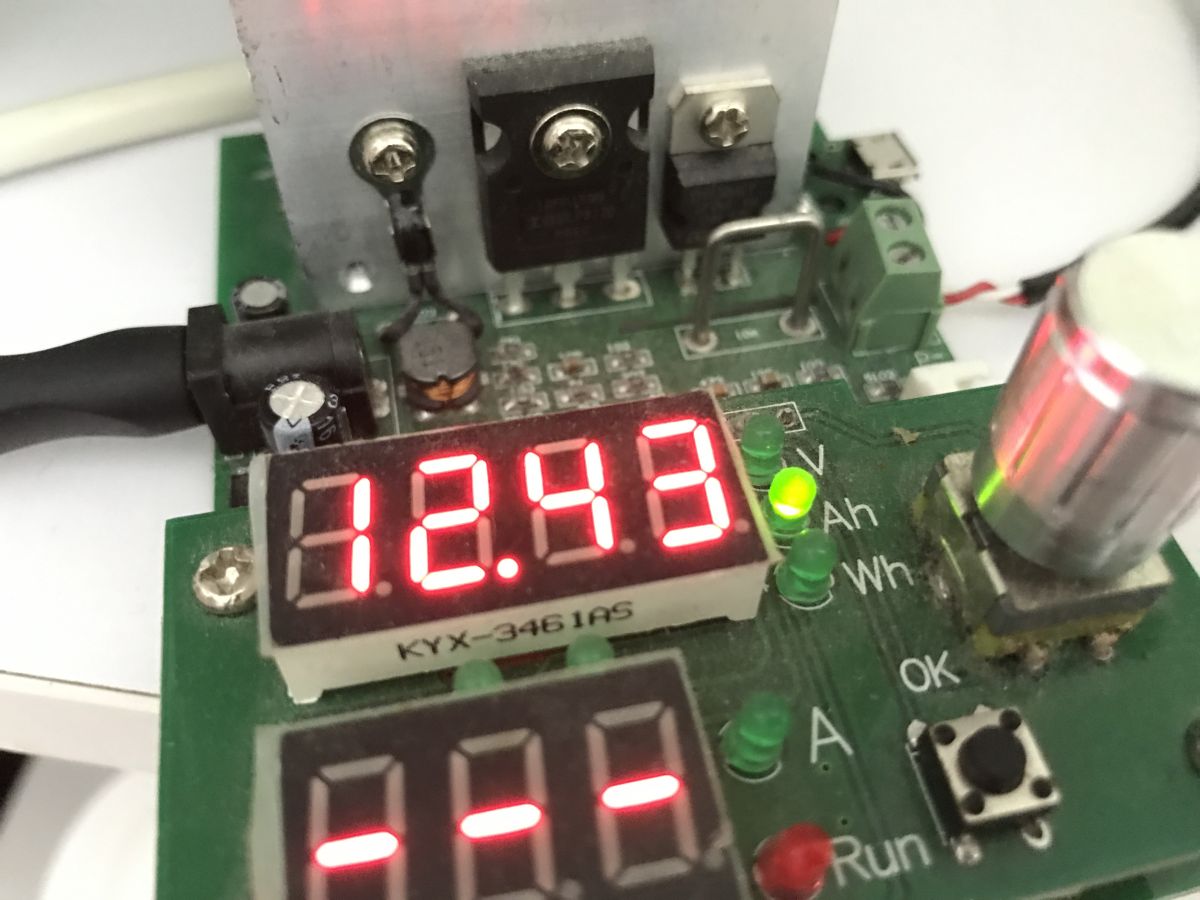
At 5 volts, approximately 12.5 Ah can be obtained. This gives us 62 Wh. And the capacity?
The nominal 50 Ah is at a cell voltage of 3.7 V, so you have to recalculate. You also have to take into account the losses on the inverter; in this series I have taken a fixed conversion factor of 0.85. Output: 12.5 Ah at 5 V, nominally 20 Ah. Unfortunately ...
In summary , there are two problems here.
The first problem is the lack of QC, this significantly slows down the charging of modern devices. The packaging slogans 'fast charging', but that's just marketing text, it's different to supporting the Quick Charge standard.
The second problem is capacity. The first thing that surprises me is the declaration of 74 Wh of energy while claiming 50 Ah of capacity. How did they come up with that? As the cells inside are nominally 3.7 V, after all, from 50 Ah it will come out around 185 Wh rather than 74 Wh. To get 74 Wh at nominal 3.7 V, the capacity would have to be ~20 Ah, not 50 Ah.
You could even conclude that this is a 20 Ah powerbank that a creative marketing person changed 20 to 50 to make it look better, while forgetting about those watt-hours because he probably didn't even know what they were...
Or a typo crept in.
Cool? Ranking DIY Helpful post? Buy me a coffee.
 etc.? Greetings