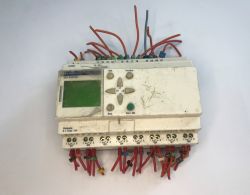

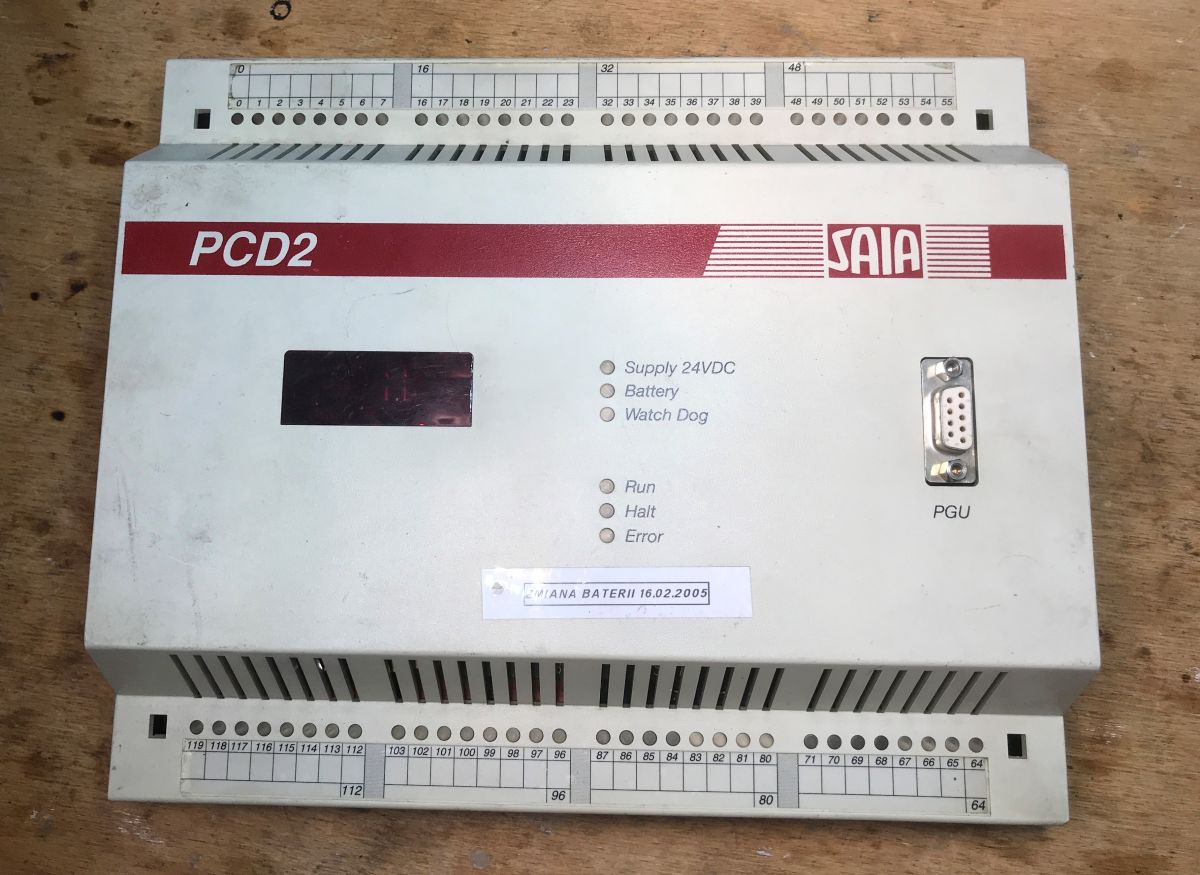
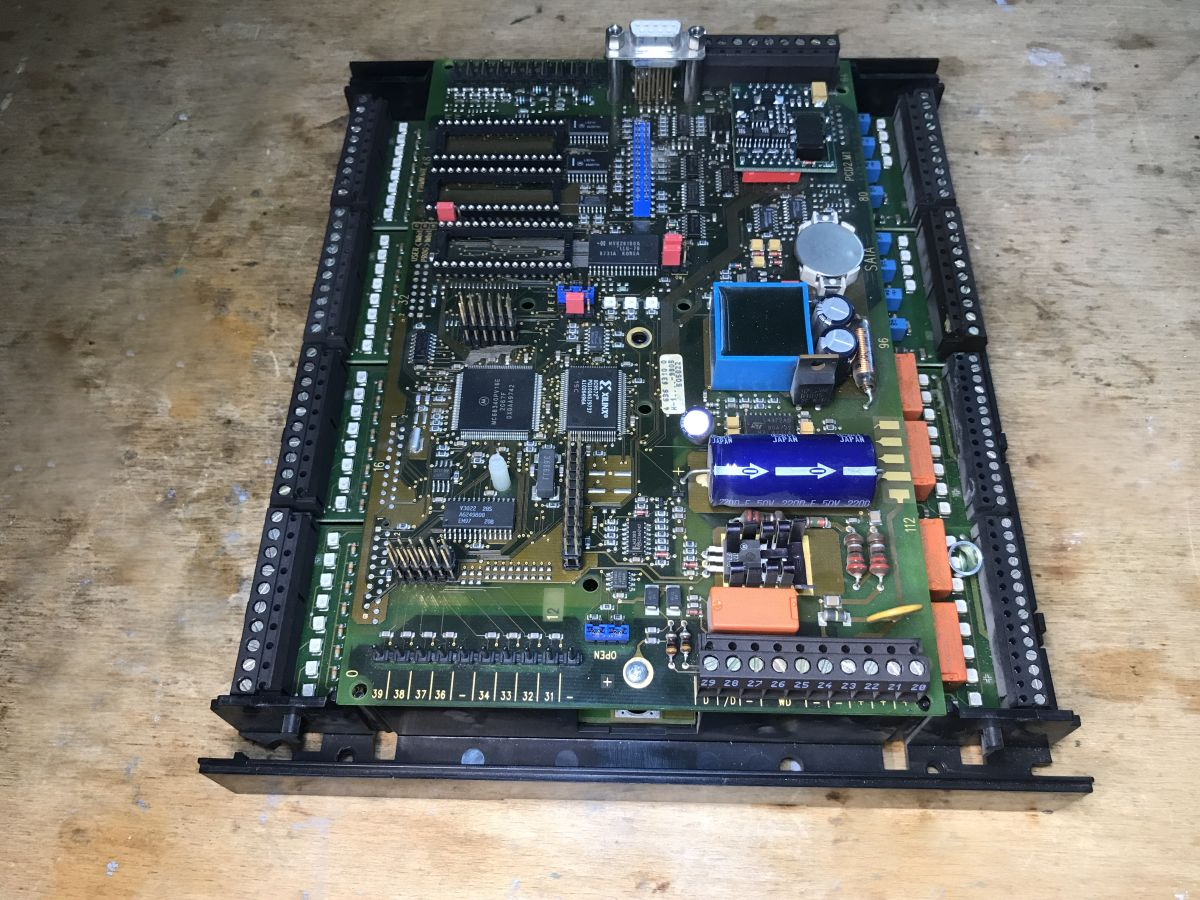
Some time ago I presented the interior of the Saia PCD2.C100 extension cassette , today I would like to show its main module, the PCD2.M120 base unit. The PCD2.M120 consists of an enclosure, inside of which is the main board and the bus for the I/O modules, and a cover with LEDs, display and PGU (programming) connector. The connectors for the expansion cards are located on the side:
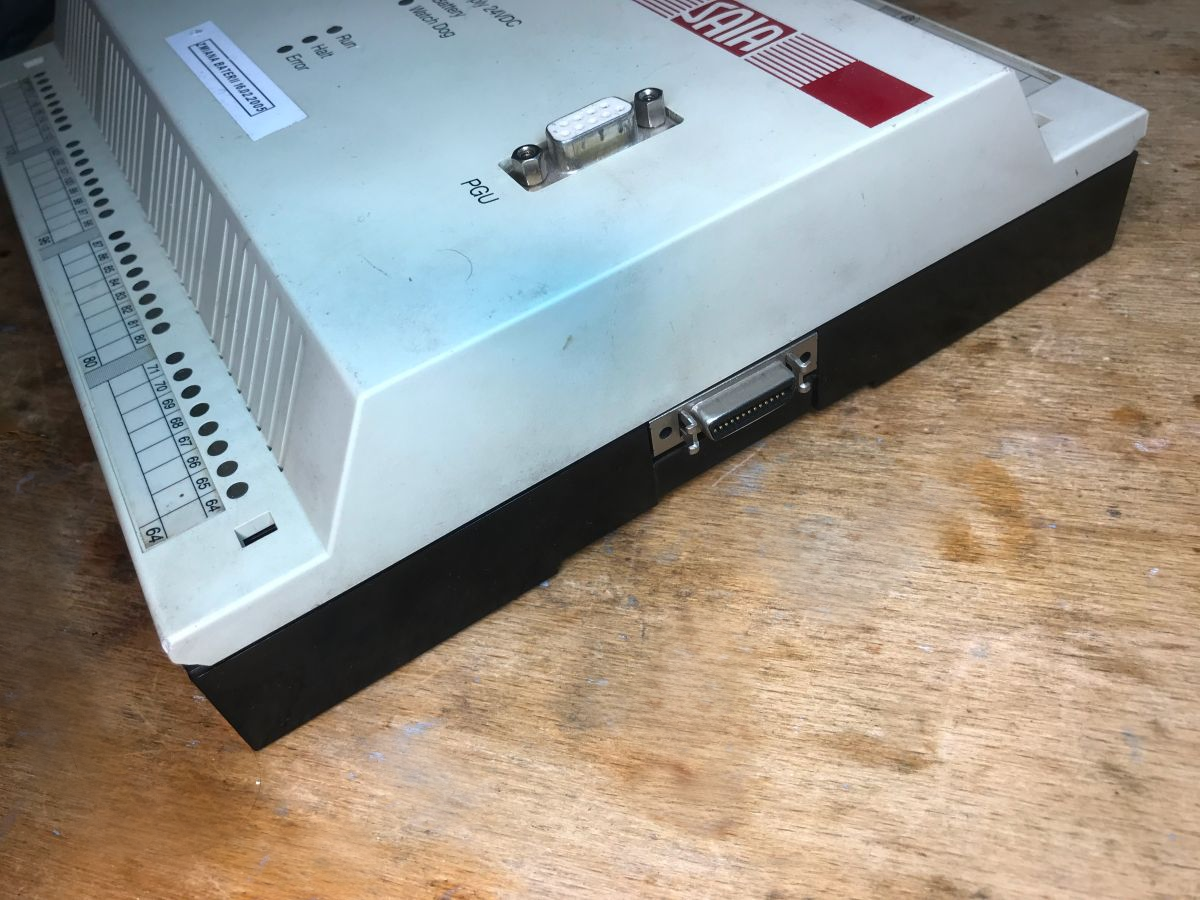
The motherboard sits above the bus as a separate PCB. Immediately striking are the markings and the battery for keeping time. There is no display on my copy.
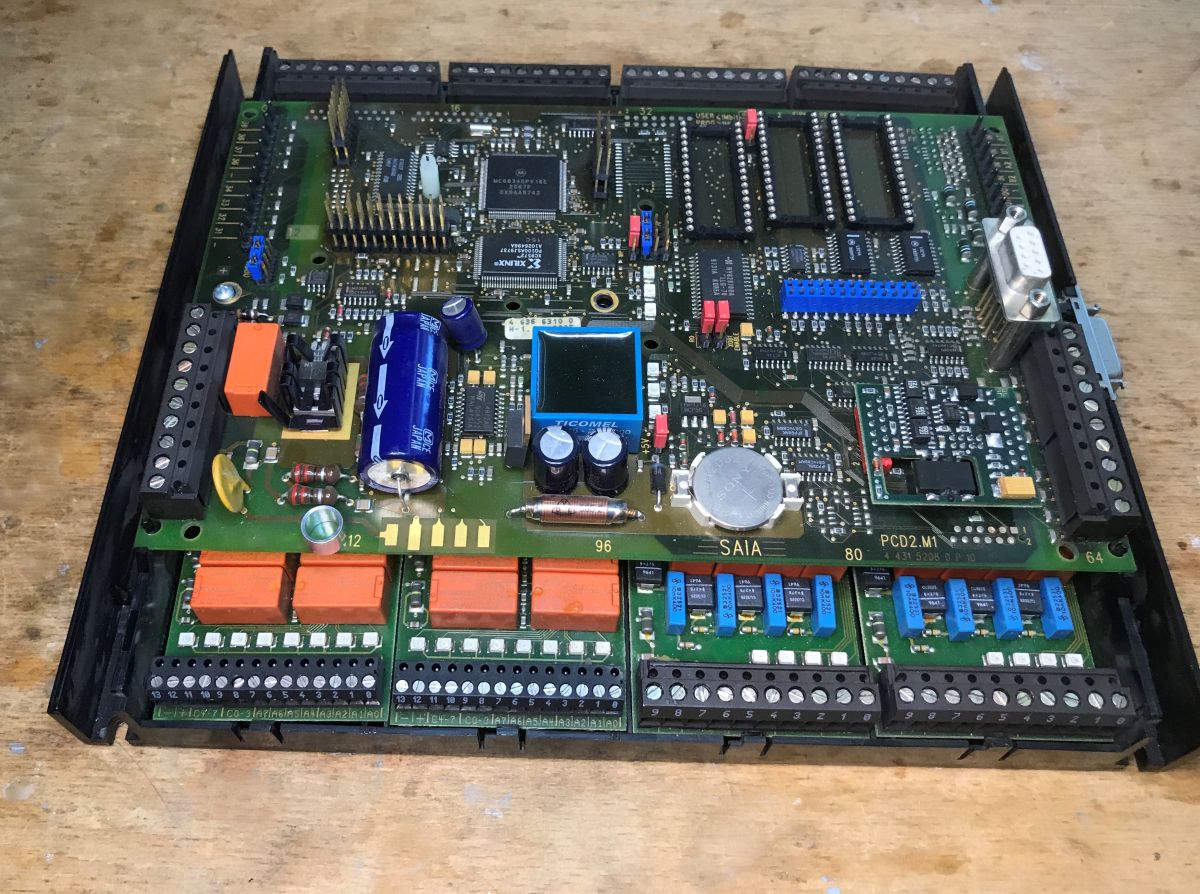
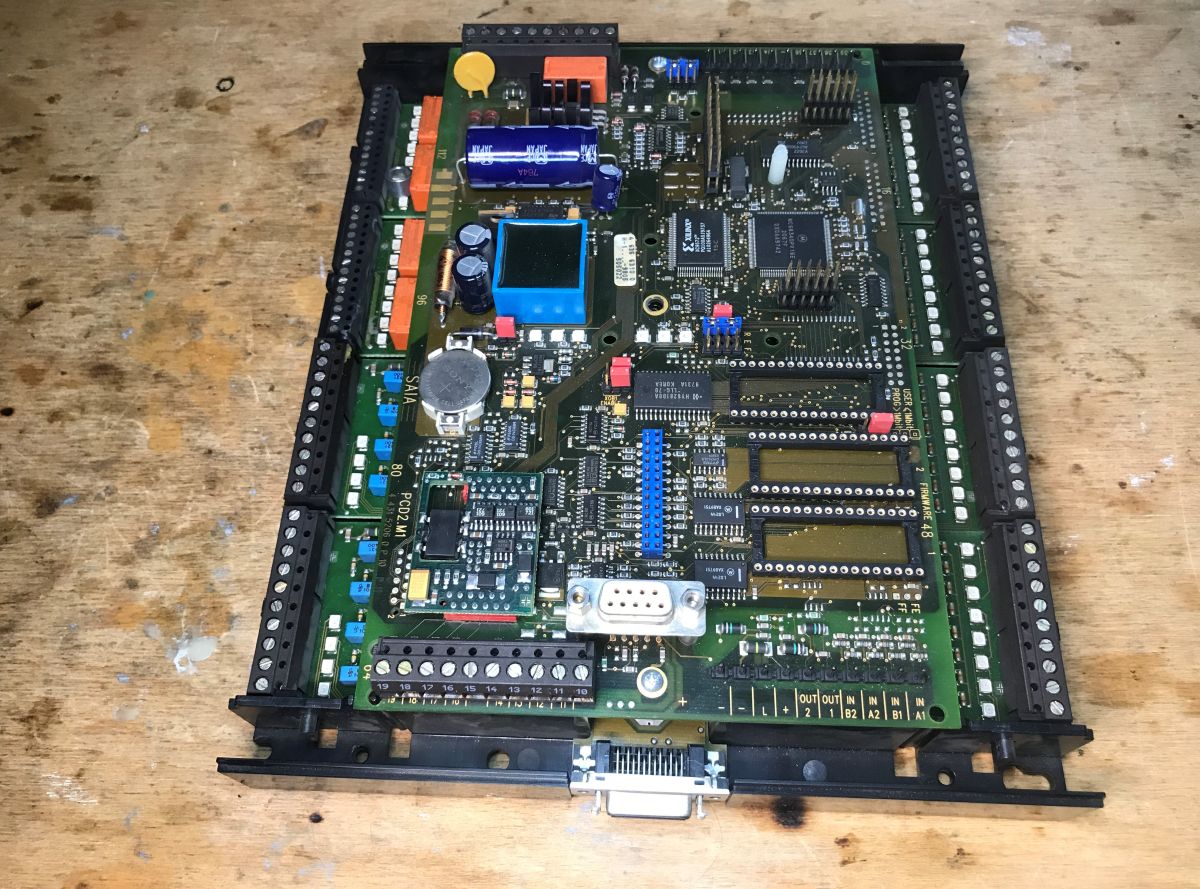
Photo from the other side; you can see the DIP pin sockets on the memory bones along with the jumper for changing the mode.
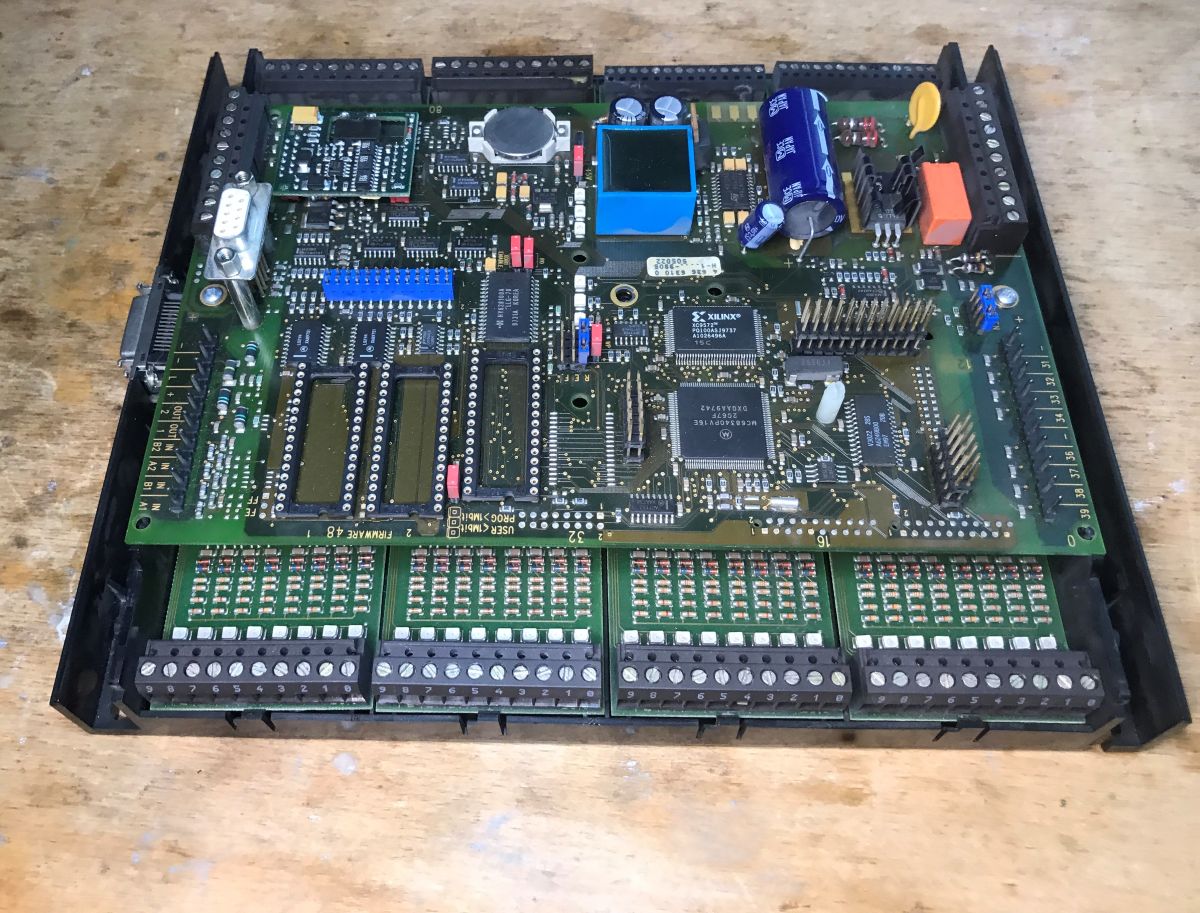
Additional connectors on both sides of the motherboard:
The way the motherboard is connected with the bus on the bottom:
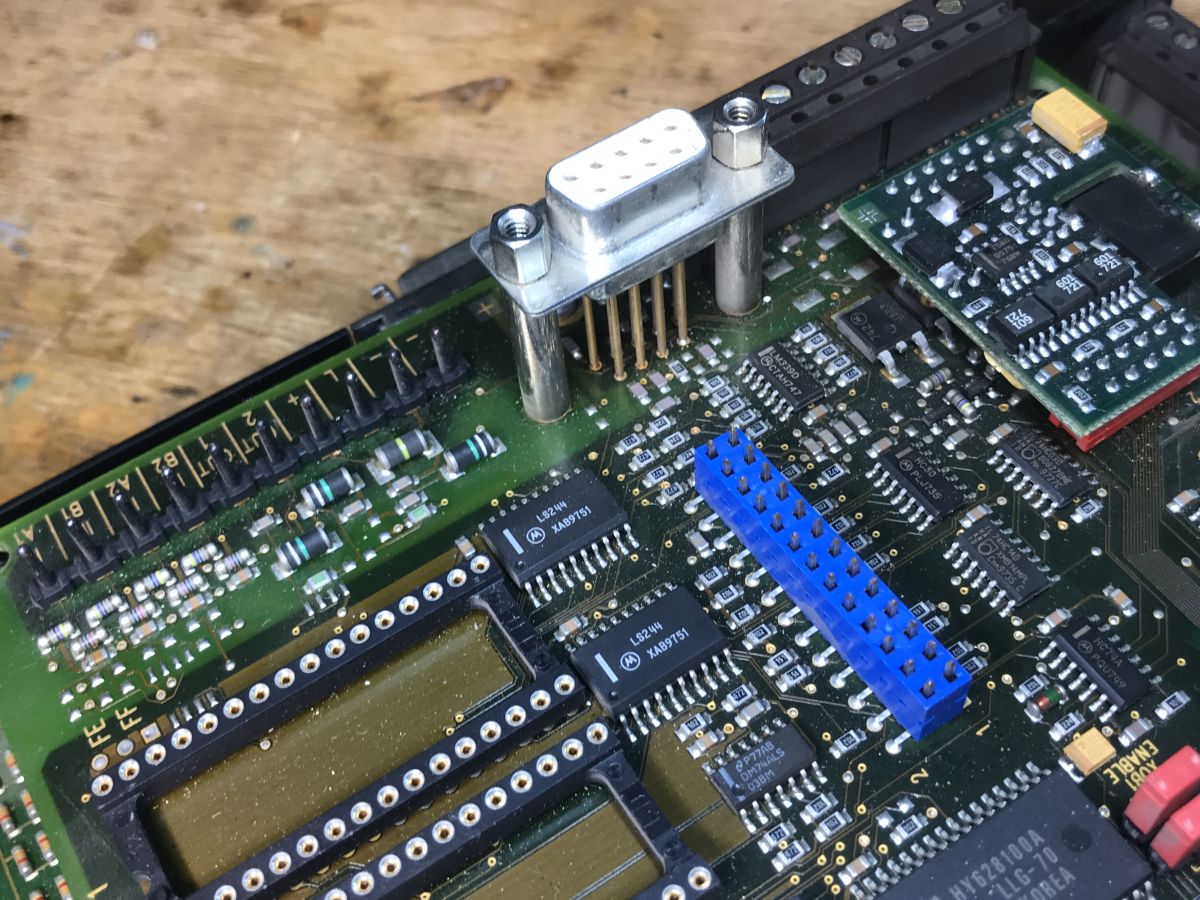
Module with 7580 DS75176 - RS485 transceiver:
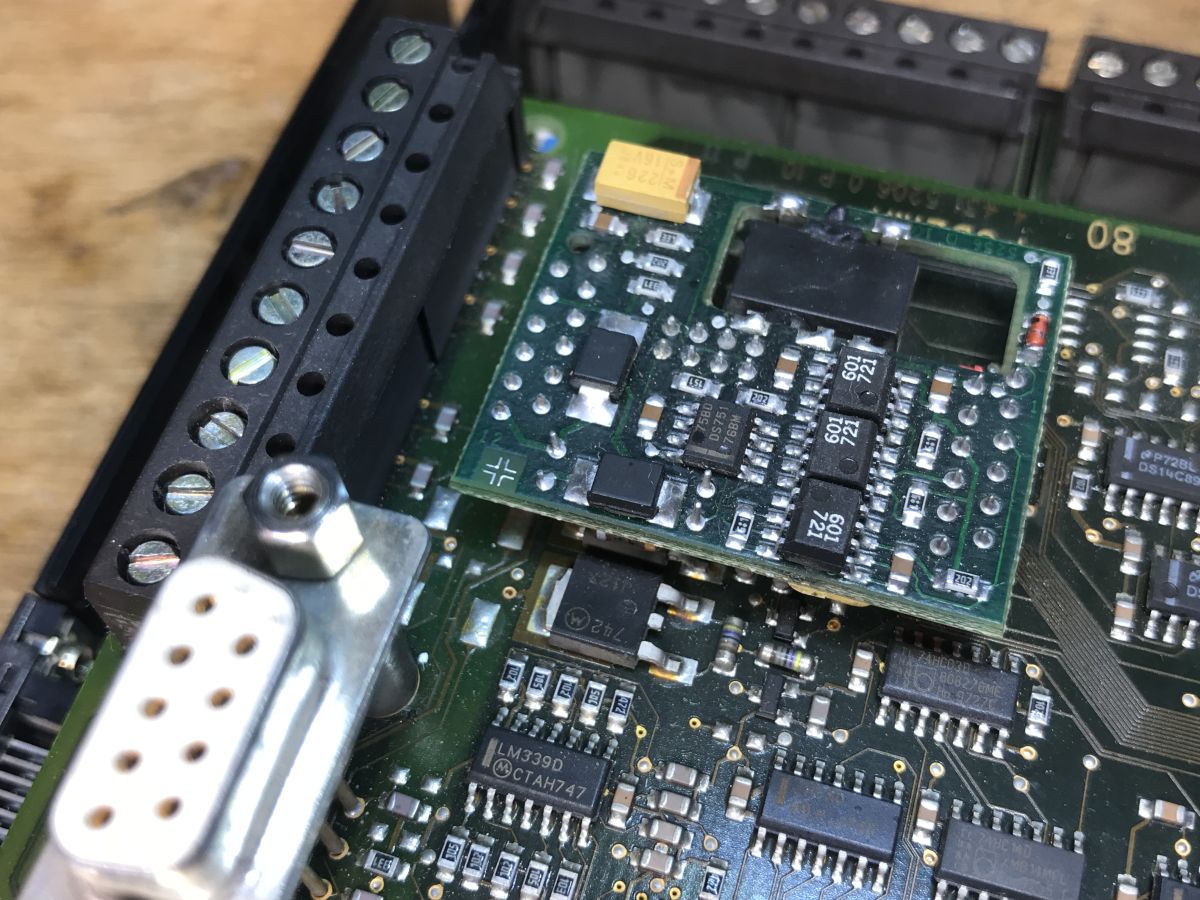
There are further RS485 line control chips nearby - DS14C89 and DS14C88. In addition we have circuits HC30, 74HC14, HC74, 74HC03, LM339D, perhaps from bus control.
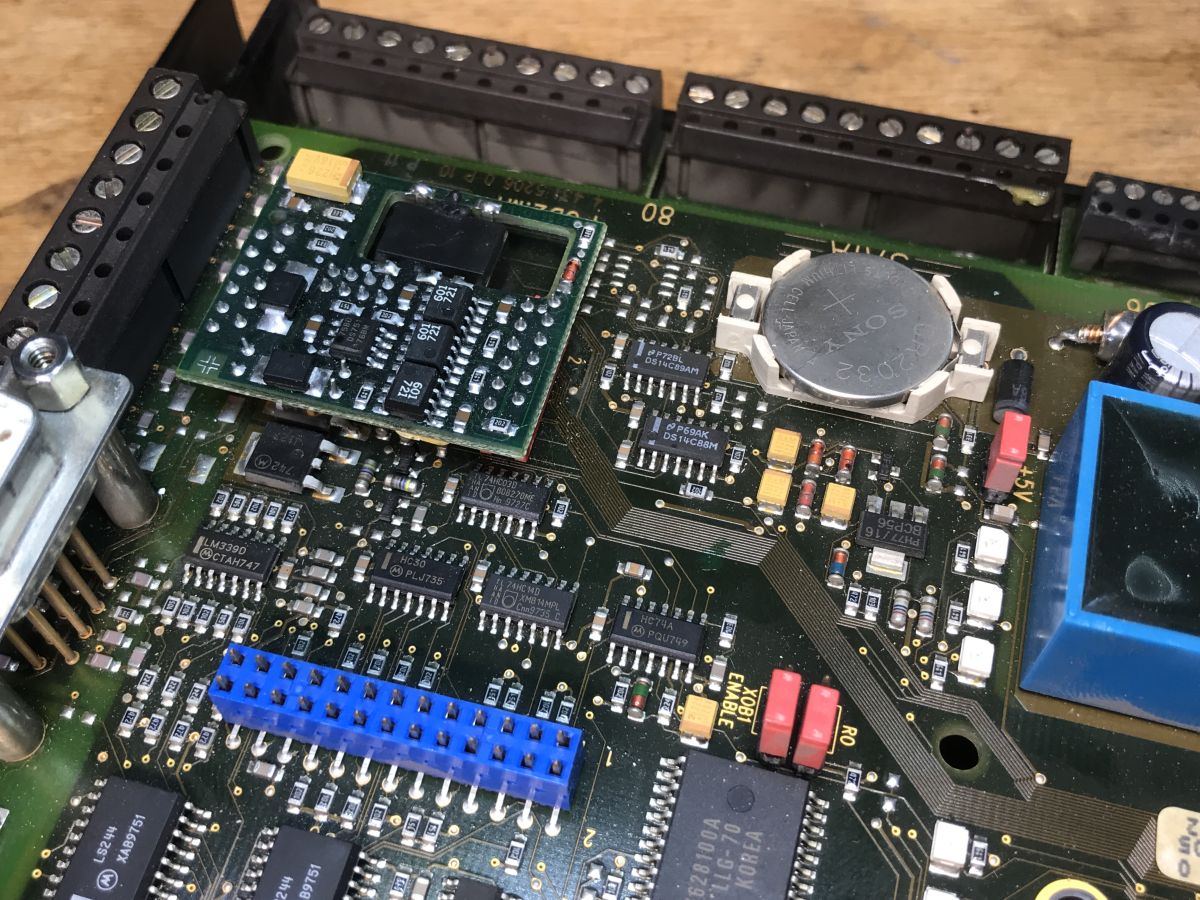
An interesting component is the TICOMEL visible in the photo - the model is obscured, but you can see an example online - SD-17-0.63-500 0.63A 500UH. This is simply a coil. That whole circuit there is a power section based on an inverter on the L4972A.
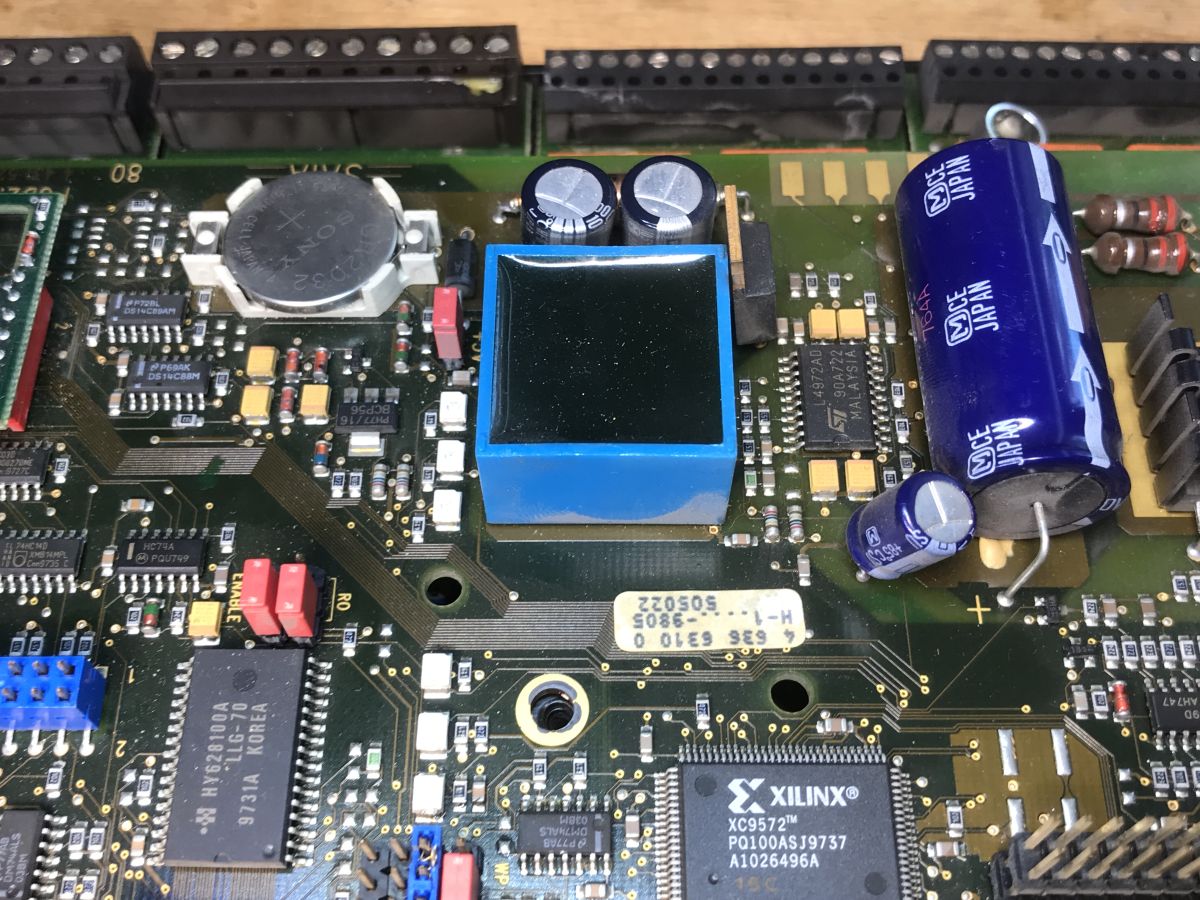
After the power section we have the region with the main ICs. There are the Xilinx XC9572 (CPLD), MC68340 (processor with DMA, also of age, 1994) and V3022 (clock chip - you can see the oscillator next to it).
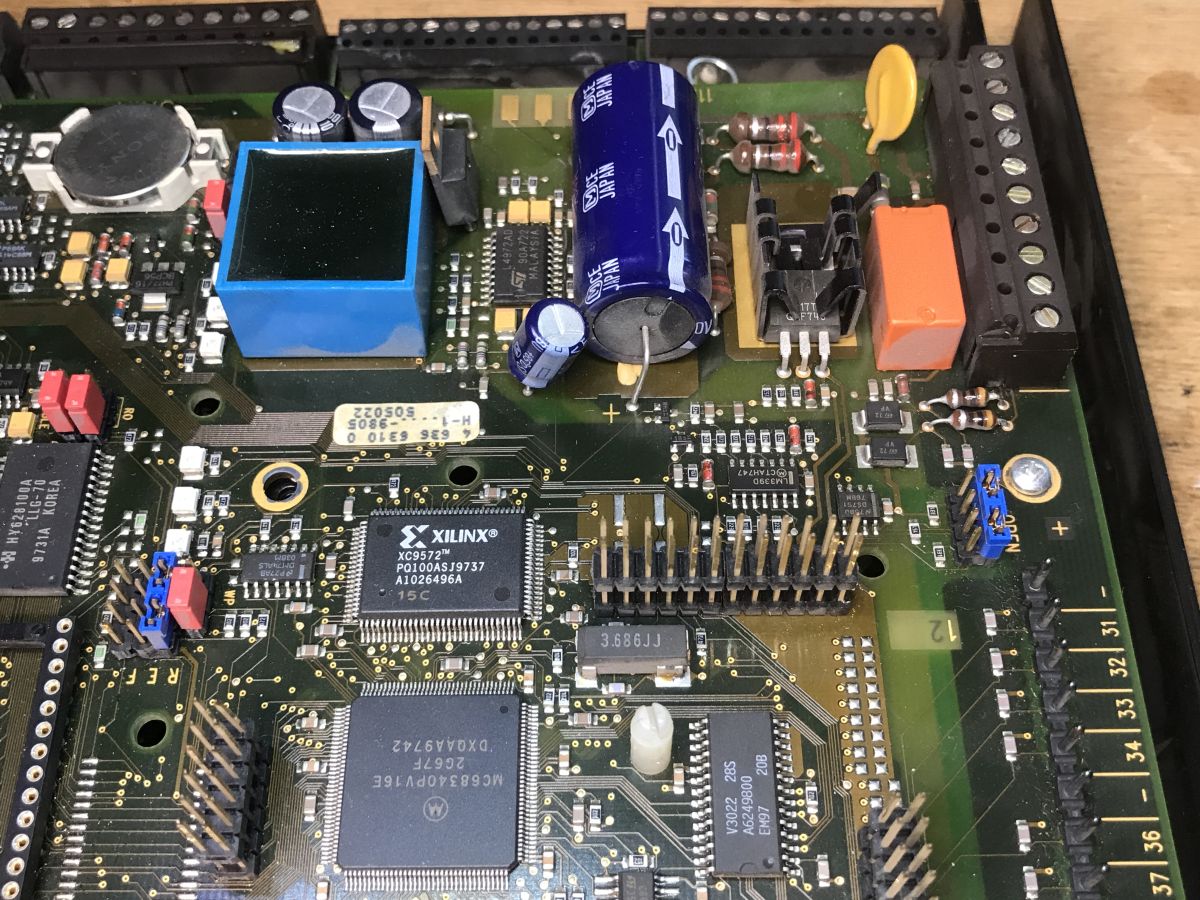
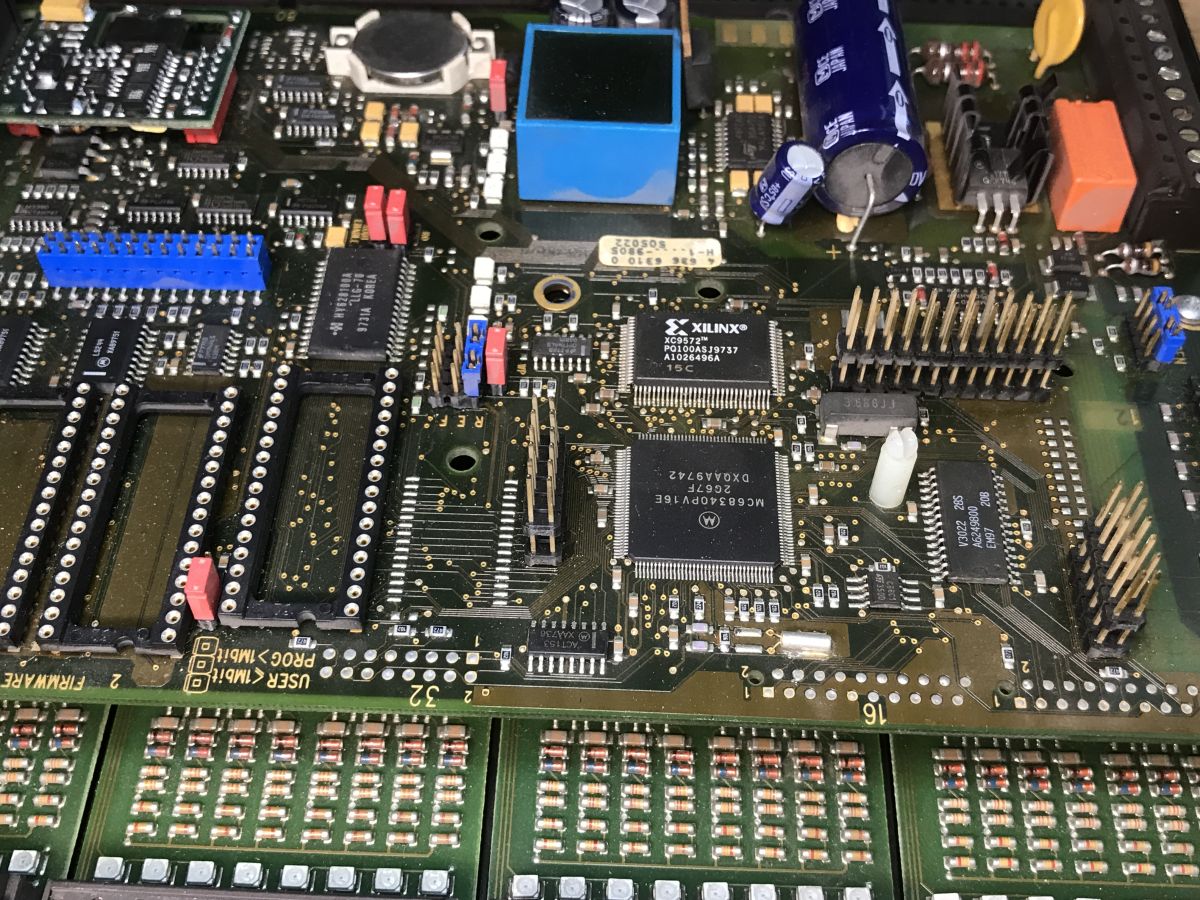
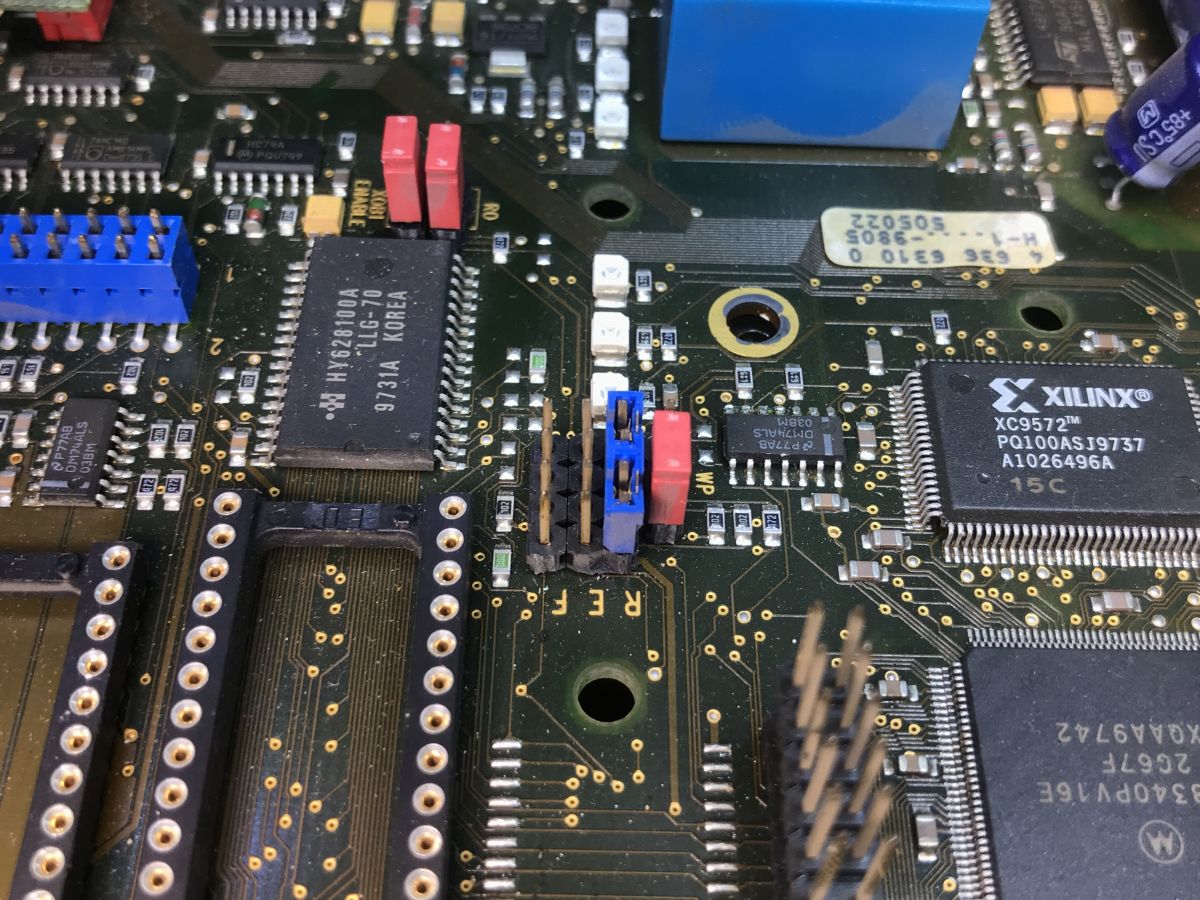
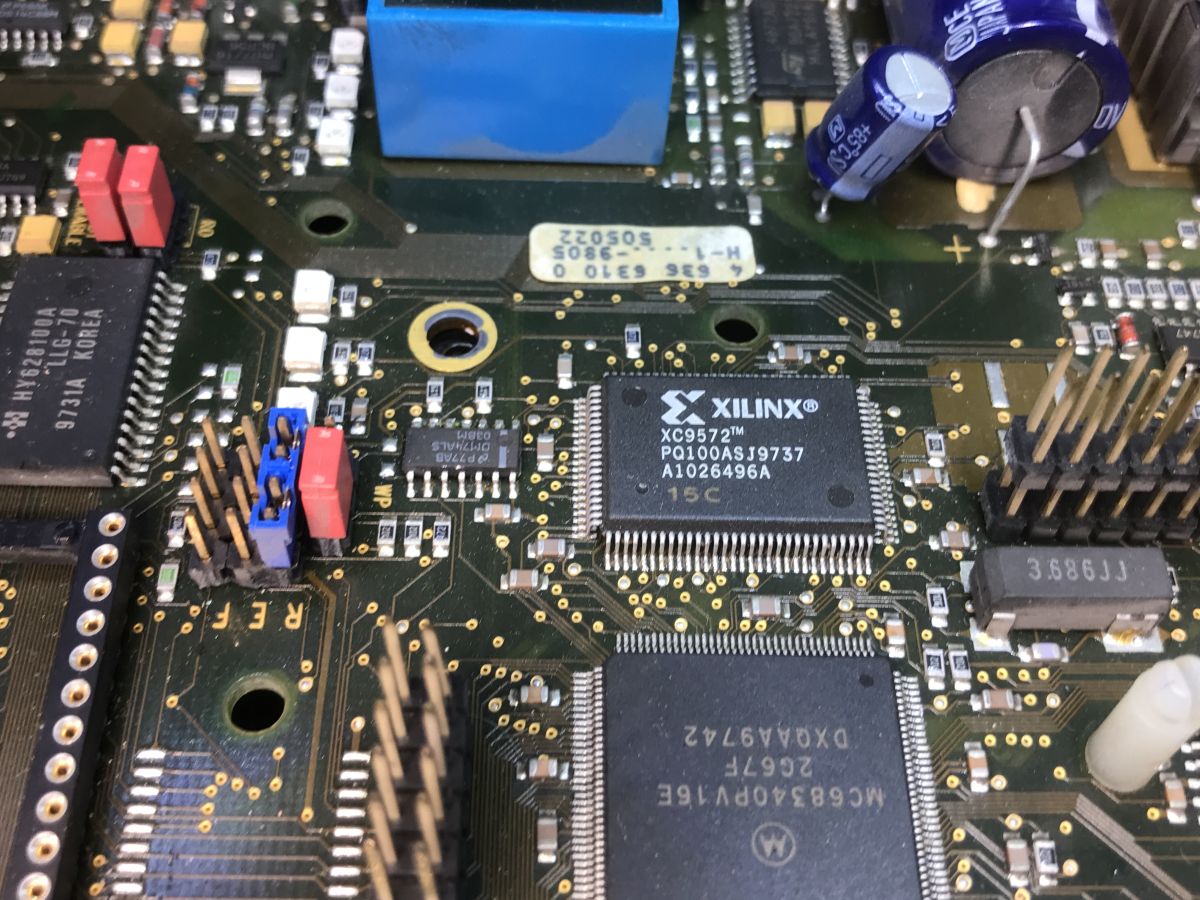
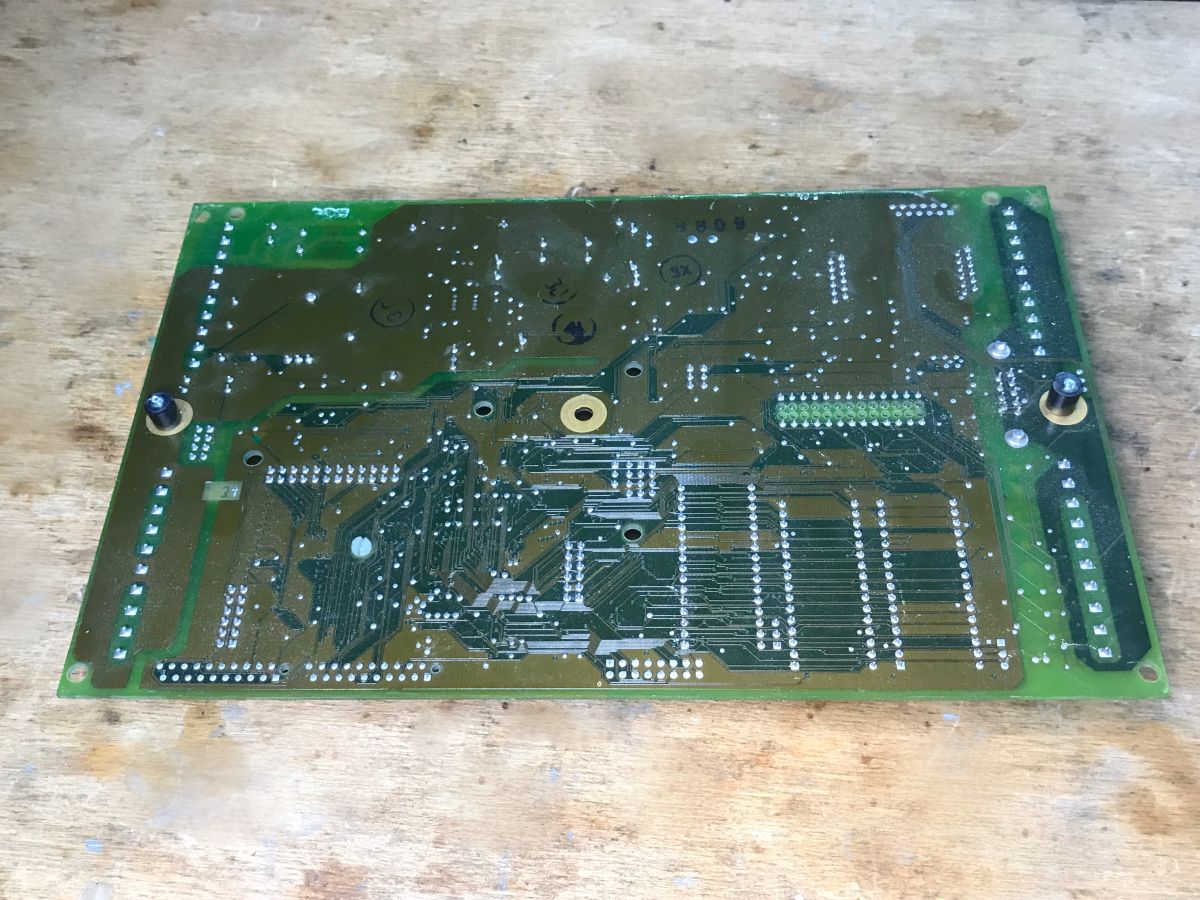
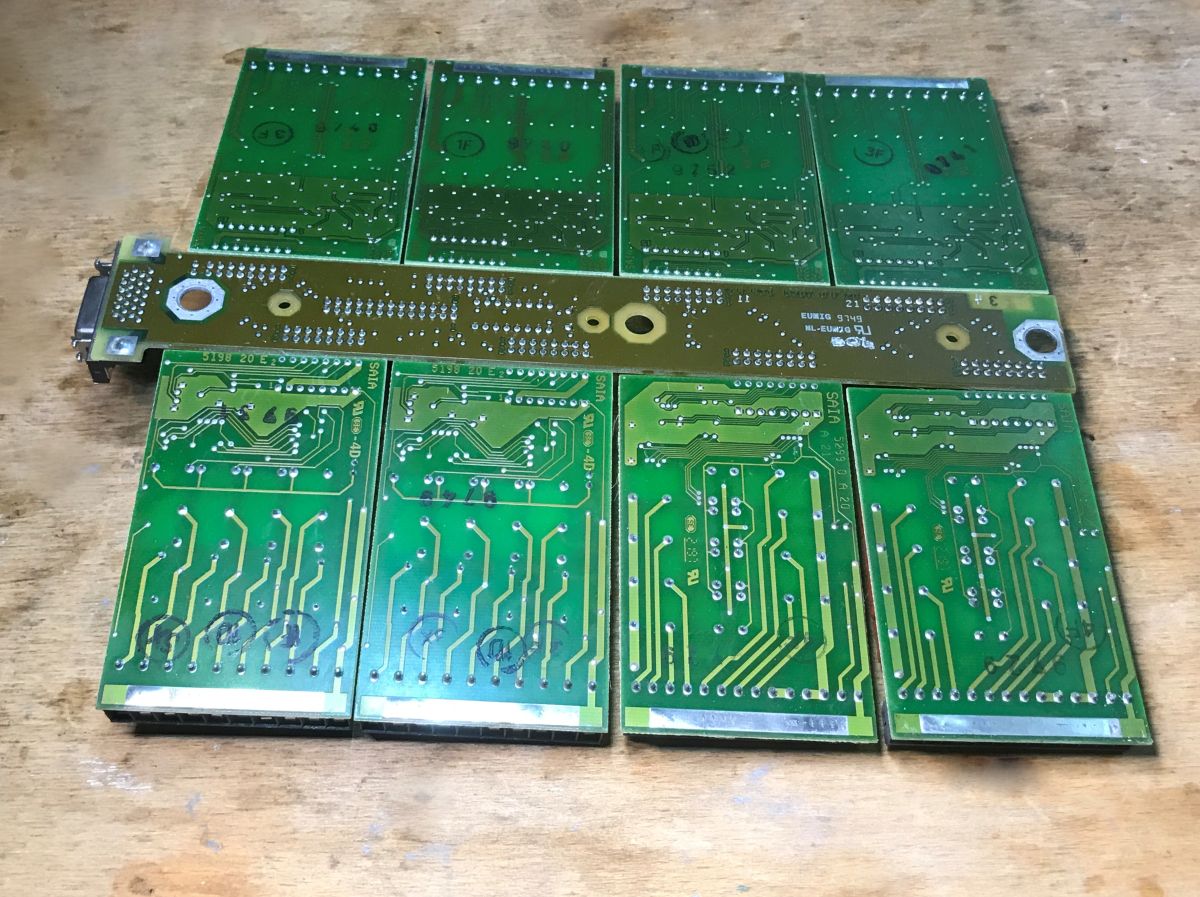
Let's remove the motherboard now. My copy must have been dropped by someone because there are broken plastic spacers:
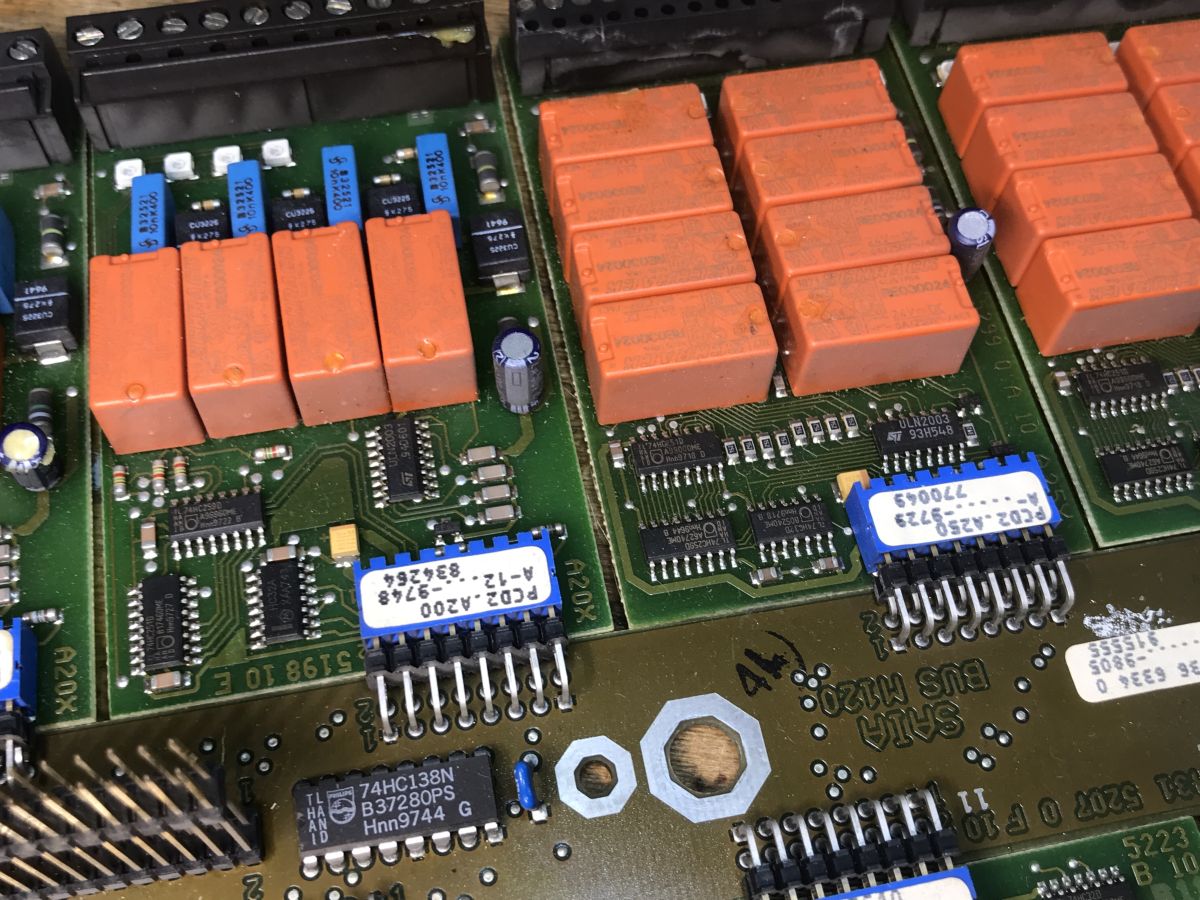
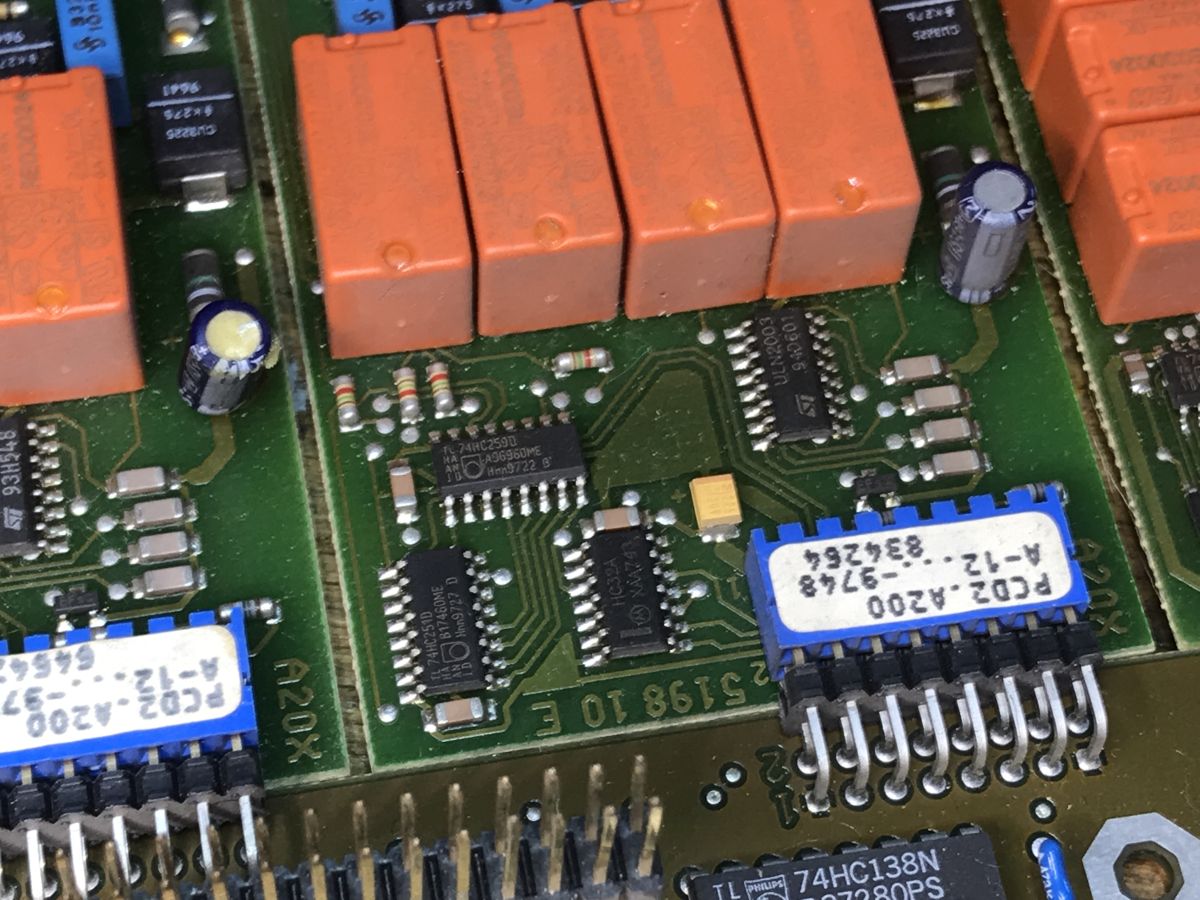
Four I/O modules can be placed on each side of the bus.
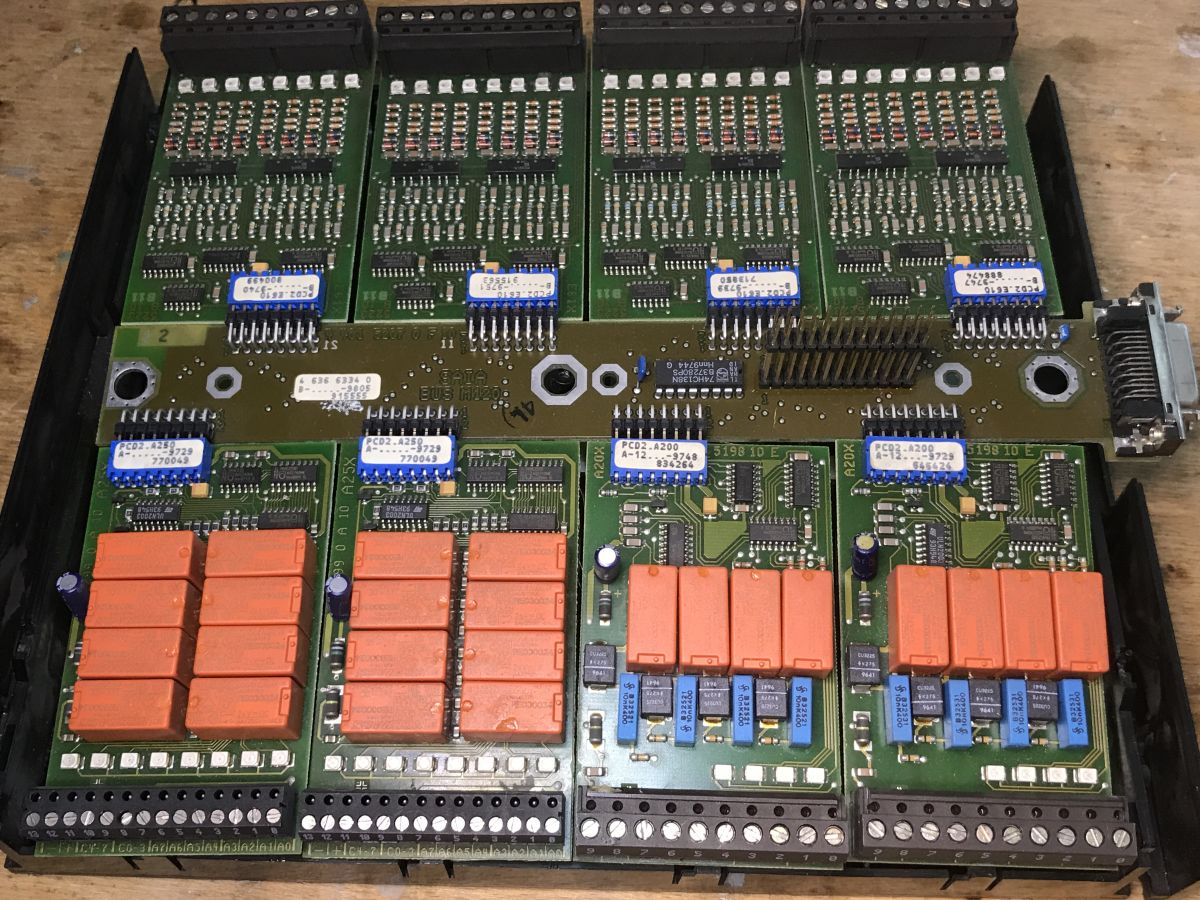
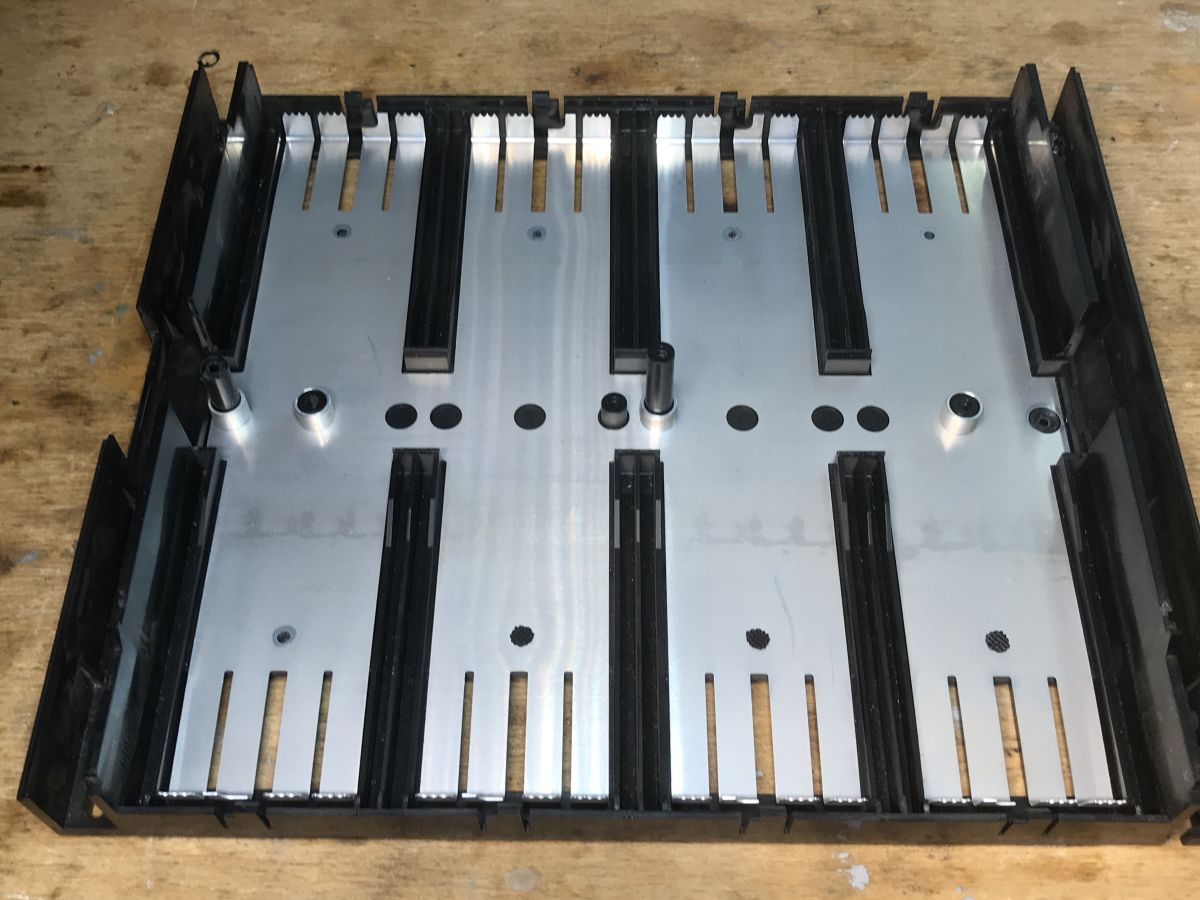
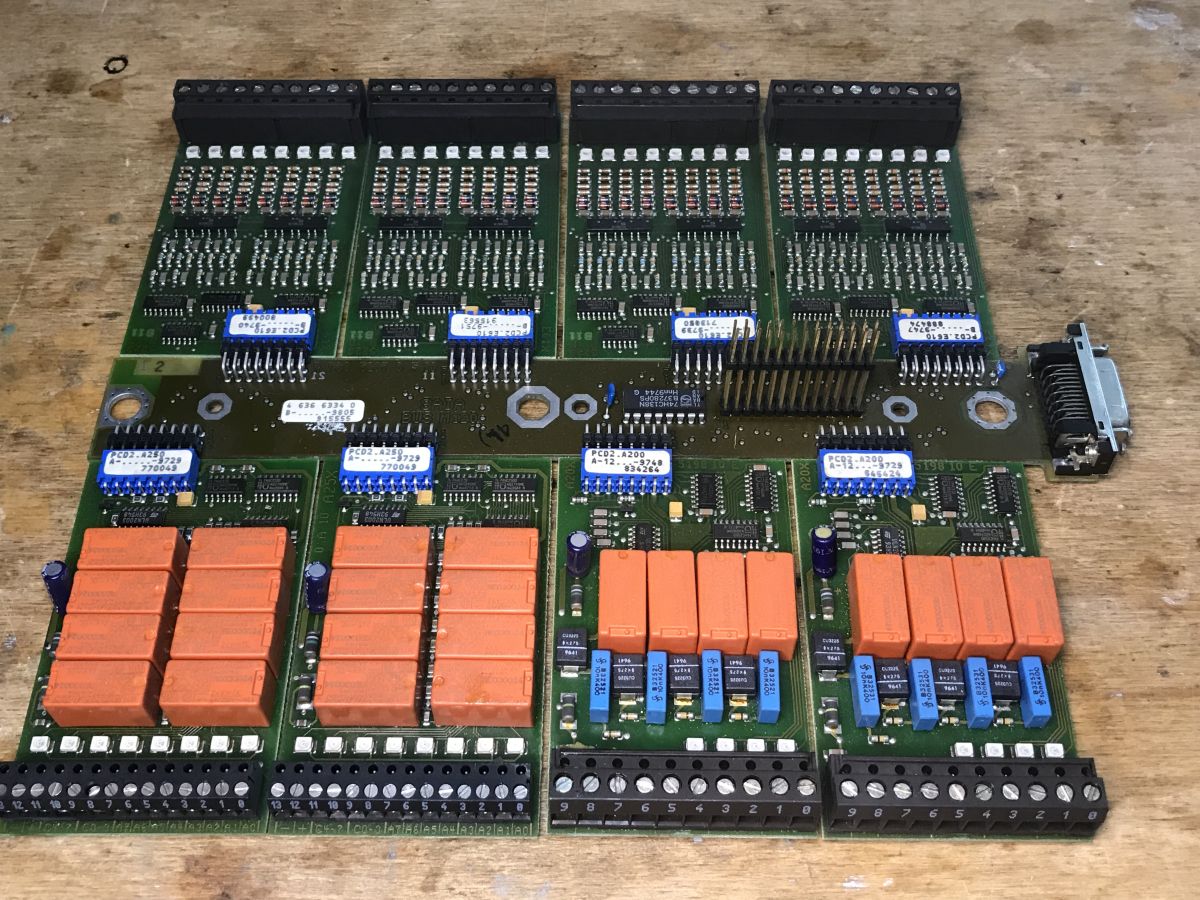
I can still show them in a few pictures, but in general I have already discussed these modules: Interior of the Saia PCD2.C100 expansion cassette from the PCD2 programmable controller
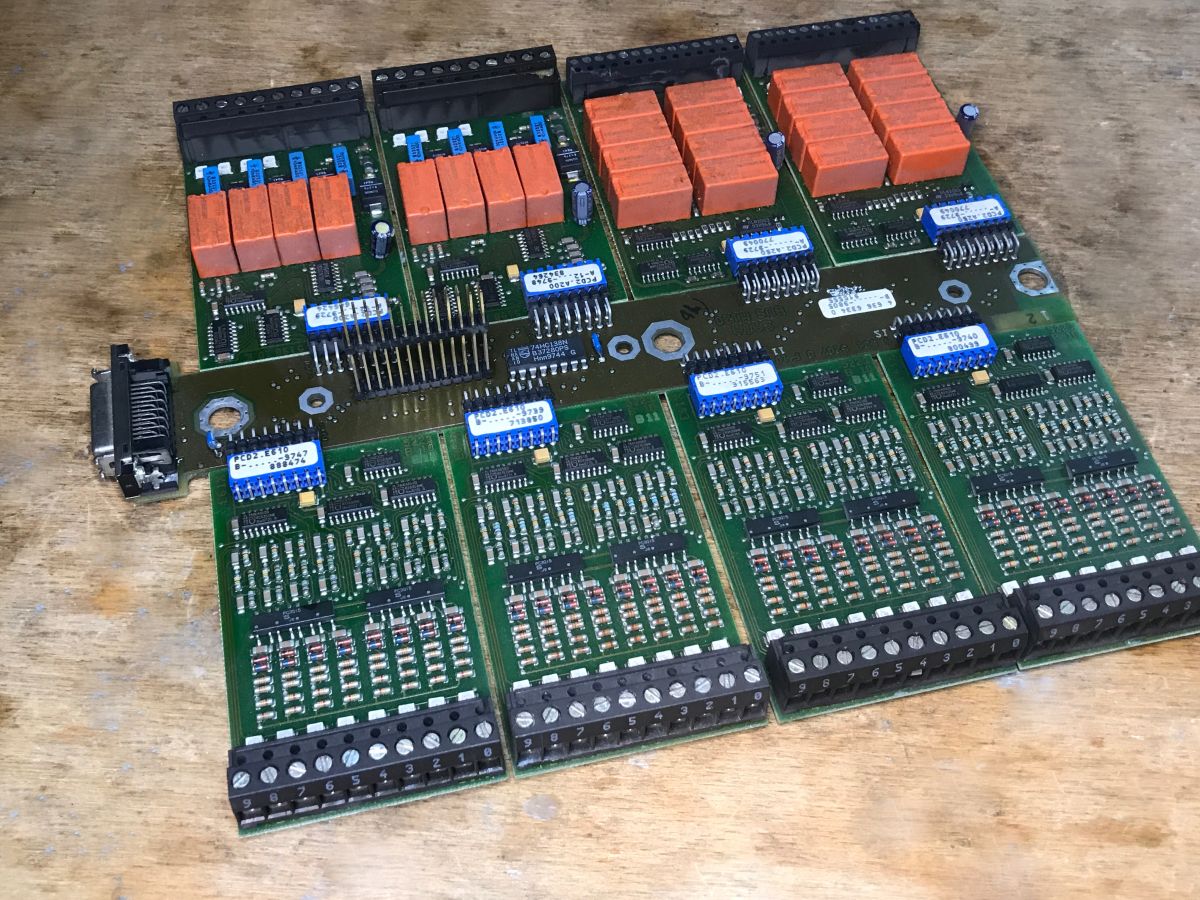
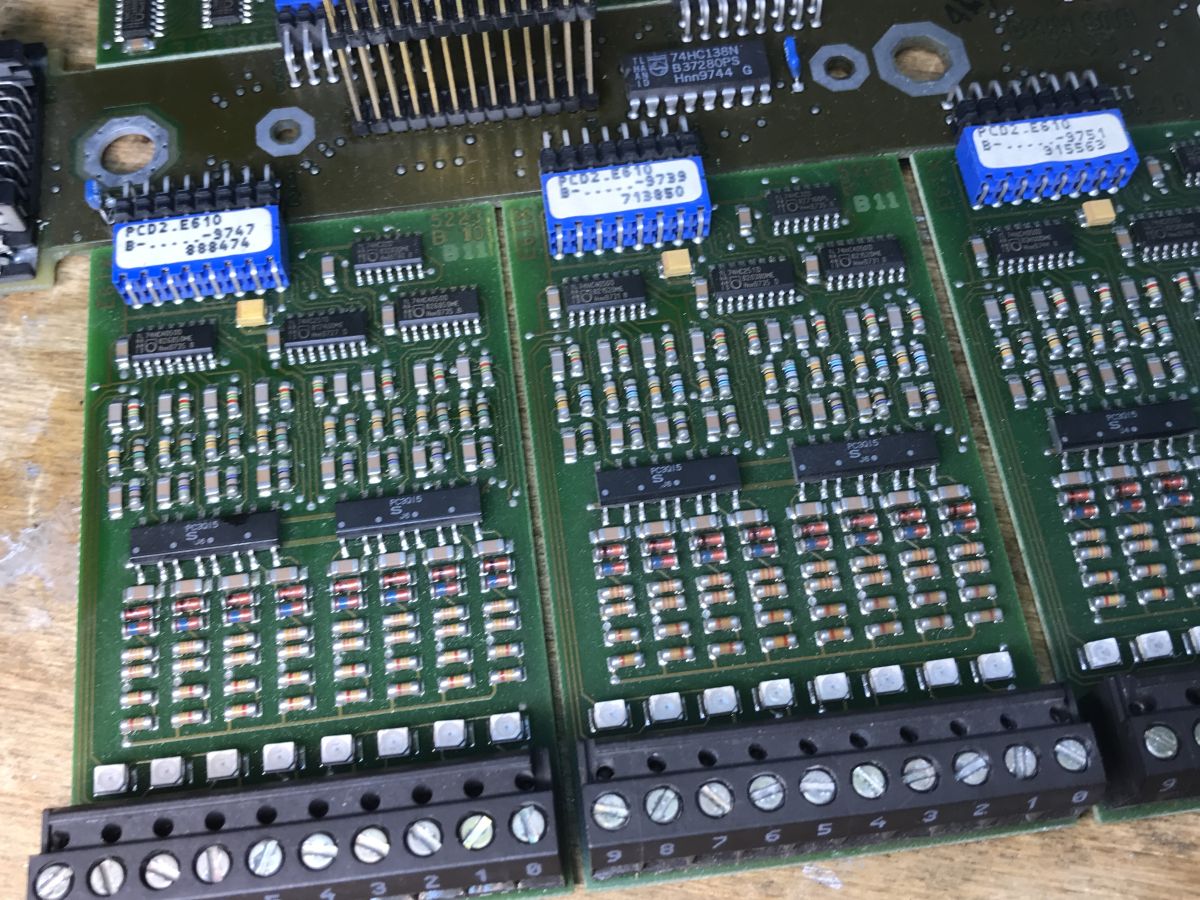
In summary, this was over 20 years old industrial equipment. In this section I have shown the base unit, the expansion card was shown separately . Perhaps the copy shown here could be made to work, although I don't know about the display. For now, let's treat the whole thing as a curiosity - in modern times, it's getting harder and harder to find this kind of controller design, separate logic chips, separate memory bones, still in DIP sockets.... and I am not even mentioning their parameters.
Have you worked with this type of Saia controller? When did you last see them used in practice, in what applications? How do you assess their design and reliability?
Cool? Ranking DIY Helpful post? Buy me a coffee.