






UPS for a router with PoE – 30 Ah – capacity and current output test
TL;DR
- Large LiFePO4 UPS for routers, cameras, and surveillance systems claims 30,000 mAh and provides 5V, 9V, 12V, and PoE 24V outputs with an LCD.
- Capacity testing used a 5V, 1.5A load, repeated twice, then recalculated from delivered watt-hours to account for the pack's 3.2V LiFePO4 cells.
- The meter delivered 14.82 Ah and 69.49 Wh in one run, and 14.87 Ah and 70.08 Wh in the second.
- USB QC negotiated correctly: 12V at about 1.5A, 9V at 2A, and 5V at up to 3A, while individual outputs reached 50W.
- After an hour near 50W, internal temperature reached 50°C, and the first charge cycle stopped prematurely after starting around 50W.
AI summary based on the discussion. May contain errors.
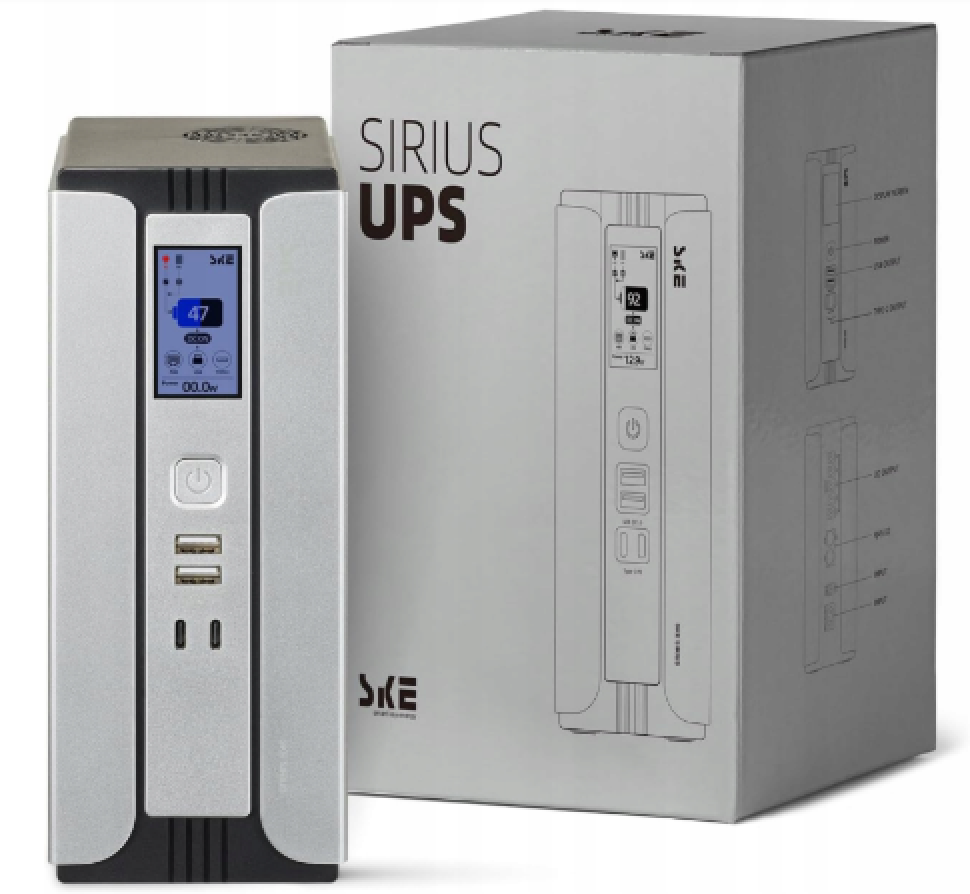
What powers this large UPS designed for routers, cameras and a surveillance system? What are the actual specifications of the battery inside? Does the device overheat? Join me for a review of the UPS/LiFePO4 UPS with a claimed capacity of 30,000 mAh, offering voltages of 5V/9V/12V/POE 24V, a clear LCD display, dimensions of 21.1×8.6×13 cm and a weight of 1.6 kg.
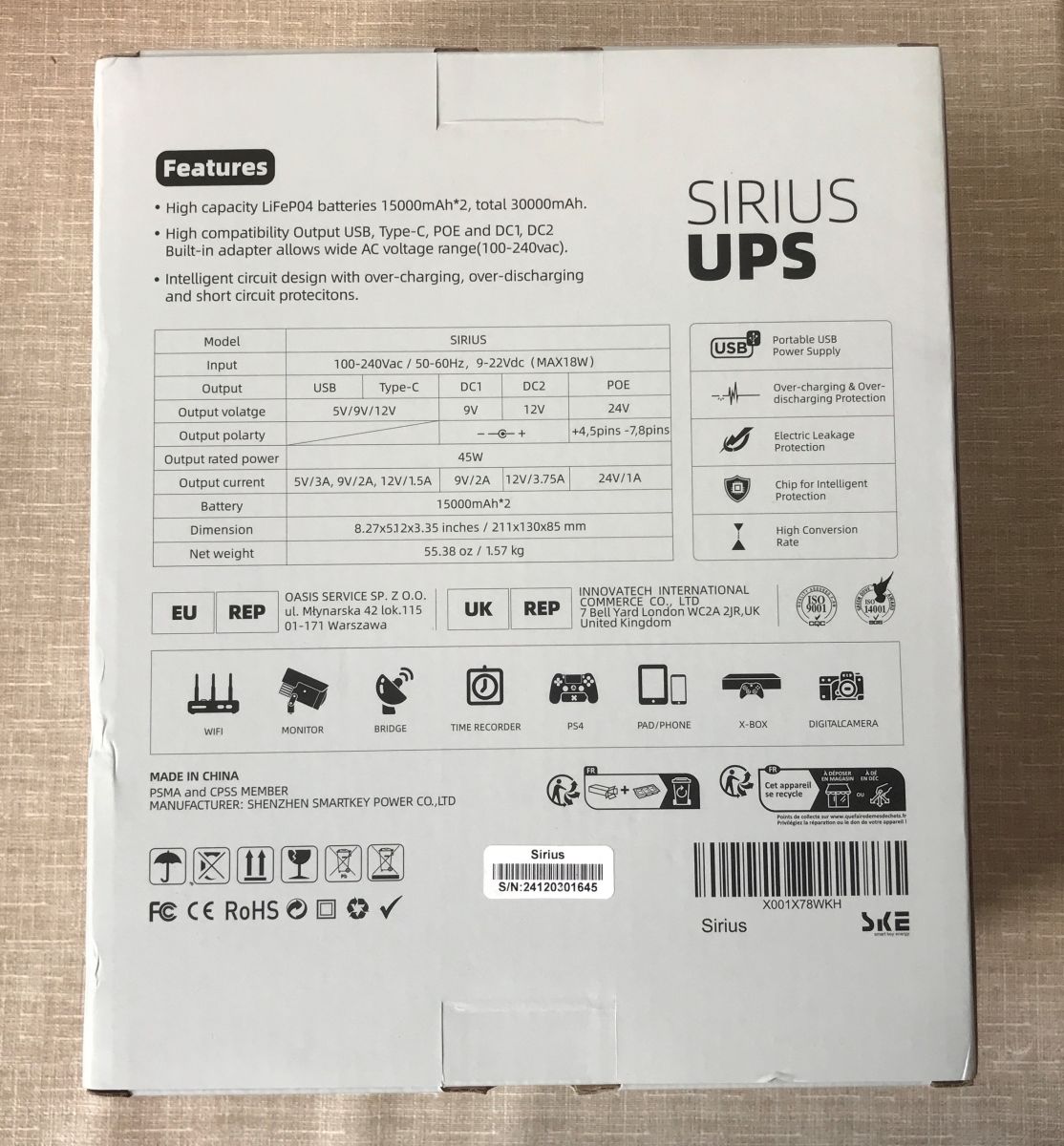
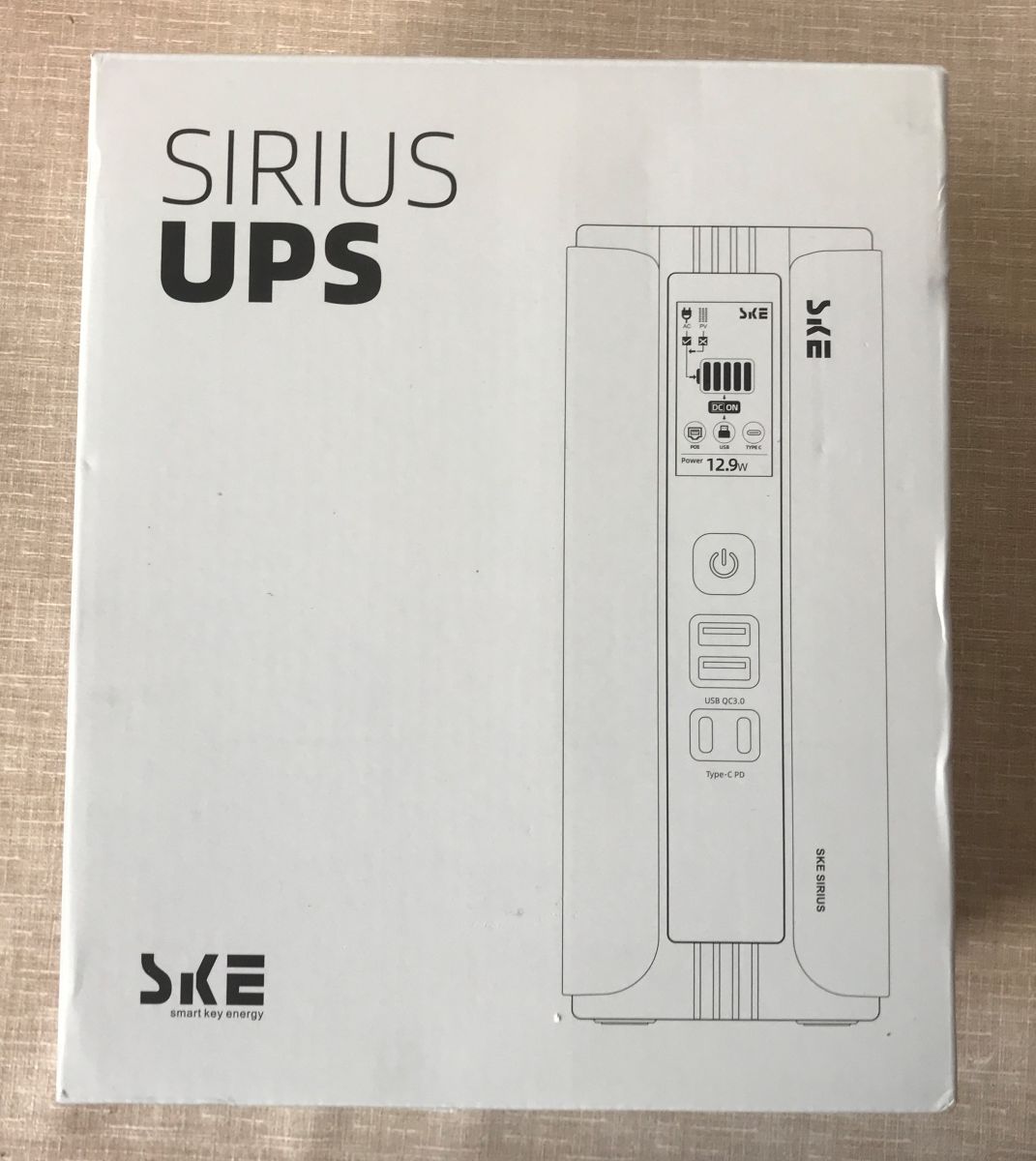
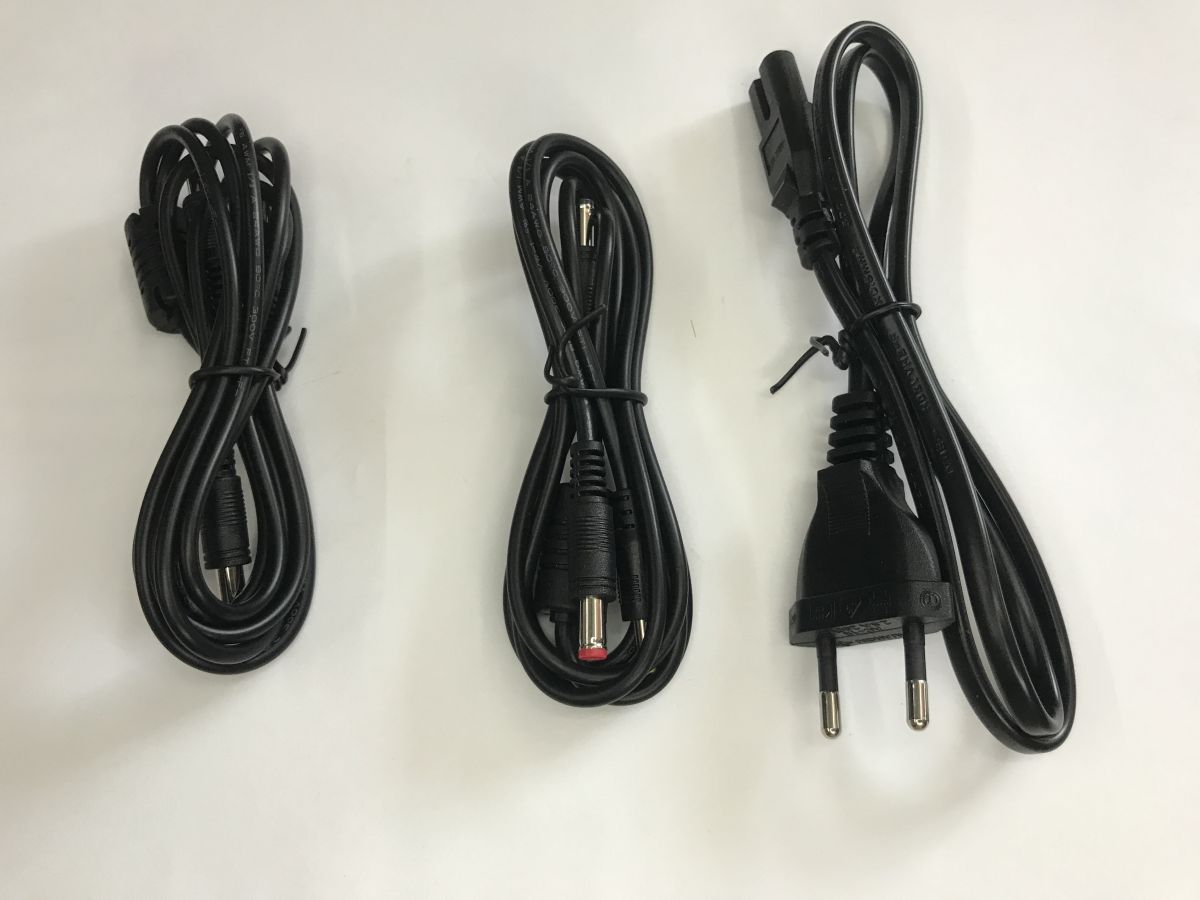
The set includes three cables: one mains cable, one power cable, and two with DC jack sockets, which act as splitters.
The unit itself is quite large, but its capacity justifies this.
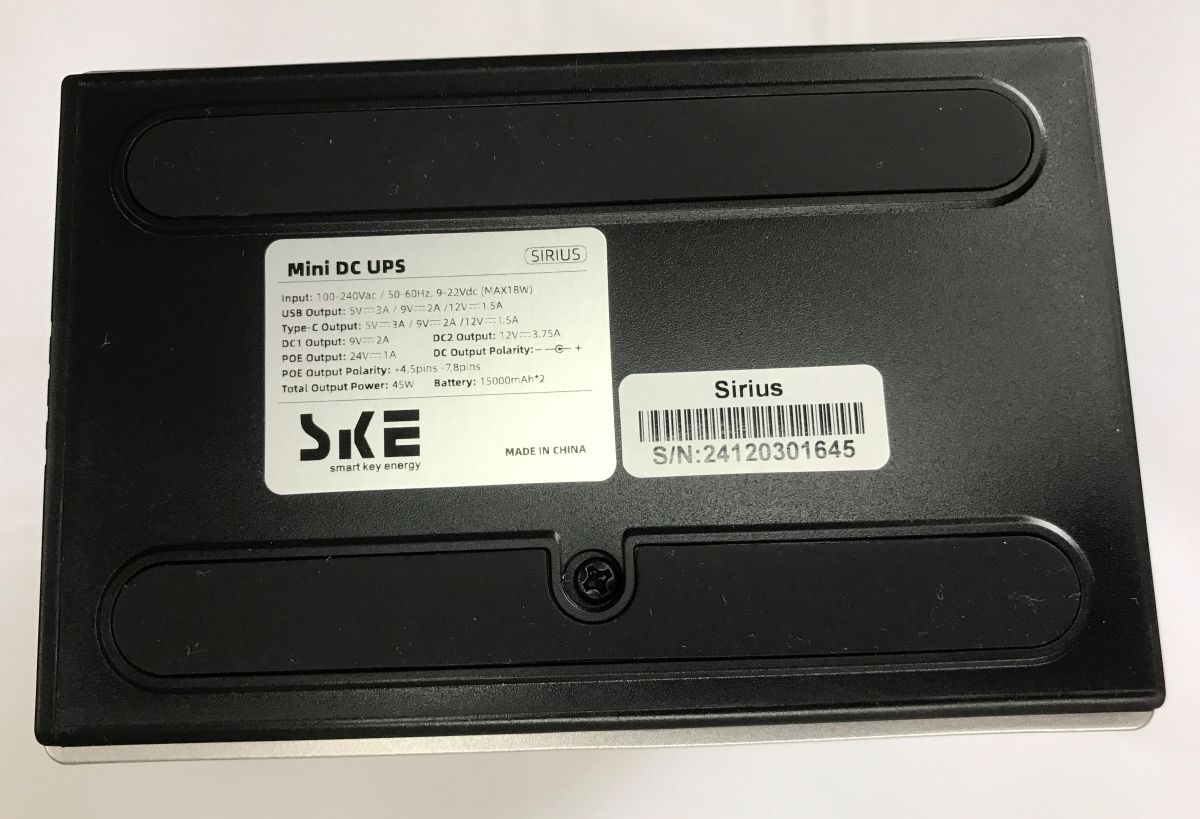
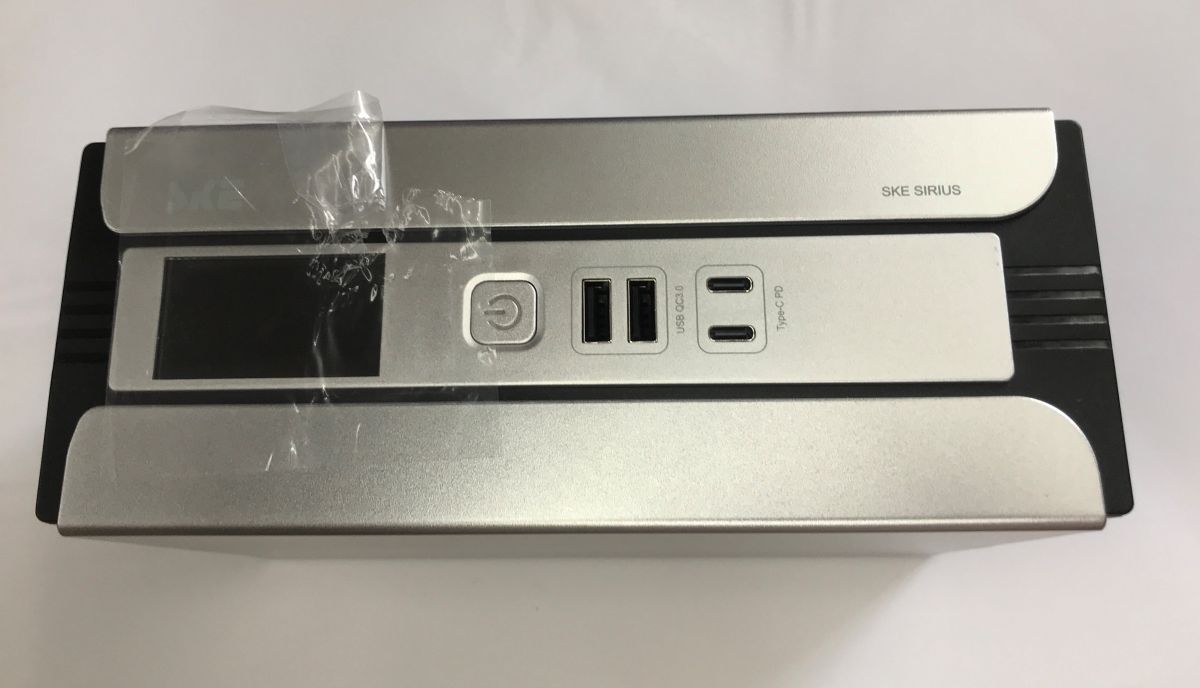
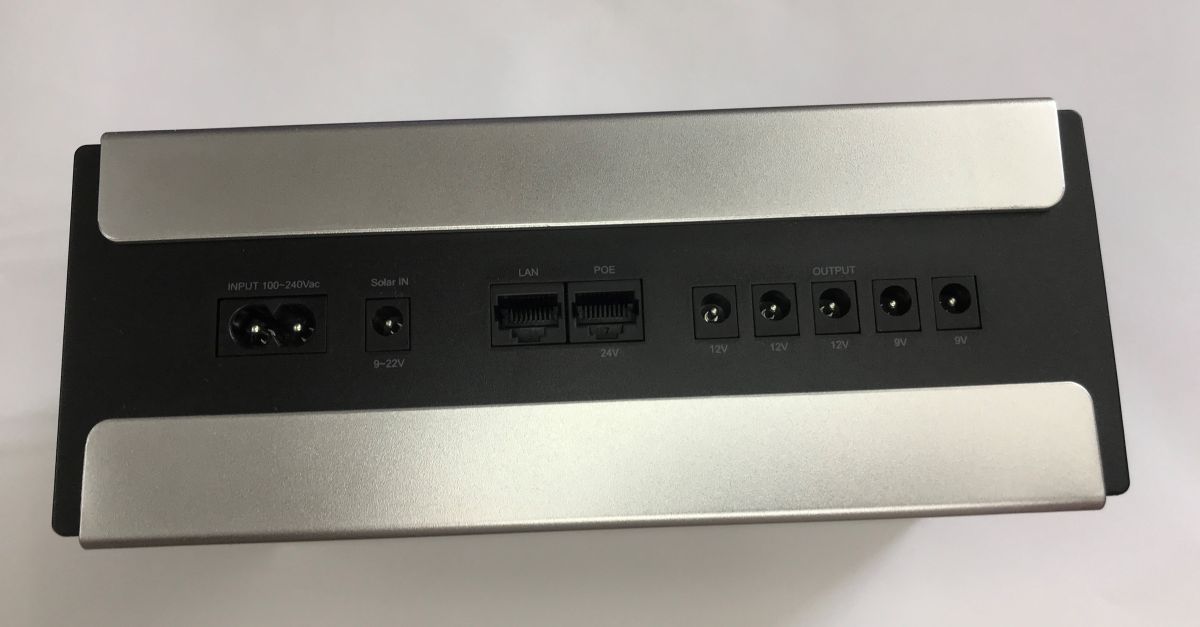
The manual describes the contents of the pack and the UPS itself in detail:
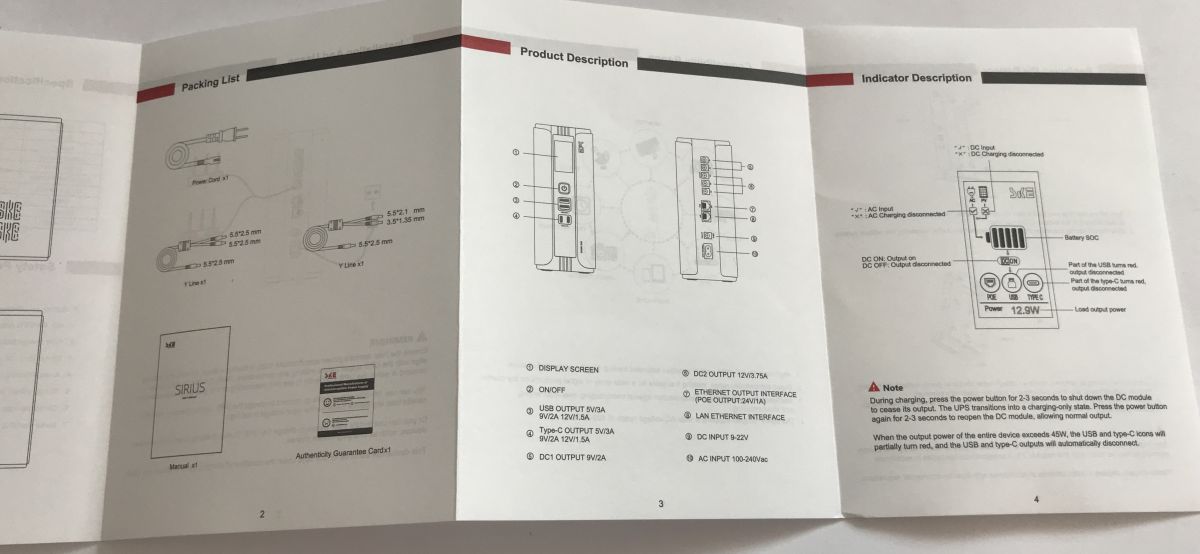
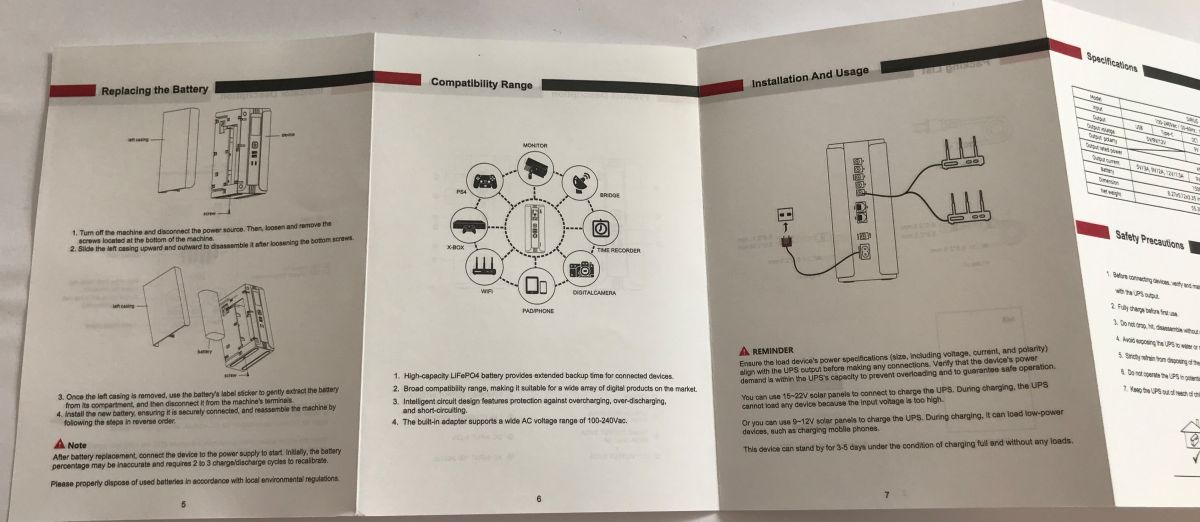
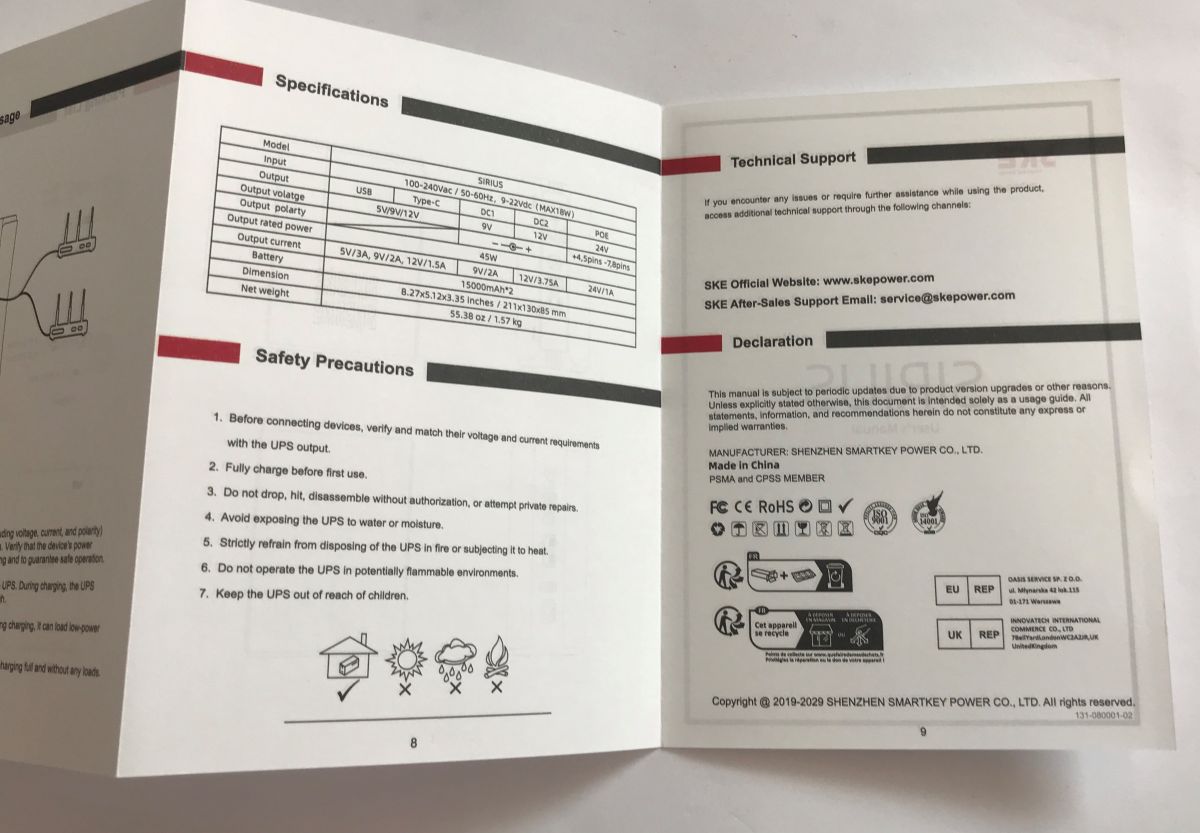
The device even has the option to connect a PV panel, provided the panel’s output voltage is within the range of 9 to 22 V (up to 18 W).
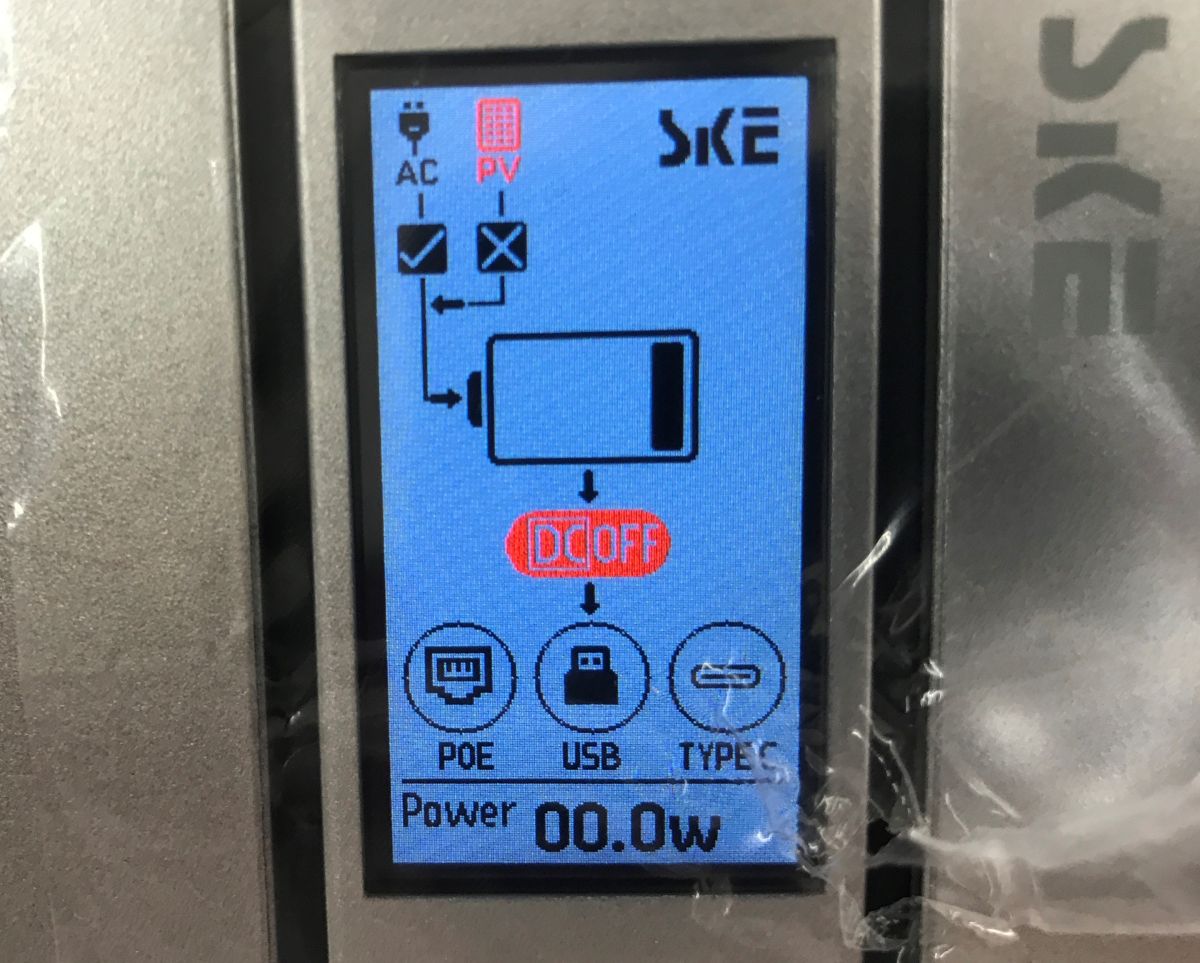
Let’s start with the display and the first charge. An interesting phenomenon occurred here. Initially, the device was drawing a good 50 W, but then it quickly stopped charging prematurely, with the power dropping to practically 1 W:
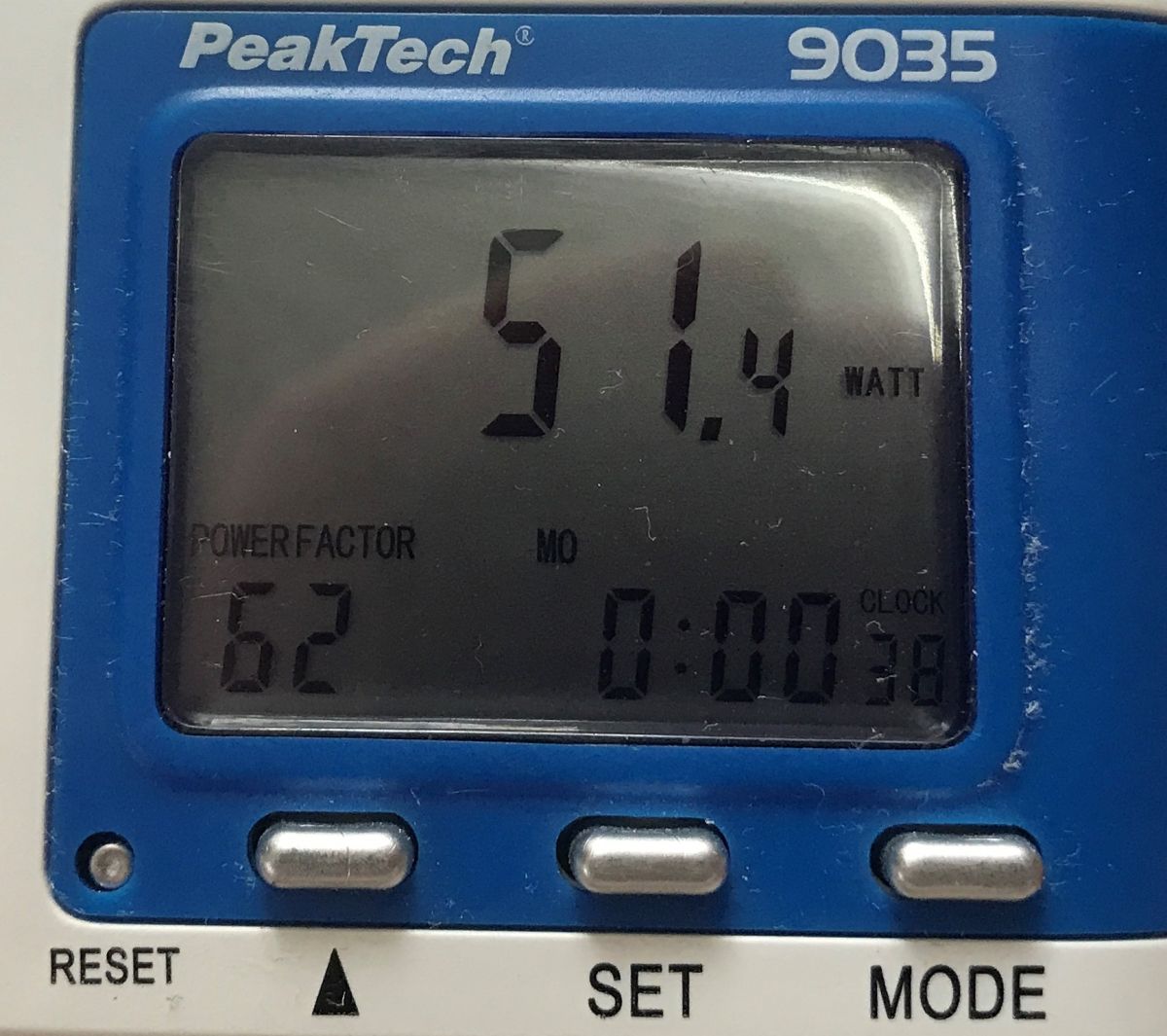
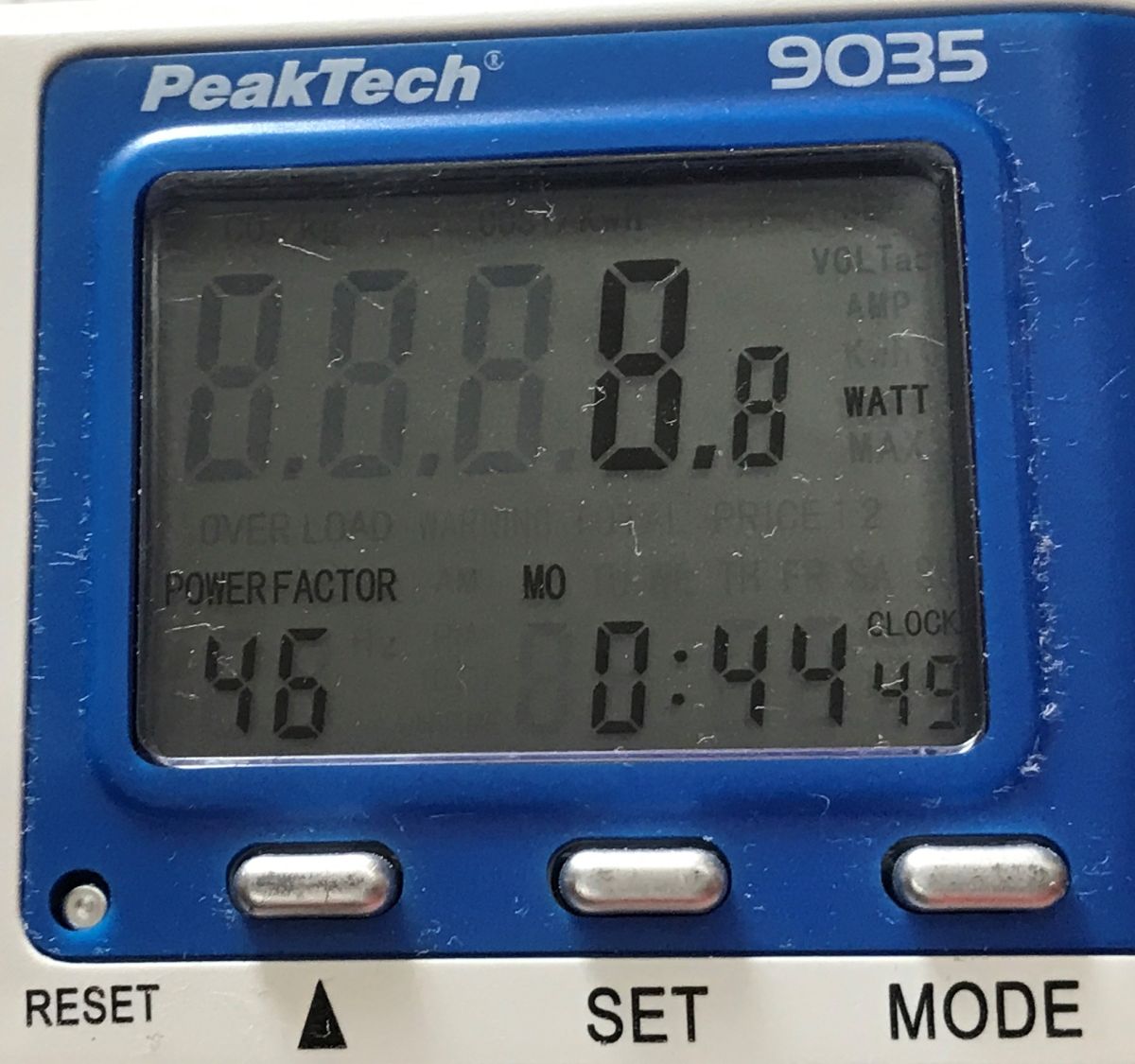
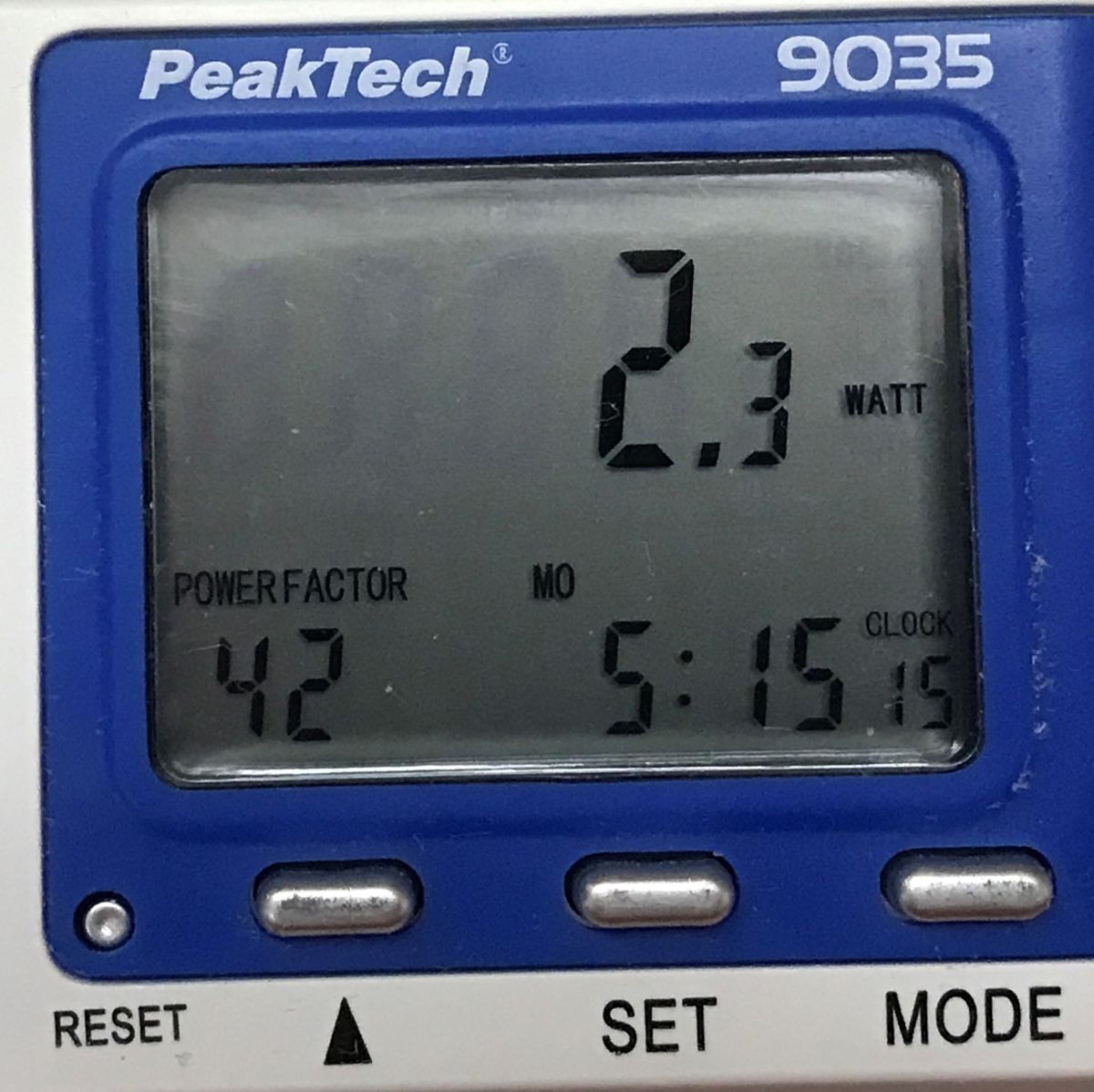
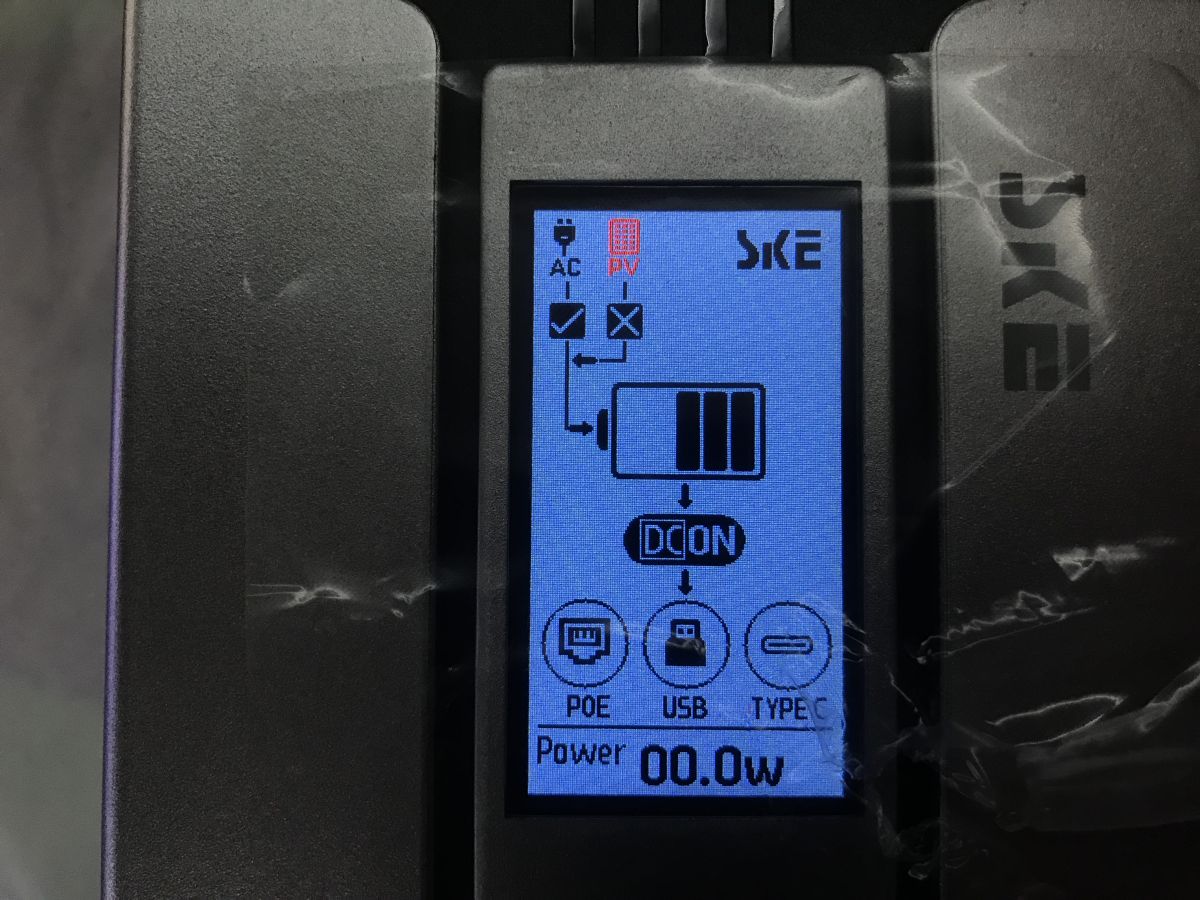
I left the device overnight, after which I decided to carry out a proper capacity measurement. Load current 1.5 A, voltage 5 V.
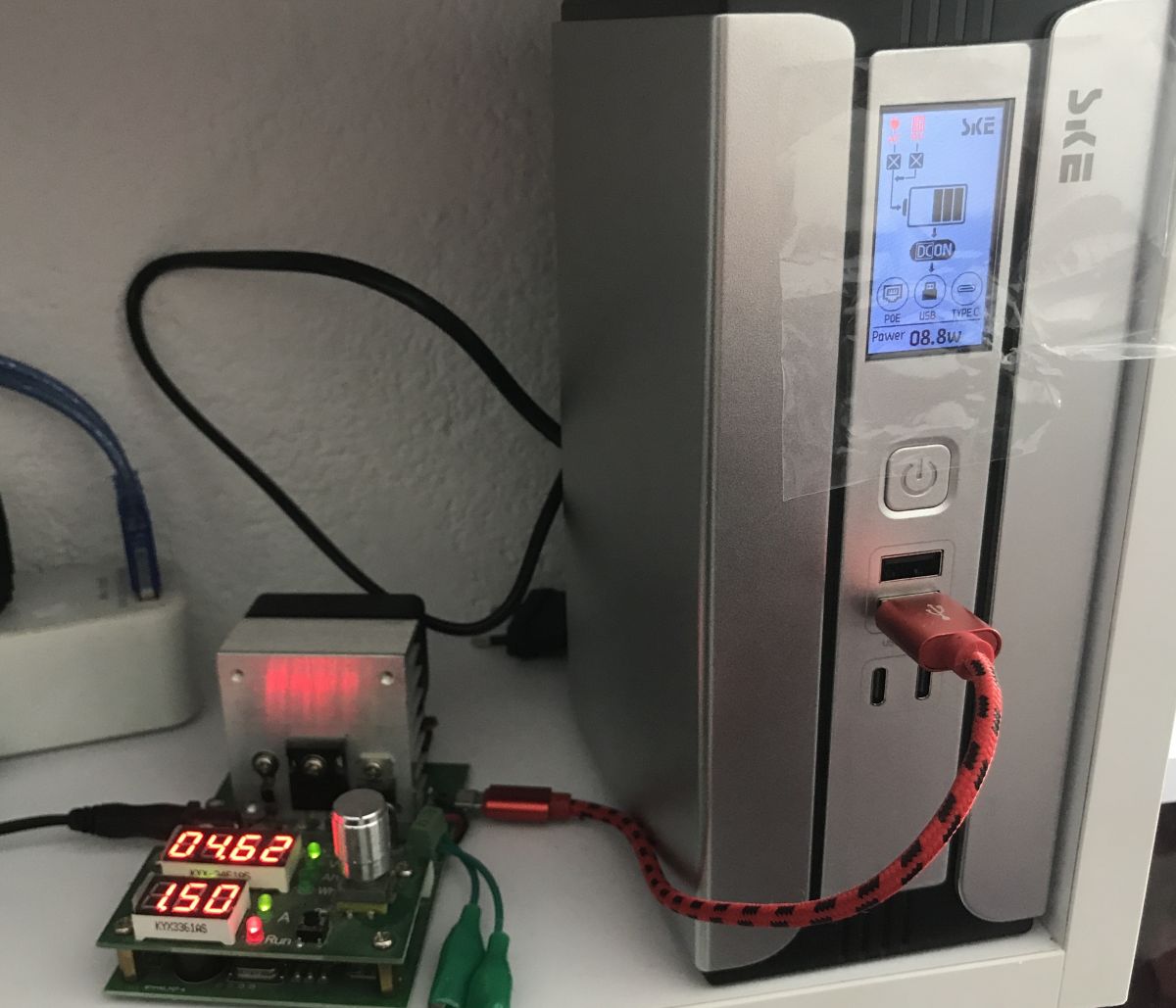
I repeated the test twice. Results:
- 14.82 Ah and 69.49 Wh
- 14.87 Ah and 70.08 Wh
14.87 Ah is the capacity at the USB output (although the photo shows that the voltage dropped to 4.62 V under load). To calculate the capacity of the cells themselves, I usually used a conversion factor that takes losses into account – I divided the measurement by 0.65 . OK, but these are LiFePO4 cells, and they generally have a nominal voltage of 3.2 V. In that case, the calculation needs to be done slightly differently.
Let’s assume a measurement in watt-hours: the meter showed around 70 Wh of energy delivered. Since 30 Ah is promised (the manual states 2 × 15,000 mAh), at 3.2 V the pack should store 96 Wh. Extracting 70 Wh from 96 Wh implies a converter efficiency of 73 per cent. Taking into account voltage boosting and losses, this is a perfectly correct and normal result. This means that the actual capacity is indeed around 30 Ah. But let’s check the other aspects as well.
The QC works fine – I managed to enable 12 V, at which point I could draw around 1.5 A. At 9 V, the current is 2 A, and at 5 V, up to 3 A. The smartphone also correctly negotiates a higher voltage.
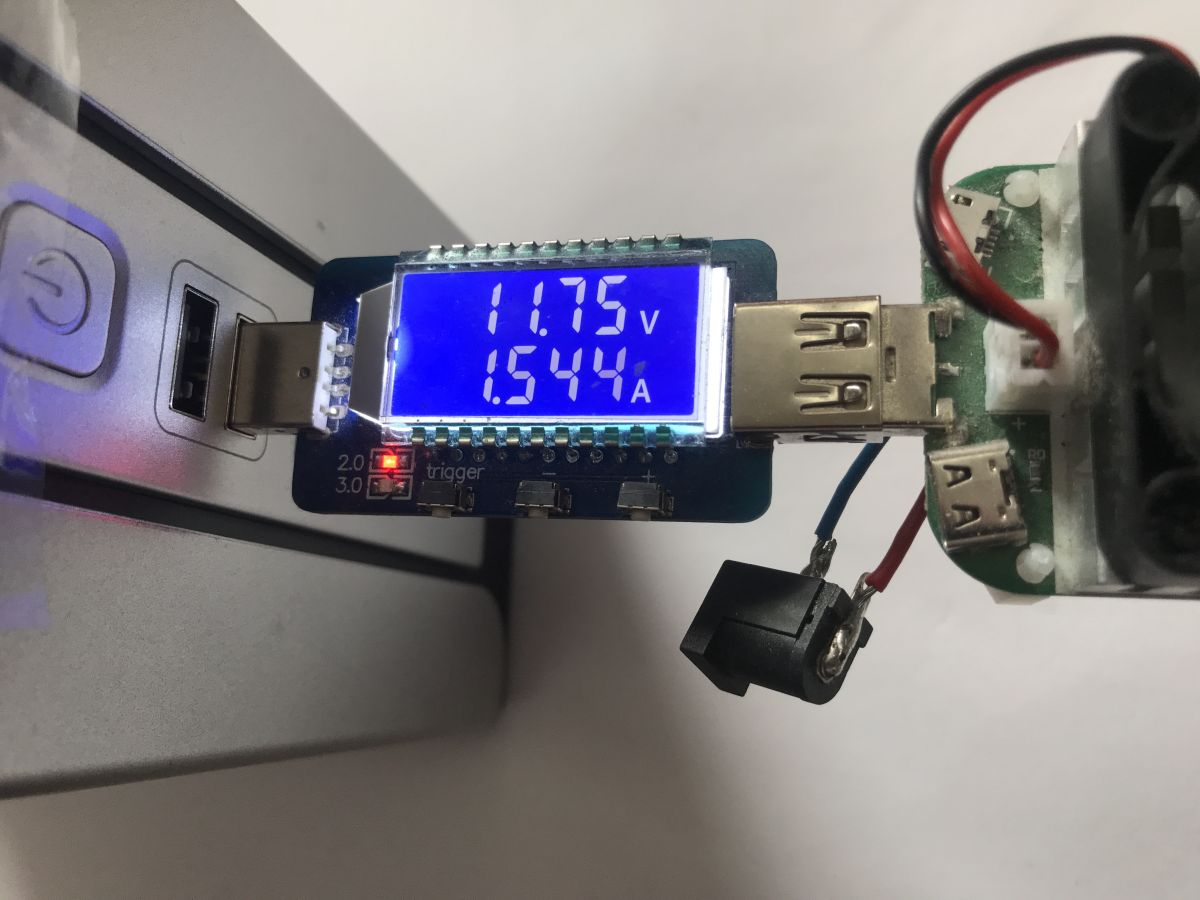
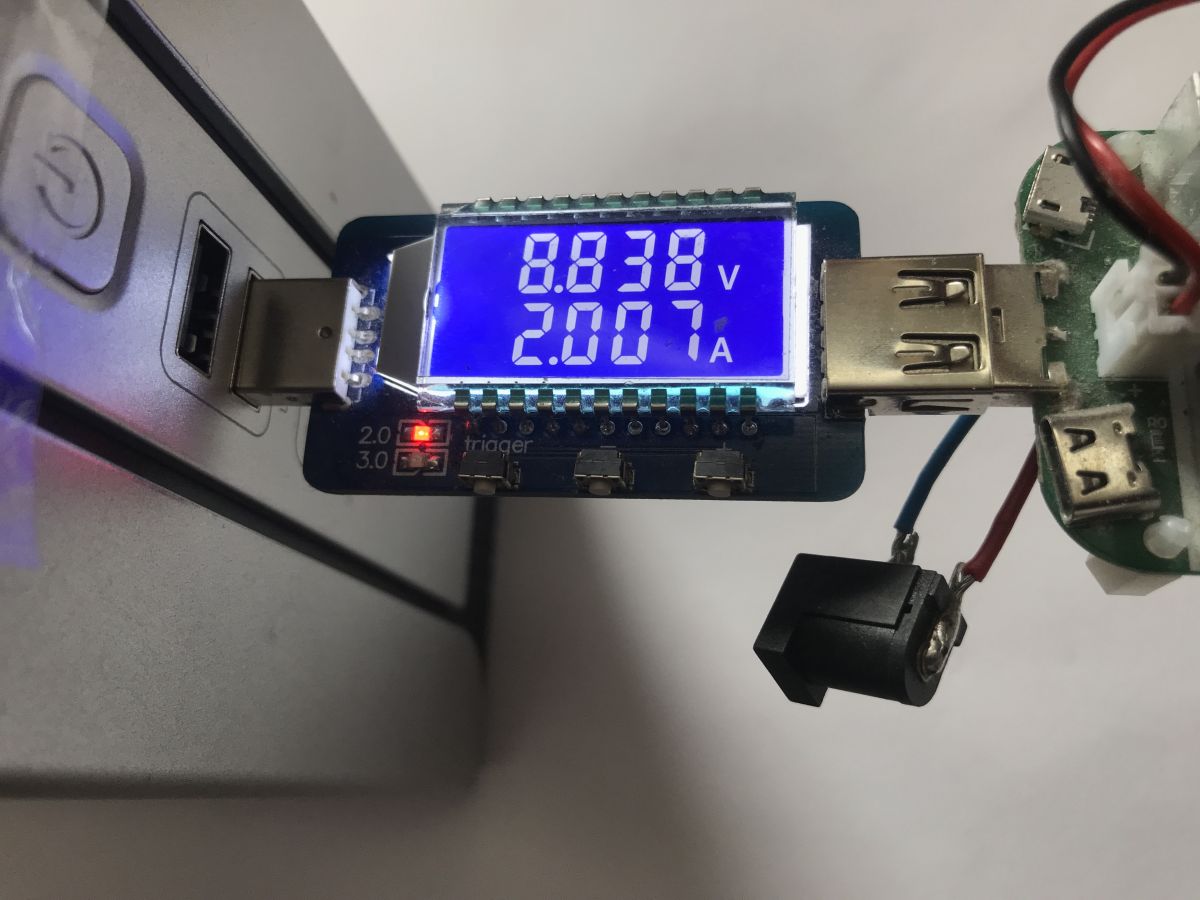
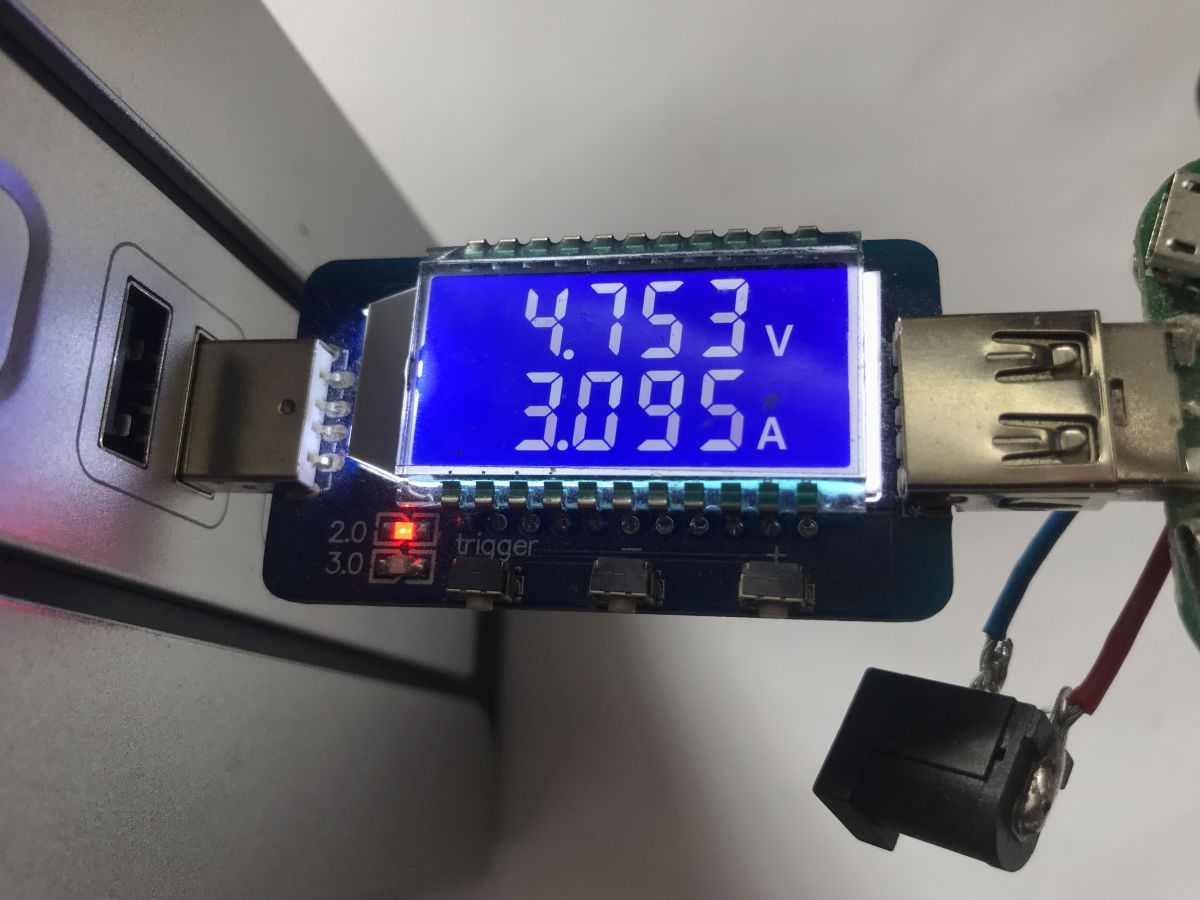
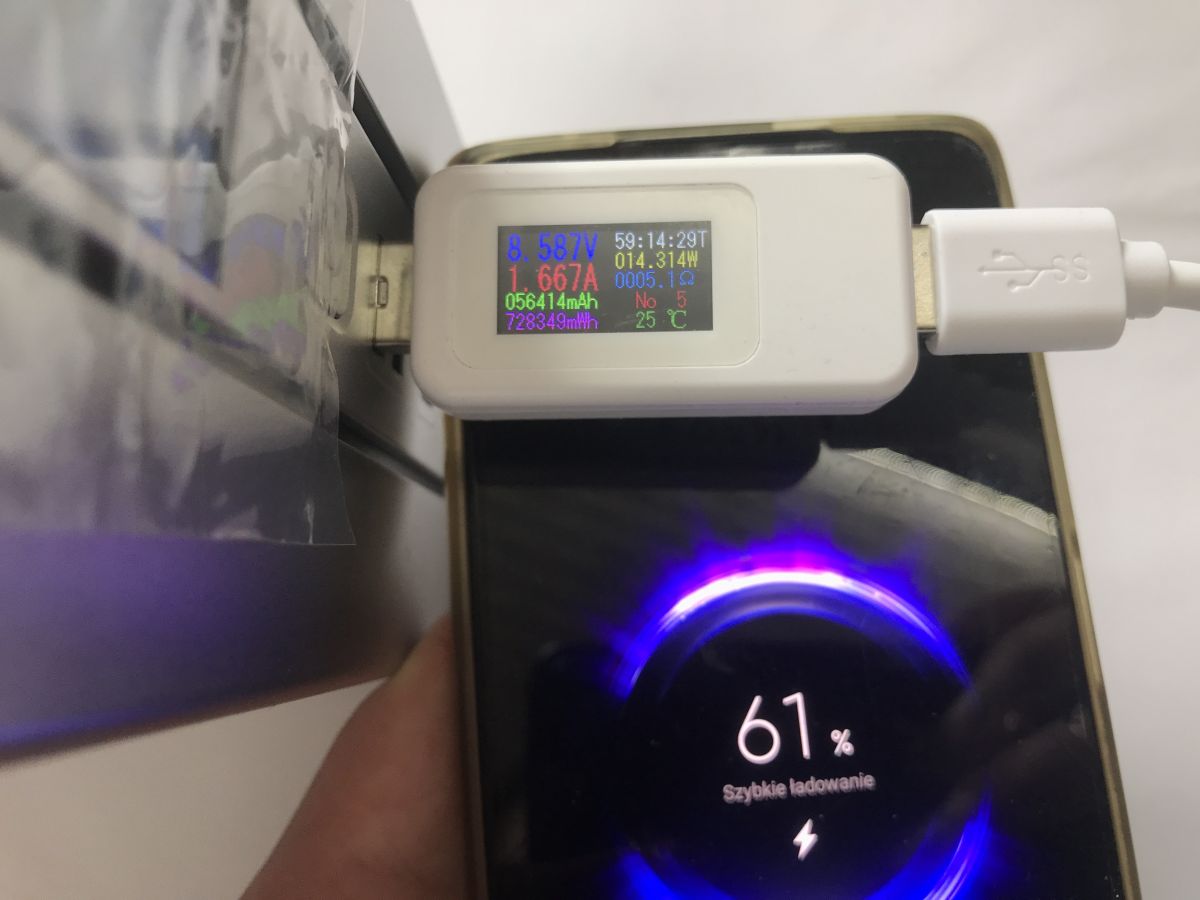
When loading the individual outputs, I managed to draw up to 50 W.
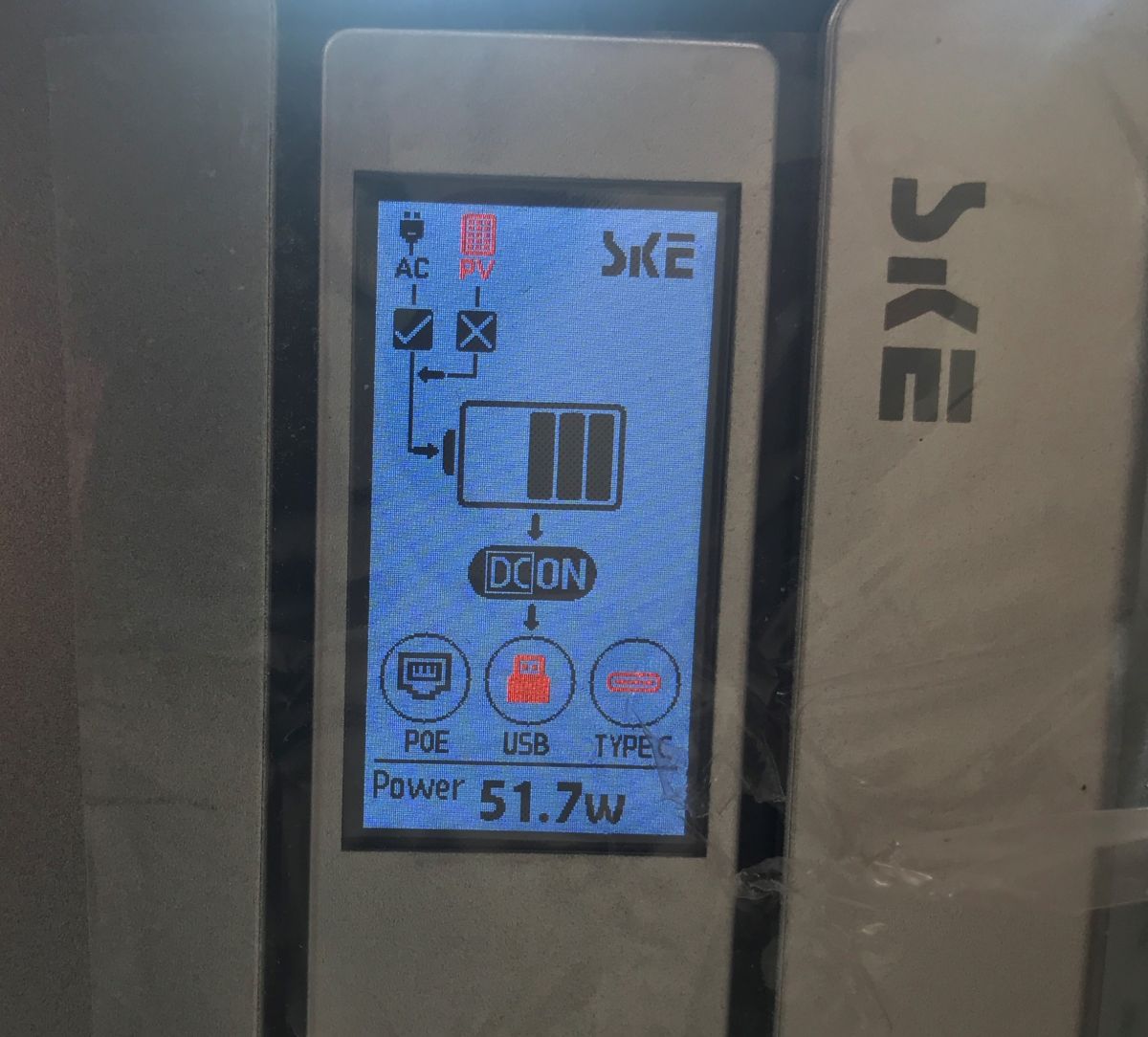
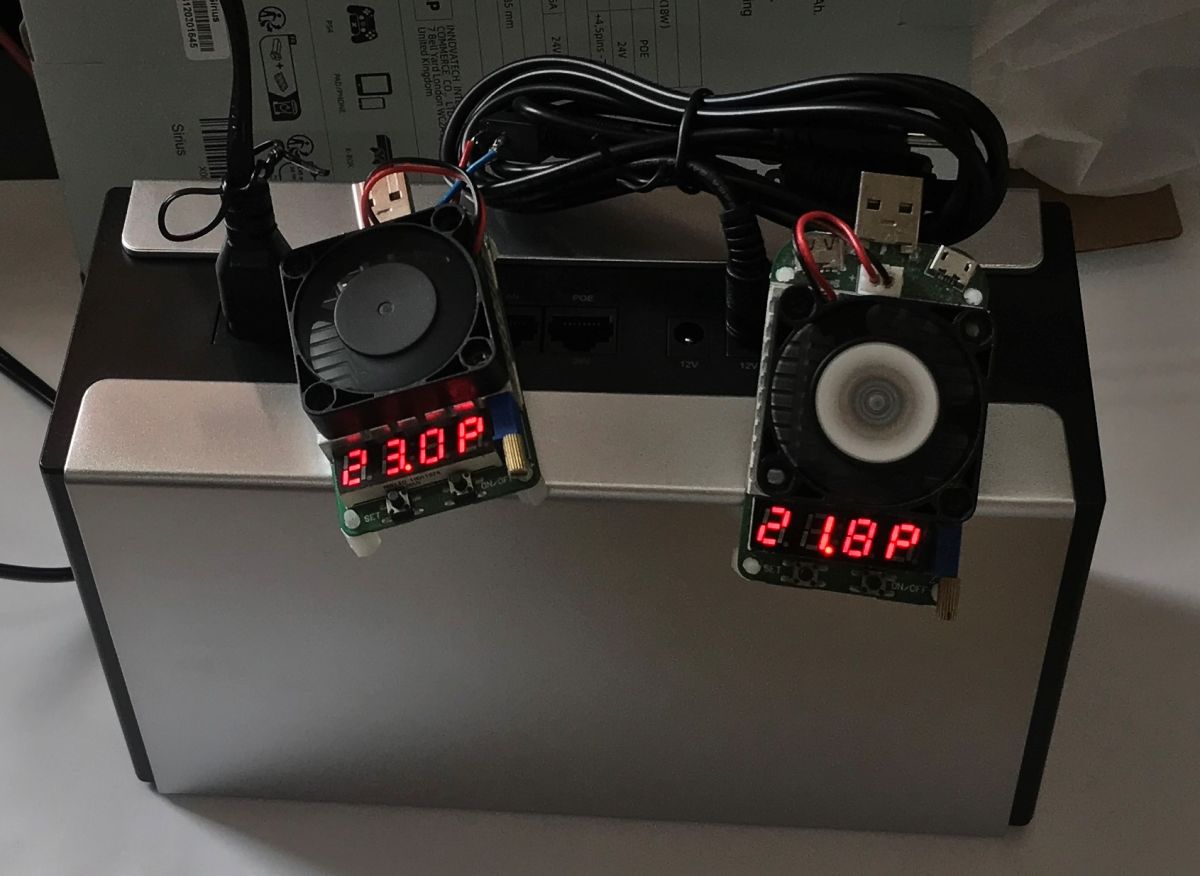
A brief heat-up test – after applying just under 50 W for an hour.
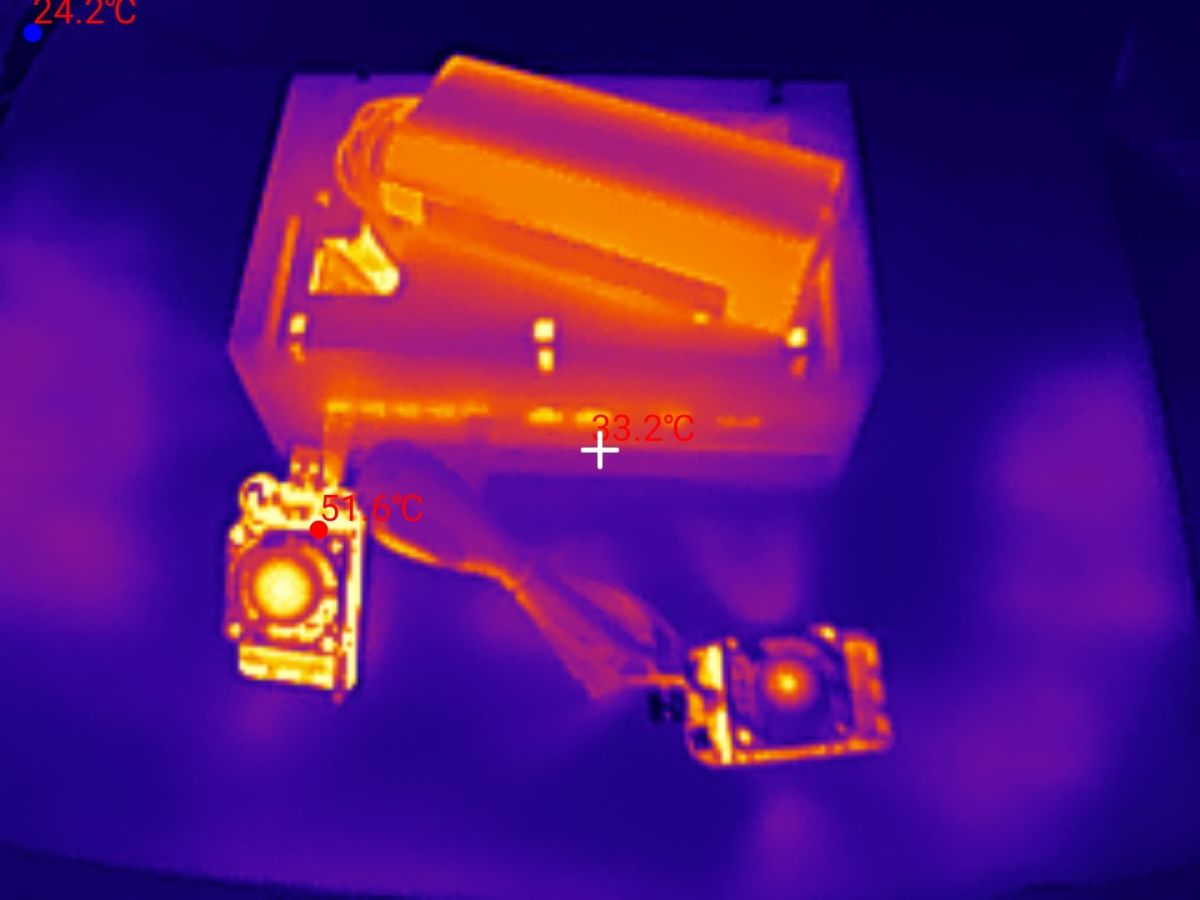
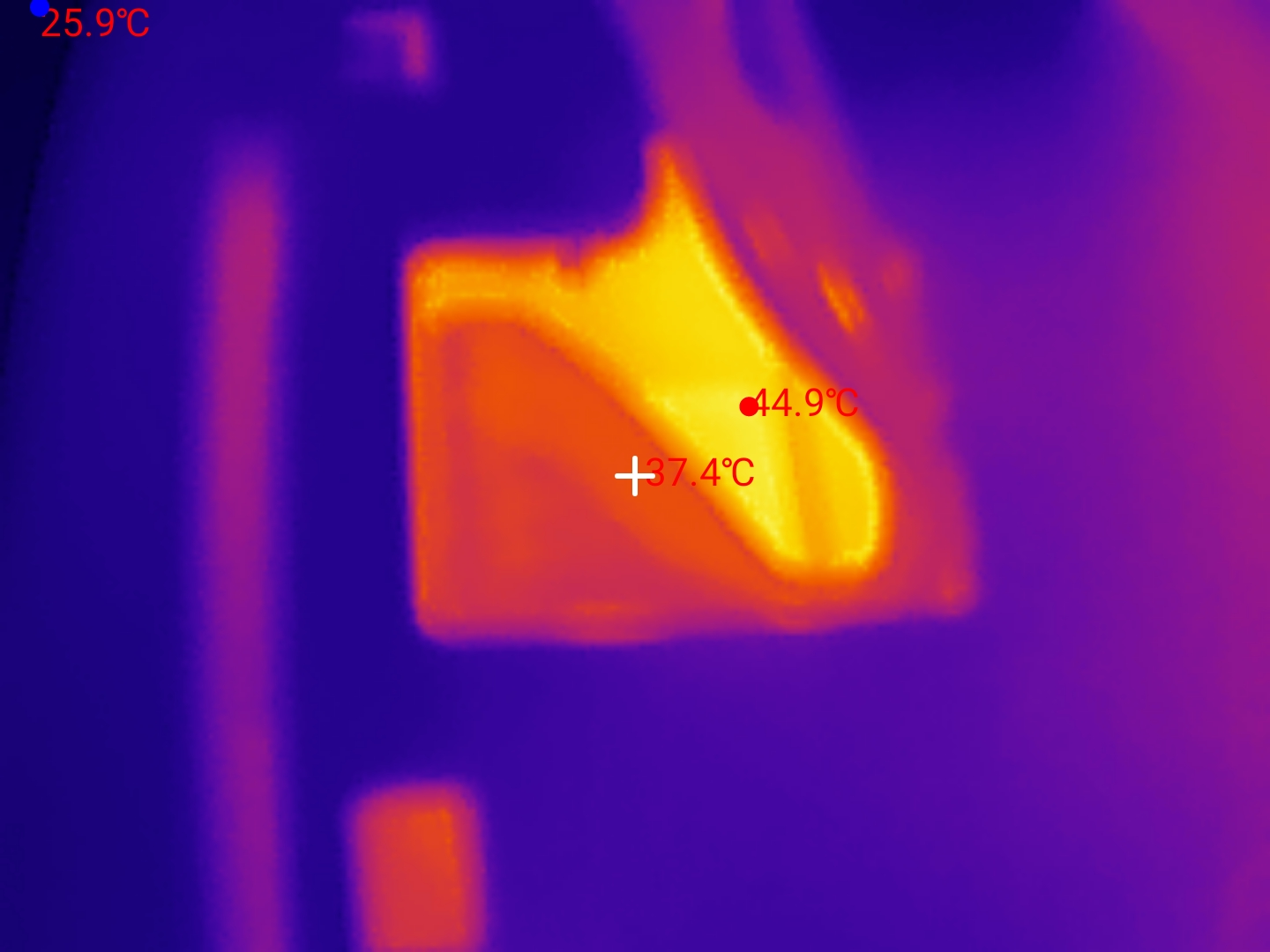
The temperature inside is up to 50 °C; it’s hard for me to tell from the outside what’s causing it to heat up so much. I didn’t want to damage the casing.
However, you can remove the batteries:
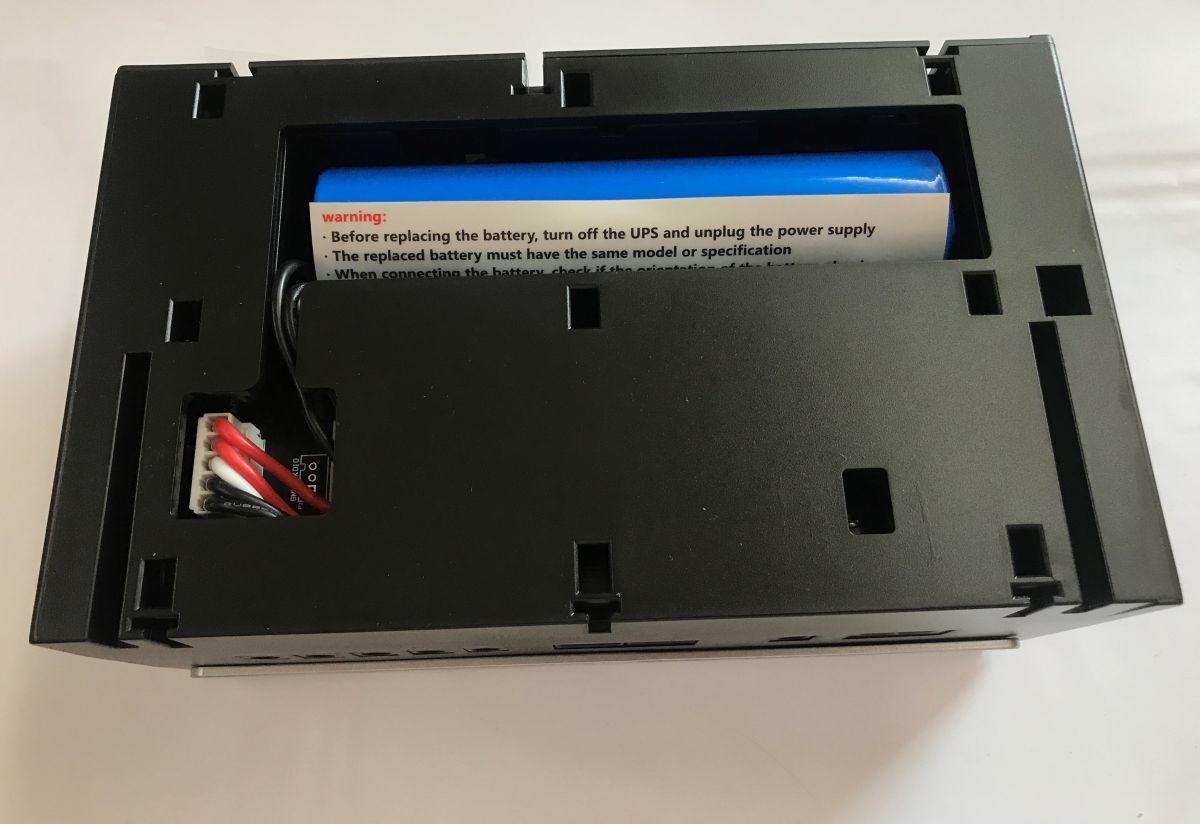
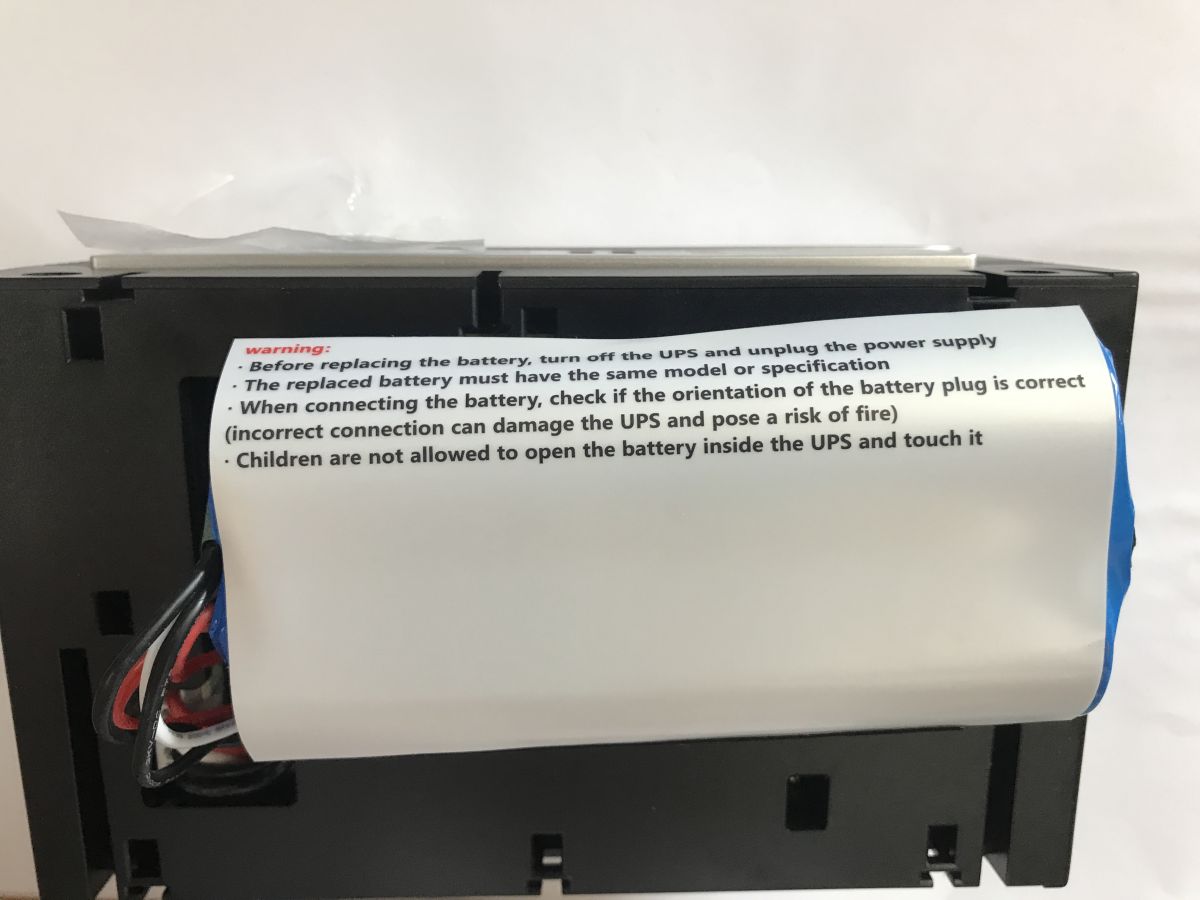
To sum up , the UPS manages to deliver the promised 45 W; QC also works correctly and delivers the promised currents, whilst the display is useful and easy to read. Concerns about capacity proved unfounded – after adjusting for the 3.2 V voltage for LiFePO4 and recalculating the 70 Wh delivered, the result confirms the stated 30 Ah. The unit lives up to expectations. It may seem rather bulky at first glance, but that’s understandable. Finally, at the intended installation site, I also tested the PoE – that worked flawlessly too. I suppose that’s about it – do you use this type of UPS?
p.kaczmarek2 wrote 14709 posts with
rating 12776 , helped 658 times.
Been with us since 2014 year.
Comments