


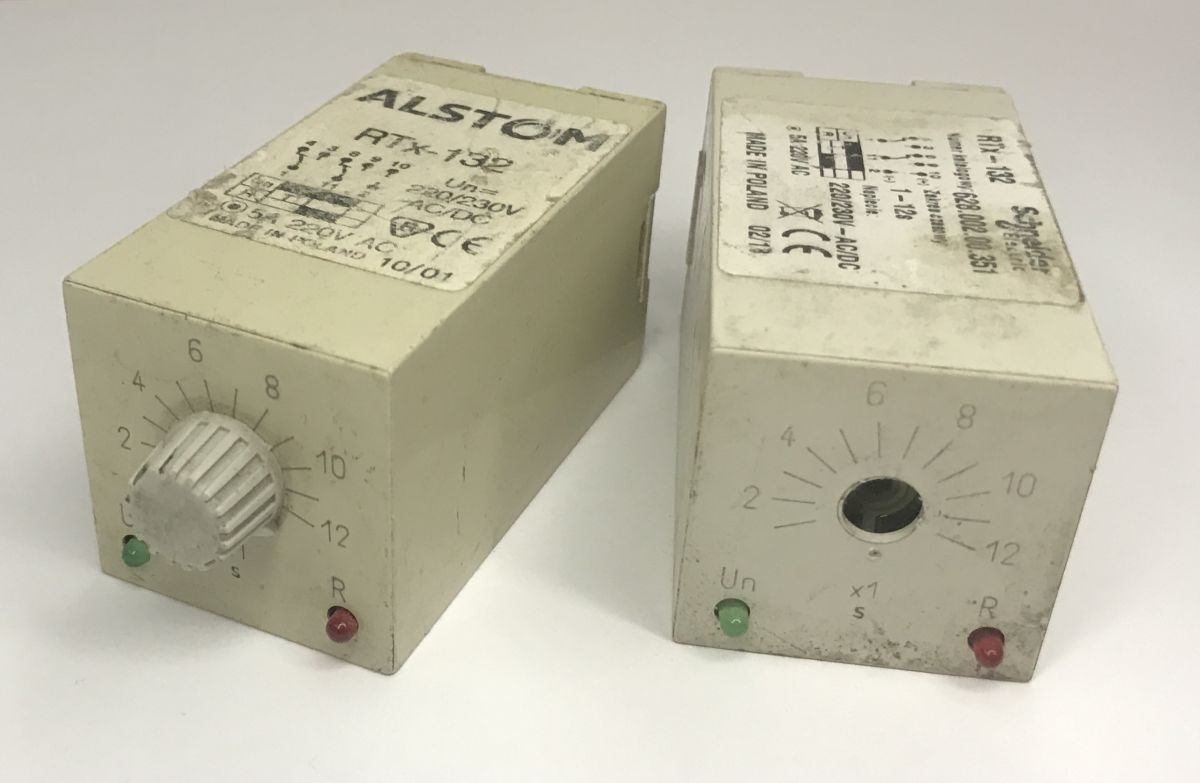
Today we’re taking a look inside another Polish product – this time an electronic timer, a device used to switch a circuit on or off after a set period of time has elapsed. The RTx-132 model shown here offers analogue time setting, is available in eight time settings (from 0.01 s to 120 hours) and in versions for various voltages (12 V DC, 24–48, 60–100, 110/127, 220/230 V AC/DC). It features a single 5 A output relay with two delayed changeover contacts and two LEDs indicating the presence of supply voltage (Un) and the status of the output relay contacts (R). It is mounted in 11-pole sockets with screw terminals or solder terminals. A quick online search shows that it can now be bought for a few hundred zlotys.
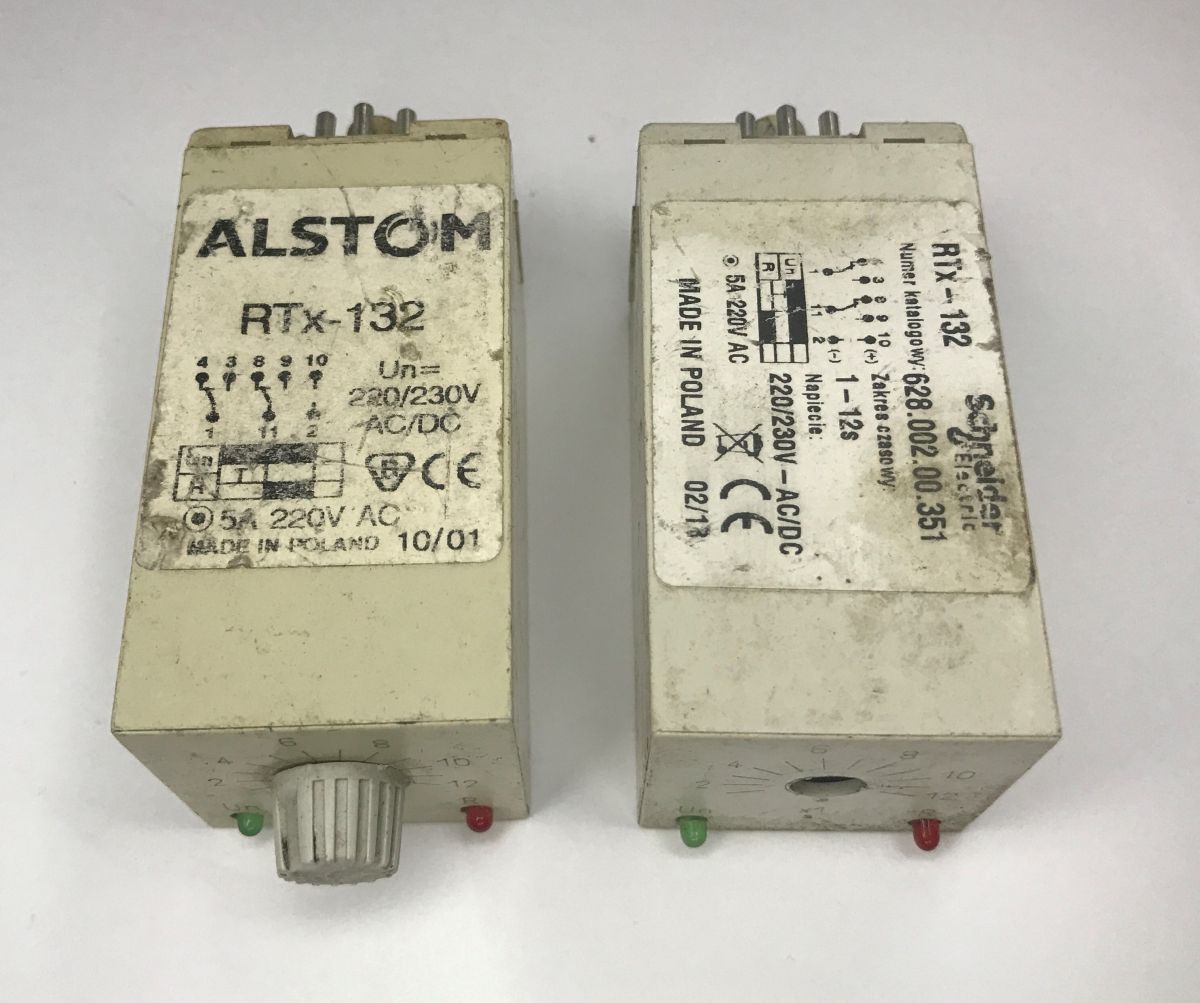
Interestingly, my two units are labelled differently – one as Alstom, the other as Schneider. Could this be a rebranding or a takeover? The markings 10/01 and 02/13 also catch the eye; these are probably the dates of manufacture. 2001 and 2013.
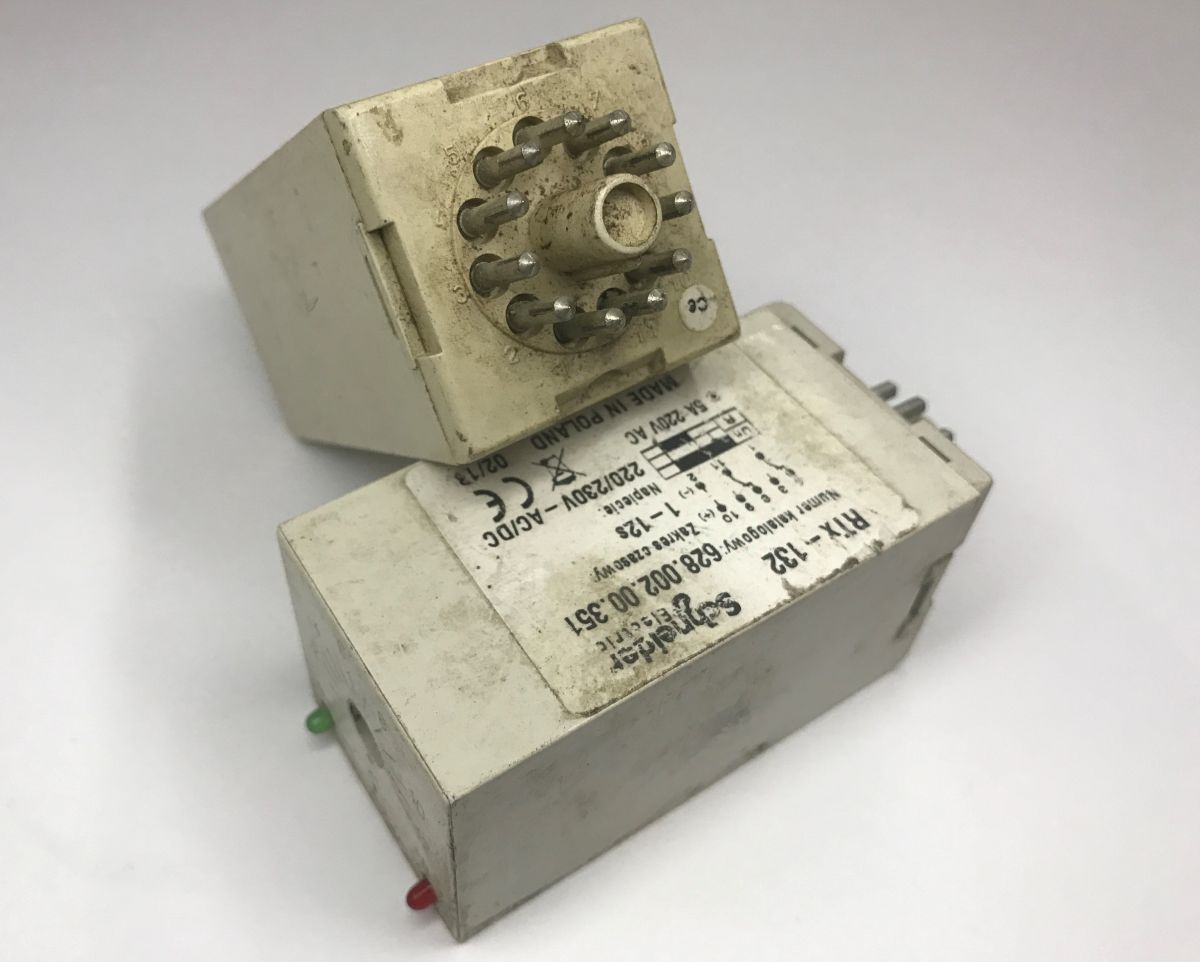
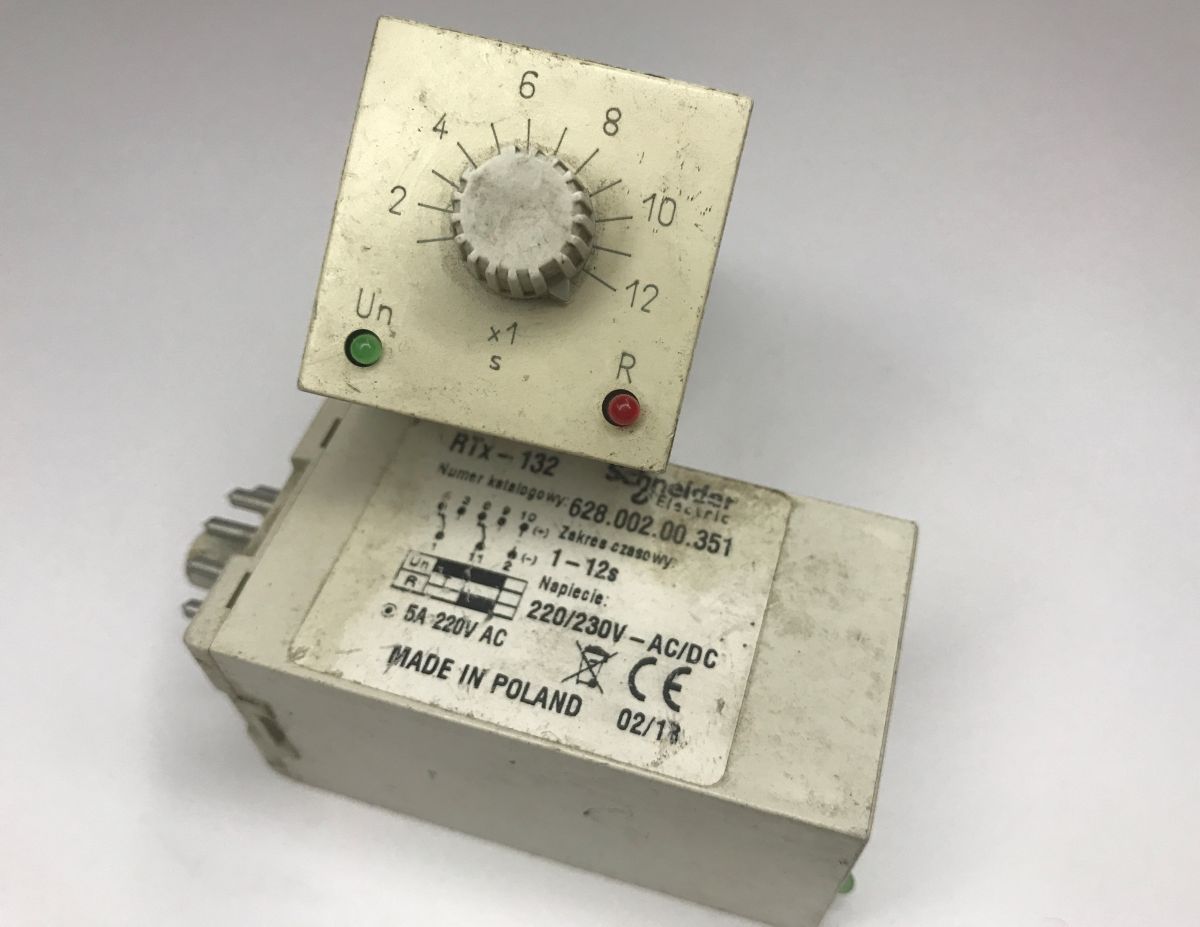
So it’s time to pry open the casing and take a look inside. As I mentioned, this is an electronic timer, so it’s correspondingly smaller than the older, mechanical types. We expect to find a PCB inside.
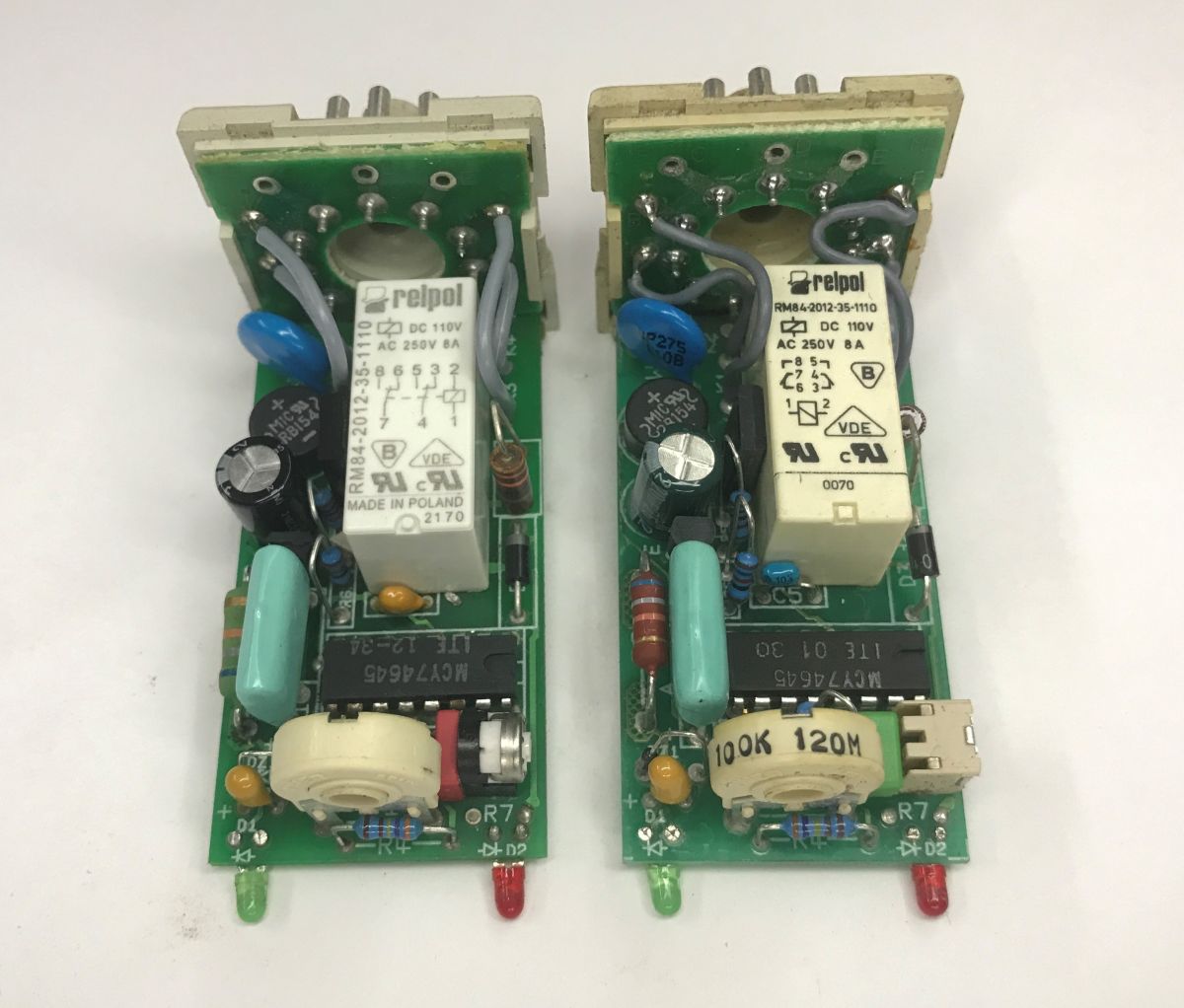
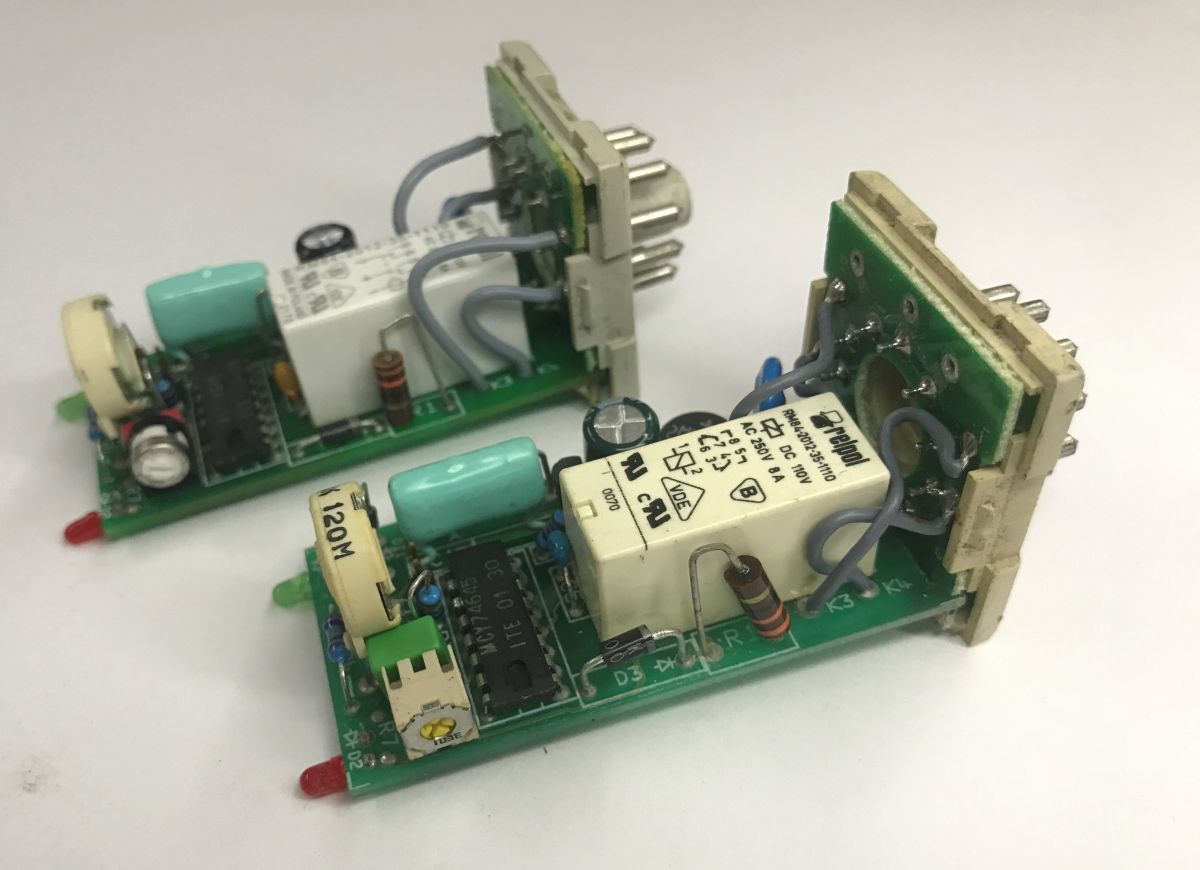
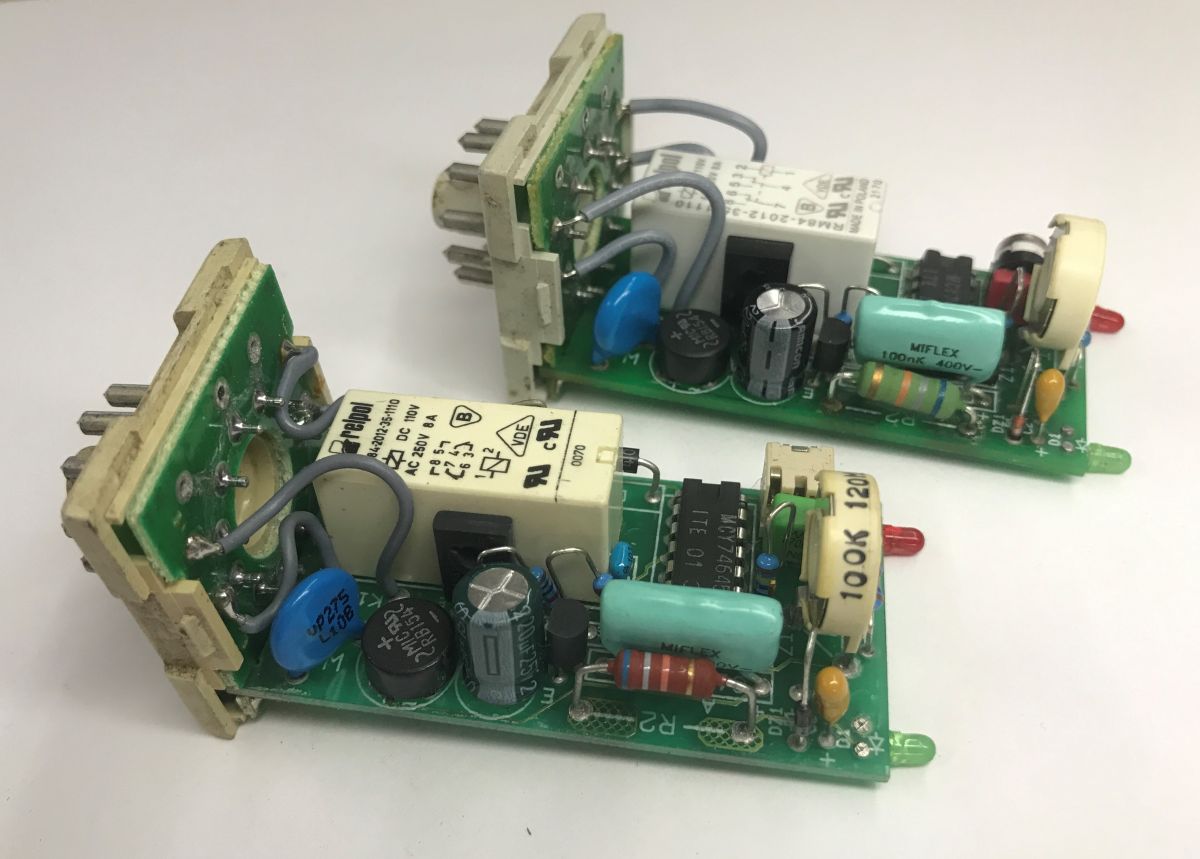
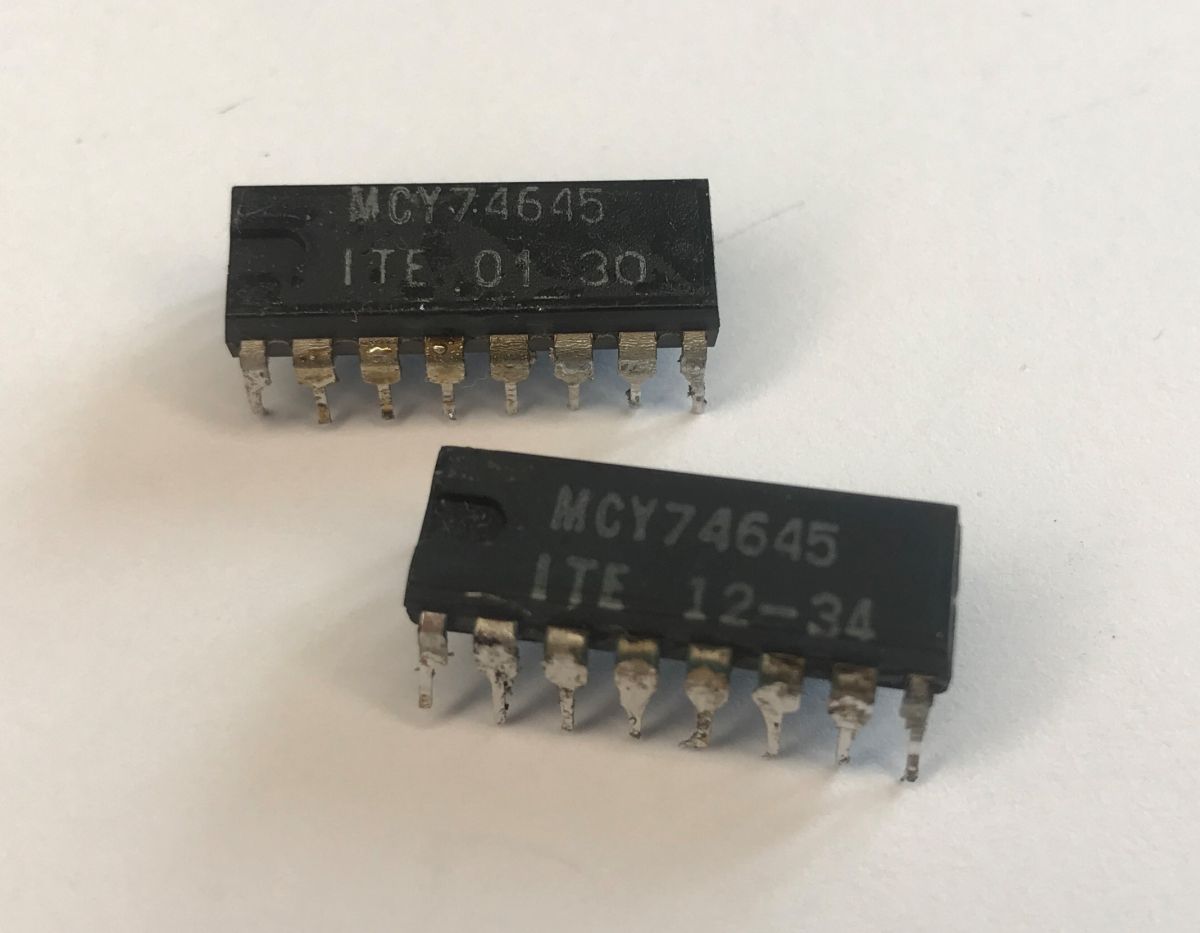
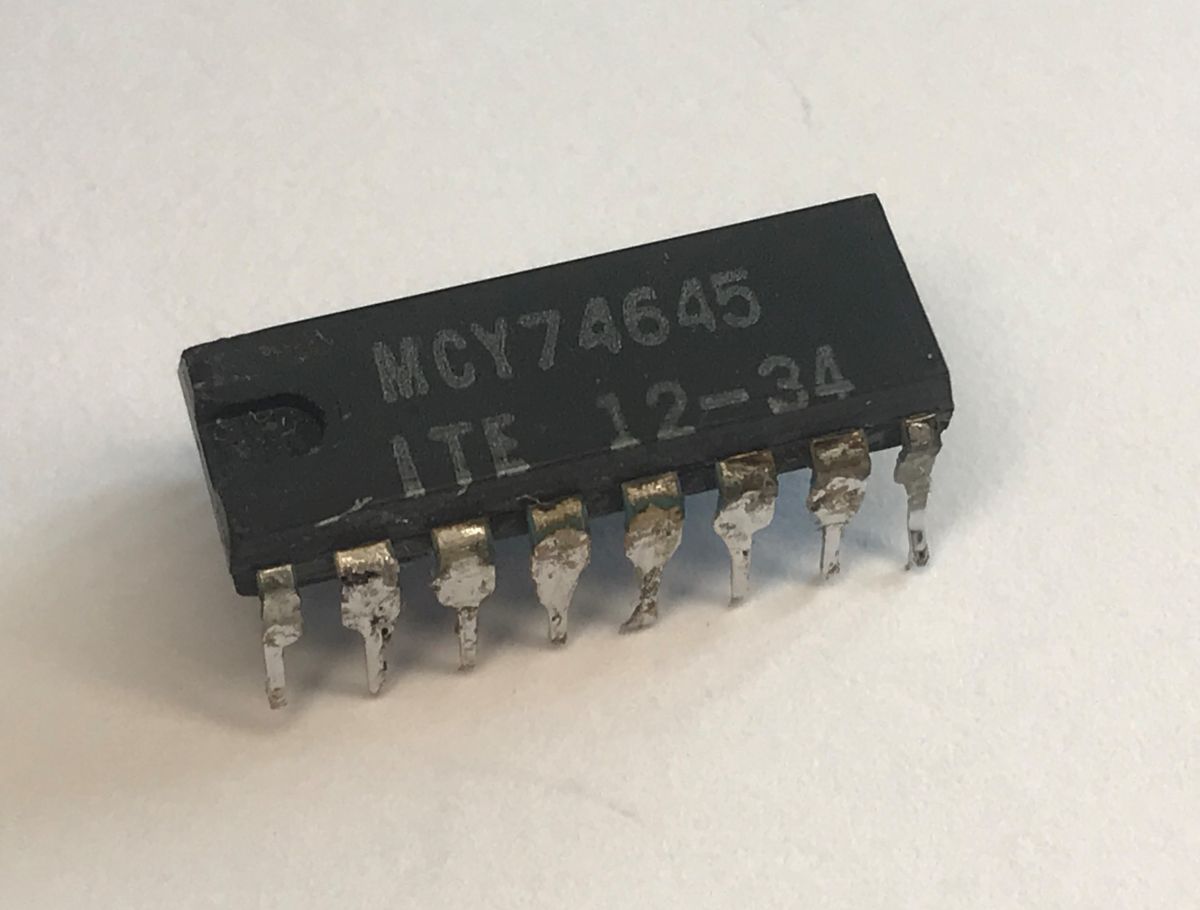
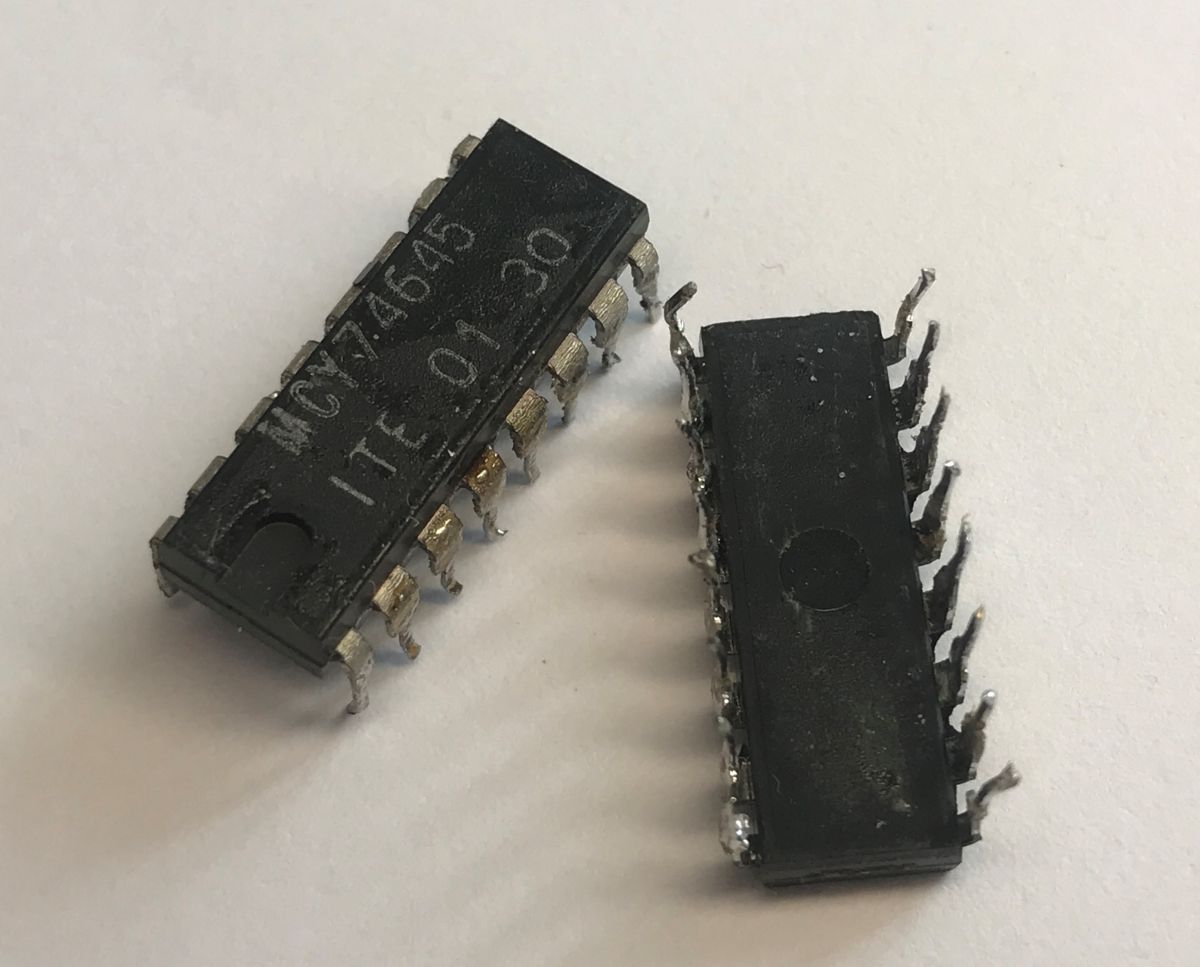
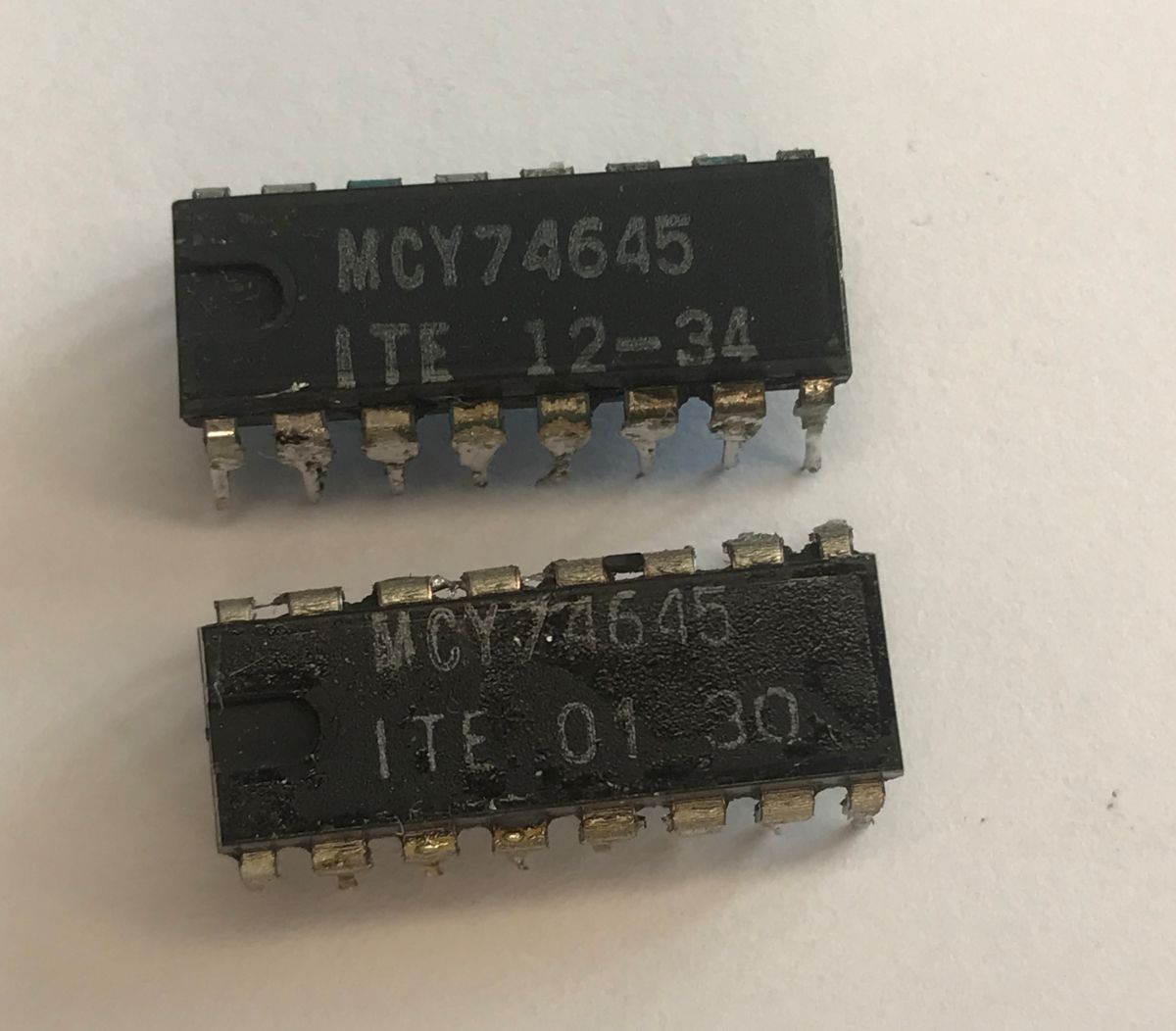
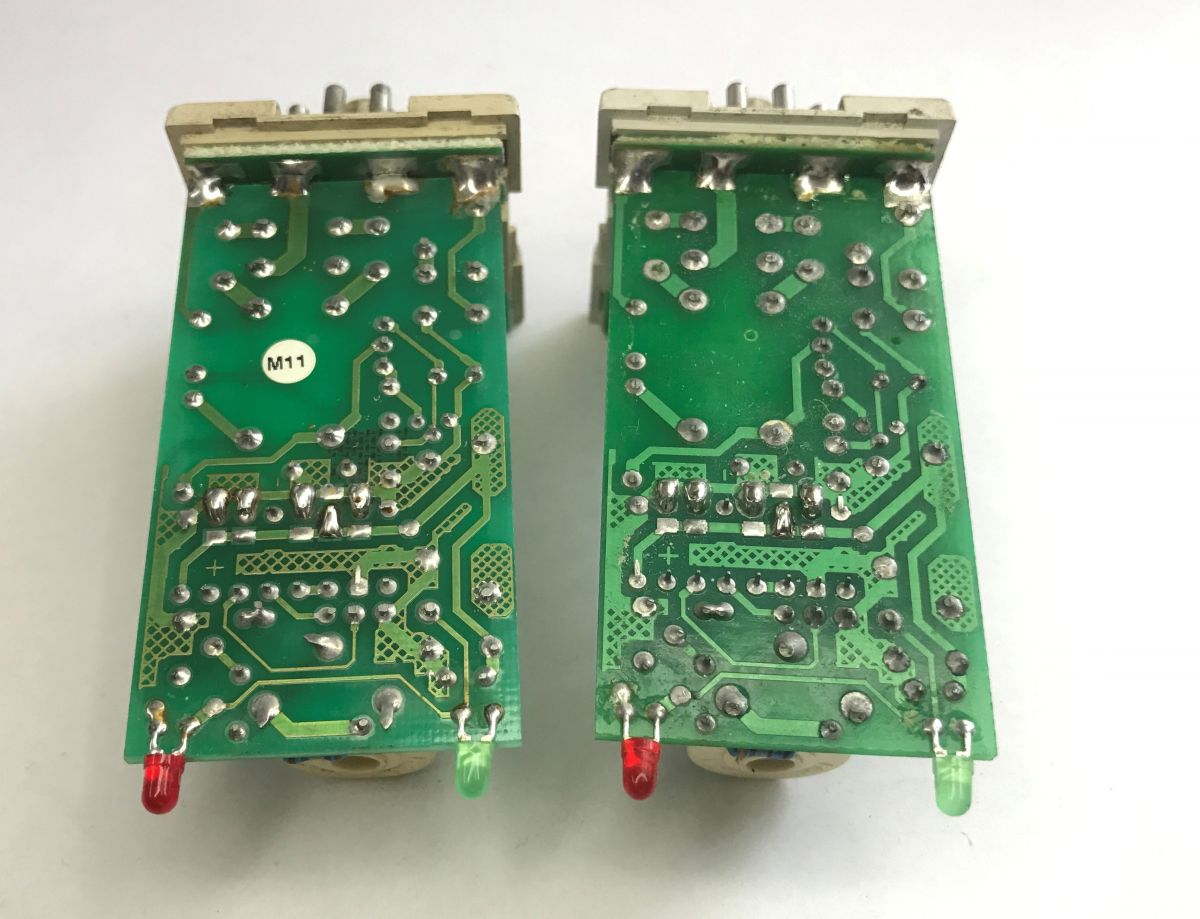
The board is double-sided. Inside, I can see a rectifier bridge, a capacitor, and further on a section with a capacitor and a resistor, which looks like a transformerless power supply. In addition, there is of course a relay inside, two transistors – presumably for controlling the relay – and the main MCY74645 controller.
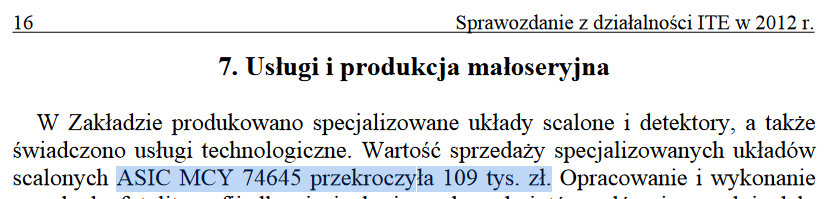
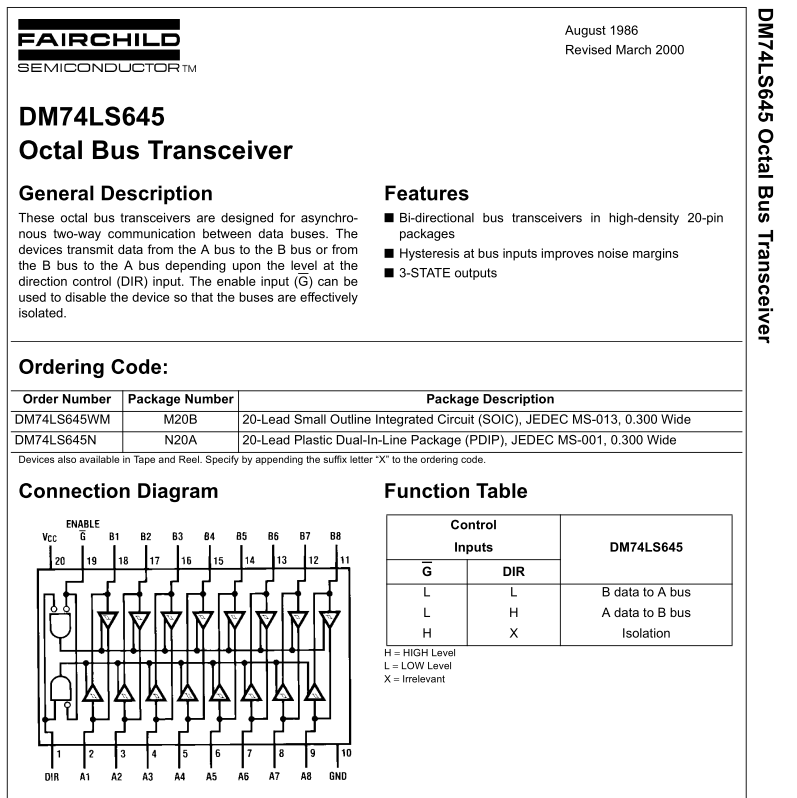
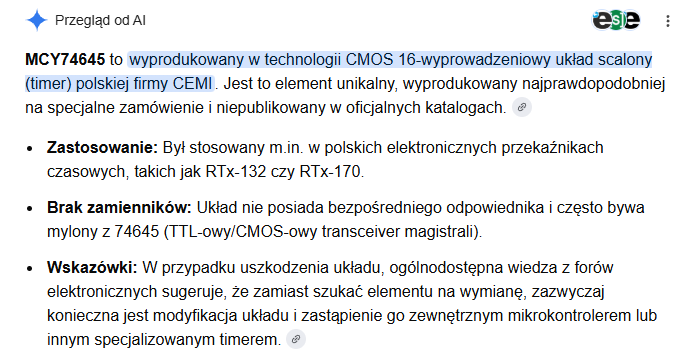
I haven’t been able to find its datasheet; it looks as though it’s some sort of chip for internal use. It has already been mentioned on our forum:
Modifying the settings of the RTx-133 timer: time adjustment and readout
Schematic of a 230V adjustable timer switch for the RM-84 relay
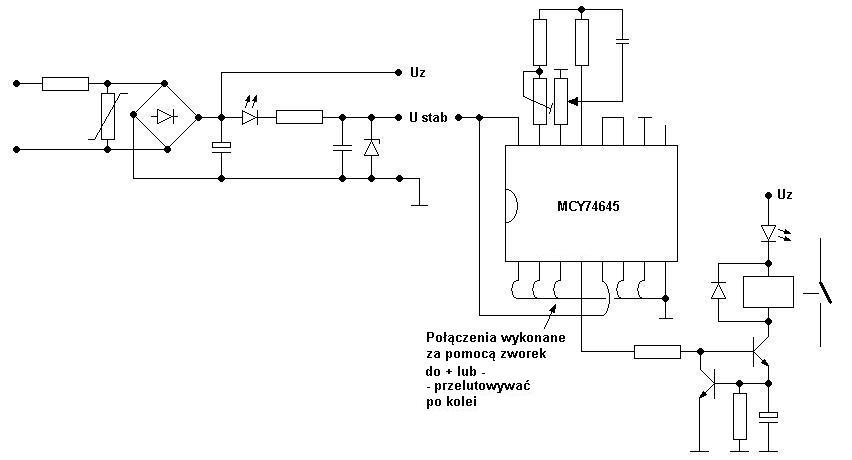
MCY 74645 in the Alstom RTX 132 relay – configuration and adjustment of operating time
I wanted to take a closer look at the components, so I desoldered the capacitor (220 uF 25V):
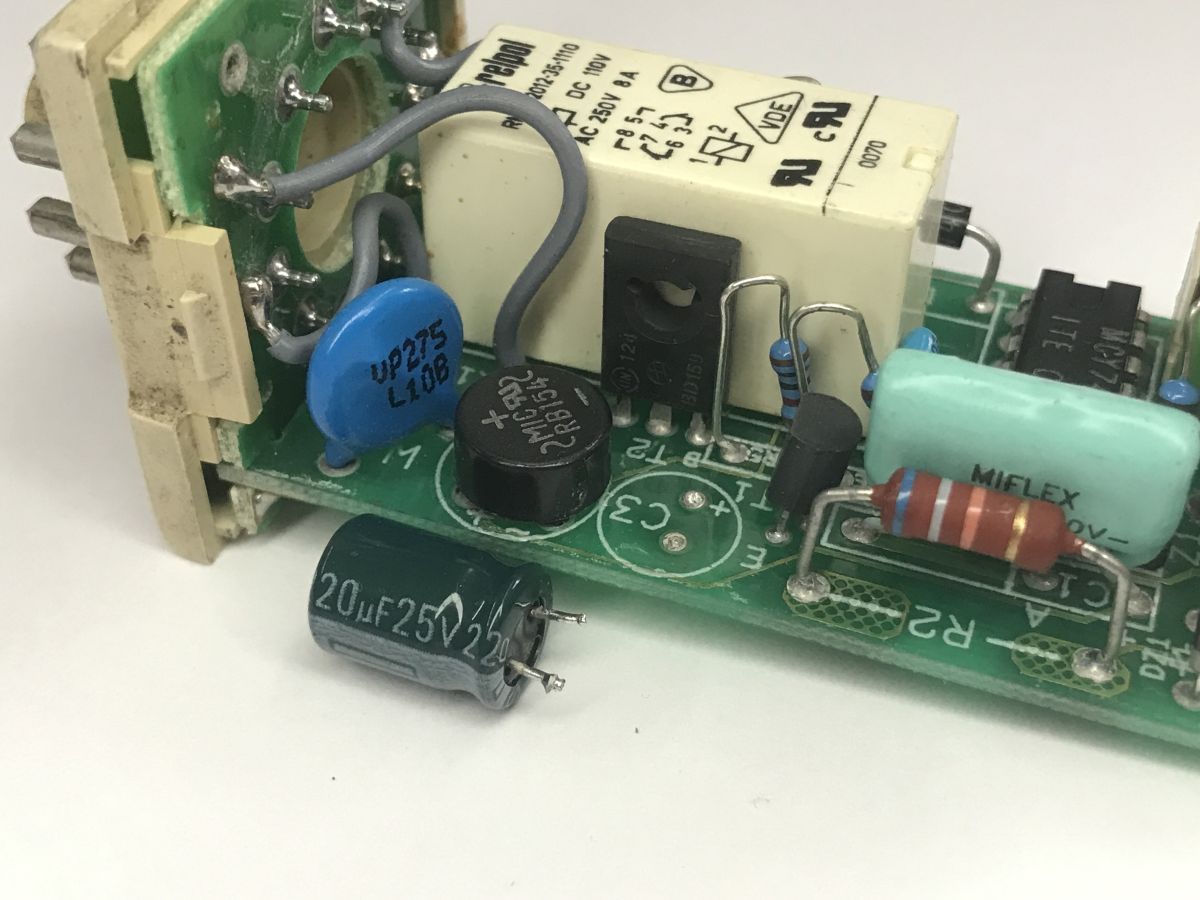
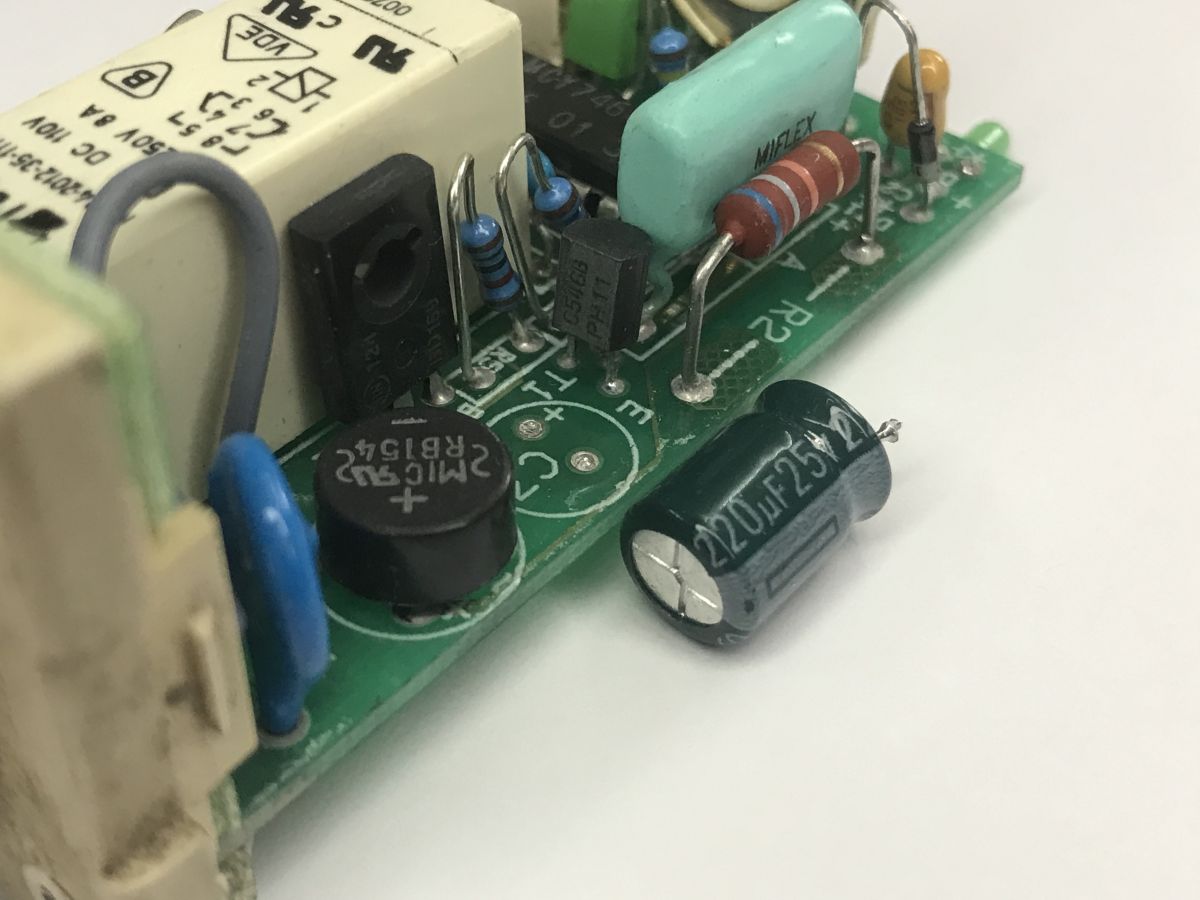
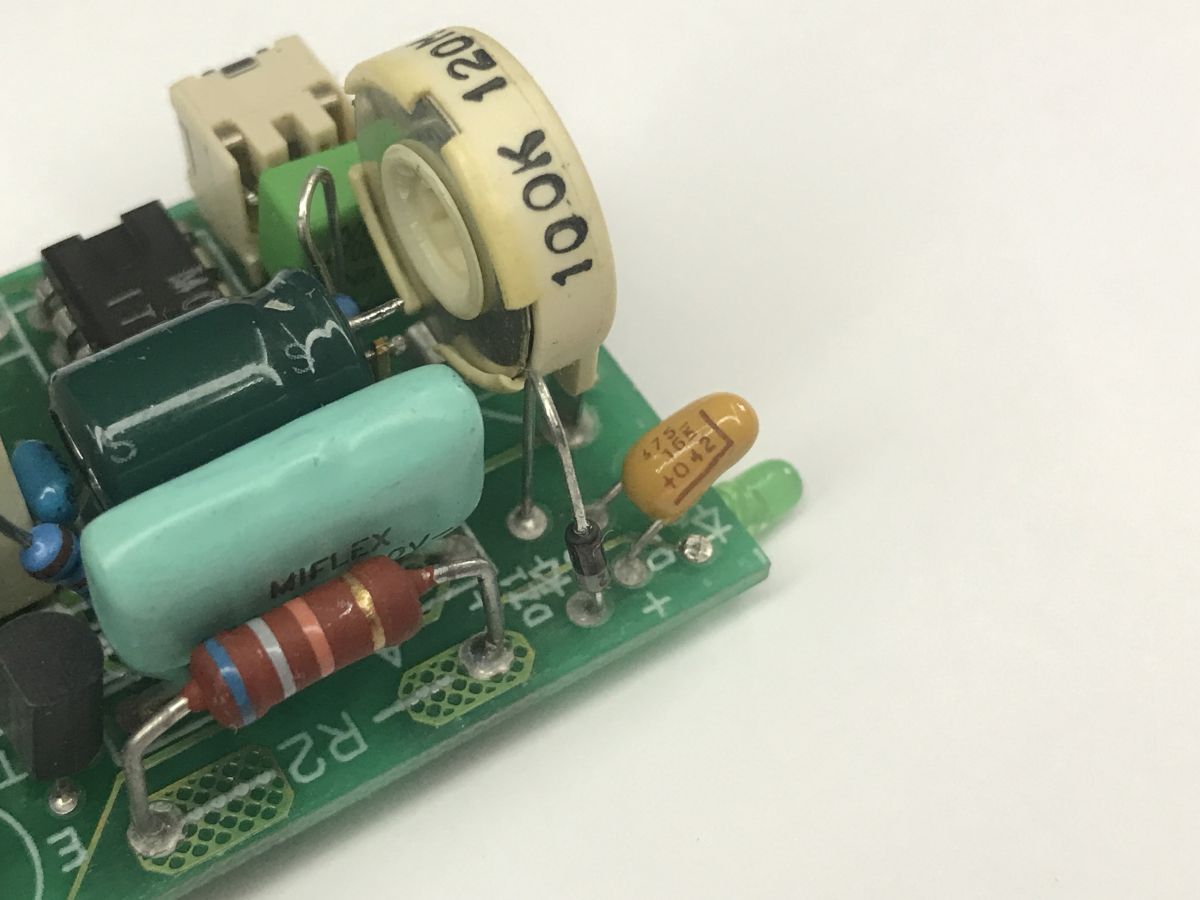
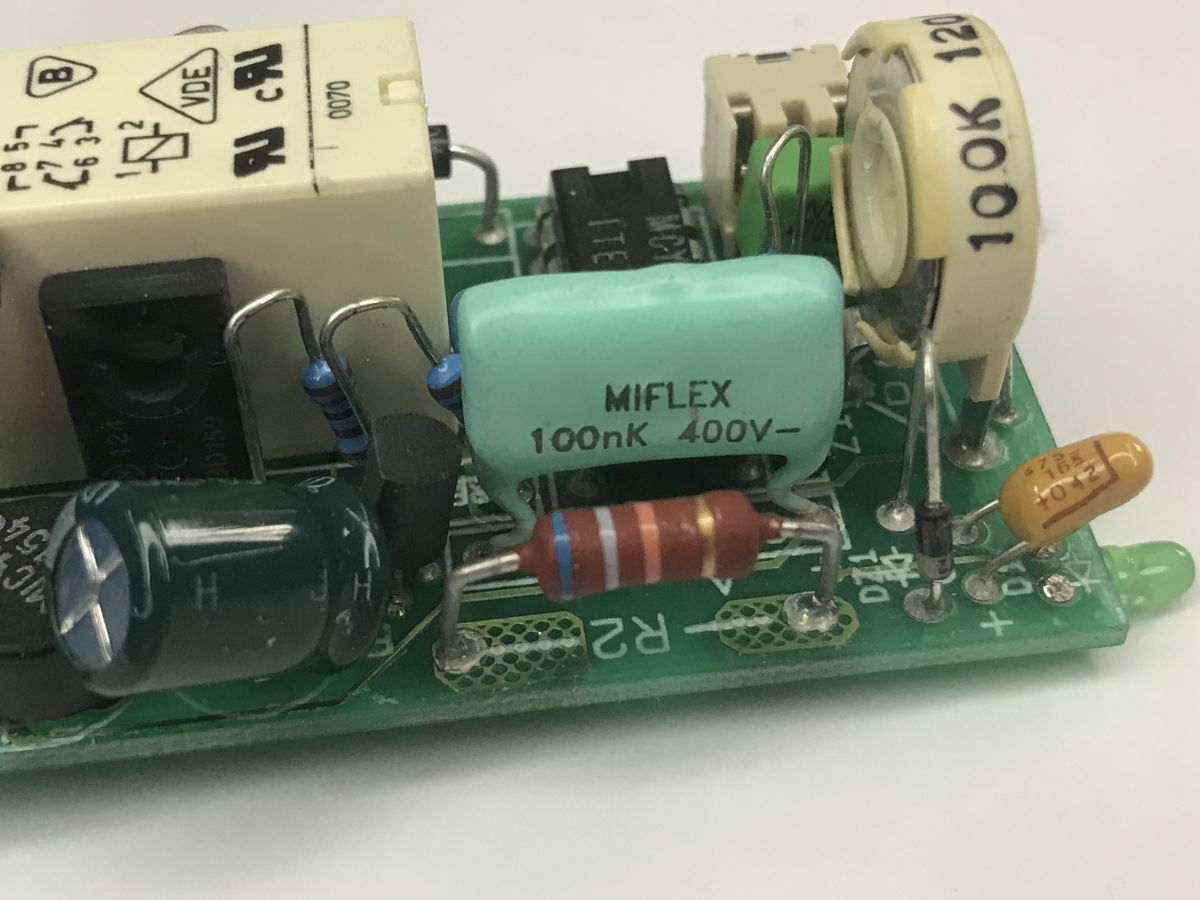
So there are two transistors there – a BC546B and a BD159. Presumably one is used to drive the other. The relay used, meanwhile, is a Relpol RM84-2012-35-1110 (Made in Poland). You can also see a varistor – for surge protection.
To sum up, although compact, the device does the job. It’s a shame there’s so little information available about the MCY74645. I wonder what the failure rate is for this type of time relay – have you had any experience with this or similar solutions, and how would you rate their longevity?
Cool? Ranking DIY Helpful post? Buy me a coffee.