






Remote control for a light bulb – TYWI-BL-E27 E27 adapter with Wi-Fi – firmware update
TL;DR
- TYWI-BL-E27 is an E27 adapter that sits between the lamp holder and bulb, uses Wi‑Fi and a relay, and can be flashed for local Home Assistant control.
- Inside sits a BK7231N module, plus a relay and a non-isolated converter based on BP2525.
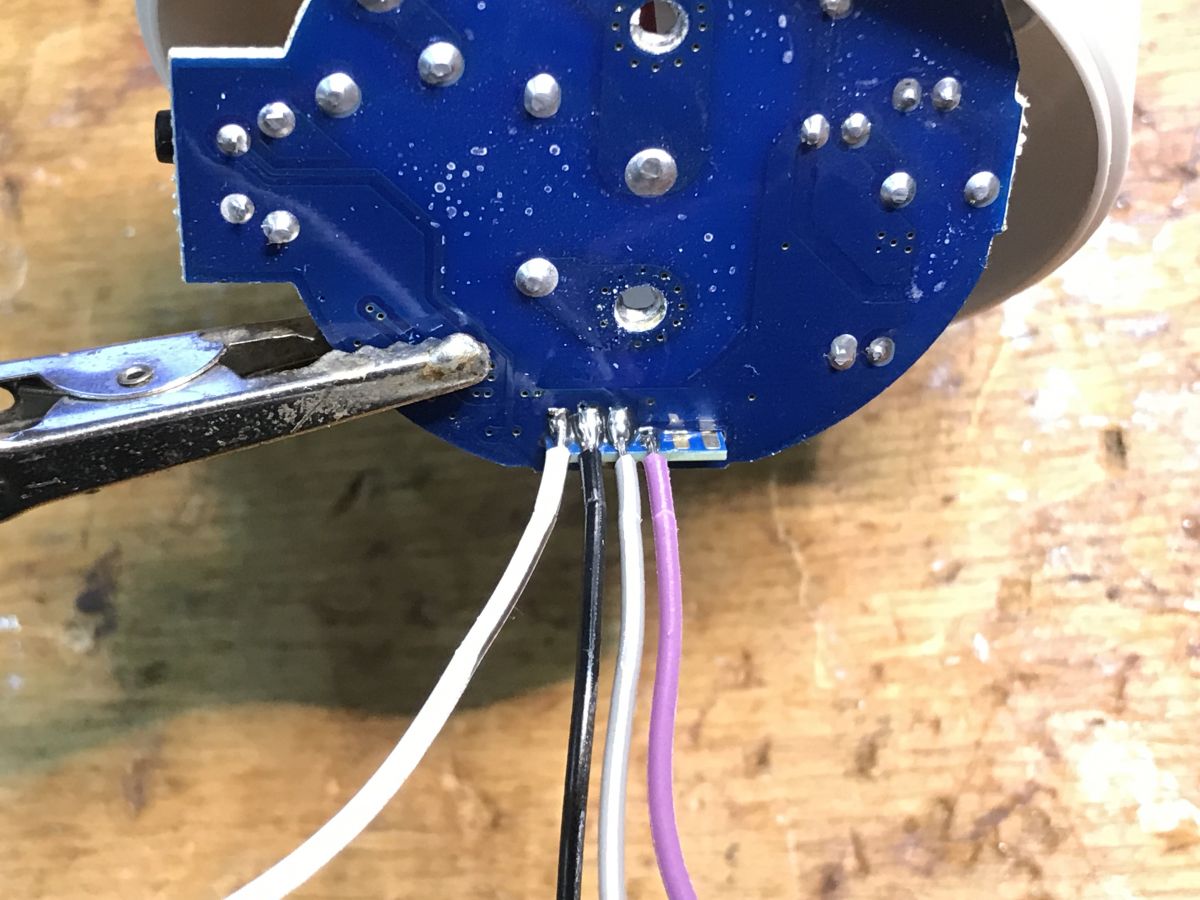
- The "WiFi + BLE" marking points to BK7231, and four wires to the CB2S pads are enough to read the GPIO configuration and make a factory backup.
- After flashing, the adapter works 100% locally and integrates with HA.
- The downsides are a hard-to-reach casing button, a clunky build, and a size that will not fit many light fittings.
AI summary based on the discussion. May contain errors.
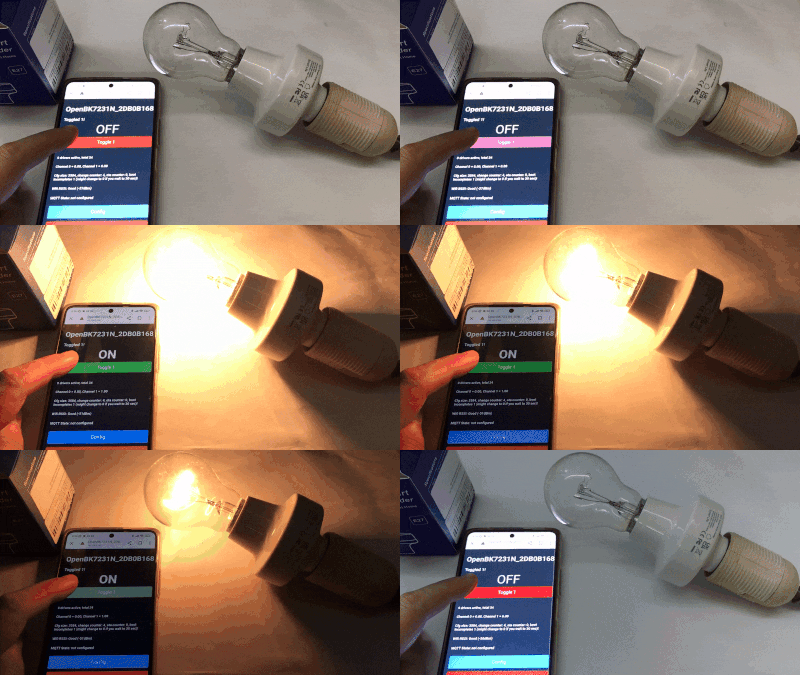
The adapter shown here is fitted between the lamp holder and the bulb’s thread; it allows you to control the light via Wi-Fi and is built around a relay. It normally works with the Tuya app, but I’m going to flash its firmware, which will allow me to connect it to Home Assistant.
You can buy this type of product in Poland for around 40 zł, although if you import it from abroad, you can sometimes pay as little as half that price.
Let’s start with the markings on the packaging. The product model is TYWI-BL-E27.
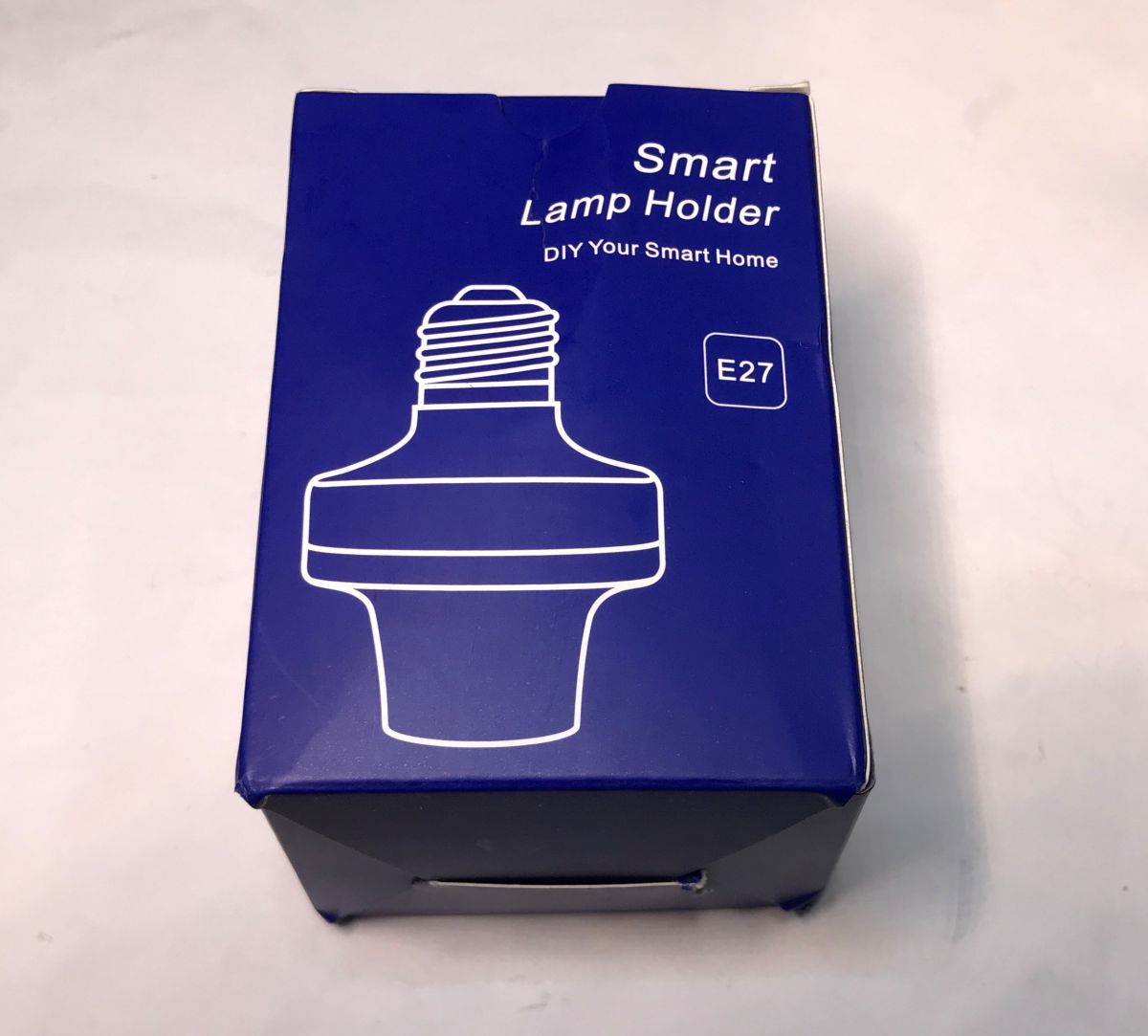
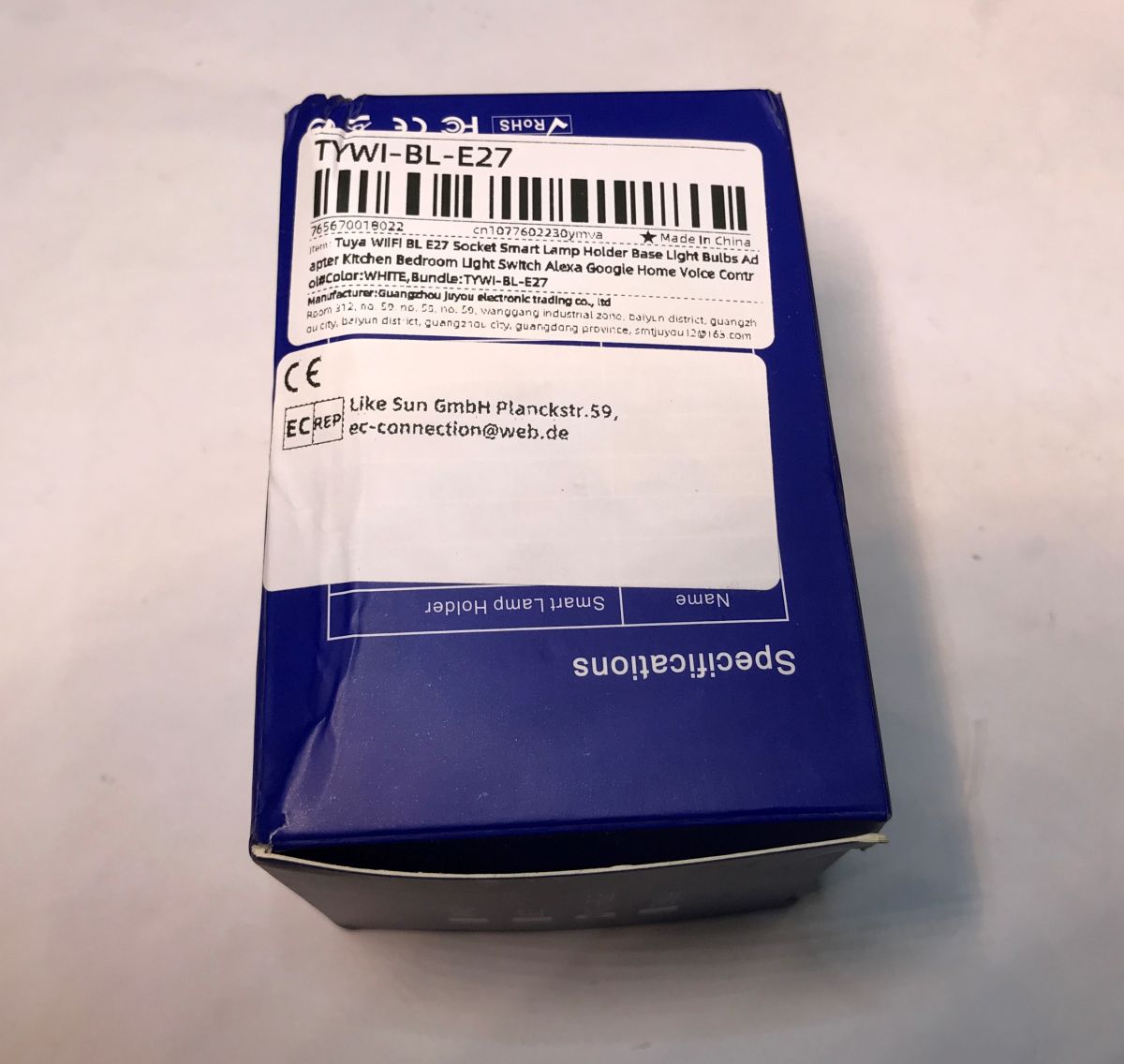
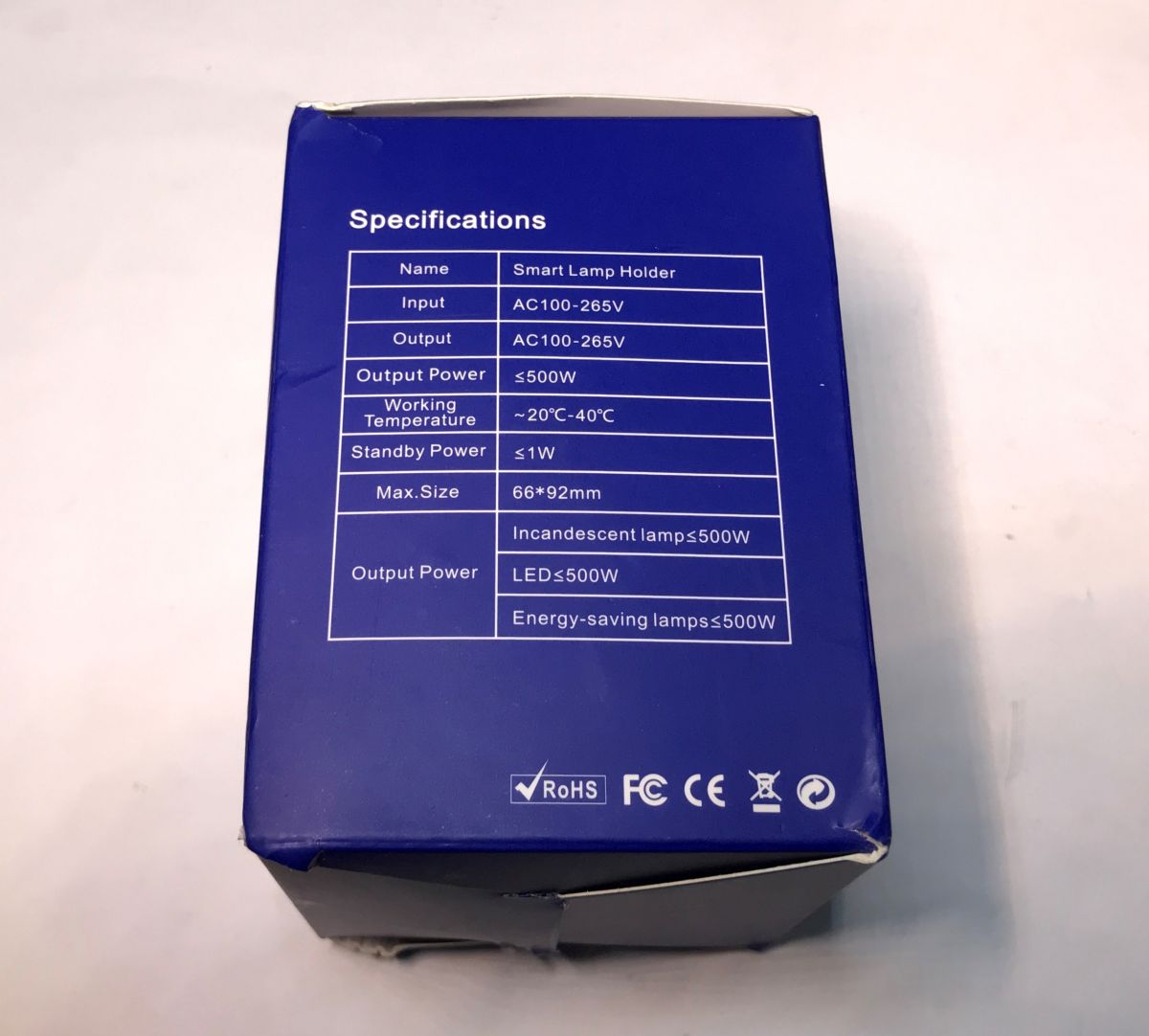
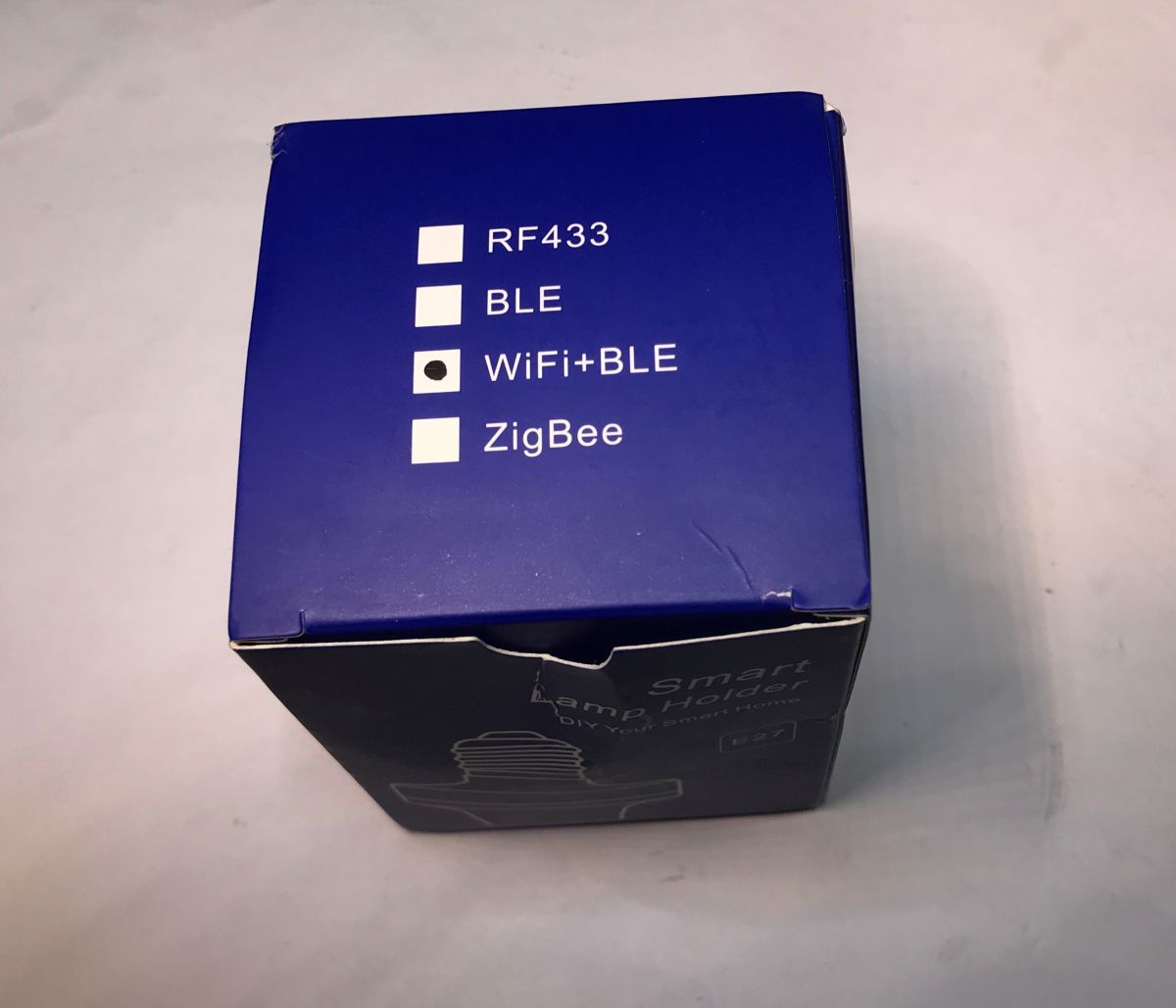
The ‘WiFi + BLE’ marking suggests the presence of a BK7231 inside. If it were an ESP8266, the marking would simply say ‘WiFi’.
I once reviewed the WiFi-only version; back then, these products were more commonly found with the ESP8266, but nowadays, when I order something from China, it often comes with the BK...
BW-LT30: a WiFi adapter for a light bulb – review, teardown and flashing the ESP firmware
Apart from the product itself, we only receive a manual:
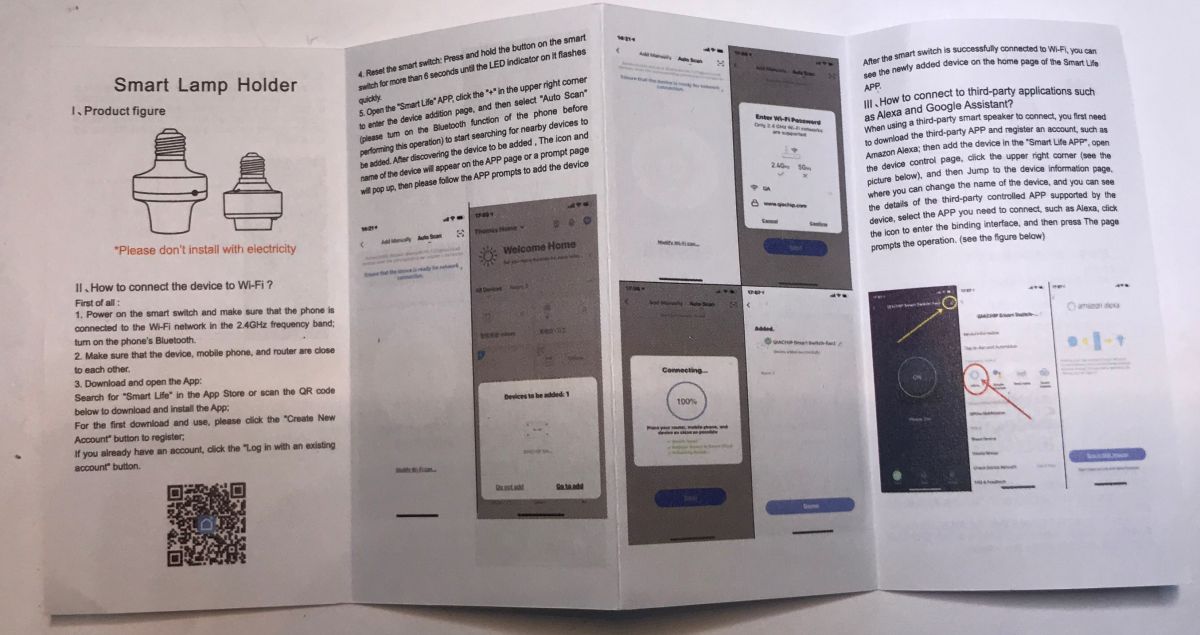
So it’s time to take a look inside.
Inside the TYWI-BL-E27
The screws are in the base, but that’s not all.
You also need to free the PCB, and its screws are under the bulb:
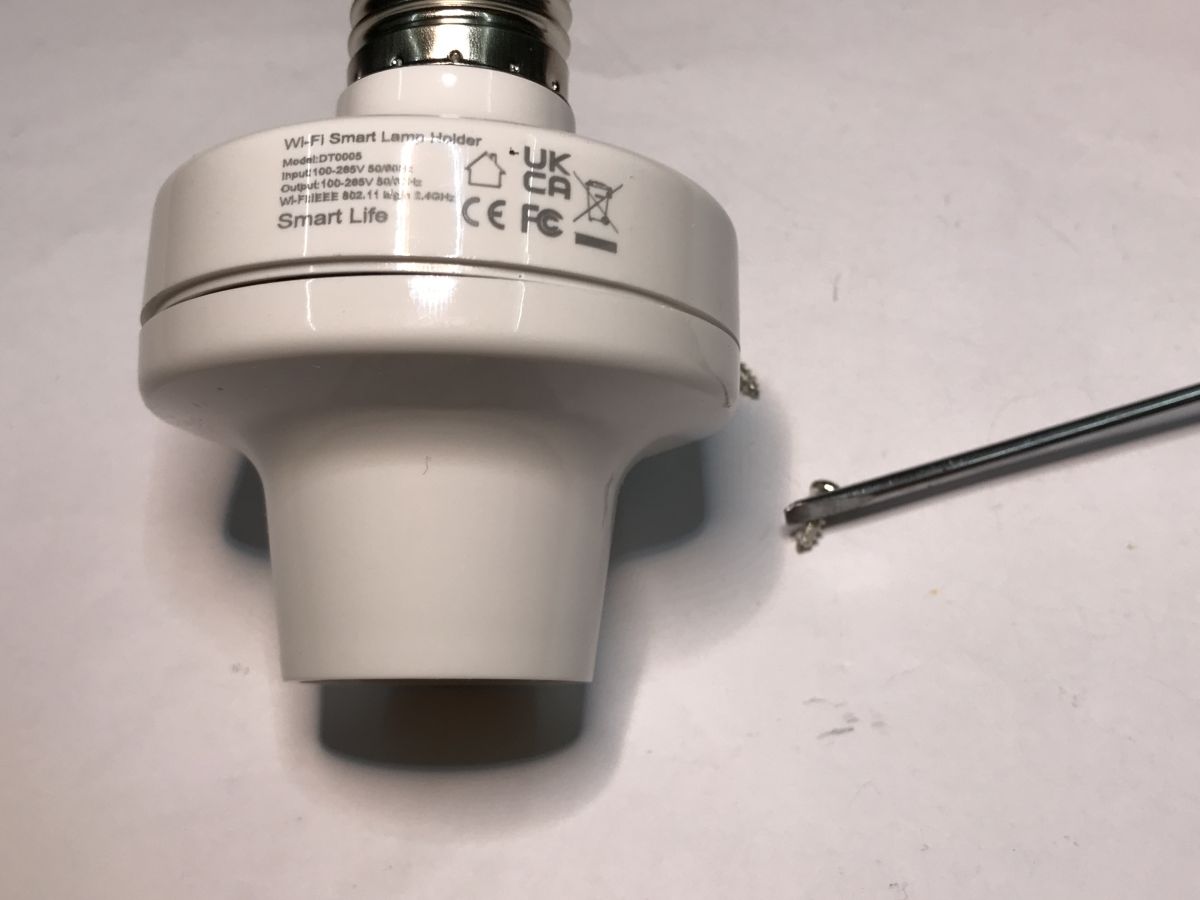
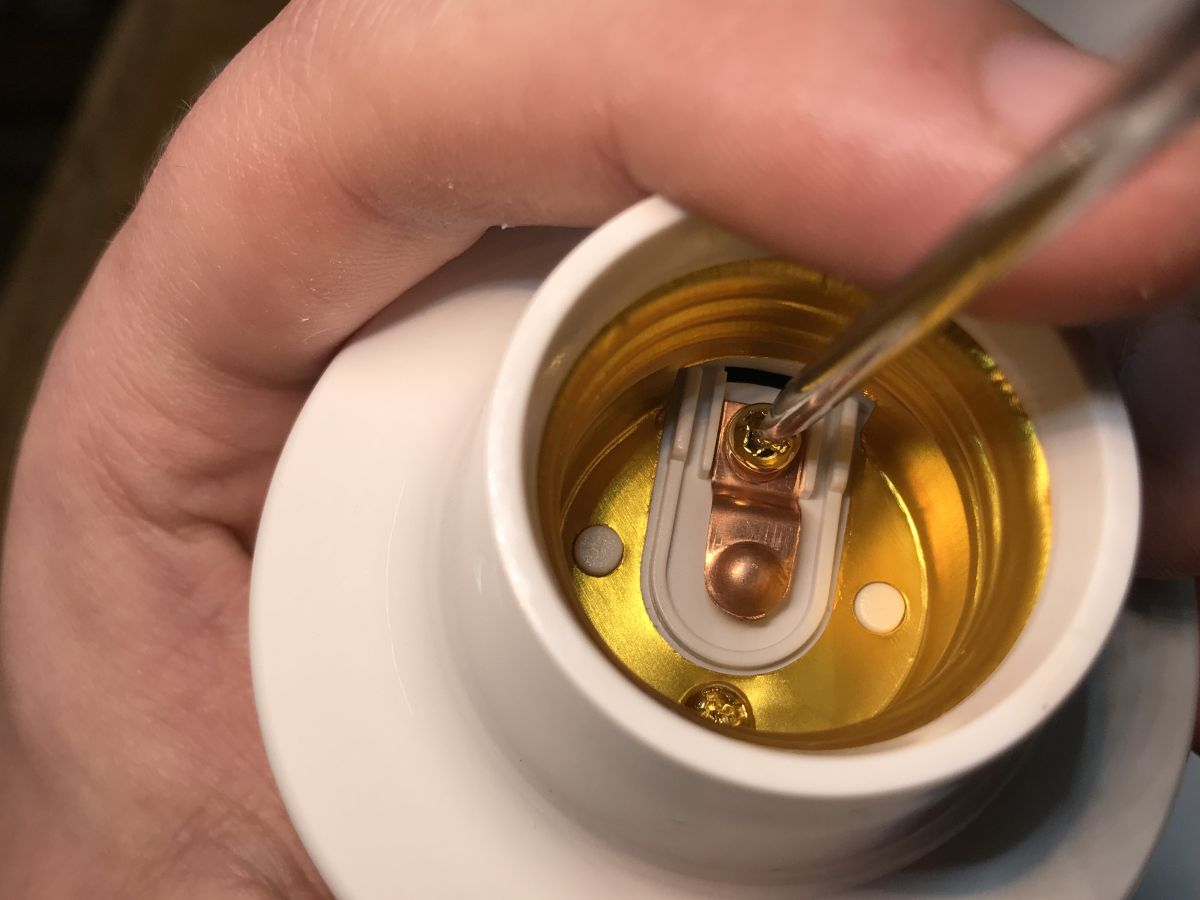
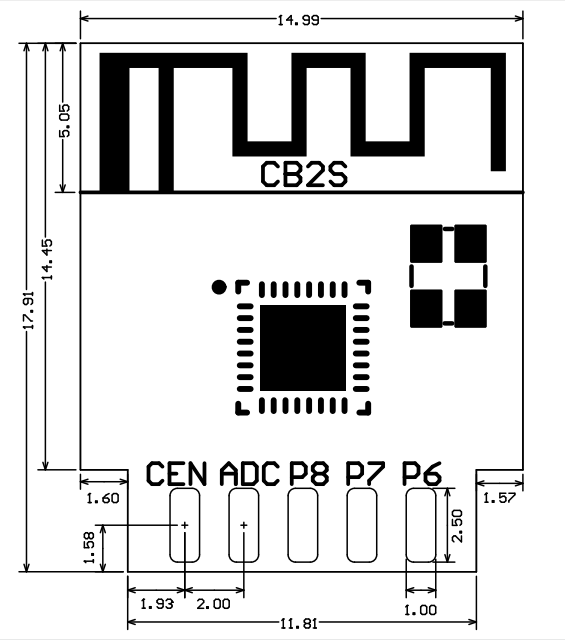
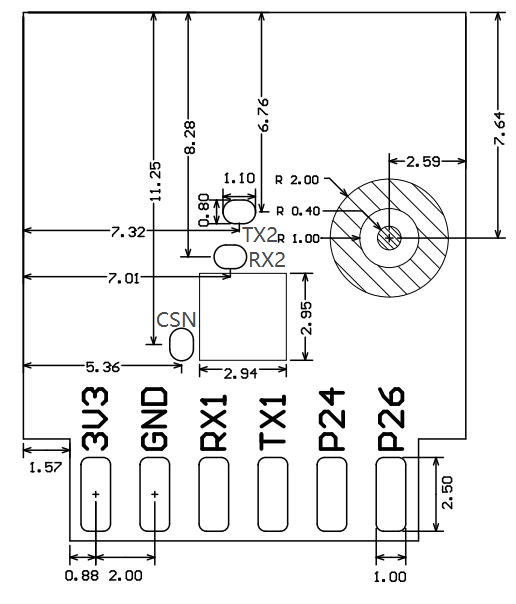
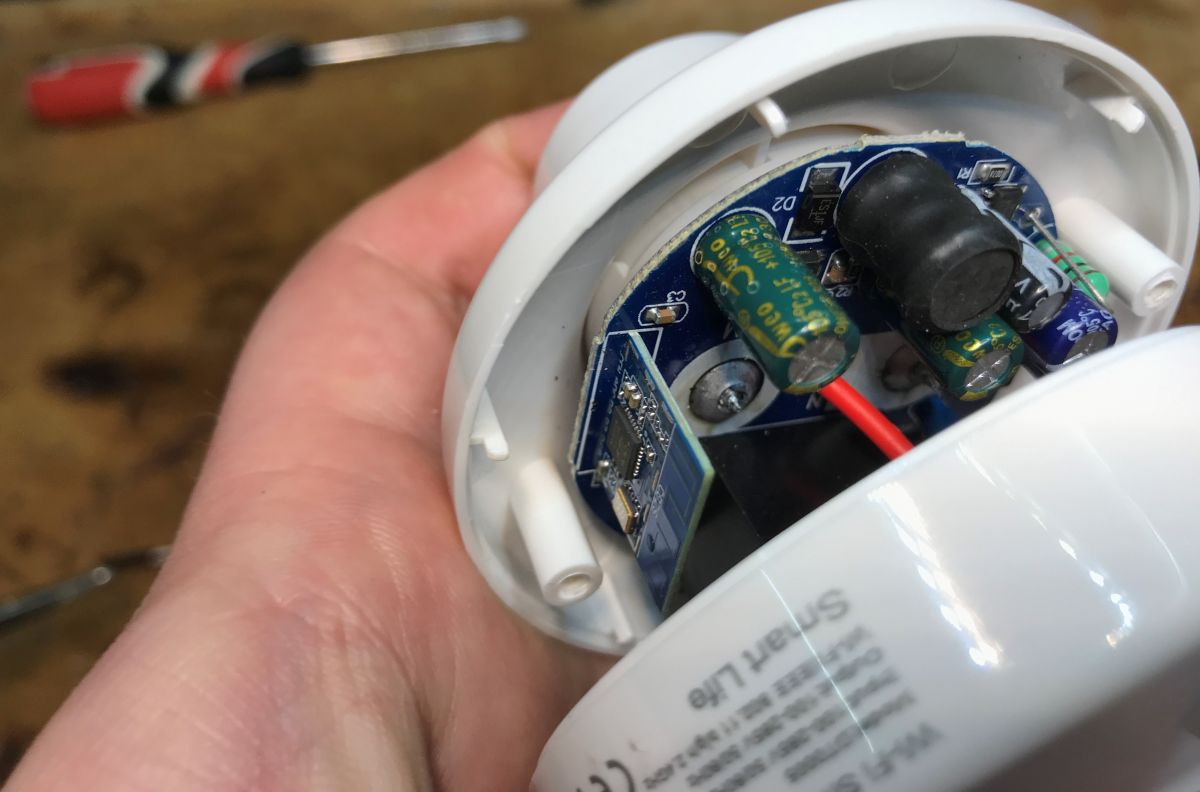
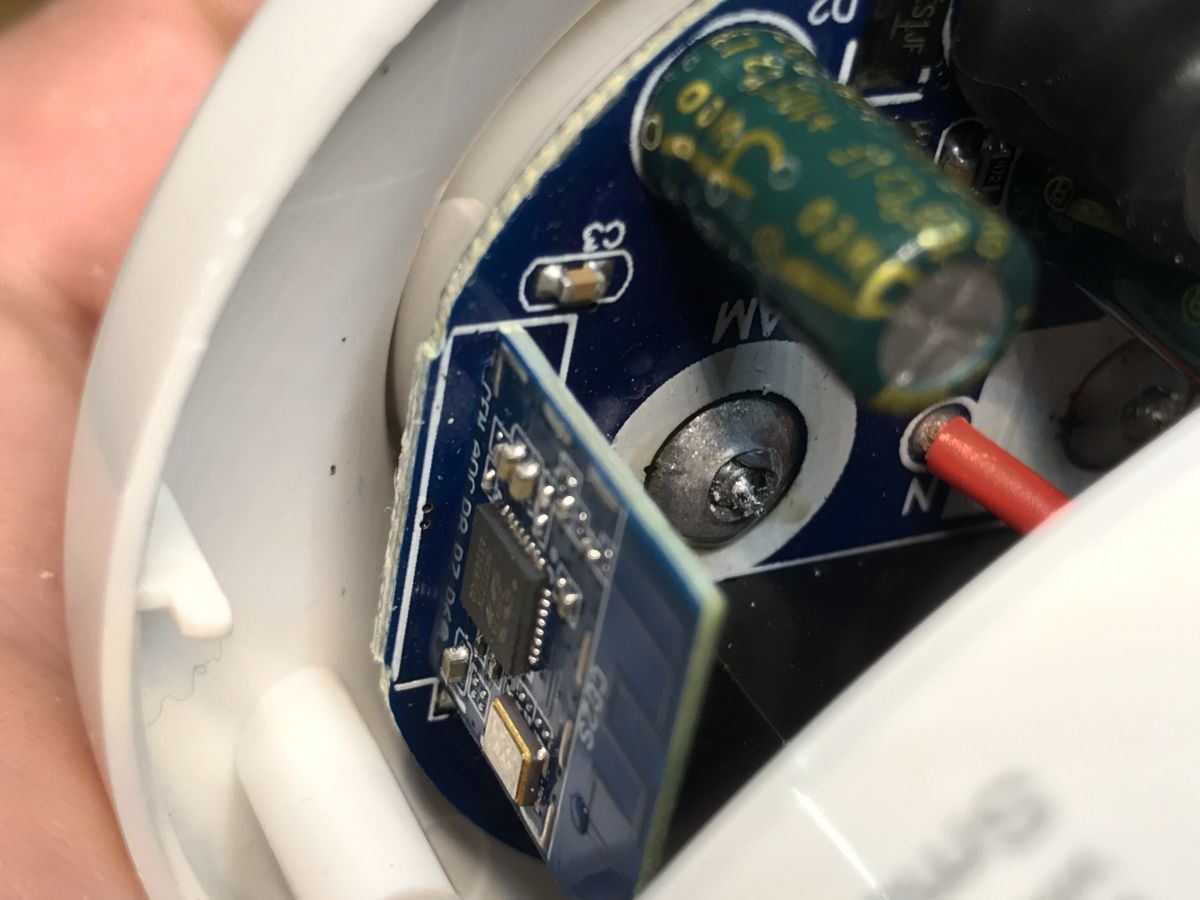
Inside, the BK7231N module immediately catches the eye:
BK7231 datasheet, pinout, programming, specifications, wiki (BK7231T, BK7231
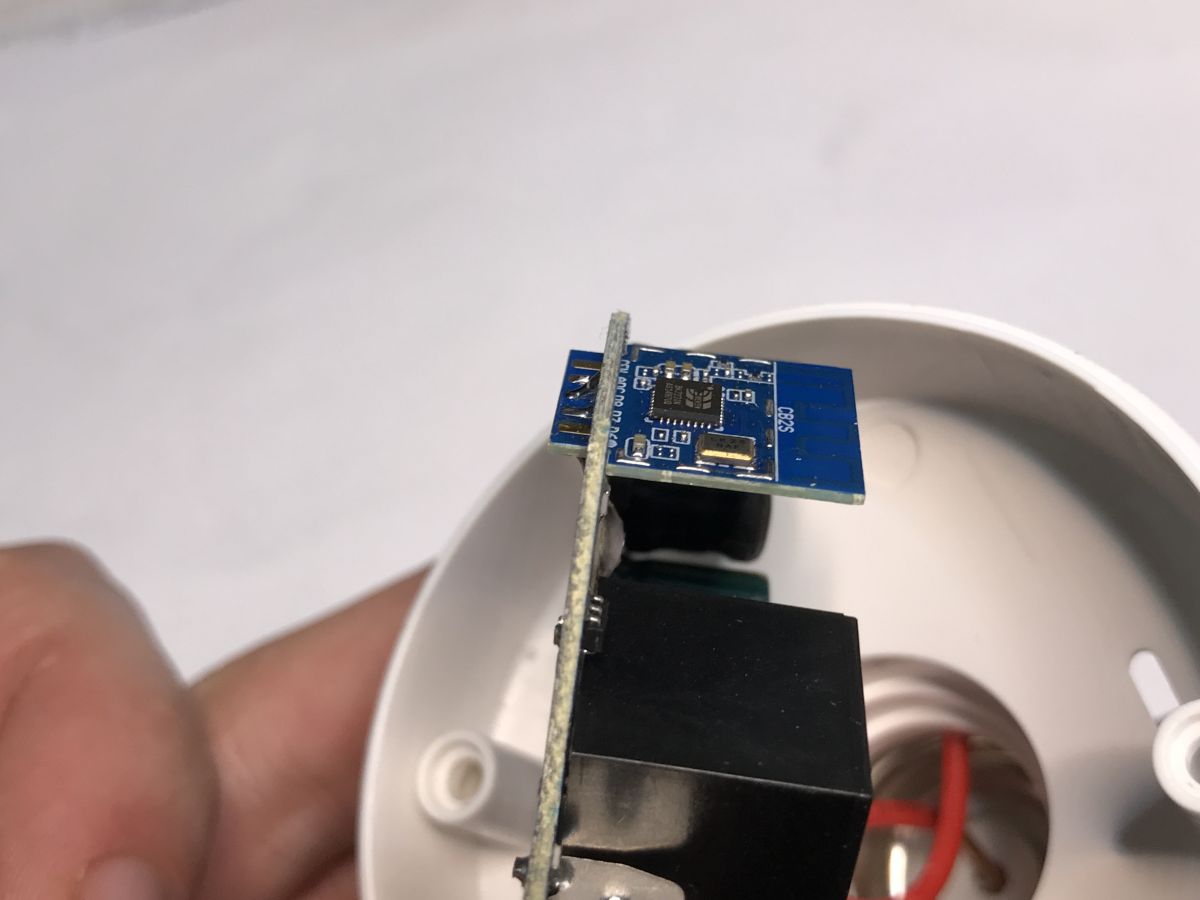
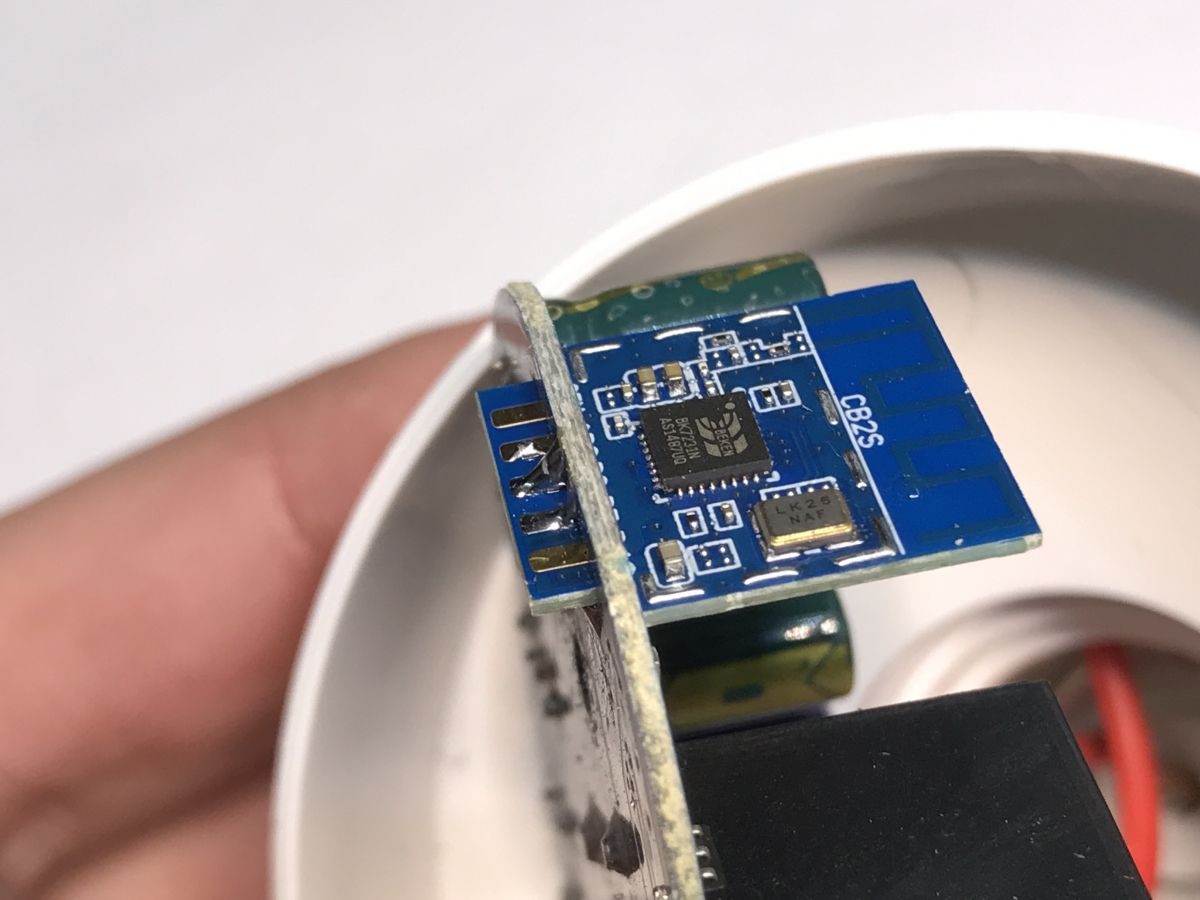
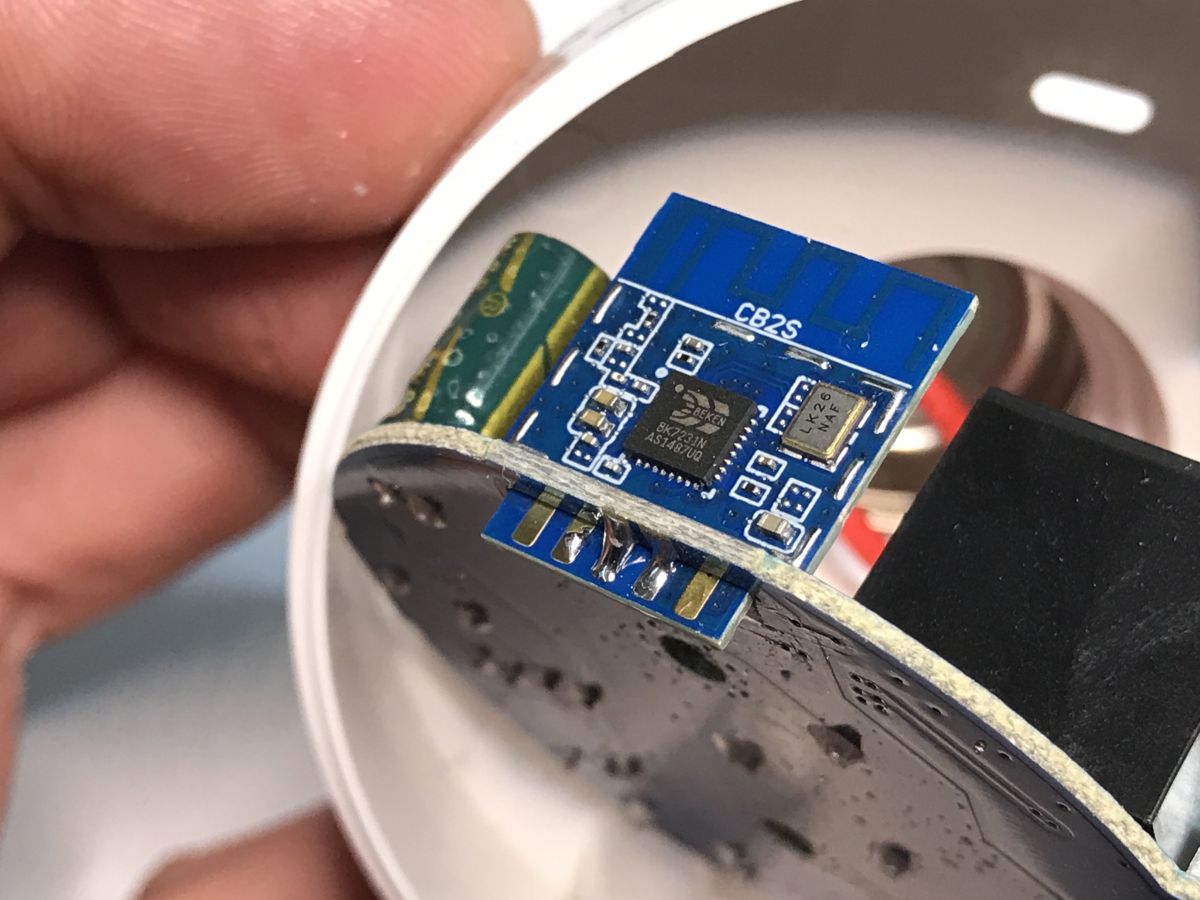
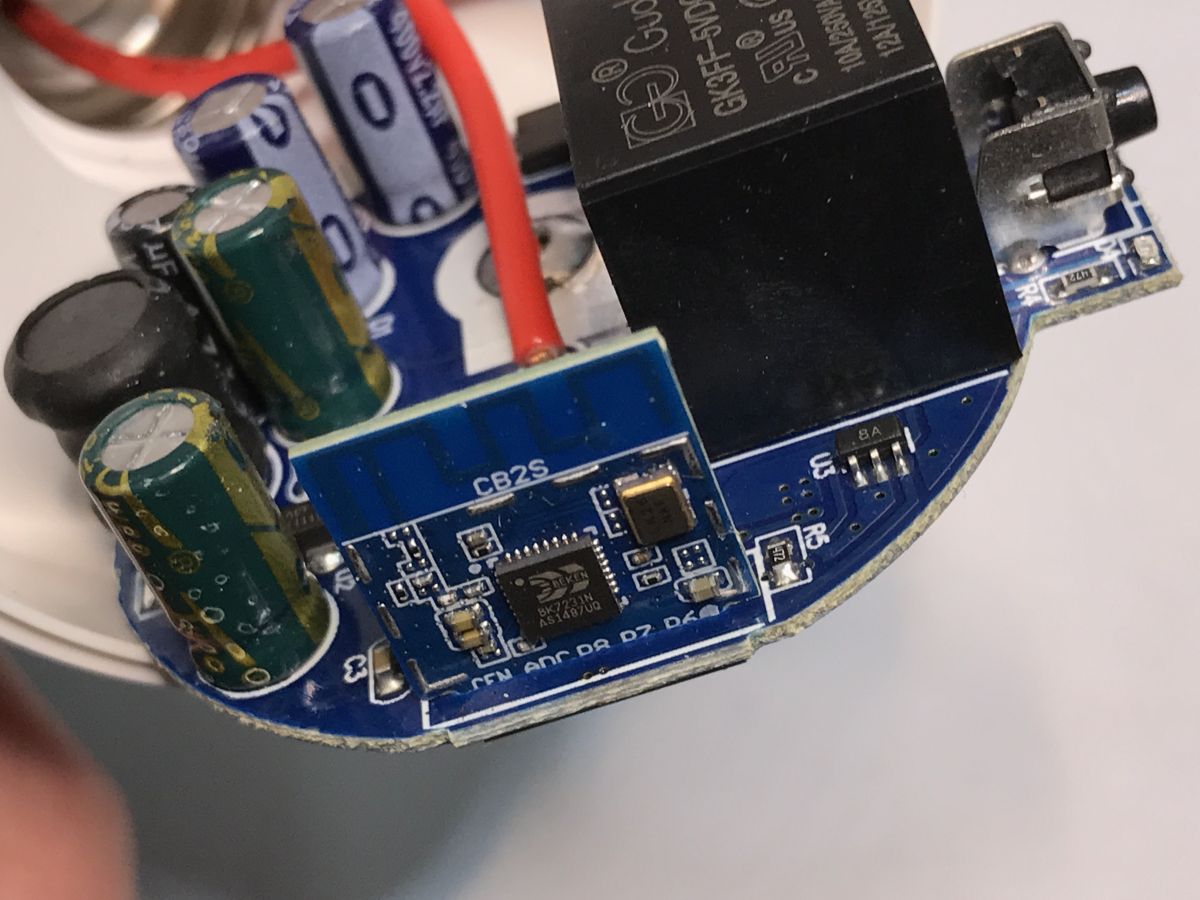
Pins:
In addition, the board features a relay and a non-isolated converter based on the BP2525. A typical circuit.
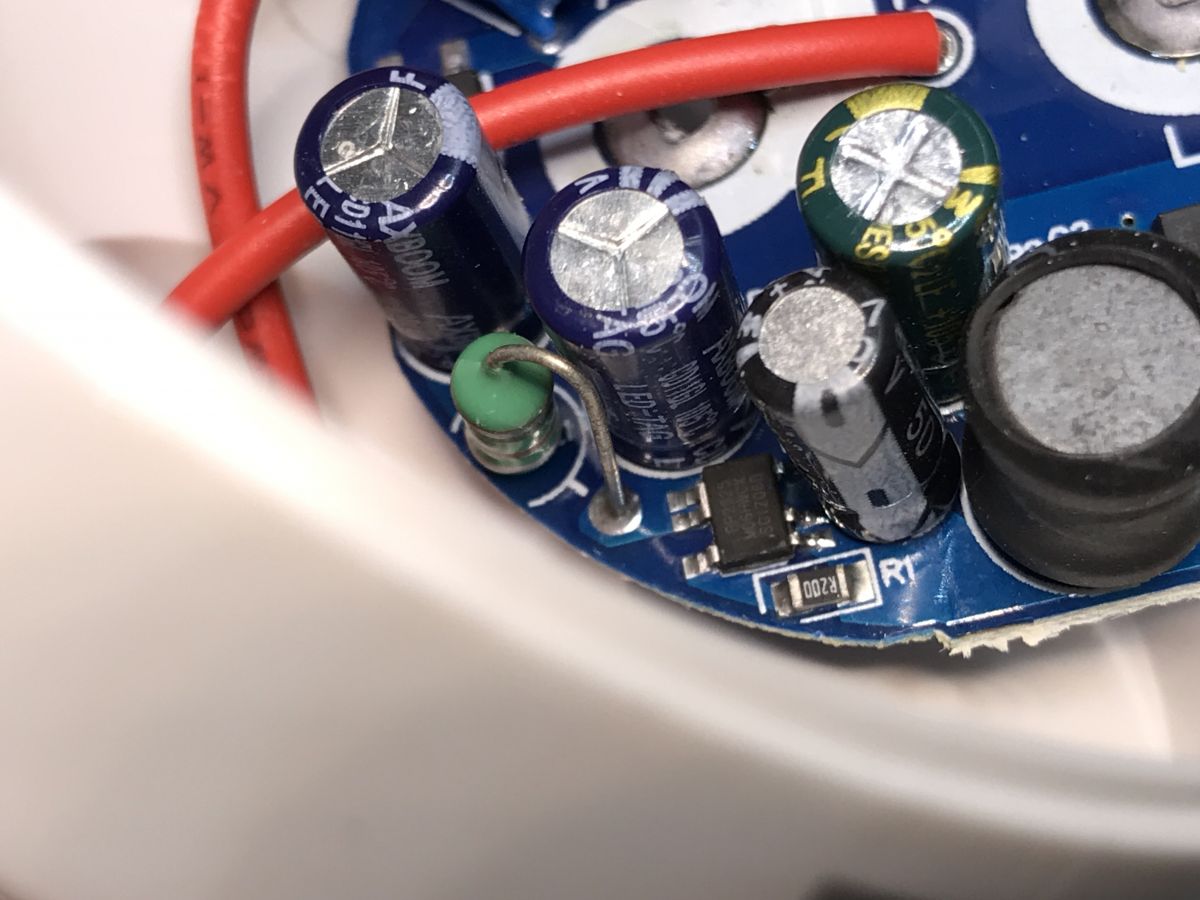
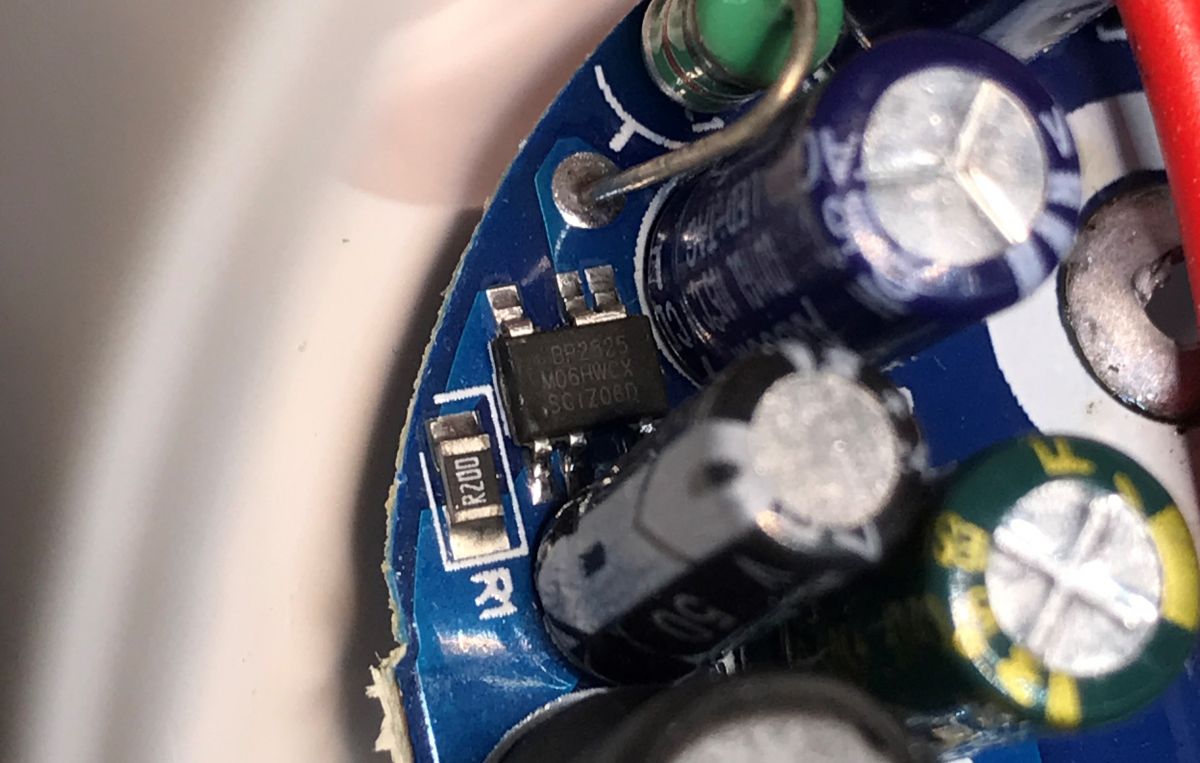
There’s one thing I don’t like – those screws I unscrewed seem to be screwed into… the solder?
TYWI-BL-E27 firmware update
In accordance with the flasher instructions:
https://github.com/openshwprojects/BK7231GUIFlashTool
As well as in accordance with our tutorials, including:
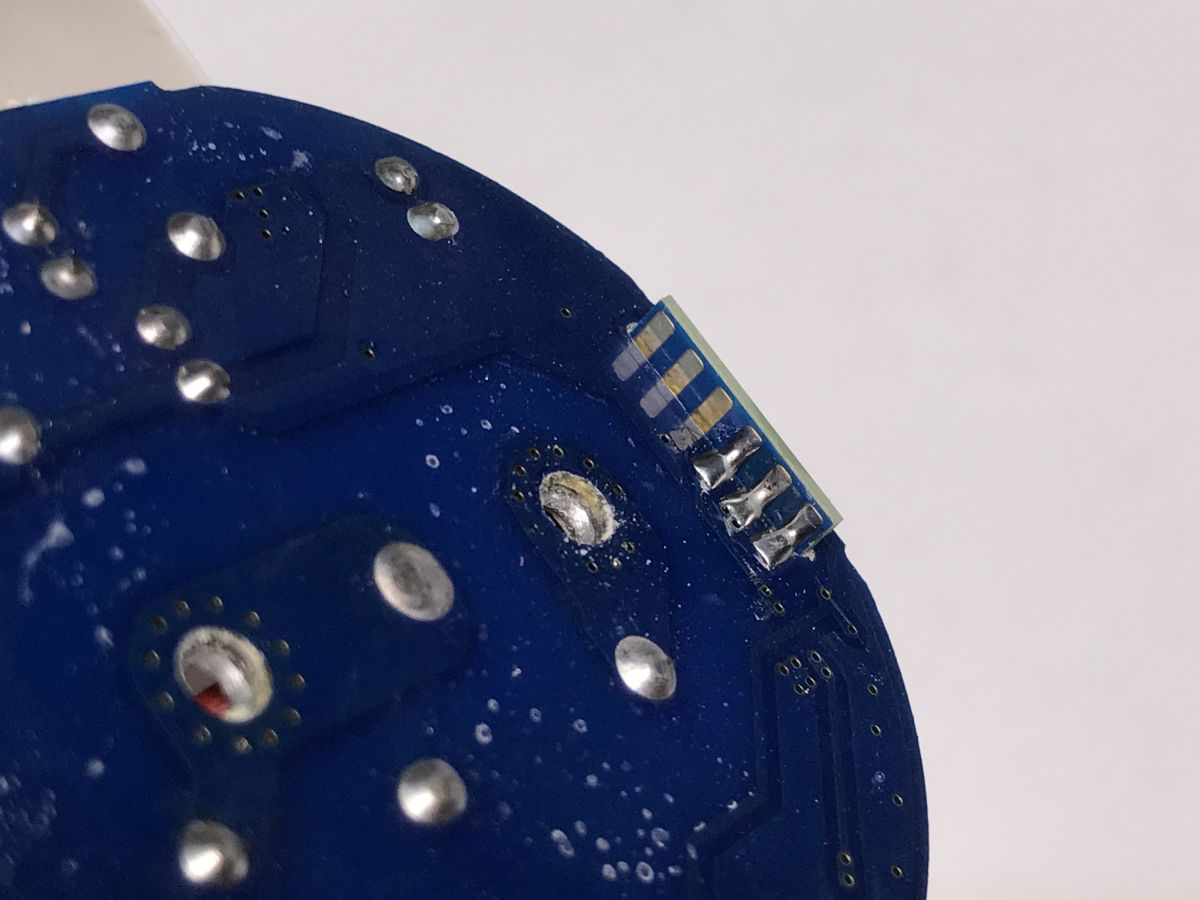
Four wires to the CB2S pads are sufficient:
The flasher correctly reads the GPIO configuration:
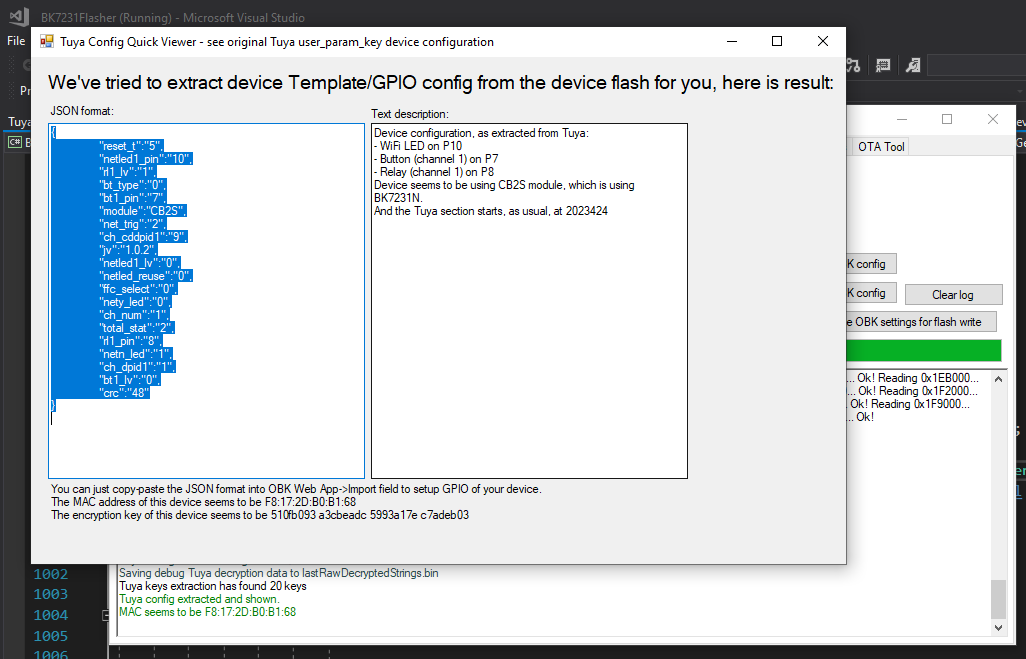
Tuya JSON:
Code: JSON
Verbal description of GPIO:
Device seems to be using CB2S module, which is BK7231N chip.
- Relay (channel 1) on P8
- WiFi LED on P10
- Button (channel 1) on P7
OBK template:
Code: JSON
Backup of factory firmware:
https://github.com/openshwprojects/FlashDumps/commit/d33135ad5dce991f6668dd82a3bef810bdd762ac
After this operation, the product simply works 100% locally; there’s no need to fiddle about any further:
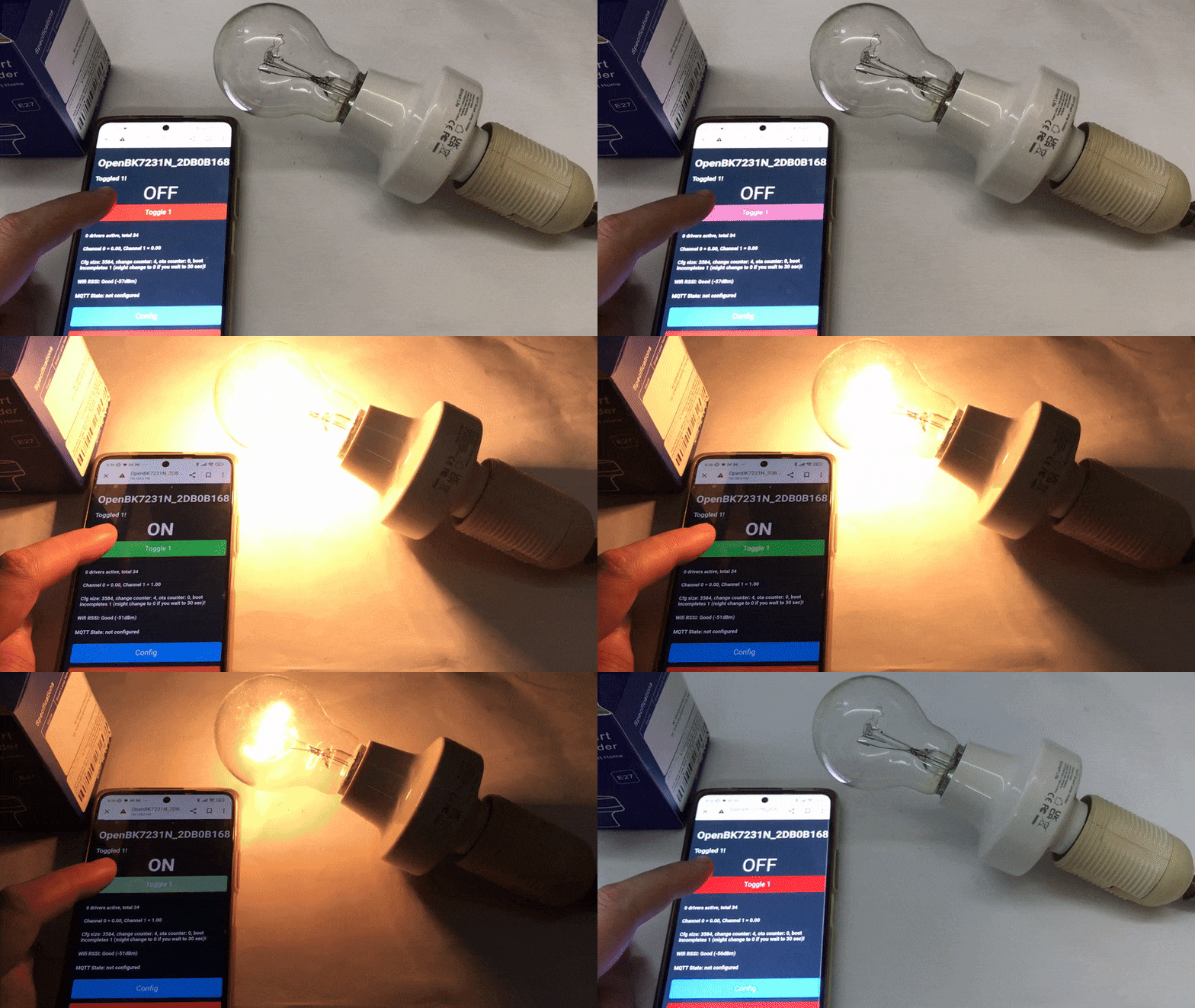
Now you can even integrate it with HA, just as shown in our video:
Summary
An interesting alternative to Wi-Fi-controlled LED bulbs, except that here we only have on/off control, whereas with a ‘smart LED bulb’ you can control the brightness level and colour and/or white tone, so I’m not sure if it’s such a good idea... All the same, I did treat myself to one and I don’t regret it. It’s a bit of a shame that the button on the casing is so hard to reach; they could have positioned it better. What’s more, the whole thing is rather clunky and simply won’t fit into many light fittings. It’s not very aesthetically pleasing.
Can you see a use for this sort of adapter?
p.kaczmarek2 wrote 14713 posts with
rating 12789 , helped 659 times.
Been with us since 2014 year.
Comments