Czy wolisz polską wersję strony elektroda?
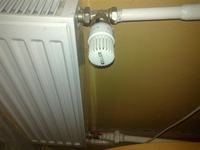
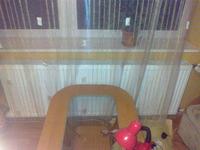
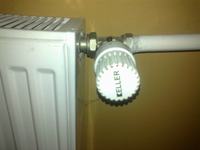
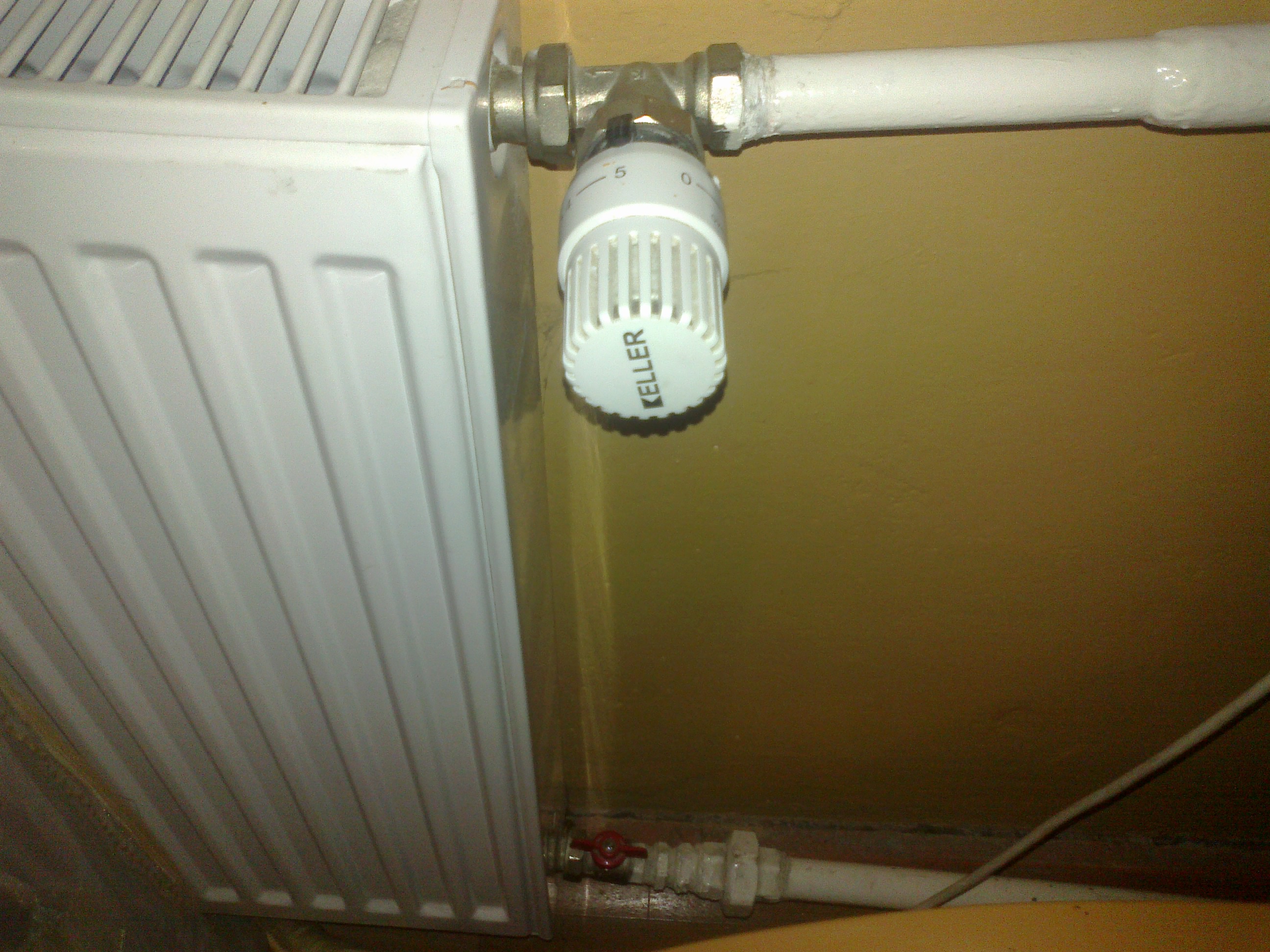
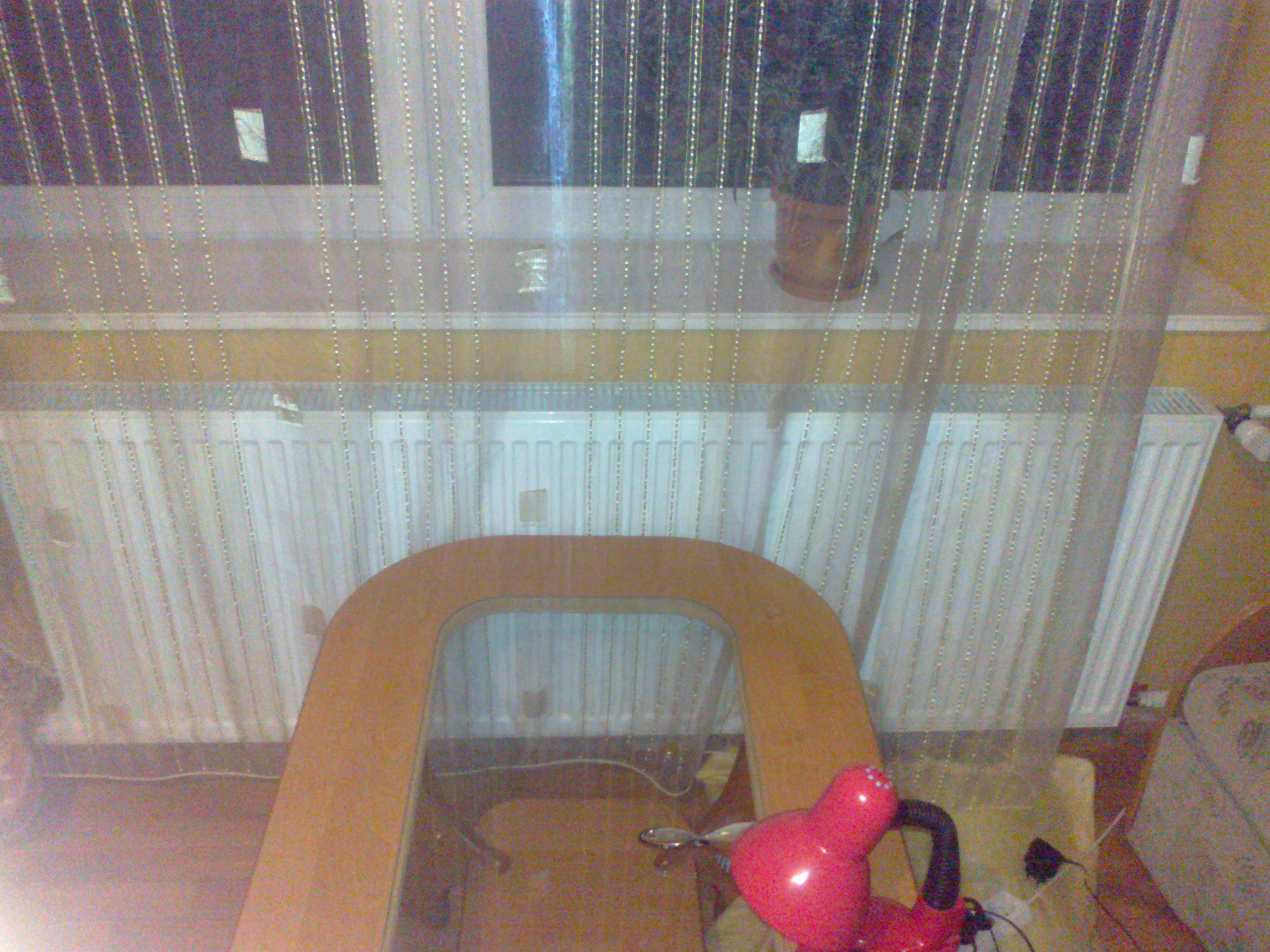
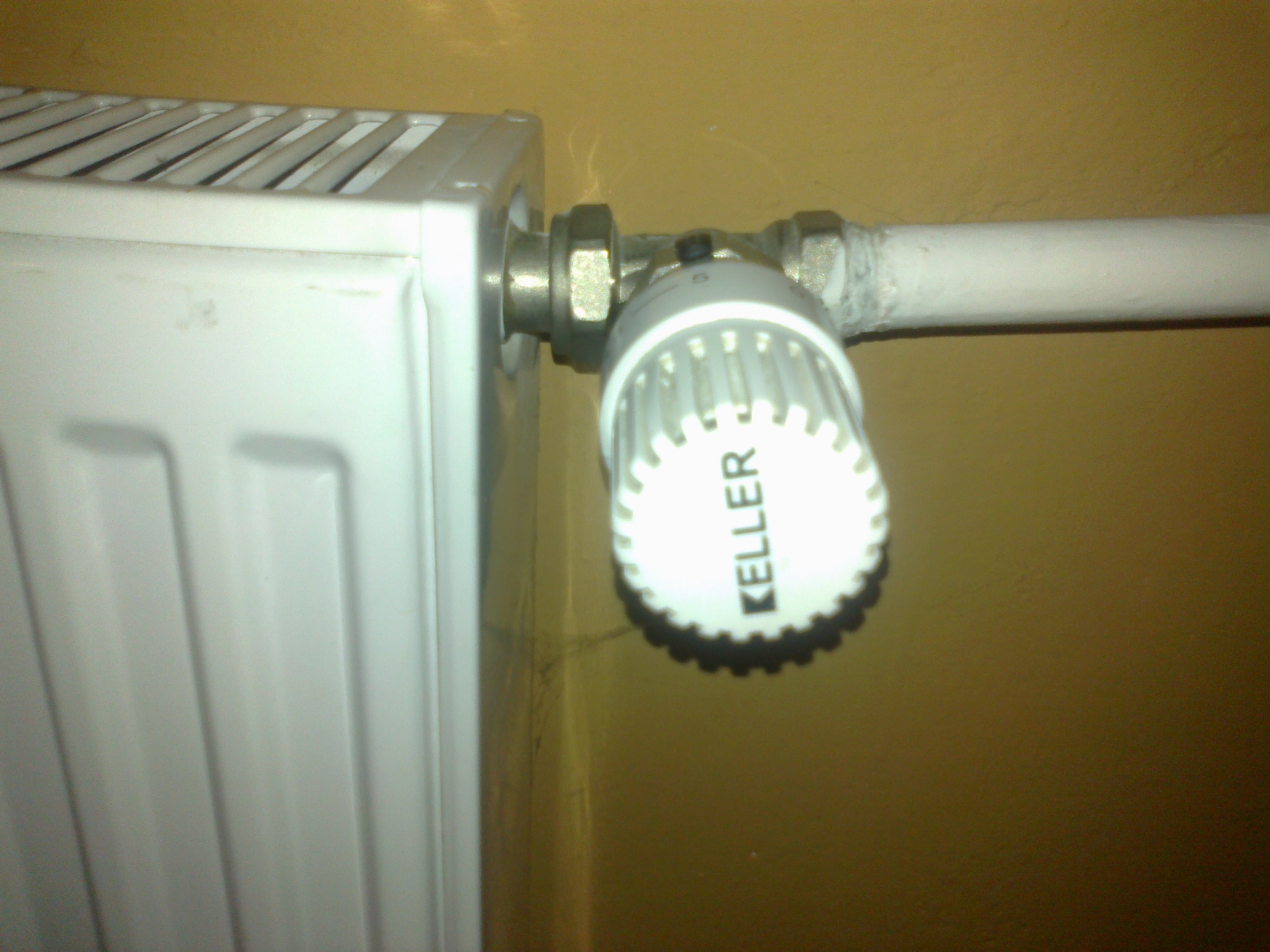
Nie, dziękuję Przekieruj mnie tamCowboy zagrabie wrote:And this radiator is not accidentally dropped on the right side? This is how it looks to me in the middle photo. The side to the valve should be slightly higher.
saskia wrote:Too small passage on the valve (orifice), or it is the farthest (last) radiator in the circuit and the boiler switches off (return temperature from other radiators) before it heats up.
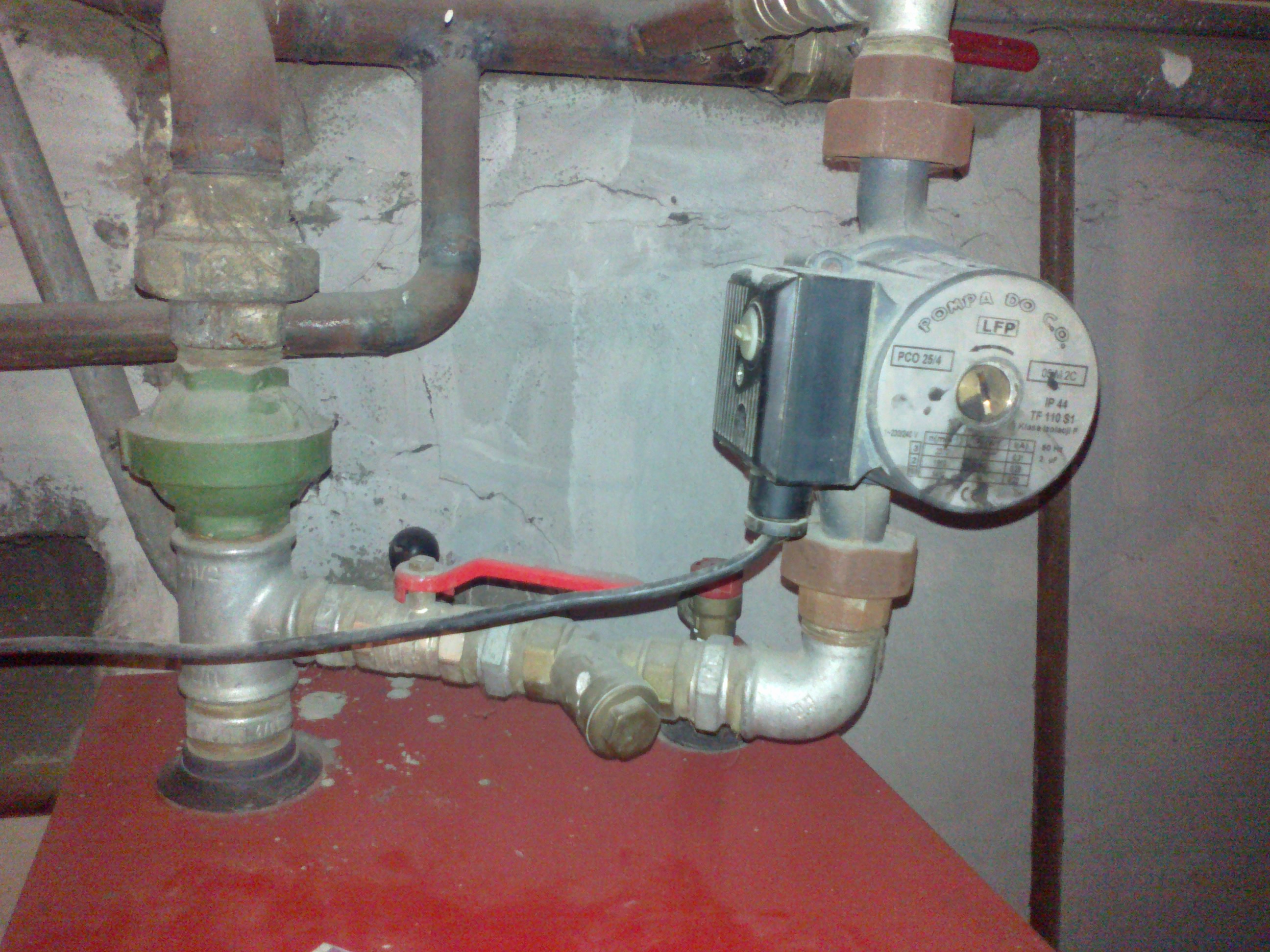
If the pump is circulating, the slight air lock caused by tilting the radiator in the wrong direction should not make such a difference.
wojtik4444 wrote:and some cold water (about 4 l) flew and then I unscrewed the butterfly from the return and, surprisingly, the tube started to be hot at the bottom, but when I turned the heater on the back, it started to be colder and it is lukewarm again.
TL;DR: 68 % of “hot-top, cold-bottom” radiator faults trace to flow blockage [Energy Systems Catapult, 2021]. “Sludge acts like cholesterol in pipes” [Elektroda, Marcelib, post #13233659] Clean filter, free valve pin, balance return; most users regain full heat within 30 min [Elektroda, EkoGrzew, post #10473853]
Why it matters: Fixing one under-heating radiator can raise room temperature by 2–3 °C without higher boiler settings.
• Recommended system pressure in closed CH loops: 1.0–2.0 bar [Viessmann, 2023] • Typical supply-return temperature drop: 10–20 °C for plate radiators [CIBSE Guide B, 2020] • Pump speed “3” ≈ 3 m³/h at 6 m head on common 25-60 models [Grundfos Alpha2 Data, 2022] • Removing sludge can recover up to 15 % heat output [ADEY MagnaClean, 2022] • Bleeding one radiator takes ≈2 min and <50 ml water [EST, 2022]