





Unfortunately, I can not be present because I have no way to get out of the job and I told them that they do not have to rush only until 4 p.m. to do it - let's see .... a workshop with a reputation, I hope they will not cheat me.
Added after 6 [hours] 20 [minutes]:
I picked up the car, according to them, two rims were to be straightened. They did, I paid a balance, I paid PLN 140.
I just don't like the fact that there is probably 90g of weights on one rim - should I worry?
Added after 6 [hours] 20 [minutes]:
I picked up the car, according to them, two rims were to be straightened. They did, I paid a balance, I paid PLN 140.
I just don't like the fact that there is probably 90g of weights on one rim - should I worry?
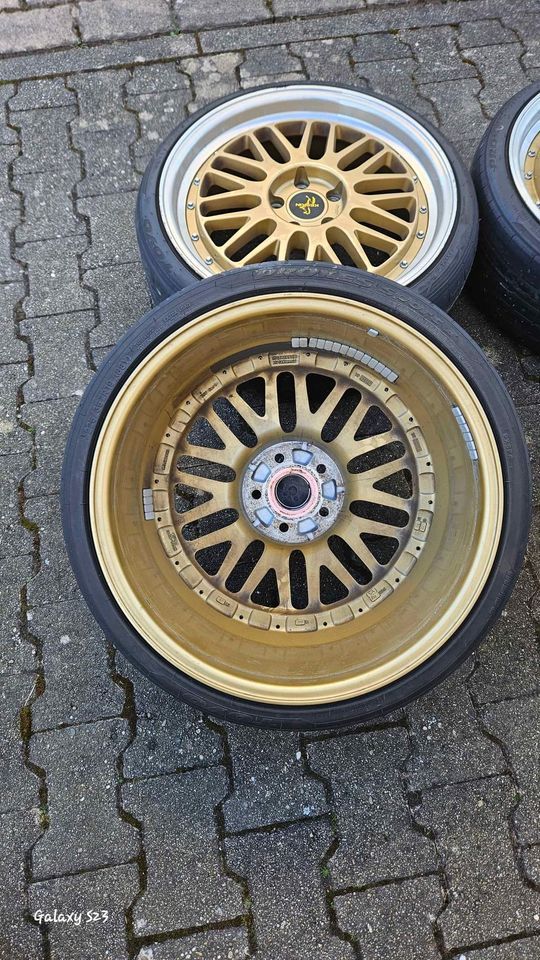
 Do you think the rim can be so crooked? 2-year-old rim? I think that the balancing on the unfastening ... and on these old tires, and the rim of a decent company, i.e. Keskin, cannot be bent in such a short time.