Hello ,
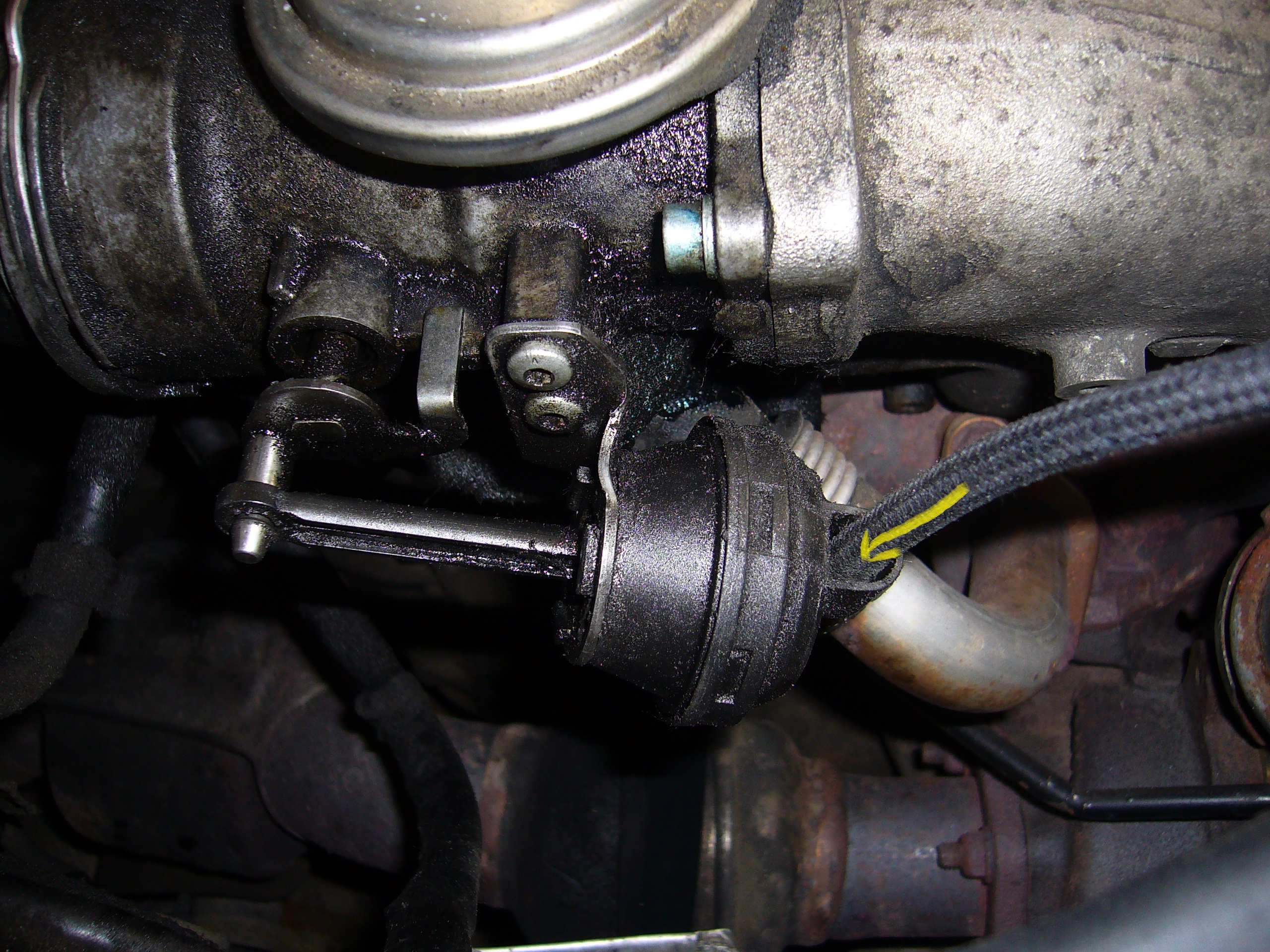
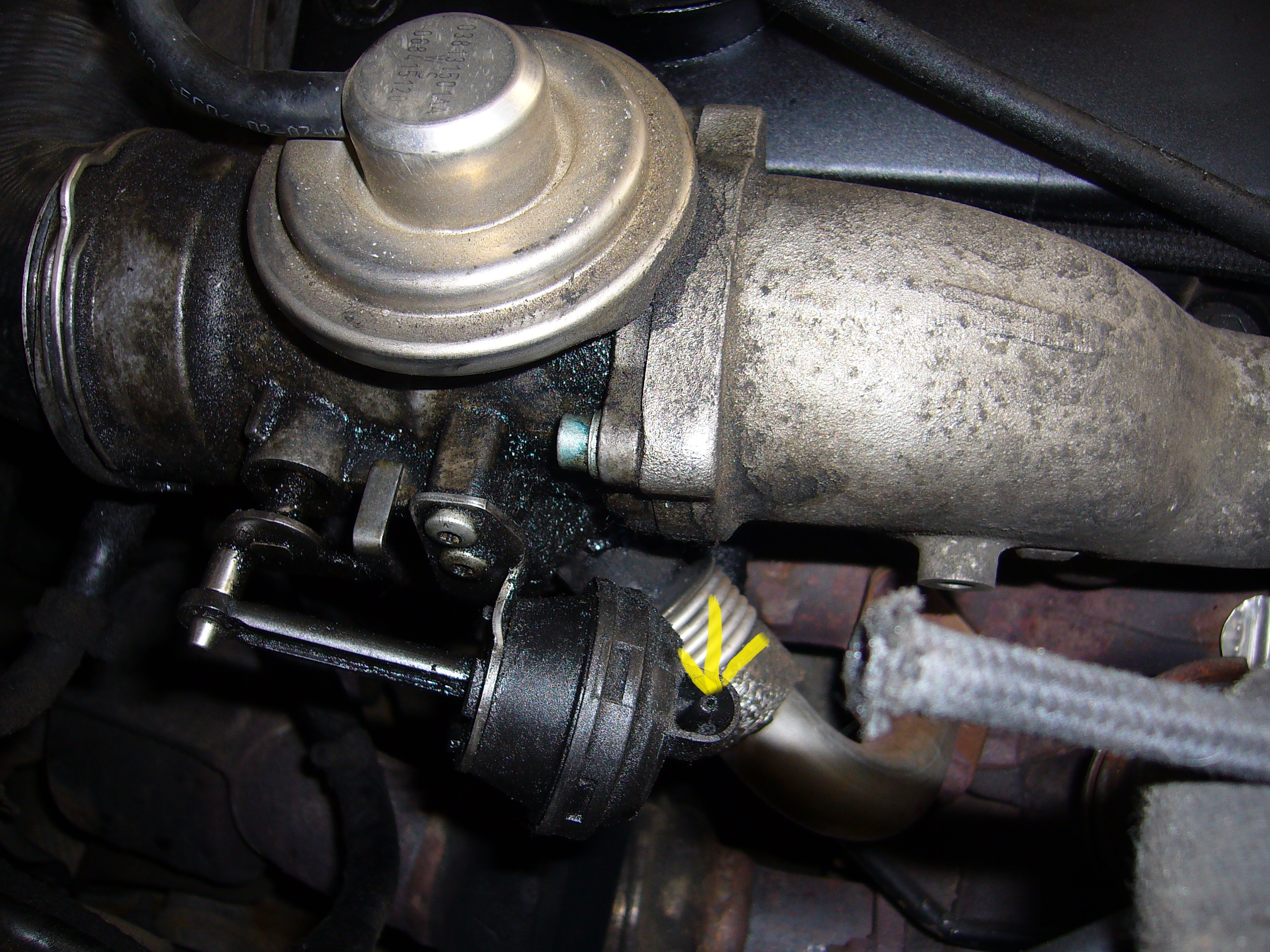
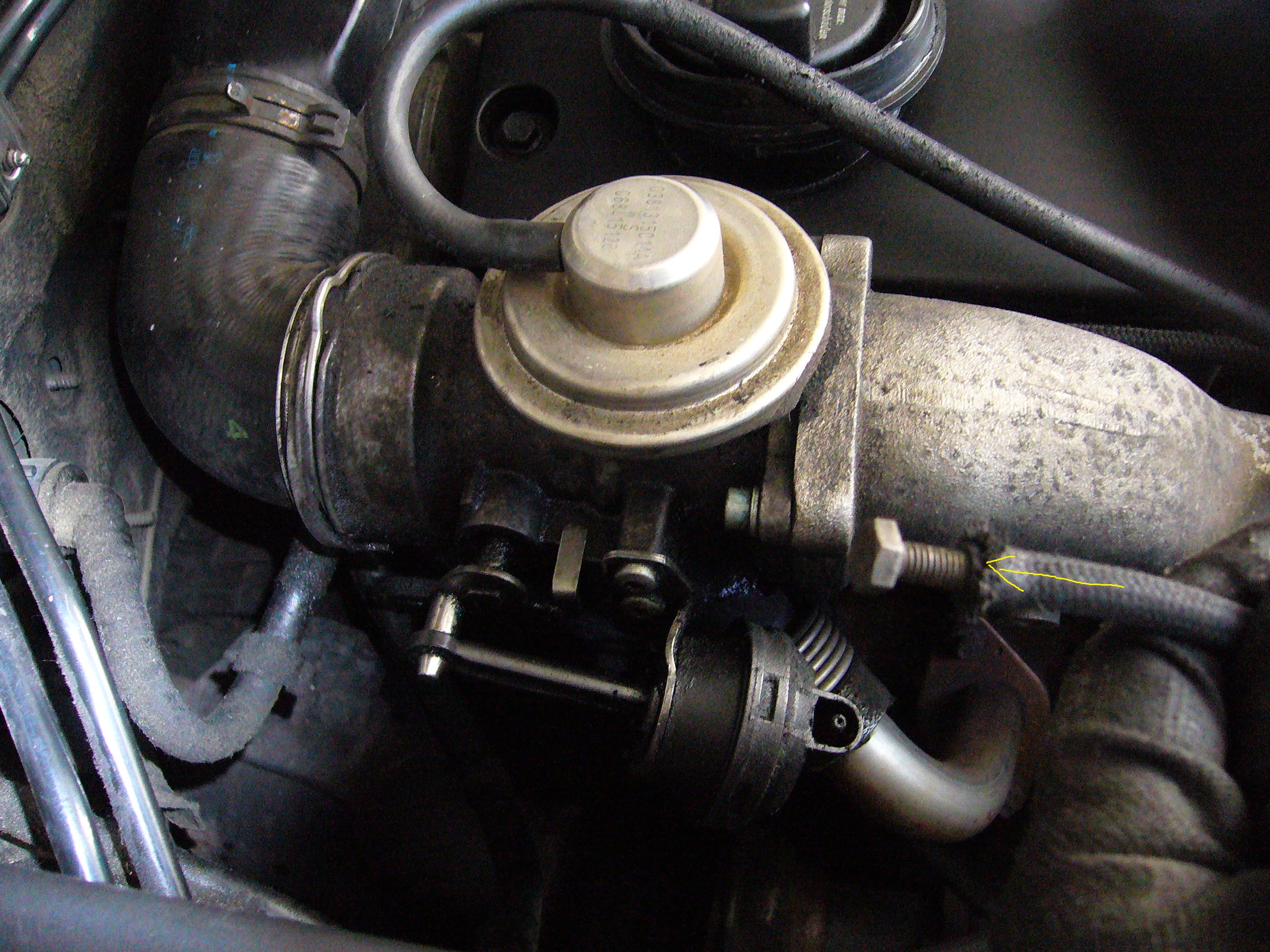
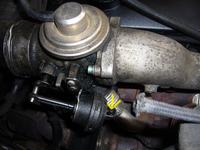
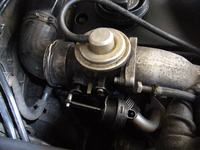
The area around the EGR valve, as in the photos, is lightly flooded with oil. The last time a mechanic rummaged there about 60,000 km ago because when the hose marked with an arrow was connected to this valve, the engine lost power, as if the turbine was not running at all. The mechanic disconnected the hose from the valve and screwed a screw into it as in the photo. The car actually runs ok, the power is ok, it does not smoke, it does not take oil, no errors, only sometimes when you run it hard, it catches an error (nothing on the dashboard appears) but it loses power, again as before, as if the turbine does not it worked. Then just turn the ignition off and on again and everything returns to normal. Then you can saw it, but it does not enter into this mode.
Since I am getting ready to replace the timing gear soon, I would also like to finally solve this problem because I doubt that it would be like the previous mechanic said that such a leak is nothing serious and almost every 1.9 has it? | What do you advise?
The area around the EGR valve, as in the photos, is lightly flooded with oil. The last time a mechanic rummaged there about 60,000 km ago because when the hose marked with an arrow was connected to this valve, the engine lost power, as if the turbine was not running at all. The mechanic disconnected the hose from the valve and screwed a screw into it as in the photo. The car actually runs ok, the power is ok, it does not smoke, it does not take oil, no errors, only sometimes when you run it hard, it catches an error (nothing on the dashboard appears) but it loses power, again as before, as if the turbine does not it worked. Then just turn the ignition off and on again and everything returns to normal. Then you can saw it, but it does not enter into this mode.
Since I am getting ready to replace the timing gear soon, I would also like to finally solve this problem because I doubt that it would be like the previous mechanic said that such a leak is nothing serious and almost every 1.9 has it? | What do you advise?