logo elektroda
logo elektroda
X
logo elektroda

Insulating 6x5m Tin Garage with Polystyrene: Best Practices, Sealant for Concrete Connections

lobudek 90273 45
Best answers

How should I insulate a 6×5 m tin garage from the inside so it does not condense, and what should I use to seal the sheet-to-concrete joint at the bottom?

Insulate it from the inside with a continuous, airtight layer and make sure the garage has ventilation, because condensation is controlled by vapor-tight sealing and fresh air, not by an air gap; an air gap was said not to improve insulation and the sheet will still get wet [#15848537] [#15848698] [#15848273] Polystyrene can be used, but it should be fixed so it cannot move or be blown off, and the sealing around all edges must stay tight as the sheet metal changes with temperature [#15848273] [#15853965] For the bottom sheet-to-concrete joint, a flexible, frost-resistant building/roof sealant or butyl sealant was recommended, with one practical result reported after also injecting PU foam from below and trimming it flush [#15854109] [#15873013] If water is still entering at the base, one suggestion was to make a drip groove or raise the garage edge instead of relying only on inside sealing [#15855335]
Generated by the language model.
ADVERTISEMENT
Treść została przetłumaczona polish » english Zobacz oryginalną wersję tematu
  • #31 15853559
    ShakeAll
    Level 20  
    You can cut with a knife, but with a vacuum cleaner at hand because there will be a lot of polystyrene balls.
    You can cut with resistance wire aesthetically and conveniently, but watch out for fumes.
    Glue for gluing polystyrene is called ... Glue for polystyrene, or Tytan probably has some foam adhesives on offer.
  • ADVERTISEMENT
  • #32 15853838
    Frog_Qmak
    Level 25  
    Cut the polystyrene with hot wire connected to a power supply :)
  • #33 15853965
    Anonymous
    Level 1  
  • #34 15854109
    lobudek
    Level 15  
    Well, this is a special flexible seal:
    http://www.soudal.pl/inne-uszczelniacze-menu/item/375-butylenowy-uszczelniacz-budowlany
    You don't even know how much I regret now that I didn't put 4x as much for a sandwich panel; /

    Added after 4 [hours] 46 [minutes]:

    And what do you think about pouring self-leveling concrete inside about 15-20mm on the whole? Not only will it even out the floor (it's not perfect), it will also raise the interior and the problem with water pouring in will disappear.
  • ADVERTISEMENT
  • #35 15855206
    ShakeAll
    Level 20  
    You might as well spill an industrial floor, it's non-slip and provides some kind of thermal insulation, but it's all about costs.
    The self-leveling screed is not the cheapest, and in such a small area, it is not so difficult to make a regular screed evenly.
  • #36 15855250
    Anonymous
    Level 1  
  • #37 15855259
    lobudek
    Level 15  
    And if I made an ordinary 2cm spout inside, there won't be any problems with cracking etc?
    @U.P.
    I do not need the sewer, if I want to change the oil, I go to my neighbor. In addition, the screed is already, properly rubbed and poured with 22-25 cm of concrete b25 pear. Not for handicap.
  • #38 15855267
    Anonymous
    Level 1  
  • ADVERTISEMENT
  • #39 15855278
    lobudek
    Level 15  
    eurotips wrote:
    Remember once in a lifetime: the minimum thickness of the concrete screed is 7 cm.

    I don't think we understood each other ;) . The garage is already standing, on a concrete slab that was poured last year, 22-25cm b25. A week ago, I put up a garage and I have a problem with water getting in when the sheet-concrete joint is made. I want to pour a 2 cm layer from the inside to seal the garage (on the spout) ...
  • ADVERTISEMENT
  • #40 15855335
    Strumien swiadomosci swia
    Level 43  
    lobudek wrote:
    A week ago, I put up a garage and I have a problem with water getting in when the sheet-concrete joint is made


    In the tin plates, right on the metal sheet inside the garage, a groove is made from a patch sunk in the screed 3x3cm or 4x4 cm and if something gets into it, it will flow down this groove
    The second option is to raise the garage and give silicone or some other roofing sealant.
  • #41 15873013
    lobudek
    Level 15  
    The sealant has passed the test. In addition, from the bottom, as you can see in the photos, I injected polyurethane foam and cut off the excess flush with the profile. It is sealed and insulated at the same time.
  • #42 15873432
    ShakeAll
    Level 20  
    The foam will oxidize after some time and will scatter if it is not protected from the weather.
  • #43 15873441
    freebsd
    Level 42  
    Polyurethane foam is soaking up water - will it come into contact with uninsulated concrete or with moisture?
  • #44 15882053
    lobudek
    Level 15  
    The foam is on the inside, behind a sealed sheet. Even so, after all-day rainfall, the water goes inside. However, I will have to pour a 1.5-2 cm layer of concrete inside ...
  • #45 20215375
    lobudek
    Level 15  
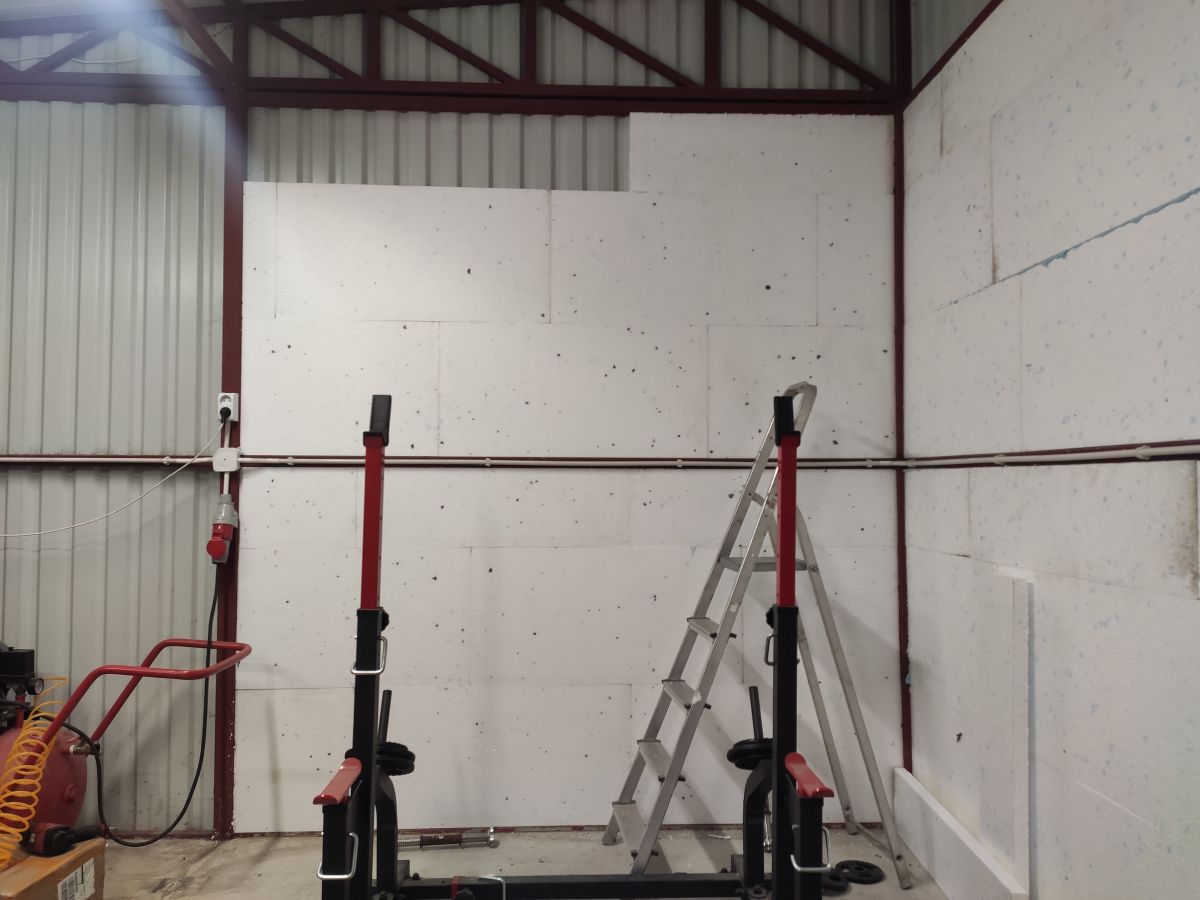
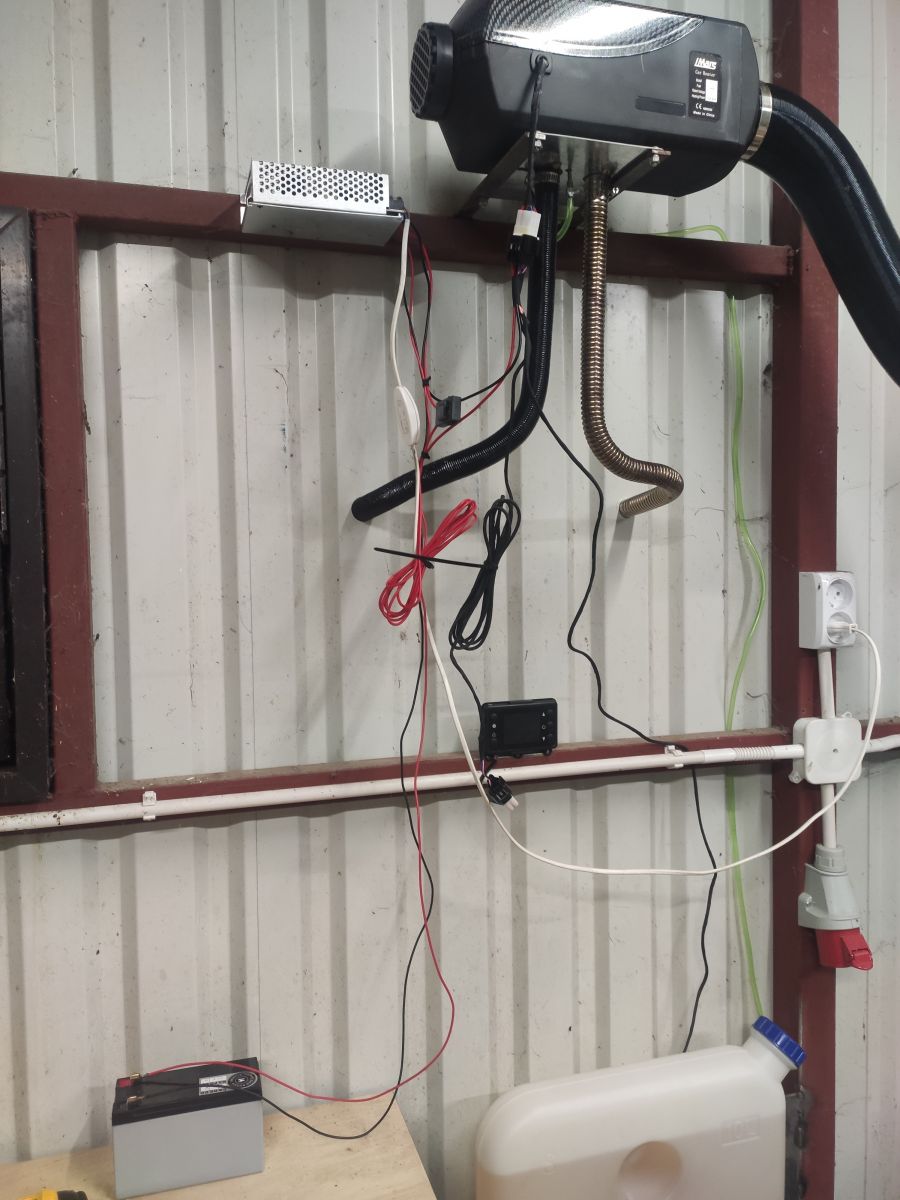
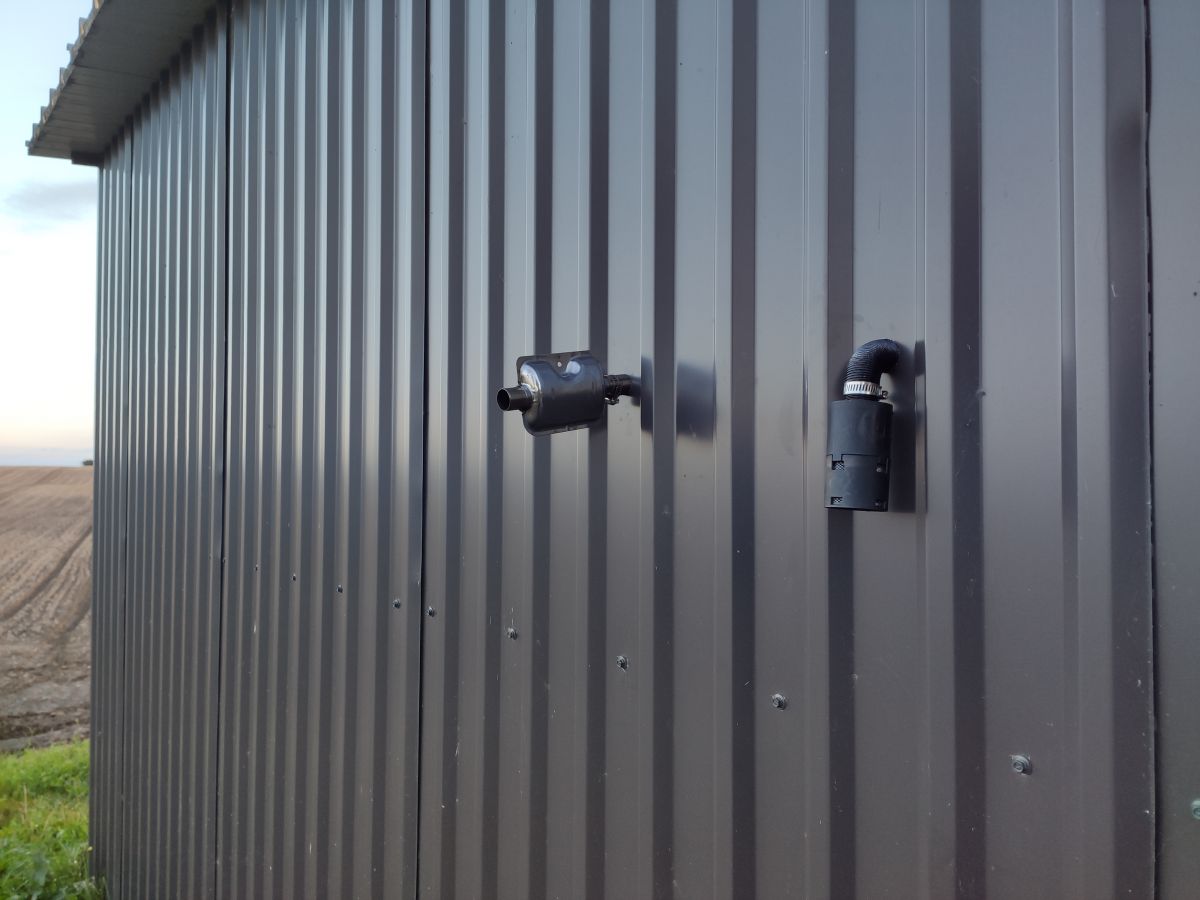
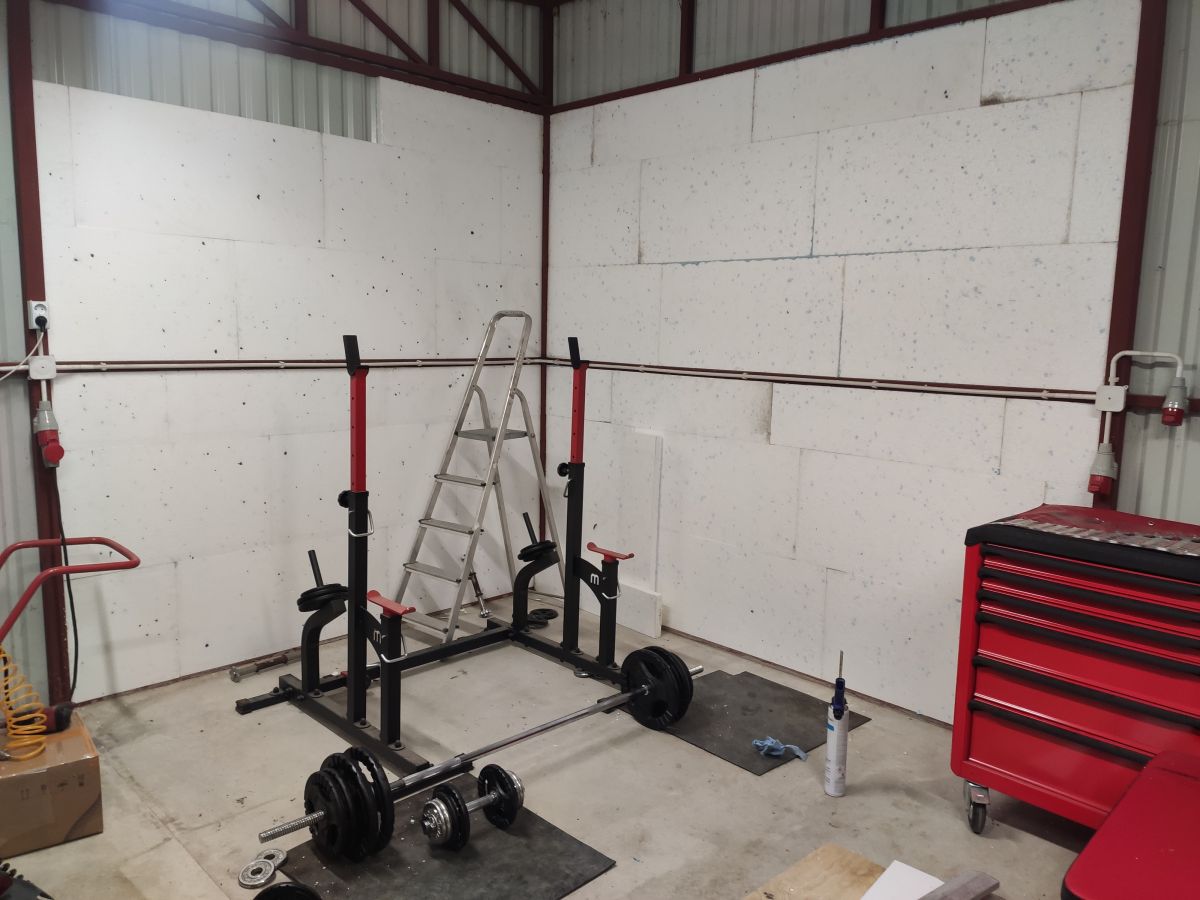
    It's been a few years, but I didn't finally insulate the garage then ... until now. Yesterday I started to insulate with 40mm polystyrene, I am planning another 20mm layer to close with the poles (60x60x3mm). A regular GK board will probably go for all of this. Chinese webasto is used for heating and even without insulation it was able to heat up the interior of the garage.
    Insulating 6x5m Tin Garage with Polystyrene: Best Practices, Sealant for Concrete Connections Insulating 6x5m Tin Garage with Polystyrene: Best Practices, Sealant for Concrete Connections Insulating 6x5m Tin Garage with Polystyrene: Best Practices, Sealant for Concrete Connections Insulating 6x5m Tin Garage with Polystyrene: Best Practices, Sealant for Concrete Connections


  • #46 21706684
    Grgeory92
    Level 10  
    >>20215375 .
    Hi,
    I know it's been a while since your post. Tell me, how does it perform? How about condensation? How did you specifically install the polystyrene? First the polystyrene, on top of that the membrane and only the OSB? I would be very grateful for your answer on how it performs and how about condensation:) .

Topic summary

✨ The discussion revolves around insulating a 6x5m tin garage using polystyrene, addressing concerns about condensation, sealing, and insulation thickness. Users suggest using a vapor barrier and mineral wool as alternatives to polystyrene due to moisture absorption issues. The proposed insulation scheme includes a trapezoidal sheet, a vapor barrier, and polystyrene, with recommendations for maintaining an air gap to prevent condensation. The importance of sealing the connection between the concrete floor and the sheet metal is emphasized, with suggestions for using flexible sealants and polyurethane foam. Users also discuss the need for proper ventilation and the potential use of a wood stove for heating during winter. The conversation highlights the necessity of careful planning to ensure long-lasting insulation and sealing solutions.
Generated by the language model.

FAQ

TL;DR: Adding 40 mm EPS inside a tin garage can cut wall heat loss by ~35 % [ASHRAE, 2020]; “It has to be TIGHT” [Elektroda, Anonymous, post #15847527] The key is a vapor-tight inner face, 1 cm air gap, and flexible butyl sealing. Why it matters: Done once, you avoid years of dripping condensation and wasted heating fuel.

Quick Facts

• 40 mm EPS (λ ≈ 0.038 W/mK) gives R≈1.05 m²K/W [PN-EN 13163]. • Typical Polish price: 40 mm EPS ≈ PLN 13 – 17 /m² [Cennik-EPS, 2022]. • Butyl construction sealant elongation >600 %, service −40 °C – +90 °C [Soudal TDS]. • Minimum concrete screed thickness for vehicles: 70 mm [Elektroda, eurotips, post #15855267] • Uninsulated slab can account for up to 20 % of total heat loss in a small garage [BRE, 2019].

Will polystyrene cause condensation on a tin wall?

Condensation appears only when warm moist air reaches the cold sheet. A 1 cm ventilated cavity plus an inner vapor-tight layer stops that transport, so 40 mm EPS itself does not create condensation [Elektroda, lopyola, post #15848698]

Is mineral wool better than EPS for this 40 mm cavity?

Mineral wool lets vapor pass, so you must add a vapor-barrier foil anyway. EPS is cheaper, easier to cut and keeps its R-value when dry [Elektroda, ShakeAll, post #15847354] Both fit, but EPS avoids sagging over time.

Do I really need a vapor-barrier foil?

Yes. Place an aluminised or PE foil on the warm side (inside) so indoor moisture cannot reach the sheet. Missing this layer is the top cause of rusty puddles in metal sheds [BRE, 2019].

Will the 18 mm trapezoidal profile count as an air gap?

Partly. Add 10 mm EPS spacers at board corners so the main 40 mm panel sits clear of the ridges. That delivers a continuous 8–12 mm cavity for drainage and airflow [Elektroda, lobudek, post #15848287]

How do I seal the sheet-to-concrete joint?

  1. Clean rust and dust. 2. Gun a 5 mm bead of butyl construction sealant along the joint. 3. Press a backing strip, then overcoat with UV-resistant paint. Butyl stays flexible through −40 °C freeze-thaw cycles [Soudal TDS; Elektroda, lobudek, #15854109].

What adhesive and cutting method suit EPS boards?

Use low-expansion PU foam adhesive or dedicated EPS glue; both bond in <10 min at 20 °C [Tytan TDS]. Cut boards with a hot-wire knife for clean edges and no mess [Elektroda, Frog_Qmak, post #15853838]

Is a 2 cm topping screed inside risky?

Yes. Thin screeds crack under wheel loads. If you must raise the floor, pour ≥7 cm fibre-reinforced concrete or use industrial epoxy topping instead [Elektroda, eurotips, post #15855267]

How large is the heat loss through an uninsulated floor?

For a 30 m² slab, models show ≈300 W at ΔT = 15 K—about 20 % of garage losses [BRE, 2019]. Adding a 20 mm PIR overlay halves this figure.

Can I leave exposed polyurethane foam at the base?

No. UV and moisture degrade PU after 6–12 months; it crumbles and wicks water upward, a failure many DIYers overlook [Elektroda, ShakeAll, post #15873432] Cover it with metal flashing or elastomeric paint.

Is extra ventilation needed when heating with a stove or diesel heater?

Provide a 100 cm² intake grille and a high exhaust vent; add a CO detector. Diesel heaters can back-draft if the garage becomes airtight [Elektroda, ShakeAll, post #15848273]

What budget should I expect for full DIY insulation?

For 30 m² walls: 40 mm EPS PLN 450; foil PLN 120; butyl sealant PLN 80; PU adhesive PLN 100; screws/boards PLN 250. Total ≈ PLN 1 000 (~€210).

Quick 3-step EPS install guide

  1. Stick 10 mm EPS squares on corners of each 40 mm board with PU adhesive. 2. Press board against sheet so spacers form an air gap. 3. Tape foil over studs, then screw 12.5 mm plasterboard. Ready for paint.
Generated by the language model.
ADVERTISEMENT